Easy Creamy Indian Chicken Curry: Delicious Comfort Food
The intoxicating aroma of toasted spices and creamy coconut milk can instantly transport you to the vibrant streets of India, promising a culinary journey that’s both comforting and exciting. This Creamy Indian Chicken Curry is a testament to how simple ingredients can be transformed into something truly spectacular, offering a delightful balance of warmth, richness, and subtle heat. It’s a dish that has become a staple in my kitchen, perfect for cozy weeknight dinners or for impressing guests with its sophisticated flavors.
What truly makes this curry shine is its versatility and its ability to adapt to your personal preferences and dietary needs. Whether you’re seeking a spicier kick, a milder embrace, or a plant-based alternative, this recipe serves as an excellent foundation to build upon. Get ready to discover a dish that’s not only incredibly delicious but also remarkably easy to prepare, proving that authentic Indian flavors are well within reach for any home cook.
Why You Will Love This Recipe
- Rich and Creamy Texture: The luscious combination of coconut milk and aromatic spices creates an unbelievably smooth and satisfying sauce that coats every piece of tender chicken beautifully.
- Customizable Spice Level: Easily adjust the heat by modifying the amount of cayenne pepper, ensuring a perfect flavor profile whether you prefer mild or fiery.
- Quick Preparation Time: This flavorful curry can be on your table in under 40 minutes, making it an ideal choice for busy weeknights or spontaneous dinner gatherings.
- Versatile Ingredients: Feel free to swap out vegetables, alter the protein, or experiment with different garnishes to make this recipe uniquely yours.
- Crowd-Pleasing Flavor: The universally loved combination of tender chicken, aromatic spices, and creamy sauce is sure to be a hit with family and friends of all ages.
Ingredients You Need
The soul of any great curry lies in the quality and freshness of its ingredients, and this Creamy Indian Chicken Curry is no exception. Selecting vibrant, fragrant spices and tender cuts of chicken will undoubtedly elevate the final dish, ensuring a truly memorable taste experience. Don’t be afraid to explore your local spice market for the freshest options available, as they make a significant difference in the depth and complexity of the curry’s flavor profile.
Creamy Indian Chicken Curry
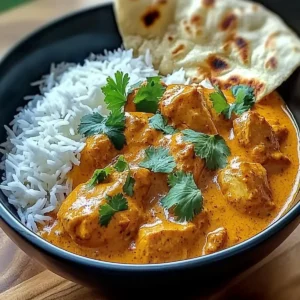
The aroma of spices drifts through the kitchen, instantly transforming a quiet evening into an enchanting culinary adventure. This Creamy Indian Chicken Curry is my go-to dish when I want to impress dinner guests or simply indulge in comforting flavors at home. With tender chicken smothered in a rich coconut milk sauce, it’s a warm hug in a bowl that promises not just satisfaction but also a customizable experience – perfect for tailoring to your family's taste and dietary preferences. Plus, it’s a breeze to prepare, making it an ideal choice for meal prep or casual weeknight dinners. Ready to elevate your cooking with a dish that is both delightful and packed with flavor? Let’s dive in!
- For the Chicken1 lb Chicken (Use thighs for juiciness or breasts for a leaner option.)
- For the Base2 tbsp Vegetable Oil/Ghee (Ghee offers a traditional Indian taste.)
- 1 medium Onion (Yellow or red onions create the best results.)4 cloves Garlic (Opt for fresh for a more intense taste.)1 tbsp Ginger (Infuses warmth and spice.)
- For the Spices2 tbsp Curry Powder/Garam Masala (Adjust according to your spice tolerance.)1 tsp Turmeric (Adds color and earthiness.)1 tsp Ground Cumin (Brings warmth and complexity.)1 tsp Cayenne Pepper (Modify to achieve your desired spice level.)1 tsp Salt (Essential for seasoning.)1 tsp Pepper (Essential for seasoning.)
- For the Sauce1 can Coconut Milk (Low-fat milk can be used for a lighter version.)1 cup Tomato Puree (Crushed tomatoes make a great substitute.)1 cup Chicken Broth (Choose low-sodium for salt control.)2 tbsp Lime Juice (Brightens the dish.)
- For Garnish1/4 cup Fresh Cilantro (Parsley can be used as an alternative.)
- 1Heat a Dutch oven over medium heat and pour in the vegetable oil or ghee. Add finely chopped onion, stirring occasionally, until it becomes translucent and soft, about 5 to 7 minutes.
- 2Stir in minced garlic and freshly grated ginger once the onions are soft. Sauté for an additional minute.
- 3Add the curry powder, turmeric, ground cumin, and cayenne pepper to the pan. Toast the spices for about one minute while stirring.
- 4Introduce the chicken pieces to the pot and season with salt and pepper. Sauté the chicken until it’s thoroughly browned on all sides, approximately 5 to 8 minutes.
- 5Pour in the coconut milk, tomato puree, and chicken broth, mixing everything together well. Increase the heat slightly and bring to a gentle simmer.
- 6Partially cover the pot and reduce the heat to low. Allow the curry to simmer for 20 to 25 minutes.
- 7Once the chicken is cooked through, remove the pot from heat and stir in fresh lime juice.
- 8Serve hot over basmati rice or warm naan, and garnish with freshly chopped cilantro.
Keywords: Indian Chicken Curry, Creamy Curry, Coconut Milk Curry, Weeknight Dinner, Easy Curry, Comfort Food
The exact quantities for each ingredient are conveniently listed within the accompanying recipe card, guiding you precisely through the preparation process for optimal results.
Variations
This Creamy Indian Chicken Curry is a wonderfully adaptable dish, making it a canvas for culinary creativity and personal taste preferences. Experimentation is encouraged, and a few simple swaps can transform this beloved recipe into an entirely new experience.
Vegan Delight: For a completely plant-based version, substitute the chicken with firm tofu or a generous helping of chickpeas. Ensure you use vegetable broth instead of chicken broth, and consider adding extra vegetables like hearty chunks of cauliflower or sweet potatoes for added texture and nutrients. This variation maintains the creamy, comforting essence of the original while catering to vegan dietary needs.
Low-Carb Indulgence: To make this curry suitable for a low-carbohydrate lifestyle, skip the traditional rice or naan. Instead, serve this rich curry over a bed of cauliflower rice, which provides a similar texture without the carb count. Alternatively, enjoy it as is, letting the flavorful sauce and tender chicken be the stars of your meal. You could also incorporate more non-starchy vegetables like spinach or bell peppers to boost the fiber and nutrient content.
Spicy Fiesta: If you crave an extra kick, don’t hesitate to ramp up the heat. Incorporate fresh green chilies, finely chopped, along with the garlic and ginger, or increase the amount of cayenne pepper significantly. For a smoky heat, a pinch of smoked paprika can add another dimension of flavor. Remember to taste and adjust as you go, ensuring the spice level is exhilarating without overpowering the other delicate flavors.
How to Prepare Creamy Indian Chicken Curry
Step 1: Sauté Aromatics
Begin by heating a heavy-bottomed pot or Dutch oven over medium heat. Pour in your chosen fat, whether it’s neutral vegetable oil or the more traditional and flavorful ghee. This initial step is crucial for building the aromatic foundation of the curry.
Once the fat is shimmering, add the finely chopped onion. Stir the onions frequently, allowing them to soften and turn translucent without browning too quickly. This process usually takes about five to seven minutes, during which the onions will release their natural sugars and sweetness, a vital component for the overall flavor profile.
The slow sautéing of the onions ensures they break down beautifully, contributing a subtle sweetness and a creamy texture to the final sauce. This patience at the beginning pays significant dividends in the depth of flavor achieved in the finished dish, making it a truly rewarding culinary endeavor.
Step 2: Add Garlic and Ginger
As soon as the onions have reached the desired translucent stage, it’s time to introduce the potent aromatics of garlic and ginger. Stir in the minced garlic and freshly grated ginger, ensuring they are well distributed amongst the softened onions. These ingredients are fundamental to the characteristic warmth and pungency of Indian cuisine.
Sauté these aromatics for just about one minute, stirring constantly. The goal here is to release their fragrant oils and heady aromas without allowing them to burn, which could impart a bitter taste. The kitchen will begin to fill with an incredibly inviting scent, a clear indicator that the flavor base is developing beautifully.
This brief toasting of garlic and ginger awakens their essential oils, intensifying their flavors and adding a complex layer of warmth to the curry. It’s a small step that makes a significant impact on the final taste, ensuring a vibrant and authentic Indian curry experience.
Step 3: Toast Spices
Now comes the heart of the curry: the spices. Add the curry powder (or garam masala for a more traditional Indian blend), turmeric, ground cumin, and cayenne pepper to the pot with the onions, garlic, and ginger. These ground spices will release their essential oils when heated, intensifying their flavors and aromas.
Toast the spices for approximately one minute, stirring continuously. This process, known as blooming, allows the spices to become fragrant and deepen in color, unlocking their full flavor potential. You will notice a dramatic increase in the aromatic intensity of the mixture, a delightful prelude to the richness of the curry.
Be careful not to over-toast the spices, as they can quickly burn. The fragrant cloud that rises from the pot is a sign that they are perfectly bloomed and ready to meld with the other ingredients. This step is absolutely crucial for achieving that authentic, complex flavor profile that defines a truly great Indian curry.
Step 4: Brown Chicken
Introduce the chicken pieces to the pot, ensuring they are coated with the aromatic spice mixture. Season the chicken generously with salt and freshly ground black pepper. This seasoning at the start helps to draw out moisture and enhance the chicken’s inherent flavor.
Sauté the chicken, stirring occasionally, until it is thoroughly browned on all sides. This browning process, also known as the Maillard reaction, is vital for developing a deep, savory flavor base. Aim for about five to eight minutes, or until you see a lovely golden-brown crust forming on the chicken pieces.
Do not overcrowd the pot; if necessary, brown the chicken in batches to ensure it sears properly rather than steams. The browned bits left in the pot after cooking the chicken are packed with flavor and will contribute significantly to the richness of the final sauce, so make sure to scrape them up when adding liquids.
Step 5: Combine Ingredients
Once the chicken is beautifully browned, it’s time to bring the sauce together. Pour in the full-fat coconut milk, ensuring it’s well-stirred if separated. Add the tomato puree, which will lend a touch of acidity and a deeper color to the curry. Finally, pour in the chicken broth, preferably a low-sodium variety to better control the saltiness of the dish.
Stir everything together thoroughly, making sure to scrape up any browned bits from the bottom of the pot. These flavorful remnants are essential for building the complex taste of the curry. Mix until all the ingredients are well combined and the sauce begins to look smooth and inviting.
Increase the heat slightly to bring the mixture to a gentle simmer. You should see small bubbles forming and rising to the surface, indicating that the sauce is beginning to thicken and the flavors are starting to meld. This gentle simmer is the precursor to allowing the ingredients to fully harmonize.
Step 6: Simmer
Once the curry has reached a gentle simmer, partially cover the pot. This allows some steam to escape, helping the sauce to thicken, while still preventing too much liquid from evaporating too quickly. Reduce the heat to low, ensuring the curry maintains a gentle, consistent simmer rather than a rolling boil.
Allow the curry to simmer for a period of 20 to 25 minutes. During this time, the chicken will cook through completely, becoming wonderfully tender and succulent. The flavors from the spices, aromatics, and liquids will meld together beautifully, creating a rich, luscious sauce that is the hallmark of this dish.
Stir the curry occasionally to prevent anything from sticking to the bottom of the pot and to ensure even cooking. Keep a close eye on the consistency of the sauce; if it becomes too thick, you can add a splash more chicken broth or coconut milk. If it’s too thin, simply continue to simmer, uncovered, for a few extra minutes.
Step 7: Finish & Serve
After the simmering period, check the chicken for doneness. It should be cooked through and tender. Remove the pot from the heat to prevent overcooking and to allow the flavors to settle for a moment. Stir in the fresh lime juice; this final addition of acidity brightens the entire dish, cutting through the richness of the coconut milk and lifting the complex spice notes.
Serve your Creamy Indian Chicken Curry piping hot. It is traditionally served over a bed of fluffy basmati rice, which perfectly soaks up the delicious sauce. Alternatively, warm naan bread is an excellent choice for scooping up every last drop of this delectable curry.
For a final flourish and to enhance both the visual appeal and the fresh flavor, garnish generously with freshly chopped cilantro. The bright green herb provides a beautiful contrast to the rich, golden hue of the curry and adds a refreshing herbaceous note that complements the spices perfectly. This step is optional but highly recommended for the complete dining experience.
Pro Tips for Creamy Indian Chicken Curry
Use Freshly Ground Spices: For the most vibrant and potent flavors, opt for whole spices and grind them yourself just before cooking. The difference in aroma and taste compared to pre-ground spices is remarkable, leading to a far more authentic and complex curry.
Marinate Your Chicken: For exceptionally tender and flavorful chicken, marinate it for at least 30 minutes (or up to 24 hours) in a mixture of plain yogurt, a little ginger-garlic paste, and some of the curry spices. The yogurt tenderizes the meat beautifully and helps it absorb more flavor.
Achieve the Perfect Consistency: The thickness of your curry can be adjusted easily. If it’s too thin, simmer it uncovered for a few extra minutes to allow some liquid to evaporate. If it’s too thick, stir in a splash of coconut milk, chicken broth, or even a little water until it reaches your desired consistency.
Taste and Adjust Seasoning: Always taste your curry before serving and adjust the salt, pepper, and cayenne pepper as needed. Different brands of curry powder can vary in saltiness and heat, so personal adjustment is key to perfection.
Don’t Skip the Lime Juice: The final squeeze of lime juice is non-negotiable for a truly balanced curry. It cuts through the richness, brightens the spices, and elevates all the other flavors, making the dish sing. It’s the secret to preventing the curry from tasting flat or overly heavy.
Serving Suggestions for Creamy Indian Chicken Curry
Decoration
Elevate the visual appeal of your Creamy Indian Chicken Curry with simple yet impactful garnishes. A generous sprinkle of freshly chopped cilantro is classic and essential, offering a burst of vibrant green. Consider adding a swirl of extra coconut cream or a dollop of plain yogurt for a beautiful marbled effect and added creaminess.
Thinly sliced red chilies can be scattered on top for a pop of color and a hint of extra heat, appealing to those who love a spicier profile. A sprinkle of toasted slivered almonds or cashews can add an appealing textural contrast and a sophisticated look. Even a few fresh curry leaves, gently fried until crisp, can provide an authentic and aromatic flourish.
Side Dishes
The perfect accompaniments can transform your Creamy Indian Chicken Curry into a complete and satisfying feast. Fluffy, fragrant Indian dinner staple, basmati rice, is the quintessential choice, its delicate grains providing an ideal canvas for the rich sauce. Warm, pillowy naan bread is another fantastic option, perfect for scooping up every last morsel of curry.
For a cooling counterpoint to the curry’s warmth and spice, serve a side of cucumber raita. This yogurt-based condiment, often infused with mint or cumin, offers a refreshing contrast. A simple, crisp green salad with a light vinaigrette can also provide a much-needed freshness, cutting through the richness of the curry.
Consider complementary Indian snacks or small dishes. A portion of spiced roasted cauliflower or oven-baked tandoori chicken skewers can add variety and further enhance the Indian culinary experience. A small bowl of sweet mango chutney offers a delightful sweet and tangy element that pairs exceptionally well with the savory curry.
Creative Serving Ideas
Think beyond the traditional bowl when serving this delightful curry. Consider presenting it in individual ramekins or small, decorative bowls for an elegant touch when entertaining guests. A presentation on a large platter, garnished artfully, can make it a stunning centerpiece for a buffet.
For a unique twist, try serving the curry alongside a vibrant lentil dal or a refreshing chickpea salad. These combinations add layers of texture and flavor, creating a more complex and engaging meal. You could also serve it in miniature naan bread pockets for a fun, handheld appetizer option.
Pairing with a refreshing beverage is also key. A cool, sweet mango lassi is a classic choice that perfectly complements the spices and creamy texture of the curry, offering a delightful tropical interlude. Don’t forget to explore other delightful creamy recipes like the easy lobster bisque recipe for more inspiration.
Preparation & Storage
Storing Leftovers
If you’re fortunate enough to have leftovers of this delectable Creamy Indian Chicken Curry, storing them properly will ensure they remain delicious for days to come. Once the curry has cooled down to room temperature, transfer it into an airtight container. This prevents any air from getting in, which can lead to spoilage or the absorption of unwanted odors from the refrigerator.
Properly stored leftovers can be kept in the refrigerator for up to three days. It’s important to ensure the container is sealed tightly to maintain the curry’s freshness and prevent it from drying out. Avoid leaving the curry at room temperature for extended periods, as this can promote bacterial growth.
When you’re ready to enjoy your leftovers, simply reheat them gently. The flavors often meld and deepen overnight, making leftovers just as, if not more, flavorful than the initial serving. This makes it an excellent candidate for meal prepping.
Freezing
For longer-term storage, freezing this Creamy Indian Chicken Curry is an excellent option. Ensure the curry has completely cooled down before transferring it into a freezer-safe airtight container or a heavy-duty freezer bag. Remove as much air as possible from the container before sealing to prevent freezer burn.
Label the container with the date and contents to keep track of your frozen goods. The curry can be stored in the freezer for up to three months. Beyond this period, while it may still be safe to consume, the quality of the flavor and texture might begin to diminish.
When you plan to use the frozen curry, the best method is to thaw it slowly overnight in the refrigerator. This gradual thawing process helps to maintain the integrity of the sauce and chicken. Avoid thawing at room temperature, as this can lead to uneven heating and potential spoilage.
Reheating
Reheating Creamy Indian Chicken Curry is a simple process, and the goal is to gently bring it back to serving temperature without compromising its texture or flavor. The most recommended method is to reheat it on the stovetop over medium-low heat.
Transfer the thawed or refrigerated curry into a saucepan. Stir it frequently to ensure it heats evenly and to prevent sticking. If the curry seems too thick after reheating, you can add a splash of chicken broth, a bit more coconut milk, or even a touch of water to loosen it up and restore its creamy consistency.
Alternatively, you can reheat individual portions in the microwave. Place the curry in a microwave-safe dish, cover it loosely, and heat on medium power, stirring every minute or so until heated through. Be mindful not to overheat, as this can cause the chicken to become tough or the sauce to separate.
Frequently Asked Questions
-
What type of chicken is best for this curry, and how can I ensure it’s cooked through?
For the most tender and succulent results, chicken thighs are highly recommended due to their higher fat content, which keeps them moist during cooking. However, boneless, skinless chicken breasts are also a popular choice and work well, though they require a bit more care to avoid drying out. Regardless of the cut you choose, ensure the chicken is cooked to an internal temperature of 165°F (75°C), which can be verified with a meat thermometer. Visually, the chicken should no longer be pink in the center, and its juices should run clear when pierced.
-
How long can I store leftovers of Creamy Indian Chicken Curry, and can it be frozen?
Leftovers of Creamy Indian Chicken Curry can be safely stored in an airtight container in the refrigerator for up to three days. It is best to allow the curry to cool down to room temperature before refrigerating to prevent condensation from forming inside the container. For longer storage, this curry freezes exceptionally well. Transfer it to a freezer-safe airtight container or heavy-duty freezer bag, removing as much air as possible, and it can be kept frozen for up to three months. Thaw frozen curry overnight in the refrigerator before reheating.
-
What are some good vegetarian or vegan alternatives for this chicken curry, and how can I adjust the cooking process?
To make this Creamy Indian Chicken Curry vegetarian or vegan, the chicken can be effectively replaced with firm tofu, paneer (for a vegetarian option), or a medley of hearty vegetables like cauliflower florets, sweet potato cubes, or chickpeas. When using tofu, pressing it well and then pan-frying or baking it until golden before adding it to the curry can improve its texture. If opting for vegetables, ensure they are added at the appropriate time to cook through without becoming mushy. Always use vegetable broth instead of chicken broth for vegan versions. The rest of the cooking process, including sautéing aromatics and simmering in coconut milk, remains largely the same.