Carrot Cake Cupcakes With Cream Cheese Frosting
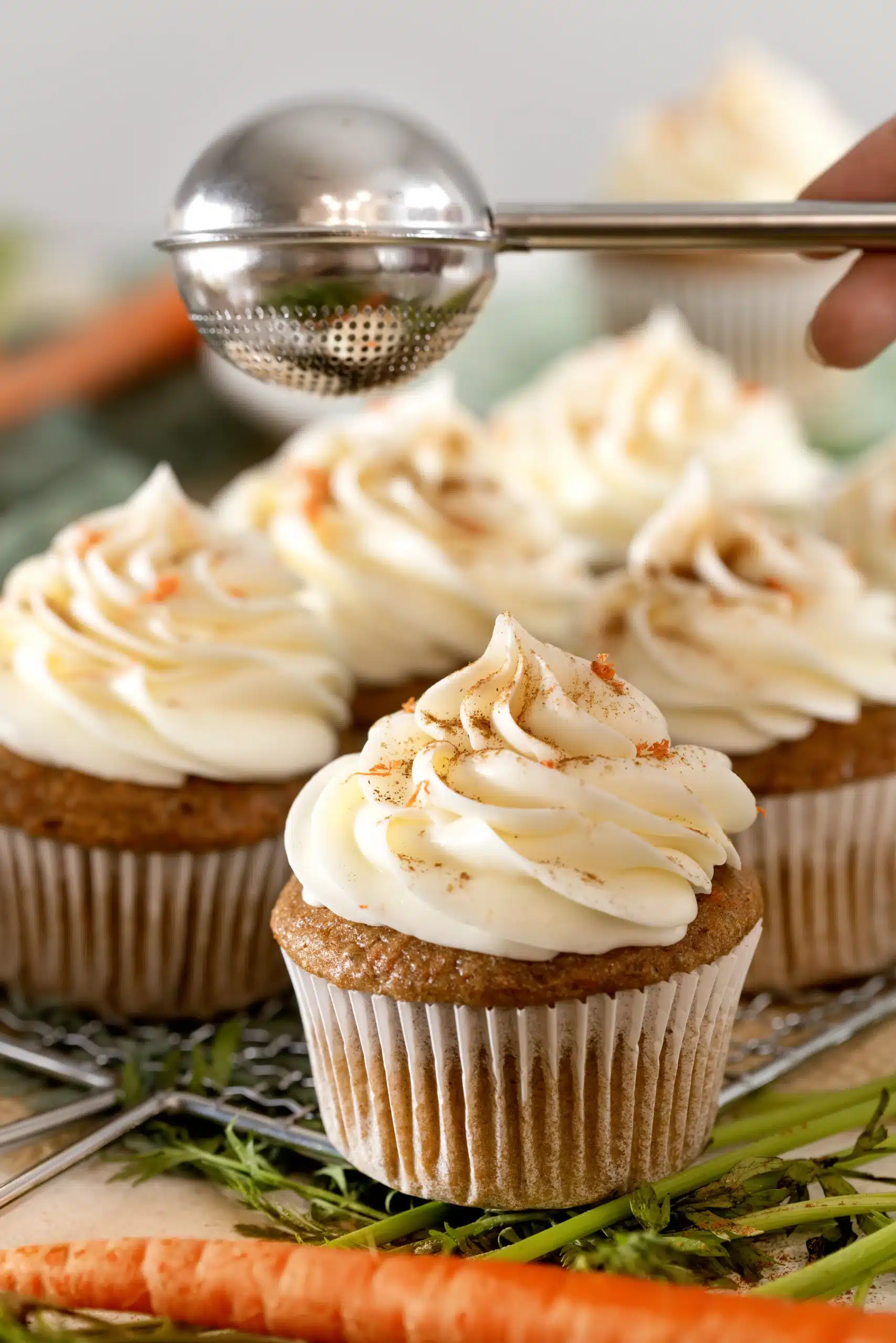
Welcome to a delightful journey into the world of homemade sweetness with these incredible carrot cake cupcakes, crowned with a luscious cream cheese frosting. These aren’t just any baked treats; they’re little pockets of pure joy, perfect for any occasion, from a simple afternoon indulgence to a grand celebration. The comforting aroma of cinnamon and nutmeg combined with the natural sweetness of carrots creates an unforgettable dessert experience.
Imagine biting into a tender, moist cupcake, each bite bursting with warm spices and the subtle sweetness of grated carrots, all enveloped in a cloud of rich, tangy cream cheese frosting. It’s a pairing that’s stood the test of time for a reason, delivering a satisfying balance of flavors and textures that will leave you utterly delighted. Let’s embark on creating these delightful treats together and bring a touch of homemade magic to your kitchen.
Why You Will Love This Recipe
- Exceptional Flavor Combination: The warm, aromatic spices like cinnamon and nutmeg beautifully complement the natural sweetness of fresh carrots, creating a complex and satisfying flavor profile in every bite.
- Moist and Tender Texture: Using finely grated carrots and the right balance of wet ingredients ensures each cupcake is incredibly moist and tender, providing a delightful mouthfeel that makes them truly irresistible.
- Velvety Cream Cheese Frosting: The tangy, smooth cream cheese frosting is the perfect counterpoint to the spiced cake, adding a rich, luxurious element that elevates these cupcakes from delicious to utterly unforgettable.
- Versatile Appeal: Whether for a birthday party, holiday gathering, baby shower, or just a casual get-together with friends, these carrot cake cupcakes are a crowd-pleasing favorite that fits perfectly into any event.
- Homemade Comfort: There’s a special warmth and satisfaction that comes from baking from scratch, and these cupcakes offer that perfect blend of cozy comfort and elegant dessert, showcasing your baking prowess with every beautifully frosted swirl.
Ingredients You Need
Crafting these exceptional carrot cake cupcakes begins with selecting the finest ingredients, the building blocks for a truly memorable dessert experience. Using fresh, high-quality components ensures the best possible flavor and texture, transforming simple elements into something truly special. From the vibrant sweetness of freshly grated carrots to the richness of butter and the subtle kick of warm spices, each ingredient plays a crucial role in achieving that perfect balance.
Carrot Cake Cupcakes With Cream Cheese Frosting
Delicious Carrot Cake Cupcakes with Cream Cheese Frosting. These aren't just any ordinary cupcakes; they’re like the cozy sweater of the dessert realm. The way the moist, spiced cake pairs with the rich, tangy cream cheese frosting is nothing short of magical. They’ve got this unique appeal that combines the warmth of spices like cinnamon and nutmeg with the freshness of grated carrots, creating a cupcake that’s both comforting and delightful.
- For the Cupcakes:
- 1 1/2 cups all-purpose flour
- 1 teaspoon baking powder
- 1/2 teaspoon baking soda
- 1/4 teaspoon salt
- 1 teaspoon ground cinnamon
- 1/2 teaspoon ground ginger
- 1/4 teaspoon ground nutmeg
- 1/2 cup melted butter (warm not hot)
- 3/4 cup white sugar
- 1/2 cup light brown sugar (packed)
- 2 large eggs at room temperature
- 1 teaspoon vanilla extract
- 1 3/4 cups finely grated carrots
- For the Frosting:
- 8 oz cream cheese (softened)
- 1/2 cup butter (room temperature)
- 2 cups powdered sugar (sifted)
- 1 teaspoon vanilla extract
- 1/4 teaspoon salt
- 1Mixing the Dry Ingredients: Whisk together the all-purpose flour, baking powder, baking soda, salt, ground cinnamon, ground ginger, and ground nutmeg in a medium bowl.
- 2Combining the Wet Ingredients: In a large bowl, whisk together the melted butter, white sugar, and brown sugar. Add the eggs one at a time, whisking well after each addition. Stir in the vanilla extract.
- 3Incorporating Carrots and Combining Mixtures: Gently fold the grated carrots into the wet mixture. Gradually add the dry ingredients to the wet ingredients, mixing until just combined. Do not overmix.
- 4Baking and Cooling: Preheat oven to 350°F (175°C). Line a 12-cup muffin pan with cupcake liners. Fill each liner two-thirds full with batter. Bake for 20-25 minutes, or until a toothpick inserted into the center comes out clean or with a few moist crumbs. Let the cupcakes cool completely on a wire rack before frosting.
- 5Making the Frosting: In a medium bowl, beat the softened cream cheese and room temperature butter until smooth and creamy. Gradually beat in the sifted powdered sugar and salt until well combined and smooth. Stir in the vanilla extract.
- 6Frosting the Cupcakes: Once the cupcakes are completely cool, spread or pipe the cream cheese frosting onto each cupcake.
Keywords: Carrot Cake, Cupcakes, Cream Cheese Frosting, Dessert, German, Baking, Vegetarian
The specific quantities for all these delightful ingredients are detailed within the accompanying recipe card, ensuring you have everything you need for baking success.
Variations
The beauty of carrot cake cupcakes lies in their adaptability, allowing for delightful twists that cater to various dietary preferences and flavor profiles. These variations ensure everyone can enjoy a taste of this beloved dessert, making them even more inclusive and exciting for any gathering.
Vegan Delight: For a wonderful vegan option, you can easily substitute the butter with a good quality vegan butter or coconut oil in both the cupcake batter and the frosting. The eggs can be replaced with a flax egg (1 tablespoon ground flaxseed mixed with 3 tablespoons water, let sit for 5 minutes) or a commercial egg replacer. Ensure your sugar is also vegan, as some white sugars are processed with bone char. The result is a plant-based treat that’s just as moist and flavorful, proving that vegan baking can be incredibly decadent and satisfying.
Low-Carb Sweetness: Embracing a lower-carbohydrate lifestyle doesn’t mean sacrificing dessert! For a low-carb version, swap the all-purpose flour for a blend of almond flour and coconut flour. Sweeten the cupcakes and frosting using a sugar substitute like erythritol, xylitol (be cautious if you have pets, as it’s toxic to dogs), or monk fruit sweetener. You might need to adjust the liquid content slightly depending on the flour blend used. This modification allows you to savor the classic carrot cake flavors while adhering to your dietary goals, creating a guilt-free indulgence.
Nutty and Fruity Additions: Elevate your carrot cake cupcakes by incorporating textural elements and bursts of extra flavor. Chopped walnuts or pecans are a classic addition that provides a delightful crunch and nutty depth, perfectly complementing the spices. For a touch of tartness and chewy sweetness, consider adding raisins or even finely chopped dried cranberries to the batter. These additions are best folded in gently just before baking, ensuring they are evenly distributed throughout the moist cake for delightful surprises in every bite.
How to Prepare carrot cake cupcakes with cream cheese frosting
Step 1: Preparing the Dry Ingredients
The foundation of any great cake, including our carrot cake cupcakes, starts with the meticulous blending of dry ingredients. This critical first step ensures that leavening agents and flavorings are evenly distributed, leading to a consistent and delightful crumb. In a medium-sized mixing bowl, carefully measure out the all-purpose flour, which provides the structure for our cupcakes. To this, we add the baking powder and baking soda, essential for achieving that perfect lift and tender texture as they bake.
Next comes the aromatic heart of our carrot cake: the spices. Ground cinnamon lends its warm, sweet notes, while ground ginger provides a subtle, zesty warmth that awakens the palate. A pinch of ground nutmeg adds a layer of complex, slightly sweet, and earthy flavor, enhancing the overall spiced character of the cupcakes. It’s imperative to whisk these dry components together thoroughly. This ensures that the leavening agents and spices are uniformly distributed throughout the flour mixture, preventing any pockets of concentrated spice or inadequate rise. A well-combined dry mix is your silent promise of a perfectly baked, flavor-infused cupcake.
The Importance of Whisking: Don’t underestimate the power of a good whisking here. It’s not just about mixing; it’s about aerating the flour slightly and ensuring every speck of spice and leavening agent is dispersed. This prevents dense spots or an uneven bake, which can detract from the overall enjoyment of your carrot cake cupcakes. Take your time and ensure a homogenous blend for the best possible outcome.
Step 2: Creating the Wet Ingredient Base
Transitioning from dry to wet ingredients is where the magic of texture and moisture truly begins for our carrot cake cupcakes. In a large mixing bowl, begin by combining the melted butter with the granulated white sugar and the light brown sugar. The combination of these two sugars is key; white sugar contributes to tenderness and a lighter sweetness, while brown sugar, with its molasses content, imparts a deeper flavor, extra moisture, and a lovely soft chewiness to the final cupcakes. Creaming these sugars with the butter until well combined is a crucial step for developing that delightful texture.
Following the sugars, it’s time to incorporate the eggs. Crack in your large eggs, one at a time, beating each one into the sugar and butter mixture until it is fully incorporated before adding the next. This gradual addition helps to emulsify the batter, creating a smoother, richer base. Finally, stir in the vanilla extract. Vanilla is a flavor enhancer that ties all the other ingredients together, adding a subtle sweetness and aromatic depth that complements the spices and carrots beautifully. This harmonious blend of wet ingredients creates the luscious foundation for our incredibly moist carrot cake cupcakes.
Room Temperature Matters: Ensuring your eggs are at room temperature is more than just a suggestion; it’s a vital tip for achieving the perfect cupcake texture. Room temperature eggs emulsify more readily with the fats and sugars, creating a smoother, more cohesive batter. This leads to a lighter, more tender crumb in your finished carrot cake cupcakes, so be sure to take them out of the refrigerator a bit before you start mixing.
Step 3: Incorporating the Carrots and Combining Mixtures
This is the stage where our carrot cake cupcakes truly begin to take their signature form, infused with the vibrant sweetness and moisture of fresh carrots. Gently fold the finely grated carrots into the prepared wet ingredient mixture. Use a spatula to incorporate them evenly, ensuring that the bright orange strands are distributed throughout the batter without overworking it. The fine grating ensures that the carrots become tender and meld beautifully into the cake, contributing to its overall moistness and subtle sweetness without being overwhelming.
Now, it’s time to bring the dry and wet ingredients together to form the final cupcake batter. Gradually add the whisked dry ingredients to the wet ingredients, mixing just until they are combined. The key here is to avoid overmixing; this is one of the most important secrets to achieving incredibly moist carrot cake cupcakes. Overmixing develops the gluten in the flour too much, which can result in a tough, dense cupcake instead of the tender, delicate crumb we desire. A few streaks of flour remaining are perfectly acceptable, as they will disappear during the baking process. This careful combination creates a batter that promises a wonderfully tender and flavorful outcome.
The Art of Gentle Folding: When incorporating the carrots and the dry ingredients, think “gentle folding” rather than vigorous stirring. This technique preserves the air you’ve incorporated into the batter, contributing to a lighter, fluffier cupcake. Use a rubber spatula and imagine you are lifting from the bottom of the bowl and folding it over the top, rotating the bowl as you go. This method ensures everything is just combined without compacting the batter.
Step 4: Baking the Cupcakes to Perfection
With your beautifully formed carrot cake cupcake batter ready, the next crucial step is to bake them to golden-brown perfection. Begin by preparing your muffin tins: line each cup with cupcake liners, which not only prevent sticking but also give your finished cupcakes a polished look. A common mistake is overfilling the liners, which can lead to overflow and misshapen cupcakes. Aim to fill each liner about two-thirds full with the batter. This allows ample room for the cupcakes to rise beautifully in the oven without spilling over the edges.
Preheat your oven to the specified temperature, typically around 350°F (175°C). This consistent heat is vital for ensuring an even bake. Once the oven is preheated and your tins are filled, carefully place them inside. Now, set your timer for the recommended baking duration, usually between 20 to 25 minutes for standard-sized cupcakes. The true test of doneness, however, is the toothpick test. Gently insert a toothpick into the center of a cupcake. If it comes out clean or with just a few moist crumbs attached, your carrot cake cupcakes are perfectly baked and ready to impress.
Visual Cues for Doneness: Beyond the toothpick test, observe the cupcakes themselves. They should have risen nicely, their edges should be lightly golden brown, and the tops should spring back lightly when gently touched. If the tops are still wet or gooey, they likely need a few more minutes in the oven. Avoid opening the oven door too early in the baking process, as this can cause the cupcakes to collapse.
Step 5: Cooling and Preparing for Frosting
The moment your perfectly baked carrot cake cupcakes emerge from the oven, the temptation to frost them immediately might be strong, but patience is your greatest ally in this final step. Allow the cupcakes to cool in their muffin tins for about 5 to 10 minutes. This initial cooling period helps them set slightly, making them easier to remove from the tins without breaking. During this time, the internal structure of the cupcakes solidifies just enough to withstand the next phase of cooling.
After this brief rest in the tins, carefully transfer the cupcakes to a wire cooling rack. This is a crucial step for achieving a perfect finish, especially when it comes to frosting. A wire rack allows air to circulate all around the cupcakes, ensuring they cool evenly and completely from all sides. Cooling them on a flat surface, like a plate or countertop, can lead to condensation forming on the bottom, resulting in a soggy base which is less appealing and can affect how the frosting adheres. Ensure they are completely cooled before you even think about applying the cream cheese frosting; frosting warm cupcakes will inevitably lead to a melty, messy disaster.
The Importance of Complete Cooling: Frosting warm cupcakes is a common pitfall that can ruin an otherwise perfect batch. The heat from the cupcakes will melt the butter and cream cheese in the frosting, causing it to become runny and slide off. Furthermore, the frosting might absorb unpleasantly into the warm cake. Always wait until the cupcakes are at room temperature, or even slightly chilled, for the best frosting application and a beautiful, clean finish.
Step 6: Crafting the Cream Cheese Frosting
No carrot cake cupcake is truly complete without its crowning glory: a rich, tangy, and utterly divine cream cheese frosting. To begin, ensure your cream cheese and butter are at room temperature. This is non-negotiable for achieving a smooth, lump-free frosting. In a large mixing bowl, beat the softened cream cheese and softened butter together until they are light, fluffy, and perfectly combined. This creates the luxurious base for our frosting, providing that signature creaminess and tang.
Next, gradually add the sifted powdered sugar, one cup at a time, mixing on low speed until each addition is incorporated. Sifting the powdered sugar is key to avoiding lumps and ensuring a silky smooth consistency. As you add the sugar, the frosting will thicken significantly. Once all the sugar is incorporated and the frosting has reached your desired thickness, stir in the vanilla extract and a pinch of salt. The vanilla adds a lovely aroma and enhances the sweetness, while the salt balances the sweetness and brightens the overall flavor profile of the frosting. Beat on medium-high speed for an additional minute or two until the frosting is exceptionally smooth, airy, and spreadable. This process ensures a frosting that is as beautiful to look at as it is delicious to eat.
Sifting is Your Secret Weapon: Don’t skip the step of sifting your powdered sugar. It’s a small effort that makes a monumental difference in the texture of your cream cheese frosting. Un-sifted powdered sugar often contains small lumps that can be difficult to fully incorporate, leading to a grainy or uneven frosting. A fine-mesh sieve will do the trick perfectly, ensuring your frosting is as smooth and elegant as possible.
Pro Tips for carrot cake cupcakes with cream cheese frosting
To elevate your carrot cake cupcakes from good to absolutely spectacular, a few insider tips can make all the difference. Firstly, using freshly grated carrots is paramount; pre-shredded carrots often contain added preservatives and can be drier, impacting the moisture content of your cupcakes. Grating them yourself ensures the freshest flavor and best texture, contributing to that quintessential moist carrot cake experience.
Secondly, don’t overmix the batter once the dry ingredients are added to the wet. As mentioned before, overmixing develops gluten, leading to tougher cupcakes. Mix just until the ingredients are combined, and resist the urge to keep stirring. Another vital tip concerns the cream cheese frosting: ensure your cream cheese and butter are truly at room temperature, but not melted. This allows them to cream together beautifully, creating a smooth, lump-free frosting that will pipe and spread like a dream. Over-beating the frosting can also incorporate too much air, making it unstable; stop once it’s smooth and fluffy.
Room Temperature Ingredients are Key: This cannot be stressed enough, especially for the frosting. Cold cream cheese and butter will result in a lumpy, uneven texture that is difficult to work with. Leave them on the counter for at least 1-2 hours before you plan to make the frosting. This simple step ensures a professional-looking and tasting result every time.
Don’t Skip the Sifting for Frosting: For that ultra-smooth, professional-grade cream cheese frosting, always sift your powdered sugar. This removes any lumps and ensures a silky texture that’s a joy to spread or pipe. A fine-mesh sieve is your best friend here, making a world of difference in the final appearance and mouthfeel of your frosting.
Cool Completely Before Frosting: This bears repeating because it is so critical. Frosting warm cupcakes is a recipe for disaster. Ensure your cupcakes are entirely cooled to room temperature, or even slightly chilled, before applying the frosting. This prevents the frosting from melting, sliding off, or becoming overly saturated into the cake, ensuring a beautiful and delicious final product.
Serving Suggestions for carrot cake cupcakes with cream cheese frosting
Decoration
The visual appeal of your carrot cake cupcakes is as important as their taste. For a classic look, pipe a generous swirl of cream cheese frosting using a star-shaped tip, creating elegant peaks and valleys. You can then garnish these swirls with finely chopped toasted walnuts or pecans for added texture and flavor. Another charming option is to use a simple offset spatula to spread the frosting smoothly, resembling the rustic charm of a traditional carrot cake. For an extra touch, consider creating a “carrot” effect by piping a small amount of orange frosting or using edible orange food coloring to create thin carrot shapes on top, or even scattering some edible gold sprinkles for a festive sparkle.
Side Dishes
While these cupcakes are a complete dessert on their own, they can be wonderfully complemented by certain accompaniments that enhance the overall dessert experience. A light, refreshing fruit salad, particularly one featuring seasonal berries or sliced oranges, can provide a bright, palate-cleansing contrast to the rich sweetness of the cupcakes. For a more indulgent pairing, consider serving them alongside a scoop of good quality vanilla bean ice cream or a dollop of freshly whipped cream. This combination transforms a simple cupcake into a more elaborate dessert, perfect for special occasions and satisfying even the most discerning sweet tooth.
Creative Serving Ideas
Think outside the individual cupcake box for unique presentation ideas. Arrange the frosted cupcakes on a tiered cake stand for an impressive dessert display at parties or gatherings, allowing guests to easily select their treat. You could also deconstruct the cupcake elements for a more sophisticated dessert experience: serve the cupcake base alongside a quenelle of cream cheese frosting and a small bowl of candied walnuts or a spiced carrot compote. For a fun, interactive option, set up a “cupcake bar” with plain cupcakes and various bowls of toppings, allowing guests to customize their own creations with frosting, nuts, sprinkles, and even mini chocolate chips, making it a delightful activity for all ages.
Preparation & Storage
Storing Leftovers
Proper storage is key to maintaining the freshness and delightful texture of your carrot cake cupcakes with cream cheese frosting. Once cooled completely, they can be stored in an airtight container at room temperature for up to two days. However, due to the cream cheese in the frosting, it is generally recommended to refrigerate them for longer storage, especially in warmer climates. In the refrigerator, they will keep well for up to 4-5 days. Ensure the container is truly airtight to prevent the frosting from drying out or absorbing any unwanted odors from other foods in the fridge.
Freezing
These carrot cake cupcakes freeze beautifully, making them a convenient option for making ahead of time. For best results, freeze the unfrosted cupcakes. Allow them to cool completely, then wrap each one tightly in plastic wrap, followed by a layer of aluminum foil or placing them in a freezer-safe bag. This double layer of protection helps prevent freezer burn. Unfrosted cupcakes can be frozen for up to 2-3 months. It’s also possible to freeze frosted cupcakes, but take extra care to ensure the frosting is firm and well-set before wrapping to avoid smudging or damage to the decoration.
Reheating
If you’ve refrigerated your cupcakes, allow them to come to room temperature for about 30-60 minutes before serving for the best flavor and texture. If you’ve frozen unfrosted cupcakes, remove them from the freezer and let them thaw in the refrigerator overnight. Once thawed and brought to room temperature, you can then frost them as usual. If you are reheating frosted cupcakes that have been refrigerated, simply let them sit at room temperature until they reach a pleasant temperature. Avoid microwaving, as this can make the cake rubbery and melt the frosting unevenly.
Frequently Asked Questions
-
Can I make these carrot cake cupcakes gluten-free?
Yes, absolutely! To make these carrot cake cupcakes gluten-free, you can substitute the all-purpose flour with a good quality gluten-free all-purpose flour blend. Ensure the blend contains xanthan gum, which helps provide structure and mimics the role of gluten in traditional baking. Some bakers also prefer to use a combination of gluten-free flours like almond flour, rice flour, and tapioca starch for a more nuanced texture. You may need to adjust the liquid content slightly, as gluten-free flours can absorb moisture differently. Always follow the instructions on your chosen gluten-free flour blend for best results, and expect a slightly different, but equally delicious, texture.
-
Why are my carrot cake cupcakes dry, and how can I prevent this in the future?
Dry carrot cake cupcakes are often a result of overbaking or incorrect ingredient measurements. Always use a kitchen scale for the most accurate measurement of flour; volume measurements can be inconsistent. Ensure you are using fresh carrots, as they contribute significant moisture to the cake. Avoid overmixing the batter once the dry ingredients are added, as this develops gluten and can lead to a tougher, drier crumb. Most importantly, pay close attention to the baking time; overbaking for even a few minutes can dry out the cupcakes. Use the toothpick test as a guide, and remove them from the oven as soon as it comes out with moist crumbs attached, rather than completely dry. Allowing them to cool completely before frosting also helps retain moisture.
-
My cream cheese frosting is too runny or too stiff. How can I fix it?
If your cream cheese frosting is too runny, it’s likely due to the cream cheese or butter being too soft, or too much liquid has been incorporated. Try chilling the frosting for about 15-20 minutes in the refrigerator to firm it up. You can also gradually add more sifted powdered sugar, a tablespoon at a time, until it reaches your desired consistency. If the frosting is too stiff, you can thin it out by adding a small amount of milk or cream, about a teaspoon at a time, while beating, until it becomes smooth and spreadable. Ensure that your cream cheese and butter were at room temperature but not melted to begin with, as this is the most common cause of frosting consistency issues.