Dominican Potato Salad
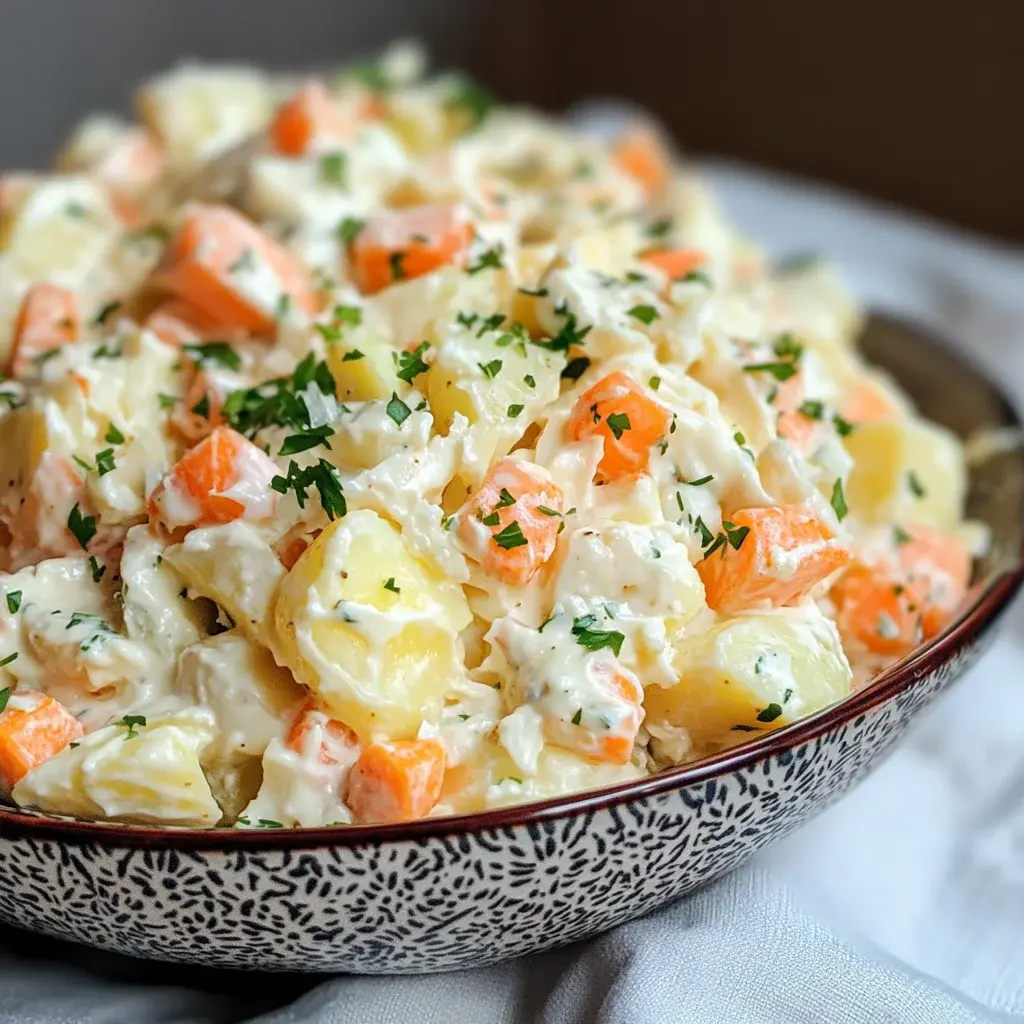
One taste of this Dominican Potato Salad and you’ll be hooked! This creamy and flavorful dish is perfect for gatherings, picnics, or as a side for your favorite main courses. With its vibrant colors and delicious taste, it’s sure to impress family and friends alike.
Enjoy the unique blend of textures from the potatoes, carrots, and eggs, all coated in a rich mayonnaise dressing that adds a delightful creaminess. This classic Caribbean side dish is a testament to simple ingredients creating extraordinary flavors, making it a beloved staple for many.
Why You Will Love This Recipe
- Effortless Preparation: This recipe is designed for simplicity, requiring minimal fuss and straightforward steps, making it accessible for cooks of all skill levels.
- Vibrant Flavor Profile: The harmonious combination of tender potatoes, sweet carrots, creamy mayonnaise, and a zesty hint of apple cider vinegar creates a uniquely refreshing taste experience.
- Versatile Sidekick: Dominican Potato Salad is an exceptional accompaniment to a wide array of main dishes, from grilled meats and seafood to hearty stews, enhancing any meal.
- Perfect for Any Occasion: Its appealing presentation and universally loved flavors make it an ideal dish for potlucks, family dinners, holiday celebrations, or casual backyard barbecues.
- Customizable Delight: While the classic recipe is superb, you have the freedom to personalize it by adding other vegetables or adjusting the seasoning to perfectly match your palate.
Ingredients You Need
The quality of your ingredients will significantly impact the final taste of your Dominican Potato Salad, so opt for the freshest produce and best mayonnaise you can find. Using creamy, full-fat mayonnaise will ensure a luxurious texture that coats every piece of potato and carrot beautifully. A good quality apple cider vinegar provides that essential tangy counterpoint, balancing the richness of the dressing.
Dominican Potato Salad
Experience the vibrant flavors of Dominican Potato Salad, a creamy and refreshing dish that’s perfect for any occasion. This delightful side combines tender new potatoes, crisp carrots, and hard-boiled eggs, all enveloped in a rich mayonnaise dressing with a tangy hint of apple cider vinegar. Whether you're hosting a barbecue or enjoying a picnic, this salad is sure to impress your guests and family alike. Easy to prepare and endlessly customizable, it’s a crowd-pleaser you won't want to miss!
- 2 pounds new potatoes
- 1 pound large carrots
- 3 tablespoons apple cider vinegar
- Kosher salt (to taste)
- 1 cup mayonnaise
- 4 large eggs
- 1Boil the Vegetables: In a large pot, bring salted water to a boil. Peel and dice the potatoes and carrots. Cook them until tender (15–20 minutes). Drain and drizzle with apple cider vinegar; season with salt.
- 2Prepare Hard-Boiled Eggs: Place eggs in cold water in another pot. Bring to a boil, then cover and let sit for 12 minutes. Chop the cooled eggs.
- 3Combine Ingredients: In a mixing bowl, mix the cooled vegetables, chopped eggs, and mayonnaise. Adjust seasoning with more vinegar or salt if needed.
- 4Chill Before Serving: Cover and refrigerate for at least one hour before serving.
Keywords: potato salad, dominican, side dish, picnic, barbecue, creamy, carrots, eggs, mayonnaise, vinegar
- new potatoes: Choose small to medium new potatoes, which have a waxy texture that holds its shape well when boiled.
- large carrots: Opt for firm, bright orange carrots for sweetness and a pleasant bite.
- apple cider vinegar: This provides a crucial tangy note that cuts through the richness of the mayonnaise.
- kosher salt: Essential for seasoning, it enhances the natural flavors of all the ingredients.
- mayonnaise: A good quality, creamy mayonnaise is key for the signature texture of this salad.
- large eggs: These add protein and a lovely richness to the overall dish.
The precise quantities for these ingredients are detailed in the recipe card above, ensuring you have exactly what you need for a perfect batch.
Variations
While the classic Dominican Potato Salad is a triumph, its inherent flexibility allows for delightful variations that cater to different dietary preferences and flavor cravings.
Consider a delightful Vegan Version by swapping the traditional mayonnaise for a high-quality, plant-based alternative. Ensure your vegan mayo has a rich, creamy consistency to mimic the texture of the original. You can then omit the hard-boiled eggs entirely or explore adding other protein sources like crumbled firm tofu or even chickpeas for a satisfying bite.
For those seeking a Low-Carb Alternative, you might experiment with using cauliflower florets instead of potatoes, or a combination of both for a unique texture and nutrient boost. Ensure the cauliflower is cooked until tender but not mushy. You could also incorporate finely diced celery for added crunch and a lighter feel, significantly reducing the overall carbohydrate count while maintaining a delicious creaminess.
Another exciting variation involves introducing a Spicy Kick by incorporating finely diced jalapeños or a pinch of cayenne pepper into the mayonnaise dressing. This adds a subtle warmth that can be adjusted to your desired level of heat. You could also mix in some sweet corn kernels for a pop of sweetness and color, creating a more complex flavor profile that is both familiar and exhilarating.
You might also explore adding other vegetables for enhanced flavor and texture. Finely diced red bell peppers can introduce a touch of sweetness and a vibrant color, while chopped fresh cilantro or parsley can add a burst of freshness. These additions not only enhance the visual appeal but also contribute to a more nuanced and enjoyable eating experience. Each variation offers a new way to enjoy this beloved Caribbean classic.
How to Prepare Dominican Potato Salad
Step 1: Boil the Vegetables
Begin by selecting a large, sturdy pot that can comfortably accommodate all your potatoes and carrots without overcrowding. Fill this pot generously with cold water, ensuring there’s enough to completely submerge the vegetables. Add a good pinch of kosher salt to the water; this is your first opportunity to season the potatoes and carrots from the inside out, which is crucial for a flavorful salad.
While the water heats up, meticulously prepare your vegetables. Peel the skins from both the potatoes and the carrots using a sharp vegetable peeler. For the potatoes, aim for roughly uniform, large dice, about 1 to 1.5 inches in size. This ensures they cook evenly without becoming mushy. For the carrots, a smaller dice, around ½ inch, is ideal, as they tend to cook a bit faster than potatoes and you want them to be tender but still have a slight bite.
Once the salted water reaches a rolling boil, carefully add the diced potatoes and carrots to the pot. Stir them gently to ensure they are all submerged and not sticking to the bottom. The goal here is to cook them until they are perfectly tender but still retain their shape, avoiding the dreaded mushy texture that can ruin a good potato salad. Keep a close eye on them as they cook.
Step 2: Cook Until Tender
Allow the vegetables to simmer gently in the boiling salted water. The cooking time will vary depending on the size of your dice, but typically, this process takes approximately 15 to 20 minutes. It’s essential to test for doneness by piercing a piece of potato and a piece of carrot with the tip of a sharp knife or a fork; they should yield easily without resistance but should not disintegrate.
Once the vegetables have reached that perfect tender stage, carefully remove the pot from the heat. Immediately transfer the cooked potatoes and carrots to a large colander set over the sink. Allow all the excess water to drain away completely; residual moisture can dilute the dressing and make the salad watery. You can gently shake the colander to encourage thorough draining.
As soon as the vegetables are drained, and while they are still warm, arrange them in a single layer on a large baking sheet or a clean platter. While they are still warm, drizzle them generously with the apple cider vinegar. The warm vegetables will absorb the vinegar more readily, infusing them with its bright, tangy flavor. Immediately follow this with a good sprinkle of kosher salt. The salt will dissolve and distribute evenly, seasoning the vegetables beautifully. Allow them to cool completely at room temperature.
Step 3: Prepare Hard-Boiled Eggs
This step focuses on achieving perfectly cooked hard-boiled eggs, which are a cornerstone of the Dominican Potato Salad’s creamy texture and rich flavor. Start by placing the four large eggs into a separate pot, ensuring it’s not too crowded. Cover the eggs with cold water, making sure they are fully submerged by about an inch of water. This cold water start is key to preventing the eggs from cracking during the cooking process.
Bring the water in the pot to a full rolling boil over medium-high heat. The moment the water begins to boil vigorously, immediately turn off the heat. Do not continue to boil the eggs; this can lead to overcooked yolks and a rubbery egg white. Cover the pot tightly with a lid to trap the residual heat.
Set a timer for precisely 12 minutes. During this time, the residual heat from the water will gently cook the eggs to perfection, resulting in firm, fully cooked yolks and set whites. Once the timer goes off, carefully drain the hot water from the pot. Then, immediately fill the pot with cold water and add a few ice cubes, or simply run cold water over the eggs. This rapid cooling, known as an ice bath, stops the cooking process and makes the eggs easier to peel. Once the eggs are completely cooled, peel them carefully, and then finely chop them using a sharp knife. Set the chopped eggs aside, ready to be combined with the other ingredients.
Step 4: Combine Ingredients
Once the potatoes and carrots have cooled completely to room temperature, it’s time to bring all the elements together. Take the large mixing bowl and add the cooled, vinegar-and-salt-seasoned potatoes and carrots. Their tangy aroma should be quite pleasant at this stage, indicating they’ve absorbed the initial seasoning well. Ensure there’s no lingering heat in the vegetables, as this can affect the mayonnaise.
Now, add the finely chopped hard-boiled eggs to the bowl with the vegetables. These eggs will contribute a wonderful richness and a slightly different texture to the salad. Next, generously spoon in the mayonnaise. The amount of mayonnaise can be adjusted to your preference; some like it very creamy, while others prefer a lighter coating. Start with the recommended amount and you can always add more.
Gently fold all the ingredients together using a large spoon or spatula. The key here is to be gentle to avoid mashing the potatoes and carrots. Coat everything evenly with the mayonnaise, ensuring no piece is left dry. Once everything is mixed, it’s time for the crucial step of tasting and adjusting the seasoning. This is where you personalize the salad to your exact liking.
Taste a small spoonful of the salad. Does it need more salt to bring out the flavors? Is it perhaps a bit too rich and could benefit from a touch more apple cider vinegar to brighten it up? This is your moment to fine-tune the balance of flavors. Add small amounts of salt or vinegar, mix gently again, and taste until it is absolutely perfect for your palate. Don’t be afraid to add a little more mayonnaise if you desire a creamier consistency.
Step 5: Chill Before Serving
This step is vital for allowing the flavors to meld together beautifully and for the salad to reach its optimal serving temperature. Once you’ve achieved the perfect balance of flavors and texture, cover the mixing bowl tightly with plastic wrap, pressing it down slightly to minimize air exposure. Alternatively, you can transfer the potato salad into an airtight container, which is often even better for ensuring freshness and preventing odor transfer in the refrigerator.
Place the covered bowl or container into the refrigerator. It is recommended to chill the salad for at least one hour. However, for the most profound flavor development, chilling for two to four hours, or even overnight, is highly beneficial. This extended chilling period allows the mayonnaise to coat the ingredients more thoroughly, the vinegar to further permeate the vegetables, and the salt to evenly distribute its enhancing properties, resulting in a more harmonious and delicious final product.
When you are ready to serve, give the potato salad a final gentle stir. This ensures any oils or liquids that may have separated slightly during chilling are reincorporated. Serve the Dominican Potato Salad cold, directly from the refrigerator. Its creamy texture and refreshing taste are best enjoyed when thoroughly chilled, making it an ideal accompaniment for warm weather meals or as a satisfying side dish anytime.
Pro Tips for Dominican Potato Salad
Uniformity is Key: When dicing your potatoes and carrots, strive for as uniform a size as possible. This ensures that all the pieces cook at the same rate, preventing some from becoming mushy while others remain undercooked.
Don’t Skip the Vinegar Drizzle: Adding the apple cider vinegar to the warm, drained vegetables is a critical step. The warmth helps the potatoes and carrots absorb the tangy flavor, which is essential for cutting through the richness of the mayonnaise and providing that signature Dominican zest.
Taste and Adjust: Seasoning is personal. Always taste your potato salad before serving and adjust the salt and vinegar as needed. Different brands of mayonnaise can vary in saltiness and tang, so a little adjustment goes a long way.
Chill Factor is Crucial: Allowing the potato salad to chill for at least an hour, and ideally longer, is non-negotiable. This resting period allows the flavors to meld and deepen, transforming a good salad into an exceptional one.
Mayonnaise Matters: Use a good quality, full-fat mayonnaise. The richness and creaminess of the mayonnaise are fundamental to the texture and taste of a classic Dominican Potato Salad. Avoid low-fat versions, as they can result in a less desirable texture and flavor.
Serving Suggestions for Dominican Potato Salad
Decoration
To elevate the visual appeal of your Dominican Potato Salad, consider a few simple decorative touches. A sprinkle of finely chopped fresh parsley or cilantro over the top adds a vibrant splash of green and a hint of freshness. You can also garnish with a few thin slices of hard-boiled egg or a dusting of paprika for a touch of color. For a more festive presentation, arrange the salad on a bed of crisp lettuce leaves, which provides a nice contrast in texture and color.
Side Dishes
Dominican Potato Salad is a fantastic companion to a variety of main courses. It pairs wonderfully with baked lemon chicken, offering a creamy counterpoint to the citrusy zest of the chicken. Grilled or roasted meats like pork or beef are also excellent choices, with the cool, tangy salad balancing the savory flavors. For a taste of the Caribbean, serve it alongside grilled fish or shrimp, where its creaminess complements the delicate seafood beautifully.
Creative Serving Ideas
Think beyond the traditional bowl. For picnics or outdoor gatherings, serve individual portions in small mason jars or clear plastic cups for easy handling and a charming presentation. You can also use cookie cutters to create fun shapes from slices of potato or carrot to adorn the top of the salad. For a brunch or light lunch, consider serving it as a topping for a fresh green salad, adding a substantial and flavorful element to your greens.
Another creative idea is to incorporate it as a filling for sandwiches or wraps. Simply layer it generously between your favorite bread or inside a warm tortilla for a satisfying meal on the go. The versatility of this salad means it can be adapted to suit almost any meal or occasion, making it a true culinary chameleon.
Preparation & Storage
Storing Leftovers
Leftovers of this delicious Dominican Potato Salad should be stored in an airtight container in the refrigerator. Ensure the container is well-sealed to prevent the salad from drying out or absorbing other odors from your fridge. Properly stored, it will maintain its freshness and delightful flavor for up to 3 days.
It’s always best to serve the salad cold, so avoid leaving it at room temperature for extended periods. If you anticipate having a lot of leftovers, consider using smaller containers to maintain optimal temperature when chilling and serving. This also makes it easier to grab a quick portion for lunch without disturbing the main batch.
Freezing
Unfortunately, freezing Dominican Potato Salad is generally not recommended. The texture of the potatoes can become somewhat grainy or watery upon thawing, and the mayonnaise can separate, leading to an undesirable consistency. This type of creamy, mayonnaise-based salad is best enjoyed fresh or within a few days of refrigeration.
If you absolutely must freeze it, use a freezer-safe container and ensure it is very well-sealed to prevent freezer burn. It’s best to consume it within a month of freezing. However, be prepared for a potential degradation in quality upon thawing and reheating.
Reheating
Dominican Potato Salad is designed to be served cold and is best enjoyed that way. Reheating is generally not necessary or recommended, as it can negatively impact the texture and flavor. If you find that the salad has become too firm after refrigeration, a very gentle stir or a minute or two at room temperature might suffice to soften it slightly without compromising its integrity.
If you are serving it as part of a warm meal and prefer it slightly warmer, you could consider a very brief, gentle warming process, but extreme caution is advised. Avoid microwaving it for too long or using high heat, as this will likely result in a mushy texture and separated dressing. The cold, creamy nature of the salad is part of its charm and appeal.
Frequently Asked Questions
- What are the essential components that make Dominican Potato Salad unique compared to other potato salads?
The uniqueness of Dominican Potato Salad lies in its specific flavor profile and texture, which are achieved through a thoughtful combination of ingredients and preparation methods. Unlike some other potato salads that might rely heavily on mustard or dill, the Dominican version prominently features a tangy apple cider vinegar that cuts through the richness of the mayonnaise. This vinegar is typically added while the vegetables are still warm, allowing them to absorb the flavor more effectively. Additionally, the inclusion of hard-boiled eggs is a hallmark, providing a creamy, protein-rich element that complements the tender potatoes and carrots. The absence of ingredients like mustard or celery seed, common in other variations, allows the simple, clean flavors of potato, carrot, egg, and tangy mayonnaise to shine through.
- Can I substitute mayonnaise with a healthier alternative like Greek yogurt for a lighter version of Dominican Potato Salad?
Yes, you absolutely can substitute mayonnaise with Greek yogurt for a lighter and tangier version of Dominican Potato Salad. Greek yogurt provides a similar creamy texture and a pleasant tartness that works well with the other ingredients. When making the substitution, it’s a good idea to use plain, full-fat Greek yogurt to achieve the best consistency and richness. You might need to slightly adjust the amount of apple cider vinegar, as Greek yogurt is already quite acidic. Taste and adjust seasoning carefully as you mix. Some people also like to combine Greek yogurt with a smaller amount of mayonnaise to get the best of both worlds – the creaminess of mayonnaise and the tanginess of yogurt. This variation offers a refreshing twist while still capturing the essence of the traditional salad.
- What is the ideal texture for the potatoes and carrots in Dominican Potato Salad, and how can I ensure they are not mushy or too firm?
The ideal texture for the potatoes and carrots in Dominican Potato Salad is tender but firm, meaning they should be easily pierced with a fork but still hold their shape without falling apart. To achieve this, it is crucial to cut the vegetables into uniform sizes before boiling. Dicing the potatoes into approximately 1-inch cubes and the carrots into slightly smaller ½-inch cubes ensures even cooking. Always start the vegetables in cold, salted water and bring them to a boil; this method allows them to cook more evenly from the inside out. Monitor the cooking process closely, testing for tenderness by piercing a piece with a fork. Avoid overcooking; the vegetables should be tender, not mushy. Removing them from the heat as soon as they reach the desired consistency and draining them thoroughly will prevent them from becoming waterlogged and mushy.