P.F. Chang's Mongolian Beef Recipe
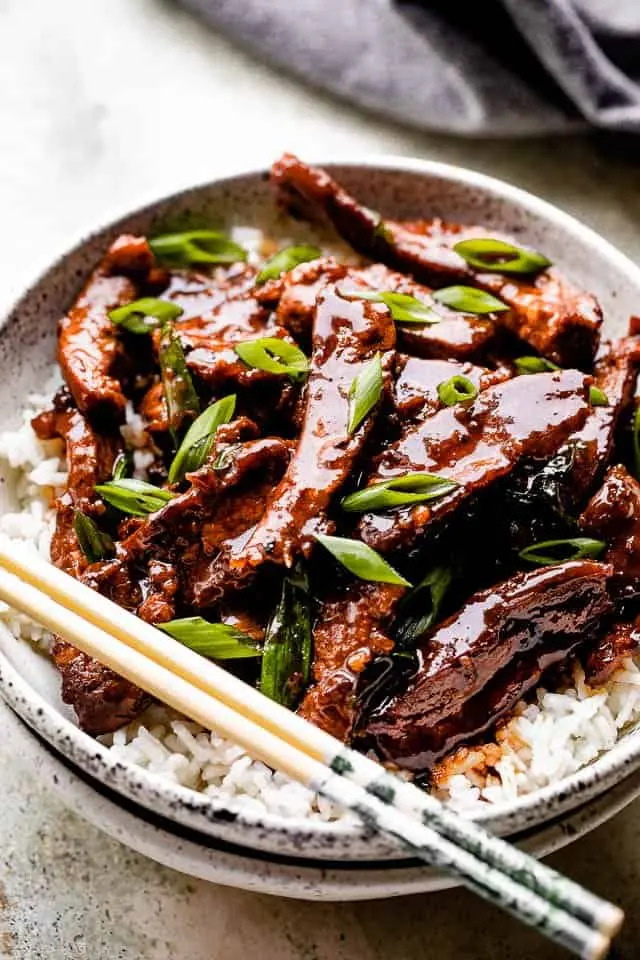
Embark on a culinary adventure that brings the beloved flavors of your favorite Asian-inspired restaurant right into your own kitchen. This Mongolian Beef recipe is a testament to how simple, high-quality ingredients can transform into an unforgettable meal, perfect for any occasion, from a quick weeknight dinner to a special gathering with loved ones.
Prepare to be delighted by the perfect balance of savory and sweet, the tender texture of the beef, and the rich, glossy sauce that coats every piece. This dish is not just a meal; it’s an experience designed to impress and satisfy.
Why You Will Love This Recipe
- Authentic Restaurant Taste: Recreate the iconic P.F. Chang’s style Mongolian Beef with its signature sweet and savory glaze, a true delight for your taste buds.
- Quick Preparation: Despite its impressive flavor, this recipe comes together remarkably fast, making it an ideal choice for busy weeknights when time is of the essence.
- Tender Flank Steak: The recipe uses a technique that ensures the flank steak is incredibly tender and succulent, melting in your mouth with every bite.
- Simple, Accessible Ingredients: You’ll likely have most of the ingredients in your pantry already, making this a convenient and budget-friendly option for delicious homemade Asian cuisine.
- Highly Customizable: While the classic version is divine, this recipe serves as a fantastic base for personal touches and variations, allowing you to tailor it to your specific preferences.
Ingredients You Need
The magic of this Mongolian Beef recipe lies in its straightforward ingredient list, prioritizing fresh flavors and pantry staples. Ensuring the quality of your ingredients, especially the beef, will elevate the dish to new heights. We are aiming for a rich, glossy sauce that beautifully coats the tender strips of beef, creating a symphony of taste and texture that is both comforting and exciting.
P.F. Chang’s Mongolian Beef Copycat
This copycat of P.F. Chang’s Mongolian Beef recipe features flank steak simmered in a delectable sweet sauce made with ginger, garlic, soy sauce, and brown sugar. It’s simple to prepare and perfectly captures the flavors of the renowned restaurant’s dish!
- 1 pound flank steak, thinly sliced across the grain on a diagonal
- 2 teaspoons vegetable oil
- 1 teaspoon minced fresh ginger
- 1 tablespoon minced garlic
- 1 cup vegetable oil, for frying
- 2 green onions, green parts only, sliced on the diagonal into 2 inches
- 4 cups cooked white rice
- 1Place cornstarch on a shallow plate. Dip steak slices into the cornstarch, applying it on both sides of each slice of beef. Put the steak pieces aside for 10 minutes while you work on the sauce.
- 2In a saucepan, heat 2 teaspoons of vegetable oil over medium-low heat. Add ginger and garlic to the pan; cook for 10 seconds or until fragrant.
- 3Stir in the soy sauce and water. Whisk in brown sugar and cook while stirring until the sugar dissolves. Set to medium heat and cook the sauce until it thickens, about 10 minutes. Remove from heat and set aside.
- 4Place vegetable oil in a separate large skillet and heat over medium heat until hot. Add the steak slices to the oil and cook for 2 to 3 minutes or until cooked through, flipping the pieces over to cook on the opposite side.
- 5Using a pair of tongs, remove the steak pieces from the oil and let them drain on paper towels.
- 6Discard the oil. Return the saucepan to the stove and heat over medium heat. Add steak slices and cook for 1 minute. Gently stir in previously prepared sauce; continue to cook and stir for a minute. Stir in green onions and cook for 1 to 2 minutes, or until heated through. Remove from heat and serve over rice.
Keywords: Mongolian Beef, P.F. Chang's, copycat, flank steak, stir fry, Chinese-American
Refer to the recipe card above for the precise quantities of each ingredient needed to achieve the perfect balance of flavors and textures in your Mongolian Beef.
Variations
While the classic Mongolian Beef is undeniably delicious, this recipe offers a fantastic canvas for creative culinary exploration. Imagine a delightful vegan version where tender strips of marinated tofu or king oyster mushrooms take center stage, absorbing the same rich, savory sauce. The key would be to achieve a satisfying chew and caramelization similar to the beef.
For those embracing a low-carb lifestyle, cauliflower rice is an exceptional substitute for traditional white rice, providing a healthy and flavorful base. You could also incorporate a wider array of low-carb vegetables like broccoli florets, bell peppers, or snow peas directly into the stir-fry itself, adding vibrant color and extra nutrients without increasing the carbohydrate count.
Consider a spicier iteration by introducing a kick of chili paste, like Gochujang or Sriracha, into the sauce. Alternatively, for a touch of smoky depth, a hint of liquid smoke can be added. These simple adjustments allow you to personalize the dish, making it uniquely yours and catering to a wider range of dietary needs and flavor preferences, turning a classic into a truly custom creation.
How to Prepare Mongolian beef recipe
Step 1: Preparing the Beef for Perfection
The foundation of an exceptional Mongolian Beef dish begins with the proper preparation of the flank steak. To achieve that coveted tenderness and ease of slicing, a strategic chill in the freezer is your best ally. Placing the flank steak in the freezer for approximately 20 minutes before you intend to slice it will firm it up just enough, making the thin, diagonal cuts significantly more manageable.
When slicing, it is crucial to cut the beef against the grain. Observe the long muscle fibers within the meat; your knife should move perpendicular to these fibers. This technique is paramount for ensuring the beef is tender and easy to chew. Cutting with the grain, conversely, will result in tougher, stringier pieces of meat that detract from the overall dining experience.
Once thinly sliced, the beef needs to be coated in cornstarch. This starchy layer is essential for creating a slightly crispy exterior when the beef is fried and also helps the luscious sauce cling beautifully to each piece. Ensure that every strip is evenly coated with the cornstarch; this step is a secret to achieving that delightful texture that is characteristic of restaurant-style Mongolian beef.
Step 2: Crafting the Irresistible Sauce
While the beef is resting and absorbing the cornstarch, it’s time to assemble the star of the show: the sauce. In a saucepan, gently heat a small amount of vegetable oil over medium-low heat. This initial sauté is where the aromatic magic begins, infusing the oil with the warm, pungent essence of fresh ginger and garlic.
Add finely minced fresh ginger and garlic to the heated oil, stirring them just long enough to release their fragrant aromas, typically only about 10 seconds. This brief sauté awakens their flavors without allowing them to burn, which could impart a bitter taste. The goal is to create a deeply aromatic foundation for the sauce that will complement the richness of the beef.
Next, pour in the soy sauce and water, forming the liquid base of your sauce. Whisk in the dark brown sugar until it completely dissolves, introducing that signature sweetness and a beautiful caramel hue. Allow this mixture to simmer and thicken gently over medium heat for about 10 minutes, stirring occasionally, until it achieves a rich, glossy consistency that coats the back of a spoon. Once thickened, remove it from the heat and set it aside, ready to embrace the fried beef.
Step 3: Achieving the Perfect Sear on the Beef
Now comes the crucial step of cooking the cornstarch-coated beef to achieve that desirable tender yet slightly crisp texture. In a separate, large skillet, heat about 1 cup of vegetable oil over medium-high heat until it is hot and shimmering. It is vital to ensure the oil is sufficiently hot to quickly sear the thin strips of beef.
Carefully add the cornstarch-coated beef slices to the hot oil, being mindful not to overcrowd the pan. Overcrowding will lower the oil temperature, leading to steamed rather than fried beef, which sacrifices that coveted crispness. If necessary, cook the beef in two batches to maintain optimal cooking temperature and achieve even searing on all pieces.
Fry the beef for approximately 2 to 3 minutes per side, or until it is cooked through and exhibits a beautiful golden-brown exterior. The cornstarch coating will create a delightful crust, while the quick cooking time ensures the beef remains tender and juicy on the inside. Once cooked, use tongs to remove the beef from the hot oil and place it on a plate lined with paper towels to drain any excess oil.
Step 4: Combining the Elements for Ultimate Flavor
With the beef perfectly seared and the sauce ready, it’s time to bring everything together in a harmonious blend of flavors. Return the saucepan containing the prepared sauce to the stove over medium heat. This gentle reheating ensures the sauce is warm and ready to coat the beef.
Add the drained, fried steak slices back into the saucepan with the warm sauce. Toss the beef gently to ensure each piece is evenly coated in the rich, glossy mixture. Allow the beef and sauce to cook together for about one minute, allowing the flavors to meld and the sauce to cling beautifully to the meat.
The final touch is the addition of fresh green onions, sliced diagonally into bite-sized pieces. Stir the green onions into the beef and sauce mixture and continue to cook for another 1 to 2 minutes, just until they are heated through and have slightly softened, retaining their vibrant green color and a hint of fresh crunch. This final step infuses a burst of fresh, pungent flavor that perfectly complements the sweet and savory sauce.
Step 5: The Grand Finale – Serving and Enjoying
The moment of truth has arrived, and your exquisite homemade Mongolian Beef is ready to be served. The aroma filling your kitchen is a testament to the delicious journey you’ve undertaken, promising a truly satisfying meal. This dish is best enjoyed immediately after preparation to fully appreciate the textures and flavors at their peak.
Traditionally, Mongolian Beef is served over a bed of fluffy, steamed white rice. The rice acts as a perfect absorbent for the delectable sauce, ensuring that no flavor is left behind. Take a generous portion of the hot, saucy beef and ladle it directly over the steamed rice, creating a visually appealing and incredibly appetizing presentation.
For an enhanced dining experience, consider garnishing your Mongolian Beef with a sprinkle of toasted sesame seeds or a few extra slices of fresh green onion. These small additions not only add a decorative touch but also contribute subtle nutty notes and a fresh, crisp element that elevates the dish even further. Your restaurant-quality Mongolian Beef is now complete and ready to be savored.
Step 6: Ensuring Consistent Greatness
To guarantee consistently outstanding results every time you make this Mongolian Beef recipe, understanding a few key principles will be invaluable. The quality of the beef cut is paramount; opt for cuts renowned for their tenderness and suitability for quick cooking methods. Flank steak and sirloin steak are excellent choices that break down beautifully when sliced thin and cooked rapidly.
The technique of chilling the beef before slicing is a game-changer for achieving uniform, thin pieces. This slight firming of the meat allows for cleaner cuts, preventing ragged edges that can cook unevenly. Remember to always slice against the grain to maximize tenderness, ensuring a melt-in-your-mouth experience with every bite you take.
Maintaining the correct temperature of your cooking pan is also critical. A screaming hot pan is essential for achieving the desired sear on the beef. This high heat quickly cooks the exterior, creating a slightly crispy coating from the cornstarch, while keeping the interior wonderfully tender and juicy. Avoid the temptation to overcrowd the pan, as this will lower the temperature and result in steamed, less appealing beef.
Pro Tips for Mongolian beef recipe
Slice Like a Pro: For the easiest slicing experience, pop your flank steak into the freezer for about 20 minutes before you plan to cut it. This will firm up the meat just enough to allow for incredibly thin, precise slices, which are key to tenderness and quick cooking.
Grain Wise: Always slice your beef against the grain. Look for the long muscle fibers and cut perpendicular to them. This is the single most important tip for ensuring your beef is tender and not tough and chewy. You’ll notice a significant difference in texture.
Hot Pan, Happy Beef: Ensure your skillet is smoking hot before adding the beef. This high heat is crucial for creating that slightly crispy exterior from the cornstarch coating and for searing the beef quickly without overcooking it, keeping it wonderfully juicy inside.
Don’t Crowd the Pan: Cook the beef in batches if necessary. Overcrowding the pan will lower the temperature of the oil, causing the beef to steam rather than fry. This leads to a less desirable texture, so give each piece of beef enough space to achieve a beautiful sear.
Sauce Consistency is Key: As you cook the sauce, aim for a thickness that coats the back of a spoon nicely. If it seems too thin, let it simmer a bit longer. If it becomes too thick, a tablespoon or two of water can help loosen it up to the perfect consistency for coating the beef.
Serving Suggestions for Mongolian beef recipe
Decoration
Elevate the visual appeal of your Mongolian Beef by adding thoughtful garnishes. A sprinkle of toasted sesame seeds provides a delightful crunch and nutty aroma, perfectly complementing the rich sauce. Freshly sliced green onions, particularly the vibrant green parts, add a pop of color and a fresh, pungent contrast.
For an extra touch of elegance, consider thinly slicing some red bell pepper or a few delicate strands of julienned carrots to scatter over the top. These add not only visual interest but also a subtle sweetness and a fresh bite. A small sprig of cilantro can also offer a bright, herbaceous note and a touch of sophisticated flair.
Experiment with a drizzle of chili oil for those who love a bit of heat and a visually striking red hue. A few carefully placed slivers of fresh red chili can also add a beautiful, fiery accent. These decorative elements transform your dish from merely delicious to an absolute feast for the eyes.
Side Dishes
The classic pairing for Mongolian Beef is, of course, fluffy white rice, which expertly soaks up every last drop of the savory sauce. For a more nuanced carbohydrate option, consider serving it with fried rice, perhaps a simple egg fried rice or a more complex vegetable fried rice for added texture and flavor. Kimchi fried rice offers a fermented tang that cuts through the richness of the beef beautifully.
For those seeking a lighter or lower-carbohydrate alternative, cauliflower rice is an excellent choice, providing a similar texture without the carbs. Steamed or stir-fried bok choy is a fantastic partner, offering a slightly bitter, earthy counterpoint to the sweet and savory beef. Asian-inspired noodle dishes also make for wonderful companions, providing a different textural experience and allowing for more saucy interaction.
A crisp and refreshing Asian cucumber salad, dressed with a light vinaigrette, provides a cooling contrast to the warm, rich beef. Pickled daikon and carrots offer a delightful sweet and sour crunch that cleanses the palate between bites. Don’t forget to explore other lunch and dinner ideas that would complement this flavorful dish wonderfully.
Creative Serving Ideas
Transform your Mongolian Beef into delightful lettuce wraps for a fun, interactive, and lighter meal. Serve the saucy beef in a bowl alongside crisp butter lettuce leaves, encouraging everyone to build their own flavorful wraps. This is especially engaging for family dinners or casual get-togethers, promoting a communal dining experience.
Consider serving the Mongolian Beef as a filling for savory pancakes or bao buns. The soft, slightly chewy texture of these doughy vessels is a perfect match for the rich, tender beef. This approach offers a unique twist on traditional serving methods and creates delightful handheld meals.
For a more substantial meal, layer the Mongolian Beef over a bed of seasoned quinoa or farro for an added nutritional boost and a slightly different texture. This offers a more modern, wholesome take on the classic dish. You could also present it as a tempting appetizer by serving smaller portions in elegant shot glasses or on individual spoons, garnished with a single piece of green onion.
Preparation & Storage
Storing Leftovers
Properly storing your delicious leftover Mongolian Beef is crucial to maintaining its flavor and texture. Once the dish has cooled slightly, transfer any remaining portions into an airtight container. This will prevent the beef and sauce from drying out and protect it from absorbing any unwanted odors from other foods in your refrigerator.
Store the container in the refrigerator, where the Mongolian Beef should remain fresh and safe to consume for approximately 3 to 4 days. It’s always a good practice to label your container with the date it was stored, making it easier to keep track of freshness. Ensure the container is completely sealed before placing it in the fridge.
When you’re ready to enjoy your leftovers, remember that the beef may have released some moisture, and the sauce might have thickened further. This is perfectly normal and can be easily rectified during the reheating process. The key is to handle the leftovers with care to preserve their deliciousness for a second enjoyment.
Freezing
Mongolian Beef freezes surprisingly well, making it an excellent candidate for meal prepping or for those times when you want a quick, delicious meal readily available. After the dish has cooled completely, portion it into freezer-safe containers or heavy-duty zip-top bags. Remove as much air as possible from the bags before sealing to prevent freezer burn.
If using containers, ensure they have tight-fitting lids. You can freeze the beef with or without rice; however, freezing the beef and sauce separately from the rice is often recommended, as rice can sometimes become slightly mushy upon thawing and reheating. Aim to freeze the beef in portions that are convenient for your typical meal size.
When properly stored in the freezer, Mongolian Beef can retain its quality for up to 3 to 4 months. Labeling each container or bag with the date of freezing will help you manage your freezer inventory effectively. This allows you to enjoy the delightful flavors of homemade Mongolian Beef even months after its initial preparation.
Reheating
Reheating your leftover Mongolian Beef is a straightforward process that can be done using either the stovetop or the microwave. For the stovetop method, place the cooled leftovers in a skillet over medium-low heat. Add a tablespoon or two of water or broth to help loosen the sauce and prevent sticking.
Stir the beef gently as it heats, ensuring it warms through evenly. Continue to cook until the beef is heated to your desired temperature and the sauce has regained its desired consistency. This method often yields the best results, helping to restore some of the original texture and vibrancy of the dish.
If you opt for the microwave, place the Mongolian Beef in a microwave-safe dish. Cover the dish loosely with a paper towel or microwave-safe lid to help retain moisture. Heat on medium power in short intervals, stirring occasionally, until the beef is thoroughly heated through. Be cautious not to overheat, which can cause the beef to become tough or dry out.
Frequently Asked Questions
-
What is the best type of beef to use for Mongolian Beef?
The best type of beef for authentic Mongolian Beef is flank steak. Its relatively lean nature and distinct grain make it ideal for thin slicing and quick cooking, resulting in a tender texture. Sirloin steak is also a good alternative if flank steak is unavailable, offering a similar tenderness. The key is to choose a cut that is meant for quick cooking methods and can be sliced thinly against the grain to maximize tenderness. Avoid tougher cuts like chuck roast, as they require longer cooking times and won’t achieve the desired texture in this recipe.
-
Can I make Mongolian Beef spicier?
Absolutely! You can easily adjust the spice level of your Mongolian Beef to suit your preference. For a moderate heat increase, simply add a pinch of red pepper flakes to the sauce as it simmers. If you prefer a more significant kick, consider incorporating a tablespoon or two of Sriracha sauce or chili garlic paste into the sauce mixture during the cooking process. Some people also enjoy adding a dash of chili oil as a finishing touch for both heat and a glossy sheen. Experiment with different types of chili peppers or sauces to find your perfect level of spice, ensuring you taste as you go to avoid overwhelming the other flavors.
-
What can I serve with Mongolian Beef if I want a lighter meal option?
For a lighter meal, there are several excellent alternatives to traditional white rice. Cauliflower rice is a popular low-carb substitute that absorbs the delicious sauce beautifully and offers a comparable texture. You could also serve the Mongolian Beef over a bed of steamed or stir-fried quinoa for added protein and fiber, or alongside a vibrant Asian-inspired vegetable stir-fry featuring broccoli, snow peas, and bell peppers. A crisp, refreshing cucumber salad with a light ginger-sesame dressing provides a cool and palate-cleansing accompaniment, effectively balancing the richness of the beef and sauce without adding heavy carbohydrates.