Garlic Butter Ribeye Steak And Shrimp
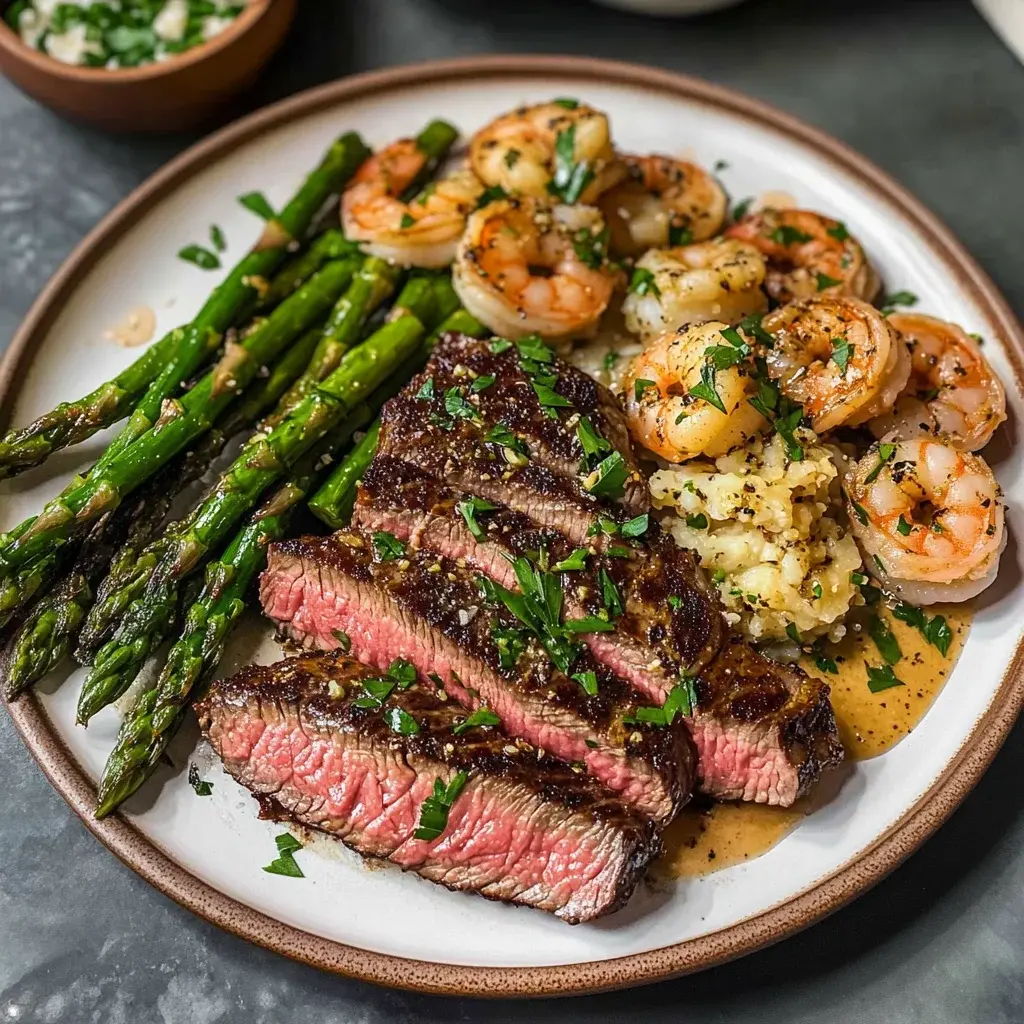
Embark on a culinary adventure with this exquisite Garlic Butter Ribeye Steak and Shrimp recipe, a dish designed to tantalize your taste buds and impress even the most discerning palates. It’s a symphony of textures and flavors, where the richness of perfectly cooked steak harmonizes with the sweetness of succulent shrimp, all brought together by an intoxicating garlic butter sauce that whispers elegance with every bite. This dish promises an unforgettable dining experience, whether it’s a romantic evening for two or a celebratory family gathering, offering a touch of gourmet luxury that is surprisingly achievable in your own kitchen.
The magic of this surf and turf masterpiece lies not only in its decadent taste but also in its approachable preparation, making it accessible for cooks of all skill levels. You’ll find yourself drawn to its vibrant presentation and the sheer joy of creating something so delicious from scratch. Prepare to fall in love with the ease and the extraordinary results this recipe delivers, transforming a regular meal into a special occasion with minimal fuss and maximum flavor impact. This is more than just a meal; it’s an experience waiting to unfold on your plate.
Why You Will Love This Recipe
- Effortless Elegance: Transform your dinner table with a dish that looks and tastes like it came from a high-end restaurant, all achievable in a short amount of time.
- Flavor Explosion: The rich, aromatic garlic butter sauce is the crowning glory, infusing every element with its savory depth and enhancing the natural sweetness of the steak and shrimp.
- Speedy Preparation: With a focus on efficiency, this recipe comes together remarkably quickly, proving that gourmet meals don’t need to be time-consuming.
- Premium Ingredients: Utilizing high-quality ribeye and fresh shrimp ensures a superior taste and texture that forms the foundation of this luxurious dish.
- Versatile Appeal: Perfect for a romantic date night, a family feast, or when you simply crave a comforting yet sophisticated meal, this recipe adapts beautifully to any occasion.
Ingredients You Need
Crafting this exceptional Garlic Butter Ribeye Steak and Shrimp begins with selecting the finest ingredients, as their quality directly translates into the final flavor profile and overall success of the dish. Freshness is paramount, especially when dealing with premium cuts of meat and delicate seafood. Taking a moment to source high-quality ribeye steak and plump, fresh shrimp will undoubtedly elevate your culinary creation to extraordinary heights, ensuring a memorable meal for everyone involved.
Garlic Butter Ribeye Steak And Shrimp
Indulge in the rich flavors of Garlic Butter Ribeye Steak and Shrimp, the ultimate surf and turf experience. This delightful dish combines a juicy beef ribeye steak with succulent shrimp, both generously coated in a luscious garlic butter sauce. Whether you're hosting a romantic dinner or enjoying a cozy family meal, this recipe is sure to impress. With just 20 minutes of preparation and cooking time, you can create a gourmet meal that looks as good as it tastes. The vibrant colors of the dish paired with tender asparagus make for an appealing presentation, making it perfect for any occasion.
- 1 beef ribeye steak
- 16 extra-large shrimp (deveined)
- 5 tbsp unsalted butter (softened)
- 3 cloves garlic (finely chopped)
- 2 tbsp fresh parsley (chopped)
- 3 tbsp olive oil
- 12 spears asparagus
- Sea salt (to taste)
- 1Thaw shrimp for at least 30 minutes.
- 2Combine 4 tablespoons butter, garlic, and parsley in a bowl; refrigerate.
- 3Preheat a grill pan over high heat; lightly grease with olive oil.
- 4Pat the ribeye dry, brush with oil, season with salt, and sear for 3–5 minutes per side until desired doneness.
- 5Remove steak to rest; top with remaining garlic butter.
- 6Sauté asparagus in the same pan with remaining butter and water for about 5 minutes.
- 7Cook shrimp in the pan until pink and opaque, about 2–3 minutes per side.
- 8Serve sliced steak, shrimp, and asparagus drizzled with pan juices.
Keywords: steak, shrimp, garlic butter, surf and turf, ribeye, dinner, quick meal
- beef ribeye steak: a prime cut known for its marbling and tenderness, providing a rich and satisfying base for the dish.
- extra-large shrimp: plump and juicy, these provide a delightful contrast in texture and flavor to the steak.
- unsalted butter: the foundation of the luxurious garlic butter sauce, offering a creamy richness.
- garlic cloves: finely chopped, these impart a pungent, aromatic depth that is essential to the signature flavor.
- fresh parsley: chopped, this adds a burst of freshness and a beautiful visual garnish to the garlic butter.
- olive oil: used for searing and sautéing, it provides a high smoke point and a subtle fruity note.
- asparagus spears: trimmed, these offer a vibrant green color and a slightly crisp texture, balancing the richness of the proteins.
- sea salt: to taste, this essential seasoning enhances all the flavors present in the dish.
The precise quantities for each ingredient are conveniently detailed within the accompanying recipe card, ensuring you have everything you need for a flawless execution of this gourmet meal.
Variations
Elevate your Garlic Butter Ribeye Steak and Shrimp experience with simple yet impactful variations that cater to different dietary preferences and flavor desires. These adjustments ensure that everyone can enjoy this sensational dish, tailored to their specific tastes.
For a delightful Vegan twist, consider a robust mushroom steak substitute. Thick-cut portobello mushrooms, marinated in a savory blend of soy sauce, balsamic vinegar, and garlic, can provide a satisfying “meaty” texture. Pair these with king oyster mushrooms or seared tofu cubes instead of shrimp, and use a plant-based butter alternative for the garlic butter sauce. This vegan rendition retains the essence of the garlic and herb profile, offering a compelling plant-forward alternative that is both hearty and flavorful.
Embracing a Low Carb approach is also wonderfully achievable with this recipe. For the steak, continue as usual, focusing on a perfect sear. When it comes to the “shrimp” component, opt for large cauliflower florets that have been roasted until tender and slightly caramelized, or even pan-seared hearts of palm for a unique texture. Serve the steak and cauliflower or hearts of palm with the garlic butter sauce, ensuring no sugary marinades are used. This modification keeps the rich flavors intact while adhering to a lower carbohydrate intake, making it an excellent choice for those managing their carb consumption.
Adding a kick of spice can transform the dish into something truly dynamic. Incorporate a pinch of red pepper flakes into the garlic butter mixture, or add a finely diced jalapeño pepper when sautéing the shrimp. You could also explore different herb combinations, such as adding a touch of fresh thyme or rosemary to the butter, or even a hint of lemon zest for brightness. These small additions create new dimensions of flavor, allowing you to personalize the Garlic Butter Ribeye Steak and Shrimp to your exact preferences, making each version a unique culinary exploration.
How to Prepare Garlic Butter Ribeye Steak And Shrimp
Step 1: Preparing the Foundation – Thawing Shrimp and Crafting the Garlic Butter
The journey to a spectacular Garlic Butter Ribeye Steak and Shrimp begins with meticulous preparation of two key components: the shrimp and the irresistible garlic butter. Begin by ensuring your extra-large shrimp are completely thawed if they were previously frozen. This is a crucial step; thawing should ideally take place gradually in the refrigerator overnight, but if you’re short on time, you can place them in a colander set over a bowl and run cool water over them for about 10-15 minutes, ensuring they are fully defrosted and ready for cooking. Properly thawed shrimp will cook evenly, resulting in a tender and succulent texture that is key to this dish’s success.
Simultaneously, you will create the flavor powerhouse that defines this recipe: the garlic butter. In a small mixing bowl, combine 4 tablespoons of softened unsalted butter with the finely chopped garlic cloves and the freshly chopped parsley. Ensure the butter is at room temperature, as this makes it easier to incorporate the garlic and herbs smoothly, creating a homogenous mixture. Once thoroughly combined, cover the bowl and refrigerate it until it’s time to use. This chilling process allows the flavors to meld beautifully, and the firm butter will be easier to handle when you’re ready to finish the steak.
The importance of having these elements ready before you start the searing process cannot be overstated. It allows for a seamless transition between cooking stages, minimizing any downtime and ensuring that the steak and shrimp are cooked to perfection without overcooking. This early preparation sets the stage for a well-orchestrated and delicious outcome, making the entire cooking process feel less rushed and more enjoyable, ultimately contributing to a more impressive final dish.
Pro Tip: For an even more intense garlic flavor, you can lightly toast the minced garlic in a tablespoon of olive oil before adding it to the butter. This mellows out the raw garlic bite while amplifying its aroma. Be careful not to burn it, as burnt garlic can turn bitter.
Step 2: Achieving Steak Perfection – Searing the Ribeye
Now, it’s time to focus on the star of the show: the ribeye steak. To achieve that perfect, mouthwatering sear, heat a grill pan or a heavy-bottomed cast iron skillet over high heat. A screaming hot pan is non-negotiable for developing a beautiful crust on your steak, which locks in the juices and adds incredible flavor. While the pan heats up, lightly grease it with a small amount of olive oil to prevent sticking.
Prepare your ribeye steak by patting it thoroughly dry with paper towels. Moisture on the surface of the steak will steam rather than sear, hindering the development of that desirable brown crust. Once dry, brush both sides of the steak with ½ tablespoon of olive oil and season it generously with sea salt. Don’t be shy with the salt; it’s essential for drawing out the steak’s natural flavors and creating a delicious crust. Place the seasoned steak into the hot pan and sear it for approximately 3 to 5 minutes on each side. The exact cooking time will depend on the thickness of your steak and your desired level of doneness.
Understanding Doneness: For optimal results, an instant-read thermometer is your best friend. Aim for an internal temperature of 125-130°F (52-54°C) for rare, 130-135°F (54-57°C) for medium-rare, and 135-140°F (57-60°C) for medium. Remember that the steak will continue to cook a few degrees after you remove it from the heat, so pull it off slightly before it reaches your target temperature. Once the steak has reached your desired doneness, immediately transfer it to a warm plate. Spoon 1 tablespoon of the prepared garlic butter over the hot steak, allowing it to melt and beautifully coat the surface.
Tent the steak loosely with aluminum foil and let it rest for at least 5 minutes, preferably 10. This resting period is absolutely critical for allowing the juices to redistribute throughout the meat. If you cut into the steak too soon, all those delicious juices will run out onto the plate, leaving you with a dry, less flavorful steak. Patience during this stage is rewarded with an incredibly tender and juicy final product. The resting steak also allows the garlic butter to fully permeate the meat, enhancing its flavor profile.
Tip: If using a gas grill, ensure it’s preheated to high. For a charcoal grill, wait until the coals are covered in gray ash. The key is intense, direct heat for a rapid sear that develops a flavorful crust without overcooking the interior of the steak.
Step 3: The Green Goodness – Sautéing the Asparagus
While your steak is resting and accumulating those all-important juices, it’s time to turn your attention to the vibrant asparagus. You’ll be using the same pan where you cooked the steak, as it will have retained some of those delicious savory drippings. Wipe down the pan if there are any burnt bits, but leave the flavorful residue behind. Melt 2 tablespoons of unsalted butter along with 1 tablespoon of olive oil over medium-low heat in the skillet.
Once the butter has melted and the oil is shimmering, add the trimmed asparagus spears to the pan. The medium-low heat is important here; it allows the asparagus to cook through and become tender without becoming mushy or burnt. Add approximately 4 tablespoons of water to the pan. This creates steam, which helps the asparagus cook more evenly and quickly. Cover the pan and allow the asparagus to sauté for about 5 minutes, or until they are tender-crisp.
The key to perfectly cooked asparagus is to ensure they are tender but still retain a slight bite. During the cooking process, which should only take about 5 minutes, you should rotate or toss the asparagus every minute. This ensures that all sides are exposed to the heat and steam, promoting even cooking and preventing any single spear from becoming overcooked. The water will help to create a gentle steaming environment within the covered pan, contributing to that perfect texture.
Season the asparagus with sea salt to taste just before removing them from the pan. This allows the salt to adhere to the surface and enhance the natural flavor of the asparagus without drawing out too much moisture. Once they are cooked to your desired tenderness, remove the asparagus from the pan and arrange them on a serving platter alongside the resting steak. They add a wonderful color, a touch of freshness, and a satisfying crisp-tender texture to the overall dish, providing a much-needed balance to the richness of the steak and shrimp.
Cooking Nuance: Asparagus cooking times can vary based on thickness. Thinner spears will cook faster than thicker ones. Start checking for tenderness after 3-4 minutes and adjust the cooking time accordingly. The goal is a vibrant green color and a slight resistance when bitten.
Step 4: The Seafood Sensation – Cooking the Shrimp
With the steak resting and the asparagus perfectly sautéed, the final cooked component is the shrimp. This is perhaps the quickest part of the cooking process, so it’s important to have everything else ready to go. Before adding the shrimp to the pan, lightly season them on both sides with sea salt. This simple seasoning helps to bring out their natural sweetness and ensures they are flavorful throughout.
Wipe down the skillet once more, ensuring it’s clean and ready for the shrimp. Add the remaining butter (approximately 1 tablespoon) and the remaining olive oil (approximately 1 tablespoon) to the pan and melt them over medium heat. A medium heat is ideal for cooking shrimp; it’s hot enough to cook them quickly but not so hot that they’ll burn before they’re cooked through. Wait until the butter is melted and the oil is shimmering before adding the seasoned shrimp to the pan.
Arrange the shrimp in a single layer in the hot skillet. It’s important not to overcrowd the pan; if necessary, cook the shrimp in batches. Overcrowding will cause the shrimp to steam rather than sear, leading to a less desirable texture. Cook the shrimp for about 2 to 3 minutes per side, or until they turn a beautiful pink color and become opaque inside. The exact cooking time will depend on the size of your shrimp and the heat of your pan. Keep a close eye on them, as shrimp can go from perfectly cooked to overcooked very quickly.
Once the shrimp are perfectly cooked, remove them from the pan immediately. Overcooked shrimp can become tough and rubbery, so timing is critical. The goal is a succulent, tender bite with a slight hint of sweetness. They should have a satisfying firm texture without being tough. This rapid cooking ensures they retain their moisture and delicate flavor, making them a delightful counterpoint to the ribeye steak. The visual cue of a vibrant pink color is your best indicator of readiness.
Timing is Key: Shrimp cook incredibly fast. A good rule of thumb is to watch for them to curl into a “C” shape. If they curl into a tight “O” shape, they are likely overcooked. Aim for that gentle curl and a fully opaque appearance.
Step 5: The Grand Finale – Assembling and Serving
The moment of truth has arrived; it’s time to bring all the beautifully prepared elements together for a stunning presentation. Carefully slice the rested ribeye steak against the grain into thick, succulent slices. Slicing against the grain is crucial for maximizing tenderness; it shortens the muscle fibers, making each bite easier to chew and more enjoyable. Arrange these perfectly sliced steak pieces artfully on your serving platter alongside the tender-crisp asparagus spears.
Next, nestle the perfectly cooked, vibrant pink shrimp amongst the steak and asparagus. The visual appeal of this dish is as important as its taste, and the combination of the rich brown steak, the bright green asparagus, and the rosy pink shrimp creates a feast for the eyes. This colorful arrangement hints at the delightful flavors that await with each bite, making it an inviting and appetizing presentation for any occasion.
To elevate the dish even further and tie all the flavors together, drizzle any leftover pan juices from the steak and shrimp skillet over the plated components. This liquid gold is packed with savory flavor from the steak and aromatics. Finally, take the remaining garlic butter (you should have a little left from the initial preparation) and melt it slightly if it has firmed up. Drizzle this luscious, herbed garlic butter generously over the steak, shrimp, and asparagus. This final flourish adds an extra burst of rich, garlicky, buttery flavor that unites all the elements into a harmonious and unforgettable culinary experience. Serve immediately while everything is warm and at its peak.
Presentation Perfection: For an extra touch of visual appeal, you can garnish the entire dish with a sprinkle of fresh chopped parsley, echoing the herbs used in the garlic butter. A few lemon wedges on the side also provide an optional bright, acidic counterpoint.
Pro Tips for Garlic Butter Ribeye Steak And Shrimp
Invest in Quality: The foundation of any great dish lies in the quality of its ingredients. For this Garlic Butter Ribeye Steak and Shrimp, opt for a well-marbled ribeye steak from a reputable butcher and choose plump, fresh, and firm shrimp. High-quality ingredients will inherently possess superior flavor and texture, making your culinary efforts shine through.
The Art of the Sear: Achieving a perfect sear on your ribeye steak is paramount. Ensure your skillet or grill pan is smoking hot before adding the steak. A high heat sears the exterior quickly, creating a delicious crust while locking in the steak’s natural juices, leading to a more tender and flavorful result. Don’t be tempted to move the steak too early; let it develop that beautiful caramelized crust.
Mastering Steak Doneness: Precision in cooking the steak to your desired doneness is key to its tenderness. Utilize an instant-read thermometer for accurate temperature readings. Remember that carryover cooking will continue to raise the internal temperature by a few degrees after it’s removed from the heat. This foresight ensures your steak is perfectly cooked, not overdone or undercooked.
Don’t Overcook the Shrimp: Shrimp are notoriously easy to overcook, which results in a tough, rubbery texture. Cook them just until they turn pink and opaque, which typically takes only a few minutes per side. Remove them from the heat immediately once they reach this stage to preserve their succulent tenderness and sweet flavor.
The Resting Game: Allowing your steak to rest after cooking is not optional; it’s a critical step. Resting permits the juices, which have been pushed to the center during cooking, to redistribute evenly throughout the meat. This results in a more tender, moist, and flavorful steak with every bite. Aim for at least 5-10 minutes of resting time, tented loosely with foil.
Flavor Infusion: Don’t underestimate the power of the garlic butter. Ensure your butter is softened for easy mixing with the finely minced garlic and fresh parsley. Letting this mixture sit for a bit allows the flavors to meld beautifully, creating a more complex and aromatic sauce that elevates the entire dish. Consider adding a pinch of red pepper flakes for a subtle kick.
Serving Suggestions for Garlic Butter Ribeye Steak And Shrimp
Decoration
Elevate the visual appeal of your Garlic Butter Ribeye Steak and Shrimp with thoughtful garnishes that add color and freshness. A generous sprinkle of freshly chopped parsley over the finished dish not only provides a vibrant green contrast but also enhances the overall aromatic profile. Consider thinly sliced lemon wedges placed strategically around the platter; their bright yellow hue adds a cheerful pop of color and offers a refreshing citrus element for diners to squeeze over their steak and shrimp as desired.
For an added touch of elegance, a few sprigs of fresh rosemary or thyme can be artfully placed alongside the main components. These herbs not only contribute to the aesthetic but also lend a subtle, complementary fragrance. If you have microgreens available, a delicate scattering can add a sophisticated, gourmet touch. Even simple edible flowers, if in season and readily available, can transform the presentation into something truly spectacular, making the dish as visually enticing as it is delicious.
Ultimately, the goal is to create a plate that is both appetizing and inviting, stimulating the senses before the first bite is even taken. The aim is to enhance, not overpower, the natural beauty of the well-cooked steak, shrimp, and vibrant asparagus. These decorative elements are the final brushstrokes that complete your culinary masterpiece, ensuring that the presentation is as memorable as the flavors.
Side Dishes
Complementing the richness of the Garlic Butter Ribeye Steak and Shrimp requires side dishes that offer balance, texture, and flavor without competing with the main event. Creamy garlic mashed potatoes are an exceptional choice, their smooth texture and subtle garlic infusion making them a comforting partner to the steak and shrimp. The velvety consistency beautifully soaks up any extra garlic butter sauce, adding another layer of deliciousness to each forkful.
A crisp, refreshing Caesar salad provides a welcome contrast. The peppery bite of romaine lettuce, the crunch of croutons, and the tangy, savory dressing cut through the richness of the surf and turf, cleansing the palate and adding a layer of freshness. For a heartier vegetable option, consider roasted Brussels sprouts tossed with a little olive oil and sea salt until they are tender-crisp with beautifully caramelized edges. Their slightly bitter, earthy notes offer a delightful counterpoint to the buttery, savory flavors of the main dish.
Consider serving alongside a simple pilaf or fluffy white rice, which serves as an excellent vehicle for the delectable garlic butter sauce. The grains absorb the rich flavors, ensuring no drop of that exquisite sauce goes to waste. Another fantastic option is a simple, vibrant green bean almondine, where the tender-crisp beans are tossed with toasted slivered almonds, offering a delightful crunch and nutty flavor. These sides are chosen to enhance the overall dining experience, creating a complete and satisfying meal that is both elegant and comforting.
Explore different cuisines for inspiration. A side of lemon herb roasted potatoes would add a bright, zesty element. Alternatively, consider a light and airy creamy polenta as a sophisticated and satisfying accompaniment that complements the richness of the steak and seafood.
Creative Serving Ideas
Transform your Garlic Butter Ribeye Steak and Shrimp into an interactive and memorable dining experience with a few creative serving ideas. Instead of a traditional plated meal, consider presenting the components family-style on a large, rustic wooden board. Arrange the sliced steak, perfectly cooked shrimp, and vibrant asparagus in distinct sections on the board, with small bowls of extra garlic butter and perhaps a side of crusty bread for dipping. This approach encourages guests to serve themselves and fosters a convivial atmosphere, perfect for casual gatherings.
For a more intimate and elegant presentation, individual ramekins filled with the garlic butter sauce can be provided for each diner. This allows everyone to control the amount of sauce they use and adds a touch of personalized luxury. You could also serve the steak sliced over a bed of creamy parmesan risotto, transforming the dish into a decadent Italian-inspired meal. The risotto provides a comforting and flavorful base that perfectly complements the richness of the steak and shrimp.
Another creative idea involves deconstructing the dish slightly. Serve the grilled ribeye steak as the centerpiece, accompanied by skewers of garlic butter shrimp and a side of sautéed asparagus. This offers a playful and visually appealing arrangement. For a lighter touch, consider serving the steak and shrimp over a bed of mixed greens with a light lemon vinaigrette, creating a sophisticated steak and shrimp salad that is both refreshing and satisfying. These ideas aim to add an extra layer of thought and flair to your meal, making it an occasion to remember.
A truly fun idea for a party could be to serve the steak sliced and the shrimp individually, allowing guests to assemble their own perfect bite. This interactive approach adds an element of fun and personalization to the dining experience. For a special occasion, consider serving this dish as part of a themed surf and turf night, perhaps accompanied by seasonal fruit tarts for dessert.
Preparation & Storage
Storing Leftovers
Should you be fortunate enough to have any Garlic Butter Ribeye Steak and Shrimp leftover, proper storage is key to preserving its quality and flavor. Ensure the dish has cooled down to room temperature before attempting to store it. This prevents condensation from forming inside the storage container, which can lead to a soggy texture and potential bacterial growth. Aim for a cooling period of about 30-60 minutes.
Transfer the cooled leftovers into an airtight container. Glass containers with tight-fitting lids are often preferred as they don’t absorb odors and are easy to clean. You can also use heavy-duty aluminum foil or good quality plastic wrap to tightly seal a regular container or the original pan if it’s oven-safe and has a lid. Proper sealing is vital to prevent air from reaching the food, which helps to maintain its moisture and prevent it from drying out or absorbing other smells from your refrigerator.
Leftovers will remain at their best quality for up to 3 days when stored correctly in the refrigerator. Beyond this timeframe, while the food might still be safe to eat if handled properly, the texture and flavor may have begun to degrade. Always practice good food safety by checking for any off odors or unusual appearance before reheating and consuming leftovers. This mindful approach ensures you can safely enjoy the deliciousness of this meal even after the initial serving.
Freezing
While fresh is always best, freezing Garlic Butter Ribeye Steak and Shrimp is a viable option for longer-term preservation, especially if you’ve made a larger batch. The key to successful freezing is to prepare the components appropriately to minimize textural changes upon thawing. It’s often recommended to freeze the steak and shrimp separately from any sauce or asparagus, as the butter sauce can sometimes separate when frozen and reheated, and the asparagus may become too soft.
For the steak, allow it to cool completely, then wrap individual portions tightly in plastic wrap, followed by a layer of aluminum foil or place them in freezer-safe bags. For the shrimp, ensure they are thoroughly cooked and cooled, then arrange them in a single layer on a baking sheet lined with parchment paper and freeze until solid. Once frozen, transfer the individual shrimp to freezer-safe bags or containers, removing as much air as possible. This flash-freezing prevents the shrimp from clumping together.
Label all your frozen portions clearly with the contents and the date of freezing. This helps you keep track of what you have and ensures you use the oldest items first. Properly frozen Garlic Butter Ribeye Steak and Shrimp can be stored for up to 2-3 months. Beyond this period, while likely still safe, the quality may start to decline, affecting texture and flavor. For the best results, plan to use your frozen components within this recommended timeframe.
Reheating
Reheating Garlic Butter Ribeye Steak and Shrimp requires a gentle approach to preserve its delicate textures and flavors. The stovetop method is often the preferred choice for achieving the best results. Place the cooled leftovers in a skillet over medium-low heat. Add a tablespoon of butter or a splash of water or broth to help create steam and prevent sticking. Gently stir or toss the food as it heats, ensuring it warms through evenly without becoming tough or dry.
The oven is another excellent option for reheating, particularly for larger portions. Preheat your oven to a moderate temperature, around 300-325°F (150-160°C). Place the leftovers in an oven-safe dish, cover it loosely with foil to trap moisture and prevent drying, and heat for about 10-15 minutes, or until warmed through. For the steak, adding a small amount of broth or butter under the foil can help keep it moist. Be mindful not to overheat, as this can quickly make the steak tough and the shrimp rubbery.
Microwaving is the quickest method, but it can sometimes lead to uneven heating and a less desirable texture. If you opt for the microwave, use medium power and heat in short intervals of 30 seconds to 1 minute, stirring between each interval. This allows you to monitor the food closely and stop heating before it becomes overcooked. For all reheating methods, it’s a good idea to add a little extra fresh garlic butter or a sprinkle of fresh parsley just before serving to refresh the flavors and add a touch of brightness. Taste and adjust seasoning if necessary.
Frequently Asked Questions
-
What is the best way to ensure my ribeye steak is perfectly cooked?
The key to a perfectly cooked ribeye steak lies in a combination of high-heat searing and accurate temperature monitoring. Begin by ensuring your steak is at room temperature and thoroughly dried before seasoning. Use a very hot cast iron skillet or grill pan with a high smoke point oil like avocado or grapeseed oil, or even a bit of clarified butter. Sear the steak for 3-5 minutes per side to develop a beautiful crust. Use an instant-read thermometer to check for your desired doneness: 125-130°F (52-54°C) for rare, 130-135°F (54-57°C) for medium-rare, and 135-140°F (57-60°C) for medium. Remember to let the steak rest for at least 5-10 minutes after cooking to allow the juices to redistribute, ensuring a tender and moist result.
-
How can I tell when the shrimp are perfectly cooked and not overcooked?
Shrimp cook very quickly and are prone to becoming tough if overcooked. The most reliable indicator of perfectly cooked shrimp is their color and shape. They will turn from a translucent grey to an opaque pink or coral color. They also tend to curl into a gentle “C” shape. If they curl into a tight “O” shape, they are likely overcooked and will have a rubbery texture. Cook them in a single layer in a hot pan over medium heat for just 2-3 minutes per side. Remove them from the heat immediately once they reach this stage to stop the cooking process.
-
Can I substitute other types of seafood or meat for the ribeye steak and shrimp?
Absolutely! This garlic butter sauce is incredibly versatile and pairs wonderfully with various proteins. For seafood alternatives, large sea scallops sear beautifully and would make an excellent substitute for shrimp, offering a different sweet and delicate flavor. Lobster tail meat, gently poached or sautéed, would also be a luxurious addition or replacement. If you prefer a different cut of steak, a tenderloin or even a flavorful flat iron steak, prepared using the same searing and resting techniques, would work well. For a poultry option, chicken breast or thighs, pan-seared and then finished with the garlic butter, can also be a delicious alternative, though they will require a slightly longer cooking time.