Christmas Coconut Layer Cake
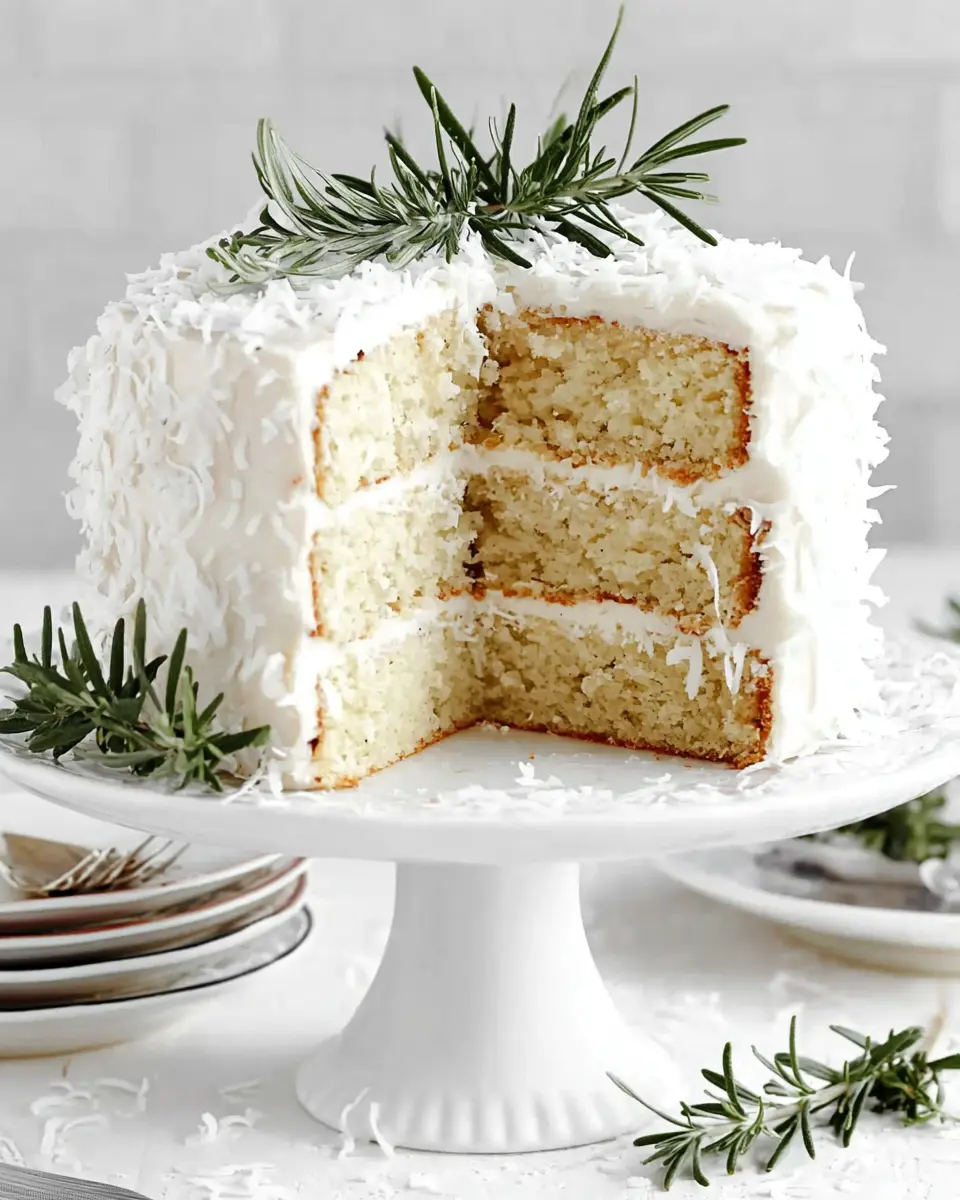
Christmas Coconut Cake is a festive, make-ahead friendly holiday dessert that truly embodies the spirit of the season. It features a delightfully soft, buttery crumb infused with a rich coconut flavor, all enrobed in a creamy coconut-cream cheese frosting. This cake is designed to be a beautiful centerpiece on any holiday table, and its flavor only intensifies beautifully on the second day.
This cake is a wonderful choice when you desire something classic, comforting, and just a touch more elegant than a typical frosted cake. The prominent coconut notes lend an air of celebration and festivity, while the subtle tang from the cream cheese frosting provides a perfect counterpoint to the cake’s inherent sweetness, creating a well-balanced and utterly delicious dessert experience for all to enjoy.
Why You Will Love This Recipe
- Festive Presentation: The snowy exterior coated in shredded coconut, optionally adorned with rosemary sprigs, makes this cake a stunning visual centerpiece for any holiday gathering. It evokes the magic of winter and Christmas without requiring intricate decorating skills.
- Make-Ahead Friendly: This cake is perfect for busy hosts as the layers can be baked and cooled a day in advance. Frosting and decorating can also be done on the day of serving, reducing stress and allowing you to enjoy your guests.
- Rich Yet Balanced Flavor: The combination of moist, tender coconut-infused cake and the slightly tangy cream cheese frosting creates a delightful flavor profile. It’s sweet enough to be a dessert but balanced by the cream cheese’s tang and the natural richness of coconut.
- Tender, Airy Crumb: The clever technique of whipping egg whites separately and folding them into the batter ensures a remarkably light and fluffy texture. This prevents the cake from feeling too dense, even with its rich flavors.
- Versatile Appeal: While perfect for Christmas, this cake’s elegant flavors and beautiful appearance make it suitable for other special occasions throughout the year. It’s a crowd-pleaser that appeals to a wide range of palates.
Ingredients You Need
The quality of your ingredients plays a significant role in the final outcome of this Christmas Coconut Cake. Opting for fresh, good-quality staples will ensure the best flavor and texture. Using unsalted butter allows you to control the saltiness, and good vanilla extract makes a noticeable difference in the overall aroma and taste of the cake and frosting.
Christmas Coconut Cake
A festive, make-ahead friendly holiday dessert with a soft buttery crumb, rich coconut flavor, and a creamy coconut-cream cheese frosting that feels special without being fussy. It is the kind of showpiece cake that looks beautiful on a holiday table and still tastes even better the next day.
- 1 cup softened unsalted butter
- 1 cup buttermilk
- 1 teaspoon baking powder
- 1 3/4 cups granulated sugar
- 1/2 teaspoon bicarbonate of soda
- 4 large eggs, yolks and whites separated
- 2 teaspoons vanilla essence
- 1/2 teaspoon salt
- 1 cup sweetened coconut cream
- 2 3/4 cups all-purpose flour
- 1 teaspoon coconut flavoring
- 2 pounds icing sugar
- 8 ounces cream cheese, softened
- 1/2 cup unsalted butter, at room temperature
- 1/4 teaspoon salt
- 1 teaspoon vanilla essence
- 1/2 cup sweetened coconut cream
- 4 cups unsweetened shredded coconut
- 4 sprigs rosemary (optional)
- 1Preheat the oven to 350°F (175°C). Grease and flour two 9-inch cake pans or three 6-inch cake pans, then set them aside.
- 2Using a stand mixer fitted with the whisk attachment, beat the egg whites until stiff peaks develop, about 3 minutes. Watch closely so they do not become overwhipped. Transfer the whipped whites to a separate bowl.
- 3In the same mixer, cream the softened butter and sugar until pale and fluffy, about 3 minutes. Add the coconut cream, egg yolks, coconut flavoring, and vanilla essence, then beat for about 2 minutes more until the mixture is fully blended.
- 4In a medium bowl, whisk together the flour, baking powder, bicarbonate of soda, and salt.
- 5With the mixer on low speed, add the dry mixture and the buttermilk to the butter mixture in alternating additions, mixing only until combined. Fold in the beaten egg whites gently, taking care not to deflate the batter.
- 6Distribute the batter evenly between the prepared pans. Bake for about 45 minutes, or until a toothpick inserted into the center comes out clean. Let the cakes cool completely in the pans before frosting.
- 7To prepare the frosting, beat the butter and cream cheese together in a stand mixer fitted with the paddle attachment until light and fluffy, about 2 minutes. Add the coconut cream, vanilla essence, salt, and icing sugar, then continue beating for about 2 minutes, until the frosting is smooth and airy.
- 8Place one cooled cake layer on a cake stand. Spread a generous layer of frosting over the top. Add the second layer, and the third if using three 6-inch cakes, then cover the top and sides with the remaining frosting.
- 9Press the shredded coconut onto the top and sides of the cake to coat and decorate the surface.
- 10For an optional holiday finish, arrange the rosemary sprigs on top to create a woodland-style effect. Dust lightly with extra icing sugar for a snowy appearance.
Keywords: Christmas Coconut Cake, Coconut Cake, Holiday Cake, Festive Dessert, Cream Cheese Frosting, Make-ahead Dessert
The specific quantities for all ingredients are detailed within the accompanying recipe card, ensuring you have precise measurements for a successful bake. This detailed breakdown covers everything needed for both the cake layers and the luscious frosting.
Variations
This delightful Christmas Coconut Cake can be adapted to suit various dietary needs and flavor preferences, making it even more accessible. One popular variation is to create a vegan version by substituting the butter with a high-quality vegan butter, using a plant-based milk like almond or oat milk instead of buttermilk, and replacing the eggs with a flax egg or a commercial egg replacer. The cream cheese frosting can also be made vegan using plant-based cream cheese and butter alternatives, ensuring the rich, creamy texture remains intact. This vegan adaptation maintains the festive spirit and delicious coconut flavor.
For those following a low-carb or keto lifestyle, significant modifications can be made. Replace the granulated and icing sugars with erythritol, xylitol, or monk fruit sweetener blends. Use almond flour or coconut flour as the base for the cake, adjusting the liquid content as needed, as these flours absorb moisture differently. Ensure to use unsweetened coconut cream and shredded coconut to keep the carbohydrate count down. The result is a decadent treat that aligns with ketogenic principles, allowing for guilt-free indulgence during the holidays. Experimentation with sweetener ratios may be necessary to achieve the desired sweetness level.
Another exciting variation involves infusing the cake with additional seasonal spices or flavors. Consider adding a teaspoon of ground cinnamon, nutmeg, or cardamom to the dry ingredients for a warmer, more complex flavor profile that complements the coconut beautifully. You could also introduce a hint of citrus by adding the zest of one orange or lemon to the batter, which brightens the overall taste. These subtle additions can elevate the cake and make it uniquely your own, perfect for a personalized holiday dessert experience.
How to Prepare Christmas Coconut Cake
Step 1: Preparing the Pans and Oven
The initial stage of creating this festive cake involves meticulously preparing your baking vessels and preheating your oven. A well-greased and thoroughly floured cake pan is absolutely crucial for ensuring the delicate cake layers release cleanly once baked. Without proper preparation, you risk having parts of the cake stick to the pan, compromising its beautiful appearance and potentially its structure.
For an added layer of security and to guarantee an even cleaner release, consider lining the bottom of your cake pans with circles of parchment paper. This extra step is particularly beneficial for cakes with a softer crumb, as it provides a non-stick barrier that is highly effective. Once your pans are prepared, preheat your oven to the specified temperature, which is typically around 350°F (175°C), ensuring it reaches the correct heat before the batter goes in for even baking.
Step 2: Whipping the Egg Whites
This step is fundamental to achieving the signature light and airy texture of the Christmas Coconut Cake. Begin by ensuring your egg whites are at room temperature, as they whip to a greater volume this way compared to cold eggs. Use a clean, dry bowl and whisk attachment; any trace of grease or moisture can prevent the whites from reaching their full potential. Beat the egg whites until they form stiff, glossy peaks that hold their shape when the whisk is lifted.
The process of whipping egg whites requires your attention; they should be stiff but not dry. Over-whipped whites can become crumbly and difficult to fold into the batter, leading to a less desirable cake texture. Once the desired consistency is achieved, gently transfer these whipped egg whites into a separate, clean bowl. This separation of components is key to the cake’s delicate structure and allows for precise control over its final rise and tenderness.
Step 3: Creaming Butter, Sugar, and Incorporating Wet Ingredients
Begin this crucial step by creaming the softened unsalted butter and granulated sugar together. This process should continue until the mixture becomes pale yellow and significantly fluffy, which can take approximately 3 minutes when using an electric mixer. This creaming action incorporates air into the batter, which is vital for a light cake crumb. The sugar crystals help to aerate the butter, creating tiny pockets that expand during baking.
Once the butter and sugar are well creamed, you will then incorporate the sweetened coconut cream, egg yolks, vanilla essence, and coconut flavoring. Blend these wet ingredients into the creamed mixture until the batter base is thoroughly smooth and appears rich and homogenous. The egg yolks add richness and help bind the batter, while the coconut cream and flavoring are the stars that infuse the cake with its signature tropical essence.
Step 4: Combining Dry and Wet Ingredients
In a separate bowl, meticulously whisk together the all-purpose flour, baking powder, bicarbonate of soda, and salt. This ensures that the leavening agents and salt are evenly distributed throughout the flour, which is essential for an even rise and balanced flavor in the final cake. Properly combined dry ingredients prevent pockets of unincorporated baking soda or flour, which can affect the cake’s texture and taste.
Now, introduce the dry ingredients and the buttermilk to the creamed butter mixture in alternating additions. Begin and end with the dry ingredients, mixing on a low speed until just combined after each addition. It is imperative to avoid overmixing at this stage, as overworking the gluten in the flour can result in a tough, dense cake. Mix only until the batter comes together into a smooth, cohesive mixture.
Step 5: Gently Folding in Whipped Egg Whites
This is a delicate but essential step that dictates the final airy texture of your cake. Take the thoroughly whipped egg whites that you prepared earlier and gently fold them into the cake batter using a rubber spatula. Employ broad, sweeping strokes, cutting down through the center of the batter and bringing it up and over the egg whites, rotating the bowl as you go. The goal is to incorporate the egg whites without deflating the air that you so carefully whipped into them.
Be patient and thorough, but avoid vigorous stirring or beating. You want to see streaks of egg white disappear into the batter, but it is perfectly acceptable to have a few tiny flecks remaining. This gentle folding technique preserves the lightness and volume of the egg whites, ensuring the cake bakes up with a softer, fluffier, and more tender texture, rather than a heavy or dense consistency. The result will be a cake that feels wonderfully light and delicate with every bite.
Step 6: Baking and Cooling the Cake Layers
Carefully divide the prepared cake batter evenly between your prepared cake pans. Ensure that each pan receives approximately the same amount of batter to promote uniform baking. Once the batter is distributed, place the pans into your preheated oven. Bake for the specified duration, typically around 45 minutes, or until a wooden skewer or toothpick inserted into the center of the cakes comes out clean. This indicates that the cake has fully cooked through.
After baking, remove the cakes from the oven and allow them to cool in their pans for about 10-15 minutes. This initial cooling period allows the cakes to firm up slightly, making them easier to handle. Then, carefully invert the cakes onto a wire cooling rack to cool completely. It is absolutely vital that the cake layers are entirely cool before you attempt to frost them; even slight residual warmth will cause the frosting to melt and slide off, creating a messy and unstable cake.
Step 7: Preparing the Coconut Cream Cheese Frosting
To create the luscious frosting, begin by beating the softened unsalted butter and softened cream cheese together in a stand mixer fitted with the paddle attachment. Beat them until the mixture is light, smooth, and thoroughly fluffy, which usually takes about 2 minutes. Ensure both the butter and cream cheese are at the correct temperature to achieve the best consistency, as this prevents lumps and ensures a creamy texture.
Next, add the sweetened coconut cream, vanilla essence, salt, and icing sugar to the butter and cream cheese mixture. Continue beating the frosting for another 2 to 3 minutes, or until it becomes wonderfully smooth, airy, and has a desirable spreadable consistency. The salt is crucial for balancing the sweetness and enhancing the overall flavor profile. Taste and adjust sweetness if necessary, though the balance provided is usually ideal for this cake.
Step 8: Assembling and Decorating the Cake
Begin the assembly by placing one completely cooled cake layer onto your serving plate or cake stand. Spread a generous and even layer of the prepared coconut cream cheese frosting over the top of this first layer. If you are using three 6-inch cake layers, add the second layer on top of the frosting, and then repeat the frosting process. Finally, add the third layer if applicable, or proceed to frosting the top of the second layer.
Once the layers are stacked and the top is frosted, proceed to cover the entire cake – the top and the sides – with the remaining frosting. Use an offset spatula to create a smooth, even coating. For the signature festive finish, take the unsweetened shredded coconut and gently press it all over the frosted exterior of the cake, ensuring a complete and snowy coating. If you desire a special holiday touch, artfully arrange the optional rosemary sprigs on top to create a beautiful, woodland-inspired effect, adding a touch of natural elegance.
Pro Tips for Christmas Coconut Cake
Gentle Folding is Key: When incorporating the whipped egg whites into the cake batter, always use a gentle folding motion. This preserves the air incorporated into the whites, which is what gives the cake its signature light and fluffy texture. Avoid stirring vigorously, as this can deflate the whites and lead to a denser cake.
Level Your Cakes: For a perfectly stacked and professional-looking cake, it’s highly recommended to level your cake layers once they are completely cool. You can do this by carefully slicing off any domed tops with a long serrated knife. This ensures each layer sits flat and stable, making the frosting process much easier and the final presentation impeccable.
Contain the Coconut: When pressing the shredded coconut onto the frosted cake, it’s a good idea to place a baking sheet or a large tray underneath the cake stand. This helps to catch any excess coconut that falls off, making the cleanup process significantly easier and preventing a mess on your counter or table.
Chill Your Frosting if Needed: If your cream cheese frosting becomes too soft or soupy while you are decorating, especially in a warm environment, don’t panic. Simply place the bowl of frosting in the refrigerator for about 15-20 minutes to firm up slightly. Then, give it a quick stir before continuing to frost the cake for optimal spreadability and stability.
Room Temperature Ingredients: Ensure that your butter, cream cheese, and eggs are all at room temperature before you begin making the cake and frosting. Room temperature ingredients emulsify better, creating a smoother batter and a creamier frosting, which ultimately leads to a superior texture and flavor in your final Christmas Coconut Cake.
Serving Suggestions for Christmas Coconut Cake
Decoration
The signature decoration for this Christmas Coconut Cake is a generous coating of unsweetened shredded coconut, creating a beautiful snowy appearance that is perfect for the holiday season. For an extra festive touch, especially reminiscent of a winter wonderland, consider artfully arranging a few fresh rosemary sprigs on top of the cake. The green of the rosemary provides a lovely contrast against the white coconut, resembling miniature evergreen branches. A light dusting of powdered sugar over the rosemary can enhance the snowy effect. This simple yet elegant decoration highlights the cake’s natural beauty and festive theme.
Side Dishes
This rich and flavorful coconut cake pairs wonderfully with a variety of complementary side dishes that enhance the dessert experience without overpowering its distinct coconut profile. A small bowl of fresh, bright berries such as raspberries or strawberries served alongside a slice of cake offers a refreshing tartness that cuts through the sweetness of the frosting and cake. For a warm beverage pairing, consider a rich, hot coffee or a strongly brewed black tea. The warmth and slight bitterness of these drinks create a comforting balance to the cake’s creamy sweetness. Simple, buttery shortbread cookies or a few spiced biscotti can also be offered as additional small treats on a dessert platter, complementing the cake without competing with its main flavor.
Creative Serving Ideas
Beyond the traditional slice, consider serving this Christmas Coconut Cake in more creative ways to add an element of surprise and fun to your holiday gathering. Mini coconut cupcakes, made from the same batter, can be an adorable and convenient option for parties where guests might prefer smaller portions or want to sample other treats. Another idea is to deconstruct the cake slightly by serving dollops of the coconut cream cheese frosting alongside individual slices of the cake, allowing guests to add more frosting as they desire. For a truly unique presentation, a drizzle of homemade caramel sauce or a light dusting of edible gold glitter can add an extra layer of luxury and visual appeal, transforming it into a show-stopping dessert suitable for any festive celebration.
Preparation & Storage
Storing Leftovers
Due to the presence of cream cheese in the frosting, it is essential to store any leftover Christmas Coconut Cake properly. The best way to keep it fresh and safe is by refrigerating it. Cover the cake tightly with plastic wrap or place it in an airtight cake container to prevent it from drying out and to protect it from absorbing any odors from other foods in the refrigerator. Properly stored, the cake should maintain its delicious flavor and texture for up to 4 days.
For optimal enjoyment, it is recommended to let slices of the refrigerated cake sit at room temperature for about 20 to 30 minutes before serving. This brief resting period allows the frosting to soften slightly and the cake’s complex flavors to fully emerge, resulting in a more pleasant and fragrant eating experience. The textures become more yielding and the aromatic notes of coconut become more pronounced after this short tempering period.
Freezing
This Christmas Coconut Cake is an excellent candidate for freezing, making it a convenient option for advance preparation or for saving portions to enjoy later. You can freeze the unfrosted cake layers, or individual slices of the fully assembled and frosted cake. To freeze, wrap the cake layers or slices extremely well in multiple layers of plastic wrap, ensuring there are no air gaps, and then add a layer of heavy-duty aluminum foil or place them in a freezer-safe container. This double-layer of protection is crucial to prevent freezer burn and maintain the cake’s quality.
Once properly wrapped, the cake or cake layers can be stored in the freezer for up to 2 months. When you are ready to enjoy them, the best method for thawing is to transfer the frozen cake or slices to the refrigerator and allow them to thaw slowly overnight. After thawing in the refrigerator, remove the cake from its wrapping and let it sit at room temperature for about 30 minutes to an hour before serving, allowing it to reach its ideal texture and flavor profile.
Reheating
Reheating is generally not necessary for this Christmas Coconut Cake, as it is best enjoyed at room temperature or slightly chilled. However, if you prefer a slightly warmer cake or frosting, you can gently warm individual slices. Place a slice on a microwave-safe plate and heat in very short bursts of 10-15 seconds on low power, checking frequently to avoid melting the frosting or drying out the cake. Overheating can negatively impact the texture, so this method should be used with extreme caution and is generally not recommended.
The most recommended approach is simply to allow frozen or refrigerated slices to come to room temperature naturally, as described in the storage and freezing sections. This gradual warming process preserves the cake’s delicate crumb and the smooth consistency of the cream cheese frosting. Avoid any drastic temperature changes, as they can lead to condensation and affect the overall quality of the cake. The goal is to serve it at its optimal texture and flavor, which is typically achieved by allowing it to temper gradually.
Frequently Asked Questions
-
Can I make this Christmas Coconut Cake ahead of time, and if so, how should I store the components?
Yes, this cake is exceptionally well-suited for making ahead, which is a significant advantage for holiday preparations. You can bake the cake layers up to two days in advance. Once completely cooled, wrap each layer tightly in plastic wrap, and then in aluminum foil, to protect them from drying out and freezer burn if you plan to freeze them. Store the unfrosted layers at room temperature for up to two days, or in the refrigerator for up to three days if not freezing. The cream cheese frosting can also be made a day in advance; store it in an airtight container in the refrigerator. Before assembling, allow the frosting to soften slightly at room temperature or whip it briefly to restore its smooth consistency. Assembling the cake a day before serving allows the flavors to meld beautifully, and the finished cake can be stored, covered, in the refrigerator.
-
Why is it important to whip the egg whites separately, and what happens if I skip this step or don’t whip them enough?
Whipping the egg whites separately and folding them into the batter is a critical technique that contributes significantly to the cake’s light, airy, and tender crumb. The air incorporated into the egg whites creates a delicate structure that expands during baking, preventing the cake from becoming dense or heavy, which can happen with rich, moist cakes. If you skip this step, or if the egg whites are not whipped to stiff peaks, the cake will likely be much denser and heavier, lacking that desirable fluffy texture. Under-whipped egg whites won’t provide enough leavening, and over-whipped whites can become dry and difficult to incorporate smoothly, potentially leading to a less consistent crumb. This step is essential for achieving the characteristic ethereal texture of this Christmas Coconut Cake.
-
Is the rosemary garnish essential for the cake’s flavor, or is it purely for decoration? Can I substitute it with something else if I don’t have any?
The rosemary garnish is purely decorative and adds a beautiful, festive visual appeal to the Christmas Coconut Cake, especially when paired with the snowy white coconut coating, evoking a wintery, woodland charm. It does not contribute to the cake’s flavor profile, so you can absolutely omit it or substitute it if desired. If you wish to add a similar visual element and a hint of complementary aroma, you could consider using small sprigs of fresh mint for a bright green pop, or even a few cranberries artfully placed on top for a festive red accent. Edible flowers or a dusting of edible glitter are also options for enhancing the cake’s holiday presentation. The cake will be just as delicious without the rosemary; its inclusion is solely for aesthetic enhancement.