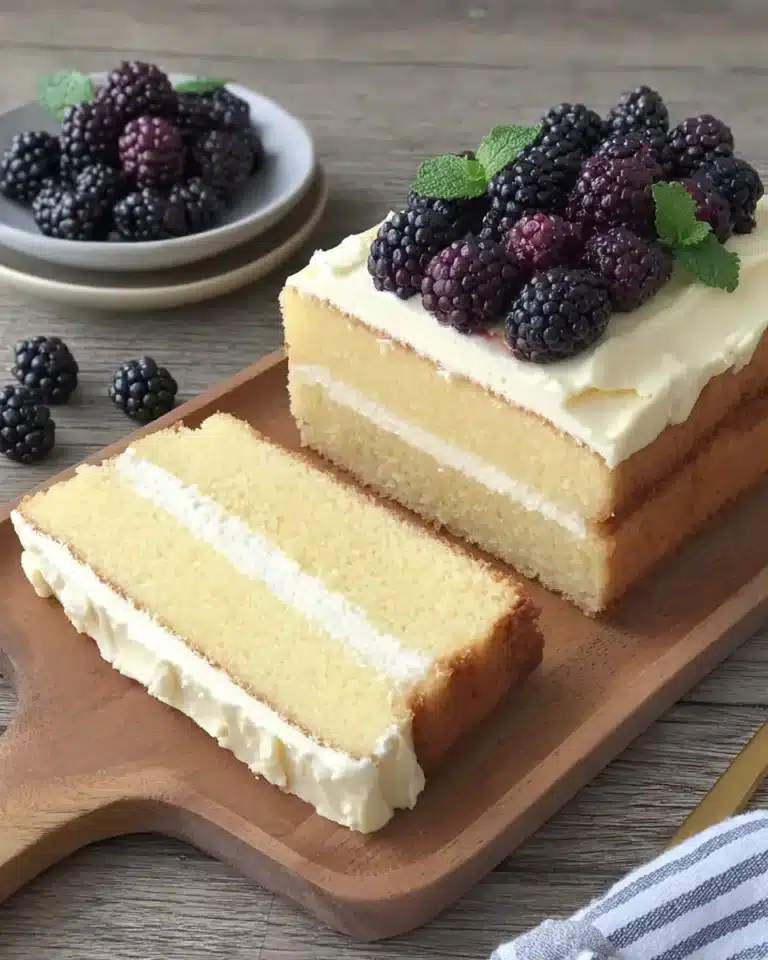
Whole Orange Cake Recipe – Rind and All!

Embark on a delightful culinary journey with this exceptional whole orange cake recipe, a true celebration of vibrant citrus flavor. This cake transcends the ordinary, transforming simple ingredients into a masterpiece that is both incredibly moist and bursting with the zest of fresh oranges.
Get ready to impress your friends and family with a dessert that requires minimal effort but delivers maximum taste. The magic lies in utilizing the entire orange, peel and all, which infuses the cake with an unparalleled depth of citrus essence.
Why You Will Love This Recipe
- Effortless Preparation: Forget complex steps; this cake comes together beautifully in a blender, making the entire process remarkably straightforward and enjoyable for bakers of all levels.
- Intense Citrus Flavor: By incorporating the whole orange, including the peel, you unlock a powerful and authentic orange taste that is far more profound than recipes using only juice or zest.
- Incredibly Moist Texture: The combination of ingredients, especially the moisture from the whole oranges and the luscious glaze, results in a cake that is wonderfully tender and stays fresh for days.
- Versatile for Any Occasion: Whether it’s a casual afternoon tea, a special celebration, or a simple craving for something sweet, this sunny cake is always a crowd-pleaser.
- Minimal Ingredient List: You’ll find that this recipe relies on common pantry staples, making it accessible and easy to whip up whenever the citrus craving strikes.
Ingredients You Need
The beauty of this whole orange cake lies in its simplicity, relying on high-quality, readily available ingredients to create its signature flavor and texture. Using fresh, ripe oranges is paramount, as they are the star of this recipe, contributing both their sweet juice and the aromatic oils from their peel. Ensure your butter is softened to perfection for seamless blending, and your eggs are at room temperature to help create a light and airy batter. The combination of granulated and brown sugar not only adds sweetness but also contributes significantly to the cake’s inherent moistness, preventing it from becoming dry or crumbly.
Easy Whole Orange Cake

This easy whole orange cake recipe uses the entire orange, including the peel! The batter comes together in a blender for ultimate simplicity, resulting in a super moist cake that's bursting with sweet citrus flavor, especially after being drenched in a simple orange glaze.
- 2 large seedless oranges, preferably organic
- 1 cup granulated sugar
- 3 large eggs, room temperature
- 2 cups all purpose flour
- 2 teaspoons baking powder
- 2 tablespoons granulated sugar
- powdered sugar, for dusting
- 1Preheat oven to 350°F (175°C). Line an 8-inch cake pan with parchment paper, covering the bottom and sides.
- 2Cut the oranges into smaller pieces and remove any seeds. Add them to a food processor, including the peel. Blend until smooth. If the pith (the white part under the peel) is very thick or bitter, peel the oranges first, trim away some of the pith, then add the peel back in before blending.
- 3Add the softened butter, granulated sugar, brown sugar, and eggs to the food processor. Process until smooth.
- 4Stir in the all-purpose flour, baking powder, and salt. It is okay if you see some small flecks of butter.
- 5Pour the prepared cake batter into the lined cake pan.
- 6Bake for 50 minutes.
- 7While the cake bakes, prepare the glaze: Add the orange juice and granulated sugar to a small saucepan. Simmer over medium heat for 4 to 5 minutes, or until the mixture reaches a syrupy consistency.
- 8Remove the cake from the oven. While it's still warm, brush the prepared orange glaze evenly over the top so it soaks in.
- 9Set the cake aside to cool completely before dusting it with powdered sugar, slicing, and serving.
Keywords: orange cake, whole orange cake, blender cake, citrus cake, dessert, german cake, baking, vegetarian
Quantities for each ingredient are detailed in the recipe card above, guiding you to the perfect balance for this delightful cake.
Variations
While this whole orange cake recipe is spectacular as is, its inherent simplicity allows for delightful variations to suit different dietary needs and flavor preferences. Consider transforming it into a delightful vegan treat by substituting the butter with a high-quality vegan butter alternative or a neutral-flavored oil like coconut or sunflower oil. For the eggs, a flax egg (1 tablespoon ground flaxseed mixed with 3 tablespoons water, let sit for 5 minutes) or a commercial egg replacer would work beautifully to bind the ingredients together.
For those following a low-carb lifestyle, this cake can be adapted with a few smart substitutions. Replace the all-purpose flour with a blend of almond flour and a touch of coconut flour, which will provide a similar texture and structure. Granulated and brown sugars can be swapped for your favorite granular and brown sugar substitutes, such as erythritol or xylitol, to significantly reduce the carbohydrate count without compromising sweetness.
Elevate the citrus experience even further by infusing the batter with fragrant orange blossom water or a hint of cardamom. A small amount, perhaps a teaspoon of orange blossom water or half a teaspoon of ground cardamom, can add an exotic, floral, or warm spicy note that complements the orange beautifully. Ensure you taste as you go, as these additions can be quite potent, and adjust to your personal preference for a truly customized flavor profile that makes this whole orange cake recipe uniquely yours.
How to Prepare whole orange cake recipe
Step 1: Prepare the Oranges and Oven
Begin by preheating your oven to a steady 350°F (175°C). This ensures that your oven is at the optimal temperature when the cake batter is ready, promoting even baking and a perfect rise. Prepare an 8-inch cake pan by lining it meticulously with parchment paper. Cover both the bottom and the sides of the pan with the parchment paper, ensuring it fits snugly. This step is crucial for preventing the cake from sticking and for facilitating easy removal once it’s baked to perfection.
Next, focus your attention on the star ingredient: the oranges. Wash them thoroughly under cool running water, giving them a good scrub to remove any impurities from the peel. Cut the two large seedless oranges into manageable quarters, making it easier for your food processor to break them down. Examine the oranges for any seeds and remove them carefully; seeds can introduce an unwanted bitterness into the cake. If you are using oranges that you suspect might have a thick, bitter white pith beneath the peel, it is advisable to trim away as much of this white part as possible before proceeding.
Place the quartered oranges, including their peels (and any trimmed pith if necessary), into the bowl of a food processor. This is where the magic of using the whole orange truly begins, as the peel will contribute its essential oils and vibrant flavor to the batter, creating a depth that is hard to achieve otherwise. The processor will transform these segments into a smooth puree, forming the flavorful base of your entire orange cake recipe.
Step 2: Blend the Cake Batter
Once the oranges have been thoroughly pureed in the food processor, it’s time to incorporate the remaining ingredients that will transform this citrus base into a delightful cake batter. Add the softened unsalted butter to the food processor. Ensure the butter is at room temperature, as this will allow it to blend smoothly with the other ingredients, contributing to the richness and tender crumb of the finished cake. Next, add the granulated sugar and the brown sugar. The combination of both sugars not only sweetens the cake but also plays a vital role in ensuring its exceptional moistness and a wonderfully caramelized crust.
Introduce the three large eggs to the mixture in the food processor. It is important that these eggs are also at room temperature; this helps them emulsify more easily with the fats and liquids, leading to a smoother, more cohesive batter. Process the mixture of oranges, butter, sugars, and eggs until it is completely smooth and well combined. You should have a creamy, homogenous blend that is ready for the dry ingredients.
Now, it’s time to add the dry components of the batter. Gently stir in the all-purpose flour, the baking powder, and the salt. The baking powder is essential for providing the cake with its lift and airy texture, while the salt balances the sweetness and enhances the overall flavors. Be mindful that it is perfectly acceptable if you notice small flecks of butter remaining in the batter at this stage; these will melt away during the baking process and contribute to the cake’s moistness. Mix just until the flour is incorporated, being careful not to overmix, which can lead to a tougher cake.
Step 3: Bake the Cake
Carefully pour the prepared cake batter into the parchment-lined 8-inch cake pan. Ensure that the batter is evenly distributed within the pan, gently smoothing the top with a spatula if needed to create a relatively level surface for baking. This even distribution will help the cake to rise uniformly and bake more evenly. The aroma of fresh oranges and sweet batter will already begin to fill your kitchen, a promising prelude to the delicious treat to come.
Place the cake pan into the preheated oven at 350°F (175°C). Bake the cake for approximately 50 minutes. The baking time can vary slightly depending on your oven, so it’s a good idea to check for doneness towards the end of the baking period. To test if the cake is fully baked, insert a wooden skewer or a toothpick into the center of the cake. If it comes out clean, with no wet batter clinging to it, the cake is ready. A few moist crumbs are acceptable, but no liquid batter should be present.
As the cake bakes, take this opportunity to prepare the vibrant orange glaze that will further enhance its flavor and moisture. The anticipation of this step builds as you visualize the warm, tender cake absorbing the sweet, citrusy glaze. The finished cake should have a beautiful golden-brown hue and a delightful aroma that beckons for a taste.
Step 4: Prepare the Orange Glaze
While the cake is baking, you can simultaneously prepare the simple yet incredibly flavorful orange glaze. This glaze is designed to soak into the warm cake, adding an extra layer of moisture and a concentrated burst of citrus goodness that complements the whole orange cake recipe perfectly. In a small saucepan, combine the freshly squeezed orange juice and the granulated sugar. Using freshly squeezed orange juice is highly recommended for the best flavor, as it avoids the preservatives and sometimes muted taste found in juice not from concentrate.
Place the saucepan over medium heat and stir the mixture gently. Continue to heat and stir until the sugar has completely dissolved into the orange juice. This should only take a few minutes. Once the sugar is dissolved, allow the mixture to simmer gently for about 4 to 5 minutes. During this simmering period, the liquid will reduce slightly and thicken to a syrupy consistency. You are looking for a glaze that is not too thin, so it coats the cake effectively, but not so thick that it becomes difficult to brush on.
The goal is a smooth, pourable syrup that will beautifully drench the warm cake. The aroma of simmering oranges and sugar is incredibly inviting, adding another layer of sensory delight to the baking process. This simple glaze elevates the entire cake, ensuring that every bite is infused with bright, sweet citrus flavor, making it a truly memorable dessert.
Step 5: Glaze and Cool the Cake
Once the whole orange cake has finished baking, remove it from the oven with care. While the cake is still warm, it’s the perfect time to apply the prepared orange glaze. The warmth of the cake allows it to absorb the glaze more readily, ensuring that the citrus flavor penetrates deeply into the crumb, making it exceptionally moist. Using a pastry brush, evenly brush the prepared orange glaze over the entire surface of the warm cake, making sure to cover the top and let it drip slightly down the sides.
The glaze will sink into the porous surface of the cake, creating a beautiful, slightly sticky finish. This step is critical for achieving that signature moistness and intense citrus flavor that defines this recipe. Be generous with the glaze; it’s designed to be a delightful, sweet counterpoint to the cake’s tender texture and bright orange essence. The visible sheen of the glaze on the warm cake is a tantalizing preview of its deliciousness.
After glazing, it is essential to allow the cake to cool completely. This cooling process is not just about convenience; it’s vital for the cake’s structure and texture. As the cake cools, it firms up, allowing the glaze to set properly and preventing the cake from crumbling when sliced. Patience here will be rewarded with perfect slices of a beautifully integrated cake. Once fully cooled, you can add an optional dusting of powdered sugar for an extra touch of sweetness and visual appeal before slicing and serving your masterpiece.
Step 6: Finishing Touches and Serving
Once the whole orange cake has completely cooled, it’s time for the final aesthetic touches. For an elegant and inviting presentation, lightly dust the top of the cake with powdered sugar using a fine-mesh sieve. This creates a beautiful contrast against the golden cake and the subtle sheen of the orange glaze, adding a professional finish to your homemade dessert. This simple step transforms a delicious cake into a visually stunning creation, perfect for any occasion, from a casual gathering to a more formal dessert course.
Slice the cake into your desired portions. The texture should be tender and yielding, with the glaze having beautifully soaked into the crumb. Serve the cake as is, allowing the pure citrus flavor to shine, or consider enhancing the experience with accompanying elements. This cake pairs wonderfully with a dollop of freshly whipped cream, a scoop of vanilla bean ice cream, or even a spoonful of Greek yogurt for a slightly tangy contrast. The moist, citrusy notes are truly delightful on their own, but these additions can offer a luxurious or refreshing complement.
This whole orange cake recipe is incredibly versatile, making it suitable for a variety of settings. It’s a fantastic addition to a breakfast or brunch spread, a perfect ending to a dinner party, or a delightful treat to enjoy with your afternoon tea or coffee. Its bright flavor and moist texture make it a universally appealing dessert that’s sure to become a favorite in your baking repertoire, proving that simple ingredients can yield extraordinary results.
Pro Tips for whole orange cake recipe
Select the Right Oranges: For the most vibrant and least bitter flavor, opt for oranges with thin peels. Varieties like Valencia or Cara Cara are excellent choices as they tend to have a thinner pith (the white part of the peel), which can sometimes impart bitterness. Organic oranges are also a great choice, especially since you’ll be consuming the peel, minimizing any potential exposure to pesticides.
Manage the Pith Carefully: While the recipe uses the whole orange, if you notice a particularly thick or bitter-looking white pith, don’t hesitate to trim some of it away before blending. A sharp knife is your best friend here; carefully shave off the excess white part, leaving the colorful peel intact. This small adjustment can make a significant difference in ensuring a sweet, citrusy flavor without any unpleasant bitterness creeping into your cake.
Room Temperature Ingredients are Key: Ensure your butter and eggs are at room temperature before you begin. Softened butter will blend seamlessly into the batter, creating a richer, more emulsified mixture, and room temperature eggs will incorporate more easily, contributing to a lighter, fluffier cake texture. This is a fundamental step in many baking recipes that significantly impacts the final outcome.
Don’t Overmix the Batter: Once you add the flour to the wet ingredients, mix only until just combined. Overmixing can develop the gluten in the flour too much, resulting in a tough or dense cake. A few small lumps of flour or specks of butter are perfectly acceptable and will disappear during baking, contributing to a tender crumb.
Glaze While Warm: For maximum absorption and moisture, apply the orange glaze to the cake while it is still warm from the oven. The heat allows the glaze to soak deeply into the cake’s structure, infusing it with extra flavor and creating that wonderfully moist finish that is characteristic of this whole orange cake recipe.
Serving Suggestions for whole orange cake recipe
Decoration
The presentation of this whole orange cake can be as simple or as elaborate as you desire. A light dusting of powdered sugar, as mentioned earlier, offers an elegant and classic finish. For a more festive look, consider arranging thin slices of fresh orange on top of the cake before the glaze sets, or create candied orange peel to sprinkle over the surface. A few fresh mint leaves can add a pop of color and a refreshing aroma, subtly hinting at the bright citrus flavors within. Edible flowers, such as violas or pansies, can also provide a beautiful and sophisticated touch, transforming the cake into a true centerpiece for any occasion.
Side Dishes
While this whole orange cake is delightful enough to stand alone, certain accompaniments can enhance the overall dessert experience. A dollop of unsweetened or lightly sweetened whipped cream provides a creamy, cooling contrast to the cake’s zesty sweetness. A scoop of high-quality vanilla bean ice cream is a timeless pairing, its creamy texture and subtle vanilla notes perfectly complementing the citrus. For those who enjoy a tangier element, a spoonful of thick Greek yogurt or crème fraîche can offer a refreshing counterpoint to the cake’s sweetness and richness.
Creative Serving Ideas
Think beyond the traditional slice for a more unique serving experience. Consider cutting the cooled cake into small, bite-sized cubes and serving them in individual glasses or ramekins, perhaps layered with a little whipped cream and a few fresh berries. This makes for an elegant and easy-to-eat dessert, ideal for buffets or parties. Another idea is to serve warm slices of the cake with a drizzle of honey infused with citrus zest, or alongside a small bowl of macerated berries, which add a burst of freshness and color.
Preparation & Storage
Storing Leftovers
This whole orange cake is wonderfully moist and flavorful, making it a great candidate for leftovers. To keep it at its best, store the cooled cake in an airtight container at room temperature. This method is ideal for preserving its texture and preventing it from drying out. At room temperature, the cake should remain fresh and delicious for up to 3 days. Ensure the container is truly airtight to maintain the optimal moisture level and prevent exposure to air, which can lead to staleness.
Freezing
If you find yourself with more cake than you can consume within a few days, or if you simply want to have this delightful treat on hand for future enjoyment, freezing is an excellent option. You can freeze the entire cake, or individual slices for easier portioning. To freeze, wrap the cake or slices very tightly in plastic wrap to prevent freezer burn. Once securely wrapped, place the cake in a freezer-safe bag or container for an additional layer of protection. Properly frozen, this whole orange cake can be stored for up to 2 months.
Reheating
When you’re ready to enjoy your frozen whole orange cake, the thawing process is straightforward. For the best results, allow the cake to thaw gradually at room temperature. This gradual thawing helps to maintain the cake’s texture and prevents it from becoming soggy. If you prefer a slightly warmed cake, you can gently reheat individual slices in a low oven (around 300°F or 150°C) for a few minutes until warmed through, or briefly in a microwave on a low power setting. Be cautious not to overheat, as this can dry out the cake.
Frequently Asked Questions
-
Can I use lemons instead of oranges for this recipe?
While this recipe is specifically designed for the bright, sweet flavor of oranges, you could experiment with other citrus fruits. Lemons would yield a much tarter cake, and you might need to adjust the sugar content accordingly. Grapefruits could also be used, but their flavor profile is quite distinct and might require modifications to balance their inherent bitterness. It’s important to note that the ratio of juice to pith and peel can vary significantly between citrus types, so using lemons or grapefruits would be an experimental variation rather than a direct substitution for this particular whole orange cake recipe.
-
Why is my cake dense and not rising properly?
A dense cake that doesn’t rise well often indicates a few common issues. Firstly, overmixing the batter after adding the flour can develop the gluten too much, leading to a tough and heavy cake. Ensure you mix only until the ingredients are just combined. Secondly, expired baking powder is a frequent culprit; always check the expiration date of your baking powder as it loses its leavening power over time. Lastly, the oven temperature might not have been accurate; using an oven thermometer to verify your oven’s calibration can help ensure it’s at the correct temperature for proper rising.
-
How can I ensure the orange peel doesn’t make the cake bitter?
The key to avoiding bitterness from the orange peel lies in selecting the right oranges and managing the pith. As mentioned in the tips, oranges with thin peels, like Valencia or Cara Cara, generally have less of the bitter white pith. If your oranges have a noticeably thick white layer under the peel, carefully trimming away as much of this pith as possible with a sharp knife before blending is highly recommended. Also, blending the oranges thoroughly in a food processor helps to break down the peel’s components, distributing its flavor more evenly and mellowing any potential bitterness.