Vodka Sauce: A Creamy and Flavorful Pasta Sauce
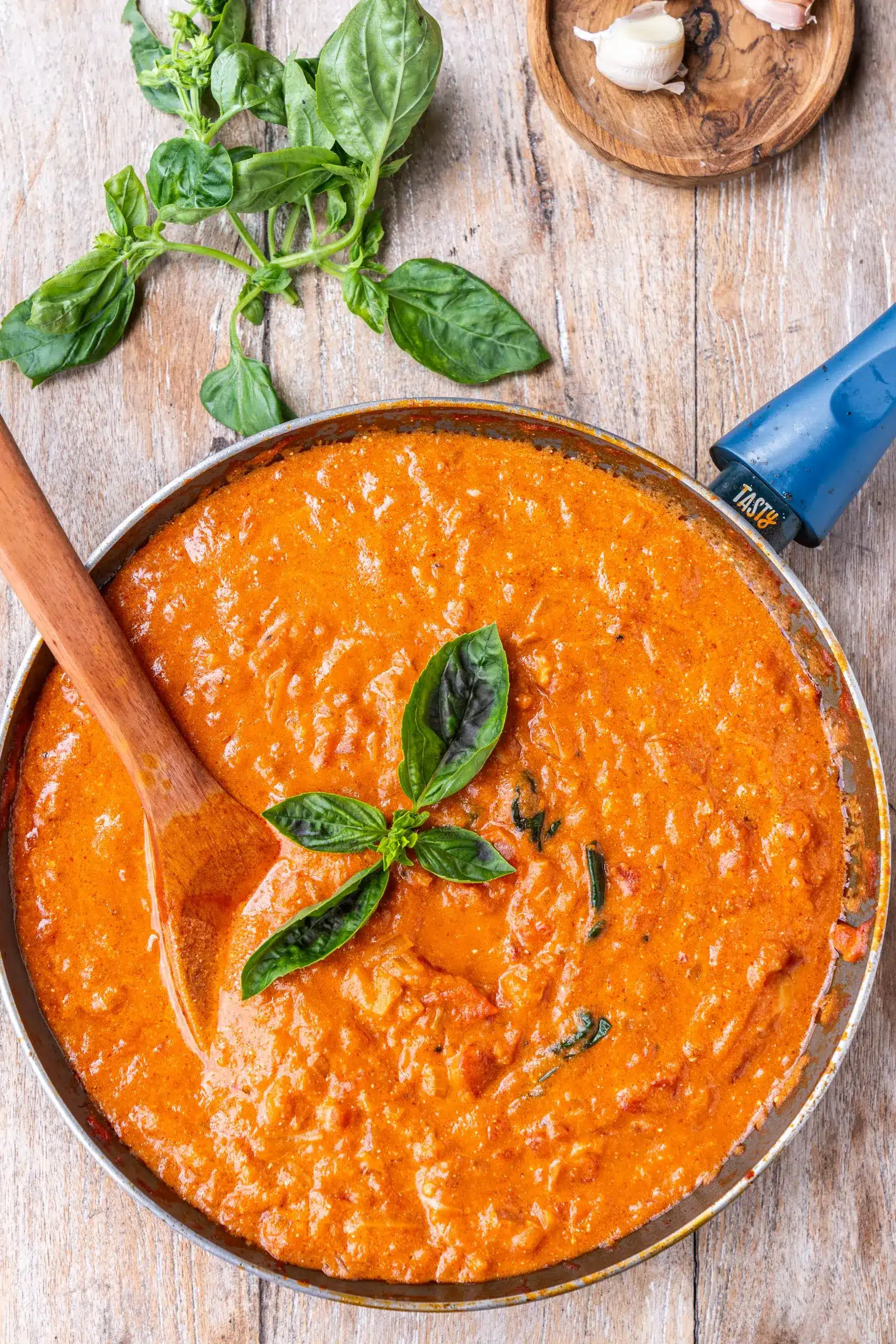
This creamy, tomato-based Vodka Sauce is a culinary masterpiece that promises to elevate any pasta dish to new heights. Its velvety texture and the subtle warmth of basil create an unforgettable dining experience, perfectly complementing a wide array of pasta shapes, from classic penne and bowtie to delicate linguine.
As a dedicated pasta enthusiast, I’ve explored countless sauces throughout my culinary journey, and vodka sauce has consistently held a special place in my heart. This particular recipe is celebrated not just for its exquisite taste, but also for its remarkable ease of preparation, making it an accessible yet sophisticated choice for any meal.
Why You Will Love This Recipe
- Effortless Preparation: This recipe is designed for maximum flavor with minimal fuss, allowing you to create a restaurant-quality sauce in under 30 minutes, perfect for busy weeknights.
- Unmatched Creaminess: The luxurious blend of tomatoes and heavy cream results in a sauce so smooth and decadent, it’s sure to become a family favorite and a go-to for impressing guests.
- Versatile Pairing: While traditionally served with penne, this adaptable sauce harmonizes beautifully with numerous pasta varieties, and can easily be enhanced with your choice of proteins or vegetables.
- Bold, Balanced Flavor: The hint of vodka doesn’t just add an alcoholic note; it enhances the tomato’s sweetness and melds the cream and spices together, creating a complex, satisfying taste profile.
- Elegant Yet Simple: It offers a touch of sophistication that makes any meal feel special, whether it’s a casual family dinner or a more formal gathering of friends.
Ingredients You Need
Crafting an exceptional vodka sauce hinges on the quality of its components, with each ingredient playing a vital role in the final symphony of flavors. Selecting fresh, high-quality items will undoubtedly result in a superior sauce that is both rich and deeply satisfying, a true testament to the beauty of simple, well-executed cooking.
Creamy Tomato Vodka Sauce
This creamy, tomato-based Vodka Sauce elevates any pasta dish with a smooth texture and rich basil flavor. Try vodka sauce with your favorite penne, bowtie, or linguini pastas. It's easy to make, versatile, and always a crowd-pleaser.
- 3 tbsp. olive oil
- 1 yellow onion, chopped
- 4 garlic cloves, minced
- 2 tbsp tomato paste
- 1/2 cup vodka
- 1/2 tsp crushed red pepper flakes
- 1 tsp salt
- 28 ounce crushed tomatoes
- 1 cup water
- 1/2 cup heavy whipping cream
- 1/4 cup shaved parmesan cheese
- 2 tbsp minced fresh basil
- 1Heat olive oil in a large skillet or saucepan over medium heat.
- 2Add chopped yellow onion and sauté for 5 minutes until translucent.
- 3Add minced garlic and sauté for 1 minute until fragrant.
- 4Stir in tomato paste, vodka, crushed red pepper flakes, and salt. Simmer for 5 minutes, or until the vodka has mostly evaporated.
- 5Add crushed tomatoes and water. Stir to combine. Bring to a simmer, then reduce heat to low and cook for at least 30 minutes, stirring occasionally, to allow flavors to meld and sauce to thicken.
- 6While the sauce simmers, cook your desired pasta according to package directions until al dente. Reserve about 1 cup of pasta water before draining.
- 7Remove the sauce from heat. Stir in the heavy whipping cream and shaved parmesan cheese until well combined and the sauce is creamy.
- 8If the sauce is too thick, add a little of the reserved pasta water, one tablespoon at a time, until the desired consistency is reached.
- 9Serve the vodka sauce tossed with the cooked pasta. Garnish with extra parmesan cheese and fresh basil leaves.
Keywords: vodka sauce, tomato sauce, pasta sauce, creamy sauce, italian, easy recipe, weeknight dinner
- olive oil: a foundational element for sautéing aromatics and building flavor.
- yellow onion: provides a subtle sweetness and aromatic depth.
- garlic cloves: essential for that pungent, savory base that defines Italian-American cooking.
- crushed tomatoes: the heart of the sauce, offering a bright, tangy tomato essence.
- water: used to achieve the perfect sauce consistency during simmering.
- tomato paste: intensifies the tomato flavor and adds body to the sauce.
- vodka: the star ingredient that helps meld flavors and adds a unique subtle character.
- heavy whipping cream: delivers unparalleled richness and a luxuriously creamy texture.
- parmesan cheese, shaved: imparts a nutty, salty depth that complements the other flavors.
- crushed red pepper flakes: introduces a gentle warmth and a hint of spice.
- salt: enhances and balances all the flavors in the sauce.
- fresh basil, minced: adds a fragrant, herbaceous finish that brightens the entire dish.
The precise quantities for these ingredients are detailed within the accompanying recipe card for your convenience.
Variations
While the classic vodka sauce is undeniably delightful, its inherent versatility allows for numerous exciting variations that can cater to diverse dietary needs and flavor preferences. Experimenting with these twists can unlock entirely new dimensions of taste and texture, ensuring that this beloved dish remains fresh and engaging.
For those seeking a plant-based option, a vegan rendition can be achieved by substituting the heavy cream with full-fat coconut milk or a cashew cream. The sautéed aromatics can be enhanced with nutritional yeast to impart a cheesy undertone, and vegetable broth can be used instead of water if desired. This version still offers a wonderfully rich and satisfying experience, proving that dairy is not essential for creaminess.
A low-carb adaptation can be seamlessly integrated by pairing the vodka sauce with spiralized zucchini noodles (zoodles) or shirataki noodles instead of traditional pasta. The sauce itself remains largely the same, focusing on the rich tomato and cream base, with the removal of any added sugars in the tomato products if strictly adhering to a low-carb lifestyle. This makes for a guilt-free indulgence that doesn’t compromise on flavor.
Elevating the sauce further can involve the addition of various ingredients. Consider incorporating sautéed mushrooms for an earthy depth, sun-dried tomatoes for an intensified tomato flavor, or a splash of balsamic glaze for a touch of acidity and sweetness. These additions can transform the familiar into something wonderfully novel, suitable for a special dinner.
How to Prepare vodka sauce
Step 1: Building the Aromatic Foundation
The journey to an exceptional vodka sauce begins with a carefully orchestrated sauté of foundational aromatics. Heat your finest olive oil in a large, heavy-bottomed skillet or a generous saucepan over medium heat. The choice of pan is crucial for even heat distribution, preventing scorching and ensuring the gentle release of flavors.
Once the oil shimmers, introduce your finely diced yellow onion to the pan. Stir it gently and continuously, allowing the onion to soften and turn translucent, a process that typically takes about five minutes. This slow caramelization is key to unlocking the onion’s inherent sweetness and creating a more complex flavor base for the sauce.
Following the onion’s softening, add the minced garlic cloves to the skillet. Stir them in and cook for just one minute more, until they become fragrant but not browned. Overcooking the garlic can introduce a bitter note, so vigilance is paramount during this brief but critical stage.
Step 2: Infusing the Vodka and Spices
With the aromatic base established, it’s time to introduce some of the sauce’s defining elements. Add the tomato paste to the skillet, stirring it into the onion and garlic mixture. Cook the tomato paste for about a minute, allowing it to deepen in color and flavor, which helps to reduce its raw edge.
Next, pour in the vodka, a crucial component that, while not making the sauce alcoholic in taste, plays a vital role in emulsifying the sauce and tenderizing the tomatoes. Add the crushed red pepper flakes to the pan, providing a subtle warmth that beautifully balances the richness of the sauce. Season with salt at this stage to begin enhancing the overall flavor profile.
Stir all these ingredients together to combine, then let the mixture simmer gently for approximately five minutes. The goal here is to allow the alcohol from the vodka to evaporate, leaving behind its subtle flavor-enhancing properties and ensuring a smooth, integrated sauce. Watch as the liquids reduce and the aromas meld.
Step 3: Developing the Tomato Base
Now, introduce the crushed tomatoes to the simmering mixture in the skillet. These provide the vibrant body and essential tang of the sauce. Pour in one cup of water as well; this liquid is integral to achieving the desired consistency as the sauce cooks down.
Stir everything together thoroughly, ensuring the crushed tomatoes and water are well incorporated with the sautéed aromatics and vodka reduction. This combination will form the rich, flavorful foundation upon which the rest of the sauce’s character will be built. The initial blending is key for a smooth final texture.
Reduce the heat to low, cover the skillet partially, and let the sauce simmer gently for at least 30 minutes. This extended simmering period is essential for allowing the flavors to meld and deepen, and for the sauce to thicken to a desirable consistency. Stir occasionally to prevent any sticking to the bottom of the pan, which can affect the flavor and texture.
Step 4: Preparing the Perfect Pasta Companion
While the vodka sauce is diligently simmering and developing its rich flavors, it’s time to turn your attention to the pasta that will serve as its perfect vessel. Begin cooking your chosen pasta according to the package directions, ensuring it reaches that ideal ‘al dente’ state, meaning it should be tender but still possess a slight firmness when bitten.
Crucially, before draining the pasta, reserve at least one cup of the starchy pasta water. This cloudy liquid is a magical ingredient, acting as a natural emulsifier and binder. Its starch content will help the vodka sauce cling beautifully to each strand or piece of pasta, creating a cohesive and luxurious dish.
Once the pasta is cooked to perfection, drain it thoroughly but do not rinse it. The residual starch on the pasta is beneficial for helping the sauce adhere. Set the drained pasta aside momentarily; it will be reunited with the glorious vodka sauce shortly.
Step 5: Achieving Creamy Perfection
With the tomato base having simmered to perfection and the pasta cooked, the final stages of creating this exquisite vodka sauce can commence. Remove the skillet containing the rich tomato mixture from the heat. This step is important to prevent the cream from curdling or breaking.
Now, gently stir in the heavy whipping cream. The cream will transform the sauce, imbuing it with a luxurious, velvety texture and a beautiful pale orange hue. Add the shaved Parmesan cheese at this point as well; as it melts into the warm sauce, it will add a delightful savory depth and subtle nuttiness.
Stir everything together until the cream is fully incorporated and the Parmesan cheese has melted, creating a smooth, homogenous sauce. If the sauce seems a bit too thick, you can add a splash of the reserved pasta water, a tablespoon at a time, to achieve your desired consistency. Taste and adjust seasoning if necessary, adding more salt or a pinch more red pepper flakes.
Step 6: The Grand Unveiling
The moment of truth has arrived: the unification of the perfect pasta and the magnificent vodka sauce. Gently add the drained, al dente pasta directly into the skillet with the luscious vodka sauce. Ensure all the pasta is coated evenly, allowing each piece to be enveloped in the creamy, flavorful embrace of the sauce.
Toss the pasta and sauce together gently but thoroughly, ensuring every strand or shape is beautifully glazed. The residual heat from the sauce will continue to cook the pasta slightly, and the starchy water already incorporated will help create a perfect emulsion, ensuring the sauce clings without being heavy.
Serve the pasta immediately. For an authentic and visually appealing presentation, garnish generously with extra shaved Parmesan cheese and a scattering of freshly minced basil leaves. The vibrant green of the basil provides a lovely contrast to the warm hues of the sauce and adds a final burst of fresh aroma.
Pro Tips for vodka sauce
Quality Ingredients Matter: For the most authentic and delicious vodka sauce, opt for high-quality ingredients. This includes using San Marzano tomatoes, which offer a superior sweetness and lower acidity, and good quality vodka, as its subtle flavor does come through.
The Fat is Your Friend: Don’t shy away from the fats. A combination of butter and olive oil for sautéing the aromatics provides a more complex flavor profile than using just one. Similarly, full-fat heavy cream is essential for achieving that signature luxurious creaminess.
Don’t Rush the Simmer: The simmering time for the tomato base is not just about thickening; it’s crucial for allowing the flavors to meld and deepen. A minimum of 30 minutes over low heat will yield a significantly more complex and satisfying sauce.
Pasta Water is Gold: Always reserve a cup of starchy pasta water before draining. This liquid is your secret weapon for achieving the perfect sauce consistency, helping to emulsify the sauce and bind it beautifully to the pasta.
Taste and Adjust: Seasoning is paramount. Taste your sauce at various stages, especially before adding the cream and cheese, and adjust salt and red pepper flakes as needed. Your palate is the ultimate guide to perfection.
Serving Suggestions for vodka sauce
Decoration
Elevate the visual appeal of your vodka sauce by using fresh garnishes that not only look beautiful but also add aromatic and flavor nuances. A generous scattering of freshly chopped basil leaves provides a vibrant green contrast to the creamy orange sauce, offering a fresh, herbaceous aroma. Finely grated Parmesan cheese, sprinkled over the top just before serving, adds another layer of visual texture and its characteristic nutty scent.
Side Dishes
To complement the richness of vodka sauce, consider serving it with accompaniments that offer a refreshing contrast or a satisfying crunch. A simple green salad with a light vinaigrette can cut through the creaminess beautifully. Crusty garlic bread is a classic pairing, perfect for sopping up any leftover sauce, while roasted asparagus or a side of sautéed spinach adds a healthy, vibrant element to the meal.
Creative Serving Ideas
Think beyond the standard bowl; present your vodka sauce in innovative ways for a memorable dining experience. Serve it in individual ramekins for an elegant appetizer portion, topped with a single, perfect basil leaf. You could also use it as a filling for manicotti or stuffed shells for a delightful baked pasta dish. For a truly unique presentation, consider serving a smaller portion over grilled chicken or as a decadent topping for homemade pizza crust.
Preparation & Storage
Storing Leftovers
Should you be fortunate enough to have leftover vodka sauce, proper storage is key to preserving its deliciousness for later enjoyment. Allow the sauce to cool completely at room temperature before transferring it into an airtight container. Store it in the refrigerator for up to 3-4 days; the flavors often meld and deepen overnight, making it just as tasty, if not more so, the next day.
Freezing
Vodka sauce freezes remarkably well, making it an excellent candidate for batch cooking and future meal prep. Ensure the sauce has cooled thoroughly before portioning it into freezer-safe containers or heavy-duty freezer bags. Label each container with the date to keep track of its freshness. Properly frozen, it can retain its quality for up to 3 months.
Reheating
Reheating your stored or frozen vodka sauce is straightforward and ensures you can enjoy its creamy goodness again. If refrigerated, gently reheat it in a saucepan over low heat, stirring occasionally, adding a splash of milk or water if it has thickened too much. For frozen sauce, it’s best to thaw it overnight in the refrigerator first, then proceed with reheating as you would with the refrigerated version. Avoid reheating in the microwave on high power, as this can sometimes affect the sauce’s creamy texture.
Frequently Asked Questions
-
What exactly makes vodka sauce distinct from other creamy tomato sauces, and what role does the vodka play?
The defining characteristic of vodka sauce lies in the inclusion of vodka, which is more than just an ingredient; it’s a flavor enhancer and emulsifier. Unlike other creamy tomato sauces that might rely solely on dairy for richness, vodka facilitates a smoother integration of the fat (cream) and the acidic components (tomatoes). It also helps to tenderize the tomatoes and subtly amplifies their inherent sweetness and depth of flavor, creating a more complex and nuanced taste profile that is less discernible as a distinct “vodka” flavor and more as an overall improvement in the sauce’s character and texture. The alcohol content evaporates during cooking, leaving behind its beneficial properties for flavor melding and emulsification.
-
Can I achieve a similarly rich and satisfying creamy texture if I omit the vodka entirely, perhaps due to dietary restrictions or preferences?
Yes, you can absolutely create a delicious and creamy tomato sauce even without the vodka, although the flavor profile will be slightly different. To compensate for the emulsifying properties that vodka provides, you can increase the simmering time of the tomato base to allow it to reduce and thicken naturally. Using a high-quality tomato paste and ensuring a good sauté of the aromatics will build a robust flavor base. When adding the cream, whisking it vigorously into the warm (not boiling) tomato mixture can help achieve a smoother emulsion. Some chefs suggest adding a small amount of white wine vinegar or a squeeze of lemon juice towards the end of cooking to replicate some of the acidity that vodka helps balance, thereby enhancing the overall flavor complexity without alcohol.
-
What are the best pasta shapes to pair with vodka sauce, and why do certain shapes work better than others?
Vodka sauce is exceptionally versatile, but certain pasta shapes are particularly well-suited to its creamy, rich texture. Tubular shapes like penne, rigatoni, and ziti are excellent choices because their hollow centers and ridged exteriors are perfect for capturing and holding onto generous amounts of sauce. Twists and spirals, such as fusilli or rotini, also excel at trapping the creamy sauce in their nooks and crannies. For a lighter feel, long pastas like fettuccine or linguine can also be a wonderful pairing, allowing the sauce to coat each strand elegantly. The key is choosing pasta that has surface area or cavities where the luscious sauce can adhere, ensuring a flavorful bite with every forkful.