Vegan Oatmeal Cookies That Will Delight Your Taste Buds
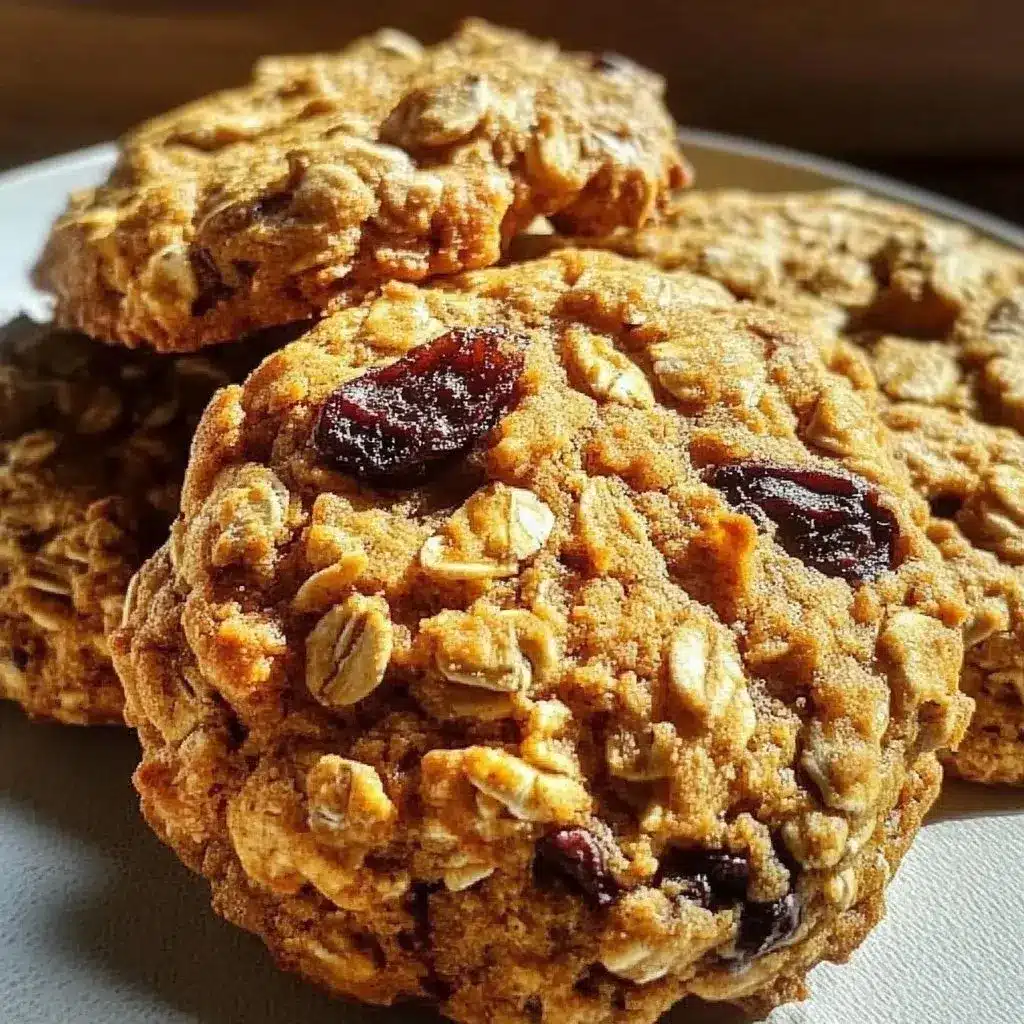
It’s a delightful day for baking! Have you ever craved something that’s not just scrumptious but also wholesome? Imagine soft, chewy cookies filled with the goodness of oats and the natural sweetness of maple syrup.
That’s right! We’re talking about Vegan Oatmeal Cookies That Will Delight Your Taste Buds. These cookies aren’t just your regular treats; they offer a beautiful blend of flavors that can satisfy any sweet tooth while sticking to a vegan lifestyle.
Why You Will Love This Recipe
- Healthier Choice: Packed with oats, these cookies are a more nutritious alternative to traditional cookies, offering essential fiber and complex carbohydrates for sustained energy.
- Easy to Make: Simple, straightforward instructions make this recipe accessible for all skill levels, ensuring even novice bakers can achieve delicious results with minimal fuss.
- Versatile: Customize with your favorite add-ins like nuts, seeds, or different dried fruits, allowing you to create a unique cookie tailored to your personal preferences.
- Family-Friendly: Everyone, from kids to adults, will love these delightful cookies, making them a perfect treat for sharing during gatherings or as a wholesome snack.
- Quick Baking Time: Ready from start to finish in under 30 minutes, you’ll have warm, fresh cookies straight from the oven in no time, perfect for last-minute cravings.
Ingredients You Need
Selecting high-quality ingredients is paramount to achieving the best flavor and texture in your vegan oatmeal cookies. Fresh oats provide a satisfying chewiness, while good quality maple syrup lends a natural, complex sweetness. Opt for unrefined coconut oil for a subtle tropical note that complements the oats beautifully.
Vegan Oatmeal Cookies That Will Delight Your Taste Buds
Deliciously wholesome and easy-to-make vegan oatmeal cookies filled with oats and maple syrup, perfect for any occasion. These cookies are a healthier alternative to traditional treats, offering a satisfying chewiness and natural sweetness.
- 1 cup rolled oats (The heart of these cookies, providing texture and fiber.)
- 1/2 cup flour (Can use all-purpose, whole wheat, or a gluten-free blend.)
- 1/2 cup brown sugar (This adds depth of flavor and sweetness.)
- 1/4 cup coconut oil (For moisture and a hint of coconut flavor, can substitute with other oils.)
- 1/4 cup maple syrup (Natural sweetness with a touch of caramel flavor.)
- 1/2 teaspoon baking soda (Helps the cookies rise and become fluffy.)
- 1/2 teaspoon cinnamon (Adds warm spice that enhances the overall flavor.)
- 1/4 teaspoon salt (Enhances sweetness and balances flavors.)
- 1/2 cup raisins (Classic add-in for texture and sweetness.)
- 1Gather all your ingredients. Pre-measure and set aside your dry and wet ingredients.
- 2Preheat your oven to 350°F (175°C).
- 3In a bowl, combine rolled oats, flour, brown sugar, baking soda, cinnamon, and salt. Stir until well combined.
- 4Melt the coconut oil until liquid. Allow it to cool slightly before mixing it with the maple syrup.
- 5Add the melted coconut oil to the maple syrup and mix well.
- 6Add the wet mixture to the dry ingredients and stir gently until just combined. Avoid overmixing. Fold in the raisins.
- 7Drop spoonfuls of the dough onto a parchment-lined baking sheet, spacing them about two inches apart.
- 8Bake for 10-12 minutes until the edges start to turn golden brown.
- 9Allow cookies to cool on the baking sheet for a few minutes before transferring them to a wire rack.
Keywords: Easy Vegan Recipe, Gluten-Free Options, Healthy Cookies, Quick Baking, Vegan Oatmeal Cookies, Dessert, Snack
- rolled oats: the heart of these cookies, providing texture and fiber.
- all-purpose flour: can use all-purpose, whole wheat, or a gluten-free blend for versatility.
- brown sugar: this adds depth of flavor and sweetness, contributing to the cookie’s caramel notes.
- coconut oil: for moisture and a hint of coconut flavor, though you can substitute it with other neutral oils.
- maple syrup: natural sweetness with a touch of caramel flavor, a key element of this vegan treat.
- baking soda: helps the cookies rise and become fluffy, ensuring a pleasant texture.
- cinnamon: adds warm spice that enhances the overall flavor profile, making the cookies more aromatic.
- salt: enhances sweetness and balances flavors, bringing out the best in all the other ingredients.
- raisins: classic add-in for texture and sweetness, providing delightful bursts of chewiness.
The specific quantities for each ingredient are readily available within the provided recipe card.
Variations
Elevate your vegan oatmeal cookie game with these exciting variations. For a chocolate lover’s dream, consider incorporating dark chocolate chips; their rich, slightly bitter flavor perfectly contrasts the sweet oats and maple syrup, creating a decadent treat that’s still plant-based.
If you’re looking for a nuttier profile, try adding chopped walnuts or pecans to the dough. These nuts bring a delightful crunch and a warm, earthy undertone that pairs exceptionally well with the cinnamon and oats, transforming the cookies into a more complex confection.
For a healthier twist, reduce the brown sugar slightly and add a tablespoon of your favorite seed butter, such as sunflower or tahini. This not only boosts the nutritional content but also adds a unique creaminess and depth of flavor that will surprise and delight your palate.
Another popular variation involves adding dried cranberries or chopped dates instead of raisins. Cranberries offer a pleasant tartness, while dates provide an even deeper, caramel-like sweetness and a softer chew, allowing for a range of flavor profiles within the same base recipe.
Consider experimenting with spices as well. A pinch of nutmeg or a touch of cardamom can introduce a sophisticated aromatic complexity that sets these cookies apart from the ordinary, making them perfect for festive occasions or when you want something truly special.
Finally, for a truly indulgent experience, once the cookies have cooled, drizzle them with melted vegan dark chocolate. This simple addition transforms them into elegant treats suitable for gifting or enjoying with a cup of gourmet coffee.
These creative twists ensure that your vegan oatmeal cookies can adapt to any mood or craving, making them a truly versatile staple in your baking repertoire. Each variation offers a new dimension of flavor and texture, proving that vegan baking can be as exciting and diverse as any other.
Remember that the beauty of baking lies in its adaptability. Feel free to mix and match these ideas or even come up with your own unique combinations. The goal is to create a cookie that brings you joy and satisfies your taste buds, no matter what culinary path you choose to explore.
How to Prepare vegan oatmeal cookies
Step 1: Prepare Your Workspace and Ingredients
Begin by clearing a clean, spacious area on your countertop. This ensures you have ample room to work comfortably and efficiently without feeling cluttered. Gather all the necessary ingredients and kitchen tools, placing them within easy reach.
Pre-measuring your ingredients is a crucial step for smooth baking. Have your rolled oats, flour, brown sugar, baking soda, cinnamon, salt, coconut oil, maple syrup, and raisins all measured out into separate bowls or containers. This meticulous preparation prevents last-minute scrambling and helps ensure accuracy in your measurements, which is vital for the perfect cookie texture.
Ensuring your ingredients are at the correct temperature is also important. For instance, if your recipe calls for softened butter or room-temperature eggs (though not applicable here as it’s vegan), this would be the time to address it. For this recipe, having the coconut oil melted and the maple syrup ready is key.
Step 2: Preheat Your Oven and Prepare Baking Sheets
Preheating your oven to the specified temperature, typically 350°F (175°C), is absolutely critical for even baking. An oven that has not reached its full temperature will result in cookies that are undercooked in the center and potentially overcooked on the edges, leading to an undesirable texture. Allow your oven at least 15-20 minutes to reach its target temperature to ensure accuracy.
Lining your baking sheets with parchment paper is a highly recommended step for several reasons. Parchment paper prevents the cookies from sticking to the baking sheet, making cleanup significantly easier and preventing the bottoms of your cookies from burning. It also promotes more even heat distribution to the bottom of the cookies, ensuring a uniform bake.
Ensure you have enough baking sheets prepared, as you may need to bake the cookies in batches. Having them ready beforehand means you can quickly transfer the prepared cookie dough without delay once the oven is preheated. This attention to detail sets the stage for a successful baking experience.
Step 3: Combine the Dry Ingredients
In a large mixing bowl, combine the rolled oats, flour, brown sugar, baking soda, cinnamon, and salt. Use a whisk or a fork to thoroughly mix these dry ingredients. This step is essential for ensuring that the leavening agent (baking soda) and the spices are evenly distributed throughout the flour mixture.
An even distribution of baking soda is crucial for the cookies to rise properly and achieve a consistent texture. If the baking soda is clumped in one area, you might end up with some cookies that are flat and others that are overly puffed. Likewise, evenly dispersed cinnamon ensures each bite is infused with its warm, comforting flavor.
Take your time with this step; a good stir with a whisk until the mixture is uniform in color and texture will pay dividends in the final outcome of your cookies. You want to avoid any pockets of unmixed ingredients, particularly the baking soda, as this directly impacts the cookie’s structure and taste.
Step 4: Prepare and Combine the Wet Ingredients
Melt the coconut oil until it is in a liquid state. This can be done gently in a microwave-safe bowl in short bursts, stirring in between, or over low heat on the stovetop. Be careful not to overheat the oil; you just want it to be fully melted and pourable.
Allow the melted coconut oil to cool slightly before proceeding. This is important because pouring very hot oil into maple syrup can sometimes cause the syrup to seize or become gummy. A slightly cooled oil will integrate more smoothly into the syrup.
In a separate small bowl or liquid measuring cup, combine the slightly cooled melted coconut oil with the maple syrup. Whisk these two wet ingredients together until they are well incorporated, forming a smooth, emulsified mixture. This combination will provide the necessary moisture and sweetness to bind the dry ingredients together.
Step 5: Marry the Wet and Dry Mixtures
Pour the combined wet ingredients (maple syrup and coconut oil mixture) into the bowl containing the dry ingredients. Using a sturdy spatula or a wooden spoon, begin to gently stir the ingredients together. The goal here is to combine the mixtures until just incorporated, meaning you no longer see streaks of dry flour.
It is absolutely crucial to avoid overmixing the dough at this stage. Overmixing develops the gluten in the flour too much, which will result in tough, dense cookies rather than the tender, chewy cookies you desire. Stop mixing as soon as the dry ingredients are mostly moistened; a few small streaks of flour are acceptable as they will disappear during the folding process.
Once the initial combining is done, it’s time to incorporate the raisins. Gently fold them into the dough using your spatula. Ensure they are distributed evenly throughout the cookie mixture, adding little pockets of chewy sweetness to each cookie.
Step 6: Form and Arrange the Cookies
Using a cookie scoop or two spoons, drop rounded portions of the cookie dough onto your prepared, parchment-lined baking sheets. Aim for a size that is consistent across all cookies, roughly 1.5 to 2 tablespoons per cookie, depending on your desired size. Consistent size ensures even baking.
Ensure you leave adequate space between each cookie dough portion on the baking sheet. Typically, about two inches apart is sufficient, as the cookies will spread slightly as they bake. Overcrowding the baking sheet can lead to cookies that bake unevenly and merge together, creating a less appealing final product.
You can gently flatten the tops of the cookie dough balls slightly with your palm or the back of a spoon if you prefer flatter, crispier cookies. If you desire thicker, chewier cookies, leave them as rounded mounds. This minor adjustment can significantly impact the final texture and appearance.
Step 7: Bake to Golden Perfection
Carefully place the baking sheets into your preheated oven. Bake for approximately 10 to 12 minutes, or until the edges of the cookies begin to turn a light golden brown. The centers should still appear slightly soft and underdone when you remove them from the oven.
It is important to keep a close eye on the cookies during the last few minutes of baking, as ovens can vary. Overbaking will result in dry, crisp cookies, whereas underbaking will leave them too gooey. The residual heat on the baking sheet will continue to cook the cookies after they are removed from the oven, so aiming for slightly underdone in the center is key.
Once they reach that perfect golden edge stage, carefully remove the baking sheets from the oven. Do not attempt to move the cookies immediately; they are very fragile at this point and can easily break apart.
Step 8: Cool and Enjoy!
Allow the baked cookies to cool on the baking sheet for about 5 to 10 minutes. During this time, they will firm up significantly, making them easier to handle and preventing them from falling apart. This resting period is crucial for achieving the desired chewy texture.
After they have rested on the baking sheet, carefully transfer the cookies to a wire cooling rack using a spatula. Continue to let them cool completely on the wire rack. Cooling on a rack allows air to circulate around the cookies, preventing the bottoms from becoming soggy.
Once fully cooled, your delicious vegan oatmeal cookies are ready to be enjoyed! Savor them as a wholesome snack, with a glass of plant-based milk, or share them with loved ones. The aroma alone will be inviting, and the taste will undoubtedly delight your taste buds.
Pro Tips for vegan oatmeal cookies
Tip: Achieve the Perfect Chewiness: To ensure your vegan oatmeal cookies are perfectly chewy, avoid overbaking. Pull them from the oven when the edges are just golden and the centers still look slightly soft; they will continue to set as they cool. This subtle underbaking is the secret to that delightful chewy texture.
Tip: Enhance Flavor with Vanilla: While not strictly necessary, adding a teaspoon of pure vanilla extract to the wet ingredients can significantly boost the overall flavor profile of your cookies. It adds a layer of warmth and complexity that complements the oats and cinnamon beautifully.
Tip: Customize Your Add-ins: Don’t be afraid to get creative with your add-ins beyond raisins! Chopped nuts like walnuts or pecans add a satisfying crunch, while seeds like sunflower or pumpkin seeds offer a healthy alternative. For a chocolatey twist, dark chocolate chips are always a winner.
Tip: The Importance of Rolled Oats: For this recipe, it’s best to use old-fashioned rolled oats rather than instant or steel-cut oats. Rolled oats provide the signature chewy texture that oatmeal cookies are known for, while instant oats can make them too mushy and steel-cut oats will result in a coarser, less tender cookie.
Tip: Cool Completely Before Storing: Ensure your cookies are completely cool before storing them in an airtight container. Storing warm cookies will create condensation inside the container, leading to soggy cookies. Patience in this final step ensures lasting freshness and texture.
Serving Suggestions for vegan oatmeal cookies
Decoration
For an elegant finish, consider a simple drizzle of melted vegan white or dark chocolate over the cooled cookies. This adds a touch of indulgence and visual appeal, making them perfect for special occasions or as a thoughtful gift.
A light dusting of powdered sugar can also provide a delicate, snowy appearance, especially fitting during the holiday season. For a more rustic look, you could lightly sprinkle them with a few extra oats or a pinch of cinnamon before baking, though this is more for aesthetics than flavor.
Side Dishes
These cookies pair wonderfully with a tall glass of cold plant-based milk, such as almond, soy, or oat milk. The creaminess of the milk beautifully complements the chewiness and sweetness of the cookies.
Enjoying them with a warm cup of coffee or herbal tea makes for a perfect afternoon pick-me-up or a comforting end to a meal. The contrasting temperatures and textures create a delightful sensory experience.
For a more substantial snack or light dessert, serve the cookies alongside a bowl of fresh berries or sliced banana. The natural fruitiness and added freshness balance the sweetness of the cookies and add extra nutritional value.
Creative Serving Ideas
Transform your vegan oatmeal cookies into charming cookie sandwiches by spreading a thin layer of vegan cream cheese frosting or cashew butter between two cookies. This creates a more substantial and decadent treat, perfect for dessert.
Crush a few cooled cookies and use them as a topping for vegan yogurt parfaits or smoothie bowls. The crumbly texture adds a delightful crunch and flavor contrast to the smooth bases, elevating your breakfast or snack.
Consider creating a “cookie charcuterie” board for a party. Arrange the vegan oatmeal cookies alongside other vegan treats like fruit, nuts, and vegan chocolates for a visually stunning and delicious spread that caters to all guests.
Preparation & Storage
Storing Leftovers
To keep your delicious vegan oatmeal cookies fresh and flavorful, store them in an airtight container at room temperature. Ensure the container is truly airtight to prevent air from drying out the cookies or allowing moisture to make them soggy. This method is ideal for cookies you plan to consume within a few days.
If your kitchen tends to be warm or humid, or if you want to extend their shelf life slightly, storing them in the refrigerator is an option. This can help maintain their texture and prevent spoilage for a bit longer, especially during warmer months. Just be sure to allow them to come to room temperature before enjoying for the best flavor and texture.
For optimal freshness, avoid stacking too many cookies directly on top of each other in a way that might cause them to stick together or crumble. Using parchment paper between layers within the container can also help maintain their individual integrity and prevent breakage.
Freezing
These vegan oatmeal cookies freeze exceptionally well, making them perfect for batch baking and enjoying over a longer period. To freeze them, first, ensure the cookies are completely cooled.
Arrange the cooled cookies in a single layer on a baking sheet and place them in the freezer for about 1-2 hours, or until they are solid. This “flash freezing” prevents the cookies from sticking together when they are transferred to a storage bag or container.
Once frozen solid, transfer the cookies to a freezer-safe airtight container or a heavy-duty freezer bag. Remove as much air as possible from the bag before sealing it. Properly stored, frozen vegan oatmeal cookies can maintain their quality for up to three months.
Reheating
When you’re ready to enjoy your frozen cookies, you can reheat them to recapture that fresh-from-the-oven warmth and texture. The simplest method is to place the frozen cookie directly into a preheated oven set to around 350°F (175°C).
Bake for approximately 5 to 8 minutes, or until the cookie is heated through and slightly softened. The exact time will depend on the size of the cookie and your oven. Be careful not to overheat them, as this can lead to a dry or tough cookie.
Alternatively, you can let the cookies thaw at room temperature for about 30-60 minutes and then enjoy them as is, or give them a quick few seconds in the microwave to warm them up. For a touch of freshness, you can even briefly toast them in a toaster oven.
Frequently Asked Questions
-
Can I prepare the cookie dough ahead of time and bake it later?
Absolutely! The dough for these vegan oatmeal cookies can be prepared up to 24 hours in advance and stored in an airtight container in the refrigerator. When you’re ready to bake, simply scoop the chilled dough onto your prepared baking sheets and bake as directed, potentially adding a minute or two to the baking time since the dough is colder.
-
What are the best substitutions if I don’t have all the exact ingredients on hand?
If you don’t have coconut oil, a neutral vegetable oil like canola or melted vegan butter can be used as a substitute, though coconut oil adds a lovely subtle flavor. For maple syrup, agave nectar or even a liquid sweetener like date syrup can work, adjusting the sweetness to your preference. If you’re out of raisins, dried cranberries, chopped dates, or even chopped dried apricots make excellent alternatives, offering different flavor profiles.
-
How can I ensure my cookies are soft and chewy and not dry and crumbly?
The key to soft and chewy vegan oatmeal cookies lies primarily in not overbaking them. Remove the cookies from the oven when the edges are just beginning to turn golden brown, and the centers still appear slightly underbaked. The residual heat from the baking sheet will continue to cook them as they cool, setting them to that perfect chewy consistency. Also, ensure you are using the correct type of oats; old-fashioned rolled oats yield the best texture compared to instant oats.