Delicious Fluffy Homemade Buttermilk Biscuits
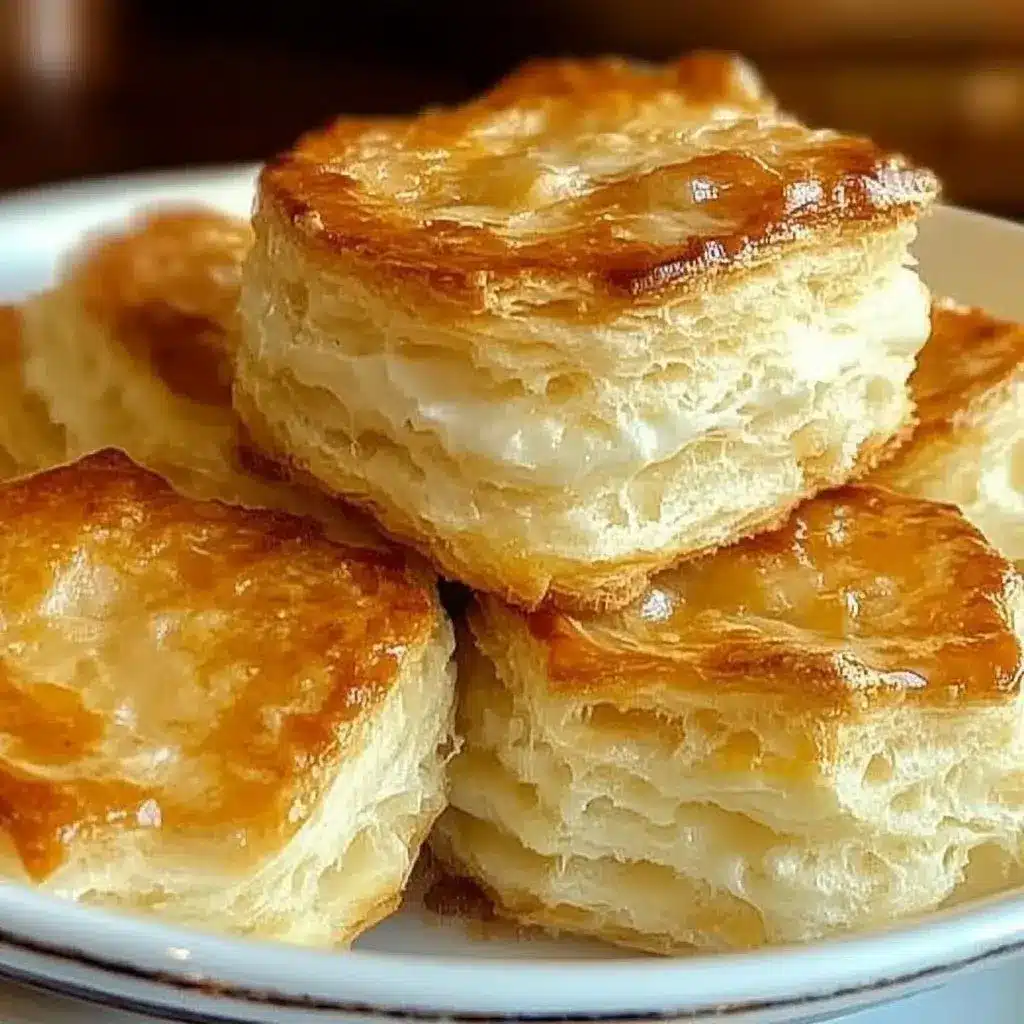
When you think of comfort food, what comes to mind? Warm, flaky biscuits fresh from the oven may top that list for many. These Fluffy Homemade Buttermilk Biscuits are not just a delicious accompaniment to your meals; they’re a celebration of simple ingredients and the joy of baking.
Imagine biting into a biscuit that literally melts in your mouth, buttery and light, with just the right amount of crisp on the outside. What makes these biscuits truly special is their texture. Thanks to the buttermilk, they rise beautifully and get that perfect fluffy interior, making them an absolutely delightful treat.
Why You Will Love This Recipe
- Incredible Flakiness: The secret lies in the cold butter, which creates distinct layers in the dough, resulting in a wonderfully flaky and light biscuit that practically dissolves on your tongue.
- Tangy Buttermilk Flavor: The use of real buttermilk not only contributes to the airy texture but also imparts a subtle, pleasant tanginess that elevates the overall taste profile, making them irresistible.
- Remarkable Versatility: Whether served as a savory side with your favorite dinner, a comforting breakfast staple with eggs and bacon, or a base for sweet toppings like honey and jam, these biscuits adapt beautifully to any occasion and meal.
- Effortless Preparation: Despite their impressive results, the recipe is designed for simplicity, allowing even beginner bakers to achieve professional-quality biscuits with straightforward steps and readily available ingredients.
- Aromatic Kitchen Experience: The moment these biscuits begin to bake, your kitchen will fill with an inviting, warm aroma that promises deliciousness and creates a cozy, welcoming atmosphere for everyone to enjoy.
Ingredients You Need
The quality of your ingredients plays a pivotal role in the final outcome of these Fluffy Homemade Buttermilk Biscuits. Using fresh, high-quality staples ensures the best possible flavor and texture. Pay special attention to the temperature of your butter and buttermilk, as these are critical for achieving that signature flakiness and perfect rise.
Fluffy Homemade Buttermilk Biscuits

These Fluffy Homemade Buttermilk Biscuits are warm, flaky, and the perfect comfort food, created with simple ingredients and a special technique for a deliciously tender texture.
- 2 cups all-purpose flour
- 1 tablespoon baking powder
- 1/2 teaspoon baking soda
- 1 teaspoon salt
- 1/2 cup unsalted butter, cold and cubed
- 3/4 cup buttermilk
- 1Preheat oven to 450°F (230°C).
- 2In a large bowl, whisk together the flour, baking powder, baking soda, and salt.
- 3Cut in the cold, cubed butter using a pastry blender or your fingertips until the mixture resembles coarse crumbs.
- 4Add the buttermilk and stir until just combined. Do not overmix.
- 5Turn the dough out onto a lightly floured surface and gently knead a few times until it comes together.
- 6Roll out the dough to about 1 inch thick.
- 7Cut out rounds using a biscuit cutter.
- 8Place biscuits on a baking sheet lined with parchment paper.
- 9Bake for 12-15 minutes, or until golden brown.
- 10Let cool slightly before serving warm.
Keywords: Baking, Biscuits, Buttermilk Biscuits, Comfort Food, Homemade Biscuits
- all-purpose flour: The foundation for your biscuits, providing structure and body.
- baking powder: This leavening agent is crucial for giving the biscuits their signature lift and fluffy interior.
- baking soda: Works in conjunction with baking powder and the acidity in buttermilk to create an even higher, lighter biscuit.
- salt: A fundamental ingredient that enhances all the other flavors, balancing sweetness and adding depth.
- unsalted butter, cold and cubed: This is the magic ingredient for flakiness; keeping it very cold is essential for creating steam pockets during baking.
- buttermilk: Provides essential moisture and the characteristic tenderizing tang that makes these biscuits so delicious.
The exact quantities for each ingredient are readily available within the accompanying recipe card, ensuring precision for perfect results every time you bake.
Variations
While the classic Fluffy Homemade Buttermilk Biscuits are undeniably delicious on their own, they also serve as a fantastic canvas for a multitude of creative variations. These twists can transform a simple biscuit into a unique culinary delight, perfect for any palate or occasion.
Consider a savory Cheddar and Chive variation for a delightful brunch accompaniment or a comforting side dish. Simply stir in about 1 cup of shredded sharp cheddar cheese and 2 tablespoons of finely chopped fresh chives into the dry ingredients before adding the wet ingredients. The melted cheese provides a wonderful richness, and the chives add a fresh, oniony bite that complements the tangy buttermilk perfectly.
For those with a sweet tooth, a Blueberry Lemon zest variation offers a burst of fruity freshness. Gently fold in about 1/2 cup of fresh or frozen blueberries into the dough just before shaping, along with the zest of one lemon. The blueberries will burst during baking, creating sweet pockets, while the lemon zest adds a bright, aromatic counterpoint that is utterly delightful.
Another enticing option is a Herbed Garlic variation, perfect for pairing with hearty stews or roasted meats. Incorporate 2 cloves of minced garlic and 1 tablespoon of finely chopped fresh herbs like rosemary, thyme, or parsley into the dry ingredients. This savory infusion creates an incredibly fragrant and flavorful biscuit that adds an extra layer of complexity to any meal, making it a truly gourmet addition.
How to Prepare Fluffy Homemade Buttermilk Biscuits
Step 1: Preparing Your Workspace and Ingredients
Begin by gathering all the necessary ingredients and ensuring they are measured accurately. It’s crucial for the butter to be thoroughly chilled; place it in the freezer for about 15-20 minutes before you start if it feels even slightly soft. Cold butter is the cornerstone of flaky biscuits, as it melts and creates steam pockets during baking.
Clear a clean, spacious surface for working with the dough. Lightly flour this surface; this will prevent sticking and make handling the dough much easier. Have your baking sheet ready, lined with parchment paper to prevent sticking and ensure easy cleanup. This initial preparation sets the stage for a smooth and successful baking process.
Preheat your oven to a high temperature, typically 450°F (230°C). A hot oven is essential for the rapid rise that creates those desirable fluffy layers. Ensure your baking sheets are also at room temperature before placing the shaped biscuits onto them, as placing cold dough on a hot sheet can negatively impact the rise.
Step 2: Combining the Dry Ingredients
In a large mixing bowl, combine the all-purpose flour, baking powder, baking soda, and salt. Whisk these dry ingredients together thoroughly to ensure an even distribution of the leavening agents. This even distribution is key to achieving uniformly risen biscuits without any dense spots.
Take your time with this whisking step. The goal is to aerate the flour and mix the baking powder and baking soda so they are perfectly dispersed. This ensures that every biscuit will get the intended lift and texture from these essential components.
Once whisked, the dry ingredients should look uniform in color and consistency. This simple yet critical step lays the groundwork for the light and airy texture that defines a truly great biscuit. Having well-mixed dry ingredients means the leavening agents can do their job efficiently when moisture is introduced.
Step 3: Incorporating the Cold Butter
Add the cold, cubed butter to the bowl containing the whisked dry ingredients. Now, you need to cut the butter into the flour mixture until it resembles coarse crumbs, with some pea-sized pieces of butter still visible. This can be achieved using a pastry blender, two forks, or even your fingertips.
When using your hands, work quickly to prevent the butter from warming up. The idea is to coat the flour particles with butter, creating distinct layers that will separate during baking. Overworking the dough at this stage can result in tougher biscuits, so aim for that coarse crumb texture.
The presence of visible butter pieces is what contributes to the flaky layers; these pieces melt during baking, releasing steam that separates the dough into thin, delicate layers. Resist the urge to make the mixture completely smooth; the texture here is critical for the final outcome of your biscuits. Ensure every bit of butter is somewhat coated in flour, but don’t overmix it into oblivion.
Step 4: Adding the Buttermilk
Make a well in the center of the flour and butter mixture. Pour the cold buttermilk into this well. Using a rubber spatula or a wooden spoon, gently stir the ingredients together until they are just combined and a shaggy dough begins to form. It is vital to avoid overmixing at this stage.
The dough should be moist but not sticky. If it seems too dry, you can add a tablespoon or two more buttermilk; if it’s too wet, add a tablespoon of flour. The consistency is key to easy handling and ultimately to the texture of the biscuits. Overworking the dough develops the gluten too much, leading to tough biscuits.
This gentle mixing ensures that the dry ingredients absorb the liquid sufficiently without becoming overworked. The dough will look a little rough and perhaps uneven, and that’s perfectly fine; this is precisely what you want for tender, flaky biscuits. Stop stirring as soon as the ingredients come together into a cohesive mass.
Step 5: Gently Kneading the Dough
Turn the shaggy dough out onto a lightly floured surface. Gently knead the dough just a few times, perhaps 5 to 8 times, until it just comes together into a cohesive ball. The goal is to lightly develop the gluten, not to create a smooth, elastic dough like you would for bread.
Excessive kneading will toughen the biscuits, so be very delicate. The surface of the dough will still look a bit rough, and that is ideal. This minimal kneading is just enough to bring the dough together so it can be rolled and cut without crumbling apart.
Imagine you’re just coaxing the dough into a shape rather than aggressively working it. If you press into the dough, it should spring back slightly but not be completely elastic. This gentle handling preserves the delicate layers created by the butter.
Step 6: Rolling and Shaping the Dough
Using a rolling pin, gently roll the dough out to a thickness of about 3/4 to 1 inch. Try to roll it evenly, applying light pressure. Avoid overworking the dough by rolling it back and forth too many times; a few firm, even rolls are best.
Maintaining an even thickness is important for consistent baking. If the dough becomes too sticky, dust your rolling pin and the surface lightly with a bit more flour, but use it sparingly. The slightly thicker dough ensures that the biscuits have enough height to develop their signature fluffy layers.
Once rolled, you can choose to fold the dough over itself once or twice (a “letter fold”) before cutting. This can enhance the flakiness further by creating even more layers. However, this step is optional and the biscuits will still be excellent without it if you are short on time or want to keep the process simpler.
Step 7: Cutting the Biscuits
Using a sharp biscuit cutter (a floured 2-inch or 2.5-inch cutter works well), press straight down into the dough to cut out rounds. Avoid twisting the cutter, as this can seal the edges and prevent the biscuits from rising evenly. Each cut should be a clean, decisive press.
Place the cut biscuits onto your prepared baking sheet, leaving a little space between them. If you don’t have a biscuit cutter, you can use the rim of a glass or a cookie cutter. Gather the scraps of dough, gently press them together (without kneading), and re-roll them carefully to cut out additional biscuits.
It’s best to re-roll scraps only once or twice to maintain tenderness. Some bakers prefer to cut the last few biscuits more thickly to ensure they are ultra-fluffy. Arrange them on the baking sheet, ensuring they are not touching, to allow for even air circulation and browning.
Step 8: Baking to Golden Perfection
Place the baking sheet with the biscuits into the preheated 450°F (230°C) oven. Bake for approximately 12 to 15 minutes. The exact baking time will depend on your oven and the size of your biscuits.
You’re looking for beautifully golden brown tops and sides. The biscuits should have risen significantly and appear light and airy. Keep an eye on them towards the end of the baking time to prevent them from burning, especially if your oven runs hot.
The aroma filling your kitchen will be a delightful indicator of their readiness. Once they reach that perfect golden hue and have puffed up nicely, carefully remove the baking sheet from the oven. A hot oven is critical for that initial burst of steam that gives the biscuits their height and flaky texture.
Step 9: Cooling and Serving
Allow the biscuits to cool on the baking sheet for a minute or two after removing them from the oven. This brief resting period helps them set slightly. Then, carefully transfer them to a wire rack to cool further. This prevents the bottoms from becoming soggy from residual heat and steam trapped on the baking sheet.
Biscuits are best served warm, straight from the oven or shortly after. They are at their peak of flakiness and tenderness when still slightly warm. The delightful aroma will entice everyone to the table.
Enjoy them as is, or get creative with toppings. Whether you slather them with butter, drizzle with honey, or serve them alongside a hearty meal, these homemade buttermilk biscuits are sure to be a hit.
Pro Tips for Fluffy Homemade Buttermilk Biscuits
Keep Everything Cold: The absolute golden rule for achieving flaky biscuits is to ensure your butter and buttermilk are ice-cold. Cold butter creates steam pockets as it melts in the hot oven, which are the secret to those delightful layers. Even the flour can be chilled for optimal results.
Don’t Overmix the Dough: Overworking the dough develops gluten too much, leading to tough, dense biscuits. Mix the wet and dry ingredients only until they are just combined, creating a shaggy dough. Gentle handling is paramount throughout the entire process.
Avoid Twisting the Cutter: When cutting out your biscuits, press straight down and lift the cutter vertically. Twisting the cutter seals the edges, which can inhibit the biscuits’ ability to rise evenly and achieve maximum fluffiness. A clean cut allows the layers to separate properly.
Hot Oven, Quick Bake: A high oven temperature (around 450°F or 230°C) is essential for a rapid rise, creating that sought-after flaky texture. The quick baking time ensures the biscuits cook through without drying out, preserving their tender interior.
Handle Scraps Gently: When you re-roll the dough scraps to cut more biscuits, handle them minimally. Press them together gently rather than kneading them vigorously. This helps maintain the tenderness and prevents them from becoming tough.
Serving Suggestions for Fluffy Homemade Buttermilk Biscuits
Decoration
Once baked and still warm, a simple brush of melted butter over the tops of the biscuits adds a beautiful sheen and an extra layer of richness. For a touch of elegance, consider a sprinkle of flaky sea salt on top of the butter for a delightful sweet-and-salty contrast. If you’re making savory biscuits, a scattering of fresh chopped herbs like chives or parsley can add a vibrant visual appeal and a burst of freshness.
Side Dishes
These biscuits are incredibly versatile and pair wonderfully with a multitude of side dishes. They are the classic accompaniment to a hearty bowl of creamy soups, such as tomato bisque or lobster bisque, soaking up every delicious drop. For a traditional Southern breakfast, serve them alongside crispy bacon, savory sausage, and fluffy scrambled eggs, creating a truly satisfying meal that will start your day right.
They also complement roasted meats beautifully, providing a soft, absorbent counterpoint to richer flavors. Imagine them alongside roasted chicken or pot roast, sopping up the savory pan juices. For a lighter option, a simple side salad with a vinaigrette can be a refreshing pairing, offering a balance of textures and flavors.
Creative Serving Ideas
Elevate your brunch game by serving these biscuits with a dollop of whipped cream cheese and a drizzle of local honey or a spoonful of homemade berry jam. For a more substantial meal, consider making “biscuit sandwiches” filled with fried chicken, country ham, or even a fried egg and bacon for a decadent breakfast experience. You can also transform them into mini bread bowls for individual servings of chili or stew, adding a rustic charm to your presentation.
Explore the possibility of making them into a sweet dessert by slicing them horizontally and filling them with sweetened whipped cream and fresh berries, reminiscent of a shortcake. Another innovative idea is to use them as the base for mini pot pies, filling the hollowed-out center with a savory chicken or vegetable filling, baked until golden and bubbly. The possibilities are truly endless, limited only by your imagination and culinary creativity.
Preparation & Storage
Storing Leftovers
To store leftover Fluffy Homemade Buttermilk Biscuits and maintain their best texture, place them in an airtight container at room temperature for up to two days. Ensure the container is truly airtight to prevent them from drying out. If your environment is particularly humid, refrigerating them might be a better option, though this can sometimes make them slightly denser.
Another excellent method for storing leftovers is to wrap them tightly in plastic wrap or aluminum foil, then place them in a resealable plastic bag. This double-layer protection helps to seal in moisture and freshness, keeping them delicious for as long as possible. Always allow biscuits to cool completely before storing them to prevent condensation from forming inside the container.
If you plan to consume them within a day or two, room temperature storage is generally preferred for optimal texture. However, for longer-term storage, refrigeration or freezing becomes necessary. Always check the texture before reheating; if they feel a bit dry, the reheating methods below will be particularly helpful.
Freezing
Fluffy Homemade Buttermilk Biscuits freeze exceptionally well, making them perfect for baking ahead. You can freeze them either baked or unbaked. For unbaked biscuits, place them on a baking sheet in a single layer and freeze until solid, then transfer them to a freezer-safe bag or airtight container.
Baked biscuits can also be frozen once they have cooled completely. Wrap each biscuit individually in plastic wrap, then place them in a freezer-safe bag or container. This individual wrapping helps prevent freezer burn and makes it easy to grab just one or two biscuits at a time for reheating. They can typically be stored in the freezer for up to 2-3 months.
When freezing unbaked dough, it’s crucial to freeze them immediately after cutting. This prevents the dough from becoming overworked. The freezer is an ideal place to store a large batch you’ve made, ensuring you always have homemade biscuits on hand for any occasion.
Reheating
The best way to reheat leftover biscuits is in the oven to restore their crisp exterior and tender interior. Place them on a baking sheet and warm them in a preheated oven at 350°F (175°C) for about 5-10 minutes for unfrozen leftovers, or 10-15 minutes for frozen biscuits. This method mimics the original baking process and yields the best results.
For unbaked frozen biscuits, you can bake them directly from frozen; just add a few extra minutes to the baking time. They should puff up and become golden brown, just like fresh biscuits. Avoid reheating in the microwave, as this tends to make them rubbery and lose their desirable texture. A toaster oven can also be a convenient alternative for reheating a small number of biscuits.
If your biscuits are slightly stale, a quick spritz of water over them before reheating in the oven can help bring back some moisture and softness. The goal is to gently warm them through without overcooking them further, preserving their delicious fluffiness.
Frequently Asked Questions
-
Can I make the dough for these Fluffy Homemade Buttermilk Biscuits ahead of time and refrigerate it?
Yes, you absolutely can prepare the dough for these biscuits ahead of time. Once you have mixed the dry and wet ingredients and formed the shaggy dough, you can wrap it tightly in plastic wrap and refrigerate it for up to 24 hours. When you’re ready to bake, let the dough sit at room temperature for about 15-20 minutes to make it easier to handle and roll out. This advance preparation is a fantastic way to save time when you need fresh biscuits quickly for breakfast or a meal.
-
What is the best way to ensure my Fluffy Homemade Buttermilk Biscuits are extra tall and fluffy, not dense?
Achieving tall, fluffy biscuits comes down to a few key techniques. Firstly, ensure your butter and buttermilk are ice-cold, as this is crucial for creating steam pockets that lift the dough. Secondly, be very careful not to overmix or overwork the dough; mix only until the ingredients are just combined, and knead it very minimally (just a few times). Finally, a hot oven is essential for that quick initial rise, so make sure your oven is fully preheated to 450°F (230°C) before baking. Following these steps will prevent the development of tough gluten and encourage maximum lift.
-
Are there any common mistakes that lead to flat or tough biscuits, and how can I avoid them?
Several common mistakes can result in flat or tough biscuits, and they are easily avoidable. Overmixing the dough is perhaps the most frequent culprit, as it overdevelops the gluten, leading to a chewy, tough texture instead of a tender crumb. Another pitfall is using warm butter; cold butter is imperative for creating flaky layers. Also, failing to use enough leavening agent (baking powder/soda) or using old, expired leavening can result in poor rise. Lastly, don’t twist the biscuit cutter; press straight down to avoid sealing the edges, which hinders rising. Paying close attention to ingredient temperatures and mixing techniques is key to tender, fluffy biscuits.