Coconut Flour Zucchini Cake
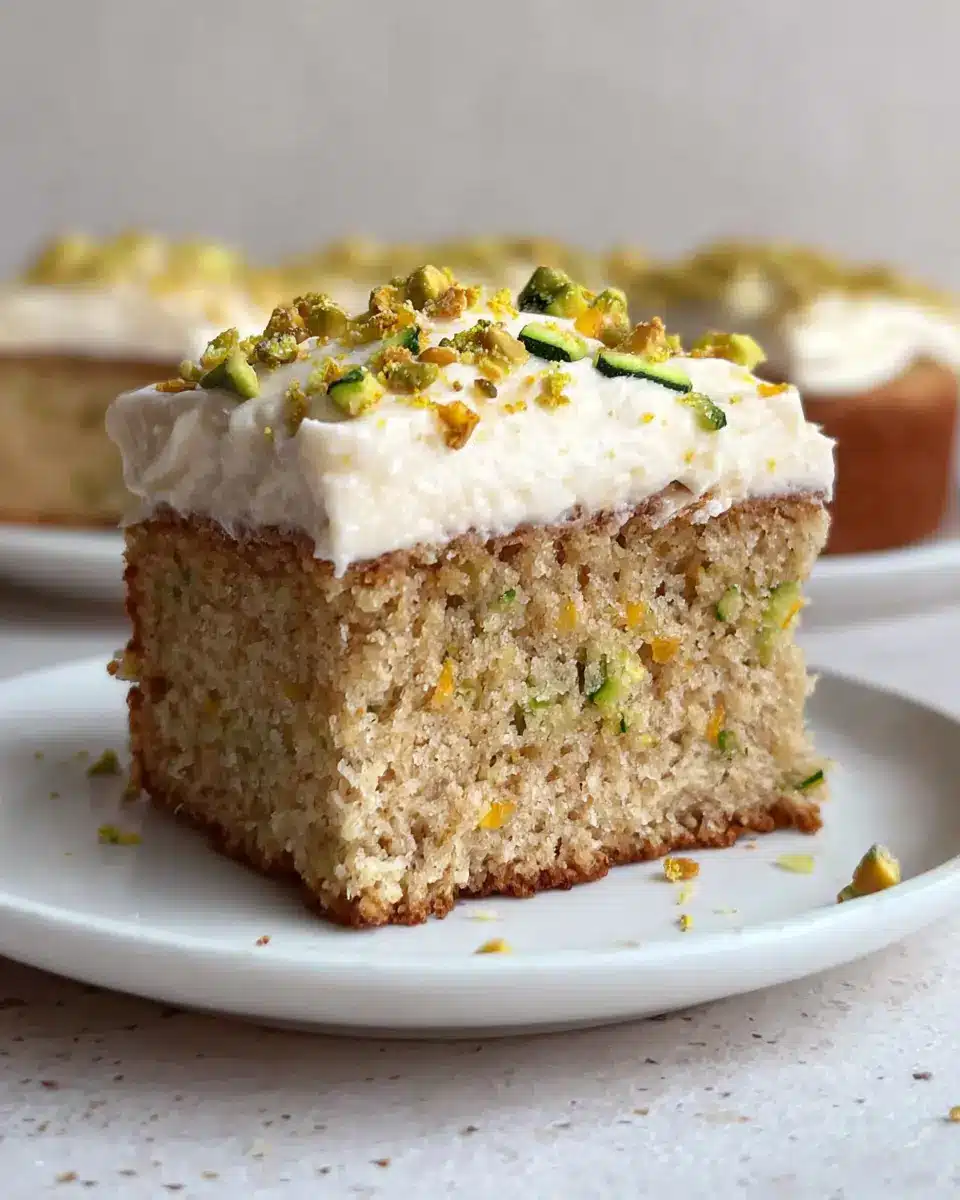
This Coconut Flour Zucchini Cake is a revelation in simple, wholesome baking. Imagine a cake that’s not only delicious but also remarkably easy to prepare, perfect for those moments when you crave a homemade treat without the fuss. Its gentle sweetness and warm cinnamon notes make it an absolute delight for any occasion, whether it’s a leisurely breakfast, a satisfying dessert, or a comforting afternoon snack.
The beauty of this cake lies in its approachable nature. You’ll be amazed at how straightforward the process is, involving a simple mixing of common pantry ingredients with fresh, shredded zucchini. Once the batter is ready, it’s just a matter of spreading it into a single pan and allowing your oven to work its magic, transforming it into a tender, flavorful masterpiece.
Why You Will Love This Recipe
- Effortless Preparation: This cake comes together with minimal effort, making it ideal for bakers of all skill levels. The straightforward mixing process ensures success even for beginners.
- Moist and Tender Crumb: The inclusion of shredded zucchini ensures a wonderfully moist and tender cake, a delightful contrast to many drier gluten-free bakes. It adds a subtle freshness without an overpowering vegetable flavor.
- Warm, Inviting Flavors: The harmonious blend of coconut flour, maple syrup, and cinnamon creates a comforting and cozy taste profile that’s perfect for any season. Each bite is a warm embrace of spice and natural sweetness.
- Versatile Enjoyment: Whether served for breakfast, as a dessert, or during a coffee break, this cake adapts beautifully. Its mild sweetness and satisfying texture make it a crowd-pleaser for various times of the day.
- Naturally Grain-Free: For those seeking grain-free options, this recipe uses coconut flour as its base, providing a satisfying alternative to traditional wheat flour. It’s a fantastic way to enjoy a classic cake experience with a healthier twist.
Ingredients You Need
The success of any great bake hinges on the quality of its ingredients, and this Coconut Flour Zucchini Cake is no exception. Opting for fresh, vibrant zucchini will ensure the cake remains incredibly moist and subtly sweet. High-quality coconut flour and pure maple syrup will contribute to the cake’s delightful texture and natural flavor profile. Paying attention to these simple details elevates the final product significantly, making each bite a testament to thoughtful preparation.
Coconut Flour Zucchini Cake
A gently sweet, beginner-friendly bake with warm cinnamon flavor, a tender grain-free crumb, and a cool coconut cream finish that works beautifully for dessert, brunch, or an afternoon coffee break.
- 1 cup shredded zucchini (peeled and grated from about
- 1 medium zucchini)
- 1/2 cup coconut flour
- 3 large eggs (brought to room temperature)
- 2 tablespoons coconut oil (melted)
- 1/4 cup tapioca starch
- 2 tablespoons maple syrup (preferably Grade A or Grade B)
- 1 teaspoon apple cider vinegar
- 1/4 cup warm water
- 1 teaspoon pure vanilla extract
- 1 teaspoon ground cinnamon
- 1/2 teaspoon baking soda
- 1 pinch salt
- 1/2 cup coconut cream (chilled overnight so the cream separates)
- Ground cinnamon (for finishing)
- Bee pollen (optional, for garnish)
- 1Preheat the oven to 350°F (175°C). Line an 8 x 8-inch glass baking dish with parchment paper, then set it aside.
- 2In a small mixing bowl, whisk together the coconut flour, tapioca starch, ground cinnamon, baking soda, and salt until evenly blended.
- 3In another bowl, combine the grated zucchini, eggs, maple syrup, melted coconut oil, apple cider vinegar, vanilla extract, and warm water. Whisk thoroughly until the mixture is uniform.
- 4Add the dry ingredient mixture to the bowl of wet ingredients. Stir with a spatula until a thick batter comes together, making certain no dry streaks remain.
- 5Transfer the batter to the prepared baking dish and spread it into an even layer. Bake for 40 to 45 minutes, or until the top is golden and a toothpick inserted into the center emerges clean.
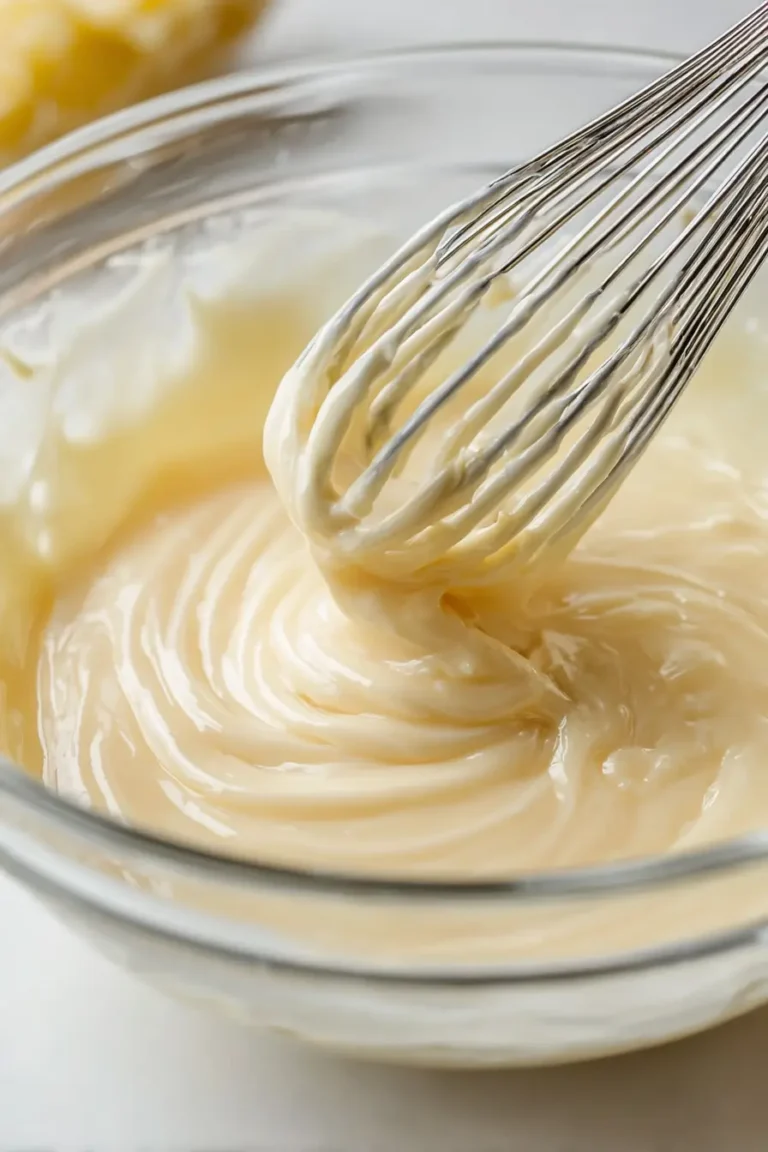
- 6Remove the cake from the oven and let it cool completely in the pan. While it cools, whisk the chilled coconut cream in a small bowl until smooth and spreadable.
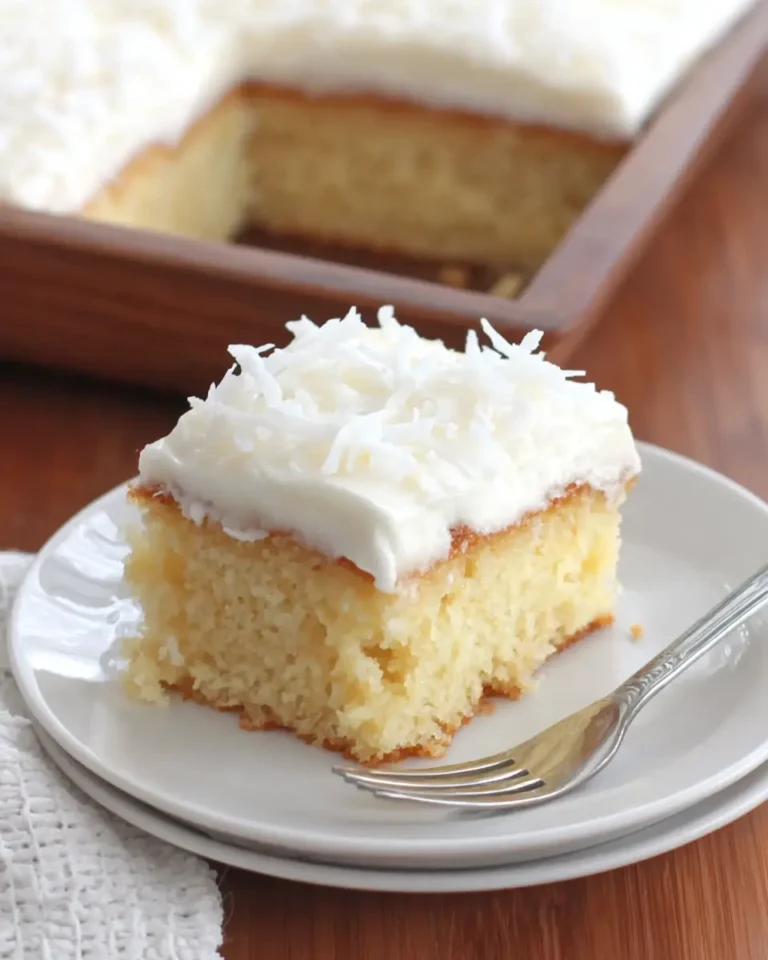
- 7Once the cake has reached room temperature, spread the coconut cream evenly across the surface. Dust with cinnamon and scatter bee pollen over the top, if using, before serving.
Keywords: Coconut Flour Zucchini Cake, Grain-Free, Gluten-Free, Dairy-Free, Zucchini Cake, Coconut Cream Frosting
- shredded zucchini: peeled and grated from about 1 medium zucchini, this is the secret to a moist and tender crumb.
- coconut flour: the primary dry ingredient, it provides structure and a wonderfully unique texture to the cake.
- large eggs: brought to room temperature, these are crucial for binding and providing the cake with its essential lift.
- coconut oil: melted, this adds richness and supports the subtle coconut notes throughout the cake.
- tapioca starch: this helps to lighten the cake’s structure and prevents it from becoming too dense.
- maple syrup: preferably Grade A or Grade B, it offers a gentle, natural sweetness that complements the spices beautifully.
- apple cider vinegar: working with the baking soda, it aids in the cake’s rise and ensures a pleasant texture.
- warm water: this helps to create a smooth, manageable batter with the absorbent coconut flour.
- pure vanilla extract: a classic flavor enhancer, it rounds out the sweetness and spice notes.
- ground cinnamon: this warming spice is key to the cake’s cozy and inviting aroma and taste.
- baking soda: this leavening agent is essential for giving the cake its structure and rise.
- salt: a pinch of salt balances the sweetness and enhances all the other flavors in the cake.
- coconut cream: chilled overnight so the cream separates, this forms a luscious, simple topping.
- ground cinnamon: used for dusting the top, adding an extra layer of aroma and visual appeal.
- bee pollen: optional, this adds a beautiful decorative touch and a hint of floral sweetness.
The precise quantities for these ingredients are detailed within the accompanying recipe card, ensuring you have everything you need for a perfect bake.
Variations
To tailor this delightful Coconut Flour Zucchini Cake to specific dietary needs or flavor preferences, several exciting variations can be explored. These adaptations allow you to enjoy the core recipe while embracing unique culinary goals.
Vegan Delight: For a completely vegan version, the eggs can be replaced with flax eggs or a commercial egg replacer. Ensure your maple syrup is certified vegan and that all other ingredients align with a plant-based diet. The coconut cream topping remains a perfect vegan option, offering that creamy richness.
Low-Carb Sweetness: To make this cake lower in carbohydrates, consider substituting the maple syrup with a sugar-free alternative like erythritol or monk fruit sweetener. Adjust the amount to achieve your desired sweetness level, as these sweeteners can vary in intensity. The zucchini and coconut flour base make it an excellent candidate for such modifications.
Fruitful Additions: Elevate the cake by folding in a cup of fresh or frozen berries, such as blueberries or raspberries, into the batter just before baking. These add bursts of tartness and visual appeal. Alternatively, finely chopped nuts like walnuts or pecans can be added for an extra crunch and earthy flavor, creating a more complex texture.
How to Prepare Coconut Flour Zucchini Cake
Step 1: Prepare the Baking Vessel and Preheat the Oven
Begin by preheating your oven to a steady 350 degrees Fahrenheit (175 degrees Celsius). This ensures the oven is at the optimal temperature when the batter is ready to bake, leading to an even rise and consistent cooking. It’s a fundamental step that sets the stage for baking success, allowing the cake to start cooking immediately upon entering the oven.
Next, prepare an 8 x 8-inch glass baking dish by lining it with parchment paper. Creating a parchment paper sling is incredibly helpful. This allows for easy removal of the entire cake once it’s cooled, preventing any sticking and simplifying the slicing and serving process. A well-prepared pan is key to a stress-free baking experience and a beautifully presented finished cake.
Step 2: Combine the Dry Ingredients
In a medium-sized mixing bowl, gather all the dry components for the cake. This includes the coconut flour, tapioca starch, ground cinnamon, baking soda, and a pinch of salt. It is highly recommended to whisk these ingredients together thoroughly before incorporating them into the wet ingredients.
This initial whisking is crucial for ensuring that the coconut flour is evenly distributed, and the leavening agents are properly dispersed. Doing so prevents pockets of unincorporated flour or baking soda from affecting the cake’s final texture, leading to a more uniform and pleasant crumb throughout. A well-mixed dry base is a silent promise of a better bake.
Step 3: Whisk Together the Wet Ingredients
In a separate, larger mixing bowl, combine all the wet ingredients. This will include the finely shredded zucchini, the room-temperature eggs, melted coconut oil, pure maple syrup, apple cider vinegar, vanilla extract, and the warm water. Whisk these components together vigorously until the mixture is completely uniform and appears glossy.
The shredded zucchini acts as a natural moistener, and its water content will integrate seamlessly with the other liquids. The apple cider vinegar is vital here as it reacts with the baking soda, creating the necessary lift for the cake. Ensuring everything is well-emulsified at this stage contributes to a cohesive batter that bakes evenly.
Step 4: Integrate Dry and Wet Mixtures
Now, it’s time to bring the two mixtures together. Gradually add the whisked dry ingredients into the bowl containing the wet ingredients. Use a spatula or a wooden spoon to gently fold and stir the mixture together. Be careful not to overmix; the goal is simply to combine the ingredients until no dry streaks of coconut flour remain visible.
You will notice the batter thickening up very quickly as the coconut flour absorbs the moisture. This is entirely normal and expected with coconut flour-based recipes, as it is significantly more absorbent than traditional wheat flour. Continue to stir just until the batter is homogenous, ensuring all the dry ingredients are fully incorporated into the wet base.
Step 5: Bake the Cake
Carefully spread the thickened batter evenly into the prepared 8 x 8-inch baking dish. Use your spatula to ensure the surface is as level as possible, which will help the cake bake evenly. Place the dish into the preheated oven.
Bake for approximately 40 to 45 minutes. You’ll know the cake is done when the top appears lightly golden brown and a toothpick or cake tester inserted into the center comes out clean. If it comes out with wet batter, continue baking in 5-minute increments until it tests clean. Resist the urge to open the oven door too early, as this can cause the cake to collapse. Patience here is key to a successful bake.
Step 6: Cool and Top the Cake
Once baked to perfection, remove the cake from the oven. It is absolutely critical to let the cake cool completely in the baking dish. This resting period allows the crumb to set properly; coconut flour cakes, in particular, firm up significantly as they cool. Rushing this step can lead to a crumbly or unpleasantly soft cake.
While the cake is cooling, prepare the topping. Whisk the well-chilled coconut cream until it becomes smooth and spreadable. Once the cake has reached room temperature or is fully cooled, spread this creamy topping evenly over the entire surface. For an optional decorative flourish and added flavor, dust lightly with ground cinnamon and sprinkle with bee pollen, if using.
Pro Tips for Coconut Flour Zucchini Cake
Chill the Coconut Cream Thoroughly: For the silkiest and most spreadable coconut cream topping, ensure it has been chilled in the refrigerator overnight. This allows the thick cream to separate from the liquid, yielding a frosting-like consistency that’s perfect for spreading. Don’t underestimate the power of a good chill for this topping.
Fine Grating is Key: When shredding your zucchini, opt for a fine grater. Finely grated zucchini will integrate more seamlessly into the cake batter, contributing to a more uniform and pleasant texture throughout the final baked product. You want the zucchini to enhance moisture, not create large chunks.
Embrace the Cooling Time: Patience during the cooling process is paramount, especially with cakes made with alternative flours like coconut flour. The cake will continue to firm up and develop its final texture as it cools. Allowing it to cool completely in the pan before attempting to slice it will result in much cleaner, neater pieces.
Watch for Signs of Doneness: While the toothpick test is reliable, also observe the cake’s appearance. A slightly golden-brown top indicates it’s nearing completion. If you notice the edges browning too quickly, you can loosely tent the cake with foil to prevent over-browning while the center finishes baking. This ensures an even bake.
Serving Suggestions for Coconut Flour Zucchini Cake
Decoration
The beauty of this Coconut Flour Zucchini Cake often lies in its simple elegance. A generous swirl of chilled coconut cream spread evenly over the cooled cake forms a beautiful, creamy canvas. For an added touch of visual appeal and a whisper of extra flavor, a light dusting of ground cinnamon enhances its warm, inviting look. If you’re feeling adventurous, a sprinkle of bee pollen not only adds a vibrant pop of color but also a subtle, delicate sweetness, making the cake a feast for the eyes as well as the palate.
Side Dishes
This cake pairs wonderfully with a variety of simple accompaniments that enhance its flavors without overpowering them. A small bowl of fresh berries, such as ripe raspberries or juicy blueberries, adds a burst of refreshing tartness that beautifully contrasts the cake’s sweetness. A dollop of plain Greek yogurt or a side of unsweetened whipped cream can also offer a creamy, cooling counterpoint, further enriching the tasting experience. A simple cup of hot coffee or a soothing herbal tea makes for an ideal beverage pairing.
Creative Serving Ideas
Elevate your presentation by serving small, neat squares of the cake alongside a vibrant fruit salad, creating a balanced and refreshing brunch spread. For a more decadent dessert option, consider a light drizzle of extra maple syrup or a scattering of toasted slivered almonds over the coconut cream topping just before serving. You can also transform individual slices into mini parfaits by layering crumbled cake with fresh fruit and a bit more coconut cream in small glasses or jars, offering a visually stunning and delicious individual treat.
Preparation & Storage
Storing Leftovers
Because this Coconut Flour Zucchini Cake is topped with coconut cream, it’s best to store any leftovers in the refrigerator to maintain freshness and prevent spoilage. Cover the baking dish tightly with plastic wrap or aluminum foil, or transfer individual slices to an airtight container. When stored properly in the refrigerator, the cake should remain delicious for up to 3 days.
It’s important to note that the texture of the coconut cream topping may firm up considerably when chilled. This is perfectly normal and can be easily remedied before serving. Allowing the cake to sit at room temperature for a short period before enjoying will soften the topping and the cake’s crumb, making it more palatable and enjoyable.
Freezing
For longer-term storage, this cake freezes beautifully, though it’s often best to freeze it without the coconut cream topping if possible. This helps maintain the topping’s ideal texture. Wrap individual slices securely in plastic wrap, then place them in a freezer-safe bag or container. Properly wrapped, the cake can be frozen for up to one month.
When you’re ready to enjoy a slice from the freezer, the best method is to transfer the frozen slice to the refrigerator the night before. This gradual thawing process ensures the cake retains its best texture and moisture content. Once thawed, you can then add a fresh dollop of coconut cream or your preferred topping.
Reheating
If you prefer your cake slightly warm or simply want to take the chill off, a brief reheating can be done, but with caution, especially if it has the coconut cream topping. For unfrosted slices, you can warm them very gently in a low oven (around 300°F or 150°C) for just a few minutes until warmed through. Be extremely careful not to overheat, as this can dry out the cake.
However, it is generally recommended to keep the coconut cream topping cool. If your cake has the topping, it’s best to allow the slice to sit at room temperature for about 10-15 minutes to slightly soften the topping and crumb, rather than reheating it. The cool, creamy texture of the topping is a significant part of its appeal, and reheating can compromise this.
Frequently Asked Questions
-
Can I substitute other flours for coconut flour in this recipe?
While this recipe is specifically formulated for coconut flour, substitutions are possible but will likely alter the cake’s texture and moisture content significantly. Coconut flour is highly absorbent, meaning it requires a different liquid-to-flour ratio than most other flours. If you try to substitute almond flour, for example, you’ll likely need more almond flour and potentially more liquid, and the final crumb will be denser. Other gluten-free blends might work, but results can be unpredictable. For the best outcome, it is recommended to use coconut flour as specified in the recipe.
-
How can I ensure my zucchini doesn’t make the cake too watery?
The recipe is designed to accommodate the natural moisture from the zucchini, as coconut flour is very absorbent. However, if you find your zucchini is exceptionally wet, a light blotting with paper towels after shredding can help remove excess surface moisture. Avoid squeezing the zucchini dry, as this can remove beneficial moisture that contributes to the cake’s tenderness. The goal is to manage, not eliminate, the zucchini’s natural water content.
-
Why is my cake batter so thick, and is this normal?
Yes, a very thick batter is completely normal for coconut flour cakes. Coconut flour is known for its incredible ability to absorb liquids, much more so than wheat flour or even almond flour. This characteristic leads to a batter that is significantly denser and thicker than what you might be accustomed to with traditional cake recipes. As long as the batter can still be spread somewhat evenly into the baking pan, its thickness is a good indicator that you are on the right track for a moist, well-structured cake.