Smoked Wrapped beef Tenderloin On Traeger Pellet Grill Recipe | Sip Bite Go
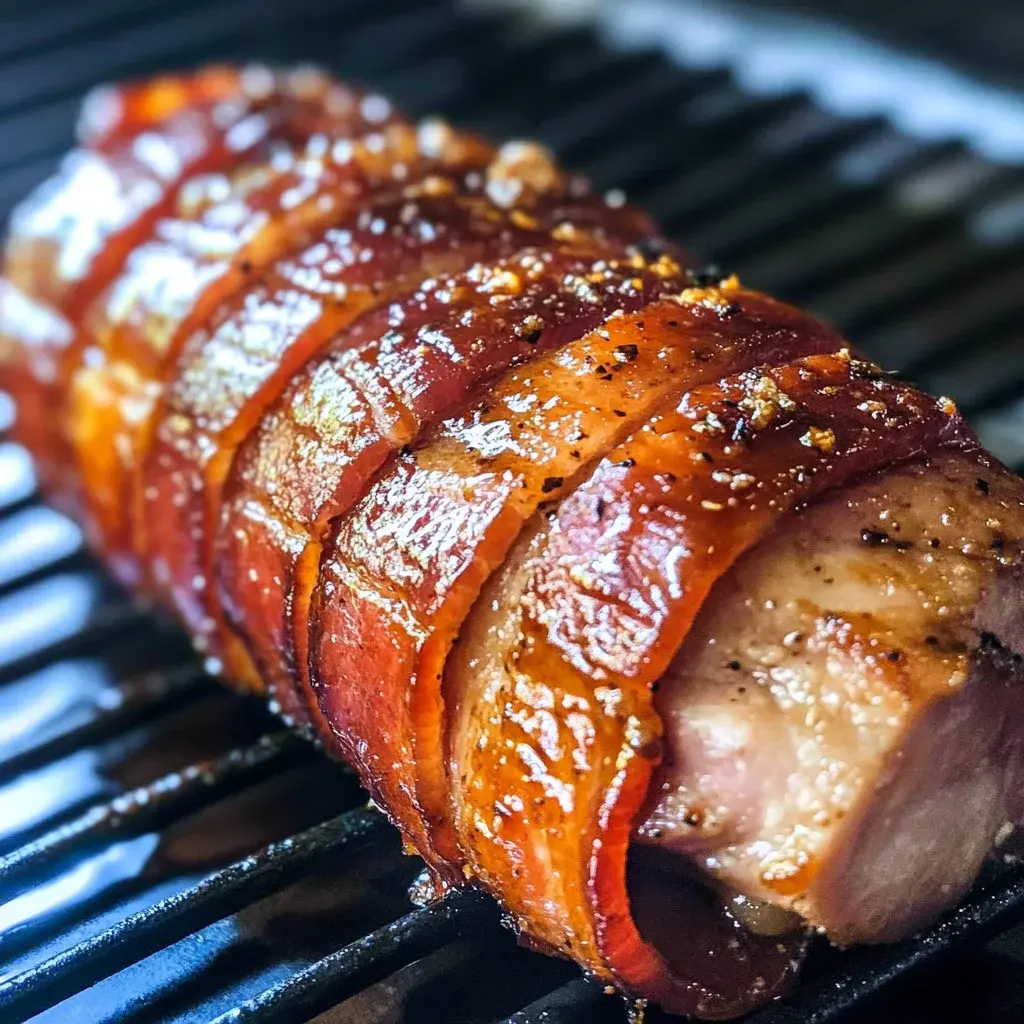
Embark on a culinary journey with this exceptional Traeger smoked wrapped beef tenderloin, a dish designed to captivate your senses and elevate any dining experience. This recipe masterfully combines the deep, smoky essence of pellet grilling with the luxurious tenderness of beef, creating a truly unforgettable centerpiece for your table.
Imagine the aroma filling your home, a promise of the rich, succulent flavors that await. It’s a dish that speaks of celebration, comfort, and the sheer joy of sharing a delicious meal with loved ones. Get ready to discover the magic of transforming simple ingredients into a gourmet delight.
Why You Will Love This Recipe
- Smoky Depth: The Traeger grill imparts a signature smoky flavor that perfectly complements the richness of the beef tenderloin, creating layers of taste.
- Tender Perfection: Beef tenderloin is inherently tender, and the low-and-slow smoking process ensures it remains incredibly moist and succulent.
- Visually Stunning: The wrapped presentation is elegant and impressive, making it an ideal choice for special occasions and holiday gatherings.
- Flavorful Embrace: The combination of BBQ seasoning and sauce creates a savory and slightly sweet glaze that adheres beautifully to the meat.
- Achievable Gourmet: Despite its impressive results, this recipe is surprisingly straightforward, allowing home cooks of all levels to achieve professional-quality outcomes.
Ingredients You Need
The success of this smoked wrapped beef tenderloin hinges on the quality of your ingredients. Opting for a prime cut of beef tenderloin is paramount for achieving that melt-in-your-mouth texture we all crave. Similarly, selecting a high-quality BBQ seasoning and your favorite BBQ sauce will significantly enhance the overall flavor profile of this magnificent dish.
Easy Traeger Smoked Wrapped Beef Tenderloin
Indulge in the incredible flavors of Smoked Beef Tenderloin wrapped in bacon, expertly prepared on a Traeger pellet grill. This recipe transforms a classic dish into a show-stopping centerpiece perfect for any gathering, from holiday feasts to cozy family dinners. The tender beef, kissed by smoke and complemented by the savory notes of bacon, creates an unforgettable meal that will leave your guests raving. With easy-to-follow steps and simple ingredients, even novice cooks can achieve impressive results. Elevate your grilling game with this mouthwatering smoked beef dish today!
- 1 ½ lb beef tenderloin
- 8 pieces bacon
- 1 tbsp BBQ seasoning (any beef rub or BBQ rub)
- 1 ½ tbsp BBQ sauce (plus more for serving)
- 1Preheat your Traeger smoker to 225 degrees F.
- 2Lay strips of bacon on a cutting board or sheet pan so the edges touch or just barely overlap. Place the beef tenderloin on top of the bacon.
- 3Sprinkle BBQ rub seasoning over the beef tenderloin. For extra flavor, sprinkle it over the bacon too!
- 4Wrap the beef tenderloin tightly with strips of bacon in a criss-cross pattern. Make sure to cover all edges so that the tenderloin is completely hidden.
- 5Place the wrapped tenderloin directly on the grill grates with the seam side down. Smoke it with the lid closed for about 1.5 hours, allowing those flavors to meld.
- 6Brush BBQ sauce on top of your bacon-wrapped beef during its final smoking phase. Smoke for an additional 30 minutes until it reaches an internal temperature of 145 degrees F (for medium).
- 7Remove your smoked wrapped tenderloin from the grill and let it rest on a cutting board for about 15 minutes before slicing into chunks. Serve with extra BBQ sauce if desired, and enjoy every bite!
Keywords: Smoked Beef Tenderloin, Traeger, Bacon Wrapped, BBQ, Grilled, Dinner, Special Occasion, Holiday
- beef tenderloin: a prime cut, about 1.5 pounds, for a tender and flavorful base.
- beef: approximately 8 thin slices, to encase the tenderloin and add a delicious crispy texture.
- BBQ seasoning: 1 tablespoon, your preferred blend for a robust rub.
- BBQ sauce: 1.5 tablespoons, plus extra for serving, for a sweet and savory glaze.
The exact quantities for each ingredient are detailed within the accompanying recipe card, ensuring you have all the precise measurements needed for a flawless execution of this exquisite dish.
Variations
While the classic Traeger smoked wrapped beef tenderloin is undeniably superb, exploring variations can lead to even more delightful culinary adventures. Consider infusing international flavors by experimenting with different spice rubs. A hint of smoked paprika and cumin can lend a Tex-Mex flair, while a dash of soy sauce and ginger might suggest an Asian-inspired twist.
For those following a lower-carbohydrate lifestyle, foregoing the traditional beef wrap is a simple yet effective modification. Instead, focus on a vibrant, herb-infused rub or a bold balsamic glaze. Serving this leaner version with a side of grilled asparagus or a fresh, crisp salad makes for a satisfying and guilt-free meal.
A vegetarian or vegan adaptation could involve substituting the beef tenderloin with a large, portobello mushroom cap or a hearty lentil loaf. These plant-based options can absorb smoky flavors beautifully and offer a unique texture. Ensure your wrapping layer is a flavorful mushroom or a finely chopped vegetable medley for a complete reimagining of this beloved dish.
How to Prepare Traeger smoked wrapped beef tenderloin
Step 1: Preheat Your Traeger Smoker
Begin by preparing your Traeger smoker for the culinary masterpiece that is to come. Set its temperature to a precise 225 degrees Fahrenheit, a crucial setting for the low-and-slow smoking method. This gentle heat is the secret to unlocking the tender potential of the beef tenderloin, allowing it to slowly absorb the rich, smoky essence from the wood pellets.
Allow ample time for your Traeger to reach and stabilize at this target temperature before introducing the star of the show. A properly preheated smoker ensures consistent cooking and maximizes the infusion of those delightful smoky notes throughout the meat. This initial step sets the foundation for a truly exceptional flavor experience, so patience here is richly rewarded.
Ensure your smoker is clean and free of any residual ash or debris from previous cooks. This not only prevents unwanted flavors from tainting your tenderloin but also guarantees optimal airflow for even smoke distribution. A clean grill is the first step towards a perfectly smoked dish.
Step 2: Prepare the for Tenderloin
The foundation of our wrapped tenderloin begins with laying out the beef strips. Arrange these on a clean cutting board or a sheet pan, ensuring their edges touch or overlap just slightly. This creates a cohesive layer, ready to embrace the tenderloin and lock in moisture during the smoking process. The goal is to form a continuous surface that will fully encase the beef.
Once the beef layer is meticulously prepared, carefully position the beef tenderloin directly onto the center of these strips. Ensure it is centered so that the wrapping will be even and complete, covering the entire surface of the tenderloin. This careful placement is key to achieving a beautifully presented and perfectly cooked final product.
Visualize the tenderloin nestled within its beef embrace. This layered approach not only adds flavor but also helps to keep the tenderloin exceptionally moist as it smokes. The fat from the outer beef will render and baste the tenderloin throughout the cooking, enhancing its succulence.
Step 3: Season the Beef Tenderloin
Now it’s time to imbue the beef tenderloin with a burst of savory flavor. Generously sprinkle your chosen BBQ rub evenly over the entire surface of the beef tenderloin. Ensure every nook and cranny is coated, allowing the spices to adhere and penetrate the meat during the smoking process. Don’t be shy; a good seasoning is the backbone of delicious smoked meat.
For an added layer of taste and visual appeal, extend this seasoning application to the beef strips that will form the outer wrap. Sprinkle a bit of the BBQ rub over the beef as well. This ensures that every component of your dish contributes to the overall symphony of flavors. The spices will crisp up beautifully during the cook.
Take a moment to appreciate the aromatic blend of spices as they adhere to the meat. This step is not just about flavor; it’s about building complexity and ensuring a well-rounded taste experience from the very first bite. The rub acts as a flavor enhancer and also helps to form a desirable crust.
Step 4: Wrap Beef Tenderloin
With the tenderloin seasoned and the beef layer ready, the wrapping process begins. Carefully take the edges of the beef strips and begin wrapping them around the beef tenderloin. Employ a criss-cross pattern, much like you would when wrapping a gift, ensuring complete coverage. The objective is to tightly encase the entire tenderloin, leaving no part exposed.
As you wrap, ensure the beef strips are snug against the tenderloin. This tight wrapping is crucial for several reasons: it prevents the tenderloin from drying out, it helps the beef strips adhere during cooking, and it contributes to the appealing presentation of the finished dish. Every angle should be meticulously covered.
The goal is for the tenderloin to be completely hidden within the beef wrapping, creating a uniform cylinder. This not only looks impressive but also ensures that the beef tenderloin is perfectly protected and basted throughout its smoky journey. This culinary embrace is essential for moisture retention.
Step 5: Smoke Beef Tenderloin
Carefully transfer the meticulously wrapped beef tenderloin onto the grates of your preheated Traeger smoker. Position it seam-side down, if discernible, to ensure the wrapping stays intact and renders beautifully. Close the lid of your smoker, creating a contained environment where the magic of low-and-slow cooking can commence. This initial smoking phase is critical for developing deep, smoky flavors.
Allow the beef tenderloin to smoke undisturbed for approximately 1.5 hours. During this time, the indirect heat and smoke will penetrate the beef, infusing it with that characteristic Traeger flavor. Resist the temptation to constantly lift the lid, as this releases precious heat and smoke, prolonging the cooking time and diminishing the smoky infusion.
This extended period of gentle smoking allows the connective tissues within the meat to break down, resulting in unparalleled tenderness. The outer beef wrap will begin to render its fat, basting the tenderloin continuously and adding richness to every bite. This slow transformation is what makes smoked meats so incredibly delicious and sought after.
Step 6: Add BBQ Sauce and Finish Smoking
After the initial 1.5 hours of smoking, it’s time to elevate the flavor profile even further. Open the Traeger smoker and, using a basting brush, generously slather your favorite BBQ sauce over the top surface of the wrapped beef tenderloin. Ensure an even coating, allowing the sauce to caramelize and create a slightly sticky, flavorful glaze during the final stages of cooking.
Close the smoker lid and continue to smoke for an additional 30 minutes. This final phase allows the BBQ sauce to meld with the smoky notes and the beef flavors, creating a complex and mouthwatering finish. The sauce will bubble and thicken, forming a delectable crust.
Monitor the internal temperature of the beef tenderloin using a reliable meat thermometer. Your target for a perfect medium doneness is 145 degrees Fahrenheit. This precise temperature ensures the beef is cooked to a safe and desirable level of tenderness and juiciness, avoiding overcooking while guaranteeing it’s ready to enjoy.
Step 7: Rest and Enjoy
Once your Traeger smoked wrapped beef tenderloin reaches the target internal temperature of 145 degrees Fahrenheit, it’s time to remove it from the smoker. Carefully transfer the cooked tenderloin to a clean cutting board. This resting period is absolutely crucial for achieving the most succulent and flavorful result possible. Allowing the meat to rest permits the juices, which have been driven to the center during cooking, to redistribute throughout the tenderloin.
Let the beef rest for a minimum of 15 minutes. During this time, the fibers in the meat will relax, and the juices will reabsorb, ensuring that each slice is moist and tender. Cutting into the meat too soon will cause these precious juices to escape onto the cutting board, resulting in a drier finished product.
After resting, slice the tenderloin into generous chunks or medallions. Serve immediately, perhaps with an extra drizzle of your favorite BBQ sauce for those who desire an even more intense flavor. The combination of the smoky beef wrap and the tender interior creates a truly remarkable culinary experience that is sure to impress.
Pro Tips for Traeger smoked wrapped beef tenderloin
Invest in Quality Wood Pellets: The type of wood pellets you use in your Traeger significantly influences the final flavor. Experiment with different wood varieties like hickory, mesquite, or a fruitwood blend to discover your preferred smoky profile. Each offers a distinct aromatic contribution.
Master Temperature Control: Maintaining a consistent 225°F in your Traeger is paramount for successful low-and-slow smoking. Fluctuations in temperature can impact cooking time and the tenderness of the beef. Use your smoker’s built-in thermometer and consider an external probe for accuracy.
Don’t Skip the Rest: Allowing the beef tenderloin to rest for at least 15 minutes after smoking is non-negotiable. This vital step allows the juices to redistribute throughout the meat, ensuring every bite is incredibly moist and flavorful. Cutting too soon will result in a less succulent outcome.
Utilize a Meat Thermometer: Precision is key. A reliable meat thermometer is your best friend for achieving the perfect internal temperature. Aim for 145°F for a beautiful medium doneness. Insert the thermometer into the thickest part of the tenderloin, avoiding any bone or fat pockets.
Experiment with Seasonings: While a classic BBQ rub is fantastic, feel free to personalize it. Add a pinch of garlic powder, onion powder, or even a touch of cayenne pepper for a little heat. Customizing your rub allows you to tailor the flavor precisely to your palate.
Serving Suggestions for Traeger smoked wrapped beef tenderloin
Decoration
Elevate the visual appeal of your Traeger smoked wrapped beef tenderloin with thoughtful garnishes. A sprinkle of fresh, finely chopped parsley or chives adds a vibrant pop of green and a hint of fresh herbaceousness. Consider a few sprigs of rosemary or thyme placed artfully around the platter for an aromatic and sophisticated touch.
For an extra touch of elegance, a light dusting of smoked paprika can enhance the smoky theme and add a warm, earthy hue. If you’ve used a BBQ sauce glaze, its glossy sheen is often decoration enough, but a swirl of extra sauce on the plate can add visual interest and encourage dipping. Remember, the goal is to complement, not overpower, the main dish.
Tiny edible flowers, such as nasturtiums or pansies, can provide a delicate and colorful flourish, particularly for special occasions. Ensure any garnishes are complementary in flavor to the beef and its smoky notes, adding a subtle sensory dimension to the presentation.
Side Dishes
Complement the rich, smoky flavors of the beef tenderloin with a selection of complementary side dishes. Creamy garlic mashed potatoes are a classic pairing, their velvety texture and savory garlic notes providing a comforting counterpoint. Alternatively, a tangy and crisp coleslaw offers a refreshing contrast to the richness of the meat.
Roasted root vegetables, such as carrots, parsnips, and sweet potatoes, tossed with herbs and a touch of olive oil, bring earthy sweetness and a satisfying chew. For a lighter option, grilled asparagus spears, lightly seasoned, offer a tender crispness and a hint of char that echoes the smoky flavor of the beef. A simple baked lemon chicken recipe, when reimagined with complementary herbs, could also serve as a lighter, yet flavorful, accompaniment.
Don’t overlook the power of a well-made macaroni and cheese; its cheesy indulgence is always a crowd-pleaser alongside robust meats. A vibrant quinoa salad with fresh vegetables and a zesty lemon dressing provides a healthy and flavorful option that balances the meal beautifully. The goal is to create a harmonious dining experience where each component enhances the others.
Creative Serving Ideas
Transform your smoked wrapped beef tenderloin into a gourmet taco filling by slicing it thinly and serving it in warm tortillas with your favorite taco toppings. A dollop of avocado crema and a sprinkle of cotija cheese would be divine. This offers a fun, interactive, and casual way to enjoy the exquisite flavors.
Consider creating elegant sliders by slicing the tenderloin into smaller portions and serving them on miniature brioche buns with a slather of your signature BBQ sauce and a crisp pickle. This is perfect for parties or as a sophisticated appetizer. The smaller format allows guests to savor the incredible taste without overindulging.
For a truly memorable presentation, arrange slices of the tenderloin over a bed of creamy polenta or a rich risotto. A drizzle of a reduced balsamic glaze or a vibrant chimichurri sauce can add both visual appeal and an extra layer of complex flavor, making for a restaurant-quality plate that showcases the star of the meal.
Preparation & Storage
Storing Leftovers
Properly storing any leftover smoked wrapped beef tenderloin is key to maintaining its quality and flavor. Once the meat has cooled to room temperature, transfer it into an airtight container. This prevents exposure to air, which can lead to drying out or absorbing unwanted odors from the refrigerator.
Ensure the container is sealed tightly before placing it in the refrigerator. Leftovers can be safely stored for up to three to four days. It’s advisable to slice or chop the tenderloin before storing, as this makes it easier to portion and reheat individual servings later on. Avoid storing it at room temperature for extended periods to prevent bacterial growth.
If you have any leftover sauce or glaze, store it separately in a small, sealed container. This allows you to add fresh sauce when reheating, enhancing the overall moisture and flavor of the leftovers. Inspect the leftovers for any signs of spoilage before consumption.
Freezing
Freezing is an excellent option for longer-term storage of smoked wrapped beef tenderloin, allowing you to enjoy its deliciousness at a later date. Before freezing, ensure the meat has completely cooled. For best results, wrap the tenderloin or individual slices tightly in plastic wrap, ensuring there are no air pockets.
After wrapping, place the tightly wrapped meat into a heavy-duty freezer bag or an airtight freezer-safe container. Squeeze out as much air as possible from the bag before sealing to prevent freezer burn. Label the bag or container with the date and contents for easy identification.
Properly frozen smoked wrapped beef tenderloin can maintain its optimal quality for up to two to three months. Beyond this timeframe, while still safe to consume, the texture and flavor might begin to degrade slightly. Thawing should ideally be done in the refrigerator overnight to maintain food safety and quality.
Reheating
Reheating your leftover smoked wrapped beef tenderloin requires a gentle approach to preserve its tender texture and moisture. The most recommended method is to reheat it in the oven. Preheat your oven to a moderate 325°F (160°C) and place the slices or chunks in a small baking dish. Add a splash of beef broth, water, or your leftover BBQ sauce to the dish to create steam and prevent drying.
Cover the dish tightly with aluminum foil to trap the moisture. Reheat for approximately 10-15 minutes, or until the tenderloin is heated through. Avoid overheating, as this can quickly turn the tender meat tough and dry. For larger portions, the reheating time may need to be extended slightly.
Alternatively, for very small portions, you can reheat gently on the stovetop over low heat in a skillet with a little added liquid. The microwave can also be used for quick reheating, but exercise extreme caution; heat in short intervals (30 seconds) and check frequently to avoid overcooking. Adding a damp paper towel over the meat in the microwave can help retain some moisture.
Frequently Asked Questions
-
How do I ensure the beef wrap stays intact and crispy during smoking?
To ensure the beef wrap stays intact and achieves a desirable crispiness, it’s important to use thin slices of beef and wrap them snugly around the tenderloin. Overlapping the slices slightly helps create a cohesive layer. During the smoking process, the rendered fat from the beef will help it adhere and crisp up. Avoid overcrowding the smoker, as good airflow is essential for crisping. For an extra crispy finish, you can briefly increase the smoker temperature towards the end of the cooking time, but monitor closely to prevent burning.
-
What is the best way to achieve a perfect medium-rare to medium internal temperature for the beef tenderloin?
The most reliable method for achieving a perfect medium-rare to medium internal temperature is by using a high-quality meat thermometer. Insert the thermometer into the thickest part of the beef tenderloin, ensuring it doesn’t touch any bone or fat pockets. For medium-rare, aim for an internal temperature of 130-135°F (54-57°C), and for medium, target 135-145°F (57-63°C). Remember that the temperature will rise a few degrees as the meat rests. It’s always better to pull it slightly before your target temperature and let carryover cooking finish the job.
-
Can I prepare any part of this recipe in advance to save time on the day of serving?
Absolutely! Several components of this recipe can be prepared in advance to streamline your cooking process. You can season the beef tenderloin and even wrap it with the beef strips a few hours before you plan to smoke it; store it covered in the refrigerator. The BBQ rub can also be mixed in advance and stored in an airtight container. Additionally, side dishes like mashed potatoes or a slaw can often be made earlier in the day, allowing you to focus on the smoking process itself. Just ensure all components are brought to the appropriate temperature before smoking or serving.