Sunrise Mimosas
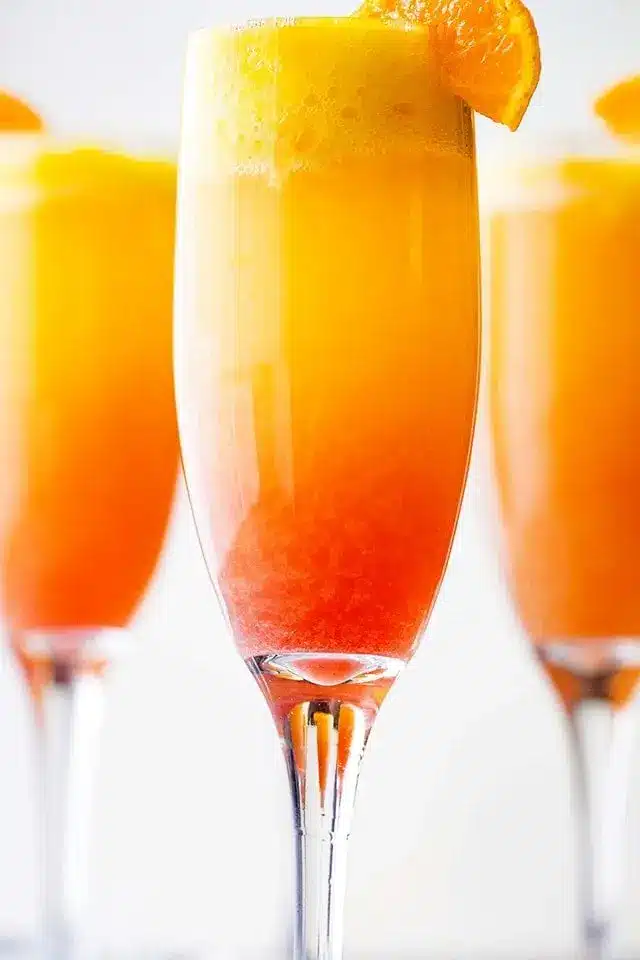
The vibrant hues and delightful effervescence of a mimosa are synonymous with celebratory brunches and joyful weekend mornings. While the classic orange juice and champagne pairing is beloved, there’s always room for a creative twist that elevates this simple drink to something truly spectacular. This Sunrise Mimosa recipe offers precisely that, infusing the traditional bubbly with the tropical sweetness of mango and a hint of luxurious pomegranate liqueur, creating a visual and gustatory masterpiece.
Imagine a drink that not only tastes like sunshine but looks like a painted sunrise in a glass – that’s the magic this recipe aims to capture. It’s an accessible yet impressive beverage that will undoubtedly become a favorite for any occasion demanding a touch of sparkle and a burst of fruity delight, making your gatherings unforgettable and your taste buds sing with pure joy.
Why You Will Love This Recipe
- Spectacular Presentation: The layered effect of the mango puree, Prosecco, and pomegranate liqueur creates a stunning visual akin to a sunrise, making it a guaranteed showstopper at any event.
- Tropical Flavor Twist: Beyond the classic citrus, the addition of ripe mango introduces a lush, exotic sweetness that perfectly complements the bubbly and offers a refreshing departure from the norm.
- Effortless Elegance: Despite its sophisticated appearance and delicious taste, this mimosa requires minimal effort and just a few key ingredients, making it incredibly easy to prepare for brunches or parties.
- Customizable Delight: While the recipe provides a fantastic base, there’s ample room for personalization, allowing you to adjust sweetness, experiment with liqueurs, or even incorporate other fruits for a unique signature drink.
- Versatile for Any Occasion: From Easter brunches and Mother’s Day celebrations to birthdays and summer gatherings, this Sunrise Mimosa is an ideal festive beverage that adds a touch of class and cheer to any festive occasion.
Ingredients You Need
The secret to an exceptional Sunrise Mimosa lies in the quality and freshness of its components. Opting for ripe, sweet mangoes will unlock the deepest tropical flavors, while a good quality Prosecco will ensure those delightful, persistent bubbles that are crucial to the mimosa experience. Don’t skimp on the orange juice either; fresh or high-quality refrigerated juice will provide a brighter citrus base than concentrate.
Sunrise Mimosa
This is a gorgeous and delicious twist to the classic mimosas prepared with mangos, orange juice, prosecco, and liqueur.
- 1 large mango, peeled, pitted, and cut into cubes
- 1 cup orange juice
- 1 bottle (750 ml) chilled prosecco
- Pomegranate liqueur (like Grenadine)
- Orange slices or mandarin slices, for garnish
- 1Combine mango and orange juice in a blender and puree.
- 2Pour about 2 to 3 tablespoons of puree into 4 to 6 chilled champagne flutes.
- 3Slowly pour prosecco over the mango puree almost to the top of the flutes.
- 4Slowly add about a tablespoon or two of pomegranate liqueur to each champagne glass.
- 5Garnish with orange slices.
- 6Serve.
Keywords: Mimosa, Sunrise, Cocktail, Brunch, Mango, Prosecco, Liqueur, Easy, Quick, Refreshing
The precise quantities and specific types of ingredients can be found within the recipe card, but these are the stars that will come together to create your sunrise in a glass.
Variations
For those embracing a plant-based lifestyle, transforming this mimosa into a vegan delight is wonderfully simple. Omit any potential non-vegan garnishes and ensure your chosen Prosecco is certified vegan, as some fining agents used in winemaking are not plant-derived. The core flavors of mango, orange, and a fruity liqueur blend beautifully without any animal products, making it a universally enjoyed beverage.
If you’re watching your carbohydrate intake, a low carb version can be achieved by substituting the mango with a lower-sugar fruit like a few raspberries or blackberries for color and a hint of tartness. Use a sugar-free or very dry sparkling wine, and opt for a liqueur with minimal or no added sugar. Freshly squeezed lime juice can also add a zesty kick to compensate for the reduced sweetness.
For a family-friendly or non-alcoholic celebration, the spirit of the Sunrise Mimosa can still shine. Replace the Prosecco with a high-quality sparkling white grape juice or a flavorful sparkling water, such as a hint of peach or passionfruit. The mango-orange puree will still provide that vibrant color and fruity sweetness, creating a refreshing and festive drink for everyone to enjoy.
How to Prepare Sunrise Mimosa Recipe
Step 1: Prepare the Luscious Mango Puree
The foundation of our stunning Sunrise Mimosa begins with creating a velvety smooth mango puree. Select a ripe, fragrant mango; it should yield slightly to gentle pressure and smell sweet. Once you’ve identified the perfect mango, carefully peel it using a sharp knife or a vegetable peeler, ensuring you remove all the skin. Then, slice the flesh away from the large, flat pit in the center, and cut these fleshy pieces into manageable cubes. It’s important to remove any fibrous parts, which can affect the texture of your final puree. The size of the cubes doesn’t need to be perfect, as they will be blended into a smooth consistency.
Place the prepared mango cubes into a blender or food processor. Measure out your orange juice, opting for fresh-squeezed or a high-quality, no-sugar-added variety for the best flavor. Pour the orange juice over the mango chunks in the blender. The liquid will help the blender blades catch the fruit and create a smoother consistency. Ensure you have enough liquid to facilitate the blending process without making the mixture too watery.
Secure the lid on your blender or food processor and begin blending on a low speed, gradually increasing to high. Continue to blend until the mixture is completely smooth, with no lumps or stringy bits of mango remaining. You’re aiming for a consistency similar to that of a thick smoothie or a very rich nectar. If the mixture seems too thick and the blender is struggling, you can add a tablespoon or two more of orange juice, but do so sparingly to maintain a concentrated mango flavor. Once perfectly smooth, taste the puree; if your mango wasn’t very sweet, you could add a tiny splash of agave nectar or simple syrup, but typically, the sweetness from the mango and orange juice is sufficient. Set this vibrant puree aside.
Step 2: Chill Your Elements for Optimal Bubbles
The success of a truly exquisite mimosa hinges on serving it ice-cold. This isn’t just about the refreshing sensation; it ensures the delicate bubbles of the Prosecco are preserved and that the drink doesn’t become diluted too quickly. Begin by placing your bottle of Prosecco in the refrigerator at least an hour, preferably two, before you plan to assemble the mimosas. If you’re short on time, an ice bath – a large bowl filled with ice and water – can significantly speed up the chilling process. Ensure the bottle is submerged as much as possible in the ice water.
Similarly, the orange juice used for the puree should also be well-chilled. If you’re using juice directly from the carton, make sure it has been refrigerated. For an extra chilled effect, you can even pour the measured orange juice into a separate container and place it in the freezer for about 30 minutes beforehand, being careful not to let it freeze solid. This step ensures the mango puree base is also at an optimal cold temperature.
Finally, don’t forget the champagne flutes themselves. Cold glasses will help maintain the drink’s temperature for longer. Place your flutes in the freezer for at least 15-20 minutes before serving. The colder everything is, the more effervescent and enjoyable your Sunrise Mimosas will be. This meticulous chilling of each component is a small detail that makes a significant difference in the final presentation and taste of your cocktail. It’s the hallmark of a carefully crafted drink.
Step 3: The Artful Layering Begins
Now comes the visually exciting part: building the layers that give this mimosa its name. Take your well-chilled champagne flutes and carefully pour the prepared mango and orange juice puree into the bottom of each glass. A good starting point is about 2 to 3 tablespoons per flute, depending on the size of your glasses and how much Prosecco you intend to add. You want enough puree to create a distinct base layer, but not so much that it overwhelms the sparkling wine.
Next, it’s time to introduce the star of the show: the Prosecco. To achieve a beautiful, distinct layering effect, it’s crucial to pour the Prosecco slowly and gently. One highly effective method is to hold a bar spoon (or any spoon with a long handle) just above the surface of the puree in the glass, with the back of the spoon facing upwards. Then, slowly pour the Prosecco down the back of the spoon. This technique diffuses the flow of the liquid, allowing it to glide over the puree rather than forcefully mixing with it. Pour until the flute is almost full, leaving a little space at the top for the liqueur and any potential overflow.
Observe as the Prosecco’s golden bubbles begin to ascend through the vibrant orange and yellow of the mango puree. This slow pour is key to creating those beautiful, distinct visual strata that mimic a breathtaking sunrise. If you find the layers are mixing too quickly, don’t worry; the taste will still be spectacular, and the slight marbling can also add to its unique charm. Patience here ensures a more aesthetically pleasing final product, but the joy of the drink isn’t diminished even if the layers blend slightly.
Step 4: Adding the Touch of Pomegranate
The final flourish that truly completes the “sunrise” effect is the addition of pomegranate liqueur. This ingredient not only adds a sophisticated fruity depth but also introduces a stunning ruby-red hue that cascades down through the drink, mimicking the final rays of the setting sun or the deepest part of a dawn sky. Select a good quality pomegranate liqueur, often referred to as Grenadine, though true pomegranate liqueur offers a more complex flavor profile. Ensure it’s also well-chilled, similar to the other components, to maintain the drink’s overall coolness.
Carefully measure about one to two tablespoons of the pomegranate liqueur. The exact amount can be adjusted based on your preference for sweetness and the intensity of the liqueur’s flavor. You will now repeat a similar layering technique as with the Prosecco. Again, using the back of a spoon held just above the liquid’s surface, slowly drizzle the pomegranate liqueur into the glass. Aim for the center of the flute, allowing the denser liqueur to sink gracefully through the Prosecco and puree.
As the liqueur descends, watch as it creates mesmerizing streaks of deep red, contrasting beautifully with the lighter orange and yellow layers. This slow, deliberate addition is what transforms a simple mimosa into the visually stunning Sunrise Mimosa. The visual appeal is just as important as the taste, and this step ensures your drink is as beautiful as it is delicious. It’s the final brushstroke on your edible masterpiece, ready for enjoyment.
Step 5: The Grand Finale – Garnish and Serve
The penultimate step before indulging in your handcrafted Sunrise Mimosa is the garnish. This is where you add the final touch of elegance and aromatic appeal. The traditional garnish for this mimosa involves slices of orange or mandarin oranges. Thinly slice a ripe orange or a sweet mandarin, ensuring the slices are delicate and visually appealing. You can create a small slit in the side of the slice, allowing it to perch neatly on the rim of the champagne flute. This adds a beautiful visual element and a subtle citrus aroma that enhances the drinking experience.
Alternatively, you can use a small wedge of orange or even a twist of orange peel. For an extra touch of flair, consider garnishing with a few fresh pomegranate seeds, which will sink to the bottom and add a pop of color and texture. Fresh mint leaves can also be a lovely addition, offering a refreshing contrast to the fruity sweetness. The key is to keep the garnish elegant and complementary to the drink’s flavors and colors, rather than overpowering them. Choose a garnish that enhances the visual appeal without detracting from the drink itself.
Once garnished, your Sunrise Mimosas are ready to be served immediately. The beauty of mimosas is their fresh, bubbly nature, so they are best enjoyed right after preparation. Present them with pride to your guests, encouraging them to admire the layered colors before taking their first delightful sip. This drink is perfect for any brunch or celebration, promising a taste of sunshine and a moment of pure, unadulterated joy. It’s the perfect way to start any special occasion or simply to make a regular day feel extraordinary, embodying the spirit of festivity and good cheer.
Pro Tips for Sunrise Mimosa Recipe
Chill Everything Thoroughly: This cannot be stressed enough. For the most effervescent and refreshing mimosa, ensure your Prosecco, orange juice, and even the champagne flutes are thoroughly chilled. Cold ingredients slow down the rate at which the bubbles dissipate and prevent the drink from becoming watery. A properly chilled drink is a game-changer for mimosa perfection.
Gentle Pouring is Key: To achieve those beautiful, distinct layers, pour the Prosecco slowly over the back of a spoon held just above the mango puree. This technique prevents the liquids from mixing too aggressively, allowing them to settle into visually appealing strata. Patience during the pouring stage will reward you with a truly stunning presentation that mirrors a vibrant sunrise.
Taste and Adjust Sweetness: The sweetness of mangoes can vary significantly. Before adding the Prosecco, taste your mango-orange puree. If it’s not sweet enough for your liking, you can add a small amount of simple syrup or agave nectar. Conversely, if it’s too sweet, a tiny squeeze of lime juice can help balance the flavors without altering the color too much.
Consider Batch Preparation: If you’re serving a crowd, prepare the mango-orange puree in advance and store it in an airtight container in the refrigerator. This saves valuable time right before serving. You can even pour the puree into the glasses beforehand and then top them off with Prosecco and liqueur just as guests are ready to enjoy their drinks, ensuring maximum freshness and fizz.
Experiment with Liqueurs: While pomegranate liqueur is classic for this “sunrise” effect, don’t be afraid to experiment. A splash of raspberry liqueur or even a hint of apricot liqueur can add different flavor notes and visual appeal. For a more complex flavor, consider a very small amount of elderflower liqueur, which pairs wonderfully with mango and Prosecco.
Serving Suggestions for Sunrise Mimosa Recipe
Decoration
The visual appeal of the Sunrise Mimosa is paramount. Beyond the characteristic layering, the garnish plays a crucial role. Delicate orange slices or thin mandarin wedges perched on the rim add a classic touch, their citrus aroma a perfect prelude to the drink’s taste. For an extra pop of color and texture, a few fresh pomegranate seeds can be dropped into the bottom of the glass, offering a beautiful contrast as they settle amongst the layers. A carefully placed mint sprig can also introduce a touch of verdant freshness, enhancing both the look and the sensory experience of this delightful cocktail.
Side Dishes
This vibrant mimosa is the perfect companion for a range of brunch and breakfast fare. Its fruity sweetness pairs exceptionally well with lighter, slightly savory dishes that allow its flavors to shine without competition. Consider serving it alongside a fluffy German pancake, a delicate berry tart, or a classic avocado toast. The refreshing nature of the mimosa also cuts through richer flavors, making it an excellent accompaniment to a savory spinach quiche or a smoked salmon platter. The bright, tropical notes offer a delightful contrast to traditionally heavier brunch items, creating a balanced and exciting meal.
Creative Serving Ideas
Elevate your mimosa experience with a few creative serving ideas. For a truly festive occasion, create a mimosa bar where guests can customize their drinks with various fruit purees and garnishes, similar to how one might approach a Pinterest board of cocktail inspiration. You could also offer a “mimosa flight” featuring smaller pours of the Sunrise Mimosa alongside other variations, such as a pineapple or raspberry mimosa. For a unique twist, consider infusing the orange juice with a hint of ginger or cardamom before blending for an added layer of complexity. This drink is also a fantastic base for creating fun, themed cocktails for holidays or parties, truly showcasing its versatility.
Preparation & Storage
Storing Leftovers
While mimosas are best enjoyed fresh, if you find yourself with leftover prepared mimosa in a pitcher (pre-mixed mango puree and Prosecco, not individual glasses), it’s best to store it promptly. Seal the pitcher tightly and refrigerate immediately. The effervescence will diminish over time, so it’s not ideal for long-term storage. However, the mango puree itself, once blended with orange juice, can be stored in an airtight container in the refrigerator for up to 2 days without significant loss of flavor or quality.
Freezing
Freezing a fully prepared mimosa is generally not recommended due to the carbonation of the Prosecco. Freezing and thawing can cause the bubbles to dissipate entirely, resulting in a flat drink. However, you can freeze the mango and orange juice puree in ice cube trays. Once frozen, these mango-orange ice cubes can be used to chill future mimosas without diluting them, or they can be blended into a slushy mocktail or cocktail base. This is a fantastic way to preserve the fresh flavor of the mango for later use.
Reheating
Reheating a mimosa is not applicable as it is intended to be served cold and refreshing. If you have stored leftover mimosa in the refrigerator and it has lost its sparkle, you can try adding a splash of fresh, chilled Prosecco or sparkling water just before serving to revive some of the fizz. For the mango-orange puree, it can be gently reheated if you wish to use it in a different context, such as a base for a warm dessert sauce, but for mimosas, a cold puree is essential. Always aim to serve this beverage chilled for the best possible experience.
Frequently Asked Questions
-
What is the best type of Prosecco or sparkling wine to use for a Sunrise Mimosa?
For a Sunrise Mimosa, it’s best to opt for a dry or extra-dry Prosecco, which has a classification like “Brut” or “Extra Brut.” These wines have a lower sugar content, which allows the fruity flavors of the mango and orange juice to shine through without the drink becoming overly sweet. While Prosecco is traditional and offers a delightful crispness, any good quality dry sparkling wine, such as Cava or Champagne, will work wonderfully. The key is to choose a sparkling wine that is well-chilled and has pleasant effervescence to complement the fruit puree.
-
Can I make the mango puree ahead of time, and how long will it last?
Yes, you can absolutely make the mango puree ahead of time, which is a great strategy for hosting brunch or parties. After blending the mango and orange juice until smooth, transfer the puree to an airtight container. It can be stored in the refrigerator for up to 2 days. For best results, ensure it’s well-chilled before using it to assemble the mimosas. This advance preparation saves significant time when guests arrive, allowing you to focus on the final assembly and enjoyment of the drinks.
-
What if I don’t have pomegranate liqueur? Can I substitute it with something else?
Certainly! If you don’t have pomegranate liqueur, several alternatives can create a similar visual effect and flavor profile. Grenadine is a common and readily available syrup that will provide the red “sunrise” layer and a sweet fruity taste, though it’s often sweeter than pure pomegranate liqueur. You could also use a raspberry liqueur or syrup for a similar vibrant color and complementary berry flavor. For a more complex, less sweet option, consider a small amount of cranberry juice or a tart cherry juice, which will add color and a pleasant tang. Whichever substitute you choose, add it slowly using the spoon technique to maintain the layered effect.