Easy Tres Leches Cake Recipe – Authentic Mexican Dessert!
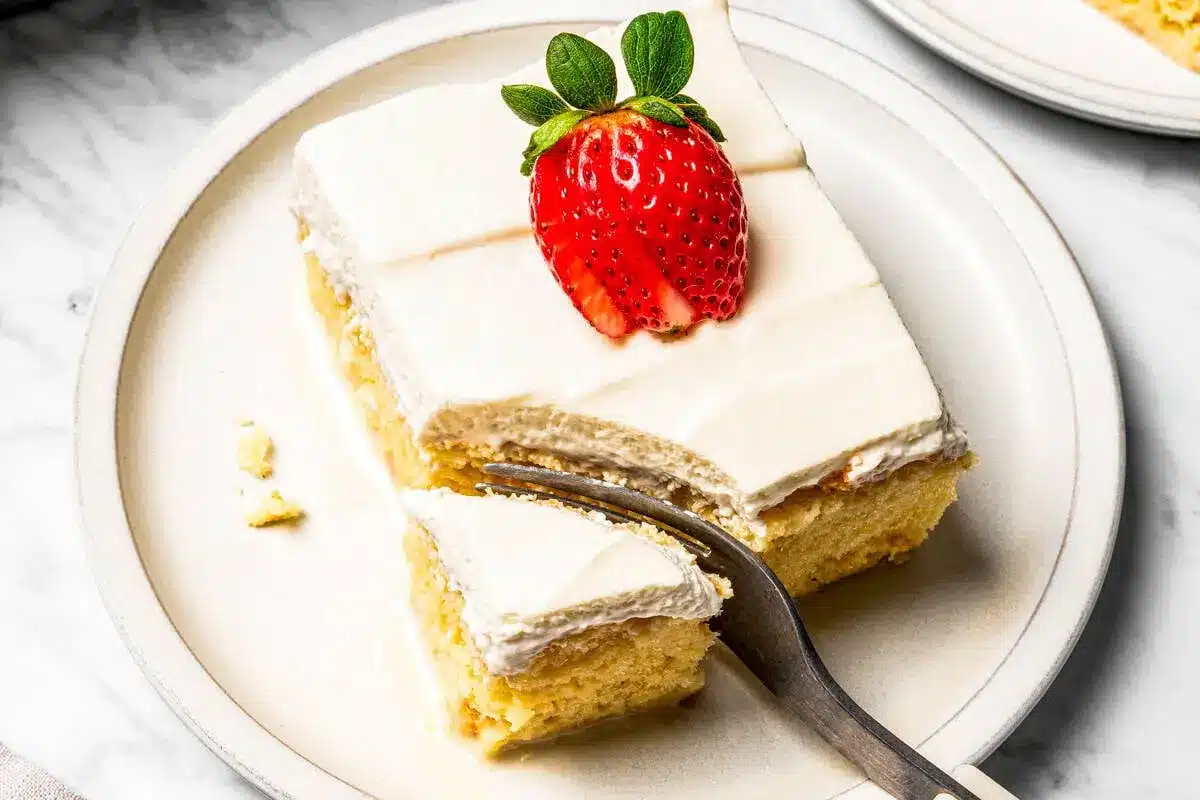
Welcome to a culinary journey that culminates in a dessert so rich, so decadent, and so utterly delightful, it’s bound to become a household legend. This authentic tres leches cake recipe is a symphony of textures and flavors, a beloved classic from Latin America that has captivated taste buds worldwide. Prepare to be enchanted by its delicate sponginess, its luxurious soaking of three distinct milks, and its crowning glory of ethereal whipped cream.
If you’ve ever dreamt of mastering a dessert that feels both sophisticated and comforting, your quest ends here. This tres leches cake, a testament to simple ingredients transformed into something extraordinary, is surprisingly approachable for home bakers. It’s the perfect centerpiece for any celebration, a delightful end to a festive meal, or simply a sweet indulgence to brighten any ordinary day.
Why You Will Love This Recipe
- Authentic Flavor Profile: Experience the true essence of tres leches with a recipe that balances sweetness and milkiness perfectly.
- Incredibly Moist Texture: The signature three-milk soak ensures every bite is lusciously tender and unbelievably moist, a hallmark of this classic dessert.
- Make-Ahead Marvel: This cake actually improves with time, making it an ideal choice for entertaining as it can be prepared in advance.
- Simple Yet Elegant: Despite its impressive appearance and taste, the preparation is straightforward, allowing even novice bakers to achieve stunning results.
- Customizable Topping: While a classic whipped cream topping is divine, you have the freedom to adorn it with fresh fruits or a sprinkle of cinnamon for your personal touch.
Ingredients You Need
The magic of this tres leches cake lies in its deceptively simple ingredient list, where quality truly shines. Choosing fresh, high-quality staples will elevate the final dessert from good to absolutely unforgettable. Ensuring your baking powder is fresh is paramount for that perfect, airy crumb structure that will delightfully absorb the milky bath. The milks themselves, from rich condensed milk to smooth evaporated milk and your choice of everyday milk, create a harmonious trio that defines this iconic dessert.
Tres Leches Cake
This authentic tres leches cake recipe is a light, spongy cake soaked in a sweet milk mixture and topped with fluffy homemade whipped cream. It’s a favorite Mexican dessert, and so easy to make!
- For the cake:
- 1 cup all-purpose flour
- 1½ teaspoons baking powder
- ¼ teaspoon salt
- 1 cup granulated sugar
- 4 eggs
- ⅓ cup milk
- 1½ teaspoons pure vanilla extract
- Butter, for greasing the baking dish
- For the milk sauce:
- 14 ounce can condensed milk
- 12 ounce can evaporated milk
- 3 tablespoons milk
- For the topping:
- 1½ cups heavy cream
- 3 tablespoons powdered sugar
- 1 teaspoon pure vanilla extract
- 1Make the sponge cake: Preheat the oven to 350°F. In a medium bowl, whisk together the flour, baking powder, and salt. Set aside. In a separate bowl, beat the sugar with the eggs until fluffy and pale, about 2 to 3 minutes. Whisk the milk and vanilla into the egg mixture until smooth. Using a spatula, gently fold in the flour mixture just until the batter is smooth and lump-free. Grease a 9×13-inch baking dish with butter. Pour in the cake batter and tap gently onto the kitchen counter to remove air bubbles. Bake for 30-35 minutes, or until a toothpick inserted into the center comes out clean.
- 2Prepare the milk mixture: Meanwhile, whisk together the condensed milk, evaporated milk, and plain milk in a bowl until combined.
- 3Drizzle the cake: Remove the cake from the oven and allow it to cool down completely. Use a fork to poke holes in the cake. Pour the milk mixture all over the cake, especially saturating the edges.
- 4Refrigerate the cake: Refrigerate for at least 2 to 3 hours, but overnight is best.
- 5Add the topping: Add heavy cream, powdered sugar, and vanilla extract to a large bowl. Whip with a handheld mixer until stiff peaks form.
- 6Finish and serve: Top the tres leches cake with the whipped cream. Cut the cake into squares and serve.
Keywords: Tres Leches Cake, Mexican Dessert, Sponge Cake, Milk Cake, Whipped Cream, Dessert, Baking, Katerina Petrovska
The precise quantities for all these essential components are readily available in the recipe card below, ensuring you have everything you need for success.
Variations
While the classic tres leches cake is undeniably perfect, its inherent moistness and creamy texture lend themselves beautifully to creative adaptations. Imagine transforming this beloved dessert into something entirely new while retaining its comforting essence.
For a truly decadent twist, consider a Dulce de Leche Tres Leches. This variation replaces the standard condensed milk in the soaking liquid with creamy dulce de leche, introducing a rich, caramel-like depth of flavor. You might also increase the amount of regular milk slightly to ensure the dulce de leche doesn’t make the soak too intensely sweet, creating a perfectly balanced caramel dream.
If you’re aiming for a lighter, fruitier experience, a Berry Tres Leches is an exquisite option. Incorporate a vibrant berry coulis or purée into the milk soaking mixture for a delightful tang and a beautiful blush of color throughout the cake. Fresh berries, artfully arranged on top of the whipped cream, offer a refreshing contrast and a burst of natural sweetness that complements the cake wonderfully. This version is especially appealing during the warmer months.
For those seeking a gluten-free indulgence, a Gluten-Free Tres Leches can be achieved by substituting a high-quality gluten-free all-purpose flour blend for the traditional all-purpose flour. Ensure your blend contains a binder like xanthan gum for optimal texture. The core principle of soaking remains the same, allowing the gluten-free cake to absorb the milky goodness just as beautifully, creating a delightful dessert accessible to more people. Careful selection of the flour blend is key to replicating that characteristic light and airy sponge.
How to Prepare tres leches cake recipe
Step 1: Crafting the Airy Sponge Base
The foundation of an exceptional tres leches cake is a light, airy sponge cake that possesses the perfect structure to absorb the luscious milk mixture. Begin by preheating your oven to 350°F (175°C). This consistent temperature is crucial for even baking, ensuring the cake rises beautifully without scorching.
In a medium bowl, meticulously whisk together your dry ingredients: the all-purpose flour, baking powder, and salt. This step ensures that the leavening agent and salt are evenly distributed throughout the flour, preventing any pockets of bitterness or uneven rise. Set this dry mixture aside, ready for its integration into the wet ingredients.
In a separate, larger bowl, embark on the essential step of beating the eggs and granulated sugar. Employ an electric mixer to achieve a fluffy, pale yellow mixture. This creaming process incorporates air, which is fundamental to the cake’s light texture; aim for about 2 to 3 minutes of vigorous beating until the mixture is noticeably light and voluminous. This aerated base is what will give your cake its characteristic spongy quality.
Gently incorporate the milk and pure vanilla extract into the whipped egg and sugar mixture. Whisk until everything is just combined into a smooth, homogenous liquid. The vanilla extract provides a subtle aromatic warmth that will permeate the entire cake, enhancing its overall flavor profile. This liquid blend will form the moist core of your cake batter.
Now, the delicate art of combining wet and dry ingredients begins. Using a spatula, gently fold the whisked dry ingredients into the wet mixture. It’s imperative to fold rather than stir vigorously to preserve the airiness you’ve painstakingly created in the egg mixture. Continue folding just until the batter is smooth and free of any visible flour streaks or lumps; overmixing can lead to a tougher cake, so stop as soon as it’s incorporated.
Prepare your 9×13-inch baking dish by generously greasing it with butter. This prevents the cake from sticking and ensures easy removal after baking. Pour the prepared cake batter evenly into the buttered dish. Gently tap the pan a few times on your kitchen counter; this simple action helps to release any trapped air bubbles within the batter, leading to a more uniform crumb structure and a visually appealing surface once baked.
Place the baking dish into the preheated oven. Bake for approximately 30 to 35 minutes, or until a toothpick inserted into the center of the cake comes out clean. This indicates that the cake is fully baked and cooked through. The top should be a beautiful golden brown. Avoid the temptation to open the oven door too frequently during baking, as this can cause the cake to sink.
Step 2: Conjuring the Luscious Milk Soak
While the cake is baking or cooling, it’s time to prepare the signature element of tres leches: the rich, three-milk soaking liquid. This mixture is what transforms a simple sponge into an incredibly moist and flavorful dessert. It’s a straightforward process that yields truly remarkable results.
In a medium bowl, combine the condensed milk, evaporated milk, and the additional 3 tablespoons of regular milk. Whisk these three milks together thoroughly until they are completely blended into a smooth, homogenous sauce. The condensed milk provides a deep, sweet richness, while the evaporated milk offers a creamy texture and a slightly more concentrated milk flavor without added sugar. The regular milk helps to slightly thin this potent mixture, making it more readily absorbed by the cake.
Once the cake has finished baking and has cooled slightly but is still warm, or has completely cooled, it’s time to prepare it for soaking. The temperature of the cake can influence absorption, but a cooled cake is generally easier to handle. Using a fork or a skewer, carefully poke holes all over the surface of the cake. Aim for an even distribution of holes across the entire cake, extending almost to the edges.
Be thorough but not aggressive; you want to create ample pathways for the milk mixture to penetrate the cake’s interior. Avoid poking so deeply that you break through the bottom of the cake, but ensure the holes are sufficiently deep to allow the liquid to seep in. This step is critical for achieving that signature moist, melt-in-your-mouth texture that tres leches is famous for.
Now, it’s time to pour the prepared milk mixture over the entire cake. Drizzle it slowly and evenly across the top, ensuring that all areas, especially the edges, are well-saturated. The edges of the cake are often the firmest and can benefit the most from this soaking process. You might notice the liquid pooling slightly on top initially, but as the cake absorbs it, it will gradually disappear into the sponge.
Once the milk mixture has been poured over, cover the baking dish tightly with plastic wrap or aluminum foil. This helps to keep the cake moist and prevents it from absorbing any unwanted odors from the refrigerator. Place the covered cake in the refrigerator to chill and soak. It needs a minimum of 2 to 3 hours to allow the flavors to meld and the cake to fully absorb the liquid, but for the absolute best results, letting it soak overnight is highly recommended. The longer it rests, the more intensely flavorful and perfectly textured it will become.
Step 3: Whipping Up the Cloud-Like Topping
The crowning glory of any tres leches cake is its light, fluffy whipped cream topping, which provides a beautiful contrast to the rich, milky cake beneath. Making your own whipped cream from scratch is remarkably simple and yields a far superior flavor and texture compared to store-bought alternatives.
In a large, chilled bowl, add the cold heavy whipping cream. It’s essential that the cream is very cold to achieve stiff peaks quickly and efficiently. Using an electric mixer (handheld or stand mixer with a whisk attachment), begin whipping the cream on medium speed. As it starts to thicken, gradually add the powdered sugar and the pure vanilla extract.
Continue to whip the cream, increasing the speed slightly as it thickens. Watch carefully for the formation of stiff peaks. Stiff peaks mean that when you lift the whisk or beaters out of the cream, the peaks that form stand straight up and do not curl over. Be careful not to overmix, as this can turn the whipped cream into butter.
Once the whipped cream has reached the desired stiff peak consistency, stop mixing immediately. The powdered sugar adds a touch of sweetness and stability, while the vanilla extract lends its classic aromatic flavor, perfectly complementing the sweetness of the cake and the milk soak.
Step 4: Assembling and Chilling for Perfection
With the cake fully soaked and chilled, and the whipped cream topping prepared, it’s time to bring all the elements together. This is the moment where the magic truly culminates, preparing the cake for its ultimate presentation and enjoyment.
Retrieve the chilled tres leches cake from the refrigerator. Gently remove the plastic wrap or foil covering. You will notice that the cake has visibly absorbed the milk mixture, and the surface may appear slightly wet or dewy. This is exactly what you want – a sign of a perfectly soaked cake.
Using a spatula, carefully and evenly spread the freshly whipped cream over the entire surface of the chilled cake. Aim for a smooth, consistent layer of whipped cream that covers the entire top. You can create soft swirls or a smooth, elegant finish, depending on your preference. This layer of airy cream provides a delightful textural contrast to the dense, moist cake beneath.
Once the whipped cream topping is applied, the cake is ready to be sliced and served. Use a sharp knife to cut the cake into individual portions, typically squares of about 3×3 inches. The knife should cut cleanly through the cake and the whipped cream. If the knife gets sticky, wipe it clean with a damp cloth between cuts for neat slices.
For an optional but highly recommended finishing touch, consider a light dusting of ground cinnamon over the whipped cream. Cinnamon offers a warm, aromatic spice that beautifully complements the sweet and milky flavors of the tres leches cake, adding another layer of complexity. Alternatively, you could garnish with a few fresh berries or a drizzle of extra dulce de leche for added visual appeal and flavor.
Step 5: The Grand Finale – Serving and Enjoying
The moment of truth has arrived! Your magnificent tres leches cake, a labor of love and a testament to simple ingredients transformed into a culinary masterpiece, is ready to be savored. Each spoonful promises a symphony of textures and a delightful dance of sweet, milky, and creamy flavors.
Serve the cake immediately after topping and slicing, or allow it to rest briefly in the refrigerator for a few minutes to allow the whipped cream to set slightly. The chill from the refrigeration enhances the refreshing quality of the dessert. Present each slice elegantly on a dessert plate. The visual appeal of the milky-soaked cake peeking through the fluffy white topping is part of its charm.
Take your first bite and experience the incredibly moist, tender sponge cake that seems to melt in your mouth, having absorbed the harmonious blend of condensed milk, evaporated milk, and regular milk. The sweetness is perfectly balanced, not overwhelmingly sugary, allowing the pure dairy flavors to shine. The light, airy whipped cream topping adds a refreshing, delicate layer that provides a beautiful contrast.
This dessert is a celebration in itself, perfect for special occasions like birthdays, holidays, or any gathering where a sweet treat is expected. It pairs wonderfully with a variety of beverages, from a strong cup of coffee to a refreshing horchata, or even a light, fruity dessert wine. Enjoy the sheer pleasure of this classic Latin dessert, a true crowd-pleaser that leaves a lasting impression.
Pro Tips for tres leches cake recipe
Use Room Temperature Eggs: For the cake batter, ensure your eggs are at room temperature. This allows them to emulsify more effectively with the sugar, creating a lighter, fluffier batter that bakes up with a superior texture. Cold eggs can lead to a denser cake that doesn’t absorb the milk mixture as well.
Don’t Overmix the Batter: Once you combine the dry and wet ingredients, fold them gently until just combined. Overmixing develops the gluten in the flour, resulting in a tough cake. A light hand is crucial for that signature tender crumb.
Poke Generously, But Not Excessively: When soaking the cake, create plenty of holes with your fork or skewer, reaching most of the way through the cake. This is essential for the milk to penetrate. However, avoid creating so many tiny holes that the cake disintegrates; aim for a balanced number that ensures even saturation without compromising structural integrity.
Chill Time is Non-Negotiable: The tres leches cake truly comes alive during its chilling period. The longer it refrigerates, the more the milks are absorbed, and the flavors meld. Overnight is ideal for the most luxurious texture and depth of flavor, but at least 2-3 hours is the minimum for a satisfying result.
Taste and Adjust Whipped Cream: While the recipe provides specific measurements for the whipped cream topping, don’t hesitate to taste it as you whip. Adjust the powdered sugar to your preferred sweetness level, ensuring it complements, rather than overpowers, the cake. Vanilla extract is key for its aromatic depth.
Serving Suggestions for tres leches cake recipe
Decoration
Elevate the visual appeal of your tres leches cake with thoughtful decoration. A classic choice is a light dusting of ground cinnamon over the whipped cream topping, adding a warm aroma and a touch of spice that complements the sweetness beautifully. For a more vibrant presentation, consider arranging fresh berries such as strawberries, raspberries, or blueberries artfully on top of the whipped cream. A delicate drizzle of caramel sauce or dulce de leche can also add an extra layer of visual richness and flavor complexity. Maraschino cherries, strategically placed, offer a pop of color and a classic dessert aesthetic.
Side Dishes
While tres leches cake is a star on its own, it pairs wonderfully with certain accompaniments that enhance the dining experience. Consider serving it alongside a cup of rich, dark coffee, a Mexican café de olla, or a warm horchata for a traditional pairing. Fresh fruit salads, particularly those featuring tropical fruits like mango, pineapple, or papaya, provide a refreshing counterpoint to the cake’s sweetness and richness. For a more indulgent meal, it can follow savory Mexican dishes like enchiladas, carnitas, or a hearty pozole, offering a sweet conclusion to a flavorful feast.
Creative Serving Ideas
Think beyond the traditional square slice for unique serving experiences. Individual ramekins or mason jars can be used to create charming single-serving tres leches cups, layering the soaked cake crumbs and whipped cream for a delightful presentation. You could also incorporate the tres leches concept into other desserts; imagine tres leches-infused cupcakes or even a layered tres leches trifle with additional elements like crumbled cookies or macerated fruits. For a fun twist, serve miniature tres leches cakes as elegant petit fours at a party, offering guests a delightful, bite-sized indulgence. The possibilities are as endless as your imagination.
Preparation & Storage
Storing Leftovers
Proper storage is key to maintaining the delightful texture and flavor of your tres leches cake. Once the cake has been cut and served, any leftovers should be promptly refrigerated. Cover the remaining cake tightly with plastic wrap or transfer it to an airtight container. This prevents the cake from drying out and protects it from absorbing any odors from other foods in the refrigerator.
When stored correctly in the refrigerator, tres leches cake is typically best enjoyed within 2 to 3 days. The milk-soaked cake will continue to soften and become even more moist over time, which is part of its charm. However, after the third day, the texture might become too soft for some preferences, and the freshness of the whipped cream topping may also diminish. Always ensure the cake is kept cold to prevent spoilage.
If you anticipate having a large amount of leftover cake, consider storing the plain soaked cake separately from the whipped cream topping if possible. This allows the cake to maintain its optimal texture without the whipped cream potentially becoming watery. You can then add freshly whipped cream to individual portions just before serving.
Freezing
Tres leches cake can be successfully frozen, but it’s crucial to prepare it properly to preserve its quality. The ideal scenario for freezing is to do so before adding the whipped cream topping. This prevents the cream from becoming watery or grainy after thawing.
To freeze, ensure the cake is completely cooled and has finished its soaking and chilling period. Tightly wrap the entire cake, or individual portions, in a layer of plastic wrap, making sure to seal it well to prevent freezer burn. For added protection, wrap it again in a layer of heavy-duty aluminum foil or place it in a freezer-safe airtight container. This double layer of protection is essential for maintaining moisture and flavor.
Frozen tres leches cake can be stored for up to 1 to 2 months. Beyond this period, while it may still be safe to consume, the quality of the cake’s texture and flavor may begin to degrade. Label your frozen cake with the date of freezing to keep track of its storage time.
Reheating
Reheating tres leches cake is typically not recommended in the traditional sense, as it is best served chilled. The delicate sponge and milk soak are designed to be enjoyed cold, and reheating can alter the texture undesirably, potentially making it mushy or breaking down the structure.
If you have frozen your tres leches cake, the best method for “reheating” is actually thawing. Remove the frozen cake from the freezer and place it in the refrigerator. Allow it to thaw slowly and completely in the refrigerator for several hours, or ideally overnight. This gradual thawing process helps to maintain the cake’s integrity and moisture.
Once thawed, you can then add the freshly whipped cream topping. If you notice the cake seems a little dry after thawing, you can gently brush it with a little extra milk mixture before adding the topping, but this is usually not necessary if it was wrapped well. The goal is to enjoy the cake at its intended cool, moist, and refreshing state.
Frequently Asked Questions
-
What makes tres leches cake so moist?
The exceptional moistness of tres leches cake comes from its unique soaking process. After the cake is baked and cooled, it is generously pierced with holes, creating channels for a specially prepared mixture of three types of milk to be absorbed deeply into the sponge. This liquid typically includes condensed milk for sweetness and richness, evaporated milk for creaminess, and regular milk to create the perfect consistency. As the cake chills, it absorbs this milky bath, resulting in an incredibly tender, moist, and flavorful dessert that almost melts in your mouth. The aeration of the cake batter itself also plays a role, as a light, spongy structure is more receptive to the liquid soak.
-
Can I use a different type of cake for tres leches?
While a classic yellow or white sponge cake is traditional and ideal for tres leches due to its airy structure, you can experiment with other cake bases with some considerations. A vanilla pound cake or a chiffon cake can work, but they might require adjusting the soaking liquid quantity or poking more holes, as denser cakes absorb liquid differently. Angel food cake, while very airy, might absorb the milk too quickly and become too soggy if not handled carefully. It’s best to stick to a recipe specifically designed for tres leches to ensure the cake can properly absorb the milk mixture without falling apart. The key is a cake that is sturdy enough to hold its shape but porous enough to welcome the liquid.
-
Why is my tres leches cake not soaking up the milk properly?
There are a few common reasons why your tres leches cake might not be soaking up the milk mixture as expected. Firstly, ensure you have poked enough holes in the cake; insufficient holes will prevent the liquid from penetrating deeply. The holes should be numerous and reasonably deep, extending almost to the bottom of the cake. Secondly, the temperature of the cake when you pour the milk can matter; a warm cake can absorb more readily than a completely cold one, though a cooled cake is also acceptable. Overmixing the cake batter can also result in a dense, less porous crumb that resists absorption. Finally, make sure your milk mixture is not too thick; if using a richer condensed milk or a very thick dulce de leche, you may need to adjust the ratio with more regular milk to achieve a pourable consistency that can seep into the cake.