Salbei Nockerl mit Parmesan einfaches Rezept – Muma’s Kitchen
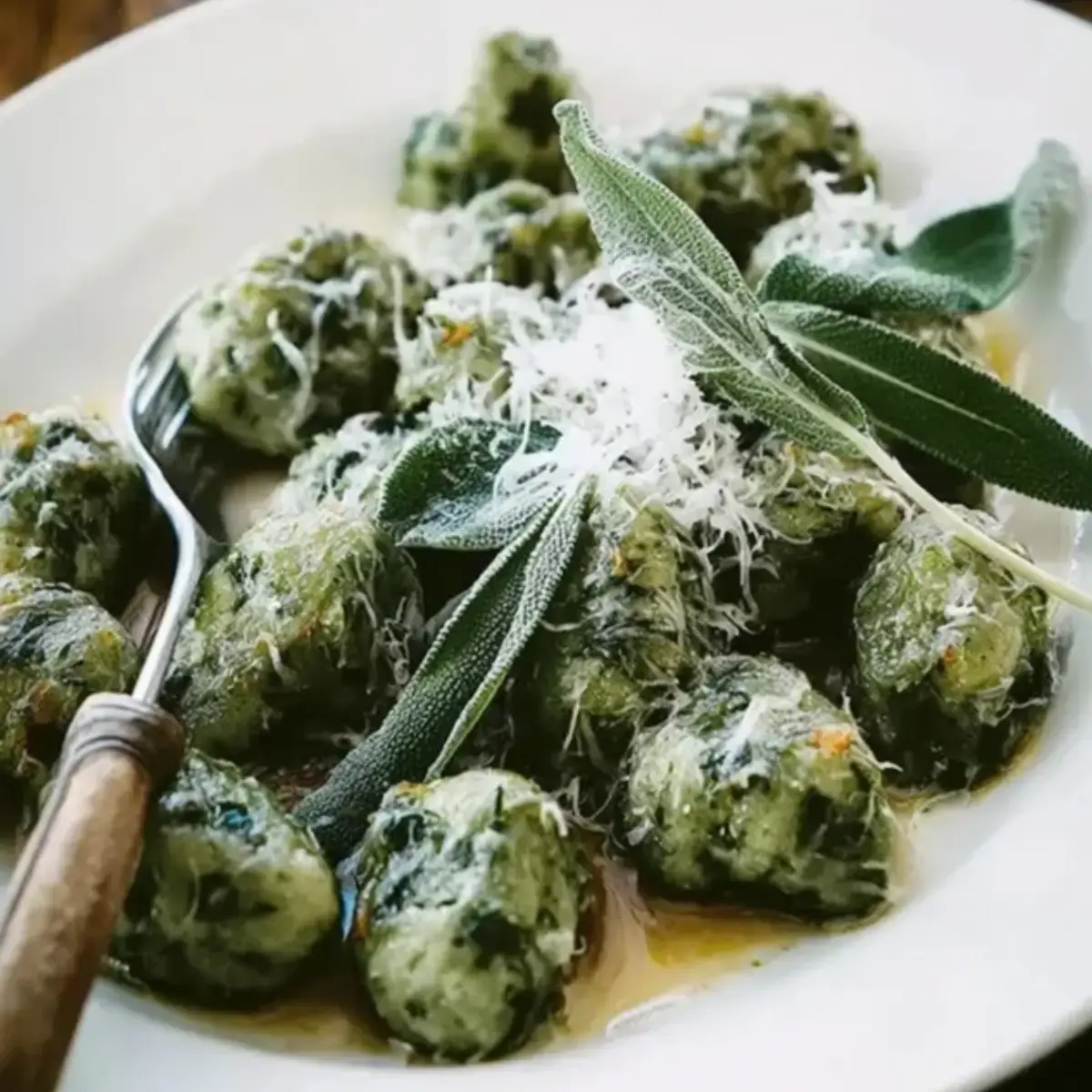
Salbei Nockerl mit Parmesan, or Sage Gnocchi with Parmesan, are a true culinary highlight for anyone who adores robust, vegetarian cuisine. This traditional dish masterfully blends the gentle creaminess of potato dough with the intense aroma of fresh sage and savory Parmesan cheese, creating a comforting yet sophisticated meal. They are not only a delight for the palate but also surprisingly versatile, making them an ideal choice for a cozy lunch or a satisfying dinner.
The balanced combination of ingredients ensures a perfect harmony between savory, fresh, and subtly nutty notes, elevating simple components into something truly special. This recipe promises a delightful culinary experience that is both grounding and elegantly flavored.
Why You Will Love This Recipe
- Effortless Elegance: These Nockerl offer a sophisticated taste with surprisingly simple preparation, making them perfect for both weeknight dinners and special occasions.
- Aromatic Infusion: The fragrant sage and rich Parmesan create a deeply satisfying flavor profile that is both comforting and uniquely delicious.
- Texture Perfection: Experience the delightful contrast of tender, pillowy Nockerl enveloped in a rich, nutty sage butter.
- Vegetarian Delight: A hearty and flavorful main course that proves vegetarian dishes can be incredibly satisfying and packed with flavor.
- Adaptable Charm: Easily customizable with simple ingredient swaps, allowing you to tailor them to your dietary needs and preferences.
Ingredients You Need
The foundation of exceptional Salbei Nockerl mit Parmesan lies in the quality of its ingredients. Opting for fresh, vibrant produce will significantly enhance the final taste and texture of your dish. Using good-quality potatoes, for instance, ensures a light and fluffy dough, while fresh sage provides that essential aromatic punch. The right kind of flour will also contribute to the perfect consistency, making the shaping process smooth and yielding tender results.
Sage Gnocchi with Parmesan
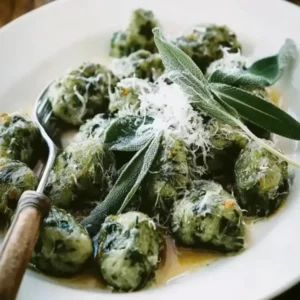
Sage Gnocchi with Parmesan are a true highlight for all lovers of hearty, vegetarian cuisine. This traditional dish combines the gentle creaminess of potato dough with the intense aroma of fresh sage and savory Parmesan. Sage Gnocchi with Parmesan are not only convincing in taste but also surprisingly versatile and ideal for a cozy lunch or dinner. Thanks to the balanced ingredients, a perfect balance between hearty, fresh, and slightly nutty is achieved.
- 800 g floury potatoes
- 100 g fresh spinach
- 60 g fresh sage
- 1 egg
- 100 g flour
- 2 tbsp olive oil
- 50 g butter
- 2 tbsp freshly grated Parmesan
- Salt to taste
- Freshly grated nutmeg to taste
- 1Wash the potatoes and cook them for about 30 minutes until soft. Then peel them, press them through a potato ricer, and let them steam well.
- 2Wash the spinach and sage, set aside a few sage leaves. Briefly blanch the rest of the sage with the spinach, shock in cold water, press out the liquid well, and chop coarsely.
- 3Puree the spinach and sage mixture finely with a little olive oil.
- 4Combine the potato mixture with the egg, flour, and herb mixture. Season with salt and freshly grated nutmeg and process into a smooth dough.
- 5Form small gnocchi from the dough using a floured tablespoon.
- 6Let them simmer in lightly salted water for 8-10 minutes until they rise to the surface.
- 7Melt the butter in a pan and lightly brown the remaining sage leaves in it.
- 8Drain the gnocchi, toss them in the sage butter, and serve with Parmesan.
Keywords: Sage Gnocchi, Parmesan, Vegetarian, Italian, Potato Gnocchi, Spinach
- potatoes (starchy variety): The essential base for the dough, providing a soft and airy texture that is characteristic of this dish.
- fresh spinach: Infuses the Nockerl with vibrant color, freshness, and valuable nutrients, contributing to a lighter feel.
- fresh sage leaves: Delivers the distinctive aromatic flavor, offering a slightly herbaceous and subtly peppery note that defines the dish.
- egg: Acts as a binder, helping to hold the dough together and contributing to its overall structure and richness.
- all-purpose flour: Provides structure to the dough, making it pliable and easy to shape without becoming too dense.
- olive oil: Used in the initial purée, it helps create a smooth herb mixture and adds a subtle fruity undertone.
- butter: Melts to create a rich, nutty coating for the Nockerl, infusing them with a wonderful aroma and flavor during the final stage.
- freshly grated Parmesan cheese: Rounds off the dish with its intense, savory, and slightly salty flavor, complementing the sage and potato beautifully.
- salt: Enhances and balances all the flavors in the dish, bringing out the best in each ingredient.
- freshly grated nutmeg: Adds a warm, slightly sweet, and aromatic complexity that pairs wonderfully with potato and sage.
The specific quantities for each ingredient are detailed within the accompanying recipe card, ensuring you have all the precise measurements needed for success.
Variations
For those seeking to tailor this delightful recipe to specific dietary needs or flavor preferences, numerous creative variations are possible. Embracing these alternatives allows the Salbei Nockerl mit Parmesan to cater to a wider audience and explore new taste dimensions.
Vegan Delight: To create a fully vegan version, the egg can be substituted with a flax egg (one tablespoon of ground flaxseed mixed with three tablespoons of water, left to sit for five minutes) or a commercial egg replacer. For the Parmesan, nutritional yeast is an excellent choice, providing a cheesy, umami flavor without any dairy. Some finely grated vegan hard cheese can also be incorporated for added richness.
Low-Carb Adaptation: While traditional Nockerl rely on potato, a low-carb variation can be achieved by using riced cauliflower or a blend of almond flour and psyllium husk as the base. This significantly alters the texture but can still capture the essence of the sage and Parmesan flavors. Ensure the cauliflower is thoroughly drained of moisture to prevent a soggy dough.
Gluten-Free Option: If gluten is a concern, a simple switch to a good quality gluten-free all-purpose flour blend can make these Nockerl suitable for those with celiac disease or gluten sensitivity. Ensure your chosen blend has xanthan gum for binding, or add a small amount if it doesn’t. This modification ensures the characteristic soft texture remains achievable.
Herbaceous Adventures: Beyond sage, experiment with other complementary herbs. A touch of fresh thyme or rosemary, finely chopped and added to the dough or the sage butter, can introduce new layers of aromatic complexity. These subtle additions can transform the familiar flavor profile into something new and exciting, perfect for adventurous palates.
How to Prepare Salbei Nockerl mit Parmesan
Step 1: Preparing the Potato Base
Begin by selecting the right potatoes; starchy varieties like Russets or Yukon Golds work best for their floury texture, which is crucial for a light dough. Wash the potatoes thoroughly under cold running water to remove any dirt, ensuring a clean start to the preparation process. Do not peel them at this stage, as the skins help retain moisture and nutrients during cooking, contributing to a better end result.
Boil or steam the potatoes until they are fork-tender, which typically takes about 30 to 40 minutes depending on their size. Overcooking should be avoided, as excessively soft potatoes can become waterlogged, making the dough difficult to handle. Once cooked, drain them immediately and allow them to steam dry in the colander for at least 10-15 minutes. This crucial step removes excess moisture, which is key to achieving a firm yet tender Nockerl dough.
While still warm, peel the potatoes. The skin should slip off easily. Pass the peeled, warm potatoes through a potato ricer or mash them thoroughly with a potato masher. Avoid using a food processor or blender, as this can create a gummy texture. Let the riced or mashed potatoes cool slightly until they are just warm to the touch, making them easier to handle while still allowing them to release any residual steam.
Step 2: Crafting the Herb and Spinach Purée
Carefully wash the fresh spinach and sage leaves under cool running water. Gently pat them dry with a clean kitchen towel or paper towels to remove excess moisture. Set aside a few of the most visually appealing sage leaves for garnishing the finished dish, ensuring they are kept pristine.
For the spinach, bring a small pot of lightly salted water to a rolling boil. Add the spinach and the remaining sage leaves, blanching them for just about 30 seconds to a minute, until they wilt and turn a vibrant green. This quick blanching helps to soften the leaves, reduce their volume, and preserve their bright color and nutrients.
Immediately drain the blanched greens and plunge them into a bowl of ice-cold water. This shock in cold water stops the cooking process instantly, locking in their fresh color and preventing them from becoming overcooked or mushy. After a minute or two, lift the greens from the ice bath and squeeze out as much excess water as possible. You can do this by pressing them against the side of the colander with the back of a spoon or by wrapping them in a clean tea towel and wringing it out firmly.
Transfer the well-drained spinach and sage mixture into a blender or food processor. Add the two tablespoons of olive oil to facilitate the blending process. Pulse the ingredients until you achieve a fine, smooth purée. You want a consistency that is homogenous and free of large leafy pieces, ensuring even distribution of flavor throughout the Nockerl dough.
Step 3: Forming the Nockerl Dough
In a large mixing bowl, combine the slightly cooled, riced potatoes with the prepared spinach-sage purée. Add the egg to the mixture; ensure the egg is at room temperature for better integration into the dough. This stage is where the core flavors of your Salbei Nockerl mit Parmesan begin to come together.
Season the mixture generously with salt to taste and a good grating of fresh nutmeg. The nutmeg adds a warm, aromatic depth that complements the sage and potato beautifully. Begin to gently incorporate the flour, adding it gradually. You may not need all 100 grams, or you might require a little more, depending on the moisture content of your potatoes and spinach.
Mix the ingredients with a fork or your hands until they just start to come together into a cohesive dough. Be careful not to overmix, as this can develop the gluten in the flour too much, resulting in tough Nockerl. The dough should be soft and slightly sticky, but manageable. If it feels too wet and sticky to handle, gradually add a little more flour, a tablespoon at a time, until it reaches the desired consistency.
Once the dough has formed, you can test its consistency. Take a small piece and try to roll it into a small ball. If it holds its shape without sticking excessively to your hands, it’s ready. The ideal dough is pliable and easy to shape, but not so firm that it becomes dense when cooked.
Step 4: Shaping and Cooking the Nockerl
Prepare a large pot with plenty of salted water and bring it to a gentle simmer over medium-low heat. It’s crucial that the water is not at a rolling boil, as vigorous boiling can cause the delicate Nockerl to break apart. The water should have small bubbles rising from the bottom, indicating a gentle heat.
To shape the Nockerl, lightly flour your hands or have a small bowl of flour nearby. You can use two spoons: dip one spoon into the dough, then use the second spoon to scoop the dough off the first, shaping it into an oval or teardrop form as it falls into the simmering water. Alternatively, you can roll small portions of the dough into ropes about 1-2 cm thick and then cut them into bite-sized pieces using a knife or bench scraper.
Gently drop the shaped Nockerl into the simmering water, making sure not to overcrowd the pot. Cook them in batches if necessary to ensure even cooking. The Nockerl are ready when they float to the surface, which typically takes about 8 to 10 minutes. As they cook, their volume will increase slightly, and they will become tender and pillowy.
Once they float, allow them to simmer gently for another minute or two to ensure they are cooked through. Use a slotted spoon to carefully lift the cooked Nockerl from the water, allowing excess water to drain away. Place the cooked Nockerl onto a plate or tray, keeping them warm while you prepare the sage butter sauce. Avoid stacking them too high, as they can stick together.
Step 5: Creating the Aromatic Sage Butter
In a large skillet or frying pan, melt the butter over medium heat. Allow the butter to gently bubble and foam. The key here is to allow the butter to cook slightly until it begins to turn a pale golden brown and releases a nutty aroma. This process, known as browning or “beurre noisette,” adds a significant depth of flavor that enhances the overall dish.
Be watchful during this stage, as browned butter can quickly go from perfectly nutty to burnt. Once you achieve the desired golden hue and aroma, add the reserved fresh sage leaves to the pan. The hot butter will instantly sizzle and release the fragrant oils from the sage, infusing the butter with its distinct flavor and aroma.
Fry the sage leaves in the butter for about 30 seconds to a minute, until they become slightly crispy and translucent. This quick fry crisps the leaves, making them a delightful textural contrast, while their essence permeates the butter. Carefully remove the crispy sage leaves from the butter with a slotted spoon and set them aside on a paper towel to drain; they will be used for garnish.
Step 6: Finishing and Serving
Gently add the drained, cooked Salbei Nockerl mit Parmesan directly into the skillet with the infused sage butter. Toss them carefully to coat each Nockerl evenly with the aromatic butter. This step allows the Nockerl to absorb the rich, nutty flavors of the browned butter and sage, bringing the dish to its delicious conclusion.
Continue to gently sauté the Nockerl in the sage butter for about 1-2 minutes, allowing them to heat through and develop a light golden crust on the outside. This brief sautéing also helps to bind any residual moisture, ensuring each Nockerl has a pleasing texture. Ensure they are coated well, but avoid over-stirring, which could break them apart.
To serve, arrange the warm Salbei Nockerl mit Parmesan on serving plates. Garnish generously with the freshly grated Parmesan cheese, allowing it to melt slightly on the warm Nockerl. Sprinkle the reserved crispy sage leaves over the top for an added visual appeal and burst of flavor. Serve immediately while hot to best enjoy their texture and aroma.
Pro Tips for Salbei Nockerl mit Parmesan
Dry Potatoes are Key: The most critical factor for success is ensuring your cooked potatoes are as dry as possible. After boiling or steaming, let them sit and steam dry for at least 15 minutes. This prevents a wet dough, which requires too much flour, leading to dense Nockerl.
Handle Dough Gently: Avoid overworking the dough once the flour is added. Mix just until it comes together. Over-kneading will result in tough, chewy Nockerl instead of the desired tender texture. If the dough is sticky, use slightly floured hands or a bench scraper to shape it.
Simmer, Don’t Boil: Cook the Nockerl in gently simmering, not rapidly boiling, water. Vigorous boiling can cause them to break apart before they are cooked through. The gentle heat ensures they cook evenly and maintain their delicate shape.
Brown the Butter Wisely: For an enhanced nutty flavor, brown the butter until it’s a lovely golden hue. Watch it closely, as it can burn quickly. The aroma will change from milky to nutty. The crispy sage leaves add a fantastic textural element and concentrated flavor.
Taste and Adjust: Always taste your dough before shaping. Adjust the salt and nutmeg as needed. Remember that Parmesan is salty, so factor that in. A final taste of the cooked Nockerl before serving allows for any last-minute seasoning tweaks.
Serving Suggestions for Salbei Nockerl mit Parmesan
Decoration
The visual appeal of Salbei Nockerl mit Parmesan can be significantly enhanced with simple yet elegant garnishes. The crispy fried sage leaves, reserved from the butter-browning process, are essential. Their delicate crispness and concentrated aroma provide a beautiful contrast to the soft Nockerl. A generous dusting of freshly grated Parmesan cheese is also crucial, not just for flavor but also for its visual appeal as it melts slightly into the warm dish.
For an extra touch, consider a drizzle of high-quality extra virgin olive oil over the finished dish just before serving. A few microgreens or a sprinkle of freshly ground black pepper can add a final flourish. These small additions elevate the presentation, making the dish as pleasing to the eye as it is to the palate.
Side Dishes
Salbei Nockerl mit Parmesan are wonderfully adaptable and pair beautifully with a variety of side dishes. A simple, crisp green salad dressed with a light vinaigrette provides a refreshing counterpoint to the richness of the Nockerl. The acidity of the dressing cuts through the butter and cheese, balancing the meal perfectly.
Roasted seasonal vegetables, such as asparagus, cherry tomatoes, or Brussels sprouts, offer complementary flavors and textures. The slight char from roasting adds another layer of complexity that works well with the sage and Parmesan. Alternatively, a light, smooth tomato sauce or a simple side of steamed green beans can also complement the dish without overpowering its delicate flavors.
Creative Serving Ideas
For a more substantial meal, consider serving the Salbei Nockerl mit Parmesan as a side dish to pan-seared chicken breast or a delicate piece of baked fish. Their rich, herbaceous flavor makes them an excellent accompaniment to lighter proteins. The Nockerl can also be incorporated into a larger vegetarian feast, perhaps alongside a hearty lentil stew or a creamy mushroom risotto for a more indulgent experience.
For a truly elegant presentation, serve the Nockerl in shallow bowls, ensuring each serving has a good amount of sage butter and crispy sage leaves. You could also consider a small dollop of crème fraîche or a spoonful of pesto for an added burst of flavor and visual interest. These creative touches can transform a comforting dish into a restaurant-quality experience.
Preparation & Storage
Storing Leftovers
Leftover Salbei Nockerl mit Parmesan can be stored in an airtight container in the refrigerator for up to two days. It is best to let them cool completely before transferring them to the container to prevent condensation, which can make them soggy. Ensure the container is well-sealed to maintain freshness and prevent them from absorbing other odors in the refrigerator.
When storing, try to avoid stacking them too tightly if possible. If they are a bit clumpy, it’s not a major issue, as they will be reheated. However, preserving their individual shape as much as possible can help with reheating more evenly. This method ensures that the texture and flavor are maintained for subsequent enjoyment.
Freezing
Freezing Salbei Nockerl mit Parmesan is a viable option, though it’s important to manage expectations regarding texture post-thaw. It’s best to freeze them after they have been cooked but before they have been dressed with the final sage butter. Spread them in a single layer on a baking sheet lined with parchment paper and freeze until solid, which typically takes about 1-2 hours. This flash-freezing prevents them from clumping together.
Once frozen solid, transfer the Nockerl to a freezer-safe bag or airtight container. They can be stored in the freezer for up to 2-3 months. Label the container with the date of freezing to keep track of freshness. Freezing them in portions can make reheating more convenient later on.
Reheating
To reheat leftover Salbei Nockerl mit Parmesan, the best method is to pan-fry them. Heat a tablespoon or two of butter or olive oil in a skillet over medium heat. Add the refrigerated Nockerl and sauté them until they are heated through and lightly golden, about 5-7 minutes. This helps to restore their texture and a bit of crispness.
If reheating from frozen, it’s advisable to thaw them completely in the refrigerator first, then pan-fry as described. Alternatively, you can gently simmer them in a little water or broth until heated through, but this method may result in a softer texture. For a quick microwave reheat, use low power and stir frequently, but be aware that this method is most likely to affect their texture negatively, potentially making them gummy.
Frequently Asked Questions
-
How do I ensure my Salbei Nockerl mit Parmesan don’t stick together during cooking or serving?
To prevent sticking, several factors are crucial. First, ensure you are cooking the Nockerl in plenty of well-salted, gently simmering water; overcrowding the pot can lead to sticking. As they cook, they should naturally float and separate if the water is sufficiently agitated by simmering. After they float, allow them an extra minute or two to firm up slightly. When removing them with a slotted spoon, drain them thoroughly. For the final step, toss them immediately in the warmed sage butter, which acts as a natural lubricant and coating, preventing adhesion. If preparing them ahead, tossing them gently with a small amount of olive oil after draining can also help maintain separation before the final butter saucing.
-
What is the best type of potato to use for Salbei Nockerl mit Parmesan, and why does it matter so much?
The ideal potatoes for this dish are starchy or floury varieties, such as Russets (also known as King Edward or Desiree in some regions), or Yukon Golds. These types of potatoes have a higher starch content and lower moisture content, which is essential for creating a light, tender, and cohesive dough. When cooked and riced, they yield a fluffy texture that absorbs other ingredients well without becoming heavy or gummy. Waxy potatoes, like new potatoes or fingerlings, have a higher moisture content and tend to be more crumbly or hold their shape, which can lead to a dense or sticky dough that is difficult to work with and results in less appealing Nockerl.
-
Can I make the dough for Salbei Nockerl mit Parmesan ahead of time, and if so, how should I store it?
Yes, you can prepare the dough for Salbei Nockerl mit Parmesan in advance, which can be a great time-saver. Once the dough has been mixed and is ready to be shaped, wrap it tightly in plastic wrap or place it in an airtight container. Store it in the refrigerator for up to 24 hours. It’s important to note that chilled dough will be firmer, so you might need to let it sit at room temperature for about 15-20 minutes before shaping to make it more pliable and easier to handle. If the dough becomes too sticky after resting, you can lightly flour your hands or the work surface when shaping.