Rotzungenfilet mit Kirschtomaten Rezept einfach – Muma’s Kitchen
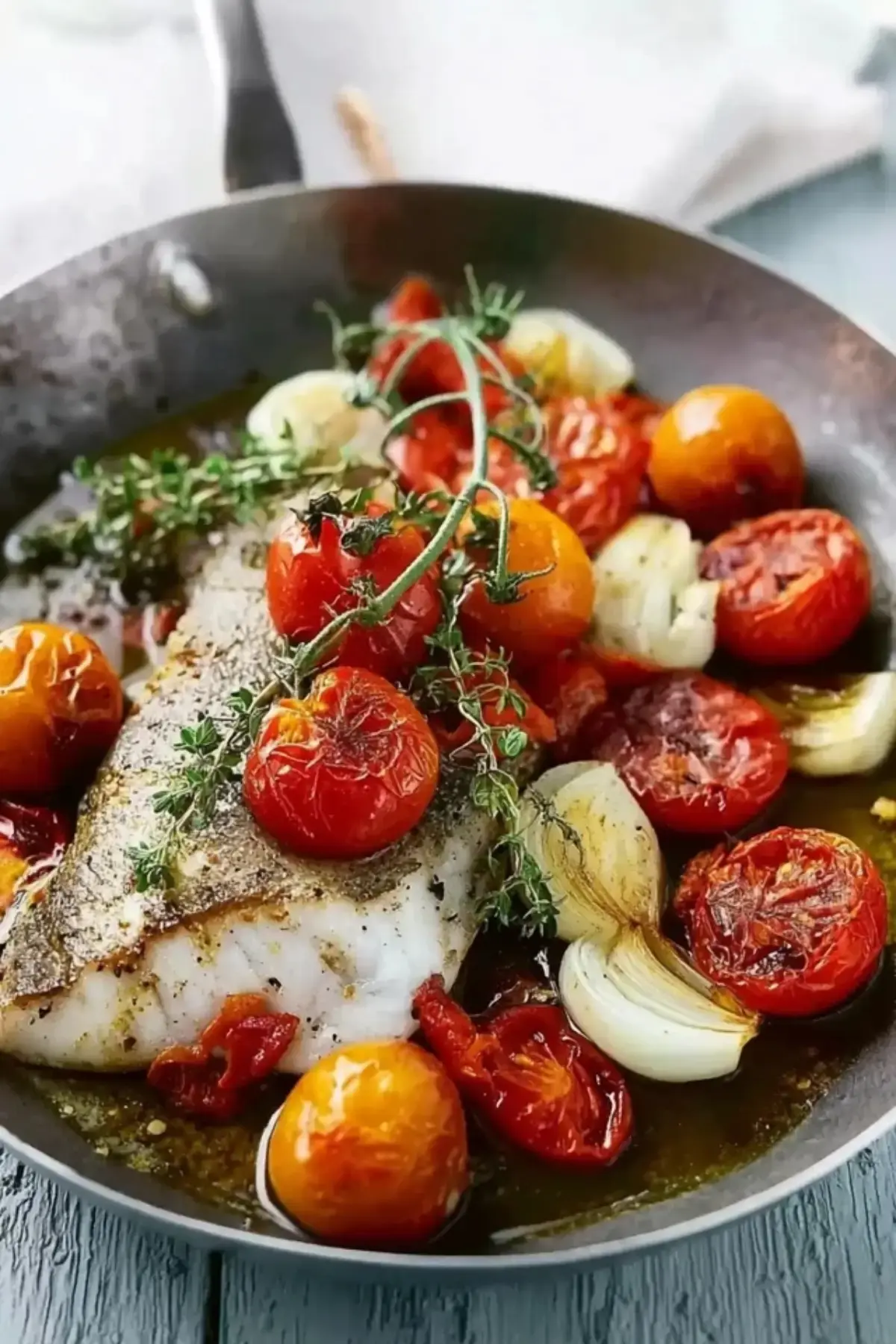
Rotzungenfilet mit Kirschtomaten is a light, elegant dish that impresses both on everyday occasions and for special celebrations. The combination of tender fish fillet and sweet-and-sour cherry tomatoes creates a harmonious taste experience that is fresh, healthy, and quickly prepared. This recipe for Rotzungenfilet mit Kirschtomaten captivates with its simplicity and the delicate aromas of Mediterranean cuisine.
Whether for a quick dinner or a stylish menu, this dish brings culinary delight to your plate. It’s a perfect example of how simple ingredients can come together to create something truly special, highlighting the natural flavors of fresh produce and fine fish.
Why You Will Love This Recipe
- Quick Preparation: Dinner is on the table in less than 30 minutes, making it perfect for busy weeknights or spontaneous cravings. The minimal prep and cook time mean you can enjoy a gourmet meal without spending hours in the kitchen.
- Healthy and Light: Packed with lean protein from the Rotzunge and vibrant vitamins from the cherry tomatoes, this dish is a guilt-free pleasure. It’s an excellent choice for those looking to maintain a balanced and healthy diet without sacrificing flavor or elegance.
- Simple Yet Elegant: This recipe proves that sophisticated dining doesn’t require complex techniques. The beautiful presentation and delicious flavors make it suitable for entertaining guests or for a romantic dinner for two.
- Versatile Flavors: The mildness of the Rotzunge pairs beautifully with the sweetness of the tomatoes and the subtle aromatics of garlic and herbs. This creates a well-rounded flavor profile that appeals to a wide range of palates, offering a delightful Mediterranean flair.
- Minimal Ingredients: You only need a few high-quality ingredients to create this stunning dish, most of which are pantry staples. This makes it an accessible and budget-friendly option for a delicious and impressive meal any night of the week.
Ingredients You Need
The quality of your ingredients is paramount to the success of this Rotzungenfilet mit Kirschtomaten. Opt for the freshest fish available, ensuring it has a clean, briny scent, and bright, clear eyes if purchasing whole. Similarly, choose plump, vibrant cherry tomatoes that are firm to the touch, as they will provide the essential sweetness and acidity. Using good quality olive oil and fresh herbs will further elevate the dish, bringing out the authentic Mediterranean character that makes this recipe so delightful.
Sole Fillet with Cherry Tomatoes
Sole fillet with cherry tomatoes is a light, elegant dish that impresses both everyday and on special occasions. The combination of tender fish fillet and sweet-sour cherry tomatoes creates a harmonious taste experience that is fresh, healthy, and quickly prepared. This recipe for sole fillet with cherry tomatoes captivates with its simplicity and the delicate aromas of Mediterranean cuisine. Whether for a quick dinner or a stylish menu – this dish brings enjoyment to the plate.
- 4 sole fillets (approx. 600 g)
- 250 g cherry tomatoes
- 1 small onion
- 2 cloves garlic
- 2 tbsp olive oil
- 100 ml white wine
- 1 tbsp lemon juice
- 20 g butter
- 2 tbsp fresh parsley (chopped)
- Salt to taste
- Pepper to taste
- 1Rinse the sole fillets under cold water, pat dry, and season with salt and pepper.
- 2Wash and halve the cherry tomatoes. Finely chop the onion and garlic.
- 3Heat olive oil in a pan and sauté the onion until translucent.
- 4Add garlic and sauté briefly without browning.
- 5Add the cherry tomatoes to the pan and sauté for 3-4 minutes until they soften.
- 6Carefully place the sole fillets in the pan and cook for 3-5 minutes per side over medium heat.
- 7Deglaze with white wine and let it reduce briefly.
- 8Add lemon juice and mix everything well.
- 9Stir in butter until a light sauce forms.
- 10Sprinkle with fresh parsley and serve immediately.
Keywords: sole, fish, cherry tomatoes, lemon, garlic, white wine, parsley, Mediterranean, quick, healthy, elegant
- rotzungenfilet: the star of the show, offering a delicate texture and mild flavor that absorbs other seasonings beautifully.
- cherry tomatoes: bursting with sweet and tangy juices, they form the flavorful base of the sauce and add vibrant color.
- garlic: a fundamental aromatic that adds depth and a subtle pungent kick to the dish.
- onion: provides a foundational sweetness and savory notes, softening as it cooks to meld with the other ingredients.
- olive oil: essential for sautéing, it imparts a characteristic Mediterranean richness and helps to meld the flavors together.
- dry white wine: deglazes the pan, adding a layer of complexity and acidity that balances the richness and enhances the sauce.
- lemon juice: a bright, zesty finish that cuts through the richness and awakens the palate, highlighting the freshness of the fish and tomatoes.
- fresh herbs (like parsley or basil): offer a burst of freshness and aromatic complexity, adding a final layer of flavor and visual appeal.
- salt: a universal flavor enhancer that brings out the natural taste of all the ingredients.
- black pepper: provides a subtle warmth and spice that complements the other flavors without overpowering them.
- butter: used at the end to create a silky, emulsified sauce that coats the fish and vegetables luxuriously.
The precise quantities for each ingredient are detailed within the accompanying recipe card, ensuring accuracy for perfect results every time you cook this delightful dish.
Variations
For those seeking a plant-based alternative, this dish can be wonderfully adapted to a vegan Rotzungenfilet mit Kirschtomaten. Replace the fish with firm tofu, thick slices of king oyster mushrooms, or a high-quality vegan fish substitute. The key is to ensure whatever you choose can hold its shape and texture during cooking. Sautéing these alternatives until golden brown will provide a satisfying chewiness, and they will readily absorb the delicious tomato and wine sauce.
To cater to a low-carb lifestyle, simply omit any starchy side dishes. The main Rotzungenfilet mit Kirschtomaten is naturally low in carbohydrates, and focusing on the fish and vegetable components makes it an excellent choice. You could enhance the dish with extra healthy fats by adding a few Kalamata olives or a sprinkle of toasted pine nuts for added texture and flavor, making it a satisfying and compliant meal.
Embracing a gluten-free approach is also straightforward with this recipe. Naturally, the fish and vegetables are gluten-free. Ensure your choice of white wine is also gluten-free, as some wines can contain fining agents. If you’re serving this with a side, opt for quinoa, gluten-free pasta, or roasted root vegetables instead of traditional bread or regular pasta to maintain the gluten-free integrity of your meal.
How to Prepare Rotzungenfilet mit Kirschtomaten
Step 1: Preparing the Fish and Aromatics
Begin by gently rinsing the Rotzungenfilets under cold running water. This step is crucial for removing any residual impurities and ensuring a clean taste. After rinsing, pat the fillets thoroughly dry with paper towels. Moisture on the fish can prevent proper searing, leading to a less desirable texture. This drying process is essential for achieving a perfect crust.
Once dry, season the Rotzungenfilets generously on both sides with salt and freshly ground black pepper. This initial seasoning allows the flavors to penetrate the delicate fish flesh as it cooks. Be mindful not to over-season, as the other components of the dish will also contribute to the overall taste profile. The goal is to enhance, not overpower, the natural flavor of the fish.
Concurrently, prepare your aromatics. Wash the cherry tomatoes and halve them; this allows their juices to release more easily during cooking, creating a more intense tomato flavor in the sauce. Peel the small onion and mince it finely, aiming for consistent, small pieces that will cook evenly. Similarly, mince the garlic cloves, being careful not to over-process them, as crushed garlic can become bitter if cooked too long.
Step 2: Sautéing the Aromatics
Place a large, sturdy skillet over medium heat and add the olive oil. Allow the oil to heat up until it shimmers but does not smoke. The shimmering indicates the oil is at the optimal temperature for sautéing, ensuring even cooking without burning the ingredients.
Add the minced onion to the hot oil and sauté until it becomes translucent and softened, which should take about 3-4 minutes. Stir the onions occasionally to ensure they cook evenly. This gentle cooking process draws out their natural sweetness and mellows their sharp flavor, forming a flavorful base for the sauce. Avoid browning the onions at this stage; transparency is the goal.
Next, add the minced garlic to the skillet with the softened onions. Sauté for another minute, stirring constantly, until the garlic is fragrant. It’s crucial not to let the garlic burn, as burnt garlic turns bitter and will spoil the delicate flavor of the dish. The aroma of the garlic should be noticeable but not overpowering, indicating it has just begun to release its volatile oils.
Step 3: Cooking the Cherry Tomatoes
Introduce the halved cherry tomatoes into the skillet with the sautéed onions and garlic. Stir everything together to coat the tomatoes with the flavorful oil. Increase the heat slightly to medium-high to encourage the tomatoes to soften and release their juices.
Cook the cherry tomatoes for about 3-5 minutes, stirring occasionally. During this time, you’ll notice the tomatoes begin to soften and wrinkle, and their vibrant red color will deepen. This process allows their natural sugars to caramelize slightly, concentrating their flavor and creating a delicious, slightly syrupy base for the sauce. Some tomatoes may even begin to burst, which is desirable as it further enhances the sauciness of the dish.
Once the tomatoes have softened and begun to release their juices, you can gently press down on some of them with the back of your spoon. This action helps to further break them down and release even more of their sweet, tangy liquid, contributing to a richer and more flavorful sauce. This step ensures a well-rounded tomato component that complements the delicate fish perfectly.
Step 4: Pan-Searing the Rotzungenfilet
Carefully lay the seasoned Rotzungenfilets into the skillet with the cherry tomatoes and aromatics. Ensure they are placed in a single layer, without overcrowding the pan, to allow for even searing. If your pan is not large enough, it’s better to cook the fish in batches to maintain optimal cooking temperature and achieve a good sear.
Sear the fish for approximately 3-5 minutes per side, depending on the thickness of the fillets. The exact cooking time will vary, so it’s important to watch the fish closely. You’re looking for the fish to become opaque and flake easily with a fork when it’s perfectly cooked. Overcooking will result in dry, tough fish, which is something to avoid with such delicate fillets.
The goal is a gentle sear that cooks the fish through while keeping it incredibly moist and tender. The slightly softened tomatoes and released juices will help to steam and baste the fish as it cooks, contributing to its succulence. This combination of pan-searing and gentle braising within its own juices is key to achieving that melt-in-your-mouth texture that makes this dish so appealing.
Step 5: Deglazing and Building the Sauce
Once the Rotzungenfilets are nearly cooked through, it’s time to create the finishing sauce. Carefully pour the dry white wine into the skillet. The wine will sizzle as it hits the hot pan, and you should use a spatula or spoon to scrape up any browned bits from the bottom of the pan. These bits, known as fond, are packed with flavor and will significantly enhance the sauce.
Allow the wine to simmer and reduce by about half, which will take approximately 2-3 minutes. This reduction process concentrates the alcohol, leaving behind a richer, more intense wine flavor that forms the backbone of the sauce. The acidity in the wine also helps to cut through the richness of the dish and balance the sweetness of the tomatoes.
After the wine has reduced, stir in the fresh lemon juice. The bright, zesty flavor of the lemon adds a crucial element of freshness, lifting all the other flavors in the dish. It balances the savory notes from the fish and onions, the sweetness of the tomatoes, and the depth of the wine, creating a harmonious and vibrant sauce.
Step 6: Finishing and Serving
Reduce the heat to low and add the cold butter to the skillet. Swirl the pan gently or whisk the butter into the sauce. The cold butter will emulsify with the liquid, creating a slightly thickened, glossy sauce that coats the back of a spoon. This technique, known as “monter au beurre,” adds a luxurious richness and silky texture to the sauce.
Be careful not to boil the sauce after adding the butter, as this can cause it to separate. The gentle heat is enough to melt and emulsify the butter, creating a smooth and creamy finish. The sauce should have a lovely consistency that clings perfectly to the fish and tomatoes.
Finally, sprinkle the dish generously with freshly chopped parsley or your herb of choice. The vibrant green of the herbs adds a beautiful visual contrast and a burst of fresh, herbaceous flavor that complements the entire dish. Serve the Rotzungenfilet mit Kirschtomaten immediately, ensuring that each portion is beautifully plated with plenty of the delicious tomato and wine sauce spooned over the top. A sprinkle of additional fresh herbs can be added as a final garnish for an extra touch of elegance.
Pro Tips for Rotzungenfilet mit Kirschtomaten
Master the Fish Cooking Time: The absolute key to perfect Rotzungenfilet is not to overcook it. Rotzunge is a delicate fish and cooks very quickly; typically, 3-5 minutes per side over medium heat is sufficient. You want the fish to be just opaque and flake easily with a fork. Cooking it any longer will render it dry and tough, a stark contrast to its intended tender and moist texture. It’s better to err on the side of slightly underdone, as it will continue to cook gently in the residual heat.
Select Peak-Season Tomatoes: For the most vibrant flavor, use ripe, in-season cherry tomatoes. Their natural sweetness and acidity are crucial to the dish’s profile. If cherry tomatoes are out of season, opt for the best quality you can find, perhaps heirloom varieties, which often have more intense flavor. The freshness of these tomatoes directly impacts the quality of the sauce, so don’t compromise here.
Don’t Burn the Garlic: Garlic is a powerful aromatic, but it can easily turn bitter if overheated. Add it to the pan after the onions have softened and sauté for only about 30-60 seconds until fragrant. The residual heat of the pan and oil is enough to release its flavor without letting it brown or scorch. If you’re nervous, add it just before the tomatoes.
Adjust Sauce Consistency: If your sauce seems too thin after adding the wine and lemon juice, you can allow it to simmer for an extra minute or two to reduce further. Conversely, if it becomes too thick, a splash of water or vegetable broth can help loosen it. The final addition of butter will also naturally thicken the sauce slightly, creating a beautiful sheen.
Consider a Splash of Acidity at the End: While lemon juice is included, tasting the final sauce and adding a tiny bit more lemon juice or even a delicate dash of white wine vinegar can brighten flavors. This is especially helpful if your tomatoes weren’t very acidic or if you feel the dish needs an extra pop. This final adjustment ensures the flavors are perfectly balanced and sing on the palate.
Serving Suggestions for Rotzungenfilet mit Kirschtomaten
Decoration
To elevate the visual appeal of your Rotzungenfilet mit Kirschtomaten, focus on fresh garnishes. A generous sprinkle of finely chopped fresh parsley is classic and effective, providing a vibrant green contrast to the red tomatoes and pale fish. Alternatively, a few fresh basil leaves, torn or chiffonaded, can add an aromatic Italian flair. For a touch of elegance, consider a very light drizzle of high-quality extra virgin olive oil over the top just before serving, or perhaps a few microgreens for a sophisticated finish.
Side Dishes
This light and flavorful fish dish pairs beautifully with a variety of side dishes. Steamed or fluffy rice makes an excellent base to soak up the delicious tomato and wine sauce. Simple boiled or roasted new potatoes, perhaps tossed with a little fresh dill or parsley, are another wonderful accompaniment. For those who enjoy a crusty bread, a slice of warm, toasted baguette is perfect for sopping up every last drop of the savory sauce.
Creative Serving Ideas
Transform this simple dish into a more elaborate meal by serving it atop a bed of perfectly cooked spaghetti or linguine for an Italian-inspired pasta dish. You could also incorporate additional Mediterranean elements by adding a handful of pitted Kalamata olives or a sprinkle of capers to the sauce during the last few minutes of cooking, providing a delightful briny complexity. For a lighter, more summery option, serve the Rotzungenfilet mit Kirschtomaten alongside a crisp green salad dressed with a light vinaigrette, or with a side of grilled asparagus for added color and flavor.
Preparation & Storage
Storing Leftovers
Leftovers of Rotzungenfilet mit Kirschtomaten can be stored in an airtight container in the refrigerator for up to 2 days. It’s important to let the dish cool down completely before sealing and refrigerating it to prevent condensation buildup, which can affect the texture. Ensure the container is well-sealed to maintain freshness and prevent the absorption of any odors from other foods in the refrigerator. Properly stored leftovers will retain their flavor and much of their original appeal.
Freezing
While fresh is always best, freezing Rotzungenfilet mit Kirschtomaten is possible, though the texture of the fish may change slightly upon thawing. To freeze, allow the dish to cool completely. Portion it into freezer-safe containers or bags, removing as much air as possible to prevent freezer burn. It’s advisable to freeze the fish and sauce separately if possible, as the sauce might freeze better than the delicate fish. Frozen leftovers are best consumed within 1-2 months for optimal quality.
Reheating
When reheating, the goal is to gently warm the dish without overcooking the fish, which can easily become dry. The best method is to reheat it gently on the stovetop over low heat, stirring occasionally. Alternatively, you can microwave it on a lower power setting, checking and stirring every minute until heated through. If reheating frozen portions, allow them to thaw in the refrigerator overnight before reheating. A very gentle warm-up is key to preserving the tender texture of the Rotzunge.
Frequently Asked Questions
-
How can I ensure the Rotzungenfilet stays tender and moist?
The key to tender and moist Rotzungenfilet lies in precise cooking time and temperature. Rotzunge is a very delicate white fish that cooks rapidly. It should be seared over medium heat for only about 3-5 minutes per side, depending on the thickness of the fillet. Look for the fish to turn opaque and flake easily with a fork. Overcooking is the primary culprit for dry fish. Additionally, ensuring the pan is not overcrowded allows for even cooking and searing, and the gentle braising in the tomato and wine sauce helps to keep the fish succulent throughout the cooking process.
-
Can I substitute the white wine with something else if I prefer not to use alcohol?
Absolutely. If you prefer an alcohol-free version, you can easily substitute the white wine with an equal amount of low-sodium vegetable broth or fish stock. The broth will provide a savory liquid base for the sauce, and while it won’t impart the exact complexity that wine does, it will still create a delicious and flavorful sauce. You might want to add a tiny splash of white wine vinegar or a bit more lemon juice towards the end of cooking to compensate for the lost acidity from the wine and ensure the sauce remains bright and balanced.
-
What are the best side dishes to serve with Rotzungenfilet mit Kirschtomaten?
Rotzungenfilet mit Kirschtomaten pairs wonderfully with a variety of side dishes that complement its light and fresh flavors. For a classic combination, serve it with steamed basmati rice or fluffy couscous, which are excellent for soaking up the delicious sauce. Simple boiled or roasted new potatoes, perhaps tossed with fresh herbs like parsley or dill, also make a delightful accompaniment. A crusty baguette is perfect for mopping up any remaining sauce. For a lighter, more elegant meal, consider serving it alongside grilled or steamed asparagus, green beans, or a simple mixed green salad with a light lemon vinaigrette.