Grilled Teriyaki Steak Kabobs
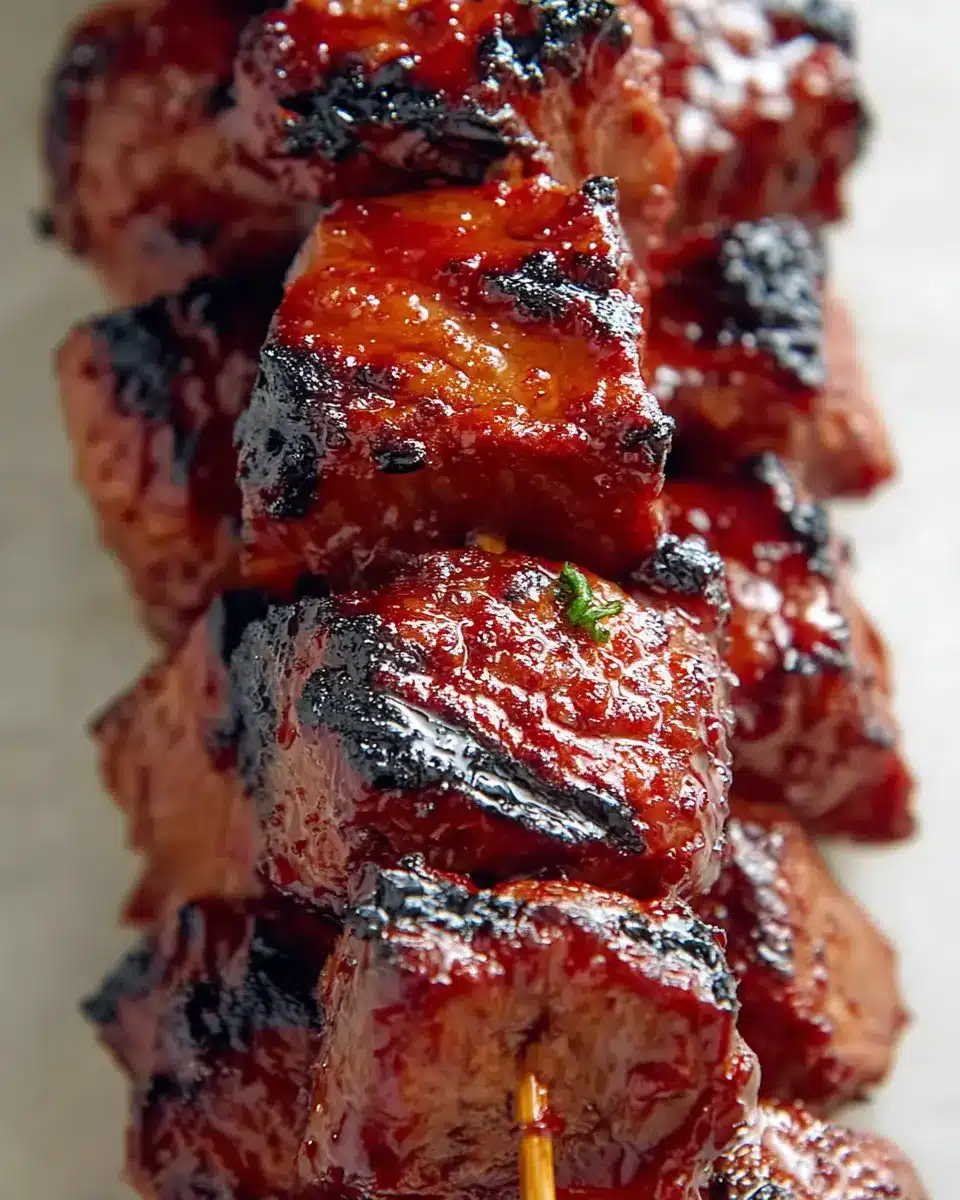
Grilled Teriyaki Steak Kabobs are a fantastic way to bring bold, sweet, and savory flavors to your next barbecue. They’re perfect for feeding a crowd and can be prepped ahead of time, making your entertaining stress-free and enjoyable.
This recipe offers a delightful balance of tender beef marinated in a luscious teriyaki-inspired sauce, kissed by the smoky char of the grill. It’s a dish that always impresses, whether served as a main course or a substantial appetizer.
Why You Will Love This Recipe
- Flavorful Marinade: A rich blend of soy sauce, brown sugar, and pineapple juice creates an irresistible sweet and savory glaze for the beef.
- Tender Beef: Using round steak cut into cubes ensures the meat is hearty yet tender when cooked to perfection on the grill.
- Make-Ahead Convenience: The steak can marinate overnight, meaning minimal preparation is needed right before grilling.
- Crowd-Pleasing: Kabobs are inherently fun to eat and perfect for parties, cookouts, or casual family dinners.
- Quick Grilling: Once marinated, these kabobs cook quickly on the grill, allowing you to spend more time with your guests.
The heart of any great kabob lies in its marinade, and this one is a showstopper. It’s a classic combination that’s deeply satisfying and wonderfully adaptable to other proteins as well.
Ingredients You Need
Selecting high-quality ingredients is paramount for achieving the best possible flavor and texture in your grilled teriyaki steak kabobs. Freshly minced garlic, good quality soy sauce, and ripe pineapple juice will significantly enhance the final taste profile, ensuring a dish that’s both vibrant and delicious.
Grilled Teriyaki Steak Kabobs
Grilled teriyaki steak kabobs feature tender cubes of beef steeped in a sweet and savory marinade made with soy sauce, brown sugar, pineapple juice, garlic, and oil. After a full marinating period, the skewered steak is grilled until lightly charred and thoroughly cooked, producing a flavorful dish suitable for either a main course or a hearty appetizer.
- 3 large garlic cloves, finely minced
- 1/2 cup pineapple juice
- 1 cup soy sauce
- 1/4 cup vegetable oil
- 1/2 cup water
- 1 1/2 cups packed light brown sugar
- 4 pounds boneless round steak, cut into 1-inch cubes
- Bamboo skewers, soaked in water for
- 30 minutes
- 1In a large mixing bowl, combine the light brown sugar, soy sauce, water, pineapple juice, vegetable oil, and minced garlic. Whisk thoroughly until the sugar is dissolved and the marinade is evenly blended.
- 2Add the cubed round steak to the marinade and stir carefully so each piece is fully coated. Cover the bowl tightly with plastic wrap and refrigerate for 24 hours to allow the flavors to penetrate the meat.
- 3Remove the marinated beef from the refrigerator and lift the pieces from the liquid, allowing any excess marinade to drip away. Discard the used marinade.
- 4Thread the beef onto the soaked bamboo skewers, arranging the pieces in a zig-zag pattern so they are secure and evenly spaced for grilling.
- 5Preheat the grill to medium heat. Lightly oil the grill grate to help prevent sticking during cooking.
- 6Arrange the skewers on the hot grill and cook for approximately 3 minutes per side, or until the beef is fully cooked and marked with light charring. Monitor the kabobs closely to avoid overcooking.
- 7Transfer the grilled skewers from the grill and allow them to rest briefly before serving.
Keywords: Grilled Teriyaki Steak Kabobs
The quantities for each ingredient are detailed within the recipe card, providing you with precise measurements for a perfect outcome.
Variations
For a delightful vegan twist, consider substituting the beef with firm tofu or large portobello mushroom pieces. Marinate them in the same teriyaki sauce, ensuring they are well-coated, and grill until tender and slightly caramelized. This variation offers a plant-based alternative that is just as flavorful and satisfying, perfect for those with dietary preferences.
A low-carb adaptation can be achieved by omitting the brown sugar from the marinade and using a sugar-free teriyaki sauce or a blend of tamari, ginger, garlic, and a touch of stevia or erythritol for sweetness. Serve the meat and vegetables (like bell peppers and onions) without rice or sugary sauces to keep it low in carbohydrates.
To introduce a different protein, chicken thighs or large shrimp make excellent substitutes for beef. Chicken will require a slightly longer marinating time to become tender, while shrimp cooks very quickly, so keep a close eye on them during grilling to avoid overcooking. Both options absorb the teriyaki flavors beautifully.
How to Prepare Grilled Teriyaki Steak Kabobs
Step 1: Crafting the Flavorful Teriyaki Marinade
Begin by gathering all your marinade ingredients in a large mixing bowl. This is where the magic truly starts, as the blend of sweet, salty, and aromatic components will transform the beef.
In a generously sized bowl, meticulously whisk together the soy sauce, packed light brown sugar, fresh pineapple juice, filtered water, and a good quality vegetable oil. Ensure the brown sugar is as dissolved as possible at this stage; a smooth, homogenous mixture is key to an even marinade that will fully coat every piece of steak.
Next, incorporate the finely minced fresh garlic into the liquid mixture. Garlic is essential for adding depth and a pungent aroma that balances the sweetness of the sugar and the saltiness of the soy sauce, preventing the marinade from becoming one-dimensionally sweet. Whisk everything together one last time to ensure the garlic is distributed evenly throughout the teriyaki base.
The consistency of the marinade should be smooth and somewhat syrupy, thick enough to cling to the beef cubes without being overly viscous. If it seems too thick, a tiny splash more water can be added, but be cautious not to dilute the potent flavors too much. The aroma at this stage should already be enticing, a promising sign of the deliciousness to come.
Ensure the bowl you are using is large enough to comfortably hold the steak and marinade, allowing for easy stirring and coating. It’s crucial that every single piece of beef will eventually be bathed in this flavorful elixir. A stainless steel or glass bowl is ideal for marinating, as plastic can sometimes retain odors or even react with acidic ingredients over long periods.
Take a moment to appreciate the rich color of the marinade; the soy sauce and brown sugar create a beautiful deep amber hue. This visual appeal is an early indicator of the glossy finish the kabobs will achieve on the grill. The balance of flavors in this marinade is deliberate; it’s designed to be robust enough to penetrate the meat over a significant marinating period.
Step 2: Marinating the Beef for Maximum Flavor Infusion
Now it’s time to introduce the star of the show: the beef. For this recipe, boneless round steak is an excellent choice due to its lean nature and ability to hold up well on skewers during grilling, providing a satisfying bite.
Add the uniformly cut 1-inch cubes of boneless round steak directly into the bowl containing the prepared teriyaki marinade. Gently stir and toss the beef cubes with a spatula or your hands, ensuring that every single piece is thoroughly coated with the luscious marinade. You want to make sure there are no dry spots left on the meat; a complete coating is vital for even flavor distribution.
Once all the beef has been adequately coated, cover the bowl tightly with plastic wrap or a secure lid. This prevents any unwanted odors from spreading in your refrigerator and, more importantly, keeps the marinade from drying out or being contaminated by other food items.
Place the covered bowl of marinated beef into the refrigerator. For optimal flavor development, it is highly recommended to marinate the steak for at least 24 hours. This extended period allows the enzymes in the pineapple juice to tenderize the meat while the soy sauce and brown sugar deeply penetrate the steak, infusing it with that signature sweet and savory teriyaki taste.
If you are pressed for time, a minimum of 4-6 hours can still yield good results, but the flavor will be less pronounced and the texture may not be as tender. For the absolute best results, especially if you are planning a special meal, the full 24-hour marination is worth the wait. Avoid marinating for much longer than 24 hours, as the enzymes in the pineapple juice can potentially break down the meat too much, leading to a mushy texture.
During the marination period, you can, if you wish, give the beef a gentle stir halfway through to ensure it remains fully submerged and evenly exposed to the marinade. This is particularly useful if your bowl is not completely filled with the meat and marinade. This step is optional but can contribute to a more uniform flavor infusion throughout the steak.
The beef should emerge from its marinade looking darker and more saturated with color. This indicates that the flavors have successfully begun their journey into the meat. This patient marination is a critical step that distinguishes truly exceptional grilled teriyaki steak kabobs from merely good ones.
Step 3: Preparing the Skewers for the Grill
While the beef is reaching its peak flavor in the marinade, it’s the perfect time to prepare your bamboo skewers. This seemingly small step is crucial for preventing the skewers from burning on the grill, ensuring your kabobs cook evenly and look presentable.
Take your bamboo skewers and submerge them completely in a shallow dish or pan filled with water. Let them soak for at least 30 minutes, and ideally for an hour or more if you have the time. The water will absorb into the wood, protecting it from the direct heat of the grill and preventing it from igniting into flames.
Ensure that the skewers are fully submerged; you might need to place a plate or another heavy object on top of them to keep them from floating. The longer they soak, the better they will withstand the grilling process. This preparation step is especially important if you plan on grilling for an extended period or at higher temperatures.
Once the beef has finished its marination period, carefully remove the steak cubes from the marinade. Let any excess marinade drip back into the bowl. It’s important to discard the used marinade as it has been in contact with raw meat and is no longer safe to consume or use as a finishing sauce without proper re-boiling and treatment.
While you drain the beef, give your grill a thorough preheating. Aim for a medium heat setting; this is generally around 350-400°F (175-200°C). Medium heat allows the beef to cook through without burning the exterior too quickly, ensuring a good balance of internal doneness and external charring.
Lightly oiling your grill grates is another essential step that prevents the marinated beef from sticking. Use a paper towel dipped in a high-heat oil (like vegetable or canola oil) and, using long tongs, carefully wipe down the hot grates. This creates a non-stick surface, allowing the kabobs to release cleanly after cooking and maintain their attractive presentation.
Having the skewers soaked, the beef drained, and the grill preheated and oiled sets you up for a smooth and efficient grilling process. These preparatory steps, though seemingly minor, contribute significantly to the overall success and ease of cooking your grilled teriyaki steak kabobs.
Step 4: Assembling the Kabobs with Precision
With your marinated beef ready and your skewers prepared, it’s time to bring everything together by threading the beef onto the skewers. This is where the visual appeal of the kabobs truly begins to take shape.
Begin by taking a soaked bamboo skewer and artfully threading the marinated beef cubes onto it. Aim for consistent spacing between each piece of steak. Avoid packing the beef cubes too tightly together, as this can hinder even cooking and prevent the marinade from caramelizing properly on all sides.
Leave a small gap, perhaps about a quarter of an inch, between each cube of beef. This spacing allows the heat to circulate freely around each piece, promoting better browning and a more even cook throughout. It also makes the kabobs easier to turn on the grill.
You can add vegetables to your kabobs for extra color, flavor, and texture, although this specific recipe focuses on beef. If you choose to add vegetables like bell peppers, onions, or zucchini, cut them into pieces roughly the same size as the beef cubes to ensure they cook at a similar rate. For a pure beef experience as per this recipe, simply continue threading the steak cubes until the skewer is comfortably filled, leaving a small section of the skewer bare at both ends for easy handling.
Aim to make your kabobs visually appealing. While the beef itself is the star, a visually appealing presentation can enhance the dining experience. If you have a lot of marinade on your beef, you might gently pat them a little drier with a paper towel before threading to prevent excessive dripping onto the grill, which can cause flare-ups.
Ensure that the beef cubes are secure on the skewers. They should not be so loose that they slide around easily, nor so tight that they are compressed. The goal is a stable arrangement that will hold together throughout the cooking process and allow for easy turning on the grill. A well-assembled kabob is a key to a successful grilling session.
Once assembled, you will have a collection of beautifully prepared beef skewers, glistening with teriyaki marinade, ready for their fiery encounter with the grill. The uniformity in size and spacing is important not just for cooking, but also for serving and presentation. These are now primed for that irresistible grilled flavor.
Step 5: Grilling to Perfection
The moment of truth has arrived: it’s time to grill your teriyaki steak kabobs. With your grill preheated to medium heat and the grates oiled, you are all set for this exciting stage.
Carefully place the assembled kabobs onto the hot grill grates. You should hear a satisfying sizzle as the beef meets the heat, indicating your grill is at the optimal temperature. Arrange them in a single layer, ensuring they have enough space between them for even heat circulation and easy turning.
Allow the kabobs to cook undisturbed for approximately 3 minutes on the first side. This initial period is crucial for developing a beautiful sear and that desirable char on the exterior of the beef. Resist the urge to move them around too much during this time, as this can prevent a good crust from forming.
After 3 minutes, use tongs to carefully turn each kabob. You should find that they release easily from the grill grates if they were properly oiled. Continue to grill for another 3 minutes on the second side. The total cooking time will depend on the thickness of your beef cubes and your grill’s temperature, but aiming for about 6-7 minutes total is a good starting point for medium-rare to medium doneness.
You are looking for lightly charred edges and a juicy interior. The sugar in the marinade will caramelize, creating a beautiful glossy coating on the beef. Monitor the kabobs closely; overcooking can quickly lead to dry, tough steak, which is the enemy of a delicious kabob. A meat thermometer can be a helpful tool here, aiming for an internal temperature of around 130-135°F (54-57°C) for medium-rare.
If you prefer your steak more well-done, you can extend the cooking time slightly, but be very cautious not to push it too far. The goal is to maintain a good level of juiciness. You can also rotate the kabobs an additional time or two for more even cooking and charring, turning them every couple of minutes until they reach your desired level of doneness.
Once the kabobs have reached your preferred level of doneness and look beautifully seared with delightful grill marks, remove them from the grill. Place them on a clean platter or cutting board. The aroma at this point should be absolutely incredible, a testament to the marinade and the grilling process.
Step 6: Resting and Serving
The final step before serving is crucial for ensuring maximum tenderness and juiciness: resting the kabobs. This pause allows the meat juices to redistribute throughout the steak.
After removing the grilled teriyaki steak kabobs from the heat, transfer them to a clean platter or a serving board. Resist the temptation to cut into them immediately. Allowing them to rest for about 5-10 minutes is essential.
During this resting period, the muscle fibers in the beef relax, and the juices that have been pushed to the surface by the heat will flow back into the interior of the meat. This results in a more tender and moist bite with every mouthful, preventing all that delicious juice from escaping onto your plate when you cut into them.
While the kabobs are resting, you can prepare any accompanying side dishes or assemble your serving platters. This is also a good time to gently brush any extra teriyaki glaze or a sprinkle of sesame seeds over the kabobs if desired, adding an extra layer of flavor and visual appeal.
Once rested, the grilled teriyaki steak kabobs are ready to be served. They can be presented directly on the skewers, making them easy for guests to pick up and enjoy. Alternatively, you can carefully slide the tender, juicy beef cubes off the skewers onto a bed of rice or alongside other dishes.
Serve them hot off the grill for the best flavor and texture. The glossy, caramelized exterior combined with the tender, juicy beef inside creates an incredibly satisfying culinary experience. This dish is versatile enough to be the star of a barbecue or a fantastic addition to a larger meal spread.
Enjoy the fruits of your labor! The combination of the sweet, savory teriyaki glaze and the perfectly grilled steak is sure to be a hit. This recipe is designed for maximum enjoyment with minimal fuss, especially with the make-ahead marinating step.
Pro Tips for Grilled Teriyaki Steak Kabobs
Uniform Cuts are Key: When cubing your steak, strive for pieces that are as close to the same size as possible. This ensures that all the beef cooks at the same rate, preventing some pieces from becoming dry while others are still undercooked. Consistency here directly impacts the final texture of every bite.
Soaking Skewers is Non-Negotiable: Always remember to soak your bamboo skewers in water for at least 30 minutes before grilling. This simple step prevents them from catching fire and burning to a crisp on the grill, allowing your delicious beef to stay securely on the skewer until it reaches your plate.
Don’t Overcrowd the Grill: Give your kabobs enough space on the grill grates. Overcrowding can lead to steaming rather than searing, hindering that desirable smoky char and caramelization. Allow for good airflow around each skewer for optimal cooking results.
Watch for Flare-Ups: Teriyaki marinades, especially those with sugar, can cause flare-ups on the grill as they caramelize and drip. Keep a spray bottle of water handy to douse small flames, or move the kabobs to a cooler part of the grill if they start to char too quickly. This helps maintain control over the cooking process.
Resting is Not Optional: Just like with a steak cooked in the kitchen, grilled kabobs benefit immensely from a brief resting period after coming off the grill. This allows the juices to redistribute throughout the meat, ensuring each bite is as tender and moist as possible.
Serving Suggestions for Grilled Teriyaki Steak Kabobs
Decoration
Garnish your grilled teriyaki steak kabobs with a generous sprinkle of toasted sesame seeds for a delightful nutty flavor and attractive visual contrast. A scattering of finely chopped fresh chives or green onions also adds a vibrant splash of color and a fresh, sharp note that complements the rich, savory glaze.
Side Dishes
Serve these flavorful kabobs over a bed of fluffy, steamed white or brown rice to catch all the delicious drippings from the marinade. Grilled pineapple rings, bell peppers, and red onion slices can be cooked alongside the steak or added to the skewers for a complete grilled meal.
A simple, crisp Asian-inspired slaw featuring shredded cabbage, carrots, and a light vinaigrette provides a refreshing textural contrast to the tender, saucy beef. For a lighter option, a refreshing cucumber salad with a hint of rice vinegar and dill offers a cool and palate-cleansing accompaniment.
Creative Serving Ideas
Present the kabobs family-style on a large platter, allowing everyone to easily help themselves. You can also arrange them as part of a larger buffet or barbecue spread, offering a protein-rich option that stands out. For a more elegant presentation, remove the beef from the skewers and serve it over a bed of mixed greens with a drizzle of extra teriyaki sauce.
Consider incorporating them into wraps or sandwiches by serving the de-skewered beef in soft flatbreads with shredded lettuce and a spicy mayonnaise. They also make fantastic additions to grain bowls, alongside quinoa or farro, roasted vegetables, and your favorite toppings for a hearty and balanced meal.
For a fun appetizer, serve smaller, bite-sized portions of the kabobs at parties. They are easily held and enjoyed while mingling, making them an excellent conversation starter and a crowd-pleasing finger food. Their universal appeal makes them a safe bet for a variety of gatherings.
Preparation & Storage
Storing Leftovers
To store leftover grilled teriyaki steak kabobs, allow them to cool completely at room temperature. Once cooled, transfer the kabobs to an airtight container. They can be stored in the refrigerator for up to 3 to 4 days, retaining their delicious flavor and most of their tenderness.
It’s best to store them either on the skewers or removed from the skewers, depending on your preference for reheating. If stored on the skewers, ensure they are arranged so they aren’t too tightly packed, which can affect moisture retention. For optimal freshness, try to consume them within the first couple of days.
When storing, be mindful of any accompanying side dishes that might have been served with the kabobs. It’s often best to store them separately to maintain the best texture and flavor for each component.
Freezing
For longer storage, cooked teriyaki steak kabobs can be frozen. The best method is to remove the beef cubes from the skewers and place them in a single layer on a baking sheet lined with parchment paper. Freeze until solid, then transfer the frozen beef to a freezer-safe bag or airtight container.
This flash-freezing method helps prevent the beef from clumping together, making it easier to thaw and use individual portions later. Properly frozen, the beef can maintain good quality for up to 2 to 3 months. Label the container with the date of freezing.
Ensure that the beef is completely cooled before freezing. Freezing warm food can introduce moisture and ice crystals, negatively impacting the texture upon thawing. Freezing the meat without the skewers also saves valuable freezer space and makes reheating more straightforward.
Reheating
To reheat leftover kabobs (stored in the refrigerator), the best method is to warm them gently in a skillet over medium-low heat. Add a splash of water or a bit of extra teriyaki sauce to help keep the beef moist and prevent it from drying out during reheating.
Alternatively, you can reheat them in the microwave. Place the kabobs on a microwave-safe plate and heat in short bursts of 30-60 seconds, stirring in between, until warmed through. Be cautious not to overheat, as this can make the beef tough.
If reheating from frozen, thaw the beef cubes in the refrigerator overnight first. Then, proceed with the skillet or microwave reheating methods as described. For the best texture, avoid reheating more than once. If you removed the beef from the skewers for freezing, you can thread it back onto fresh skewers after reheating if desired for serving.
Frequently Asked Questions
-
Can I use a different cut of beef for these kabobs?
Absolutely! While round steak is recommended for its lean texture and ability to handle quick grilling, other cuts can be used. Sirloin steak is a great alternative if you’re looking for something a bit more tender. Flank steak or even skirt steak can also work, but they might require slightly different grilling times due to their grain and thickness. Ensure that any cut you choose is relatively lean and can be cut into uniform cubes for even cooking on the grill. The key is selecting beef that will hold its shape and absorb the marinade well without becoming tough or stringy.
-
My pineapple juice is acidic; will it make the beef too mushy if I marinate for 24 hours?
Pineapple contains an enzyme called bromelain, which is a natural meat tenderizer and can, if left for too long, break down the protein too much, resulting in a mushy texture. However, marinating for 24 hours with the amount of pineapple juice typically used in this recipe is generally safe for tougher cuts like round steak. The acid and enzymes help to tenderize the meat, but the balance is usually right for a 24-hour period. If you are concerned, or if you are using a more delicate cut of meat like tenderloin, you might consider reducing the marinating time to 12-18 hours, or using pineapple chunks that have been cooked first, as heat deactivates the bromelain enzyme. Always monitor your meat closely, and a quick taste of a small marinated piece before assembly can tell you if the tenderness is progressing too quickly.
-
How can I ensure my teriyaki steak kabobs don’t dry out on the grill?
Several factors contribute to preventing dry kabobs. Firstly, start with the right cut of beef and cube it uniformly. Secondly, don’t overcook the steak; aim for medium-rare to medium doneness for the most tender results. Using a meat thermometer is highly recommended; target an internal temperature of around 130-135°F (54-57°C) for medium-rare. Thirdly, avoid overcrowding the grill, as this leads to steaming rather than searing, which can dry out the meat. Finally, ensure your grill is at the correct medium heat. Too high heat will cook the outside too quickly while leaving the inside undercooked or quickly lead to dryness, while too low heat won’t develop a nice crust. A brief resting period after grilling is also crucial for retaining moisture within the meat.