Pineapple Rum Bundt Cake
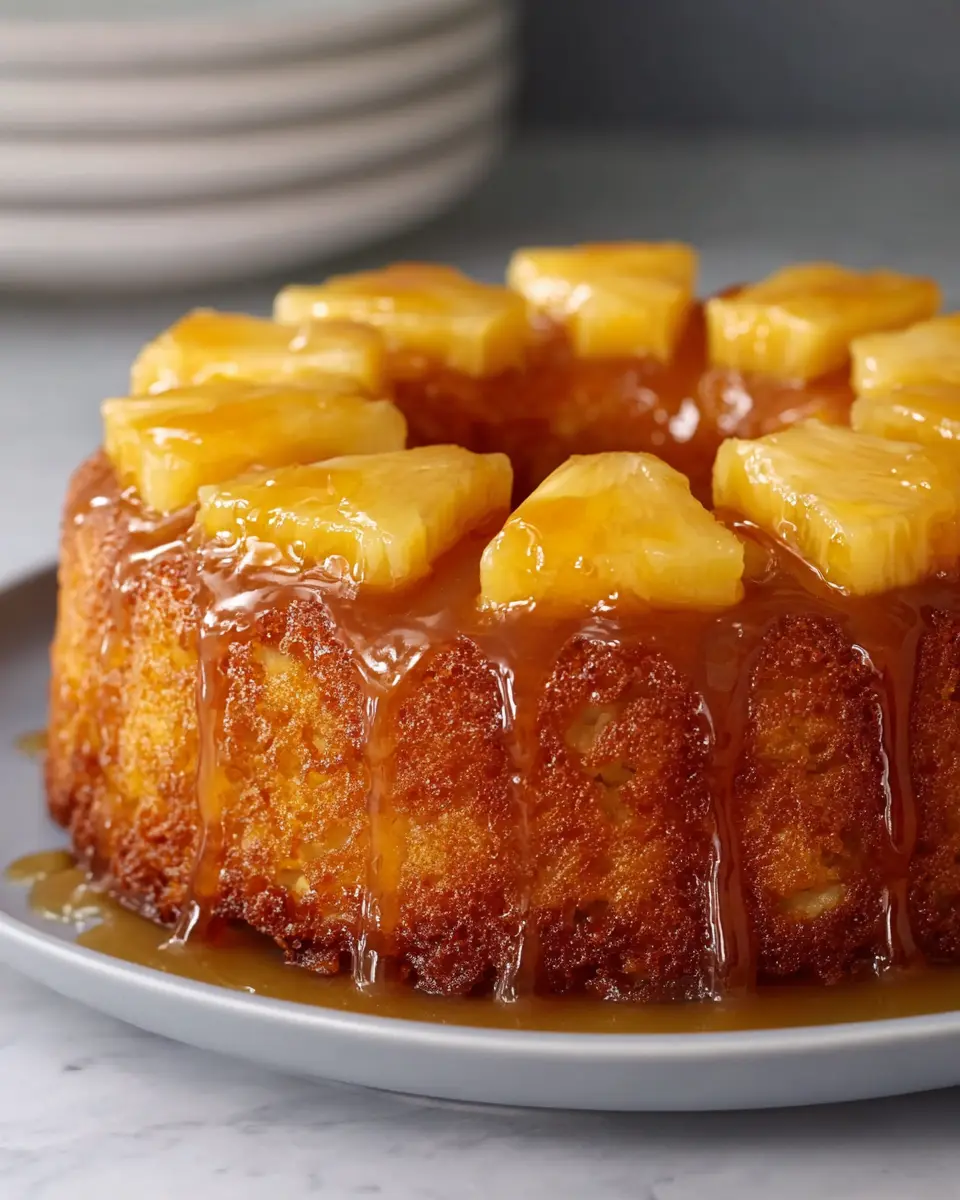
There’s something undeniably magical about a Pineapple Rum Cake. It conjures images of sun-drenched beaches, gentle sea breezes, and the sweet, comforting aroma of tropical indulgence. This isn’t just any cake; it’s an experience, a meticulously crafted symphony of flavors and textures designed to transport your taste buds to paradise.
Imagine a moist, tender crumb infused with the warm embrace of dark rum, crowned with a glistening layer of caramelized pineapple. It’s a dessert that whispers of exotic getaways and feels sophisticated enough for any occasion, yet it’s remarkably approachable for home bakers. This recipe promises a showstopper that’s as delightful to create as it is to devour.
Why You Will Love This Recipe
- Tropical Delight: Experience the perfect harmony of sweet pineapple and warming rum, creating a flavor profile that is both exotic and comforting, making every bite a mini-vacation.
- Impressive Presentation: The beautiful, glossy pineapple topping that forms as the cake bakes and inverts makes for a visually stunning dessert, perfect for special occasions or impressing guests.
- Moist and Tender Crumb: Thanks to the careful balance of ingredients like buttermilk and shortening, the cake boasts an incredibly soft, moist, and tender texture that melts in your mouth.
- Rich Rum Infusion: The dark rum is not just a fleeting note; it permeates the cake and the pineapple topping, adding a sophisticated depth and warmth that elevates this dessert beyond the ordinary.
- Make-Ahead Friendly: This cake is an excellent choice for planning ahead, as its flavors meld beautifully overnight, and it slices cleanly when fully cooled, simplifying dessert preparation for parties or busy weeks.
Ingredients You Need
The success of any exquisite dessert lies in the quality and thoughtful selection of its ingredients. For this Pineapple Rum Cake, we’re focusing on components that bring out the best in each other, from the sweet vibrancy of the pineapple to the comforting depth of the rum. Each element plays a crucial role in building the cake’s signature flavor and texture, ensuring a truly memorable culinary experience.
Pineapple Rum Cake
A rich Bundt-style dessert featuring a buttery rum-infused cake layered over a reduced pineapple and dark rum mixture, then inverted for a glossy fruit-topped finish.
- 1 teaspoon vanilla extract
- 1 cup buttermilk (at room temperature)
- 1/2 teaspoon baking soda
- 4 large eggs (brought to room temperature)
- 2 cups granulated sugar
- 3 cups all-purpose flour
- 1/2 cup unsalted butter (softened to room temperature (about 70°F))
- 1/3 teaspoon salt
- 1/4 cup rum
- 1/2 cup shortening
- 1/2 teaspoon baking powder
- 1/4 cup butter
- 1/2 fresh pineapple (cored and cut into slices)
- 1 cup dark rum
- 1/2 cup brown sugar (either light or dark)
- Shredded coconut (sweetened or unsweetened, for topping if desired)
- 1Preheat the oven to 350°F. Grease and flour a Bundt pan thoroughly, then set it aside.
- 2To prepare the pineapple rum layer, place the brown sugar and dark rum in a saucepan over medium heat. Bring the mixture to a boil, then lower the heat and simmer until it has reduced by half.
- 3Whisk the butter into the reduced rum mixture until melted and fully blended. Add the pineapple slices and turn them gently so they are evenly coated. Transfer the mixture to the bottom of the prepared Bundt pan and spread it into an even layer.
- 4In the bowl of a stand mixer, beat the unsalted butter and shortening together until smooth and creamy. Add the granulated sugar gradually and continue mixing until the texture becomes light and fluffy.
- 5Add the eggs one at a time, mixing well after each addition. Blend in the vanilla extract and rum until fully incorporated.
- 6In a separate bowl, whisk together the flour, salt, baking powder, and baking soda.
- 7Add the dry mixture to the creamed mixture in portions, alternating with the buttermilk. Mix only until the batter is combined, taking care not to overwork it.
- 8Spoon the batter evenly over the pineapple mixture in the Bundt pan, smoothing the top as needed.
- 9Bake for 1 hour, or until a toothpick inserted into the center comes out clean. Remove the pan from the oven and place it on a rack to rest for 10 minutes.
- 10After the resting period, set a serving plate over the pan and carefully invert the warm cake so the pineapple layer is on top. Leave the cake to cool completely before serving.
Keywords: Pineapple Rum Cake, Bundt Cake, Tropical, Dessert, Celebration, Make-ahead
You’ll find the precise quantities for each ingredient listed within the recipe card above, ensuring you have everything you need for a perfect bake. Sourcing fresh, high-quality items will always elevate your final dish.
Variations
While the classic Pineapple Rum Cake is undeniably spectacular, its inherent versatility allows for wonderful creative twists. Imagine transforming this tropical delight into something that caters to specific dietary needs or introduces entirely new flavor dimensions. These variations ensure that everyone can enjoy a slice of this delightful dessert, adapting it to suit different preferences and occasions.
For a completely plant-based indulgence, consider a vegan adaptation. This would involve substituting the butter with a high-quality vegan butter or coconut oil, using a plant-based milk like almond or soy for the buttermilk, and ensuring your sugar is vegan-friendly. The eggs can be replaced with a flax egg or commercial egg replacer to bind the batter, and the result is a surprisingly rich and moist cake that rivals its dairy-laden counterpart. The pineapple and rum flavors will still shine through brilliantly, offering a decadent treat for those following a vegan lifestyle.
If you’re mindful of carbohydrate intake, a low-carb version is certainly achievable. This would require swapping the granulated and brown sugars for a suitable sugar substitute like erythritol or xylitol, being mindful of their specific measurements and sweetness levels. Almond flour and coconut flour could replace some or all of the all-purpose flour, offering a slightly different texture but a delicious outcome. The key is to find the right blend of low-carb sweeteners and flours that maintain the cake’s structure and moisture, ensuring that the spirit of the Pineapple Rum Cake is preserved.
Adding other tropical fruits can also introduce exciting new flavor profiles. Think about incorporating chunks of fresh mango or papaya alongside the pineapple, or even a hint of lime zest into the batter for an extra zesty kick. Some bakers also enjoy adding shredded coconut to the batter itself, not just for decoration, as it lends a wonderful subtle texture and enhances the overall tropical theme. These small additions can transform the cake into a unique creation, perfect for those seeking a slightly different tropical adventure.
How to Prepare Pineapple Rum Cake
The journey to creating this exquisite Pineapple Rum Cake is a delightful process, blending classic baking techniques with a touch of tropical flair. Each step is designed to build layers of flavor and achieve that coveted moist texture, culminating in a dessert that’s truly memorable. Following these instructions meticulously will ensure a beautiful and delicious outcome, from the initial preparation to the final, stunning inversion.
Step 1: The Crucial Pan Preparation and Oven Preheat
Your culinary adventure begins with setting the stage: preheating your oven to the specified temperature and meticulously preparing your Bundt pan. This initial step is paramount because the cake will be inverted after baking, meaning its presentation relies heavily on a clean release from the pan. Take your time to thoroughly grease and flour every single curve and crevice of the Bundt pan. Using a pastry brush to coat the pan with softened butter or baking spray, and then dusting it generously with flour, is a time-honored technique.
Don’t underestimate the importance of this step; a poorly greased pan can lead to sticking, which can mar the beautiful pineapple topping and even cause parts of the cake to break. For added insurance, some bakers like to use a baking spray that contains flour. Ensure there are no bare spots where the batter or the caramelized pineapple can adhere. Once prepared, set the pan aside, ready to receive its delicious contents, and let the oven work its magic by reaching the perfect baking temperature, typically around 350°F (175°C).
Step 2: Crafting the Irresistible Pineapple Rum Layer
This is where the magic truly begins, infusing the cake’s base with a rich, caramelized sweetness. In a saucepan over medium heat, combine the brown sugar and dark rum. Allow this mixture to come to a gentle boil, and then reduce the heat to a simmer. Let it bubble away until it has reduced by about half, concentrating its flavors into a syrupy consistency. This reduction process is key to developing that deep, complex caramel note.
Once the syrup has thickened nicely, whisk in the butter until it’s completely melted and the mixture is smooth and glossy. This added richness from the butter further enhances the luxurious texture of the topping. Carefully add your prepared pineapple slices into this warm, syrupy mixture, gently turning them to ensure each piece is beautifully coated. Then, meticulously arrange these rum-infused pineapple slices in the bottom of your prepared Bundt pan. Ensure they form an even layer, as this will become the stunning crown of your cake once inverted.
Step 3: The Foundation of a Tender Cake: Creaming Butter and Shortening
Now, it’s time to build the cake’s structure, starting with creating an incredibly tender and moist crumb. In the bowl of a stand mixer fitted with the paddle attachment, or using a sturdy hand mixer, cream together the softened unsalted butter and shortening. Beat them until they are smooth and creamy, a process that can take a couple of minutes. Using both butter and shortening contributes to a cake that is both rich in flavor from the butter and wonderfully stable and tender from the shortening, especially beneficial for a Bundt cake.
Gradually add the granulated sugar to the creamed butter and shortening. Continue to beat the mixture on medium-high speed for an additional 3-5 minutes, until it becomes visibly lighter in color and develops a fluffy, almost cloud-like texture. This creaming process is absolutely vital; it incorporates air into the batter, which will contribute significantly to the cake’s light, tender crumb and overall volume. Do not rush this step, as it lays the groundwork for the cake’s delightful texture.
Step 4: Incorporating Eggs and Flavor Enhancers
With your butter and sugar mixture perfectly aerated, it’s time to introduce the eggs. Add them one at a time, ensuring that each egg is fully incorporated into the batter before adding the next. This gradual addition helps to maintain the emulsion of the batter, preventing it from becoming greasy or curdled. Mix well after each egg addition, scraping down the sides of the bowl as needed to ensure everything is evenly blended.
Following the eggs, stir in the vanilla extract and the specified amount of rum for the cake batter. These liquid flavorings will further enhance the overall aroma and taste profile of the cake. Make sure they are thoroughly mixed into the batter. The vanilla rounds out the sweetness and complements the rum, creating a more complex and sophisticated flavor. Ensure all these wet ingredients are fully incorporated before moving on to the dry components.
Step 5: Marrying the Dry and Wet Ingredients with Buttermilk
In a separate medium bowl, whisk together the all-purpose flour, salt, baking powder, and baking soda. Whisking these dry ingredients together ensures they are evenly distributed, which will promote a consistent rise and texture throughout the cake. This combination of leavening agents will help the cake achieve a beautiful lift and a tender crumb.
Now, it’s time to combine the dry ingredients with the wet batter. Add about one-third of the dry ingredient mixture to the creamed butter and egg mixture. Mix on low speed until just combined. Then, add half of the buttermilk and mix again until just incorporated. Continue this process, alternating between the dry ingredients and the buttermilk, finishing with the dry ingredients. It’s critical not to overmix the batter once the flour is added. Overmixing develops the gluten in the flour too much, which can result in a tough or dense cake, defeating the purpose of all the previous efforts for a tender crumb. Mix only until no dry streaks of flour remain.
Step 6: Baking to Golden Perfection
With the batter beautifully prepared, gently spoon it over the pineapple layer already nestled in the Bundt pan. Use a spatula to spread the batter evenly, ensuring it fills the pan without overfilling. Smooth the top of the batter lightly to create an even surface for baking. Proper distribution of the batter ensures that the cake bakes evenly and yields a beautifully level top once inverted.
Place the filled Bundt pan into the preheated oven. Bake for approximately 1 hour, or until a wooden skewer or toothpick inserted into the center of the cake comes out clean. The exact baking time can vary slightly depending on your oven, so begin checking for doneness around the 50-minute mark. Avoid opening the oven door too early in the baking process, as this can cause the cake to collapse. A fully baked cake will be golden brown and spring back lightly when touched.
Step 7: The Grand Reveal: Inverting the Cake
Once the cake has finished baking, carefully remove the Bundt pan from the oven. Place the pan on a wire cooling rack, but resist the urge to let it cool completely in the pan. Allow it to rest for precisely 10 minutes. This short resting period is crucial; it allows the cake to firm up slightly, making it easier to handle, but it remains warm enough for the sticky pineapple topping to release cleanly from the pan.
After the 10-minute rest, place your serving plate or cake stand upside down over the top of the Bundt pan. With one firm, confident motion, carefully invert the pan and plate together. Gently lift the pan away. If you’ve prepared the pan properly, the beautiful, glossy pineapple topping should cascade down the sides of the cake, creating an absolutely stunning visual. Let the cake cool completely on the serving plate before slicing and serving, allowing the flavors to fully meld and the texture to set.
Pro Tips for Pineapple Rum Cake
Achieving bakery-quality results with your Pineapple Rum Cake is all about attention to detail and employing a few expert tricks. These tips are designed to enhance flavor, improve texture, and ensure a flawless presentation, transforming your homemade cake into a showstopper that will undoubtedly impress.
Mastering the Rum Syrup: When reducing the brown sugar and dark rum for the pineapple layer, aim for a syrupy consistency, not a thick, hard caramel. The goal is for the mixture to coat the pineapple beautifully without becoming heavy or overly sticky. This ensures the topping remains glossy and tender rather than hard.
The Art of Not Overmixing: Once you add the flour to the batter, exercise restraint. Mix only until the dry ingredients are just incorporated. Overmixing develops gluten, leading to a tougher cake. For an exceptionally tender crumb, gentle folding or minimal mixing on low speed is key. This is where the difference between a good cake and a great cake is often made.
Perfect Inversion Timing: The 10-minute resting period before inverting the cake is critical. Invert it while it’s still warm; if you wait too long, the sugar mixture can solidify and stick to the pan, ruining the aesthetic. Conversely, inverting it too soon might cause the cake to break apart. This precise window is essential for a clean release.
Embrace Room Temperature Ingredients: For both the cake batter and the pineapple topping, ensuring your ingredients like butter, eggs, and buttermilk are at room temperature is highly beneficial. Room temperature ingredients emulsify more easily, leading to a smoother batter, a lighter cake texture, and a more even bake overall. It truly makes a difference in the final outcome.
Consider a Splash of Extra Rum: If you desire a more pronounced rum flavor, a tiny splash of good quality dark rum can be drizzled over the cake *after* it has been inverted and while it is still warm. This allows the alcohol to evaporate, leaving behind a more intense, aromatic flavor without making the cake overtly boozy. Use this tip sparingly for a balanced effect.
Serving Suggestions for Pineapple Rum Cake
Elevating your Pineapple Rum Cake from a delicious dessert to an unforgettable culinary experience involves thoughtful presentation and complementary accompaniments. The goal is to enhance the cake’s natural flavors and textures without overpowering them, creating a harmonious symphony on the palate.
Decoration
The natural beauty of the glossy pineapple topping is often enough, but a few subtle additions can elevate its visual appeal. Consider a light dusting of confectioners’ sugar over the entire cake for a soft, snowy contrast to the golden pineapple. Alternatively, a scattering of toasted shredded coconut, as suggested in the recipe, adds a delightful tropical crunch and visual texture that beautifully complements the fruit. For a more festive look, a few maraschino cherries can add pops of vibrant color, reminiscent of classic tropical desserts.
Side Dishes
The cake itself is rich and flavorful, so side dishes should be chosen to provide a refreshing counterpoint. Lightly sweetened whipped cream is a classic pairing; its delicate airiness softens the cake’s sweetness and provides a creamy, cooling sensation. A scoop of high-quality vanilla bean ice cream is another excellent choice, especially if the cake is served slightly warm, creating a delightful contrast in temperatures and textures. For a more sophisticated palate, a dollop of crème fraîche or a rich mascarpone cream can offer a delightful tang that beautifully cuts through the cake’s sweetness.
Creative Serving Ideas
Beyond the traditional slice, this cake lends itself to several creative presentations. Consider serving individual portions as part of a dessert tasting menu, perhaps alongside a tropical fruit salad or a coconut panna cotta. For a brunch occasion, a small slice of Pineapple Rum Cake can be a delightful surprise alongside coffee or tea. You could also serve a warm slice with a drizzle of extra rum syrup, if you have any reserved from the pan, or a splash of crème anglaise for an extra layer of indulgence. For a truly decadent experience, imagine it paired with a small glass of aged dark rum or a tropical cocktail.
Preparation & Storage
Ensuring your Pineapple Rum Cake remains as delightful as it was on the day it was baked involves proper handling and storage. Whether you have leftovers to manage or are planning to make this ahead of time, these guidelines will help maintain its exquisite texture and flavor.
Storing Leftovers
Due to the moist pineapple topping, it’s best to store any leftover Pineapple Rum Cake in the refrigerator. Once the cake has cooled completely, transfer it to an airtight container or wrap it tightly with plastic wrap. This will help prevent it from drying out and protect it from absorbing odors from other foods in the refrigerator. Properly stored, leftovers can typically be enjoyed for up to 3 to 4 days.
Freezing
For longer storage, the Pineapple Rum Cake freezes exceptionally well. Once the cake is fully cooled, you can wrap it tightly in a double layer of plastic wrap, followed by a layer of aluminum foil or place it in a freezer-safe airtight container. This prevents freezer burn and preserves the cake’s quality. It can be frozen whole or as individual slices. Frozen cake is best consumed within 2 to 3 months for optimal flavor and texture. Thawing overnight in the refrigerator is the recommended method for the best results.
Reheating
While Pineapple Rum Cake is delicious at room temperature, a gentle reheat can revive its moistness and enhance the tropical aromas. For a slice, a few short bursts in the microwave (about 10-15 seconds at a time) can warm it through without drying it out. Be careful not to overheat, which can make the cake tough. If you’ve added shredded coconut as a topping, it’s best to add it *after* reheating to maintain its texture, as it can become soggy if exposed to heat for too long.
Frequently Asked Questions
-
Can I use canned pineapple instead of fresh for the topping?
Yes, you absolutely can use canned pineapple, but with a crucial modification. Ensure the canned pineapple, whether rings or chunks, is drained extremely well to remove as much excess liquid as possible. This is vital to prevent the topping from becoming too watery and to ensure it caramelizes properly. Patting the pineapple slices dry with paper towels after draining can further help. While fresh pineapple tends to offer a brighter flavor and more appealing texture when baked, canned pineapple can still yield a delicious result if prepared correctly.
-
Will the rum flavor be too strong for children or those sensitive to alcohol?
The rum in this cake primarily contributes to a warm, rich flavor depth rather than an overpowering alcoholic taste, especially after baking. The alcohol largely bakes off during the cooking process, leaving behind the nuanced notes of caramel and depth that dark rum is known for. However, if you are serving this to children or individuals very sensitive to any trace of alcohol, you can opt for a non-alcoholic rum flavoring or simply omit the rum from both the topping and the batter, increasing the liquid (like buttermilk or even a bit more vanilla extract) slightly to compensate for the missing volume. The cake will still be delicious, albeit without that signature rum character.
-
My cake stuck to the pan after inverting; what could have gone wrong?
Cake sticking to the pan is most often a result of insufficient greasing and flouring. For Bundt cakes, especially those with intricate designs or sticky toppings, this step is non-negotiable and requires meticulous attention. Ensure you’ve used softened butter or a good quality baking spray to coat every nook and cranny of the pan. Then, dust it thoroughly with flour, tapping out any excess. Another factor can be the timing of the inversion; as mentioned, waiting too long after the 10-minute rest can allow the caramelized pineapple to harden and adhere to the pan. If you are particularly worried about sticking, some bakers recommend using a baking spray that contains flour, or even lightly dusting the greased pan with granulated sugar instead of flour for a crisper, easier release of the caramelized topping.