Silky Parmesan Pesto Fettuccine
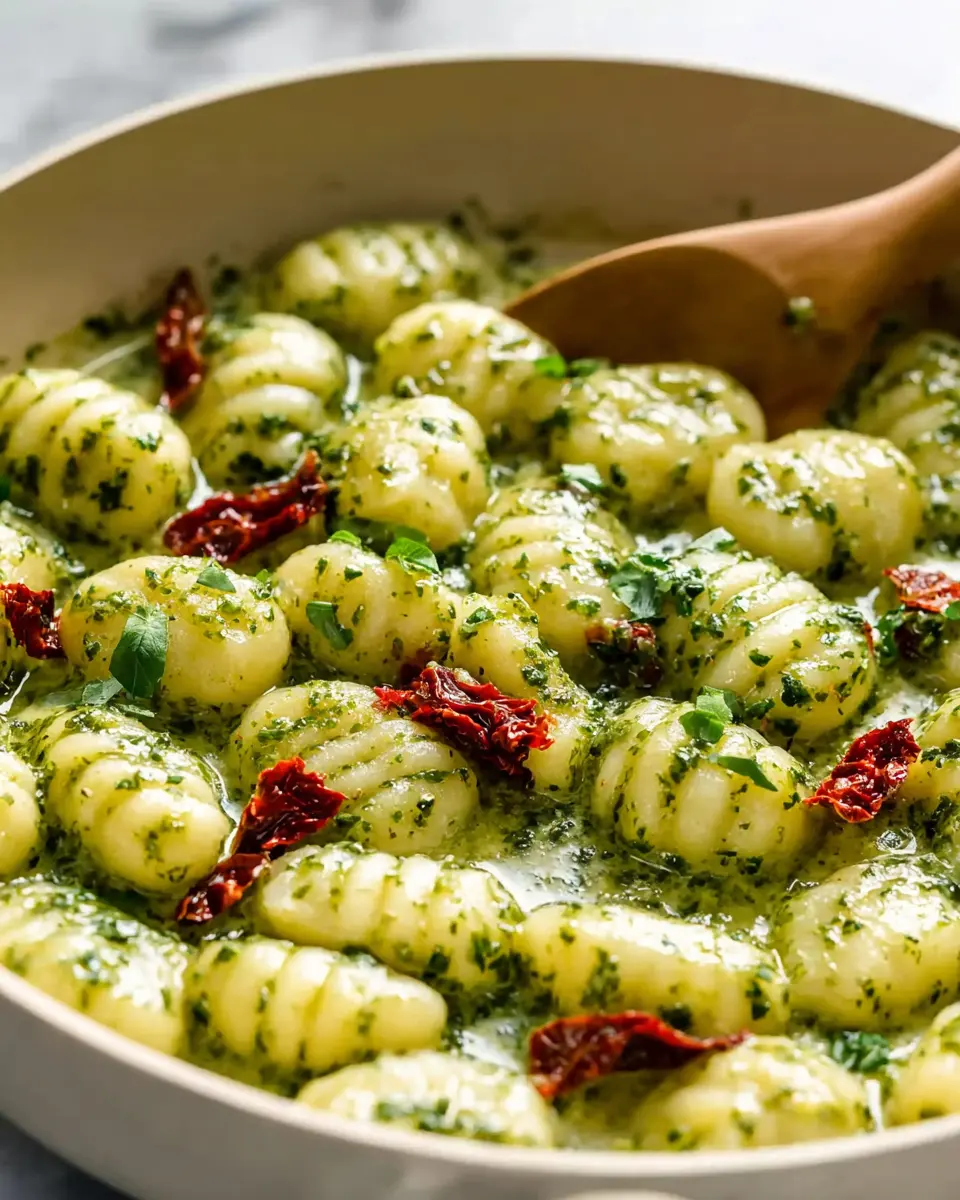
Parmesan Pesto Fettuccine is an absolute delight for any home cook, offering a vibrant and incredibly satisfying pasta experience. It transforms simple, fresh ingredients into a silky, flavorful sauce that clings perfectly to every strand of fettuccine. This dish is a testament to how elegant and delicious meals can be achieved with minimal effort and time, making it an ideal candidate for busy weeknights or spontaneous entertaining.
Imagine a dish that’s both rustic and refined, bursting with the bright taste of basil, the subtle crunch of pistachios, the zest of lemon, and the salty depth of Parmesan cheese. It’s the kind of pasta that feels a bit special, yet it’s so approachable that even a novice cook can master it with confidence. The magic truly lies in the balance of flavors and the luxurious texture of the pesto sauce, which is designed to coat the pasta beautifully.
Why You Will Love This Recipe
- Incredibly Fast: This entire meal comes together in approximately twenty minutes, making it a lifesaver on busy evenings when you need a delicious dinner on the table quickly.
- Beginner-Friendly: The steps are straightforward and forgiving, ensuring that even those new to cooking can achieve restaurant-quality results without any stress.
- Vibrant Flavors: A harmonious blend of fresh basil, zesty lemon, savory cheese, and the unique nuttiness of pistachios creates a sauce that is both bright and deeply satisfying.
- Silky Smooth Sauce: The clever use of reserved pasta water emulsifies the pesto, creating a luxuriously smooth coating that clings to every strand of fettuccine.
- Adaptable Ingredients: While the recipe calls for specific ingredients, it’s very adaptable, allowing you to substitute nuts or cheeses to suit your preferences or what you have on hand.
Ingredients You Need
The success of this Parmesan Pesto Fettuccine hinges on the quality of the ingredients you select, especially the fresh basil and the cheese. Opting for the freshest basil available will impart the most vibrant flavor, and using a good quality extra virgin olive oil will ensure a smooth, rich texture for the pesto. The combination of Parmesan or Pecorino Romano provides that essential salty, umami depth that defines a truly authentic pesto.
Parmesan Pesto Fettuccine
A quick and beginner-friendly pasta dish that transforms basil, pistachios, lemon, and grated cheese into a silky sauce for fettuccine. Perfect for weeknight dinners, casual guests, or a bright Italian-inspired meal. It feels special without asking much from you, coming together in about twenty minutes.
- For the pesto: 3 firmly packed cups fresh basil leaves (from about 3 large bunches), 1/3 cup extra virgin olive oil (preferably good-quality), 2 tablespoons freshly squeezed lemon juice, 2 fresh garlic cloves (minced), 1/2 cup grated Parmesan or Pecorino Romano, 1/2 cup lightly toasted pistachios
- For the pasta: 1 pound fettuccine, 1 teaspoon salt, Reserved pasta water (as required)
- For serving: Extra grated Parmesan or Pecorino Romano, Fresh basil leaves, Freshly cracked black pepper
- 1Start with the pesto. Add the basil, garlic, pistachios, and grated cheese to a food processor. Pulse until finely chopped.
- 2Drizzle in the olive oil and blend again until the mixture comes together. Taste and add lemon juice, pulsing briefly.
- 3Bring a pot of salted water to a boil and cook the fettuccine until al dente. Reserve 1-2 cups of pasta water before draining.
- 4Transfer drained pasta to a large pan over low heat. Spoon in the pesto and add about 1/3 cup of the reserved pasta water.
- 5Toss immediately to loosen the sauce and coat the noodles. Continue tossing, adding more pasta water in small amounts as needed, until a glossy, even coating is achieved.
- 6Divide the fettuccine into bowls and finish with extra grated cheese, black pepper, and fresh basil leaves. Serve immediately.
Keywords: Parmesan Pesto Fettuccine, pasta, pesto, basil, pistachio, Italian-inspired, quick dinner, vegetarian
- fresh basil leaves: the heart of the pesto, bringing a sweet and peppery aromatic quality.
- pistachios: offering a delicate, slightly sweet nuttiness that complements the basil beautifully.
- Parmesan or Pecorino Romano: providing the characteristic salty and savory backbone to the sauce.
- garlic: adding a pungent sharpness to awaken the palate.
- lemon juice: contributing a crucial brightness to cut through richness and enhance other flavors.
- extra virgin olive oil: forming the silky base that binds all the pesto ingredients together.
- fettuccine: its broad, flat surface is ideal for capturing and holding onto the rich pesto sauce.
- salt: essential for seasoning the pasta water and enhancing the overall flavor profile.
- reserved pasta water: the secret ingredient that emulsifies the pesto and creates a smooth, clingy sauce.
- extra grated cheese and fresh basil leaves for serving: for that final flourish of flavor and visual appeal.
The precise quantities for each component are detailed within the recipe card above, ensuring you have all the necessary measurements for a perfect outcome.
Variations
For those looking to explore different flavor profiles or cater to dietary needs, this Parmesan Pesto Fettuccine recipe offers a fantastic canvas for creativity. The fundamental pesto base can be adapted in numerous ways, allowing for both exciting new tastes and the accommodation of specific preferences.
A wonderful way to introduce a plant-based twist is to create a Vegan Parmesan Pesto Fettuccine. This involves omitting the traditional cheese and instead using nutritional yeast, which provides a cheesy, savory flavor. You might also add a tablespoon of white miso paste for extra depth and umami. The rest of the ingredients, like basil, pistachios, garlic, lemon, and olive oil, remain the same, ensuring a delicious outcome that’s entirely plant-based and still incredibly satisfying, maintaining that silky sauce consistency.
If you’re focusing on a Low Carb approach, consider swapping the fettuccine for a vegetable-based pasta alternative. Spiralized zucchini noodles (zoodles) or spaghetti squash make excellent substitutes, offering a lighter, nutrient-dense base for the vibrant pesto. You could also serve the pesto sauce over grilled chicken or fish for a protein-rich, low-carbohydrate meal that’s bursting with fresh flavor. The pesto itself is already wonderfully low in carbohydrates, making it an ideal accompaniment.
Another exciting variation is to infuse the pesto with a hint of spice or a different herbal complexity. Consider adding a pinch of red pepper flakes to the pesto mixture for a gentle heat that awakens the palate. Alternatively, you could incorporate a small amount of fresh mint or parsley alongside the basil to create a more layered herbal profile. These subtle additions can significantly alter the final taste, offering a unique spin on the classic Parmesan pesto fettuccine.
How to Prepare Parmesan Pesto Fettuccine
Step 1: Crafting the Vibrant Pesto Base
Begin by gathering all the ingredients for your pesto, ensuring your basil leaves are washed and thoroughly dried. The success of a good pesto lies in the freshness of its components and a balanced blend. In the bowl of a food processor, combine the fresh basil leaves, minced garlic cloves, and the lightly toasted pistachios. You’ll want to pulse these ingredients together initially until they are finely chopped and begin to form a crumbly texture, resembling coarse green sand.
This initial pulsing is crucial for breaking down the basil and garlic effectively, and for starting to incorporate the nuts into the mix. Once you’ve achieved that desirable crumbly consistency, it’s time to introduce the liquid elements. Gradually drizzle in the extra virgin olive oil while the food processor is running. This slow incorporation of oil is key to achieving a smooth, emulsified sauce rather than a watery or oily one.
After the olive oil has been fully blended in, add your grated Parmesan or Pecorino Romano cheese to the food processor. Pulse a few more times until the cheese is well incorporated into the mixture. The pesto should now have a thicker, paste-like consistency. At this stage, it’s imperative to taste the pesto and adjust the seasoning. Add the freshly squeezed lemon juice, starting with about half the amount, and pulse briefly again.
Give the pesto one final taste to ascertain the perfect balance of flavors. The lemon juice is there to brighten the pesto and cut through the richness of the cheese and olive oil, so you want it to be noticeable but not overpowering. If you desire more brightness, add the remaining lemon juice and pulse once more. The final pesto should be a vibrant green, thick enough to cling to a spoon, and possess a delightful aroma. Transfer this magnificent pesto to a separate bowl and set it aside while you prepare the pasta.
Step 2: Preparing the Pasta and Infusing Flavor
Now that your vibrant pesto is ready, it’s time to focus on the pasta itself. Fill a large pot with water, making sure there’s enough space for the fettuccine to move freely and cook evenly. Add a generous amount of salt to the water; it should taste like the sea, as this is the primary opportunity to season the pasta from within. Bring the water to a rolling boil over high heat.
Once the water is boiling vigorously, carefully add the fettuccine to the pot. Stir the pasta immediately to prevent it from sticking together. Cook the fettuccine according to the package directions, aiming for a perfectly al dente texture. This means the pasta should be tender but still have a slight bite to it, as it will continue to cook slightly when tossed with the sauce. Overcooked pasta will result in a mushy dish, which is precisely what we want to avoid here.
The absolute most critical step before draining your pasta is to reserve a significant amount of the starchy cooking water. Ladle out at least one to two cups of this cloudy, starchy liquid into a heatproof jug or bowl. This water is liquid gold; its starch content is what will help emulsify the pesto and create that wonderfully silky, glossy sauce that coats the fettuccine. Do not skip this step, as it is the secret to achieving a perfectly sauced pasta dish.
Once you have meticulously reserved the pasta water, drain the fettuccine thoroughly in a colander. Discard any remaining cooking water, as it is no longer needed. It’s important to drain the pasta well, but not to rinse it, as the residual starch on the noodles also aids in sauce adherence.
Step 3: Marrying the Pesto and Pasta
With your perfectly cooked, al dente fettuccine drained and your vibrant pesto prepared, it’s time to bring them together. Transfer the drained fettuccine directly into a large sauté pan or a wide, shallow pot. Place this pan over low heat. The gentle heat here is important; you don’t want to cook the pesto vigorously, just warm it enough to meld with the pasta and create a cohesive sauce.
Spoon all of the prepared pesto from its bowl directly onto the hot fettuccine in the pan. Now, add about one-third of a cup of the reserved starchy pasta water to the pan with the pasta and pesto. This is where the magic truly begins to happen, transforming a thick pesto into a luscious sauce.
Immediately begin to toss the pasta and pesto together using kitchen tongs or a wooden spoon. The goal is to work quickly and consistently. As you toss, you’ll notice the pesto starting to loosen and spread, coating each strand of fettuccine. The heat from the pasta and the pan, combined with the starchy water, will help to emulsify the olive oil and cheese in the pesto, creating a smooth, beautiful sauce.
Continue tossing the pasta, adding more reserved pasta water a little at a time, as needed. You are looking for a glossy, creamy coating that evenly envelops every strand of fettuccine. Avoid adding too much water at once; it’s easier to add more than to fix a watery sauce. The consistency should be that of a light, clingy sauce, not a thick paste or a watery soup. The fettuccine should appear well-coated and glistening.
Step 4: Achieving the Perfect Silky Texture
As you continue to toss the fettuccine with the pesto and pasta water, pay close attention to the texture developing. The reserved pasta water acts as an emulsifier, binding the oil, cheese, and basil into a cohesive, smooth sauce. Keep adding small amounts of the pasta water, about a tablespoon at a time, and continue tossing vigorously. This action is what encourages the starches from the pasta water to interact with the fats in the pesto, creating that desirable silken texture.
The ideal consistency is one where the sauce clings to the pasta without being heavy or greasy. It should appear luminous and fluid, allowing the fettuccine to gleam under the light. If the sauce seems too thick or is clumping, it likely needs a little more of the starchy pasta water and continued tossing to fully incorporate. Resist the urge to let the sauce simmer for too long, as this can cause the pesto to lose its vibrant color and fresh flavor.
The motion of tossing is as important as the ingredients themselves. It’s this dynamic action that helps to spread the sauce evenly and ensures that every single piece of fettuccine is coated in the flavorful pesto. You are aiming for a luxurious finish, where the sauce is not sitting separately at the bottom of the pan but is an integral part of the pasta dish, enhancing every bite.
Once you have achieved that perfect, glossy, clingy consistency, the dish is nearly ready to be served. Taste a strand of pasta to ensure the seasoning is just right. You might want a final crack of black pepper or an extra pinch of salt, depending on your preference and the saltiness of your cheese. The focus now shifts to plating and presenting this delightful creation.
Step 5: Finishing and Serving
The moment of truth has arrived: presenting your beautiful Parmesan Pesto Fettuccine. Carefully divide the sauced fettuccine among warmed serving bowls. Using tongs to lift and arrange the pasta can help create an appealing, nest-like presentation in each bowl. Aim for a generous portion in each serving, ensuring that the glossy pesto sauce is visible on every strand.
To elevate the dish from delicious to truly exceptional, it’s time for the final garnishes. Generously sprinkle each bowl with extra grated Parmesan or Pecorino Romano cheese. This not only adds another layer of salty, nutty flavor but also contributes to the visual appeal of the dish, creating tempting golden flecks throughout the pasta. Don’t be shy with the cheese; it’s a key component of this delightful recipe.
Next, add a good grinding of freshly cracked black pepper over the top of each serving. The pepper provides a slight warmth and a touch of aromatic spice that complements the basil and cheese beautifully. The contrast between the green pesto, the white cheese, and the dark specks of pepper creates a visually striking and appetizing final presentation.
Finally, garnish each bowl with a few fresh basil leaves. These leaves not only add a burst of fresh color but also offer an intensified basil aroma as you bring the dish to the table. Their presence reinforces the primary flavor of the pesto and adds a final touch of freshness. Serve the Parmesan Pesto Fettuccine immediately while it’s warm and the sauce is at its most luscious and fragrant. This ensures the best possible texture and flavor experience for your diners.
Pro Tips for Parmesan Pesto Fettuccine
Toast Your Pistachios: For an even deeper, more nuanced flavor, consider lightly toasting your pistachios before adding them to the food processor. A few minutes in a dry skillet over medium heat, or a short stint in a moderate oven, will awaken their natural oils and impart a wonderful toasted aroma that elevates the pesto. This small step can make a significant difference in the final taste profile.
Don’t Over-Process the Pesto: While you want the ingredients to be well combined, avoid over-processing the pesto. Over-blending can warm the basil too much, leading to a duller green color and a slightly bitter taste. Pulse until just combined and the ingredients are finely chopped, then add the oil and cheese and pulse again until just incorporated.
The Magic of Pasta Water: Never underestimate the power of reserved pasta water. It’s the key to transforming a thick, potentially clump-prone pesto into a smooth, glossy sauce that coats the pasta perfectly. Always reserve more than you think you’ll need, and add it gradually when tossing the pasta, allowing you to achieve the ideal consistency.
Taste and Adjust Lemon: Lemon juice is vital for brightness, but its intensity can vary. Always taste your pesto after adding the initial amount of lemon juice and before adding the full quantity. You want to brighten the flavors without making the pesto taste overly sour or citrusy. The basil and cheese should remain the stars, with lemon acting as a supporting player.
Gentle Heat is Key: When combining the pesto with the fettuccine, use low heat. High heat can “cook” the pesto, dulling its vibrant green color and potentially altering the fresh basil flavor. The aim is to warm the sauce and emulsify it with the pasta and pasta water, not to cook it vigorously. This ensures the pesto remains fresh and bright.
Serving Suggestions for Parmesan Pesto Fettuccine
Decoration
For a visually stunning presentation, don’t hold back on the garnishes. A generous dusting of extra grated Parmesan or Pecorino Romano cheese is essential, adding both visual appeal and a delightful savory finish. Fresh basil leaves, torn or whole, provide a pop of vibrant green and an aromatic lift. A final flourish of freshly cracked black pepper adds visual contrast and a hint of warmth that excites the palate.
Side Dishes
To create a complete and balanced meal, consider serving this rich pasta with a refreshing salad. A simple green salad with a light lemon vinaigrette or a classic Caesar salad complements the flavors beautifully without overpowering the pesto. Roasted or steamed vegetables, such as asparagus, broccoli, or green beans, also pair wonderfully, adding color, texture, and essential nutrients to the plate.
Creative Serving Ideas
While delicious served as is, you can elevate this dish further. Consider incorporating some grilled or pan-seared chicken or shrimp into the tossed pasta for added protein. For a heartier meal, a small side of crusty bread is perfect for soaking up any extra delicious pesto sauce left in the bowl. This pasta also makes a fantastic base for a cold pasta salad if prepared ahead and served chilled with a little extra olive oil to loosen the sauce.
Preparation & Storage
Storing Leftovers
If you find yourself with any leftover Parmesan Pesto Fettuccine, it can be stored in an airtight container in the refrigerator. It will generally keep well for up to 2-3 days. Be aware that the sauce will likely thicken considerably as it cools, which is a natural reaction of the oils and cheese. This is perfectly normal and does not indicate spoilage.
Freezing
While freezing the cooked pasta dish is possible, it’s generally not the preferred method, as the texture of the pasta and sauce can degrade upon thawing, sometimes becoming mushy or watery. A better approach for long-term storage is to freeze the pesto itself. Prepare the pesto as directed, then store it in an airtight container or freezer bag for up to 3 months, ensuring you press a thin layer of olive oil over the surface to preserve its color.
Reheating
To reheat leftover fettuccine, the best method is to place the pasta in a skillet or saucepan over very low heat. Add a small splash of water or broth (or some of that reserved pasta water if you have any left) to help loosen the sauce. Stir gently and continuously until the pasta is heated through and the sauce has regained a smoother, more fluid consistency. Avoid microwaving if possible, as it can sometimes lead to uneven heating and a less desirable texture.
Frequently Asked Questions
-
Can I make the pesto ahead of time?
Absolutely! Making the pesto ahead of time is a fantastic way to streamline your cooking process, especially on busy weeknights. You can prepare the pesto up to 2-3 days in advance. Store it in an airtight container in the refrigerator. To help maintain its vibrant green color and prevent oxidation, press a thin layer of extra virgin olive oil over the surface of the pesto before sealing the container. This protective layer acts as a barrier against air exposure.
-
Why is my pesto pasta thick or clumpy, and how can I fix it?
A thick or clumpy pesto pasta often indicates that it needs more reserved pasta water or a gentler approach to emulsification. Pesto, by its nature, is quite thick. The starchy water from cooking the pasta is crucial for transforming this dense paste into a smooth, luscious sauce that coats the noodles evenly. If your pasta seems clumpy, add a little more warm pasta water, a tablespoon at a time, and continue tossing vigorously over low heat. This action will help break down the clumps and create a silky consistency. Ensuring the pasta is tossed over low heat, rather than high heat, also prevents the pesto from seizing up.
-
Can I use different types of nuts or cheeses in this recipe?
Yes, you can certainly experiment with different nuts and cheeses to suit your taste preferences or dietary needs. Walnuts, almonds, or even pine nuts (the traditional choice for pesto) can be used instead of pistachios, each offering a slightly different flavor profile. For cheeses, while Parmesan and Pecorino Romano are classic, you could also try a blend of cheeses, or even a vegetarian hard cheese if you’re avoiding animal rennet. The key is to use a hard, aged cheese that grates well and provides that essential salty, savory depth. Adjusting the salt accordingly based on the cheese you choose is also recommended.