Moist Oven-Baked Lemon Lavender Cake for Any Celebration
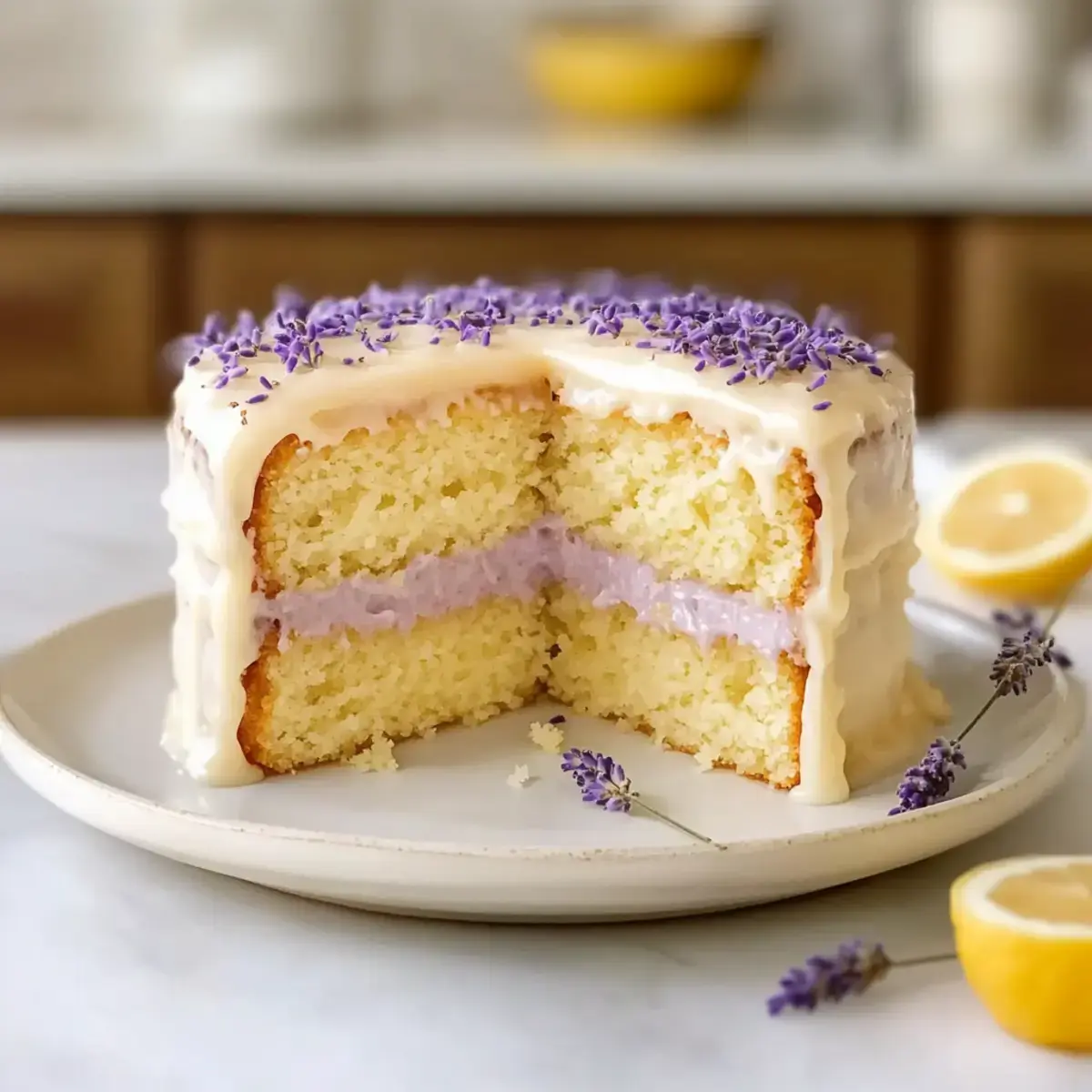
The first notes of summer waft through my kitchen as I prepare to create an Oven-Baked Lemon Lavender Cake, a delightful tribute to sunshine and floral gardens. This cake is not just a dessert; it’s a celebration—a moist, tender bite that pairs the zesty brightness of lemon with the subtle elegance of lavender.
What sets this recipe apart is its ability to impress at both fancy gatherings and cozy afternoon teas, making it a true crowd-pleaser that’s surprisingly simple to whip up! With its inviting aroma and delicate taste, you’ll find yourself savoring each slice. Are you ready to bring a bit of sunshine to your next baking adventure?
Why You Will Love This Recipe
- Elegant Flavor Profile: The sophisticated blend of zesty lemon and fragrant lavender offers a unique taste experience that is both refreshing and comforting, perfect for any occasion.
- Moist & Tender Crumb: This cake boasts an incredibly tender and moist texture, thanks to the careful balance of wet and dry ingredients, ensuring every bite is a delight.
- Beautiful Aroma: As it bakes, your kitchen will fill with the heavenly scent of fresh lemon and delicate lavender, setting a serene and inviting atmosphere.
- Versatile Presentation: Whether dressed up with a glossy glaze or a swirl of creamy frosting, this cake is visually stunning and adaptable to various serving styles.
- Relatively Simple to Make: Despite its elegant appearance and complex flavors, the preparation steps are clear and manageable, making it accessible even for beginner bakers.
Ingredients You Need
To create a truly exquisite Oven-Baked Lemon Lavender Cake, the quality of your ingredients plays a pivotal role in achieving the perfect balance of flavors and textures. Selecting fresh, high-quality components ensures that the delicate floral notes of lavender and the bright zest of lemon shine through beautifully without any off-putting tastes. Using room temperature ingredients, like eggs and butter, is also crucial for proper emulsification and a consistently smooth batter.
Oven-Baked Lemon Lavender Cake
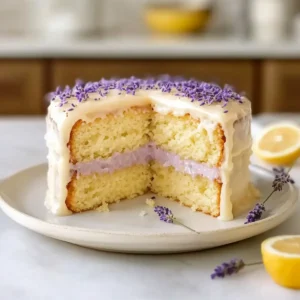
A delightful and moist cake that celebrates the zesty brightness of lemon with the subtle elegance of lavender, perfect for any gathering or afternoon tea. Surprisingly simple to whip up!
- For the Cake Base:
- 2 cups All-Purpose Flour
- 2 teaspoons Baking Powder
- 1 teaspoon Baking Soda
- 1 teaspoon Salt
- For the Wet Ingredients:
- 1 cup Unsalted Butter, softened
- 1.5 cups Granulated Sugar
- 3 large Eggs, room temperature
- 2 tablespoons Lemon Zest, finely grated
- 0.5 cup Fresh Lemon Juice
- 1 cup Whole Milk
- 2 tablespoons Dried Lavender Buds, culinary-grade
- 1 teaspoon Vanilla Bean Paste
- For the Frosting and Glaze:
- 2 cups Powdered Sugar, sifted
- 0.5 cup Heavy Cream
- 1 pinch Salt
- 1Preheat oven to 350°F (175°C). Grease and flour two 9-inch round cake pans.
- 2Gently warm 1 cup of whole milk until steaming (do not boil). Add 2 tablespoons of dried lavender buds and let steep for 10 minutes. Strain the milk and let it cool to room temperature.
- 3In a mixing bowl, whisk together the all-purpose flour, baking powder, baking soda, and salt.
- 4In a large mixing bowl, beat the softened unsalted butter and granulated sugar until light and fluffy, about 3-4 minutes.
- 5Add eggs one at a time, mixing well after each addition. Blend in lemon zest, fresh lemon juice, and vanilla bean paste until smooth.
- 6Alternately add the dry ingredient mixture and the cooled lavender-infused milk to the batter, beginning and ending with the dry ingredients. Mix on low speed just until combined; do not overmix.
- 7Divide batter evenly between prepared pans. Bake for 25-30 minutes, or until a toothpick inserted into the center comes out clean.
- 8Let cake layers cool in pans for 10 minutes, then turn out onto a wire rack to cool completely.
- 9For the glaze: Mix powdered sugar with a bit of lemon juice until smooth. Drizzle over cooled cake layers.
- 10For the frosting: Beat softened butter until smooth. Gradually add powdered sugar, heavy cream, lemon juice, and a pinch of salt until light and fluffy.
- 11Assemble the cake by placing one layer on a serving plate, spreading with buttercream, topping with the second layer, and frosting the top and sides.
- 12Refrigerate the frosted cake for about 30 minutes before slicing and serving.
Keywords: lemon lavender cake, baked cake, floral cake, citrus cake, dessert, baking, Janina Eichelberger
- all-purpose flour: provides the essential structure for your cake, ensuring it holds its shape beautifully after baking.
- baking powder: a key leavening agent that helps your cake rise and achieve a light, airy texture.
- baking soda: works with the acidic lemon juice to give your cake an extra lift and tender crumb.
- salt: a fundamental flavor enhancer that balances sweetness and brings out the best in all the other ingredients.
- unsalted butter: softened, this forms the rich, moist base of your cake, contributing to its tender crumb and delightful mouthfeel.
- granulated sugar: sweetens the cake and helps create that desirable light and fluffy texture through the creaming process.
- eggs: essential for binding ingredients, adding moisture, and providing structure to the cake layers.
- lemon zest: finely grated zest from fresh lemons provides a vibrant, aromatic citrus punch that is key to this cake’s flavor profile.
- fresh lemon juice: adds a bright, tangy counterpoint to the sweetness and reacts with baking soda for a better rise.
- whole milk: contributes moisture and richness, creating a tender cake; it’s also used to infuse the lavender flavor.
- dried lavender buds: culinary-grade buds are essential for imparting a subtle, elegant floral aroma and taste without bitterness.
- vanilla bean paste: elevates the overall flavor with its rich, complex notes, complementing both lemon and lavender beautifully.
- powdered sugar: the base for your frosting and glaze, providing a smooth, sweet finish.
- heavy cream: creates a luscious, smooth buttercream frosting that perfectly complements the cake’s delicate flavors.
- pinch of salt: balances the sweetness in the frosting, ensuring a perfectly harmonious flavor.
The specific quantities for each ingredient are detailed in the accompanying recipe card, ensuring you have precise measurements for baking success.
Variations
Elevating your Oven-Baked Lemon Lavender Cake to new heights can be achieved through creative ingredient substitutions and additions, allowing you to tailor it to various dietary needs and flavor preferences. These variations ensure that everyone can enjoy a slice of this delightful confection, regardless of their specific requirements or tastes.
For those seeking a dairy-free option, you can effortlessly transform this recipe into a delightful vegan delight. Replace the whole milk with your favorite plant-based alternative, such as almond milk or oat milk, ensuring it’s unsweetened for optimal flavor control. Similarly, swap out the unsalted butter for a high-quality vegan butter substitute; many excellent options available mimic the texture and richness of dairy butter remarkably well. Be sure to use plant-based milk alternatives that are creamy and rich to maintain the cake’s inherent moistness and tender crumb.
A fantastic variation for individuals managing their carbohydrate intake involves substituting traditional flour with a low-carb, gluten-free blend. Many commercial blends are formulated for a 1:1 ratio with all-purpose flour, making the transition seamless. You can also explore incorporating almond flour or coconut flour, though these may require slight adjustments to liquid content and leavening agents to achieve the perfect texture. Be mindful that the flavor profiles of these alternative flours can slightly alter the final taste, adding a nutty nuance or a subtle sweetness.
To intensify the citrus experience, consider adding extra lemon zest to the batter, perhaps even incorporating a touch of orange zest for a more complex citrus profile. Another exciting twist is to create a lemon curd filling, which can be spread between the cooled cake layers before frosting. This adds an extra layer of tangy, creamy goodness that complements the subtle lavender notes wonderfully. Alternatively, for a more pronounced floral sweetness, you can infuse your granulated sugar with lavender by blending it with dried lavender buds and letting it sit for a few days before using it in the recipe.
How to Prepare Oven-Baked Lemon Lavender Cake
Step 1: Preheat the Oven and Prepare Pans
Begin this culinary journey by setting your oven to the optimal temperature of 350°F (175°C). This preheating step is crucial for ensuring the cake bakes evenly from the moment it enters the oven. While the oven is reaching its target temperature, meticulously prepare your two 9-inch round cake pans.
You can achieve this by greasing them generously with butter or cooking spray and then lightly dusting them with all-purpose flour, tapping out any excess. Alternatively, for an even easier release and cleaner presentation, line the bottom of each pan with a circle of parchment paper before greasing and flouring the sides. This meticulous preparation is the first defense against a cake that sticks, ensuring your beautiful Oven-Baked Lemon Lavender Cake layers release flawlessly.
Step 2: Steep the Lavender for Infusion
The heart of the lavender’s subtle perfume lies in its careful infusion into the cake’s moisture. In a small saucepan, gently warm the whole milk over low heat until it just begins to emit steam; take care not to allow it to boil, as overheating can diminish the delicate floral notes. Once the milk is warm, stir in the dried lavender buds, ensuring they are fully submerged in the liquid.
Allow the lavender to steep in the milk for approximately 10 minutes, allowing its essence to fully permeate the liquid. After the steeping period, carefully strain the milk through a fine-mesh sieve to remove all the lavender buds, ensuring no gritty texture remains in your final cake. Let this lavender-infused milk cool down to room temperature before incorporating it into your batter, preserving its delicate aroma.
Step 3: Combine the Dry Ingredients
In a medium-sized mixing bowl, gather your dry ingredients for the cake base. Add the measured all-purpose flour, baking powder, baking soda, and salt to the bowl. Using a whisk, thoroughly combine these dry components until they are evenly distributed throughout the flour.
This step is vital for ensuring that the leavening agents are uniformly spread, which will contribute to an even rise and a consistent texture in your Oven-Baked Lemon Lavender Cake. Properly mixed dry ingredients prevent pockets of baking soda or powder, leading to a more predictable and delightful baking outcome.
Step 4: Cream the Butter and Sugar
In a large mixing bowl, place the softened unsalted butter and the granulated sugar. Using an electric mixer fitted with the paddle attachment, begin beating these ingredients together on medium speed. Continue to cream them for about 3 to 4 minutes, or until the mixture becomes noticeably lighter in color and develops a fluffy, aerated texture.
This creaming process is fundamental to achieving a tender and moist cake. It incorporates air into the butter and sugar, which creates tiny air pockets that expand during baking, contributing significantly to the cake’s delicate crumb. This step ensures your Oven-Baked Lemon Lavender Cake has that sought-after melt-in-your-mouth quality.
Step 5: Incorporate Eggs and Flavorings
To the light and fluffy butter-sugar mixture, add the eggs one at a time. It is important to beat the mixture well after each egg is added, ensuring that each one is fully incorporated before proceeding to the next. This gradual addition helps to create a stable emulsion for your cake batter.
Next, blend in the finely grated lemon zest, the fresh lemon juice, and the vanilla bean paste. Mix until these aromatic flavorings are smoothly combined into the batter, infusing it with vibrant citrus notes and the complex sweetness of vanilla. This step enriches the batter, laying the foundation for the cake’s distinctive taste.
Step 6: Alternate Dry Ingredients and Lavender Milk
Now, it’s time to bring together the wet and dry components of your batter. Begin by adding about one-third of the dry ingredient mixture to the creamed butter and egg mixture. Mix on low speed just until barely combined. Then, pour in half of the cooled lavender-infused milk and mix again on low speed until just incorporated.
Continue this process, alternating between the dry ingredients and the lavender milk, ending with the dry ingredients. It is paramount to avoid overmixing at this stage; mixing only until the streaks of flour disappear is ideal, as overdeveloping the gluten can lead to a tough cake. A few small lumps are perfectly acceptable and often preferable for a tender Oven-Baked Lemon Lavender Cake.
Step 7: Bake the Cake to Perfection
Once your batter is beautifully combined, divide it as evenly as possible between the two prepared cake pans. Gently smooth the top of the batter in each pan with a spatula to ensure even baking. Place the pans in the center of your preheated oven, ensuring they have enough space around them for proper air circulation.
Bake for 25 to 30 minutes, or until a wooden skewer or toothpick inserted into the center of each cake comes out clean, with no wet batter clinging to it. The edges should be lightly golden brown and starting to pull away slightly from the sides of the pans. This is the magical moment when your Oven-Baked Lemon Lavender Cake transforms into a fragrant masterpiece.
Step 8: Cool the Cake Layers
Upon removing the cakes from the oven, resist the urge to remove them from their pans immediately. Allow them to cool in the pans on a wire rack for about 10 minutes. This brief cooling period allows the cake structure to set slightly, making it more robust and less prone to breaking when unmoved.
After this initial cooling, carefully invert each cake pan onto the wire rack. The cakes should slide out with ease if properly prepared. Let the layers cool completely on the wire rack before proceeding to the frosting stage. This step is critical to prevent the frosting from melting and to ensure your Oven-Baked Lemon Lavender Cake holds its shape beautifully.
Step 9: Prepare the Dazzling Glaze
While your cake layers are diligently cooling, you can prepare a simple yet elegant glaze. In a small bowl, combine the powdered sugar with a few teaspoons of fresh lemon juice. Whisk the mixture until it reaches a smooth, pourable consistency; add more lemon juice a teaspoon at a time if it’s too thick, or more powdered sugar if it’s too thin.
Once the cake layers are completely cool, drizzle this vibrant lemon glaze over each one. Allow the glaze to set for a few minutes before you begin the frosting process. This adds a delightful extra layer of citrusy sweetness and a beautiful visual appeal to your Oven-Baked Lemon Lavender Cake.
Step 10: Craft the Luscious Buttercream Frosting
Now, it’s time to create the creamy buttercream that will crown your cake. In a large mixing bowl, beat the softened butter with an electric mixer until it is smooth and creamy. Gradually add the sifted powdered sugar, alternating with the heavy cream and a splash of fresh lemon juice.
Add a pinch of salt to balance the sweetness. Continue to beat on medium-high speed until the frosting is light, fluffy, and smooth, achieving the perfect consistency for spreading. This luscious frosting will beautifully complement the delicate floral and citrus notes of your Oven-Baked Lemon Lavender Cake.
Step 11: Assemble the Masterpiece
With your cake layers completely cool and your frosting ready, it’s time for the grand assembly. Place one of the cooled cake layers onto your serving plate or cake stand. Spread a generous, even layer of the prepared buttercream frosting over the top of this first layer using an offset spatula or a butter knife.
Carefully lift the second cake layer and place it on top of the frosted first layer, aligning the edges as neatly as possible. Once the layers are stacked, apply the remaining buttercream to the top and sides of the entire cake, using your spatula to create a smooth finish or decorative swirls. This final step transforms your baked layers into an inviting and beautiful Oven-Baked Lemon Lavender Cake ready for enjoyment.
Step 12: Chill and Serve with Pride
For the most professional and easy-to-slice results, it is highly recommended to chill the frosted cake for about 30 minutes before serving. Place the assembled and frosted cake in the refrigerator during this time. This brief chilling period allows the buttercream to firm up slightly, making it much easier to achieve clean, precise slices.
Once chilled, your exquisite Oven-Baked Lemon Lavender Cake is ready to be presented and enjoyed. Slice it with a sharp knife, admiring its beautiful layers and the delicate aroma that fills the air. This cake is a testament to simple ingredients transformed into something truly special, perfect for sharing.
Pro Tips for Oven-Baked Lemon Lavender Cake
- Use Culinary-Grade Lavender: Always ensure you are using lavender buds specifically designated as culinary-grade. This guarantees they are safe for consumption and free from any pesticides or additives that could impart an unpleasant or soapy flavor to your cake. Measuring the lavender carefully is also key; a little goes a long way, and too much can easily overpower the other delicate flavors.
- Room Temperature is Key: For optimal texture and to ensure proper emulsification of your batter, it is essential that your butter and eggs are at room temperature. This allows them to cream together more effectively, incorporating more air and resulting in a lighter, fluffier cake crumb. Cold ingredients can lead to a dense and heavy cake.
- The Art of Not Overmixing: When combining the wet and dry ingredients, be extremely gentle and mix only until the flour streaks have just disappeared. Overmixing develops the gluten in the flour, which can result in a tough, rubbery texture rather than the tender, melt-in-your-mouth crumb desired for your Oven-Baked Lemon Lavender Cake. A few lumps are perfectly acceptable.
- Complete Cooling is Crucial: Never attempt to frost a warm cake. Allowing the cake layers to cool completely on a wire rack is paramount. Frosting a warm cake will cause the frosting to melt and slide off, creating a messy presentation and potentially ruining the cake’s structure. Patience here is rewarded.
- Chilling Enhances Slicing: For the cleanest, most professional slices, chill the fully frosted cake for at least 30 minutes in the refrigerator before cutting. This firms up the frosting, preventing it from smearing and making it much easier to achieve neat servings. It also allows the flavors to meld beautifully before it’s enjoyed.
Serving Suggestions for Oven-Baked Lemon Lavender Cake
Decoration
The beauty of this Oven-Baked Lemon Lavender Cake lies in its simplicity, which can be enhanced with thoughtful decorations. A simple dusting of powdered sugar over the top of the frosted cake adds an elegant, snowy finish that highlights the cake’s contours. Alternatively, you could gently press a few extra culinary-grade lavender buds or delicate edible flowers onto the still-soft frosting for a charming, rustic look.
For a more vibrant presentation, a drizzle of the reserved lemon glaze or a contrasting berry coulis can add a splash of color and extra flavor. Thinly sliced candied lemon peel can also be artfully arranged on top, reinforcing the cake’s citrus notes. The goal is to complement the cake’s inherent beauty without overpowering its delicate flavors.
Side Dishes
This cake pairs exceptionally well with accompaniments that echo its flavors or provide a refreshing contrast. A light dollop of freshly whipped cream, subtly sweetened and perhaps infused with a hint of vanilla, provides a creamy counterpoint to the cake’s texture and zest. Fresh berries, such as raspberries, blueberries, or sliced strawberries, offer a burst of natural sweetness and a slight tartness that complements the lemon beautifully.
Consider serving a scoop of tangy lemon sorbet or a delicate vanilla bean ice cream alongside a slice. For a more beverage-focused pairing, a chilled herbal tea, such as chamomile or peppermint, can wonderfully echo the floral notes of lavender. Even a simple glass of sparkling water with a lemon slice can enhance the refreshing quality of the cake.
Creative Serving Ideas
Transform your Oven-Baked Lemon Lavender Cake into a truly memorable dessert experience with a few creative serving ideas. Serve small, individual portions as part of a tiered dessert display at a garden party or afternoon tea. The delicate flavors are perfect for a palate cleanser between savory courses or as the star of a light, elegant brunch.
You could also deconstruct the cake by serving crumbled pieces with a dollop of cream and a scattering of berries in individual glasses for a parfait-style presentation. For a more whimsical touch, consider using small star or flower-shaped cutters to create bite-sized cake decorations from the unfrosted edges of the layers to scatter around the serving platter. This ensures every element of the cake is appreciated and enjoyed.
Preparation & Storage
Storing Leftovers
To keep your Oven-Baked Lemon Lavender Cake fresh and delicious for as long as possible, proper storage is key. If the cake is frosted, it should be stored in an airtight container or tightly wrapped in plastic wrap to prevent it from drying out or absorbing odors from the refrigerator. This method is ideal for maintaining the cake’s moisture and delicate flavor profile for up to 3-4 days.
If the cake is unfrosted, you can wrap individual slices or the entire cake in wax paper or parchment paper before placing them in an airtight container. This helps to preserve the crumb’s texture. For best results, store the cake in a cool, dry place, but refrigeration is usually recommended, especially in warmer climates, to prevent spoilage.
Freezing
Freezing is an excellent option for preserving your Oven-Baked Lemon Lavender Cake for extended periods, ensuring you can enjoy its delightful flavors at a later date. It is best to freeze unfrosted cake layers for optimal results, as frosting can sometimes alter in texture upon thawing. Wrap each cooled cake layer tightly in several layers of plastic wrap, followed by a final layer of heavy-duty aluminum foil to create a thorough barrier against freezer burn.
Label the wrapped layers with the date to keep track of their storage time. Properly frozen, unfrosted cake layers can maintain their quality for up to 2 to 3 months. When you are ready to use them, transfer the frozen layers to the refrigerator overnight to thaw slowly and evenly before frosting.
Reheating
If you have leftover slices of Oven-Baked Lemon Lavender Cake, they can be gently reheated to bring back a touch of warmth and freshness, especially if enjoyed after refrigeration. The most effective way to reheat a slice is in a microwave on a very low power setting for about 10-15 seconds. This brief warming period should be just enough to take the chill off and slightly soften the cake.
Be extremely careful not to overheat, as this can dry out the cake or melt the frosting. Alternatively, you can allow the cake to come to room temperature naturally for about 20-30 minutes if you prefer not to use a microwave. This gradual warming allows the cake to regain some of its original soft texture without compromising its delicate crumb.
Frequently Asked Questions
-
What type of lavender should I use for this cake, and how much is appropriate?
For your Oven-Baked Lemon Lavender Cake, it is absolutely essential to use only culinary-grade lavender buds. These are specifically grown and processed for consumption, ensuring they are safe and do not contain any harmful pesticides or impurities that could make them taste unpleasant. When it comes to measurement, always start conservatively; typically, one to two tablespoons of dried culinary lavender is sufficient for a standard cake recipe like this one. Too much lavender can easily overwhelm the cake, imparting a soapy or overly perfumed flavor that detracts from the beautiful lemon notes. Always check the packaging to confirm it is intended for cooking and baking.
-
How should I store the cake once it’s baked and frosted to maintain its freshness and texture?
Storing your frosted Oven-Baked Lemon Lavender Cake correctly is key to enjoying it over several days. For optimal freshness, the cake should be stored in an airtight container or carefully wrapped with plastic wrap, ensuring all cut surfaces and the entire exterior are covered to prevent air exposure. This will help retain moisture and prevent the cake from drying out or absorbing any unwanted odors from the refrigerator. It is generally best to keep the frosted cake refrigerated, where it can remain delicious for up to 3 to 5 days. If you find that refrigeration makes the cake a bit too firm, simply allow it to sit at room temperature for about 20-30 minutes before serving to soften slightly.
-
Can I freeze the cake, and if so, what is the best method for freezing and thawing?
Yes, you can definitely freeze your Oven-Baked Lemon Lavender Cake, and it’s a fantastic way to prepare for future celebrations or simply to have a delightful treat on hand. For the best results, it’s recommended to freeze the cake *unfrosted*. Wrap each individual cake layer very tightly in plastic wrap, making sure there are no gaps, and then add a final layer of heavy-duty aluminum foil to provide an extra shield against freezer burn. Label the packages with the date of freezing. Properly stored this way, the unfrosted cake layers can be kept in the freezer for up to 2 months. When you’re ready to use them, simply transfer the frozen layers to the refrigerator and let them thaw overnight. Once thawed, they are ready to be frosted and assembled.