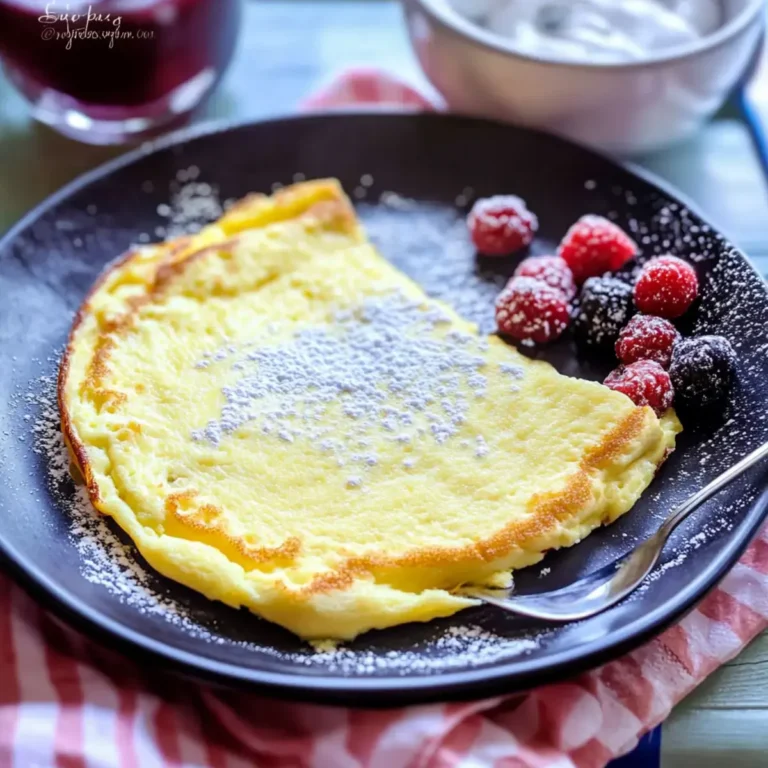
Oatmeal Cottage Cheese Pancakes – The Ultimate Healthy Delight
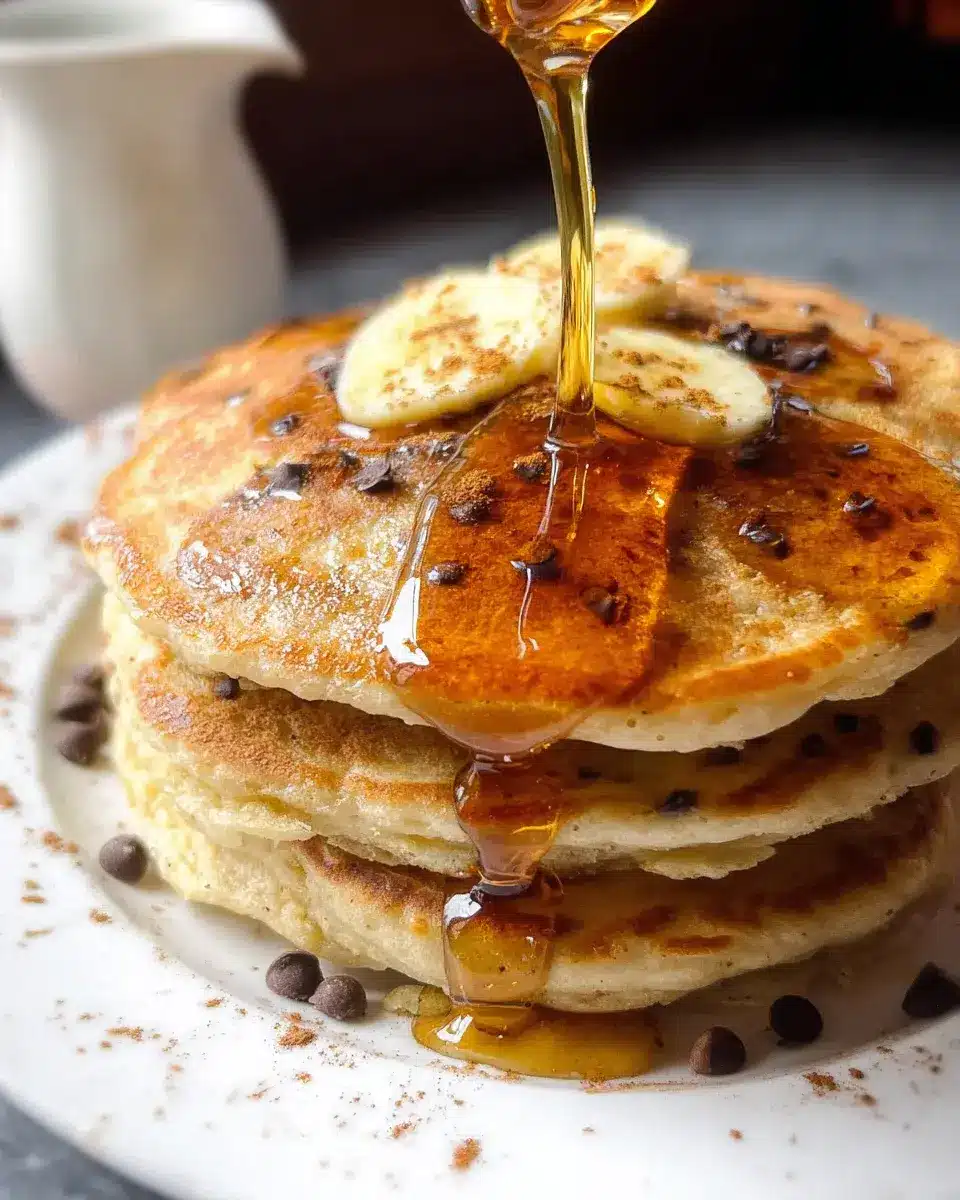
Oatmeal cottage cheese pancakes offer a truly wonderful start to any morning, blending wholesome ingredients into a delightful breakfast treat. Their fluffy texture and nutritious profile make them a fantastic choice for a quick weekday meal or a more leisurely weekend brunch. Packed with both protein and essential fiber, these pancakes are designed to provide sustained energy throughout your day, ensuring you feel satisfied and powered up.
Whether you’re seeking a simple yet satisfying breakfast or looking for a crowd-pleasing option for family and friends, these pancakes are sure to be a hit. They provide a wonderful canvas for a variety of toppings, allowing for endless customization to suit every palate. This recipe embodies convenience and deliciousness, making healthy eating an enjoyable experience.
Why You Will Love This Recipe
- Healthy Option: These pancakes are exceptionally rich in protein and fiber, making them a highly nutritious choice for your breakfast. They support satiety and provide essential nutrients to kickstart your day effectively.
- Quick and Easy: With a minimal list of straightforward ingredients, you can prepare a satisfying batch of these pancakes in a surprisingly short amount of time. This makes them ideal for busy schedules without compromising on taste or health.
- Family-Friendly: The inherent fluffy texture and appealing, subtly sweet flavor profile of these pancakes are universally loved by children and adults alike. They guarantee a meal that everyone at the table will eagerly enjoy, fostering happy mealtimes.
- Versatile Topping Choices: The plain yet delicious base of these pancakes acts as a perfect foundation for a wide array of toppings, from classic maple syrup and honey to vibrant fresh fruits, creamy yogurt, or even decadent nut butters. This versatility allows for endless flavor combinations.
- Meal Prep Friendly: For ultimate convenience, you can prepare a generous batch of these oatmeal cottage cheese pancakes in advance and store them. Freezing them makes for incredibly quick and healthy breakfasts on those hectic mornings when time is of the essence.
Ingredients You Need
Selecting high-quality ingredients is paramount to achieving the best possible flavor and texture in your oatmeal cottage cheese pancakes. The simplicity of the recipe allows the natural goodness of each component to shine through, contributing to a truly delicious and satisfying outcome. Opting for fresh eggs and good quality cottage cheese will elevate these humble pancakes into something truly special.
Oatmeal Cottage Cheese Pancakes
Oatmeal cottage cheese pancakes are a delightfully fluffy and nutritious way to start your day! Combining oats and protein-rich cottage cheese, this easy breakfast recipe is perfect for busy mornings or leisurely brunches. These pancakes are not only satisfying but also customizable with your favorite toppings, ensuring everyone at the table will enjoy them. Packed with fiber and protein, they provide lasting energy to fuel your day. Whether drizzled with maple syrup or topped with fresh fruit, these pancakes are a delightful treat that everyone will love!
- 3/4 cup old-fashioned oats
- 1/4 teaspoon salt
- 1 1/2 teaspoons baking powder
- 1/2 teaspoon cinnamon
- 3/4 cup cottage cheese
- 3 large eggs
- 1 teaspoon vanilla extract
- 3 tablespoons honey
- 1In a high-speed blender, combine all ingredients and blend until smooth.
- 2Preheat a nonstick skillet over medium heat and lightly coat it with cooking spray.
- 3Pour batter onto the skillet in batches, cooking for about 2-3 minutes until edges are set and bottoms are golden-brown.
- 4Flip pancakes gently using a spatula and cook for an additional 1-2 minutes until golden on the other side.
- 5Transfer cooked pancakes to a plate and repeat until all batter is used.
- 6Serve warm with your choice of toppings.
Keywords: oatmeal, cottage cheese, pancakes, breakfast, healthy, protein, fiber, easy, family-friendly, quick
- old-fashioned oats: provides a hearty base and valuable fiber.
- salt: enhances the overall flavor profile and balances sweetness.
- baking powder: essential for achieving that desirable fluffy texture.
- cinnamon: adds a warm, comforting aroma and taste.
- cottage cheese: lends a creamy texture and a significant protein boost.
- large eggs: bind the ingredients together and contribute to richness.
- vanilla extract: offers a subtle, sweet aromatic note.
- honey: provides natural sweetness, though other sweeteners can be used.
The precise quantities for each ingredient are detailed within the accompanying recipe card, ensuring you have all the necessary information for perfect preparation.
Variations
Exploring different ingredient combinations can lead to exciting new flavor profiles and dietary adaptations for these versatile pancakes. For instance, transforming them into a vegan delight is quite achievable by making a few simple substitutions. You might replace the eggs with a flax egg or a commercial egg replacer, and swap the honey for a plant-based sweetener like maple syrup or agave nectar. The cottage cheese can be substituted with a thick, unsweetened plant-based yogurt or silken tofu blended until smooth, ensuring a creamy consistency.
For those adhering to a low-carb lifestyle, significant adjustments can be made while retaining the core appeal of the pancakes. Instead of oats, you could incorporate almond flour or coconut flour as the primary dry ingredient. This not only reduces the carbohydrate count but also introduces a different nutty flavor and texture. You may need to slightly adjust the liquid content when using alternative flours, adding a little more cottage cheese or a splash of milk alternative to reach the perfect batter consistency. Sugar-free sweeteners can be used in place of honey to maintain the low-carb profile.
Further customization can involve adding vibrant flavors and textures directly into the batter. Consider incorporating unsweetened cocoa powder for a chocolatey twist, or finely grated zucchini or carrot for an added nutritional punch and moisture. These additions can be complemented by spices like nutmeg or cardamom, or even a hint of citrus zest for brightness. Such variations ensure that these oatmeal cottage cheese pancakes can cater to a wide range of dietary needs and taste preferences, making them a truly adaptable breakfast staple.
How to Prepare Oatmeal cottage cheese pancakes
Step 1: Blend the Batter
The initial stage of preparing these delightful pancakes involves bringing all the necessary ingredients together in a high-speed blender. This step is crucial for achieving a perfectly smooth and homogenous batter, which is key to the pancakes’ fluffy texture and even cooking. Place the old-fashioned oats, salt, baking powder, cinnamon, cottage cheese, large eggs, vanilla extract, and honey into the blender container. Ensure all components are present before securing the lid tightly to prevent any spills during operation.
Once all ingredients are safely inside, begin blending on a low speed initially, gradually increasing to a higher speed. The goal is to process the mixture until it achieves a completely smooth consistency, free from any visible lumps of oats or cottage cheese. This process should take approximately 30 to 60 seconds, depending on the power of your blender. A smooth batter is essential; any remaining texture from the oats will be softened during the cooking process, but large unblended pieces will result in unevenly textured pancakes.
Take a moment to scrape down the sides of the blender with a spatula if necessary, ensuring that all ingredients are incorporated into the blending vortex. This guarantees that every component is fully integrated, leading to a uniform batter. Once you are satisfied with the smoothness, the batter is ready for the next exciting stage of cooking. This efficient blending method streamlines the pancake-making process considerably, minimizing prep time and effort.
Step 2: Prepare the Skillet
Before you even begin pouring batter, it’s imperative to prepare your cooking surface to ensure the pancakes release easily and cook evenly. Select a large, good-quality nonstick skillet; this is your best friend for preventing sticking and ensuring effortless flipping. Place the skillet over medium heat on your stovetop. Allowing the pan to heat up gradually is important so that the heat distribution is even across the entire cooking surface.
Once the skillet has had a few minutes to preheat, it’s time to add a thin layer of cooking spray or a small amount of butter or oil. Use a paper towel to spread the cooking fat thinly and evenly across the entire bottom of the nonstick pan. This light coating acts as a further barrier against sticking and helps to achieve that beautiful golden-brown color on the pancakes. You want just enough to coat the surface, not so much that it pools at the bottom.
Testing the temperature of the skillet is a simple yet effective practice. You can flick a tiny drop of water onto the surface; if it sizzles and evaporates immediately, your pan is at the ideal temperature. If it evaporates too quickly and disappears, the pan is too hot. If it just sits there and bubbles slowly, it’s not hot enough. Maintaining this medium heat throughout the cooking process is vital for consistently perfect pancakes, so be prepared to make minor adjustments.
Step 3: Cook the Pancakes
With your skillet perfectly heated and lightly greased, it’s time to start forming your delicious oatmeal cottage cheese pancakes. Using a measuring cup or a ladle, carefully pour portions of the blended batter onto the hot skillet. It’s important to work in batches, allowing ample space between each pancake to prevent them from merging together and to facilitate easy flipping. Aim for uniform sizes for consistent cooking and presentation.
As the batter cooks, you will begin to observe the edges of each pancake firming up and small bubbles starting to appear on the surface. This is your visual cue that the first side is nearing completion. Continue to cook undisturbed until these bubbles begin to pop and remain open, and the edges appear set and slightly dry. This stage typically takes between two to three minutes, but can vary slightly depending on the heat of your stove and the thickness of your pancakes.
The underside of the pancake should be a beautiful golden-brown color when it’s ready to be flipped. Avoid the temptation to peek too early, as this can cause the pancakes to break apart. Patience is key here. Once you see these visual indicators, you know it’s time to move on to the next crucial step: the flip!
Step 4: Flip the Pancakes
This is arguably the most satisfying part of making pancakes – the perfect flip! Once the pancakes have cooked on the first side, showing set edges and popped bubbles, it’s time to turn them over. Using a thin, flexible spatula, carefully slide it completely underneath one of the pancakes. Gently lift the pancake and swiftly, yet smoothly, flip it over onto the hot skillet.
The goal is to flip with confidence and precision to maintain the pancake’s shape and prevent it from tearing or collapsing. The second side typically cooks a bit faster than the first, as the skillet is already hot and the pancake is thinner after the initial cook. Continue cooking on this second side for approximately one to two minutes, or until it achieves the same lovely golden-brown hue as the first side.
Once both sides are perfectly cooked and beautifully golden, it’s time to remove the pancakes from the skillet. Use your spatula to carefully transfer the cooked pancakes onto a waiting plate. It’s a good idea to place them on a plate that can be kept warm, perhaps in a slightly warm oven, while you continue cooking the remaining batter to ensure they are all served hot. This systematic approach ensures a delightful eating experience from the first pancake to the last.
Step 5: Repeat Cooking
The process of cooking the pancakes is a continuous cycle, ensuring you utilize all of the delicious batter you prepared. After removing the first batch of perfectly cooked pancakes from the skillet, you’ll return to the task of pouring more batter. Before you add the next round of batter, quickly check the heat of your skillet and lightly re-grease it if necessary. A quick spray of cooking spray or a tiny wipe of oil is usually sufficient to maintain the nonstick surface.
Continue the process of pouring, cooking, and flipping for each subsequent batch of pancakes. It’s important to manage the heat of the skillet throughout this process. If you notice the pancakes are browning too quickly, reduce the heat slightly. Conversely, if they are cooking too slowly or not browning well, increase the heat a touch. Consistent monitoring and adjustment of the heat are key to achieving uniformly cooked pancakes across all batches.
Keep a close eye on your pancake creations, as cooking times can vary slightly from one batch to the next. Your goal is to achieve that consistent golden-brown perfection on both sides for every single pancake. Once all of the batter has been used and you have a delightful stack of golden pancakes, you are ready for the final, most enjoyable step: serving and savoring your homemade creation. This methodical repetition ensures a generous yield of delicious pancakes.
Step 6: Serve
The culmination of your effort is finally here – the moment to serve these wonderfully prepared oatmeal cottage cheese pancakes. Transfer the warm, golden pancakes from the plate onto individual serving plates. The aroma alone will be enticing, promising a delicious breakfast experience. Serve them immediately while they are at their peak warmth and fluffiness for the ultimate enjoyment.
Offer a selection of your favorite toppings alongside the pancakes. Classic choices like warm maple syrup or honey are always a welcome addition, their sweetness perfectly complementing the nutty flavor of the oats and the subtle tang of the cottage cheese. Fresh berries, such as strawberries, blueberries, or raspberries, add a burst of freshness and vibrant color. Other popular options include a dollop of creamy yogurt, a swirl of nut butter, or even a sprinkle of chopped nuts for added texture.
Consider presenting these pancakes with a side of fruit salad or a glass of fresh juice to create a complete and balanced meal. The versatility of these pancakes means they can be dressed up or kept simple, fitting any occasion or preference. Enjoy the satisfaction of a homemade, healthy, and utterly delicious breakfast that you and your loved ones are sure to adore. This final step is all about enjoyment and sharing the fruits of your culinary labor.
Pro Tips for Oatmeal cottage cheese pancakes
Achieve Ultimate Fluffiness: The secret to incredibly fluffy pancakes lies partly in the baking powder and partly in how you handle the batter. Ensure your baking powder is fresh; expired baking powder won’t provide the necessary lift. Also, avoid overmixing the batter once the dry and wet ingredients are combined, as this can develop the gluten too much and result in tougher pancakes.
Perfect Pan Temperature is Key: A consistently heated nonstick skillet is non-negotiable for beautiful, evenly browned pancakes. Too low heat will result in pale, greasy pancakes, while heat that is too high will burn the outside before the inside cooks through. It takes a little practice to find your stove’s sweet spot, but it’s worth the effort for that perfect golden crust.
Don’t Overcrowd the Pan: Resist the urge to cram too many pancakes into the skillet at once. Each pancake needs its own space to cook evenly and expand. Overcrowding lowers the temperature of the pan and makes flipping much more difficult, often leading to unevenly cooked or broken pancakes. Cook in batches to ensure quality.
Gentle Flipping is Crucial: When it’s time to flip, use a thin, wide spatula that can get completely underneath the pancake. Lift and flip with a confident, swift motion. Avoid pressing down on the pancakes after flipping, as this will deflate them and remove the air pockets that contribute to their fluffiness. Let them cook through naturally on the second side.
Let the Batter Rest: While the blender method creates a smooth batter quickly, allowing it to rest for about 5-10 minutes after blending can actually improve the texture. This brief resting period allows the oats to soften further and the baking powder to start activating, contributing to a slightly thicker batter and even fluffier end result. This is a small step that can make a noticeable difference.
Customization is Encouraged: These pancakes are a fantastic base for personalization. Feel free to fold in ingredients like fresh berries, chocolate chips, or a sprinkle of nuts into the batter just before cooking. You can also experiment with different spices like nutmeg or cardamom for an added layer of warmth and complexity. Don’t be afraid to get creative with your additions to make them uniquely yours.
Serving Suggestions for Oatmeal cottage cheese pancakes
Decoration
Elevate your oatmeal cottage cheese pancakes by focusing on visually appealing decorations that enhance their overall presentation and appeal. A simple yet elegant touch can be achieved by dusting the tops with a light snowfall of powdered sugar, creating a stark contrast against the golden hue of the pancakes. Another delightful decorative element involves artfully arranging fresh fruit slices or whole berries atop the stack, adding vibrant colors and natural beauty.
For a touch of creamy luxury, a dollop of whipped cream or Greek yogurt placed strategically on the side or center of the pancake stack adds visual interest and textural contrast. Edible flowers, if available, can provide a sophisticated and whimsical touch. Consider drizzling patterns with melted chocolate or a contrasting sauce like berry coulis for an extra layer of artistry and flavor intrigue.
Even a simple sprinkle of toasted nuts or seeds can add a rustic charm and visual texture that complements the pancakes beautifully. The key is to aim for balance and intentionality in your decorative choices, turning a simple breakfast into a miniature work of edible art that delights both the eyes and the palate.
Side Dishes
To create a truly satisfying and well-rounded meal, pairing your oatmeal cottage cheese pancakes with complementary side dishes is an excellent strategy. A fresh fruit salad, brimming with a variety of seasonal fruits like melon, berries, and citrus, offers a refreshing counterpoint to the richness of the pancakes. This also adds extra vitamins and a light, healthy element to the meal.
For those seeking a more protein-packed breakfast, serving the pancakes alongside eggs prepared any style – scrambled, fried, or poached – provides sustained energy and a savory balance. Crispy bacon or savory sausage links offer a delightful salty contrast and a satisfying textural element that many breakfast enthusiasts adore. This combination caters to a heartier appetite and provides a classic breakfast experience.
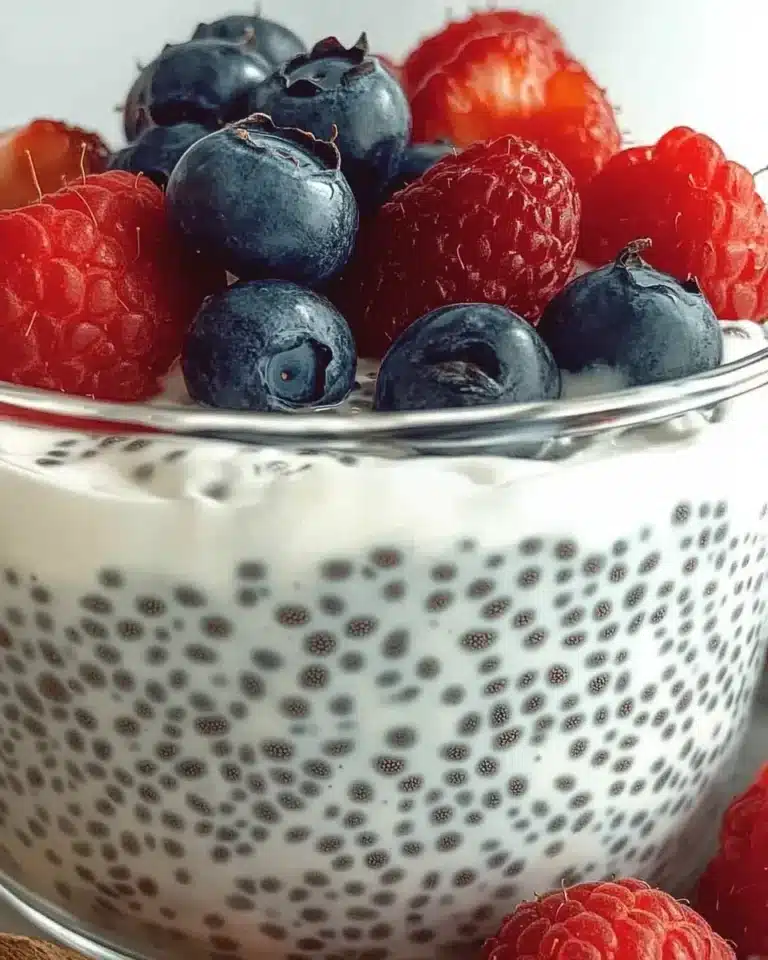
Consider offering a side of creamy yogurt layered with granola and more fresh fruit in a parfait glass for an elegant and nutritious accompaniment. Alternatively, a slice of avocado toast, prepared with whole-grain bread and perfectly ripe avocado, adds healthy fats and a smooth, creamy texture that pairs wonderfully with the pancakes. A small bowl of chia seed pudding can also serve as a nutrient-dense and subtly flavored side, complementing the pancakes without overpowering their taste.
Creative Serving Ideas
Unlock new dimensions of flavor and experience by thinking beyond the traditional pancake stack. Imagine creating “pancake skewers” by cutting the cooked pancakes into bite-sized pieces and threading them onto small skewers, alternating with chunks of fresh fruit and perhaps a marshmallow or a piece of cheese for a fun, interactive breakfast. This is especially appealing for children and can make breakfast feel like a special occasion.
Another imaginative approach is to repurpose the pancakes into a “breakfast parfait” by crumbling them into layers with yogurt, granola, and fresh berries in a tall glass. This layered presentation is not only visually stunning but also offers a delightful mix of textures and flavors in every spoonful. You could also serve them open-faced as a base for savory toppings, like a poached egg and a sprinkle of chives or smoked salmon and cream cheese, transforming them into a more brunch-appropriate dish.
For a dessert-inspired twist, consider transforming your pancakes into a deconstructed “pancake dessert plate.” Arrange a few pancakes on a plate and artfully drizzle them with chocolate sauce, caramel, or fruit compote. Add a scoop of vanilla ice cream or a dollop of flavored whipped cream on the side. These creative serving ideas encourage experimentation and ensure that your oatmeal cottage cheese pancakes are always a delightful and memorable part of your meal.
Preparation & Storage
Storing Leftovers
To ensure your delicious oatmeal cottage cheese pancakes remain fresh and enjoyable for later, proper storage is essential. Once the pancakes have cooled completely to room temperature, arrange them in a single layer in an airtight container. If you have a large number of pancakes, you can stack them, but placing a piece of parchment paper or wax paper between layers will prevent them from sticking together, maintaining their individual integrity.
Seal the container tightly to minimize exposure to air, which can cause the pancakes to dry out or absorb odors from other foods in the refrigerator. Stored correctly in an airtight container in the refrigerator, these pancakes will typically maintain their quality and taste for up to 3 days. This makes them an excellent candidate for make-ahead breakfasts or snacks throughout the week.
It’s always a good practice to label the container with the date you stored the pancakes. This helps you keep track of their freshness and ensures you consume them within the recommended timeframe. Properly stored leftovers are a testament to good planning and reduce food waste.
Freezing
For longer-term storage, freezing your oatmeal cottage cheese pancakes is an excellent option, allowing you to enjoy them for weeks to come. Begin by ensuring the pancakes are completely cooled. This is a critical step, as warm pancakes placed in a freezer bag can create condensation, leading to freezer burn and a less desirable texture upon thawing.
Once cooled, arrange the pancakes in a single layer on a baking sheet. Place this baking sheet in your freezer for about 1 to 2 hours, or until the pancakes are firm to the touch. This “flash freezing” step prevents them from clumping together into a solid mass when you transfer them to their final storage container. It ensures that each pancake remains separate and easy to retrieve.
After they are individually frozen, transfer the firm pancakes into a heavy-duty freezer-safe bag or an airtight freezer container. Squeeze out as much excess air as possible from the bag before sealing it. Label the bag or container with the contents and the date. Frozen oatmeal cottage cheese pancakes can be stored for up to 2 months, retaining good quality, although the texture might be slightly softer upon reheating compared to freshly made ones.
Reheating
Reheating your oatmeal cottage cheese pancakes is straightforward and can be done using several methods, depending on your preference and available appliances. For a soft, evenly warmed pancake, the oven is an excellent choice. Preheat your oven to 350°F (175°C). Arrange the frozen or refrigerated pancakes in a single layer on a baking sheet lined with parchment paper.
Bake for approximately 10-15 minutes for frozen pancakes, or about 5-10 minutes for refrigerated pancakes, or until they are heated through and warmed to your desired temperature. This method helps to retain some of their original fluffy texture. Using a toaster oven can also be effective for smaller portions, following similar temperature and time guidelines.
The microwave offers the quickest reheating solution for individual pancakes. Place one or two pancakes on a microwave-safe plate and heat on medium power for about 30 seconds to 1 minute. Check for warmth and continue heating in 15-second increments if needed, being careful not to overheat, which can make them rubbery. For a slightly crisper exterior, you can reheat them in a nonstick skillet over low heat for a few minutes on each side until warmed through, flipping occasionally.
Frequently Asked Questions
-
What makes Oatmeal Cottage Cheese Pancakes a healthier breakfast option compared to traditional pancakes?
These pancakes stand out as a healthier choice primarily due to the inclusion of old-fashioned oats and cottage cheese. Oats are a fantastic source of dietary fiber, which aids in digestion, helps regulate blood sugar levels, and promotes a feeling of fullness, thereby reducing overall calorie intake. Cottage cheese is exceptionally high in protein, a crucial macronutrient for satiety, muscle repair, and sustained energy release. The protein content in these pancakes helps to prevent the rapid blood sugar spikes and subsequent crashes often associated with traditional pancakes made with refined flour and sugar, offering a more stable and longer-lasting energy supply throughout the morning. Furthermore, the natural sweetness from honey, in moderation, contributes fewer refined sugars compared to many commercial pancake mixes or recipes that rely heavily on added sugars.
-
Can I substitute the old-fashioned oats with other types of oats, and how will it affect the texture and nutritional profile?
Yes, you can substitute old-fashioned oats, but it will influence the final texture and potentially the nutritional aspects of the pancakes. If you use quick-cooking oats, they will break down more readily during blending, potentially resulting in a smoother, more cake-like texture rather than the slightly heartier feel that old-fashioned oats provide. Steel-cut oats are generally not suitable for this recipe as they require much longer cooking times and are too hard to blend smoothly in a high-speed blender for pancake batter; they would likely result in a gritty texture. Instant oats are highly processed and may also lead to a mushier consistency. From a nutritional standpoint, old-fashioned oats generally retain more of their fiber and nutrients compared to more processed varieties like quick or instant oats, making them the preferred choice for maximizing the health benefits in this recipe.
-
What is the best way to achieve a consistently fluffy texture in my Oatmeal Cottage Cheese Pancakes, and what common mistakes should I avoid?
To achieve a consistently fluffy texture, several factors are key. Firstly, ensure your baking powder is fresh and active, as this is the primary leavening agent. Secondly, don’t overmix the batter once it’s combined; overmixing can develop the gluten in the oats and result in tougher, less fluffy pancakes. A common mistake is using cold ingredients; allowing your cottage cheese and eggs to come closer to room temperature before blending can help create a smoother, more easily aerated batter. Another crucial step often overlooked is preheating the skillet to the correct medium temperature; if the pan is too hot, the outside will cook too quickly before the inside can puff up, and if it’s too cool, the pancakes won’t rise properly. Finally, avoid pressing down on the pancakes with your spatula after flipping, as this action deflates the delicate air pockets that create fluffiness. Patience during cooking is rewarded with a lighter, airier pancake.