Oatmeal Cake with Coconut Pecan Frosting
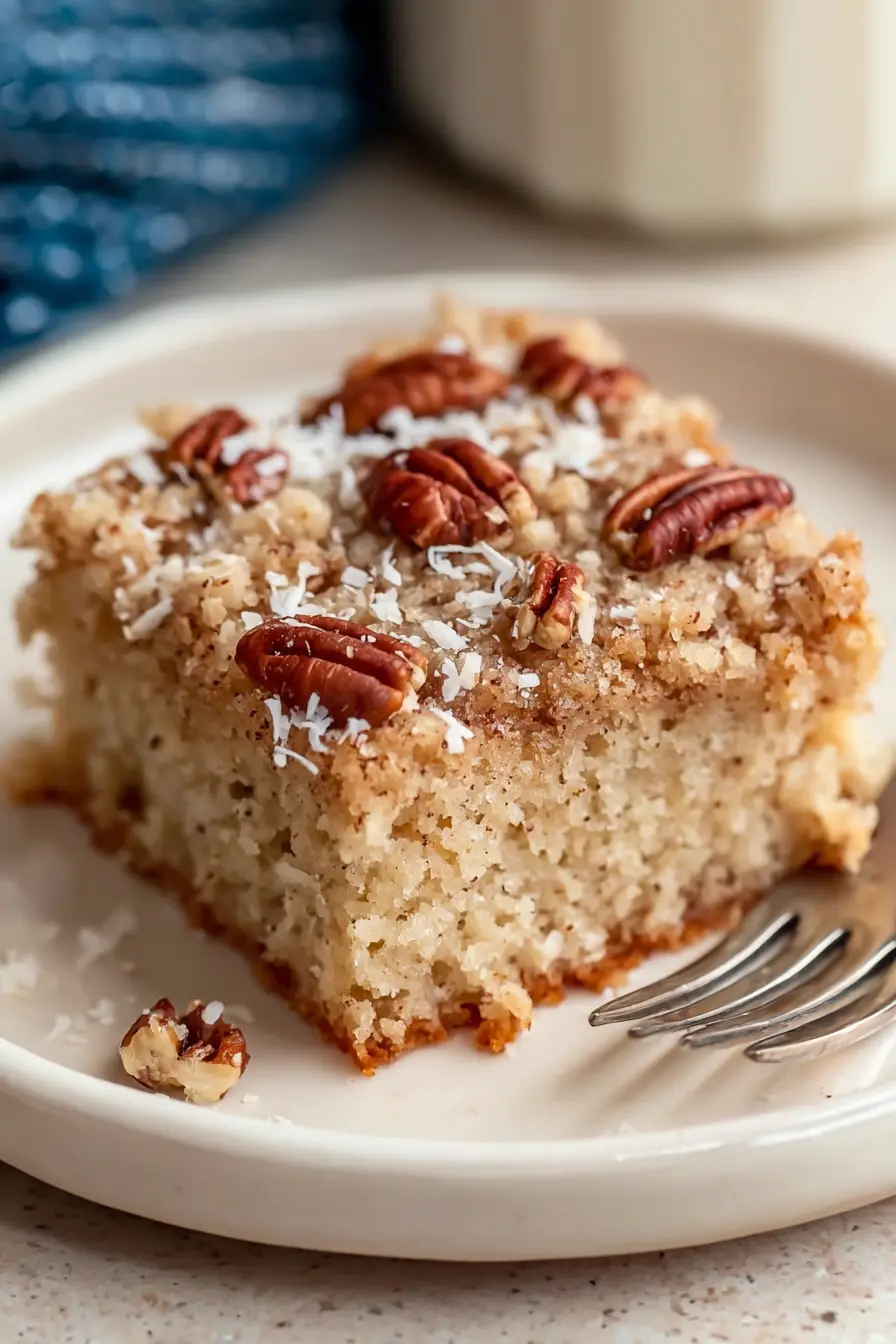
There are some desserts that just feel like a warm hug, a comforting embrace from a bygone era. This Oatmeal Cake with Coconut Pecan Frosting is precisely one of those treats. It’s a recipe that whispers tales of cozy kitchens and shared family moments, promising a delightful experience from the first bite to the last lingering crumb.
This cake is a beautiful testament to simple ingredients coming together to create something truly spectacular. The rustic charm of oatmeal meets the sweet indulgence of a nutty, coconut-rich topping, all enveloped in a warmly spiced cake. It’s the kind of dessert that makes any day feel a little more special, a little more celebratory.
Why You Will Love This Recipe
- Comforting Spice Blend: A delicate fusion of cinnamon and nutmeg provides a gentle warmth that perfectly complements the sweet cake batter and nutty topping, evoking a sense of cozy nostalgia.
- Tender, Moist Crumb: The use of quick-cooking oats, softened with hot water, contributes to an incredibly tender and moist cake texture that remains delightful without being heavy.
- Irresistible Topping: The combination of melted butter, brown sugar, coconut, and pecans, briefly broiled to golden perfection, offers a symphony of textures and flavors – chewy, crunchy, and caramelized.
- Beginner-Friendly: With straightforward steps and common ingredients, this recipe is accessible to bakers of all skill levels, ensuring a successful and enjoyable baking experience every time.
- Versatile Delight: Whether served warm with a scoop of ice cream or cooled for a perfect afternoon tea accompaniment, this cake is suitable for a wide range of occasions, from casual gatherings to holiday celebrations.
Ingredients You Need
The success of any baked good hinges on the quality of its components. For this Oatmeal Cake with Coconut Pecan Frosting, using fresh, good-quality ingredients will truly elevate the final product. Opting for fresh spices and good butter will ensure a richer flavor profile, and using a good brand of coconut and pecans will enhance the texture and taste of the iconic topping.
Oatmeal Cake with Coconut Pecan Frosting
A cozy, beginner-friendly dessert with a soft spiced crumb, a buttery toasted topping, and reliable crowd-pleasing flavor for holidays, potlucks, or an everyday bake. The oats help create a tender texture that stays moist without feeling heavy. You get a soft, almost comforting bite underneath, then a richer layer of coconut and pecans that turns golden and lightly caramelized under the broiler.
- 1 cup quick-cooking oats
- 1 1/2 cups very hot water
- 1/2 cup vegetable shortening
- 1 cup firmly packed light brown sugar
- 1 cup granulated white sugar
- 2 large eggs
- 1 1/2 cups all-purpose flour
- 1 teaspoon baking soda
- 1/2 teaspoon fine salt
- 1/2 teaspoon ground cinnamon
- 1/2 teaspoon ground nutmeg
- 1 teaspoon pure vanilla extract
- 1/2 cup salted butter, melted
- 1 cup packed light brown sugar
- 1/4 cup milk
- 1 teaspoon vanilla extract
- 1 cup sweetened flaked coconut
- 1 cup chopped pecans
- 1Place the quick-cooking oats in a large mixing bowl and pour the hot water over them. Let sit briefly to cool slightly. Meanwhile, preheat oven to 350°F (175°C) and grease a 9 x 13-inch baking dish.
- 2Add the vegetable shortening to the warm oat mixture and whisk until fully melted and blended. Stir in the brown sugar and granulated sugar until thoroughly combined. Add the eggs and whisk until the mixture is smooth and evenly incorporated.
- 3Add the all-purpose flour and stir gently just until combined. Sprinkle in the baking soda, salt, cinnamon, and nutmeg, then whisk until the batter is uniform. Mix in the vanilla extract, then spread the batter evenly in the prepared baking dish.
- 4Bake for about 30 minutes, or until a toothpick inserted into the center comes out clean.
- 5While the cake bakes, prepare the frosting. In a medium bowl, whisk together the melted butter, packed light brown sugar, milk, and vanilla extract. Fold in the sweetened flaked coconut and chopped pecans until evenly distributed.
- 6Once the cake is baked, spread the frosting mixture over the warm surface. Change the oven setting to broil and return the cake to the oven for 1 to 2 minutes, just until the coconut begins to turn golden around the edges. Watch closely to prevent scorching.
- 7Let the cake rest for 20 to 30 minutes, or until cooled to your preference. Slice and serve.
The precise quantities for each ingredient are detailed within the recipe card above, ensuring you have all the necessary measurements for a perfectly balanced cake and its delectable topping.
Variations
This Oatmeal Cake with Coconut Pecan Frosting serves as a wonderful base for creative culinary exploration. Imagine transforming it into a vegan masterpiece by simply substituting the eggs and butter with plant-based alternatives. A flax egg, made from ground flaxseed and water, can effectively replace the eggs, providing the necessary binding properties. For the butter in both the cake and the frosting, a good quality vegan butter or coconut oil can be used, ensuring the richness and texture remain intact.
For those following a lower-carbohydrate lifestyle, a few mindful adjustments can make this cake compliant. Opting for a sugar substitute that bakes well, such as erythritol or a blend of stevia and erythritol, will significantly reduce the sugar content. Similarly, using almond flour or a blend of almond and coconut flour in place of all-purpose flour can lower the carbohydrate count, although the texture might become slightly denser.
Another delightful variation involves infusing the cake with additional flavors. Consider adding a tablespoon of finely grated orange or lemon zest to the cake batter for a bright, citrusy note that cuts through the sweetness. Alternatively, a hint of cardamom or a touch of ground ginger can be added to the spice blend for a more complex and aromatic cake, perfect for a sophisticated palate.
How to Prepare Oatmeal Cake with Coconut Pecan Frosting
Step 1: Preparing the Oatmeal Base
The foundation of this comforting cake begins with the oats. In a substantial mixing bowl, combine one cup of quick-cooking oats with one and a half cups of very hot water. This initial step is crucial; the hot water begins the softening process for the oats, ensuring they will integrate smoothly into the batter and contribute to a tender crumb. Allow this mixture to sit for a few minutes, giving the oats ample time to absorb the water and swell.
While the oats are steeping, it’s time to prepare your baking environment. Preheat your oven to a moderate 350 degrees Fahrenheit (175 degrees Celsius). Simultaneously, generously grease a standard 9×13-inch baking dish. This ensures that the cake will release cleanly from the pan after baking, preserving its beautiful shape and preventing any sticking.
The slightly cooled oat mixture will now be ready for its next integration. This process is key to the cake’s signature texture and moistness, creating a delightful chewiness that is both satisfying and classic. It’s a simple yet foundational step that sets the stage for the deliciousness to come, making the most of this humble grain.
Step 2: Creating the Wet Batter Mixture
With the oats softened and the oven preheated, the wet ingredients are ready to be introduced. To the warm, softened oat mixture, add half a cup of vegetable shortening. Whisk these together until the shortening has completely melted and is thoroughly blended into the oats, creating a smooth, cohesive base. This shortening will contribute significantly to the cake’s rich texture and moistness, ensuring an old-fashioned, tender crumb.
Next, incorporate the sweeteners. Stir in one cup of firmly packed light brown sugar and one cup of granulated white sugar. Mix these sugars into the oat and shortening blend until they are well combined and the mixture begins to look glossy. The combination of brown and white sugar provides both moisture and depth of flavor, with the brown sugar adding a hint of caramel notes.
The structure of the cake is then built by adding the eggs. Whisk in two large eggs until the entire mixture appears evenly blended and has a smooth, glossy sheen. This emulsification process binds the ingredients together and ensures the cake will rise evenly, creating a delightful texture throughout its bake. This step transforms the base into a cohesive batter ready for the dry ingredients.
Step 3: Incorporating Dry Ingredients and Final Batter
Now it’s time to bring together the dry components of the cake. Gently fold in one and a half cups of all-purpose flour into the wet batter. Be careful not to overmix at this stage; a gentle folding motion until just combined is sufficient to develop the flour’s gluten structure minimally, which helps maintain a tender cake crumb.
Following the flour, add the leavening and flavor enhancers. Sprinkle in one teaspoon of baking soda, half a teaspoon of fine salt, half a teaspoon of ground cinnamon, and half a teaspoon of ground nutmeg. These ingredients are vital for the cake’s rise, flavor balance, and warm spice profile. Whisk these in until the batter appears uniform in color and consistency.
The final touch for the cake batter is a teaspoon of pure vanilla extract, which harmonizes the flavors and adds a classic bakery aroma. Stir this in until it is fully incorporated. Once the batter is homogenous and smooth, carefully spread it evenly into the prepared 9×13-inch baking dish. Ensure the surface is level for even baking.
Step 4: Baking the Oatmeal Cake
Place the prepared baking dish with the batter into the preheated oven at 350 degrees Fahrenheit (175 degrees Celsius). Allow the cake to bake for approximately 30 minutes. During this time, the batter will transform into a beautifully baked cake with a golden hue and a delightful aroma filling your kitchen.
To ensure the cake is perfectly baked, perform a simple toothpick test. Insert a toothpick or a thin skewer into the center of the cake. If it comes out clean, without any wet batter clinging to it, the cake is done. You should also observe that the cake looks lightly golden on top and feels slightly springy to the touch when gently pressed in the middle.
This baking stage is crucial for developing the cake’s structure and ensuring it’s cooked through. An underbaked cake can be gummy, while an overbaked cake can become dry. The 30-minute timeframe is a guideline, so always rely on the toothpick test for accuracy. Once baked, remove the cake from the oven and let it cool slightly before proceeding to the topping.
Step 5: Crafting the Coconut Pecan Topping
While the cake is baking, or immediately after it comes out of the oven, prepare the luscious coconut pecan topping. In a separate medium-sized bowl, combine half a cup of melted salted butter with one cup of packed light brown sugar. Whisk these two ingredients together vigorously until they form a smooth, well-emulsified mixture. The brown sugar will lend a rich, molasses-like sweetness and help create that desirable caramelized finish.
Next, add a quarter cup of milk and one teaspoon of vanilla extract to the butter and sugar mixture. Whisk again until everything is thoroughly combined and the liquid is smoothly incorporated. This liquid base will bind the topping together and ensure it spreads easily over the warm cake, creating a cohesive layer of indulgence.
The star ingredients of the topping are then folded in. Add one cup of sweetened flaked coconut and one cup of chopped pecans to the wet mixture. Gently fold these ingredients together with a spoon or spatula until all the coconut and pecans are evenly coated with the buttery, sugary liquid. The mixture should look thick but still spreadable, ready to crown the warm cake.
Step 6: Applying and Broiling the Topping
As soon as the cake emerges from the oven, it’s time for its crown jewel. Working quickly while the cake is still warm, spread the prepared coconut pecan topping evenly over the entire surface. The warmth of the cake will help the topping settle and adhere beautifully, creating a unified layer of flavor and texture. Ensure you cover the cake edge to edge for a consistent experience in every slice.
To achieve that irresistible golden-brown, slightly caramelized finish, you will now utilize your oven’s broiler. Carefully place the cake back into the oven, positioning it under the broiler. This step requires close attention as broilers can be intense and broiling times are very short.
Broil the cake for just one to two minutes, watching it meticulously. The goal is to lightly toast the coconut and pecans, turning them a beautiful golden color around the edges. The surface should begin to bubble invitingly. Remove the cake from the oven immediately once this desired color is achieved to prevent any burning. The transformation under the broiler is swift but dramatic, creating a truly decadent topping.
Step 7: Cooling and Serving
Once the topping has achieved its perfect golden hue and the cake has been removed from the broiler, it’s essential to allow it to cool. Let the cake rest in its pan for at least 20 to 30 minutes. This cooling period is crucial for several reasons: it allows the topping to set and become slightly firmer, and it enables the cake’s crumb to finish setting, preventing it from being too crumbly when sliced.
Serving this cake can be done in two delightful ways, depending on your preference. For a softer, more meltingly tender texture, serve the cake while it is still slightly warm. The residual heat will enhance the buttery notes of the topping and the comforting spice of the cake. Alternatively, for cleaner, more defined slices and a firmer texture, allow the cake to cool completely before cutting.
This cooling and serving stage is the final act before enjoying the fruits of your labor. The anticipation builds as the aroma continues to fill your home, promising a truly satisfying dessert experience. Each slice will be a delightful combination of soft cake and crunchy, chewy, caramelized topping.
Pro Tips for Oatmeal Cake with Coconut Pecan Frosting
Optimal Oat Soaking: Ensure the hot water is indeed hot when you pour it over the quick-cooking oats. This is critical for achieving the desired tenderness and smoothness in the cake’s crumb. If the water isn’t hot enough, the oats might remain too chewy, altering the final texture undesirably.
Sugar Harmony: Using a combination of both light brown sugar and granulated sugar in the cake batter is key. The granulated sugar provides sweetness and structure, while the brown sugar contributes essential moisture and a subtle caramel undertone that makes the cake taste richer and more complex.
Gentle Flour Folding: When adding the flour to the wet ingredients, fold it in gently rather than overmixing. Over-stirring can develop the gluten in the flour too much, leading to a tougher, less tender cake. A light hand ensures the desired soft crumb.
Topping Timing is Key: Apply the coconut pecan topping to the cake immediately after it comes out of the oven while the cake is still warm. The heat from the cake will help the topping spread evenly and adhere properly, ensuring a cohesive layer rather than a loose scattering.
Broiler Vigilance: The broiler is your friend for achieving that perfect golden-brown topping, but it works incredibly fast. Never walk away from the oven when the broiler is on; the topping can go from perfectly toasted to burnt in a matter of seconds. Keep a close eye on it and remove the cake as soon as the coconut begins to turn golden.
Serving Suggestions for Oatmeal Cake with Coconut Pecan Frosting
Decoration
While the coconut pecan topping itself is quite decorative and appealing, a few thoughtful additions can elevate its presentation. A light dusting of powdered sugar over the entire cooled cake can add a touch of elegance and a contrasting visual element. For an even more festive look, especially during holidays, a sprinkle of edible gold or silver glitter, or a scattering of festive-colored sanding sugar, can make the cake truly shine.
Side Dishes
This cake pairs beautifully with a variety of accompaniments that complement its warm, comforting flavors. A simple dollop of freshly whipped cream, not overly sweetened, provides a light and airy contrast to the rich cake and topping. For a brighter contrast, a small bowl of fresh berries, such as raspberries or strawberries, offers a burst of tartness that cuts through the sweetness of the cake.
Considering the cake’s comforting nature, it also serves wonderfully as a breakfast or brunch item. It can be enjoyed alongside a warm cup of coffee or a glass of milk, making it a satisfying start to the day. For a more dessert-focused presentation, consider serving it with a small scoop of high-quality vanilla bean ice cream; the cold creaminess of the ice cream against the warm cake is a classic and beloved combination.
Creative Serving Ideas
Move beyond just slicing and serving by transforming this cake into individual treats. After the cake has cooled, use a round cookie cutter to create individual cake rounds. These can then be served atop dessert plates, perhaps with a drizzle of caramel sauce or a small quenelle of cream cheese frosting for an extra touch of decadence.
For a more rustic and casual presentation, break the cooled cake into large, rustic crumbles. These crumbles can be layered in individual glasses or jars with alternating layers of whipped cream and fresh berries, creating a deconstructed trifle that is both visually appealing and delicious. This method is also excellent for using up any slightly drier pieces of cake.
Consider serving slices of this oatmeal cake alongside a warming beverage. A hot toddy, a spiced apple cider, or a chai latte would be particularly fitting, enhancing the cake’s cozy and comforting profile. This thoughtful pairing creates a complete sensory experience that is perfect for cooler weather or as a relaxing end to a meal. The robust flavors of a good coffee also cut through the sweetness wonderfully.
Preparation & Storage
Storing Leftovers
To keep your delicious Oatmeal Cake with Coconut Pecan Frosting fresh for as long as possible, proper storage is key. Once the cake has cooled completely, cover it tightly with plastic wrap or transfer it to an airtight container. If your kitchen tends to be warm, it’s best to store the cake in the refrigerator to prevent the topping from becoming too soft or the cake itself from spoiling.
In the refrigerator, the cake can typically be stored for up to 5 days. The coconut pecan topping will firm up slightly in the cold, which some people find enhances the texture. The cake itself, due to the oats and brown sugar, will remain remarkably moist even after refrigeration. Always ensure the cake is well-covered to prevent it from drying out or absorbing any unwanted odors from other foods in the fridge.
If you prefer to store the cake at room temperature, ensure your environment is cool and dry. It should remain fresh for up to 2 days when stored this way. This makes it a convenient make-ahead dessert for casual entertaining or family snacks.
Freezing
This cake freezes exceptionally well, making it perfect for baking ahead for holidays or special occasions. After the cake has cooled entirely, it’s best to wrap it tightly to prevent freezer burn and protect the topping. You can wrap individual slices or the entire cake in multiple layers of plastic wrap, followed by a layer of aluminum foil or by placing it in a freezer-safe airtight container.
When properly wrapped and stored, the cake can maintain its quality in the freezer for up to 2 months. Freezing is an excellent option if you know you won’t be able to finish the cake within its optimal fresh storage period, or if you want to have a delicious homemade dessert ready at a moment’s notice. The flavors often meld and deepen during freezing, leading to a wonderfully rich taste upon thawing.
Ensure that when you wrap the cake, you do so thoroughly, pressing out as much air as possible. This step is crucial for maintaining the texture and preventing any ice crystals from forming on the surface, which can affect the moisture content and the integrity of the topping.
Reheating
To enjoy your Oatmeal Cake with Coconut Pecan Frosting at its best after it has been stored or frozen, reheating is a simple process. For slices that have been refrigerated or are at room temperature, a few seconds in the microwave can work wonders. Heat for 10-20 second intervals until the cake is just slightly warm and the topping is soft and inviting. Be careful not to overheat, as this can dry out the cake.
If the cake was frozen, allow it to thaw completely in the refrigerator overnight or at room temperature for a few hours before reheating. Once thawed, you can follow the same microwave method described above. Alternatively, for a more gentle warmth, you can place a slice in a low-temperature oven (around 250°F or 120°C) for about 5-10 minutes until heated through.
Reheating helps to revive the buttery richness of the topping and can make the spices in the cake more pronounced and aromatic. It’s a fantastic way to serve leftover cake that still gives the impression of being freshly baked. The contrast between a slightly warmed cake and a cool scoop of vanilla ice cream is particularly delightful.
Frequently Asked Questions
-
Can I use old-fashioned oats instead of quick-cooking oats in this recipe?
Yes, you absolutely can use old-fashioned rolled oats instead of quick-cooking oats, but be prepared for a slightly different texture in your final cake. Quick oats are cut into smaller pieces and processed to cook faster, meaning they break down more easily and blend smoothly into the batter, contributing to a very tender and almost cake-like texture. Old-fashioned oats, being whole and larger, will retain more of their shape and provide a heartier, chewier texture within the cake. If you choose to use old-fashioned oats, you may need to let them soak in the hot water for a slightly longer period to ensure they soften adequately before you proceed with mixing the batter. This will help them integrate better and prevent them from feeling too tough.
-
Do I have to broil the topping, and what happens if I skip this step?
Broiling the coconut pecan topping is a highly recommended step because it is what gives the topping its signature toasted, caramelized finish, adding a significant depth of flavor and delightful crunch. If you skip the broiling step, you will still have a delicious topping, but it will lack that characteristic golden-brown hue and the complex, slightly smoky, and buttery notes that the caramelization imparts. The coconut will be soft and chewy, and the pecans will be raw-tasting rather than toasted. While perfectly edible and still tasty, the broiling truly elevates the topping from good to exceptional, providing that satisfying contrast to the soft cake beneath. It’s a quick step that makes a big difference in the overall taste and texture experience.
-
Can this Oatmeal Cake with Coconut Pecan Frosting be made ahead of time, and how should it be stored if I do?
Yes, this cake is an excellent candidate for making ahead of time, which makes it incredibly convenient for entertaining or busy schedules. It holds up beautifully for a day or two after baking. Once the cake has cooled completely to room temperature, you can cover it tightly with plastic wrap or store it in an airtight container at room temperature. The flavors tend to meld and deepen over time, and the cake itself remains wonderfully moist thanks to the oats and brown sugar. If you plan to store it for longer than two days, or if your environment is particularly warm, refrigerating it will help preserve its freshness for up to 5 days. Just ensure it’s well-covered to prevent it from drying out or absorbing any fridge odors.