Kalua Pork Recipe – The Best Hawaiian Pulled Pork!
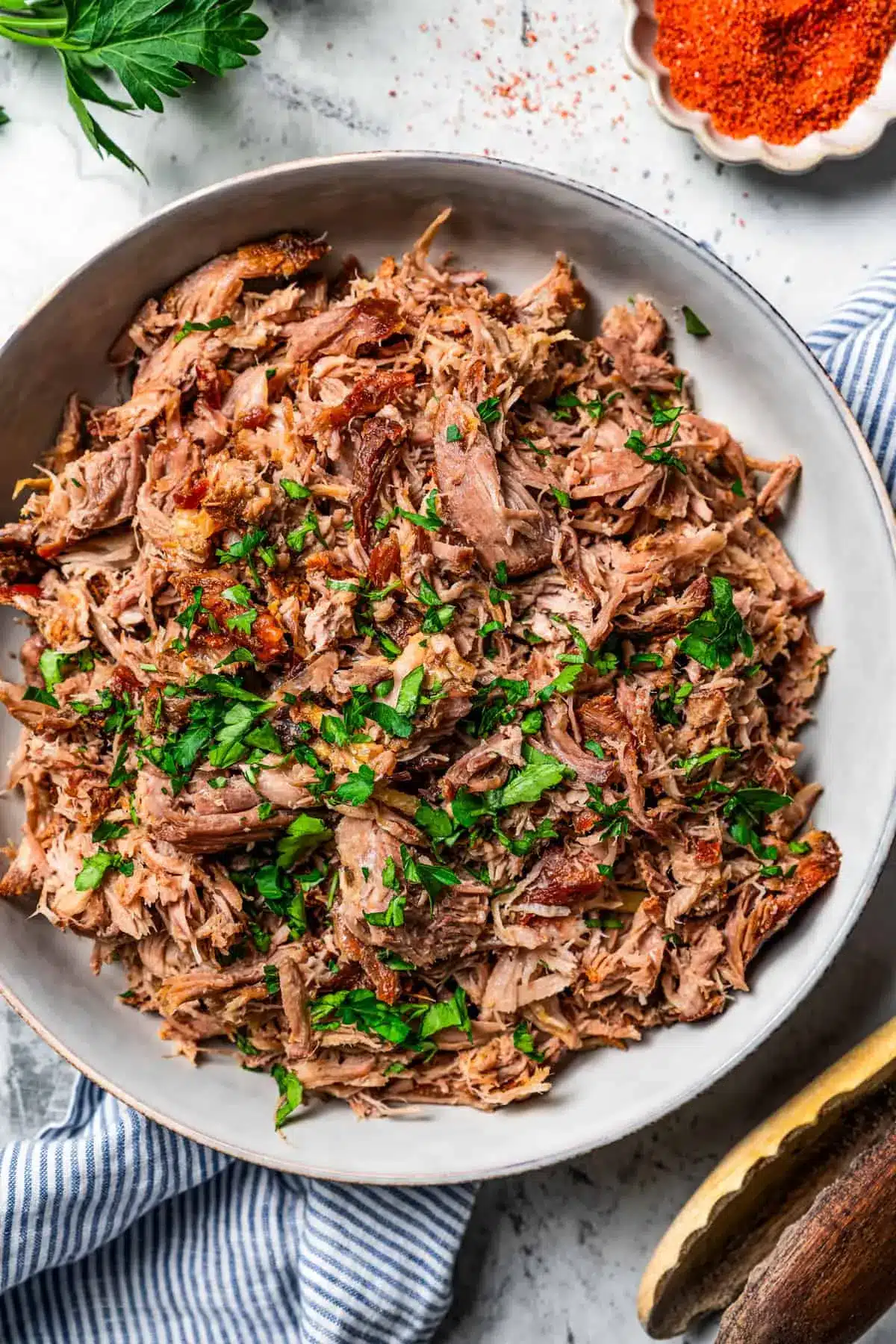
Embark on a culinary journey to the Hawaiian islands with this authentic Kalua Pork recipe, a dish that embodies the spirit of aloha and island feasting. This slow-roasted pork shoulder, infused with simple yet profound flavors, promises a tender, fall-apart experience that will transport your taste buds.
Imagine the aroma filling your kitchen as this succulent pork cooks to perfection, its rich, savory notes hinting at tropical breezes and time-honored traditions. It’s more than just a meal; it’s an invitation to gather, share, and savor the simple pleasures of incredibly delicious food.
Why You Will Love This Recipe
- Authentic Hawaiian Flavor: Experience the true taste of the islands with a recipe that honors traditional methods, simplified for your home kitchen.
- Incredibly Tender: The slow-roasting process breaks down the pork shoulder, resulting in meat so tender it shreds effortlessly with just a fork.
- Minimal Ingredients, Maximum Flavor: Relying on just a few key ingredients, this recipe proves that simplicity can yield spectacular results.
- Versatile Serving Options: From classic sandwiches to flavorful bowls, this Kalua Pork is a chameleon that adapts beautifully to various meal creations.
- Effortless Preparation: Despite its impressive flavor, the active preparation time is minimal, making it an accessible dish for any home cook.
Ingredients You Need
The magic of Kalua Pork lies in its simplicity, utilizing just a few high-quality ingredients to create an explosion of flavor. We focus on sourcing the best possible pork shoulder, as its marbling is crucial for that signature melt-in-your-mouth texture. The other components, like sea salt and liquid smoke, are chosen for their ability to impart deep, authentic tastes without overpowering the natural richness of the pork.
Kalua Pork (Hawaiian Pulled Pork)

This slow-roasted Hawaiian kalua pork is made from juicy pork shoulder rubbed with sea salt and seasonings and baked until it’s fall-apart tender. Pile this flavorful pulled pork into sandwiches or over rice, topped with a fried egg.
- 1 tablespoon olive oil
- 3 pounds pork shoulder, cut into 3 pieces
- 5 cloves garlic, halved
- 1 inch piece of fresh ginger, cut into sticks
- chopped fresh parsley, for serving
- 1Preheat your oven to 325ºF.
- 2Pierce the pork all over with a carving fork. Insert ginger and garlic into the holes you made with the fork. Rub the pork with Hawaiian salt and then with liquid smoke.
- 3Heat the olive oil in a large pan over medium-high heat. Sear the pork on all sides.
- 4Place the pork on a large piece of parchment paper and wrap it around. Then, wrap the meat with aluminum foil, sealing it tightly. Place the pork on a rimmed baking sheet.
- 5Bake the pork for 3-4 hours or until the inner temperature reaches 165ºF and the meat shreds easily.
- 6Remove the pork from the oven. Carefully open the aluminum foil and parchment paper and collect all the cooking juices. Shred the pork with meat claws or two forks. Then add it to a large bowl or serve it on a baking tray. Drizzle and toss the pork with the cooking juices.
- 7Just before serving, garnish the pulled pork with chopped parsley.
Keywords: Kalua Pork, Hawaiian Pulled Pork, Pork Shoulder, Slow Cooker Pork, Hawaiian Cuisine, Pulled Pork Sandwiches
The precise quantities for each ingredient are detailed within the recipe card, ensuring you have all the necessary information for success.
Variations
While the classic Kalua Pork is undeniably magnificent, its inherent flexibility allows for exciting variations that cater to diverse dietary preferences and flavor profiles. Experimentation is encouraged to discover your personal favorite way to enjoy this versatile dish.
For a vegan twist, consider a hearty jackfruit preparation. Shredded young green jackfruit, simmered in a savory broth infused with liquid smoke, sea salt, and perhaps a hint of smoked paprika, can mimic the texture and smoky essence of pulled pork surprisingly well. Serve it on buns with your favorite coleslaw for a completely plant-based luau experience.
If you’re aiming for a low-carb adaptation, focus on the protein and skip the traditional rice accompaniment. Kalua Pork is phenomenal served over a bed of cauliflower rice, which absorbs the delicious juices beautifully. You can also create vibrant lettuce wraps, using large butter lettuce leaves as your vessel, filled with the shredded pork and topped with a spicy mango salsa for a refreshing counterpoint.
Another delightful variation involves incorporating a touch of sweetness to balance the savory notes. A drizzle of honey or a few spoonfuls of pineapple juice added to the cooking liquid during the final stages can introduce a subtle tropical sweetness that complements the smoky pork. This is particularly wonderful when serving the pork in sliders or alongside grilled pineapple.
How to Prepare Kalua Pork
Step 1: Prepare the Pork for Flavor Infusion
The initial preparation of the pork shoulder is crucial for ensuring that every morsel is infused with flavor. Start by selecting a well-marbled pork shoulder, often referred to as pork butt, which is ideal for slow cooking. Its fat content will render down beautifully, contributing to the unparalleled tenderness and moisture of the final dish.
Before applying any seasonings, it’s beneficial to pierce the pork shoulder thoroughly. Using a sharp carving fork or a skewer, create numerous deep holes all over the surface of the meat. This step is fundamental as it allows the aromatics, such as fresh garlic and ginger, to penetrate deep into the meat during the cooking process, imparting a more profound and nuanced flavor profile throughout.
Next, take your halved garlic cloves and ginger sticks and carefully tuck them into the holes you’ve created. Aim to push them in as far as they will go, ensuring they are nestled securely within the pork. This direct contact with the meat during slow cooking allows their essential oils to infuse the pork, lending a subtly aromatic and savory depth that is characteristic of traditional Kalua Pork.
Step 2: Seasoning the Pork for an Authentic Taste
With the aromatics in place, it’s time to apply the primary seasonings that define Kalua Pork. Begin by generously rubbing the entire surface of the pork shoulder with Hawaiian sea salt. If you don’t have access to traditional Hawaiian sea salt, a good quality coarse sea salt will work effectively, providing the necessary mineral notes and a pleasant crunch.
The sea salt not only seasons the meat but also helps to draw out moisture, which then reabsorbs, tenderizing the pork further. Ensure that the salt is distributed evenly, reaching all nooks and crannies. This foundational seasoning is what gives Kalua Pork its distinct savory character.
Following the salt, apply the liquid hickory smoke. This ingredient is a crucial shortcut to achieving that characteristic smoky flavor without needing an underground imu. Rub the liquid smoke all over the pork, ensuring it coats the surface evenly. The amount is typically modest, as its flavor is quite potent, but adjust to your preference for smokiness. The combination of sea salt and liquid smoke creates the perfect savory and smoky foundation for this classic Hawaiian dish.
Step 3: Searing for Enhanced Flavor and Texture
To build another layer of complexity and visual appeal, the seasoned pork shoulder pieces are seared before they are baked. Heat a tablespoon of olive oil, or another high-smoke-point oil, in a large, heavy-bottomed skillet or Dutch oven over medium-high heat. The oil should shimmer but not smoke excessively.
Carefully place the seasoned pork shoulder pieces into the hot skillet. Sear each side of the pork for approximately 2-3 minutes, until a beautiful golden-brown crust forms. This searing process, known as the Maillard reaction, caramelizes the natural sugars in the meat, creating deep, rich flavors that complement the interior tenderness. Ensure you sear all sides thoroughly for consistent browning.
Once all sides of the pork have been nicely seared, remove the pieces from the skillet and set them aside momentarily. This step is not about cooking the pork through but rather about developing a robust exterior that adds a delightful textural contrast and a significant depth of flavor to the final shredded pork. This browning is a critical step in achieving that authentic, complex taste profile.
Step 4: The Slow Roast: Patience is Key
Now that the pork is seasoned and seared, it’s time for the slow-roasting process, which is the heart of preparing tender Kalua Pork. Preheat your oven to a low temperature, typically 325°F (160°C). This gentle heat is essential for breaking down the connective tissues in the pork shoulder over an extended period, leading to exceptionally tender results.
Carefully wrap the seared pork pieces tightly. A common method involves using a large piece of parchment paper first, ensuring it’s sealed around the meat, and then wrapping this securely with aluminum foil. This double-wrapping creates a steamy environment within the foil packet, which aids in tenderizing the meat and keeps it moist throughout the long cooking time.
Place the tightly wrapped pork onto a rimmed baking sheet. The rim is important to catch any juices that might escape during the cooking process. The pork will then bake in the preheated oven for approximately 3 to 4 hours. The exact duration will depend on the size of the pork pieces and your oven’s calibration. The goal is for the internal temperature to reach at least 165°F (74°C) and for the meat to be fork-tender.
Step 5: Shredding and Marrying Flavors
Once the Kalua Pork has reached the desired tenderness, it’s time for the satisfying task of shredding. Carefully remove the baking sheet from the oven. Using oven mitts, carefully open the aluminum foil and parchment paper wrapping, being cautious of the hot steam that will escape. It’s important to collect all the accumulated cooking juices in the bottom of the baking sheet or a separate bowl; these juices are packed with flavor and are essential for moistening the shredded pork.
Allow the pork to cool slightly for about 10-15 minutes, which makes it easier to handle and shred. Then, using two sturdy forks or meat claws, shred the pork. You can do this directly in the baking pan or transfer it to a large bowl. Pull the meat apart into strands, discarding any large pieces of fat or bone if present.
Finally, drizzle the reserved cooking juices over the shredded pork. Toss gently to ensure the pork is evenly moistened and coated with the flavorful liquid. This step is critical for ensuring the shredded Kalua Pork remains succulent and rich. Garnish with freshly chopped parsley just before serving for a touch of freshness and color.
Pro Tips for Kalua Pork
Don’t Rush the Roast: The secret to exceptionally tender Kalua Pork lies in patience. Resist the temptation to increase the oven temperature to speed up the cooking process; low and slow is the mantra here. A long, gradual cooking time allows the tough connective tissues in the pork shoulder to break down completely, rendering the meat incredibly soft and shreddable.
Monitor Internal Temperature: While the 3-4 hour timeframe is a good guideline, ovens can vary. Use a reliable meat thermometer to check the internal temperature of the thickest part of the pork. It’s considered done and ready for shredding when it registers at least 165°F (74°C). This ensures both safety and perfect texture.
Embrace the Juices: The cooking juices are liquid gold! They are brimming with the rendered fat and savory flavors from the pork, salt, garlic, and ginger. Do not discard them. Incorporating these juices back into the shredded pork after cooking is what elevates it from merely cooked meat to luxuriously moist and flavorful Kalua Pork. It’s the key to that authentic, melt-in-your-mouth quality.
Consider a Slow Cooker: If an oven isn’t your preferred method, a slow cooker (crock pot) is an excellent alternative for making Kalua Pork. Follow the same seasoning and searing steps if desired, then place the pork in the slow cooker and cook on low for 8-9 hours, or on high for 4-5 hours, until the meat is tender enough to shred easily. This method offers even more hands-off convenience.
Serving Suggestions for Kalua Pork
Decoration
Presentation matters, even with rustic dishes. For a visually appealing spread, garnish the shredded Kalua Pork generously with freshly chopped parsley. The vibrant green flecks add a pop of color and a hint of freshness that contrasts beautifully with the rich, savory pork. Consider also adding a few thin slices of fresh pineapple or some vibrant red chili slices around the serving platter for an extra touch of Hawaiian flair.
Side Dishes
Kalua Pork is incredibly versatile and pairs wonderfully with a variety of accompaniments. A classic pairing is fluffy white rice, which serves as the perfect canvas for the rich, flavorful pork and its juices. For a refreshing contrast, a simple Hawaiian macaroni salad, with its creamy dressing and crunchy vegetables, is a traditional and beloved choice.
Consider also serving with steamed cabbage or a crisp, homemade coleslaw. The slight sweetness and tang of coleslaw cut through the richness of the pork, offering a balanced bite. Grilled pineapple rings are another fantastic option, their caramelized sweetness adding a tropical dimension that complements the smoky pork beautifully. You can often find pineapple as a delicious accompaniment to other dinner recipes.
Creative Serving Ideas
Beyond the traditional plate, Kalua Pork shines in numerous creative applications. Pile it high on soft Hawaiian sweet rolls or brioche buns to create irresistible pulled pork sliders, a guaranteed hit at any gathering. Top these sliders with a dollop of your favorite barbecue sauce or a tangy pineapple salsa for an extra layer of flavor.
Another popular choice is to serve the Kalua Pork over a bed of creamy mashed potatoes or savory rice bowls. For a healthier spin, use cauliflower rice as a base. You can also incorporate the shredded pork into other dishes, like a flavorful mac and cheese, hearty tacos, or even as a topping for loaded baked potatoes. It also makes a fantastic addition to breakfast plates, especially when paired with a fried egg and some sautéed greens.
Preparation & Storage
Storing Leftovers
Should you be fortunate enough to have leftover Kalua Pork, proper storage is key to maintaining its delightful texture and flavor. Once the pork has cooled down to room temperature, transfer it to an airtight container. This prevents it from drying out in the refrigerator and keeps other food odors from permeating the meat.
Store the container in the refrigerator for up to 3 to 4 days. The residual moisture from the cooking juices helps to keep the pork moist even after refrigeration. Leftovers are incredibly versatile, making them perfect for quick and delicious meals throughout the week.
Freezing
For longer storage, Kalua Pork freezes exceptionally well, allowing you to enjoy this Hawaiian delicacy at your convenience. Ensure the pork is completely cooled before portioning it into freezer-safe bags or airtight containers. Removing as much air as possible from the packaging is crucial to prevent freezer burn, which can affect the quality and taste of the meat.
Label the packages with the date and contents. Properly stored, frozen Kalua Pork can maintain its quality for up to 2 months. This makes it an excellent option for meal prepping or having a delicious, quick meal on hand for busy days.
Reheating
Reheating Kalua Pork is straightforward and aims to restore its original moisture and tenderness. The microwave is a convenient option for smaller portions; simply place the desired amount in a microwave-safe dish, add a tablespoon or two of water or broth, cover, and heat on medium power until thoroughly warmed through, stirring halfway. This method is quick and effective for individual servings.
For larger quantities or to achieve a more even heating, the oven is a great choice. Place the leftover pork in an oven-safe dish, add a splash of liquid (water, broth, or even some of the reserved cooking juices if you have them), cover tightly with foil, and reheat in a preheated oven at around 325°F (160°C) for 15-25 minutes, or until heated through. This gentle reheating method helps to preserve the pork’s succulence.
Frequently Asked Questions
-
What is the traditional way to cook Kalua Pig?
Traditionally, Kalua Pig is cooked in an imu, which is a Hawaiian underground oven. A whole pig is prepared and wrapped in ti leaves, then placed into a pit lined with hot volcanic rocks. The pig is then covered with more ti leaves, burlap sacks, and soil, and slow-cooked for many hours. This method imparts a unique smoky flavor and incredible tenderness that is difficult to replicate in a conventional oven, but modern recipes aim to capture that essence using readily available ingredients and appliances.
-
Can I use a different cut of pork besides pork shoulder?
While pork shoulder (also known as pork butt) is the preferred cut for its ideal fat-to-meat ratio which ensures tenderness and moisture during slow cooking, other cuts can be used with adjustments. Pork loin, for instance, is much leaner and can become dry if cooked for too long. If using pork loin, it’s advisable to shorten the cooking time significantly and perhaps inject it with extra moisture or brine it beforehand. Pork belly can also be used for a very rich and tender result, though its higher fat content might make it too heavy for some palates. For the best and most authentic Kalua Pork experience, pork shoulder remains the champion due to its forgiving nature and superior texture when slow-cooked.
-
What can I do if I don’t have liquid smoke?
If you don’t have liquid smoke, you can still achieve a wonderful smoky flavor for your Kalua Pork. Smoked paprika is an excellent substitute; use about 1 to 1.5 teaspoons, rubbed directly onto the pork along with the sea salt. Another option is to use bacon fat for searing the pork, which will impart a subtle smoky and savory flavor. Some cooks also suggest adding a small amount of chipotle powder for a smoky heat. For a more traditional approach without artificial smoke, consider smoking the pork shoulder on a grill or in a smoker at a low temperature for a few hours before finishing it in the oven, similar to how other BBQ pulled pork is made. You can explore more delicious dinner ideas on our site for further inspiration.