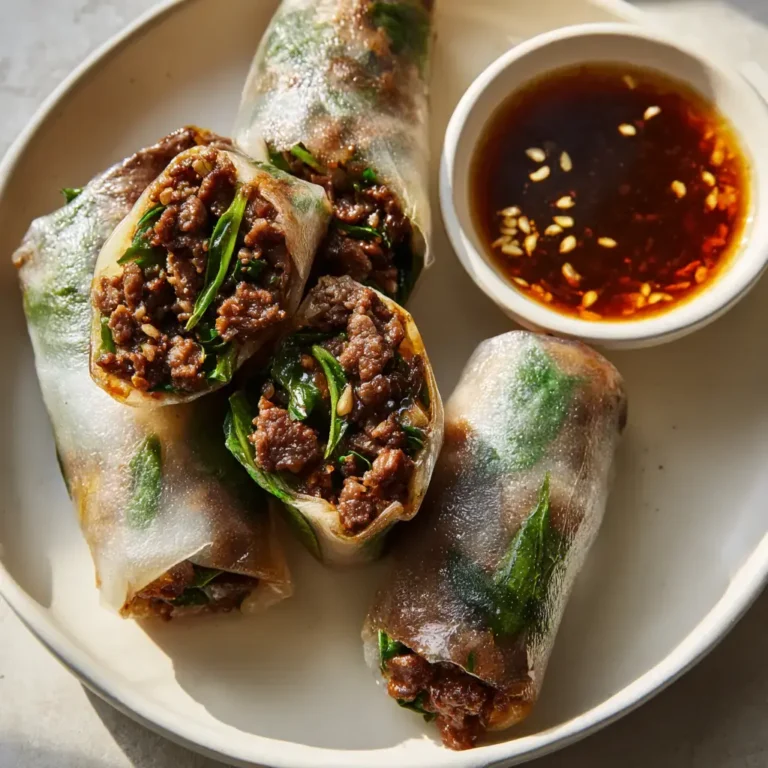
P.F. Chang's Mongolian Beef Recipe
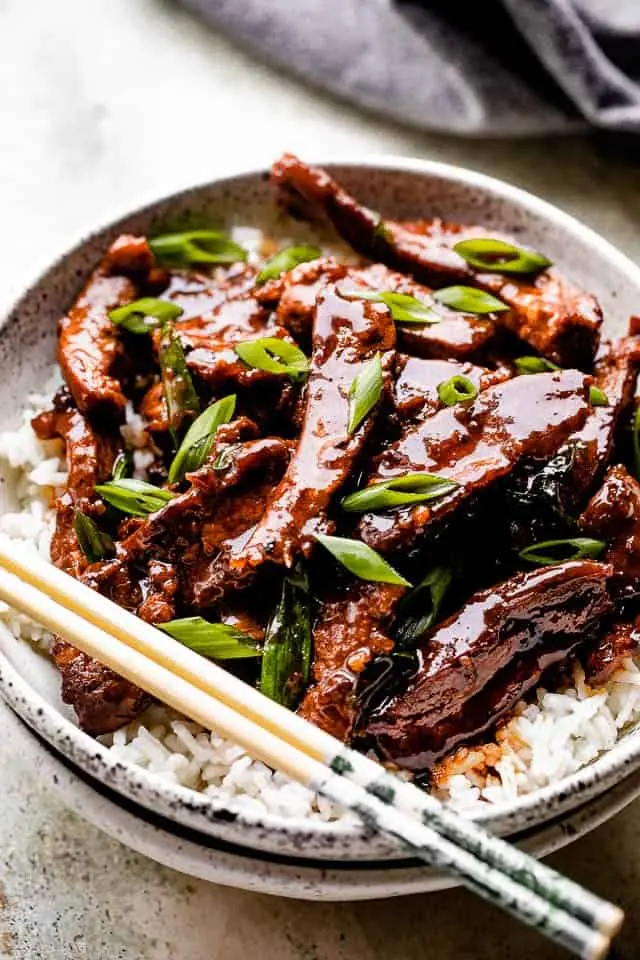
Embark on a culinary adventure that brings the irresistible flavors of your favorite Chinese restaurant right into your own kitchen. This Mongolian Beef recipe is more than just a meal; it’s a delightful experience that balances savory, sweet, and a hint of umami in every bite, making it a guaranteed hit for any occasion.
Imagine tender, thinly sliced beef coated in a velvety, rich sauce, perfectly complemented by the crisp freshness of green onions. It’s the kind of dish that sparks joy and satisfies cravings, offering a truly memorable dining experience without the need for reservations or takeout menus. Get ready to impress yourself and your loved ones with this straightforward yet spectacularly delicious creation.
Why You Will Love This Recipe
- Restaurant-Quality Taste: This recipe is meticulously crafted to replicate the beloved P.F. Chang’s version, delivering authentic flavors that will leave you questioning if you’re dining out or at home.
- Quick Preparation: Despite its sophisticated flavor profile, this dish comes together in about 30 minutes, making it an ideal choice for busy weeknights or spontaneous cravings.
- Simple, Accessible Ingredients: You won’t need to embark on a wild goose chase for exotic ingredients; most are common pantry staples, ensuring you can whip this up whenever the craving strikes.
- Tender & Flavorful Beef: The secret lies in slicing the flank steak correctly and the quick cooking method, ensuring each piece of beef is incredibly tender and perfectly coated in the luscious sauce.
- Versatile Serving Options: While fantastic over steamed rice, this Mongolian Beef is a chameleon, pairing beautifully with a wide array of side dishes for endless mealtime possibilities.
Ingredients You Need
The foundation of any great dish is the quality of its ingredients, and this Mongolian Beef recipe emphasizes simplicity and accessibility. We’re focusing on staple items you likely already have or can easily find at your local grocery store, ensuring that authentic restaurant taste is within everyone’s reach. The magic truly happens when these humble components come together in the cooking process.
P.F. Chang’s Mongolian Beef Copycat
This copycat of P.F. Chang’s Mongolian Beef recipe features flank steak simmered in a delectable sweet sauce made with ginger, garlic, soy sauce, and brown sugar. It’s simple to prepare and perfectly captures the flavors of the renowned restaurant’s dish!
- 1 pound flank steak, thinly sliced across the grain on a diagonal
- 2 teaspoons vegetable oil
- 1 teaspoon minced fresh ginger
- 1 tablespoon minced garlic
- 1 cup vegetable oil, for frying
- 2 green onions, green parts only, sliced on the diagonal into 2 inches
- 4 cups cooked white rice
- 1Place cornstarch on a shallow plate. Dip steak slices into the cornstarch, applying it on both sides of each slice of beef. Put the steak pieces aside for 10 minutes while you work on the sauce.
- 2In a saucepan, heat 2 teaspoons of vegetable oil over medium-low heat. Add ginger and garlic to the pan; cook for 10 seconds or until fragrant.
- 3Stir in the soy sauce and water. Whisk in brown sugar and cook while stirring until the sugar dissolves. Set to medium heat and cook the sauce until it thickens, about 10 minutes. Remove from heat and set aside.
- 4Place vegetable oil in a separate large skillet and heat over medium heat until hot. Add the steak slices to the oil and cook for 2 to 3 minutes or until cooked through, flipping the pieces over to cook on the opposite side.
- 5Using a pair of tongs, remove the steak pieces from the oil and let them drain on paper towels.
- 6Discard the oil. Return the saucepan to the stove and heat over medium heat. Add steak slices and cook for 1 minute. Gently stir in previously prepared sauce; continue to cook and stir for a minute. Stir in green onions and cook for 1 to 2 minutes, or until heated through. Remove from heat and serve over rice.
Keywords: Mongolian Beef, P.F. Chang's, Copycat, Beef, Chinese-American, Takeout Fakeout, Flank Steak
You’ll find that the specific quantities for each ingredient are detailed within the recipe card, making your shopping and preparation a breeze. Focus on sourcing the freshest possible flank steak for the best texture and flavor in your final dish.
Variations
While the classic Mongolian Beef is undeniably delicious, its inherent flavor profile lends itself beautifully to creative adaptations. This dish’s savory-sweet sauce and tender beef can be tweaked to suit various dietary preferences and taste adventures.
For those following a plant-based lifestyle, a vegan Mongolian “Beef” can be achieved using thick-cut king oyster mushrooms or firm tofu. Slice them similarly to the beef and follow the same cornstarch coating and frying technique. The sauce remains largely the same, perhaps with a touch more sweetness to compensate for the different texture, creating a surprisingly satisfying vegan alternative that captures the essence of the original.
If you’re mindful of carbohydrate intake, a low-carb version is easily accomplished. Instead of serving over traditional rice, opt for cauliflower rice, which provides a similar base while significantly reducing carbohydrates. You can also adjust the brown sugar content in the sauce or use a sugar substitute to further minimize carbs, proving that healthy eating doesn’t mean sacrificing flavor.
For a spicier rendition, consider adding a pinch of red pepper flakes to the sauce mixture while it’s simmering. You could also introduce some finely diced jalapeño or a swirl of sriracha into the finished dish. This adds an exciting kick that complements the sweet and savory notes, offering a delightful contrast for those who crave a bit of heat.
How to Prepare Mongolian Beef Recipe
Step 1: Prepare the Beef and Sauce Base
The journey to perfect Mongolian Beef begins with meticulously preparing the star of the show: the flank steak. To ensure maximum tenderness and ease of slicing, it’s highly recommended to place the flank steak in the freezer for about 20-30 minutes. This chilling period firms up the meat, making it significantly simpler to achieve thin, uniform slices without tearing or struggling.
Once chilled, slice the beef thinly against the grain. You’ll notice long muscle fibers running through the meat; your goal is to cut across these fibers. This technique shortens the muscle fibers, resulting in incredibly tender bites that melt in your mouth. Improper slicing with the grain will lead to tough, chewy beef, so take your time with this crucial step. Aim for slices that are about 1/4 inch thick.
Concurrently, begin preparing the flavorful sauce base. In a small saucepan, heat about two teaspoons of vegetable oil over medium-low heat. Add the minced fresh ginger and minced garlic to the warm oil. Sauté these aromatics for a mere 10-15 seconds, just until their fragrant oils are released and they become wonderfully aromatic. Be careful not to burn the garlic, as this can impart a bitter taste to your sauce.
Step 2: Craft the Signature Sauce
Now, it’s time to build the rich, signature sauce that defines Mongolian Beef. Into the same saucepan where you sautéed the ginger and garlic, pour in the soy sauce and water. Stir these liquids together to combine them thoroughly, creating a base for the sauce’s complex flavors. The soy sauce provides the essential salty, umami depth that is characteristic of this dish.
Next, whisk in the dark brown sugar. This ingredient is key to achieving that delightful balance of sweetness that complements the savory soy sauce perfectly. Continue to stir the mixture, ensuring that the brown sugar completely dissolves into the liquid. The sugar not only adds sweetness but also contributes to the sauce’s glossy texture and rich color.
Bring the sauce to a medium heat and let it simmer gently. Allow it to cook for approximately 10 minutes, stirring occasionally, until it thickens to a syrupy consistency. You’re looking for a sauce that coats the back of a spoon nicely. Once it reaches your desired thickness, remove the saucepan from the heat and set it aside. This allows the flavors to meld beautifully while you proceed with cooking the beef.
Step 3: Coat and Fry the Beef
With your sauce base prepared and your beef sliced, the next step is to give the steak its characteristic lightly crispy coating. On a shallow plate or in a shallow bowl, spread out the cornstarch. Take each thin slice of beef and gently dredge it in the cornstarch, ensuring that both sides are evenly coated. This coating is essential for creating that satisfying texture when the beef is fried.
Once all the beef slices are coated in cornstarch, set them aside on a clean plate or wire rack. Allow them to rest for about 10 minutes. This resting period allows the cornstarch to adhere better to the meat and also helps to absorb any excess moisture, contributing to a crispier result. This seemingly small step makes a significant difference in the final texture of your Mongolian Beef.
In a large skillet, heat about 1 cup of vegetable oil over medium-high heat until it’s hot and shimmering. It’s important to have the oil at the correct temperature to achieve a quick, effective fry. Carefully add the cornstarch-coated beef slices to the hot oil in a single layer. Avoid overcrowding the pan, as this will lower the oil temperature and result in steamed, rather than fried, beef. You may need to work in batches to ensure each piece cooks properly and achieves a golden-brown, slightly crispy exterior.
Step 4: Achieve the Perfect Fry
Fry the beef in batches for about 2 to 3 minutes per side. The thin slices cook very quickly, so keep a close eye on them to prevent overcooking. The goal is to achieve a beautiful golden-brown color on the edges and a tender, moist interior. This rapid frying locks in the juices and creates a delightful contrast with the sauce.
Using a pair of tongs or a slotted spoon, carefully remove the fried beef slices from the hot oil. As you remove them, place them onto a plate lined with paper towels. The paper towels will absorb any excess oil, ensuring that your Mongolian Beef isn’t greasy and that the sauce adheres beautifully to the crisp exterior without becoming soggy.
Once all the beef has been fried and drained, discard the excess frying oil from the skillet. It’s now time to bring everything together. Return the saucepan containing your prepared sauce to the stove over medium heat. This is where the magic truly happens, uniting the tender beef with its luscious sauce.
Step 5: Combine and Finish
Add the drained, fried beef slices back into the saucepan with the thickened sauce. Gently stir the beef into the sauce, ensuring that each piece is thoroughly coated. Allow the beef to simmer in the sauce for about 1 minute. This brief period allows the beef to absorb some of the sauce’s flavor and finish cooking to absolute perfection, ensuring it remains incredibly tender.
Next, it’s time to add the fresh green onions. These add a lovely pop of color and a subtle, fresh, oniony bite that cuts through the richness of the sauce. Stir in the sliced green parts of the green onions and continue to cook and stir for another 1 to 2 minutes. You want the green onions to soften slightly and become heated through, but still retain a hint of their crispness and vibrant green hue.
Once the green onions are integrated and everything is heated through, remove the saucepan from the heat. Your delicious, homemade Mongolian Beef is now ready to be served. The aroma alone will be enough to have everyone at the table eagerly anticipating their first bite. This final step ensures all the components are perfectly harmonized for a truly satisfying dish.
Step 6: Serve and Enjoy
The final, and arguably most important, step is to serve your magnificent Mongolian Beef. The classic and most satisfying way to enjoy this dish is over a generous bed of fluffy, steamed white rice. The rice acts as the perfect vehicle for soaking up every last drop of the rich, savory-sweet sauce. Ensure your rice is cooked just right – tender and slightly sticky is ideal.
Alternatively, for a healthier or different textural experience, consider serving your Mongolian Beef with cauliflower rice, as mentioned in the variations. This low-carb option is incredibly popular and provides a clean, neutral base that allows the bold flavors of the beef and sauce to truly shine. The slightly different texture of cauliflower rice offers a delightful contrast to the tender beef.
Garnish your dish generously with the reserved fresh green onion slices, adding an extra touch of freshness and visual appeal. The vibrant green against the dark, glossy sauce is simply irresistible. You can also add a sprinkle of toasted sesame seeds for added crunch and nutty flavor. Serve immediately and watch as plates are cleared with enthusiasm!
Pro Tips for Mongolian Beef Recipe
Slice Thinly Against the Grain: This cannot be stressed enough. Freezing the beef for 20-30 minutes before slicing makes this much easier. Cutting against the grain is the absolute key to tender, melt-in-your-mouth beef. If you cut with the grain, your beef will be tough no matter how perfectly you cook it.
Hot Pan is Crucial: For that perfect, slightly crispy exterior on the beef, ensure your frying oil is hot. A hot pan sears the beef quickly, creating texture without overcooking the inside. If the oil isn’t hot enough, the beef will absorb too much oil and become greasy, losing its desirable texture.
Don’t Overcrowd the Pan: When frying the beef, cook it in batches. Overcrowding the pan lowers the oil temperature, leading to steaming rather than frying. Each piece needs enough space to come into direct contact with the hot oil for optimal crisping and even cooking.
Taste and Adjust the Sauce: Before adding the beef back in, taste your sauce. Does it need a touch more sweetness? Perhaps a pinch more soy sauce for saltiness? Adjusting the flavor profile at this stage ensures your Mongolian Beef is perfectly balanced to your liking. Remember, flavors develop as it simmers.
Fresh Aromatics are Best: While powdered ginger and garlic can be used in a pinch, fresh ginger and garlic truly elevate the flavor of the sauce. Their pungent aroma and brighter taste make a noticeable difference. Mince them finely to ensure they integrate seamlessly into the sauce without large chunks.
Serving Suggestions for Mongolian Beef Recipe
Decoration
To elevate the visual appeal of your Mongolian Beef, a sprinkle of thinly sliced green onions is essential. These not only add a fresh, sharp bite but also provide a vibrant green contrast against the rich, dark sauce. For an extra layer of texture and visual interest, consider adding a few toasted sesame seeds. Their subtle nutty flavor and appealing speckled appearance enhance the dish’s overall presentation, making it look even more professional and inviting.
Side Dishes
The traditional accompaniment for Mongolian Beef is, of course, steamed white rice, which is perfect for soaking up all that delicious sauce. However, for a delightful change of pace and texture, consider serving it with fluffy jasmine rice cooked in an Instant Pot for speed and perfection. Another fantastic option for a bit of tang and spice is kimchi fried rice, offering a wonderfully complex flavor profile that complements the beef beautifully. If you’re aiming for a lighter meal or a lower-carb option, cauliflower rice is an excellent substitute that still does a superb job of catching the flavorful sauce.
Beyond rice alternatives, incorporating some fresh vegetables can create a more balanced and colorful meal. Sautéd bok choy offers a tender, slightly bitter counterpoint to the sweetness of the beef. An Asian cucumber salad, with its crisp, refreshing texture and tangy vinegar dressing, provides a cooling contrast that cuts through the richness of the Mongolian Beef, making each bite incredibly satisfying. These pairings transform a simple dish into a complete and delightful dinner experience.
Creative Serving Ideas
Move beyond the standard rice bowl by creating a “Mongolian Beef Lettuce Wrap.” Simply spoon the beef mixture into crisp butter lettuce cups, adding a crunch and a lighter feel to the meal. This makes for a fun, interactive dining experience, perfect for a casual gathering or a family-style meal. For a more adventurous twist, consider incorporating the Mongolian Beef into noodles. Toss it with ramen noodles for a quick, flavorful meal, or pair it with stir-fried egg noodles for a more substantial dish.
Another creative approach is to serve it as a topping for savory pancakes or scallion pancakes. The slightly chewy, crispy pancake provides a unique base that absorbs the sauce wonderfully. You could also transform it into a “Mongolian Beef Stir-fry” by adding a medley of colorful vegetables like bell peppers, broccoli, and snap peas directly into the sauce with the beef. This not only adds nutritional value but also creates a more vibrant and textured dish, making it a complete meal in itself.
Preparation & Storage
Storing Leftovers
Leftover Mongolian Beef is a treasure to have, and thankfully, it stores beautifully for future enjoyment. Once the dish has cooled down to room temperature, transfer any remaining portions into an airtight container. This prevents air exposure, which can lead to the food drying out or absorbing odors from the refrigerator. Store the container in the refrigerator for up to 3 to 4 days. The flavors often meld and deepen overnight, making leftovers just as delicious, if not more so.
When you’re ready to enjoy your leftovers, it’s best to reheat them gently to maintain the best texture. Avoid the temptation to microwave on high heat for too long, as this can toughen the beef. Instead, consider gently reheating the beef and sauce in a skillet over medium-low heat, stirring occasionally. This method allows the sauce to warm through evenly and helps to revive any crispness that may have been lost.
Freezing
Mongolian Beef also freezes remarkably well, making it an excellent candidate for meal prepping or stocking your freezer for busy times. Once the dish has cooled completely, portion it into freezer-safe containers or heavy-duty zip-top bags. Ensure you remove as much air as possible from the bags before sealing them to prevent freezer burn. Properly stored, Mongolian Beef can be kept frozen for up to 3 to 4 months. This allows you to have a delicious, homemade meal ready whenever the craving strikes, without sacrificing quality.
When you’re ready to use your frozen Mongolian Beef, the best method for reheating is often directly from frozen. You can place the portion in a microwave-safe dish and heat it on a medium power setting, stirring occasionally to ensure even thawing and heating. Alternatively, you can transfer it to a saucepan and reheat it over low heat on the stovetop, adding a tablespoon or two of water or broth if the sauce seems too thick. The key is to thaw and heat it gently to preserve the tender texture of the beef and the integrity of the sauce.
Reheating
Reheating your Mongolian Beef to perfection is simple and ensures you enjoy it just as much as when it was freshly made. For refrigerated leftovers, the most recommended method is to use a skillet. Place the beef and sauce into a non-stick skillet over medium-low heat. Stir gently and continuously until the dish is heated through. This method helps to revive the sauce’s glossiness and prevents the beef from becoming tough.
If you’re reheating from frozen, the stovetop is still a great option. Place the frozen portion directly into a saucepan over low heat. Add a splash of water or broth to help loosen the sauce as it thaws and heats. Stir occasionally until everything is warmed through. Microwaving is also a viable option for reheating, whether from chilled or frozen, but it’s crucial to use a lower power setting and heat in short intervals, stirring between each, to prevent overcooking and rubbery beef. Aim for consistent, gentle heat to achieve the best results.
Frequently Asked Questions
-
What is the best type of beef cut to use for Mongolian Beef?
The absolute best cut of beef for authentic Mongolian Beef is flank steak. Its lean nature and grain structure make it ideal for thin slicing against the grain, which results in incredibly tender bites after a quick fry. Sirloin steak is another excellent alternative that is readily available and works well for this dish. Both cuts benefit from being chilled before slicing, which makes it far easier to achieve the thin, uniform pieces essential for this recipe’s success. The goal is to select a cut that cooks quickly and remains tender, absorbing the sauce beautifully.
-
Why is my Mongolian Beef sauce not thickening?
If your Mongolian Beef sauce isn’t thickening as expected, several factors might be at play. Firstly, ensure you have allowed sufficient simmering time; the sauce often needs around 10 minutes of gentle simmering to reduce and thicken properly. Another common reason is the starch content; if you used cornstarch, make sure it was fully incorporated and allowed to cook. Sometimes, adding a cornstarch slurry (1 tablespoon cornstarch mixed with 2 tablespoons of cold water) can help achieve the desired consistency more quickly. Whisk this mixture into the simmering sauce and cook for another minute or two until thickened. Also, ensure your heat level is adequate but not so high that it burns the sugars in the sauce.
-
Can I make Mongolian Beef ahead of time, and how should I store and reheat it?
Yes, Mongolian Beef can be made ahead of time, though for the best texture, it’s often ideal to fry the beef and make the sauce separately and then combine them just before serving. This helps maintain the crispiness of the beef. If preparing it entirely in advance, store the cooled beef and sauce in separate airtight containers in the refrigerator for up to 3-4 days. To reheat, gently warm the sauce on the stovetop over low heat, and separately pan-fry the beef briefly until heated through and slightly crisped again. Then, combine them and warm for another minute. Freezing is also an option, storing in airtight containers for up to 3 months, and reheating from frozen on the stovetop or in the microwave.