Mango Torte – Einfaches Rezept für ein fruchtiges Highlight – Muma’s Kitchen
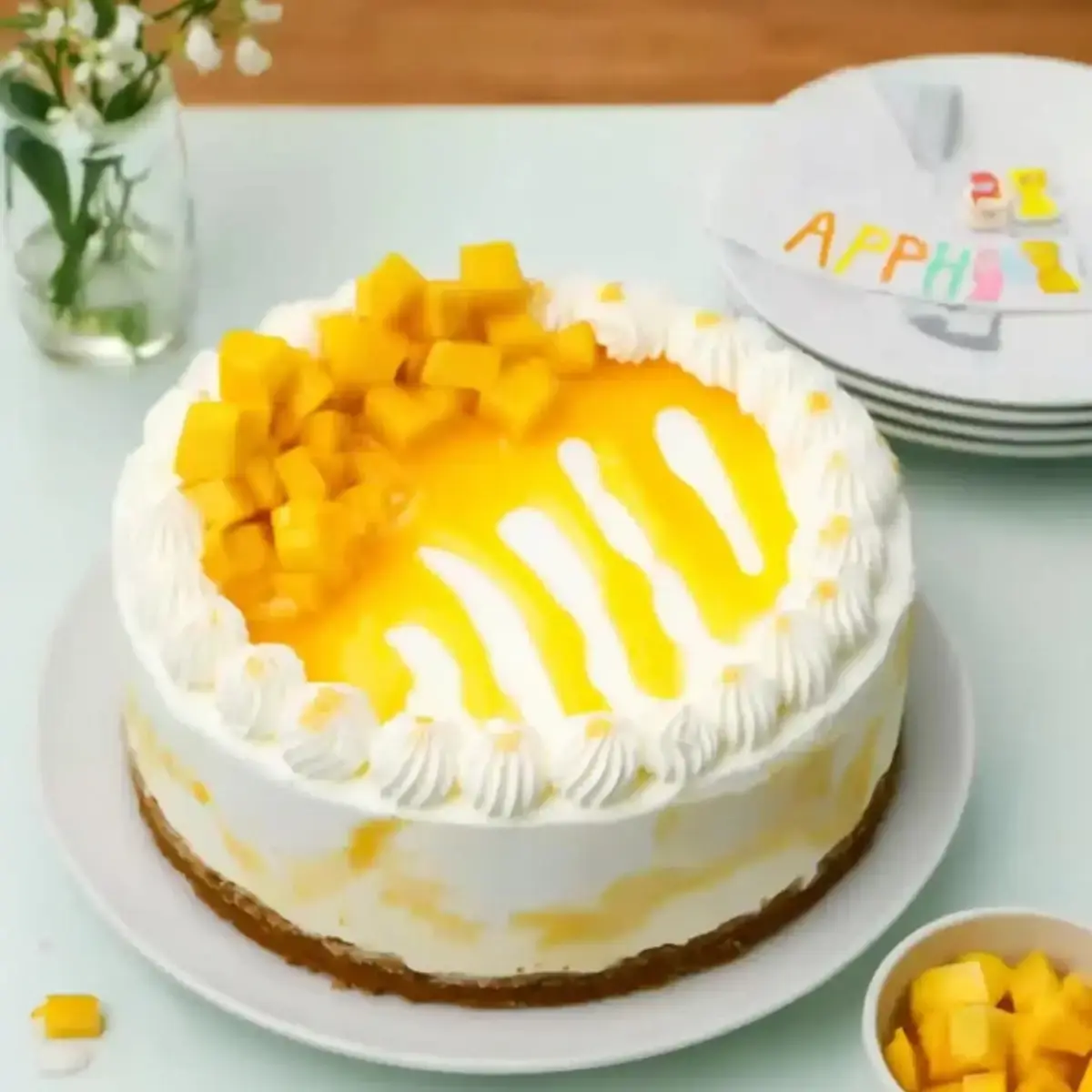
The Mango Torte is a true highlight for anyone who loves fruity and creamy desserts. With its exotic sweetness, light freshness, and airy consistency, this Mango Torte impresses both visually and taste-wise. Whether for birthdays, summer parties, or simply as a special treat in between – this cake brings a holiday feeling directly to your plate and is surprisingly easy to prepare.
This delightful creation offers a perfect balance of sweet and fresh, making it an absolute pleasure. The combination of juicy mangoes, a rich creamy filling, and a light, crumbly base creates a truly memorable dessert experience that is both satisfying and refreshing.
Why You Will Love This Recipe
- Exotic Flavor: Indulge in the tropical taste of ripe mangoes, bringing a sun-kissed sweetness to every bite.
- Creamy Texture: Experience the luxuriously smooth and airy cream filling that melts in your mouth, perfectly complementing the fruity notes.
- Easy Preparation: This no-bake wonder is surprisingly simple to make, requiring minimal effort for maximum deliciousness.
- Visually Stunning: The vibrant yellow hue of the mango makes this torte a showstopper, perfect for impressing guests at any occasion.
- Refreshing Delight: It’s the ideal dessert for warmer days, offering a light and cooling sensation that’s incredibly satisfying.
Ingredients You Need
Choosing the finest ingredients is paramount to achieving the perfect Mango Torte. The quality of your produce and dairy will directly influence the final taste and texture of your creation. Opting for ripe, fragrant mangoes is key, as they will provide the most intense tropical sweetness and a beautiful aroma.
Exotic Mango Cake
This Mango Cake is a true highlight for anyone who loves fruity and creamy desserts. With its exotic sweetness, light freshness, and airy consistency, this Mango Cake impresses both visually and in taste. Whether for birthdays, summer parties, or just as a special treat in between – this cake brings holiday feeling right to your plate and is surprisingly easy to prepare.
- 2 ripe mangoes – for fruity sweetness
- 200 g ladyfingers – for the base
- 500 g cream cheese or quark – for the cream
- 200 ml cream – for creaminess
- 100 g sugar – for sweetness
- 1 packet vanilla sugar – for extra aroma
- 1 tsp lemon juice – to round off the flavors
- 10 g gelatin or agar-agar – for cream firmness
- 50 g butter – for the base
- Fresh mango slices – for decoration
- 1Crumble the ladyfingers and mix them with the melted butter. Press the mixture into a springform pan and chill for approx. 30 minutes.
- 2Peel the mangoes and cut the flesh into small pieces. Puree the mangoes into a fine puree.
- 3Soak the gelatin according to package instructions and heat a portion of the mango puree to dissolve the gelatin in it.
- 4Mix the cream cheese or quark with sugar, vanilla sugar, and lemon juice until smooth.
- 5Stir the mango puree into the cream cheese mixture.
- 6Whip the cream until stiff and gently fold it into the mango-cream cheese cream.
- 7Pour the finished cream onto the prepared base and chill the cake for at least 4 hours, preferably overnight.
- 8Decorate the cake with fresh mango slices before serving.
Keywords: mango cake, tropical dessert, no-bake cake, fruity cake, creamy dessert, summer cake, vegetarian cake
- ripe mangoes: for that luscious, fruity sweetness that defines the torte
- ladyfingers (Löffelbiskuits): forming the delightful base that holds everything together
- cream cheese or quark: the foundation for a wonderfully smooth and rich filling
- heavy cream: whipped to perfection for an airy, melt-in-your-mouth consistency
- sugar: to enhance the natural sweetness of the mango and balance the flavors
- vanilla sugar: adding a subtle, comforting aroma and depth to the cream
- lemon juice: a touch of acidity to brighten the mango flavor and prevent the filling from being too sweet
- gelatin or agar-agar: essential for setting the creamy filling into a stable, sliceable torte
- butter: melting into the ladyfingers to create a cohesive and slightly crisp base
- fresh mango slices: for an elegant and vibrant garnish that hints at the deliciousness within
The precise quantities for these ingredients are detailed within the accompanying recipe card for your convenience.
Variations
The beauty of this Mango Torte lies in its inherent adaptability, allowing you to tailor it to various dietary needs and flavor preferences. This ensures that everyone can enjoy a slice of this tropical delight.
Vegan Delight: To create a fully vegan Mango Torte, you can easily substitute the dairy ingredients. Replace the cream cheese with a thick, plant-based cream cheese alternative or silken tofu blended until smooth. For the whipped cream, opt for a high-quality coconut cream or a commercial vegan whipping cream. The gelatin can be swapped for agar-agar, a seaweed-derived gelling agent that works wonderfully in vegan desserts. Ensure your ladyfingers are also vegan, as some contain eggs or dairy.
Low-Carb Indulgence: For those following a low-carbohydrate lifestyle, this torte can be adapted with a few smart swaps. The base can be made from ground almonds or desiccated coconut mixed with melted butter and a sugar substitute. For the filling, use a low-carb sweetener like erythritol or xylitol instead of sugar. You can also incorporate a small amount of natural mango puree for flavor, being mindful of the carbohydrate content, or rely on a high-quality mango extract for an intense flavor without the sugar. Ensure your cream cheese and heavy cream are full-fat and contain no added sugars.
Tropical Fusion: Elevate the tropical experience by incorporating other complementary fruits. Consider adding pureed pineapple or passion fruit to the mango mixture for an extra layer of tangy sweetness. A hint of coconut can be introduced by adding a few tablespoons of unsweetened coconut milk or a sprinkle of toasted coconut flakes to the base. This fusion creates a more complex and multi-dimensional flavor profile, reminiscent of a vibrant tropical fruit salad.
How to Prepare Mango Torte recipe
Step 1: Crafting the Perfect Base
The foundation of any great torte is its base, and for this Mango Torte, we begin with the simple yet effective method of creating a crumbly, delicious crust. This step is crucial for providing structural integrity and a delightful textural contrast to the creamy filling.
Begin by taking your ladyfingers and placing them into a sturdy plastic bag or the bowl of a food processor. The goal is to break them down into fine crumbs, ensuring there are no large pieces remaining. A rolling pin works well for manual crushing, or a few pulses in the food processor will achieve a consistent texture quickly. The finer the crumbs, the more cohesive your base will become.
Next, melt your butter gently, ensuring it doesn’t become too hot. In a bowl, combine the finely crushed ladyfingers with the melted butter. Stir this mixture thoroughly until all the crumbs are evenly moistened by the butter, resembling wet sand. This binding agent is what will hold the base together when chilled.
Prepare your springform pan by lightly greasing it or lining the base with parchment paper. This prevents sticking and makes for easier removal later. Spoon the buttered ladyfinger mixture into the prepared pan. Using the back of a spoon or the bottom of a glass, press the crumbs firmly and evenly into the base of the pan. Ensure you create a compact layer right to the edges of the pan. This will form a solid foundation for the luscious mango filling to come.
Once the base is pressed into the pan, it’s essential to let it chill and set. Place the springform pan in the refrigerator for at least 30 minutes. This chilling period allows the butter to solidify, binding the crumbs together and creating a firm, stable crust that won’t crumble when you add the filling or slice the finished torte. Patience here will be rewarded with a superior texture.
Step 2: Preparing the Star – The Mango Puree
The heart and soul of this torte is the vibrant mango, and preparing it correctly ensures its flavor shines through. We’ll be transforming ripe mangoes into a smooth, luscious puree that will form the core of our creamy filling. This step is where the tropical essence of the dessert truly begins to develop.
Start by selecting two ripe mangoes. They should feel slightly soft to the touch and emit a sweet, fragrant aroma. Gently peel the mangoes using a sharp knife or a vegetable peeler. Carefully slice the flesh away from the large, flat pit in the center. Cut the mango flesh into manageable chunks.
Place the mango chunks into a blender or food processor. Process the fruit until it becomes a completely smooth puree, free from any fibrous strings or lumps. If your mangoes are particularly fibrous, you might need to push the puree through a fine-mesh sieve to achieve the desired silky consistency. This ensures a smooth texture in the final cream.
This vibrant mango puree is the primary flavor component of your torte. Its natural sweetness and unique tropical notes will be the star of the show, so using high-quality, ripe fruit is essential for the best possible outcome. Set this beautiful puree aside; it will soon be incorporated into the creamy mixture.
Step 3: Setting the Stage for Creaminess – Gelatin and Warmth
To achieve that perfect, wobbly-yet-firm texture in our torte’s filling, we need to harness the power of gelatin (or its vegan alternative, agar-agar). This step involves preparing the gelatin so it can be seamlessly incorporated into the mango mixture, providing the necessary structure.
Follow the instructions on your gelatin package carefully. Typically, this involves sprinkling the gelatin powder over a small amount of cold water and letting it bloom for about 5-10 minutes until it thickens. If using agar-agar, you’ll usually need to boil it briefly in liquid according to the package directions. The goal is to hydrate the gelatin completely so it can dissolve properly.
Take a portion of your prepared mango puree, perhaps about one-quarter of it, and gently warm it in a small saucepan. Do not let it boil, just warm it enough to dissolve the gelatin. Once the mango puree is warm, add the bloomed gelatin to it. Stir continuously until the gelatin is completely dissolved and no granules remain. This ensures it will be evenly distributed throughout the filling.
Allow this warm mango-gelatin mixture to cool slightly. It should still be liquid but not piping hot, as very hot temperatures can affect the texture of the cream cheese or quark when it’s added. This cooled, but still liquid, gelatinized mango puree is now ready to be combined with the creamy elements, promising a beautifully set dessert.
Step 4: Building the Luxurious Cream Filling
Now, we create the rich, decadent cream that will envelop the mango puree and rest upon the prepared base. This part of the process is where the torte truly comes alive with its velvety smoothness and delightful tang.
In a large mixing bowl, combine the cream cheese (or quark) with the granulated sugar, vanilla sugar, and lemon juice. Use an electric mixer on a medium speed to beat these ingredients together until they form a smooth, creamy, and homogenous mixture. Ensure there are no lumps of cream cheese or undissolved sugar. The lemon juice adds a subtle brightness that cuts through the richness and enhances the mango flavor.
Gradually add the prepared, slightly cooled mango-gelatin mixture to the cream cheese mixture. Continue to beat on a low to medium speed until everything is well combined and the color is uniform. You should now have a beautifully smooth and fragrant mango-cream cheese base.
In a separate, clean bowl, whip the heavy cream until stiff peaks form. Be careful not to over-whip, as this can result in a grainy texture. The whipped cream is essential for lending an airy lightness to the final filling, making it feel less dense and more indulgent.
Gently fold the whipped cream into the mango-cream cheese mixture. Use a spatula and a light hand, as if you were folding egg whites. The aim is to incorporate the cream without deflating it, maintaining that lovely, airy consistency. Continue folding until just combined, ensuring there are no streaks of unmixed cream remaining. This step requires a gentle touch to preserve the lightness.
Step 5: Assembling and Chilling the Torte
With all the components ready, it’s time to bring them together and allow the magic of chilling to work its wonders. This assembly is straightforward but requires a steady hand to ensure a beautifully presented final product.
Carefully pour the creamy mango filling over the chilled ladyfinger base in the springform pan. Gently spread the filling evenly to the edges of the pan using a spatula. Ensure the surface is as smooth as possible for an aesthetically pleasing finish. Take your time here to create a level surface.
Once the filling is spread, cover the springform pan loosely with plastic wrap. It’s important not to let the plastic touch the surface of the cream filling. Place the torte in the refrigerator. It needs to chill for a minimum of 4 hours, but overnight is highly recommended for the best results. This extended chilling time allows the gelatin to fully set the cream, ensuring a firm texture that is easy to slice and serve without collapsing.
The patience exercised during this chilling phase is crucial. It transforms the liquid filling into a beautifully set dessert that holds its shape. The flavors also meld and deepen during this time, leading to a more complex and satisfying taste. Resist the urge to serve it too early; the wait will be well worth it.
Step 6: The Grand Finale – Garnishing and Serving
The final touch that elevates your Mango Torte from delicious to dazzling is the garnish. A simple, elegant decoration can make all the difference, hinting at the tropical flavors within and inviting your guests to indulge.
Once the torte has set firmly, carefully run a thin knife around the edge of the springform pan to loosen it. Then, release the springform latch and remove the ring. If you lined the bottom with parchment paper, you can now slide the torte onto a serving plate.
Arrange fresh mango slices decoratively on top of the torte. You can create intricate patterns, fan them out, or simply arrange them in a pleasing cluster. The vibrant yellow of the mango slices provides a beautiful contrast to the creamy filling and adds a fresh, appealing visual element. This final presentation is what makes the torte truly special and ready to be enjoyed.
Pro Tips for Mango Torte recipe
Select Peak Ripeness: For the most vibrant flavor and natural sweetness, always choose ripe mangoes. They should yield slightly to gentle pressure and have a sweet, fruity aroma. Unripe mangoes will result in a less flavorful and potentially stringy puree, while overripe ones can be mushy and less appealing.
Gentle Folding is Key: When incorporating the whipped cream into the mango-cream cheese mixture, use a gentle folding motion with a spatula. This technique preserves the air incorporated into the cream, ensuring a light and fluffy texture for your torte’s filling. Avoid vigorous stirring, which can deflate the cream.
Chill Thoroughly for Structure: Adequate chilling time is non-negotiable for a perfectly set torte. Allow at least 4 hours, and preferably overnight, in the refrigerator. This ensures the gelatin has ample time to activate and set the filling, resulting in clean slices and a stable dessert.
Flavor Boosters: To intensify the mango flavor, consider adding a splash of mango nectar or a squeeze of lime juice to the mango puree. For an extra layer of richness, you could also incorporate a small amount of mascarpone cheese along with the cream cheese. These additions can elevate the taste profile significantly.
Consistency Check: If you find your mango puree is particularly watery, you can gently simmer it for a few minutes to reduce it slightly before adding the gelatin. This will help create a firmer set for your torte. Likewise, ensure your cream cheese is at room temperature for the smoothest possible blending.
Serving Suggestions for Mango Torte recipe
Decoration
The visual appeal of a dessert is often the first impression it makes. For this Mango Torte, the natural beauty of the mango itself is a fantastic starting point. Thinly sliced fresh mangoes arranged artfully on top offer a vibrant and inviting look.
Consider adding a dusting of finely grated coconut for a tropical flair, or a few fresh mint leaves for a pop of color and a hint of freshness. A light drizzle of passion fruit coulis can add another dimension of flavor and visual interest. For a more decadent touch, a scattering of toasted slivered almonds can provide a delightful crunch and nutty aroma.
If you’re aiming for a more sophisticated presentation, consider using a small amount of edible gold leaf or a few edible flowers. Even a simple glaze made from apricot jam, warmed and strained, can give the mango slices a beautiful sheen. The key is to complement the torte’s flavors and colors without overpowering them.
Side Dishes
While the Mango Torte is a complete dessert on its own, there are several accompaniments that can enhance the dining experience. Its light and fruity nature makes it pair well with a variety of flavors and textures.
A small scoop of coconut sorbet or vanilla bean ice cream can provide a delightful temperature and textural contrast. A dollop of lightly sweetened whipped cream or a tangy Greek yogurt can add another layer of creaminess and a slight tang. Fresh berries, such as raspberries or blueberries, can offer a bright, tart counterpoint to the sweet mango.
For a more substantial pairing, consider a light, crisp biscotti or a delicate shortbread cookie. These offer a satisfying crunch and a subtle buttery flavor that doesn’t compete with the torte. A small glass of chilled dessert wine, like a Moscato d’Asti, can also beautifully complement the tropical sweetness.
Creative Serving Ideas
Beyond the traditional slice, there are several creative ways to present and enjoy this Mango Torte. These ideas can add a unique touch to your dessert offerings and cater to different serving situations.
Individual portions can be created by using ring molds or ramekins. Prepare the base in the bottom of each, then pour in the filling and chill. This makes for elegant individual desserts, perfect for dinner parties or buffets. You can then garnish each one uniquely.
Another idea is to serve small cubes of the torte as part of a dessert platter alongside other fruity or creamy treats. This allows guests to sample different flavors and textures. For a more interactive experience, consider a “deconstructed” version where the base crumbles are served separately, allowing guests to build their own mini-tortes with the cream and mango.
If you have any leftover torte, it can be blended with a little yogurt or milk to create a delicious tropical smoothie. This repurposing ensures no waste and offers a refreshing drink option. Experimenting with different plating techniques, like using a squeeze bottle for coulis or creating swirls with chocolate, can also add a professional touch.
Preparation & Storage
Storing Leftovers
Proper storage is essential to maintain the quality and freshness of your delicious Mango Torte. The key is to protect it from drying out and absorbing unwanted odors from the refrigerator. The cream-based nature of the filling means it requires careful handling.
Once the torte has been sliced and served, any remaining portions should be covered tightly. The best way to do this is to use plastic wrap that adheres closely to the surface of the cut edges and the sides of the torte. Alternatively, you can place the entire torte or its remaining slices in an airtight container. Ensure the lid is secure to prevent air from entering and drying out the delicate filling and base.
Store the covered torte in the refrigerator. It is best consumed within 2 to 3 days of preparation. Beyond this timeframe, the texture may start to degrade, and the flavors might not be as vibrant. Always check for any signs of spoilage before serving leftovers, although with proper storage, this is unlikely within the recommended window.
Freezing
Freezing the Mango Torte is a viable option for longer-term storage, though it does come with certain considerations regarding texture. It’s generally advisable to freeze the torte before it’s fully decorated, if possible.
To freeze, ensure the torte is completely chilled and set. Wrap it tightly in several layers of plastic wrap, followed by a layer of aluminum foil. This double layer of protection helps prevent freezer burn and maintains the quality of the torte during its time in the freezer. It’s often easier to freeze individual slices rather than the entire torte, as this allows for easier thawing of specific portions.
Once wrapped, place the torte or slices in a freezer-safe container or bag. It can be stored in the freezer for up to 1 to 2 months. Beyond this period, the quality may diminish significantly, leading to textural changes and potential flavor loss. Proper packaging is key to successful freezing.
Reheating
The concept of “reheating” a chilled dessert like Mango Torte isn’t about applying heat, but rather about bringing it to the optimal serving temperature. Since this is a no-bake dessert with a delicate cream filling, direct heating is not recommended as it will melt the structure.
If you have frozen portions of the Mango Torte, the best way to “reheat” them is by thawing them slowly in the refrigerator. Remove the torte from the freezer and unwrap it partially, or keep it in its freezer container. Place it on a plate or tray in the refrigerator and allow it to thaw completely. This process can take several hours, depending on the size of the portion. Thawing slowly helps to minimize any textural changes to the cream filling.
Once thawed, you can serve the torte as is. If desired, you can add fresh garnishes, such as additional mango slices or a sprig of mint, to refresh its appearance after thawing. Avoid any attempts to microwave or heat the torte, as this will irrevocably damage its texture and form.
Frequently Asked Questions
-
How long does Mango Torte typically stay fresh in the refrigerator?
Your delightful Mango Torte should maintain its best quality when stored properly in the refrigerator for approximately 2 to 3 days. It’s crucial to ensure it’s well-covered with plastic wrap or an airtight container to prevent it from drying out and to shield it from absorbing any ambient kitchen odors. This careful handling will preserve its creamy texture and vibrant mango flavor, ensuring each slice is as enjoyable as the first.
-
Is it possible to freeze the Mango Torte, and what should I expect regarding its texture afterward?
Yes, the Mango Torte can certainly be frozen, offering a convenient way to enjoy it at a later time. However, it’s important to be aware that the texture of the creamy filling might undergo some subtle changes upon thawing; it can sometimes become a little softer or slightly more watery. For the best results and to minimize any impact on the texture, it’s recommended to freeze the torte in individual portions and allow these to thaw gradually in the refrigerator. This slow thawing process helps the components reintegrate more smoothly.
-
What type of mangoes are most suitable for making a truly exceptional Mango Torte?
The success of your Mango Torte heavily relies on the mangoes you choose, and ripe, sweet varieties are paramount. Mangoes like the Kent, Ataulfo (also known as Honey or Champagne mangoes), or Alphonso are excellent choices. These varieties are known for their rich, sweet flavor, smooth texture with minimal fibers, and abundant juice, all of which contribute to a superior puree and an intensely flavorful, creamy torte filling. Using less ripe or overly fibrous mangoes can negatively impact the final taste and consistency.