Ultimate Jajangmyeon: Delicious Korean Black Bean Noodles
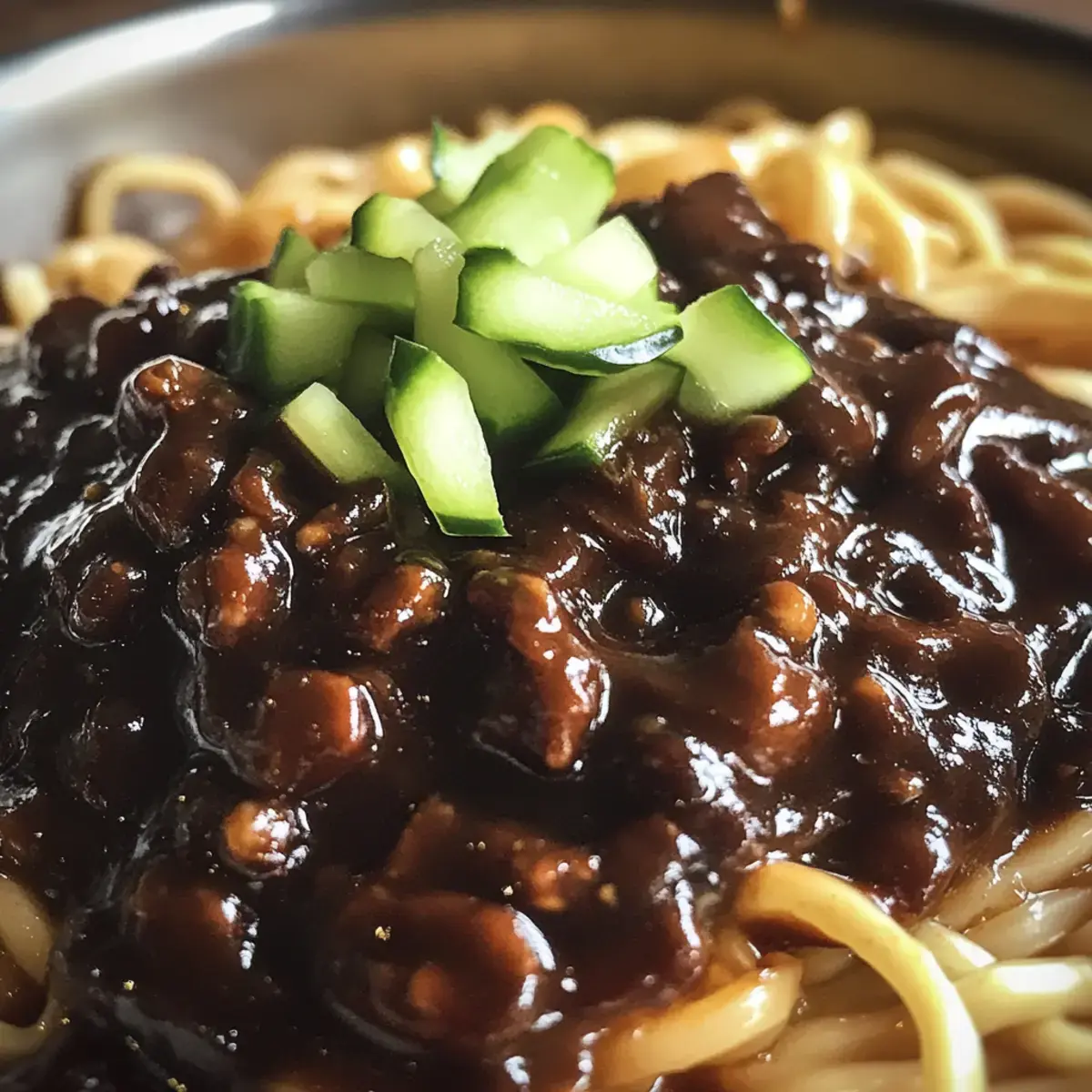
Craving something that wraps you in a comforting embrace with just one bite? Let me introduce you to Jajangmyeon, the ultimate Korean black bean noodles that promise a culinary adventure right at your dinner table.
With a rich, thick black bean sauce hugging chewy wheat noodles, this dish is both a crowd-pleaser and an adaptable masterpiece, ready to cater to your dietary preferences. Whether you are a meat lover or a devoted vegetarian, this soulful comfort food is sure to spark joy in your kitchen.
Why You Will Love This Recipe
- Quick Preparation: Dinner is ready in less than 40 minutes, making this an ideal choice for busy weeknights when you need something hearty.
- Rich, Comforting Flavors: The bold and savory black bean sauce envelops each noodle, promising a deeply satisfying and umami-packed bite every time.
- Versatile Options: Easily adaptable to your lifestyle, you can enjoy this dish as a classic meat version, a vegan-friendly plant-based bowl, or even a gluten-free variation.
- Crowd-Pleasing Delight: This Jajangmyeon recipe is guaranteed to impress your friends or family, acting as the perfect centerpiece for a cozy dinner gathering.
- Nutrient-Packed: By including fresh vegetables like zucchini and onions, the dish hits the spot in flavor while providing a good balance of plant-based nutrition.
Ingredients You Need
Creating an authentic, delicious meal starts with sourcing high-quality ingredients, specifically the fermented black bean paste known as Chunjang. You can find these essentials at most Asian grocery stores or through specialty online retailers. For more inspiration on other meals, check out my lunch ideas or browse our full breakfast category.
Ultimate Jajangmyeon: Comforting Korean Black Bean Noodles
A rich, savory Korean comfort dish featuring chewy wheat noodles coated in a deep black bean sauce, packed with tender vegetables and pork.
- 2 tablespoons vegetable oil (canola or sesame)
- 6 oz pork belly, diced (substitute with tofu or mushrooms)
- 1/2 onion, chopped
- 1/2 zucchini, chopped
- 1 small potato, peeled and diced
- 2 cloves garlic, minced
- 2 tablespoons Korean black bean paste (Chunjang)
- 1 tablespoon sugar
- 1 tablespoon oyster sauce (or mushroom sauce)
- 1/2 cup water
- 1 teaspoon cornstarch mixed with 1 tablespoon water
- Salt and pepper to taste
- 2 servings fresh Jajangmyeon noodles
- Julienned cucumber for garnish
- 1Heat 2 tablespoons of oil in a large pan until shimmering.
- 2Add the pork belly and cook for 5 minutes until crispy and golden.
- 3Stir in the onion, zucchini, and potato; sauté for 5 to 7 minutes until softened.
- 4Add the garlic and cook for 1 minute until fragrant.
- 5Stir in the black bean paste and sugar; mix well for 2 minutes.
- 6Pour in the oyster sauce and water; cover and simmer for 8 to 10 minutes.
- 7Add the cornstarch slurry and cook for 2 minutes until thickened.
- 8Cook noodles according to package instructions, drain, and rinse.
- 9Serve the sauce over noodles and garnish with julienned cucumber.
Keywords: Jajangmyeon, Korean noodles, Black Bean Noodles, comfort food, Asian cuisine
- vegetable oil: provides the necessary fat for sautéing your aromatics and proteins evenly.
- pork belly: adds a rich, decadent flavor and tender texture to the sauce base.
- onion: offers natural sweetness and essential depth in flavor to balance the salty paste.
- zucchini: provides a mild flavor and a soft, pleasant texture that absorbs the sauce well.
- potato: contributes heartiness and helps thicken the overall body of the sauce as it cooks.
- garlic: enhances the savory profile, and using freshly minced cloves is highly recommended for maximum potency.
- korean black bean paste: this is the star of the show and provides the signature dark color and deep, earthy taste.
- sugar: essential for balancing the saltiness and slight bitterness inherent in fermented bean paste.
- oyster sauce: elevates the umami depth, though you can use a mushroom-based alternative for vegetarian needs.
- water: used to adjust the consistency of your sauce to ensure it clings perfectly to every strand.
- cornstarch: creates the necessary slurry to thicken the final sauce into a glossy, velvety coating.
- fresh jajangmyeon noodles: these thick wheat noodles provide the best chew and authentic mouthfeel.
- julienne cucumber: serves as a fresh, cooling garnish to cut through the richness of the savory sauce.
Please refer to the recipe card above for the exact quantities of each ingredient needed for this serving size.
Variations
The Vegan Twist: You can easily transform this classic dish by substituting the pork belly with firm, cubed tofu or hearty shiitake mushrooms. Ensure you replace the oyster sauce with a high-quality vegetarian mushroom sauce to maintain that signature savory depth.
The Low Carb Approach: If you are looking to reduce your carbohydrate intake, swap the traditional wheat noodles for zucchini noodles or shirataki noodles. These light alternatives soak up the black bean sauce wonderfully while keeping the dish much lighter for your digestion.
The Spicy Fusion: For those who enjoy a bit of heat, simply add a tablespoon of gochujang or finely minced fresh chili peppers into the pan while sautéing the vegetables. This modification turns the dish into a fiery, addictive bowl of comfort that truly packs a punch.
How to Prepare Jajangmyeon recipe
Step 1: Heat the Oil
In a large, sturdy pan or wok, heat 2 tablespoons of vegetable oil over medium-high heat until it begins to shimmer. This process should take approximately 2 minutes of focused attention. The oil is ready for the ingredients when it glistens and a light swirl creates small, graceful ripples.
Tip: Always have your vegetables and pork pre-chopped and ready near the stove. This recipe requires you to act quickly once the heat is engaged to avoid burning the delicate aromatics.
Step 2: Sauté the Pork Belly
Add 6 ounces of diced pork belly carefully into the hot oil, letting it cook undisturbed for about 5 minutes. Stir it occasionally until the pork turns a deep golden brown and becomes delightfully crispy at the edges. The sound of the sizzling oil will reassure you that the pork is rendering its fat and building a rich, flavorful foundation.
The Secret: The rendered pork fat is the true backbone of the flavor, so do not discard it. It provides the luxurious mouthfeel that characterizes a truly great Jajangmyeon sauce.
Step 3: Add Vegetables
Stir in the chopped onion, zucchini, and small diced potatoes into the pan with the crispy pork. Sauté these ingredients for 5 to 7 minutes until the vegetables begin to soften and the onion turns translucent. Continue to stir the mixture consistently to prevent anything from sticking to the bottom of the pan.
The Technique: Browning the vegetables slightly helps to release their natural sugars, which balances out the fermentation of the black bean paste.
Step 4: Incorporate Garlic
Add the 2 cloves of minced garlic to the vegetable and pork mixture, cooking for only one additional minute. The garlic will release a powerful, heavenly aromatic scent the moment it hits the heat, signaling that the dish is coming together. Keep a close eye on the garlic, as it can burn very quickly in high heat.
Expert Note: If you find the garlic is cooking too fast, lower your heat slightly to preserve the aroma without letting it turn bitter.
Step 5: Mix in Black Bean Paste
Stir in 2 tablespoons of Korean black bean paste and 1 tablespoon of sugar. Mix everything thoroughly for about 2 minutes until every piece of vegetable and meat is evenly coated in the dark paste. The paste will transform the mixture, turning it a deep, glossy black and creating the signature savory base of the dish.
Flavor Profile: The sugar is a critical component here, as it cuts through the intense salinity of the fermented beans to create a balanced sauce. Adjusting this can help you customize the sweetness level to your own personal taste preference.
Step 6: Add Sauces, Water, and Thicken
Pour in 1 tablespoon of oyster sauce and ½ cup of water, bringing the liquid to a gentle simmer. Cover the pan and let it cook for 8 to 10 minutes to allow the potatoes to become fork-tender. Stir in your pre-prepared cornstarch slurry during the final two minutes until the sauce achieves a thick, lustrous shine.
Final Touch: While the sauce finishes, boil your fresh noodles according to the package instructions until they are perfectly chewy. Drain them well and rinse briefly under cold water to stop the cooking process, ensuring the noodles remain firm and elastic for the final assembly.
Pro Tips for Jajangmyeon recipe
Tip 1: Always source fresh Jajangmyeon noodles whenever possible, as their texture is superior to dried alternatives. These noodles have a specific elasticity that holds up against the heavy sauce without becoming mushy.
Tip 2: When sautéing the Korean black bean paste, do not skip this step. Frying the paste in a little oil for a minute or two helps to eliminate the raw, chalky taste and deepens the umami profile significantly.
Tip 3: Don’t be afraid to experiment with the vegetable-to-meat ratio. Adding extra onions can significantly increase the sweetness of the dish, which contrasts wonderfully with the saltiness of the black beans.
Tip 4: If you are serving this for guests, keep the noodles and the sauce in separate bowls until the very last second. This prevents the noodles from soaking up all the liquid and getting soft before your guests have a chance to take their first bite.
Tip 5: Remember to check out our baked lemon chicken or easy lobster bisque if you want to explore more restaurant-quality dishes you can make at home.
Serving Suggestions for Jajangmyeon recipe
Decoration
For a restaurant-style presentation, place the noodles in the center of a wide bowl and ladle the sauce directly over the top. Garnish the center with fresh, julienned cucumber strips. You might also sprinkle a few toasted sesame seeds or a tiny drop of sesame oil over the top for a professional aromatic finish.
Side Dishes
The best side dish for this meal is undoubtedly yellow pickled radish, known as Danmuji. Its tangy, crunchy profile acts as a palate cleanser against the thick, savory noodles. A light, vinegar-based cucumber salad or a bowl of kimchi also pairs perfectly to add some much-needed acidity.
Creative Serving Ideas
If you want to create a fun, interactive meal, serve the sauce in a large, communal bowl in the middle of the table. Let your family or guests ladle their own portions over the noodles. This approach is similar to how Jajangmyeon is often served in informal dining settings throughout Korea.
Preparation & Storage
Storing Leftovers
Keep your leftovers in an airtight container within the refrigerator for up to 3 days. It is crucial that you store the sauce and the noodles separately; otherwise, the noodles will absorb too much liquid and lose their texture. Ensure the food has cooled to room temperature before closing the container to avoid condensation.
Freezing
You can successfully freeze the black bean sauce for up to 2 months. Use a freezer-safe bag or container, leaving a little room at the top for expansion. While you can freeze the noodles as well, they may lose some of their signature chewiness, so we recommend freezing only the sauce and cooking fresh noodles upon serving.
Reheating
Reheat the sauce on the stovetop over low heat, adding a splash of water to return it to its original glossy, thick consistency. Stir frequently to prevent the bottom from scorching. Once the sauce is bubbling, pour it over freshly boiled noodles for a meal that tastes almost as good as the day it was prepared.
Frequently Asked Questions
- Can I use a substitute if I cannot find Chunjang paste?
Unfortunately, there is no direct, identical substitute for Korean Chunjang (black bean paste) because of its unique fermentation profile. However, if you are truly in a pinch, you can try using a combination of dark miso paste and a touch of molasses to mimic the saltiness and depth, though the flavor will definitely be different. For the best result, it is highly recommended to visit a local Asian grocery store or order the authentic paste online to capture the true essence of this dish. - Why is my sauce watery instead of glossy and thick?
The thickness of the sauce is entirely dependent on your cornstarch slurry and the final cooking time. Ensure you are mixing 1 teaspoon of cornstarch with exactly 1 tablespoon of water, and whisking it well before adding it to the pan. If the sauce is still too thin, increase the heat to a simmer and add another small dash of the slurry while stirring constantly. The sauce should reach a glossy, thick consistency within two minutes of adding the starch. - Is this dish healthy for children to consume regularly?
Jajangmyeon is a hearty meal that incorporates vegetables, protein, and carbohydrates, making it a balanced option for a family dinner. To make it even healthier, you can easily increase the ratio of onions, zucchini, and potatoes to ensure more fiber and vitamins in every bite. Because it is quite savory, be mindful of the sodium content if you are watching your intake, and consider pairing it with fresh, unseasoned side vegetables to keep the overall meal balanced. For more meal ideas, find inspiration on our main blog page or visit our Pinterest for visual tips.