Homemade Ciabatta Bread Recipe: The Ultimate Comfort Food
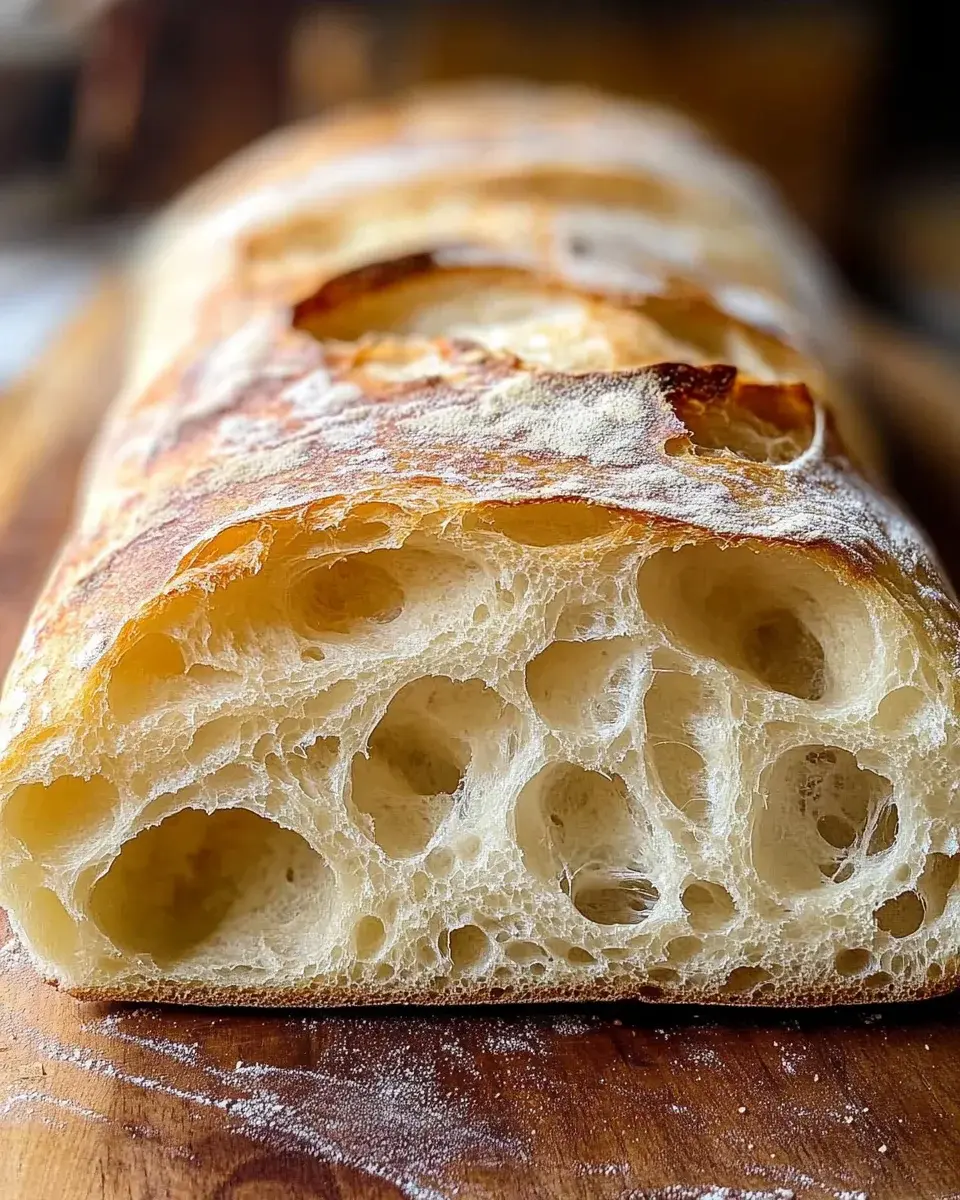
There’s something incredibly satisfying about making your own bread, especially when it’s a rustic loaf like ciabatta. The Homemade Ciabatta Bread Recipe delivers a wonderfully golden exterior, punctuated by an abundance of airy holes within its perfectly chewy crumb. This versatile bread truly elevates any meal, fitting seamlessly from a relaxed breakfast setting to a more formal dinner occasion.
The standout qualities of a well-made ciabatta include its delightfully crisp crust and its irresistibly soft, yielding interior, making it an absolute favorite for crafting substantial sandwiches or simply savoring with a drizzle of fine olive oil. This recipe is designed to bring that authentic bakery experience right into your own kitchen, offering a rewarding baking adventure for everyone.
Why You Will Love This Recipe
- Effortless Preparation: This recipe is surprisingly simple, making it accessible even for those new to bread baking, allowing you to achieve impressive results with minimal fuss.
- Exceptional Versatility: Whether you’re building the ultimate sandwich, dipping into a hearty soup, or creating elegant appetizers, this ciabatta serves as the perfect foundation.
- Artisan Appeal: You’ll be amazed at how easily you can replicate the distinct, hole-filled crumb and crusty exterior of authentic Italian ciabatta bread in your home kitchen.
- Customizable Flavors: While the classic version is divine, this recipe is a fantastic base for adding your favorite herbs, pungent garlic, savory cheeses, or briny olives to create unique flavor profiles.
- Inviting Aroma: The entire process fills your home with the comforting and irresistible scent of freshly baked bread, creating a warm and welcoming atmosphere for all.
Ingredients You Need
The quality of your ingredients directly impacts the final outcome of your homemade ciabatta bread. Using fresh, good-quality flour and yeast is paramount for achieving that signature rise and texture. Ensuring your water is at the correct lukewarm temperature is also key to activating the yeast effectively and developing the dough properly.
Homemade Ciabatta Bread
Discover the joy of baking with this Homemade Ciabatta Bread Recipe, a delightful addition to any meal. This rustic Italian loaf showcases a golden crust paired with an airy, chewy interior, making it perfect for sandwiches, bruschetta, or simply enjoying with olive oil. With minimal ingredients and straightforward steps, even novice bakers can create an artisan-quality bread in their kitchen. The aroma of freshly baked ciabatta is sure to fill your home, creating a warm and inviting atmosphere. Whether you're serving it at breakfast or dinner, this ciabatta loaf is sure to impress.
- 3 cups (360g) all-purpose or bread flour
- 1 ¼ tsp salt
- 1 tsp instant yeast
- 1 cup (240ml) lukewarm water
- 1 tbsp olive oil (for greasing)
- 1In a large mixing bowl, combine the flour, salt, and yeast. Gradually add lukewarm water and mix until a soft, sticky dough forms.
- 2Cover the bowl with a damp towel and let the dough rise for 1 hour until doubled in size.
- 3On a floured surface, gently turn out the dough and fold it over itself to form a loose rectangle. Place on a parchment-lined baking sheet and let rise for an additional 30 minutes.
- 4Preheat your oven to 450°F (230°C). Bake the bread for 22-25 minutes until golden brown and hollow-sounding when tapped.
- 5Allow the ciabatta to cool completely on a wire rack before slicing.
Keywords: Ciabatta, Bread, Baking, Italian, Artisan, Homemade
- all-purpose or bread flour: This provides the structure for your ciabatta, and using bread flour can yield a slightly chewier texture due to its higher protein content.
- salt: Essential for flavor, it also plays a role in controlling yeast activity and strengthening gluten development.
- instant yeast: The leavening agent that gives ciabatta its characteristic airy crumb and rise.
- lukewarm water: Crucial for activating the yeast and creating the high hydration dough that defines ciabatta.
- olive oil: Used for greasing, it adds a subtle richness and helps prevent sticking.
Specific quantities for each ingredient are detailed within the accompanying recipe card.
Variations
Elevating your homemade ciabatta can be as simple as introducing a few extra ingredients. Consider infusing your dough with finely chopped fresh rosemary and a pinch of red pepper flakes for a Mediterranean-inspired loaf. This adds a delightful aromatic quality and a subtle hint of warmth that pairs wonderfully with olive oil or served alongside Italian dishes.
For a heartier, more substantial bread, try incorporating a portion of whole wheat flour into your mix. This substitution can add a nuttier flavor and a slightly denser texture, while still retaining much of the ciabatta’s characteristic open crumb if handled carefully. The resulting loaf is robust and satisfying, perfect for more rustic meals.
A truly indulgent variation involves adding pockets of cheese and herbs directly into the dough before its final proof. Think crumbled feta with sundried tomatoes, or a sharp cheddar with chives. These additions create pockets of melted goodness and bursts of flavor within the chewy bread, transforming it into a gourmet treat.
For those seeking a lighter option, explore the world of infused oils. You can incorporate a tablespoon or two of garlic-infused olive oil directly into the dough itself. This technique imbues the entire loaf with a gentle garlicky aroma and taste, making it an irresistible choice for garlic bread lovers without any extra steps after baking.
Consider a sprinkle of coarse sea salt on top just before baking. This not only adds a pleasant crunch but also enhances the overall flavor profile of the bread, providing little bursts of salinity that cut through the richness and complement the crust beautifully. It’s a simple addition that makes a significant visual and gustatory impact.
Another simple yet effective variation is to add a handful of toasted seeds, such as sunflower or pumpkin seeds, into the dough during the folding stages. This introduces a delightful textural contrast and a subtle nutty flavor that complements the chewy interior and crisp crust of the ciabatta. It’s a fantastic way to add both interest and nutrients.
How to Prepare Homemade Ciabatta Bread Recipe
Step 1: Making the Initial Dough
Begin by gathering a large mixing bowl. Into this, you’ll carefully measure and combine the all-purpose flour, the precise amount of salt, and the instant yeast. Whisk these dry ingredients together thoroughly to ensure an even distribution of the yeast and salt throughout the flour, which is crucial for consistent rising and flavor.
Next, gradually incorporate the lukewarm water into the dry mixture. Stir this mixture with a sturdy spoon or a spatula until it just comes together to form a soft, quite sticky dough. The dough will appear rough and shaggy at this stage, which is perfectly normal for ciabatta. Cover the bowl tightly with a piece of plastic wrap or a clean, damp kitchen towel.
Allow this covered dough to rest undisturbed at room temperature for a period of approximately 1 hour. During this time, the yeast will begin its work, producing gases that will cause the dough to expand significantly. You’re looking for the dough to visibly increase in volume, ideally doubling in size, and to become noticeably bubbly on its surface.
Step 2: The First Crucial Rise
This initial rise, often referred to as bulk fermentation, is where the magic of ciabatta’s texture truly begins. The prolonged contact of the high hydration dough with the air allows for the development of complex flavors and a more elastic gluten structure. Patience here is key to achieving that desirable open crumb.
As the dough sits, the yeast consumes sugars in the flour and produces carbon dioxide gas, which gets trapped by the gluten network. This trapped gas is what creates the airy pockets that are so characteristic of ciabatta bread. The process also helps to tenderize the crumb, making the final bread delightfully soft on the inside.
You will observe the dough becoming much lighter and airier. The surface may show numerous small bubbles, and the overall volume will have increased substantially. This visual cue indicates that the yeast has been active and the gluten structure is developing beautifully, preparing the dough for the next stages of shaping and baking.
Step 3: Gentle Folding and Second Rest
Prepare a clean work surface by lightly dusting it with flour. This prevents the extremely sticky dough from adhering too much. Gently tip the risen dough out onto this floured surface; it will spread out considerably due to its high hydration. The aim here is to be as gentle as possible to preserve the air bubbles created during the first rise.
Using your hands, which can also be lightly floured, carefully fold the dough over itself. Aim for two to three folds, essentially creating a loose, somewhat rectangular shape. This process strengthens the gluten network further without degassing the dough excessively, contributing to its structure and chewiness.
Transfer the folded dough onto a baking sheet that has been lined with parchment paper and lightly dusted with flour. Dust the top of the dough lightly with more flour as well. Cover this loosely with plastic wrap or a clean kitchen towel, and allow it to rest for an additional 30 minutes. This shorter rest period allows the dough to relax and puff up slightly before baking.
Step 4: Oven Preheating and the Baking Process
While the dough is undergoing its final rest, it’s time to preheat your oven. Set the temperature to a hot 450°F (230°C). A high oven temperature is critical for achieving that signature crisp crust and for ensuring a rapid oven spring, which helps to create those large, irregular air pockets within the bread.
If you possess a baking stone or steel, place it in the oven during the preheating phase. This will provide a hot surface for the bread to bake on, promoting an even crispier bottom crust. Ensure the oven is fully preheated for at least 20-30 minutes to guarantee consistent heat distribution.
Once the oven is hot and the dough has finished its final rest, carefully place the baking sheet into the preheated oven. Bake the ciabatta for approximately 22 to 25 minutes. The bread is ready when the crust has turned a beautiful golden brown color and, when you tap the bottom of the loaf, it sounds hollow, indicating that the interior is fully baked.
Step 5: Cooling for Optimal Texture
Upon removing the perfectly baked ciabatta from the oven, immediately transfer the loaf from the baking sheet to a wire cooling rack. It is absolutely essential to let the bread cool completely before attempting to slice or serve it. This cooling period is not just about letting it reach a palatable temperature; it’s a critical step for the bread’s final texture.
During the cooling process, the internal structure of the bread continues to set. If you slice into it too early, while it’s still steaming hot, the internal crumb can appear gummy and dense, and the wonderful airy texture you worked so hard to achieve might be compromised. The steam trapped inside needs to escape gradually.
Allowing the ciabatta to cool on a wire rack ensures that air can circulate freely all around the loaf, including the bottom. This prevents the crust from becoming soggy from trapped steam and helps maintain its delightful crispness. Patience during this stage ensures that your ciabatta will have the perfect chewy interior and crackly crust that it’s known for.
Pro Tips for Homemade Ciabatta Bread Recipe
Flour Matters: While all-purpose flour works well, opting for bread flour can significantly improve the texture of your ciabatta. Bread flour has a higher protein content, which develops more gluten, leading to a chewier crumb and better structure. This is particularly beneficial for high-hydration doughs like ciabatta.
Hydration is Key: Ciabatta is defined by its high hydration dough, meaning it contains a lot of water relative to flour. Don’t be alarmed by how sticky the dough is; this is intentional and crucial for achieving the airy, open crumb. Resist the urge to add too much extra flour during kneading or shaping, as this will make the bread dense.
Gentle Handling: When you fold the dough, be as gentle as possible. The goal is to create structure by folding the dough onto itself, but you want to preserve the delicate air bubbles that have formed during the rise. Overworking or aggressively degassing the dough will result in a less airy loaf.
Steam for the Crust: To achieve a wonderfully crisp and golden crust, introduce steam into your oven during the initial phase of baking. You can do this by placing a shallow pan filled with hot water on the bottom rack of your oven as it preheats, or by spritzing the oven walls with water (avoiding the light and door seal) a few times during the first 10 minutes of baking.
Patience with the Rise: Allow the dough ample time to rise at room temperature. The sticky nature of ciabatta dough means it might take a little longer than standard bread doughs. Ensuring the dough has doubled in size and is visibly bubbly is more important than strictly adhering to a timed schedule, as ambient temperature can affect rise times.
Cooling is Crucial: As mentioned, allowing the bread to cool completely on a wire rack before slicing is non-negotiable for achieving the best texture. This allows the internal moisture to redistribute and the crumb structure to set properly, preventing a gummy interior.
Serving Suggestions for Homemade Ciabatta Bread Recipe
Decoration
A light dusting of finely chopped fresh parsley or a few scattered fresh rosemary sprigs on top just before serving can add a touch of visual appeal and freshness. For a more rustic look, a very light drizzle of high-quality olive oil over the cut surface of the bread can enhance its natural beauty and aroma.
Side Dishes
Homemade ciabatta is an exceptional accompaniment to a variety of dishes. It’s perfect for soaking up the rich flavors of hearty soups, such as a robust minestrone or a creamy tomato basil bisque. Its texture also makes it an ideal partner for robust Italian stews or braised meats.
The bread shines alongside a vibrant Caprese salad, with its fresh mozzarella, juicy tomatoes, and fragrant basil. It’s also a fantastic choice for pairing with antipasto platters, offering a neutral yet satisfying base for cured meats, olives, roasted peppers, and artisanal cheeses.
Consider serving your ciabatta with a warm spinach artichoke dip or a classic bruschetta topping. The porous texture of the bread is ideal for holding these flavorful spreads and toppings, making every bite a delightful experience. Its slightly chewy interior and crisp crust provide a wonderful textural contrast to creamy dips.
Creative Serving Ideas
Transform slices of toasted ciabatta into elegant crostini. Top them with a variety of ingredients like whipped feta with honey, fig jam and prosciutto, or a simple mix of diced tomatoes, garlic, and basil. This makes for an impressive appetizer at any gathering.
Use large, unsliced loaves as the base for a spectacular ‘bread bowl’ for dips or salads. Alternatively, cut the loaf in half horizontally and toast it to create a fantastic base for open-faced sandwiches or ‘pizza’ ciabatta, piled high with your favorite toppings and baked until golden.
For a unique twist, try making ciabatta croutons. Cut the bread into cubes, toss with olive oil, garlic powder, and herbs, then bake until crisp. These croutons are perfect for adding texture and flavor to salads or as a topping for soups.
Preparation & Storage
Storing Leftovers
To keep your homemade ciabatta fresh for as long as possible, it’s best to store it at room temperature. Wrap the cooled loaf tightly in a clean kitchen towel or a bread bag. This helps to maintain its crusty exterior while preventing it from drying out too quickly. Avoid storing it in plastic bags, as this can make the crust soft and gummy.
If you have cut slices, it’s advisable to store them in an airtight container. Ensure the bread has cooled completely before sealing the container. Properly stored, your ciabatta can remain delicious for 2-3 days, retaining much of its original character and flavor.
Freezing
Homemade ciabatta freezes exceptionally well, allowing you to enjoy its fresh taste at a later time. Ensure the bread is completely cooled before you freeze it. Slice the loaf into individual portions or freeze it whole, depending on how you plan to use it later.
Wrap each portion or the entire loaf tightly in plastic wrap to prevent freezer burn. Then, place the wrapped bread into a heavy-duty freezer bag or an airtight container. This double layer of protection helps maintain its quality and prevent any unwanted absorption of freezer odors. Ciabatta can be stored in the freezer for up to 3 months.
Reheating
When you’re ready to enjoy your frozen or previously stored ciabatta, reheating is simple and effective. For the crispiest results, preheat your oven to around 375°F (190°C). Place the bread directly on the oven rack or on a baking sheet and warm it for about 8-12 minutes, depending on the size of the piece. This will revive the crust beautifully.
If you’re reheating a single slice and are short on time, the microwave can be used. Place the slice on a microwave-safe plate and cover it with a damp paper towel. Heat on high for about 15-20 seconds. Be cautious not to overheat, as this can make the bread tough; it’s best for quick softening rather than crisping.
Another method for reheating is on the stovetop. Slice the ciabatta and place it in a dry skillet over medium heat. Toast each side for a few minutes until it’s golden brown and slightly crisp. This method is excellent for individual slices and offers a satisfying crunch.
Frequently Asked Questions
-
What is the key characteristic that makes ciabatta bread unique compared to other breads?
Ciabatta’s uniqueness lies in its signature open crumb structure, characterized by large, irregular air pockets throughout the interior. This is achieved through a very high hydration dough, which means it contains a significant amount of water relative to flour, and a gentle handling process that preserves the delicate air bubbles. The crust is typically crisp and rustic, while the interior remains soft and chewy, offering a delightful textural contrast. Its shape, often resembling a slipper (ciabatta means slipper in Italian), and its slightly tangy flavor profile also distinguish it from other bread types.
-
How can I ensure my homemade ciabatta has that desirable airy interior and not a dense crumb?
Achieving an airy crumb in homemade ciabatta relies on several key factors. Firstly, use a high-hydration dough; do not be tempted to add too much extra flour, even though it will be very sticky. Secondly, be gentle when folding and shaping the dough; the goal is to build structure without expelling all the trapped gases. Thirdly, allow adequate rising time, ensuring the dough doubles in size and becomes visibly bubbly before shaping. Finally, baking in a very hot oven with a good crust-forming environment, perhaps with steam, is crucial for that initial oven spring that creates the large air pockets.
-
Can I substitute different types of flour for all-purpose flour in this ciabatta recipe, and what impact would it have?
Yes, you can substitute other flours, but it will affect the outcome. Using bread flour instead of all-purpose flour is often recommended for ciabatta as its higher protein content aids in gluten development, leading to a chewier texture and better structure, which is beneficial for a high-hydration dough. Substituting up to half of the all-purpose flour with whole wheat flour can add a nuttier flavor and more fiber, though it might result in a slightly denser bread. For gluten-free ciabatta, you would need a completely different recipe utilizing alternative flours like rice flour, tapioca starch, and xanthan gum, as gluten is essential for the characteristic structure of traditional ciabatta.