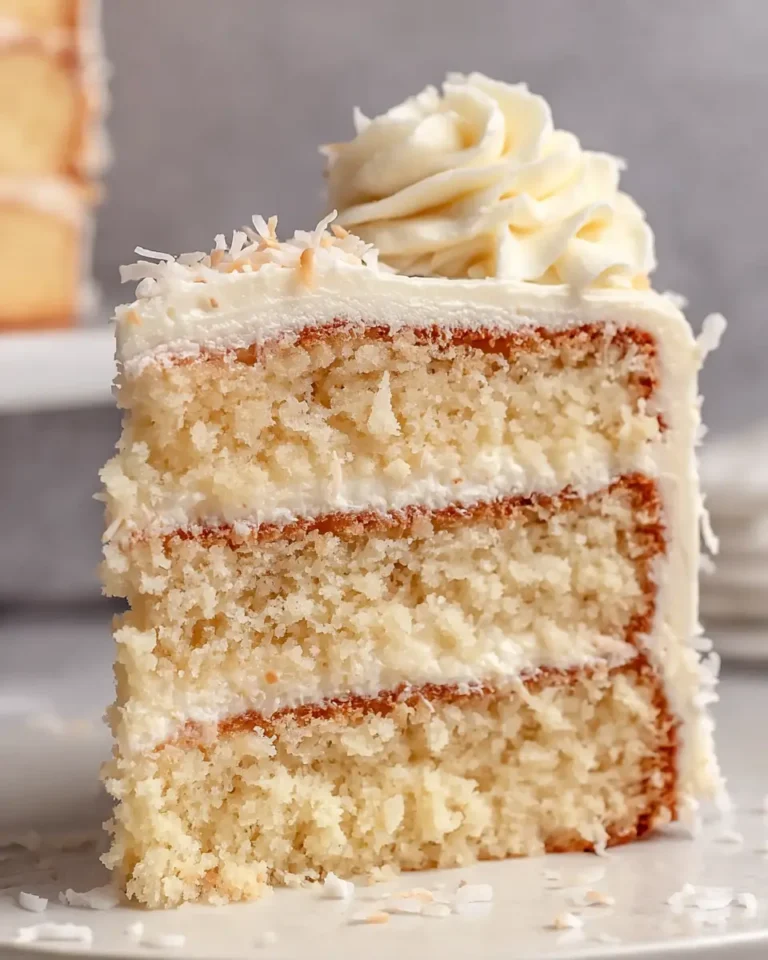
Gluten Free Vegan Coconut Cake
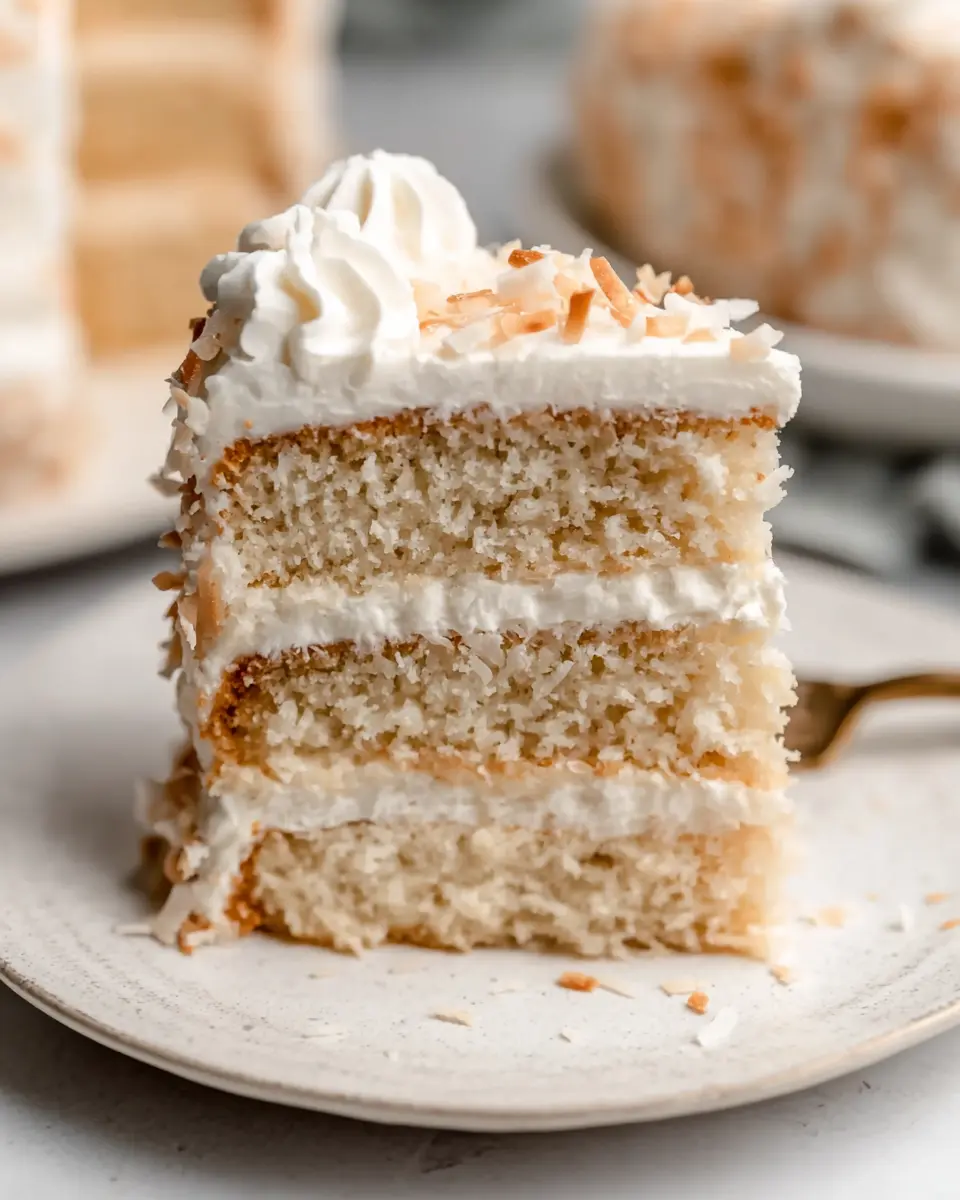
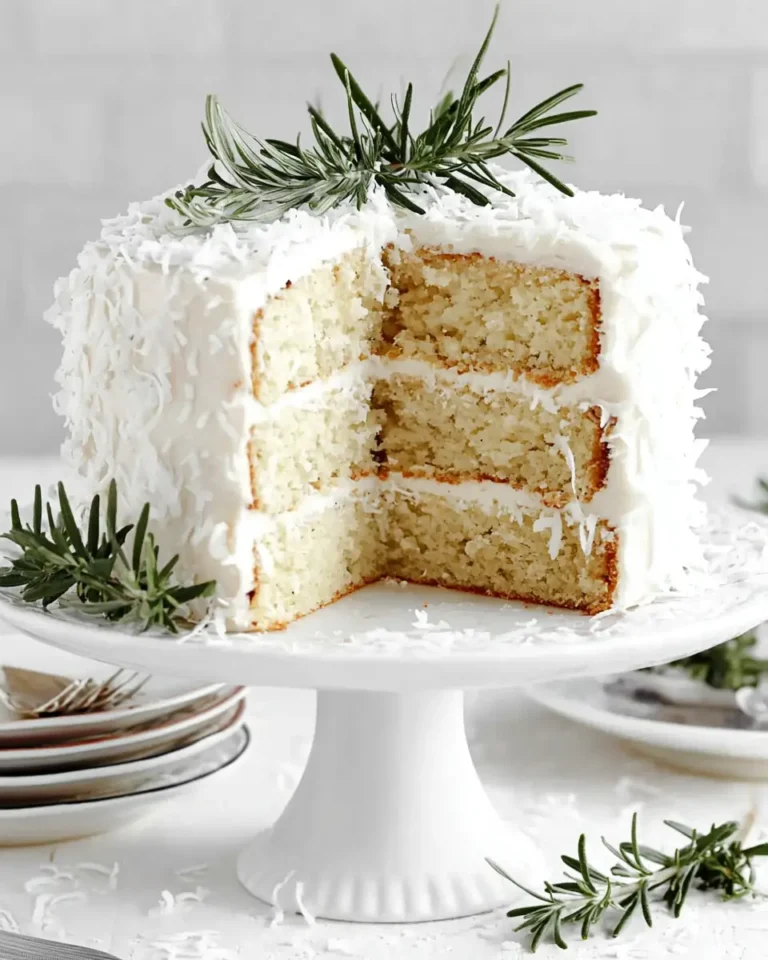
This Gluten Free Vegan Coconut Cake is a showstopper, promising tender layers and a decadent, dairy-free frosting. Its tropical flavor profile makes it a perfect choice for celebrations or whenever a touch of sweetness is needed.
You’ll be delighted by how surprisingly simple this cake is to create. Despite its elegant appearance and rich taste, it comes together with straightforward steps, making it accessible even for beginner bakers. It’s the kind of dessert that impresses without demanding advanced culinary skills.
Why You Will Love This Recipe
- Irresistible Coconut Flavor: From the moist cake layers to the creamy frosting and crunchy garnish, coconut is celebrated in every bite, offering a delightful tropical escape.
- Tender & Moist Crumb: Thanks to the clever use of full-fat coconut milk and dairy-free yogurt, this cake achieves a wonderfully soft and moist texture that gluten-free baking often struggles with.
- Completely Vegan & Gluten-Free: This recipe is thoughtfully crafted to accommodate dietary needs without sacrificing taste or texture, making it a fantastic option for everyone to enjoy.
- Elegant Presentation: With its beautiful frosting and generous topping of toasted coconut flakes, this cake looks as stunning as it tastes, perfect for birthdays, holidays, or any special occasion.
- Versatile Baking: Whether you’re a seasoned baker or new to gluten-free and vegan desserts, the clear instructions and readily available ingredients ensure a successful and enjoyable baking experience.
Ingredients You Need
The success of any magnificent cake lies in the quality of its ingredients, and this Gluten Free Vegan Coconut Cake is no exception. Opting for the freshest and highest quality components will undoubtedly elevate the final taste and texture of your creation. This recipe emphasizes the rich flavor of coconut by incorporating it in several delightful ways, ensuring each bite is a true celebration of this tropical delight.
Gluten Free Vegan Coconut Cake
A tender, richly flavored coconut cake made without gluten or dairy, layered with a smooth coconut-vanilla frosting and finished with crisp toasted coconut flakes for texture and visual appeal.
- For the Cake:
- 1 1/2 cups full-fat canned coconut milk
- 1 tablespoon baking powder
- 2 teaspoons vanilla extract
- 3/4 cup dairy-free yogurt
- 1 cup unsweetened shredded coconut
- 1 3/4 cups granulated sugar
- 3 1/4 cups gluten-free 1-to-1 flour or cake flour
- 1/2 cup vegan butter, softened to about 70°F
- 1 teaspoon coconut extract
- 1/4 teaspoon sea salt
- 1 teaspoon arrowroot (when using all-purpose or gluten-free flour)
- 1/2 teaspoon baking soda
- For the Frosting:
- 4 cups powdered sugar, sifted
- 1 cup vegan butter, at room temperature
- 1 teaspoon vanilla extract
- 1 cup vegan cream cheese, softened
- 2 tablespoons coconut cream
- 1 teaspoon coconut extract
- For the Garnish:
- 3 cups toasted coconut flakes
- 1Preheat the oven to 350°F (175°C). Lightly grease three 6-inch or 8-inch cake pans with olive oil or coconut oil so the layers release easily after baking.
- 2In a large mixing bowl, beat the softened vegan butter with the granulated sugar until the mixture is well combined and the sugar has mostly dissolved. Add the dairy-free yogurt, vanilla extract, coconut extract, and sea salt. Mix on medium-low speed, then increase to medium speed until smooth, pausing to scrape down the bowl as needed.
- 3In a separate bowl, whisk together the gluten-free flour, arrowroot if using, baking soda, baking powder, and sea salt. Add half of the dry mixture to the wet ingredients, then pour in half of the coconut milk. Mix on low speed, then add the remaining dry ingredients and the rest of the coconut milk, blending only until combined. Fold in the shredded coconut evenly, taking care not to overmix the batter.
- 4Distribute the batter evenly among the prepared pans. Bake for 22 to 24 minutes if using 6-inch pans, or 27 to 30 minutes if using 8-inch pans. The cakes are ready when a toothpick inserted into the center comes out clean. Let the layers rest in the pans for 10 minutes, then transfer them to a wire rack and cool completely.
- 5For the frosting, place the vegan butter and softened vegan cream cheese in a large bowl or the bowl of a stand mixer. Beat for 2 to 3 minutes until creamy. Add the sifted powdered sugar gradually, about 1 cup at a time, mixing well after each addition until a thick buttercream forms.
- 6Blend in the vanilla extract, coconut extract, and coconut cream. Beat until the frosting reaches a smooth, spreadable consistency.
- 7Once the cake layers are fully cooled, spread frosting between each layer and over the outside of the cake. Press the toasted coconut flakes onto the sides and top for a golden, textured finish. Slice and serve.
Keywords: Gluten Free, Vegan, Coconut Cake, Dairy-Free, Celebration Cake, Baking
The precise quantities for all the ingredients are detailed within the provided recipe card, ensuring you have everything you need for a perfectly balanced cake.
Variations
To elevate this already delightful Gluten Free Vegan Coconut Cake even further, consider these exciting variations that cater to different preferences and dietary nuances. Each offers a unique twist while staying true to the spirit of the original recipe.
For a truly decadent experience, you could introduce a layer of mixed berry compote between the cake layers. The tartness of the berries would beautifully cut through the richness of the coconut and frosting, adding a delightful burst of fruity flavor and a vibrant color contrast. Ensure the compote is cooked down to a thick consistency to prevent the cake from becoming soggy, and allow it to cool completely before assembly. This addition transforms the cake into a delightful symphony of tropical sweetness and bright berry notes.
If you’re aiming for a more citrus-forward profile, a subtle infusion of lemon could be incorporated. You can achieve this by adding the zest of one or two organic lemons to the cake batter. Additionally, a few tablespoons of fresh lemon juice could replace an equal amount of coconut milk for an added tang. The bright, zesty notes of lemon will complement the coconut beautifully, offering a refreshing and sophisticated flavor dimension that awakens the palate.
For those who adore a bit of crunch and warmth, consider adding finely chopped toasted nuts, such as almonds or macadamia nuts, to the cake batter. These nuts will provide a delightful textural contrast and a complementary nutty flavor that pairs wonderfully with coconut. Ensure the nuts are toasted to perfection and cooled before folding them into the batter. This variation adds another layer of complexity, making each bite a delightful interplay of soft cake, creamy frosting, and satisfying crunch.
How to Prepare Gluten Free Vegan Coconut Cake
Step 1: Preparing the Pans and Oven
Begin this culinary journey by preheating your oven to a steady 350 degrees Fahrenheit (175 degrees Celsius). This ensures that the oven is at the optimal temperature when your beautifully prepared batter is ready for baking, promoting even rising and a perfect golden-brown crust. Proper preheating is a foundational step for successful cake baking.
Next, meticulously prepare your cake pans. Lightly grease three 6-inch or 8-inch cake pans with a neutral oil, such as olive oil or melted coconut oil. A thorough coating is essential to prevent the tender gluten-free cake layers from sticking. This careful preparation ensures that the delicate layers will release cleanly after baking, preserving their structure and appearance.
Ensuring your pans are well-greased and lightly floured (using gluten-free flour, of course) is crucial. For extra insurance, you can also line the bottoms of the pans with parchment paper rounds. This extra step provides a reliable barrier, guaranteeing that even the most delicate gluten-free cake layers will lift out of the pans effortlessly. The goal is to create a non-stick surface that allows for easy removal, minimizing the risk of breakage.
Step 2: Creating the Creamy Wet Base
In a generously sized mixing bowl, or the bowl of your stand mixer fitted with the paddle attachment, cream together the softened vegan butter and granulated sugar. Beat them until the mixture achieves a light, fluffy, and well-combined appearance, with the sugar mostly dissolved into the butter. This creaming process incorporates air, which contributes to the cake’s tender texture.
Once the butter and sugar are beautifully creamed, introduce the dairy-free yogurt, vanilla extract, coconut extract, and sea salt to the mixture. These ingredients add moisture, depth of flavor, and a subtle tang that balances the sweetness. Mix them in on a medium-low speed initially, then gradually increase to medium speed, ensuring everything is thoroughly blended and the mixture appears smooth and homogenous. Regularly scrape down the sides and bottom of the bowl with a spatula to ensure all ingredients are incorporated evenly.
This smooth, emulsified base is critical for a uniform cake crumb. When all the wet ingredients are thoroughly combined at this stage, they create a stable foundation for the dry ingredients, which helps the cake bake more evenly. A well-mixed wet base is a secret weapon for achieving a consistently tender and delicious gluten-free vegan cake, laying the groundwork for the delightful flavors to come.
Step 3: Whisking Together the Dry Ingredients
In a separate, medium-sized bowl, combine all the dry ingredients. This includes your gluten-free 1-to-1 flour blend, arrowroot starch (if using, as it helps improve texture), baking soda, and baking powder. Whisk these components together thoroughly using a whisk or a fork.
Ensuring the dry ingredients are evenly distributed is paramount. Whisking them together before adding them to the wet ingredients ensures that the leavening agents (baking soda and baking powder) are dispersed uniformly throughout the flour. This even distribution is key to achieving a consistent rise and a light, airy texture in your final cake, preventing dense spots or uneven baking.
The arrowroot starch, if included, plays a subtle but important role in gluten-free baking. It helps to create a more tender crumb and can prevent a gummy texture that sometimes plagues gluten-free cakes. By carefully combining and whisking these dry elements, you are setting the stage for a perfectly structured and delightfully light gluten-free vegan coconut cake.
Step 4: Combining Wet and Dry Components
Now it’s time to bring the wet and dry ingredients together to form the cake batter. Add half of the whisked dry ingredients to the creamed butter mixture. Simultaneously, pour in half of the full-fat canned coconut milk. Begin mixing on a low speed, just until the ingredients start to combine.
After the initial addition has partially incorporated, add the remaining dry ingredients and the rest of the coconut milk to the bowl. Continue mixing on low speed. It is absolutely crucial to mix only until the batter is just combined and no dry streaks of flour remain visible. Overmixing gluten-free batters can lead to a tough or gummy texture, so gentleness is key here.
The batter should be smooth and relatively thick at this stage. Avoid the temptation to overmix; a few small lumps are often acceptable and preferable to an overworked batter. This careful combination ensures that the leavening agents can work effectively to produce a light and tender cake, while the fats and liquids create a moist and delicious crumb.
Step 5: Incorporating Shredded Coconut and Baking
Gently fold the unsweetened shredded coconut into the cake batter using a spatula. Ensure it is evenly dispersed throughout the mixture without overmixing. The shredded coconut will add delightful texture and an extra layer of coconut flavor to each bite, making the cake even more enticing.
Divide the batter evenly between your prepared cake pans. If using three pans, aim for roughly equal amounts in each. Gently smooth the top of the batter in each pan with your spatula. This step is important for ensuring that the layers bake evenly and come out with relatively flat surfaces, which will make frosting much easier later on.
Bake the cakes according to the recipe’s timing: approximately 22-24 minutes for 6-inch pans or 27-30 minutes for 8-inch pans. The cakes are ready when a toothpick inserted into the center comes out clean. A clean toothpick is the definitive sign that the cake has cooked through to the center.
Step 6: Cooling the Cake Layers
Once the cakes are baked and the toothpick test confirms they are done, allow them to rest in their pans for about 10 minutes. This brief period in the hot pan allows the cakes to firm up slightly, making them more stable and less prone to breaking when you attempt to remove them. It’s a crucial step for handling delicate gluten-free cakes.
After this initial resting period in the pans, carefully invert each cake onto a wire cooling rack. Gently lift the pans away, and if you used parchment paper, peel it off the bottom of the cake layers. The goal is to allow the cakes to cool completely on the wire rack, which promotes air circulation and prevents any condensation from making the bottoms soggy.
Patience is key during this cooling phase. Attempting to frost warm cake layers is a recipe for disaster, as the heat will melt the frosting and cause the delicate layers to slide apart. Ensure the cake layers are thoroughly and completely cool to the touch before proceeding to the frosting stage. This step is non-negotiable for a beautifully assembled cake.
Step 7: Crafting the Dreamy Frosting
While the cake layers are cooling to room temperature, it’s time to prepare the luscious dairy-free frosting. In a large bowl, or the bowl of a stand mixer fitted with the paddle attachment, combine the room-temperature vegan butter and softened vegan cream cheese. Beat them together for about 2 to 3 minutes until the mixture is exceptionally creamy and smooth, with no lumps remaining.
Gradually add the sifted powdered sugar, about one cup at a time, to the creamed butter and cream cheese mixture. Mix well after each addition, ensuring the sugar is fully incorporated before adding more. Continue this process until you have added all the powdered sugar and a thick, luscious buttercream forms. Sifting the powdered sugar is important to avoid any lumps and achieve a silky smooth frosting consistency.
Finally, blend in the vanilla extract, coconut extract, and coconut cream. Mix until the frosting reaches a perfectly smooth, spreadable consistency. If the frosting is too thick, you can add another tablespoon of coconut cream or a tiny splash of coconut milk to loosen it; if it’s too thin, add a little more sifted powdered sugar. The aim is for a frosting that is firm enough to hold its shape but soft enough to spread easily.
Step 8: Assembling and Decorating
Once your cake layers are completely cool, it’s time for the most rewarding part: assembly. Place one cake layer on your serving platter or cake stand. Spread a generous, even layer of the prepared frosting over the top of this first layer, using an offset spatula for a smooth finish.
Carefully place the second cake layer on top of the frosting. Repeat the process, spreading another generous layer of frosting over the second cake. Finally, add the third cake layer to complete the structure of your beautiful cake. Ensure each layer is centered and level as you stack them.
Now, apply a thin “crumb coat” of frosting all over the cake – the top and sides. This acts as a sealant to trap any loose crumbs. Chill the cake for about 20-30 minutes to firm up this crumb coat. Once chilled, apply the final, thicker layer of frosting, smoothing it out for a polished look. Finally, press the toasted coconut flakes onto the sides and the top of the cake. This creates a stunning, textured finish that not only looks beautiful but also adds a delightful crunch.
Pro Tips for Gluten Free Vegan Coconut Cake
Achieving a truly exceptional Gluten Free Vegan Coconut Cake often comes down to a few key techniques and considerations. Following these tips will help ensure your cake is not only delicious but also beautifully textured and visually appealing, even with the intricacies of gluten-free and vegan baking.
Use Full-Fat Coconut Milk: For the richest flavor and the most desirable moist crumb, always opt for full-fat canned coconut milk. The thinner, refrigerated coconut beverages simply do not contain the necessary fat content to provide the same depth of flavor and tender texture that is crucial for this cake. The higher fat content in the canned version is instrumental in creating that luxurious mouthfeel.
Ensure Complete Cooling: Patience is a virtue when it comes to cake assembly. Always allow your cake layers to cool completely before frosting. Attempting to frost warm layers will result in melted frosting, a messy crumb coat, and potential structural instability, especially with delicate gluten-free cakes. A fully cooled cake provides a solid foundation for your frosting application.
Toast Coconut Ahead: Toasting your coconut flakes in advance and allowing them to cool thoroughly before decorating is a simple yet effective trick. Freshly toasted coconut is at its most fragrant and flavorful, and allowing it to cool ensures it remains crisp. Warm coconut can melt into the frosting, losing its texture and creating a less appealing visual effect.
Gentle Mixing is Key: Gluten-free flours can become gummy or tough if overworked, similar to how gluten-containing flours can develop too much gluten. Be gentle when mixing your batter, and always stop as soon as the ingredients are just combined. Overmixing will negatively impact the final texture, leading to a denser, less enjoyable cake.
Room Temperature Ingredients for Frosting: For the smoothest, creamiest frosting, ensure your vegan butter and vegan cream cheese are at true room temperature. This allows them to emulsify properly with the sugar and liquids, creating a light, airy, and easily spreadable frosting. Cold ingredients will result in a lumpy and unmanageable frosting consistency.
Serving Suggestions for Gluten Free Vegan Coconut Cake
Decoration
The visual appeal of this cake can be enhanced with thoughtful decorations that play up its tropical theme. Beyond the essential toasted coconut flakes, consider adding a scattering of edible flowers for a touch of elegance and color. Alternatively, a dusting of finely grated lime or lemon zest over the top can add a subtle brightness and aromatic finish.
For a truly celebratory look, pipe decorative borders around the edges of the cake using the frosting, creating elegant swirls or rosettes. You could also incorporate a drizzle of vegan white chocolate ganache over the top for a touch of indulgence and a beautiful contrast against the coconut. Fresh, vibrant berries, such as raspberries or sliced strawberries, can also be artfully arranged on top, adding a pop of color and a refreshing counterpoint to the sweet cake.
Side Dishes
This delightful cake pairs wonderfully with a variety of accompaniments that complement its tropical flavors without overwhelming them. Fresh fruit salads, especially those featuring mango, pineapple, and kiwi, are a natural choice. The natural sweetness and tang of these fruits echo the cake’s flavor profile and provide a refreshing contrast.
For a beverage pairing, consider a refreshing coconut water or a light, chilled herbal tea. A scoop of dairy-free vanilla or coconut ice cream served alongside a warm slice of cake can also create a delightful dessert experience, enhancing the creaminess and coconut notes. Even a simple glass of almond milk or oat milk would be a perfect, simple pairing.
Creative Serving Ideas
Elevate your dessert presentation by serving individual slices on small plates garnished with a few fresh mint leaves or a tiny sprig of edible greenery. For a more interactive experience, consider a “decorate your own slice” station at a party, providing small bowls of extra toasted coconut, vegan sprinkles, and perhaps some berry coulis for guests to customize their own dessert.
Another creative idea is to serve mini versions of the cake, such as cupcakes or small tartlets, allowing for easier portion control and a charming presentation. These can be perfect for events where guests are mingling and need to eat on the go. You could also transform slices into a delightful trifle by layering crumbled cake with extra frosting and fresh fruit in individual glasses or a large trifle bowl.
Preparation & Storage
Storing Leftovers
To keep your delicious Gluten Free Vegan Coconut Cake fresh and enjoyable for as long as possible, proper storage is key. It is best to store any leftover cake covered tightly in the refrigerator. This is particularly important because the frosting contains vegan cream cheese, which requires chilling to maintain its stability and prevent it from becoming too soft or melting.
A well-covered cake will prevent it from drying out and will also protect it from absorbing any unwanted odors from other foods in the refrigerator. You can use plastic wrap, an airtight cake container, or even aluminum foil to ensure a good seal. Properly stored, the cake should remain delicious for up to 4 days.
Freezing
If you find yourself with more cake than you can consume within a few days, or if you’ve baked ahead for a future event, freezing is an excellent option. For the best results and easiest reheating, it’s recommended to freeze the cake in individual slices or as whole unfrosted layers. This allows for more controlled thawing and prevents moisture loss.
Ensure that each slice or layer is wrapped very securely in plastic wrap, followed by a layer of aluminum foil or placed inside a freezer-safe bag or container. This double layer of protection is vital for preventing freezer burn. Frozen cake can retain its quality for up to 2 months when stored correctly.
Reheating
When you’re ready to enjoy your frozen or refrigerated cake, a brief period at room temperature will significantly enhance its texture and flavor. For cake that has been refrigerated, allow the slices to sit at room temperature for about 15 to 20 minutes before serving. This allows the frosting to soften slightly and brings out the full richness of the coconut flavor.
For cake that has been frozen, it’s best to thaw it slowly overnight in the refrigerator. Once thawed in the fridge, then you can allow it to come to room temperature for about 15-20 minutes before serving, as you would with refrigerated cake. This gradual thawing process helps maintain the cake’s delicate texture and prevents the frosting from becoming overly soft or melting prematurely.
Frequently Asked Questions
-
Can I make this cake ahead of time?
Absolutely! This Gluten Free Vegan Coconut Cake is an excellent candidate for make-ahead preparation. You can bake the cake layers a day or even two in advance. Once they have cooled completely, wrap them tightly in plastic wrap to prevent them from drying out. Store them at room temperature if frosting the next day, or refrigerate them for longer storage. This allows you to have the cake ready to be frosted and decorated when it’s most convenient for you, making it ideal for busy schedules or special events.
-
What can I use instead of dairy-free yogurt if I don’t have it on hand?
If dairy-free yogurt isn’t available, unsweetened applesauce is a fantastic and readily accessible substitute. It will provide the necessary moisture and help maintain the cake’s tender crumb, much like yogurt does. Another good option is mashed ripe banana, although this will impart a distinct banana flavor to the cake, which can be a delightful variation in itself. Ensure any substitute is at room temperature for optimal incorporation into the batter.
-
How do I ensure a gluten-free layer cake doesn’t crumble when I cut it?
Preventing a gluten-free layer cake from crumbling involves a few key steps. Firstly, ensure your cake layers are fully cooled before you attempt to frost or slice them. Handling the layers gently throughout the process is also crucial; avoid pressing down too hard when frosting. Using a sharp, thin knife and a gentle sawing motion will result in cleaner cuts. Allowing the fully assembled and frosted cake to chill in the refrigerator for at least 30 minutes before slicing can also significantly help in achieving neat, intact slices.