French Onion Chicken Casserole Recipe Easy Comforting Dinner with Crispy Gruyère Topping
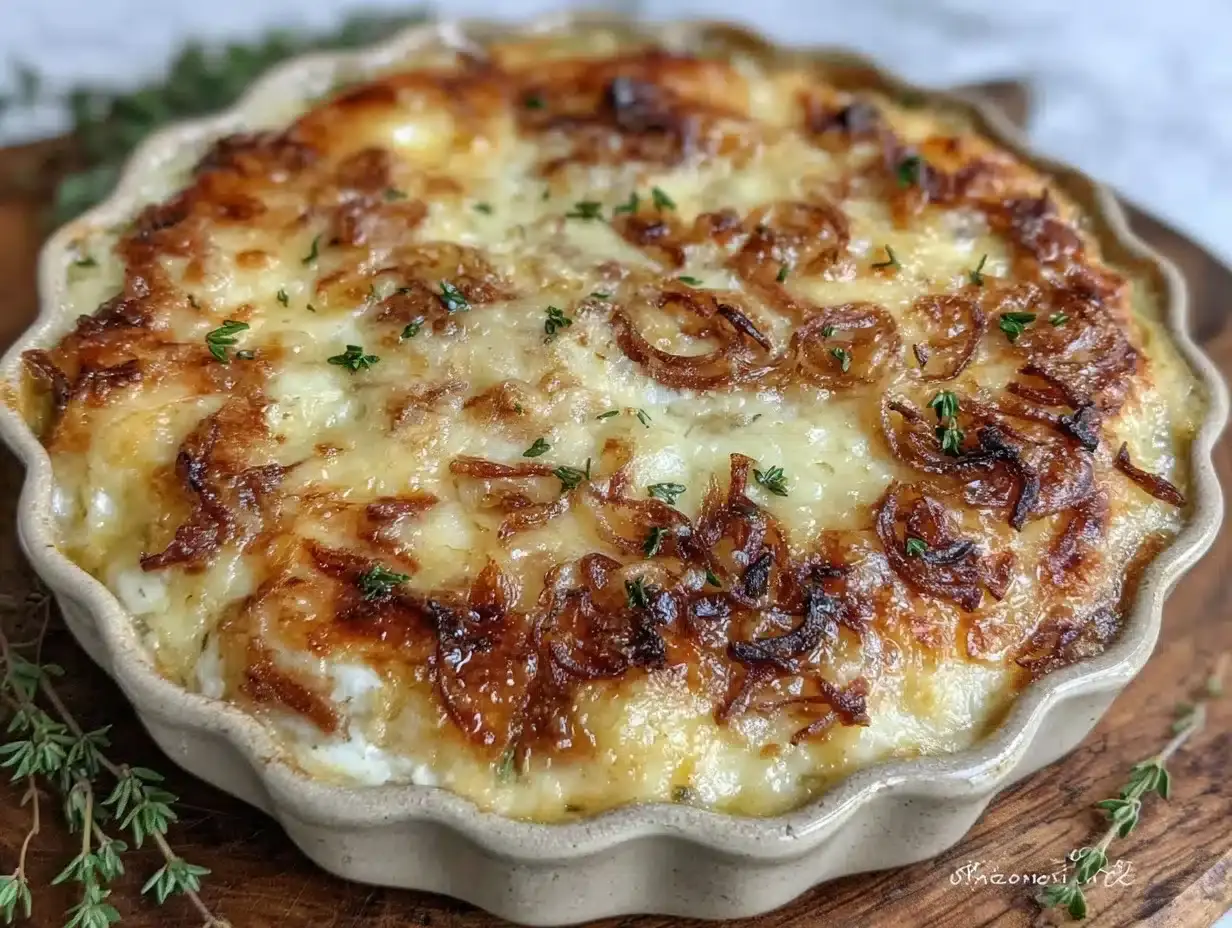
This French onion chicken casserole recipe is a comforting embrace in a dish, born from a neighbor’s casual suggestion that quickly turned into a culinary revelation. The idea of melding the deep, savory-sweet essence of French onion soup with the satisfying heartiness of a chicken casserole initially sparked my curiosity and a hint of doubt. Could it truly capture that iconic soup flavor without the slurp? The answer, as it turned out, was a resounding yes, especially once that irresistible aroma of slow-caramelized onions began to fill my kitchen.
What emerged was not just a meal, but an experience – a testament to how simple ingredients, treated with a little patience and love, can transform into something truly extraordinary. This dish became my anchor on chaotic weeknights, a reliable source of warmth and deliciousness that required minimal fuss but delivered maximum satisfaction. The golden, crispy Gruyère topping is more than just a finish; it’s the crowning glory that elevates the entire casserole, offering a delightful textural contrast to the tender chicken and rich, onion-infused sauce beneath.
Why You Will Love This Recipe
- Effortless Preparation: Despite its sophisticated flavor profile, this casserole comes together with straightforward steps, making it ideal for busy evenings.
- Deep Flavor Development: The magic lies in the slow caramelization of onions, creating a sweet, complex base that is the hallmark of authentic French onion soup.
- Crowd-Pleasing Topping: A generous layer of melted Gruyère cheese, crisped to perfection, offers a nutty crunch that is universally adored by all ages.
- Comforting & Hearty: This dish is the epitome of comfort food, delivering a warm, satisfying meal that feels both indulgent and nourishing.
- Versatile & Adaptable: Easily tweaked with different cheeses, herbs, or even proteins, it invites personal touches and creative experimentation in your kitchen.
Ingredients You Need
The success of this French onion chicken casserole hinges on the quality and thoughtful combination of its ingredients. Focusing on fresh, readily available items ensures that the deep, comforting flavors truly shine through. Each component plays a crucial role in building the layered taste experience, from the sweet foundation of caramelized onions to the rich, creamy sauce and the satisfyingly crisp cheese topping.
French Onion Chicken Casserole with Crispy Gruyère Topping

A comforting French onion chicken casserole featuring caramelized onions, tender chicken breasts, and a crispy Gruyère cheese topping. Perfect for cozy weeknight dinners with simple ingredients and rich flavors. This dish brings the soul-soothing flavors of French onion soup into a hands-off casserole, creating a special yet easy meal.
- 4 boneless, skinless chicken breasts (about 1.5 lbs / 680 g)
- 2 tablespoons olive oil or unsalted butter (for browning)
- Salt and freshly ground black pepper, to taste
- 4 large yellow onions, thinly sliced
- 2 tablespoons unsalted butter (for caramelizing onions)
- 1 teaspoon sugar (optional)
- 1/4 cup dry white wine or dry sherry (about
- 60 ml)
- 2 cloves garlic, minced
- 1 teaspoon fresh thyme leaves or 1/2 teaspoon dried thyme
- 1 cup chicken broth (240 ml), preferably low sodium
- 1/2 cup heavy cream or half-and-half (120 ml)
- 1 tablespoon all-purpose flour
- 1 cup shredded Gruyère cheese (about
- 100 g)
- 1/2 cup panko breadcrumbs (about
- 50 g)
- 1 tablespoon unsalted butter, melted (for topping)
- 1Preheat your oven to 375°F (190°C).
- 2Prepare the caramelized onions: In a skillet, melt 2 tablespoons butter over medium heat. Add sliced onions, sprinkle with salt and optional sugar. Stir occasionally for 25-30 minutes until golden brown and soft. Add minced garlic and thyme during the last 5 minutes. Pour in white wine or sherry and cook until mostly evaporated, about 3-4 minutes. Remove from heat and set aside.
- 3Brown the chicken: Season chicken breasts with salt and pepper. Heat 2 tablespoons olive oil over medium-high heat in a separate pan. Sear chicken breasts for 3 minutes on each side until golden but not fully cooked. Remove and let rest.
- 4Make the creamy sauce: In the same pan used for chicken, reduce heat to medium and add 1 tablespoon butter. Stir in flour and cook for 1-2 minutes until lightly golden, whisking constantly. Gradually add chicken broth and cream, whisking to avoid lumps. Simmer for 3-4 minutes until sauce thickens. Season with salt and pepper to taste.
- 5Assemble the casserole: Spread half of the caramelized onions on the bottom of a 9x13-inch baking dish. Place chicken breasts on top, spoon creamy sauce evenly over them, then top with remaining caramelized onions.
- 6Prepare the topping: In a bowl, mix shredded Gruyère, panko breadcrumbs, and melted butter. Sprinkle evenly over the casserole.
- 7Bake: Place dish in preheated oven and bake for 20-25 minutes until topping is golden brown and crispy and chicken reaches an internal temperature of 165°F (74°C). Tent loosely with foil if topping browns too quickly.
- 8Rest and serve: Let casserole rest for 5 minutes before serving to allow juices to redistribute.
Keywords: French onion chicken casserole, comfort food, caramelized onions, Gruyère topping, easy dinner, weeknight casserole, creamy chicken bake
- boneless, skinless chicken breasts: these form the tender, protein-rich base of the casserole.
- yellow onions: the star of the show, slowly cooked to unlock their natural sweetness and savory depth.
- butter: essential for both sautéing and caramelizing, it adds richness and helps develop beautiful golden-brown hues.
- olive oil: used for searing the chicken, it helps achieve a lovely crust and adds a subtle fruity note.
- salt and freshly ground black pepper: to season and enhance the natural flavors of all the ingredients.
- dry white wine or dry sherry: a splash adds complexity and depth to the caramelized onions, though broth can be substituted.
- garlic: minced, it provides an aromatic foundation and a gentle pungency that complements the onions perfectly.
- fresh thyme leaves: its earthy, slightly floral notes are classic with French onion flavors, adding a fragrant herbal dimension.
- chicken broth: forms the liquid base for the creamy sauce, adding savory depth and body.
- heavy cream or half-and-half: this is key to achieving a luxurious, silky sauce that binds the casserole together beautifully.
- all-purpose flour: a thickening agent that helps create a smooth, velvety sauce consistency.
- Gruyère cheese, shredded: the undisputed king of toppings for this dish, offering a nutty, complex flavor and a magnificent melt.
- panko breadcrumbs: these provide an unbeatable crispiness, ensuring a delightful crunch atop the casserole.
- melted butter (for topping): helps bind the cheese and breadcrumbs and ensures they crisp up beautifully in the oven.
The exact quantities for these ingredients are detailed within the provided recipe card, ensuring you have everything you need for a perfectly balanced casserole.
Variations
The beauty of this French onion chicken casserole lies in its inherent adaptability, allowing for creative twists that cater to diverse palates and dietary needs. Experimenting with these variations can unlock new dimensions of flavor and texture, ensuring this beloved dish remains exciting and inclusive.
For those seeking a plant-based alternative, transforming this casserole into a vegetarian delight is wonderfully simple. Instead of chicken, you can embrace hearty, earthy mushrooms like portobellos or cremini, sliced thickly or quartered. Sauté them alongside the onions until deeply browned, adding their umami richness to the dish. You might also consider adding some cooked lentils or a layer of roasted butternut squash cubes for extra substance and a touch of sweetness, perfectly complementing the caramelized onions and creating a robust, satisfying vegetarian main course.
To cater to a low-carb lifestyle, focus on swapping out ingredients with higher carbohydrate counts. You can omit the breadcrumbs entirely from the topping, relying solely on the melted Gruyère cheese to create a bubbly, golden crust. Alternatively, consider using crushed pork rinds or finely ground almond flour mixed with melted butter for a savory, crunchy topping that stays within low-carb parameters. Ensure your broth and cream are low in added sugars, and the delicious French onion flavor will still shine through.
Introducing seasonal herbs can add an entirely new aromatic layer to the casserole. Beyond the classic thyme, consider incorporating fresh sage or rosemary during the onion caramelization phase. In the autumn, a handful of toasted walnuts or pecans sprinkled over the cheese topping can provide a delightful nutty crunch. These subtle additions can elevate the dish, making it feel uniquely tied to the season and offering a delightful surprise with every bite.
How to Prepare French onion chicken casserole
Step 1: Caramelize the Onions
The foundation of this casserole’s incredible flavor lies in the slow, patient caramelization of the onions. This process transforms their sharp bite into a deep, natural sweetness and a rich, savory complexity that defines the dish. Start by thinly slicing your yellow onions; consistency in thickness is key for even cooking and browning. Melt your butter in a large, heavy-bottomed skillet over medium heat, allowing it to shimmer before adding the onions. A crucial first step is to sprinkle them with a pinch of salt; this helps draw out moisture, aiding in the caramelization process and preventing them from steaming excessively.
Stir the onions frequently as they begin to soften and release their liquid. This might seem tedious, but it’s essential to prevent sticking and burning, ensuring a uniform golden-brown color. As the onions cook down, they will gradually turn from translucent to a pale yellow, then to a richer amber, and finally to a deep, mahogany brown. This transformation can take anywhere from 25 to 45 minutes, depending on your stove and skillet. Don’t rush this stage; the depth of flavor developed here is unparalleled and forms the soul of your casserole.
Once the onions have reached your desired level of caramelization, it’s time to add the aromatics. Mince your garlic cloves and add them to the skillet during the last 5 minutes of onion cooking. Stir them in until fragrant, being careful not to burn them. Next, deglaze the pan with your dry white wine or sherry, if using. Pour it in and scrape up any browned bits from the bottom of the skillet; this is pure flavor! Let the liquid simmer and reduce until it has mostly evaporated, leaving behind a concentrated, rich essence that will infuse the entire casserole.
Step 2: Prepare the Chicken
While the onions are undergoing their magical transformation, turn your attention to the chicken. For this recipe, boneless, skinless chicken breasts are ideal as they cook relatively quickly and absorb flavors beautifully. Ensure they are all roughly the same thickness to promote even cooking. If your chicken breasts are particularly thick, you can gently pound them to a more uniform size using a meat mallet or the bottom of a heavy pan, placed between two pieces of parchment paper or plastic wrap.
Generously season the chicken breasts on both sides with salt and freshly ground black pepper. The salt not only enhances the chicken’s natural flavor but also helps create a better sear. Heat 2 tablespoons of olive oil or unsalted butter in a separate skillet over medium-high heat until it’s hot and shimmering. Carefully place the seasoned chicken breasts into the hot skillet, making sure not to overcrowd the pan; cook in batches if necessary. Sear the chicken for about 3 minutes on each side, until a beautiful golden-brown crust forms. The chicken should be golden but not fully cooked through at this stage.
Remove the seared chicken breasts from the skillet and set them aside on a plate to rest. Allowing the chicken to rest briefly at this point helps to redistribute its juices, ensuring that it remains incredibly tender and moist once baked in the casserole. The slight browning achieved during this searing process also adds an extra layer of savory depth to the finished dish, contributing to that overall irresistible flavor profile.
Step 3: Create the Creamy Sauce
The creamy sauce is the silken binder that brings all the elements of this casserole together, enveloping the tender chicken and rich onions in a luscious embrace. After searing the chicken, use the same skillet (no need to wash it – those browned bits are flavor gold!) over medium heat. Add another tablespoon of unsalted butter to the pan and let it melt and coat the bottom.
Once the butter is melted and slightly foamy, sprinkle in the all-purpose flour. Whisk this flour and butter mixture together constantly for about 1-2 minutes to create a roux. Cooking the roux for this short period helps to cook out the raw flour taste, preventing a gritty texture in your sauce. The mixture should look like a pale, golden paste. This roux will be the thickening agent for our sauce, ensuring a beautifully smooth and rich consistency.
Gradually whisk in the chicken broth, starting with just a splash to form a smooth paste with the roux, then slowly adding the rest. Continue whisking vigorously to ensure there are no lumps. Once all the broth is incorporated, slowly pour in the heavy cream or half-and-half, whisking continuously. Bring the sauce to a gentle simmer, and let it cook for about 3-4 minutes, stirring occasionally, until it thickens slightly to a consistency that coats the back of a spoon. Season the sauce with salt and freshly ground black pepper to taste, ensuring it is perfectly balanced before assembling the casserole. This creamy sauce is essential for adding moisture and richness.
Step 4: Assemble the Casserole
With your caramelized onions ready, your seared chicken resting, and your creamy sauce perfectly thickened, it’s time to bring everything together in a beautiful symphony of flavors and textures. Take your 9×13-inch baking dish, a standard size that ensures even cooking and presentation. Spread about half of your deeply caramelized onions evenly across the bottom of the dish. This layer of intensely flavored onions will serve as a luscious bed for the chicken, infusing it with sweetness from below.
Carefully arrange the seared chicken breasts on top of the bed of onions. Try to position them so they are not too tightly packed, allowing the sauce to flow around and between them. Next, evenly spoon the prepared creamy sauce over the chicken breasts. Ensure each piece of chicken is generously coated, as this will keep it moist and tender during baking and contribute to the overall luxuriousness of the dish. Finally, top the sauced chicken with the remaining caramelized onions, creating a final layer of that irresistible onion goodness.
This careful layering ensures that every bite of the casserole will deliver a harmonious blend of tender chicken, sweet onions, and creamy sauce. The ingredients meld together beautifully during the baking process, creating a cohesive and deeply satisfying meal. The aroma alone at this stage is enough to whet anyone’s appetite, promising a truly comforting dining experience.
Step 5: Prepare and Add the Topping
The crowning glory of this French onion chicken casserole is its incredibly delicious and crispy topping. It’s a simple yet highly effective combination that adds essential texture and a burst of cheesy, nutty flavor. In a small mixing bowl, combine the shredded Gruyère cheese, the panko breadcrumbs, and the melted butter. Panko breadcrumbs are particularly wonderful here because their larger, airy flakes create an exceptionally crispy texture when baked, far superior to standard breadcrumbs.
Mix these ingredients together thoroughly with a fork or your fingers until the breadcrumbs and cheese are evenly coated with the melted butter. This coating ensures that the topping browns evenly and becomes wonderfully crisp as it bakes. Take this mixture and sprinkle it evenly over the entire surface of the assembled casserole, ensuring that the chicken and onions are completely covered. The goal is to create a dense, even layer that will bake into a beautifully golden and crunchy crust.
This topping is what truly elevates the casserole, providing that sought-after crunch and rich, nutty flavor that so many people adore. It’s a straightforward step that yields a spectacular result, making the casserole visually appealing and incredibly satisfying to eat. The contrast between the creamy, savory interior and the crisp, cheesy topping is a key component of why this dish is so beloved.
Step 6: Bake and Rest
Now it’s time to transform these assembled components into a bubbling, golden masterpiece. Preheat your oven to 375°F (190°C) if you haven’t already. This moderate temperature ensures that the casserole cooks through evenly without burning the topping prematurely. Place the assembled casserole dish into the preheated oven, ensuring it’s on a middle rack for optimal heat circulation. Bake for approximately 20 to 25 minutes.
During this baking time, the magic happens: the chicken will finish cooking through, the sauce will bubble and meld with the onions, and the topping will melt, turn golden brown, and become delightfully crispy. You’ll know it’s ready when the cheese is bubbly and browned, and the chicken has reached an internal temperature of 165°F (74°C). If you notice that the topping is browning too quickly before the rest of the casserole is heated through, you can loosely tent the dish with aluminum foil. This will protect the topping from over-browning while allowing the interior to finish cooking.
Once the casserole is out of the oven, resist the urge to dive in immediately. Let it rest for about 5 to 10 minutes. This crucial resting period allows the juices within the chicken to redistribute, making it more tender and moist. It also allows the sauce to set slightly, preventing the casserole from being too runny when served. This brief pause ensures that every serving is perfectly composed, maximizing both flavor and texture. The aroma filling your kitchen will be your reward for this short wait.
Pro Tips for French onion chicken casserole
Patience is Key for Onions: The most critical step for achieving that signature French onion flavor is caramelizing the onions slowly and patiently. Rushing this process by using high heat will result in burnt, bitter onions rather than the sweet, jammy depth you desire. Use a wide, heavy-bottomed skillet to ensure the onions are spread out in a single layer, allowing them to brown evenly and develop that rich mahogany hue without scorching.
Don’t Crowd the Pan: When searing your chicken, it’s vital to avoid overcrowding the skillet. Giving each piece of chicken enough space allows it to develop a beautiful golden-brown crust through searing rather than steaming. This crust adds an extra layer of savory flavor and visual appeal to the final dish. Cook in batches if necessary; the extra few minutes spent searing properly will significantly enhance the overall taste.
Whisk for Smoothness: When creating the creamy sauce, remember that consistent whisking is your best friend. As you add the flour and butter mixture (roux) to the chicken broth and then the cream, whisking continuously is essential for preventing lumps. A smooth sauce is key to the luxurious texture of this casserole, ensuring a velvety consistency that beautifully coats the chicken and onions.
Broiler for Extra Crisp: For an exceptionally crispy topping, consider using your oven’s broiler for the last 2-3 minutes of baking. Keep a very close eye on it, as broilers can quickly turn a perfect golden brown into burnt black. This technique is perfect for achieving that extra crunch and intensified cheesy flavor just before serving.
Flavor Boost with Herbs: While thyme is traditional and delicious, don’t be afraid to experiment with other complementary herbs. A pinch of dried rosemary or a few fresh sage leaves added during the onion caramelization can introduce subtle yet delightful new flavor dimensions. These additions can make the dish feel uniquely yours and perfect for the season.
Serving Suggestions for French onion chicken casserole
Decoration
A simple garnish can elevate the presentation of your French onion chicken casserole. Freshly chopped parsley sprinkled generously over the golden-brown topping adds a vibrant pop of color and a hint of freshness that beautifully contrasts with the rich flavors. If you’ve used thyme in the cooking process, a few fresh thyme sprigs placed strategically on top can also serve as an elegant and aromatic decoration.
Side Dishes
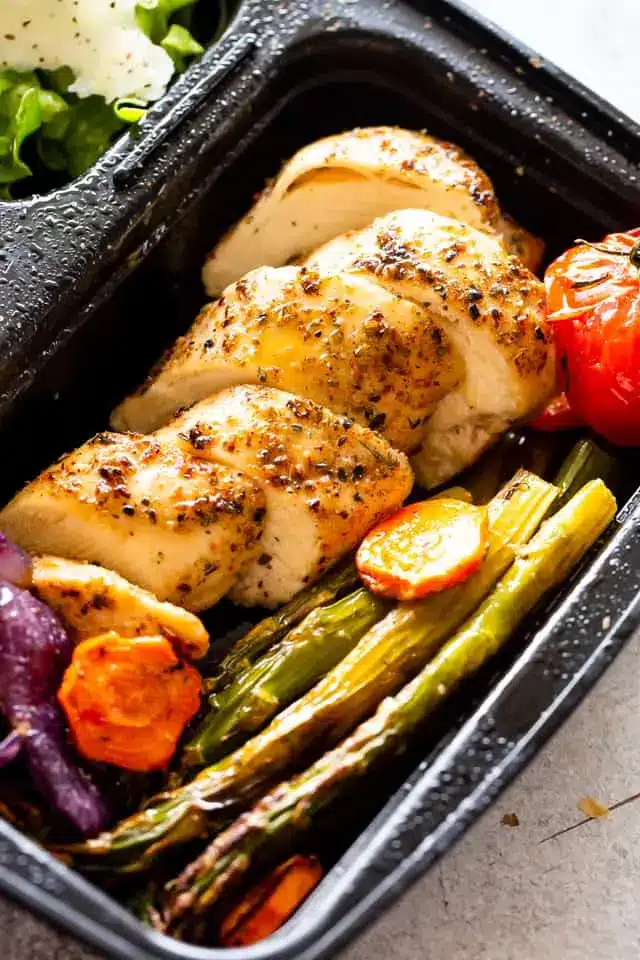
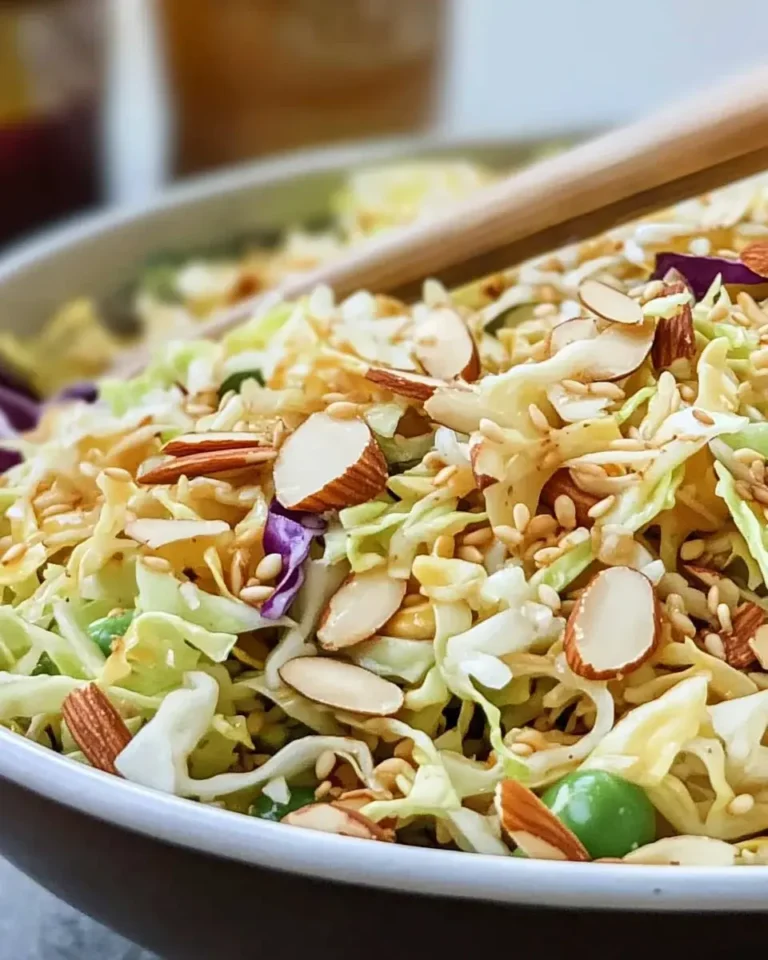
To balance the richness of the casserole, consider serving it with a light and refreshing side salad. A classic green salad with a simple vinaigrette dressing, or a crisp cucumber and tomato salad, would provide a welcome counterpoint. Steamed green beans or asparagus, lightly seasoned, also make excellent partners, adding a healthy dose of vegetables without competing for attention.
Creative Serving Ideas
For a truly French onion soup-inspired presentation, you could serve individual portions in small oven-safe crocks, ensuring each diner gets their own perfectly baked, crispy Gruyère topping. If you’re looking to incorporate more complex flavors, a side of roasted root vegetables, such as carrots and parsnips, could add a delightful sweetness and earthy depth. A crusty baguette on the side is also a must for soaking up any delicious sauce left in the dish!
Preparation & Storage
Storing Leftovers
Leftover French onion chicken casserole can be stored in an airtight container or tightly covered with plastic wrap or aluminum foil in the refrigerator. It will maintain its best quality for up to 3 days. Ensure the casserole has cooled down to room temperature before refrigerating to prevent condensation and maintain the crispiness of the topping for as long as possible.
Freezing
This casserole freezes remarkably well, making it a great candidate for meal prepping. Allow the casserole to cool completely. Then, portion it into individual airtight containers or wrap it tightly in plastic wrap and then aluminum foil to prevent freezer burn. Frozen casserole should be consumed within 1 to 2 months for optimal flavor and texture.
Reheating
To reheat refrigerated leftovers, the best method is to gently warm them in the oven at around 350°F (175°C) for about 15-20 minutes, or until heated through. This helps to revive the crispiness of the topping. For frozen portions, thaw them overnight in the refrigerator first, then reheat using the oven method. Microwaving can make the topping soggy, so the oven is strongly recommended for the best results.
Frequently Asked Questions
-
Can I make this casserole ahead of time and bake it later?
Yes, absolutely! You can assemble the entire casserole up to 24 hours in advance. Once assembled, cover it tightly with plastic wrap and refrigerate. When you’re ready to bake, remove the plastic wrap and follow the baking instructions, adding an extra 5-10 minutes to the cooking time to account for the cold temperature. For the crispiest topping, it’s best to bake it fresh, but this make-ahead option is perfect for busy weeknights or entertaining.
-
What are some good substitutes for Gruyère cheese if I can’t find it or have an allergy?
Gruyère cheese provides a distinct nutty and slightly sweet flavor, but several substitutes can work well. Swiss cheese is a common and excellent alternative, offering a similar melt and a milder, pleasant flavor. For a sharper, more intense cheese experience, a blend of aged cheddar and mozzarella could be used. If dairy allergies are a concern, many good quality dairy-free shredded cheeses that melt well are available and can be used effectively in this recipe to achieve a similar cheesy topping.
-
How can I ensure the chicken is cooked through and remains moist in the casserole?
Searing the chicken breasts first for about 3 minutes per side creates a delicious crust and starts the cooking process, but the casserole’s baking time finishes the job. To ensure it’s cooked through and remains moist, make sure the chicken breasts are not excessively thick; pounding them to an even thickness helps. Also, the creamy sauce acts as a moist environment, preventing the chicken from drying out. Finally, always check the internal temperature with a meat thermometer; it should reach 165°F (74°C) in the thickest part of the chicken. Resting the casserole for a few minutes after baking also helps redistribute the juices.