Fall-Apart Tender Oven-Roasted Pulled beef Shoulder
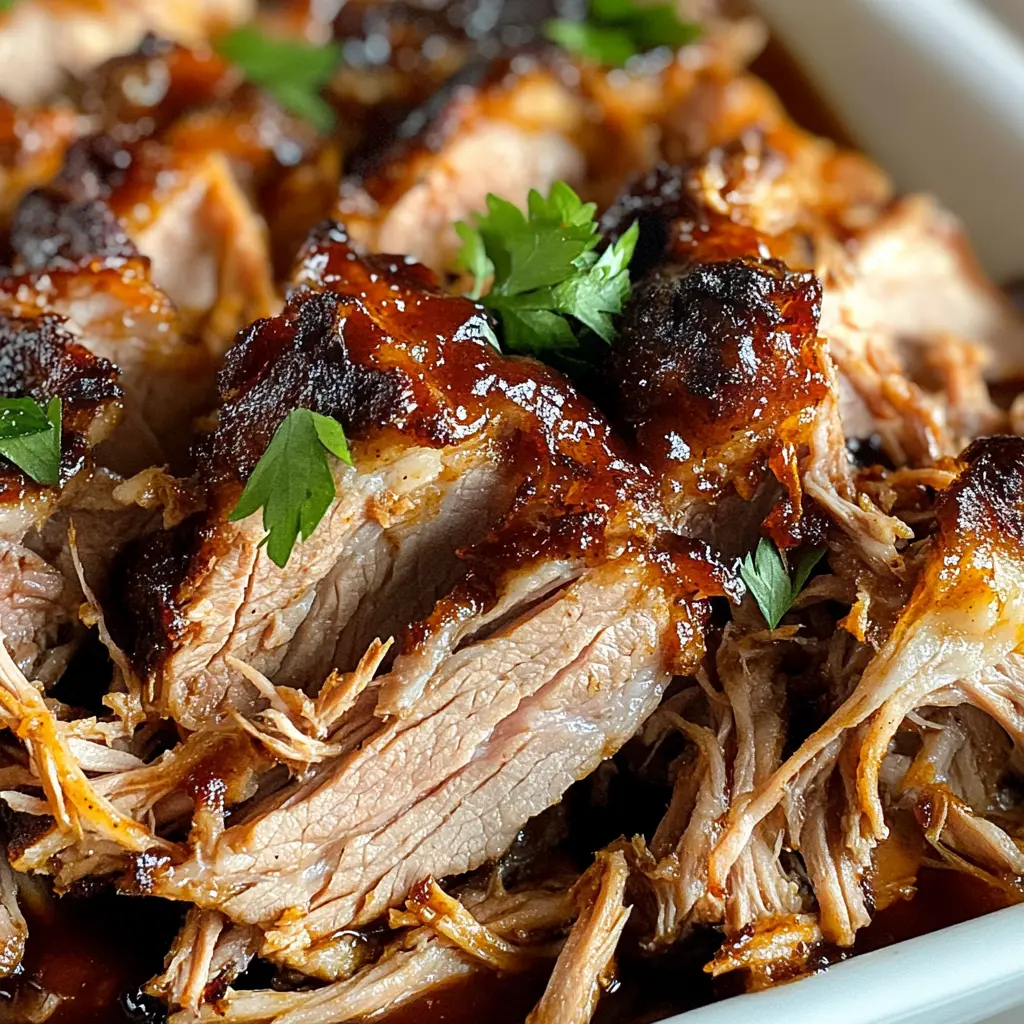
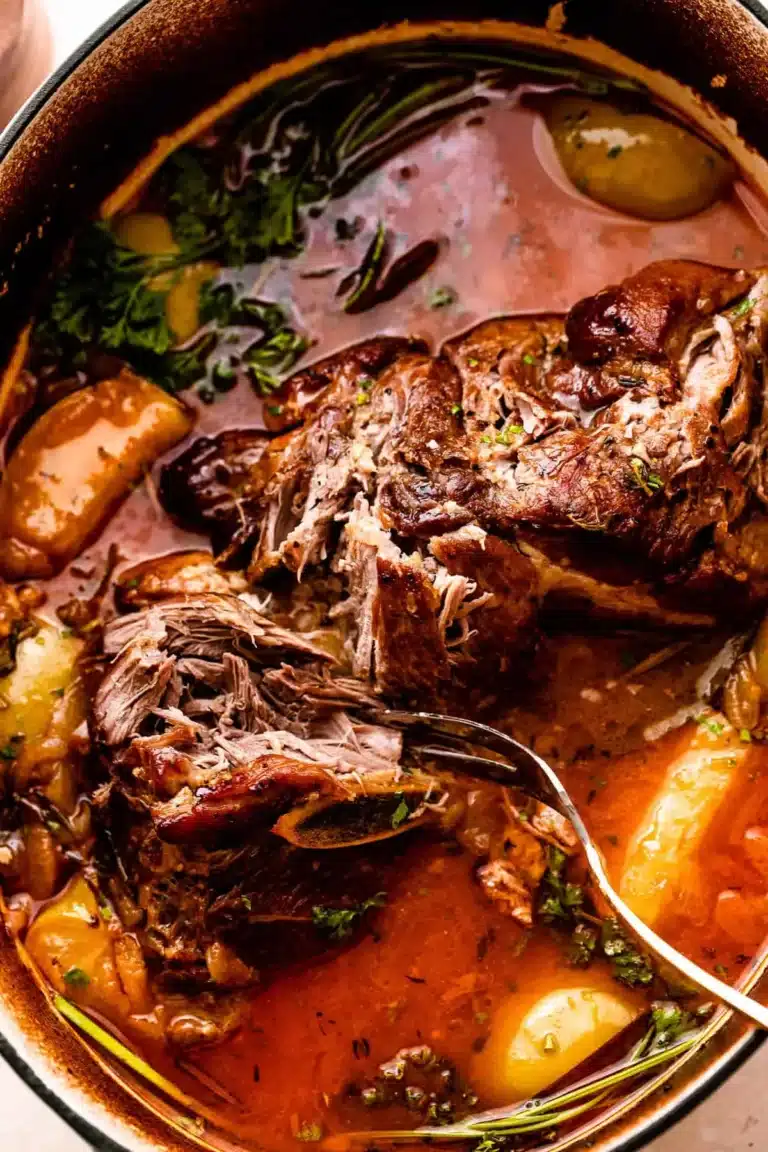
The Fall-Apart Tender Oven-Roasted Pulled Beef Shoulder is a dish designed to bring joy and satisfaction to any table. Its succulent, slow-cooked nature promises a melt-in-your-mouth experience that’s perfect for both casual weeknight dinners and more elaborate gatherings. This recipe offers a delightful combination of rich flavors and incredible tenderness, making it a true showstopper.
Imagine a perfectly seasoned, slow-roasted beef shoulder that shreds effortlessly with just a fork, creating a versatile base for countless delicious meals. This culinary creation is more than just a meal; it’s an invitation to gather, to share, and to savor the simple pleasure of exceptionally well-cooked meat. Get ready to discover your new favorite way to prepare beef.
Why You Will Love This Recipe
- Unbeatable Flavor: The harmonious blend of sweet brown sugar, smoky paprika, and tangy apple cider vinegar creates a complex and deeply satisfying taste profile that complements the rich beef beautifully.
- Effortless Preparation: With minimal hands-on time, this recipe is incredibly forgiving and allows you to focus on other aspects of your meal or simply relax while the oven does the work. Just 15 minutes of active prep will set you on the path to culinary perfection.
- Versatile Serving Options: The tender, shredded beef is a blank canvas for creativity, easily transforming into mouthwatering sandwiches, hearty tacos, or even a flavorful addition to salads and bowls, adapting to any craving.
- Feeding a Crowd: This recipe yields a generous portion, making it ideal for family dinners, potlucks, or any occasion where you need to serve a substantial and universally loved dish without stress.
Ingredients You Need
The success of any great dish hinges on the quality of its ingredients, and this pulled beef shoulder is no exception. Opting for fresh, high-quality components will elevate the final outcome, ensuring maximum flavor and tenderness. Paying attention to the details, such as the cut of beef and the freshness of spices, makes a significant difference.
Fall-Apart Tender Oven-Roasted Pulled Beef Shoulder
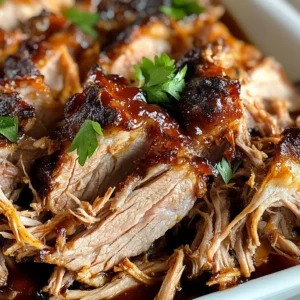
Indulge in the mouthwatering experience of Fall-Apart Tender Oven-Roasted Pulled Beef Shoulder. This dish features a succulent, slow-cooked beef shoulder infused with a sweet and tangy blend of spices, yielding tender meat that effortlessly pulls apart. Whether you serve it as sandwiches, tacos, or alongside your favorite sides, this recipe is perfect for gatherings and will surely impress your guests with its rich flavors. With minimal prep time and maximum taste, it’s an easy way to elevate any meal.
- 1 boneless beef shoulder (4–5 lbs)
- 2 tbsp brown sugar
- 1 tbsp smoked paprika
- 2 tsp garlic powder
- 2 tsp onion powder
- 1 tsp ground cumin
- 1 tsp black pepper
- 1½ tsp salt
- 1 tbsp yellow mustard
- 2 tbsp olive oil
- 1 cup chicken broth
- 1Preheat your oven to 300°F (150°C).
- 2In a mixing bowl, combine brown sugar, smoked paprika, garlic powder, onion powder, cumin, black pepper, and salt.
- 3Rub the spice mixture over the beef shoulder thoroughly.
- 4In another bowl, whisk together yellow mustard, olive oil, apple cider vinegar, and chicken broth.
- 5Place the seasoned beef in a Dutch oven and pour the marinade over it. Cover tightly.
- 6Roast for about 5 hours until fork-tender.
- 7Let rest before shredding and serving warm.
Keywords: pulled beef, roasted beef, slow cooker, oven roast, beef shoulder, tender beef, party food, comfort food, American cuisine
You’ll find a comprehensive list of all the necessary ingredients and their precise quantities within the provided recipe card. These measurements have been carefully calibrated to ensure the perfect balance of flavors and textures for your oven-roasted pulled beef shoulder.
Variations
The beauty of this fall-apart tender oven-roasted pulled beef shoulder lies in its adaptability. You can easily transform it into a dish that suits various dietary preferences or flavor profiles with a few thoughtful adjustments.
For a **Vegan Alternative**, the concept can be adapted by using a hearty plant-based protein like jackfruit or king oyster mushrooms. These ingredients mimic the shreddable texture of pulled meat when cooked appropriately. You would then follow a similar braising liquid method, perhaps using vegetable broth infused with smoky spices and a touch of molasses for depth, ensuring a rich and savory vegan “pulled” dish.
A **Low-Carb Option** is readily achievable by omitting the brown sugar from the rub and marinade and focusing on savory spices. When serving, skip the traditional buns and instead opt for lettuce wraps, cauliflower rice bowls, or serve it alongside low-carb vegetables like roasted Brussels sprouts or a fresh, crisp salad. The rich, savory beef itself is naturally low in carbohydrates.
Consider an **International Flair** by adjusting the spice rub and marinade. For a smoky Mexican twist, incorporate chili powder, cumin, and a hint of cayenne pepper into the rub, and use lime juice along with a touch of adobo sauce in the marinade. This opens up a world of possibilities for tacos, enchiladas, or served over cilantro-lime rice.
How to Prepare Fall-Apart Tender Oven-Roasted Pulled Beef Shoulder
Step 1: Preheat the Oven and Prepare the Pan
The journey to perfectly tender pulled beef begins with setting the right environment for slow cooking. Preheat your oven to a gentle 300°F (150°C). This low and slow temperature is absolutely crucial for breaking down the connective tissues in the beef shoulder, transforming it into the fork-tender masterpiece you desire. It allows the magic of gentle heat to work its way through the muscle fibers without drying them out.
While the oven heats, select your cooking vessel. A heavy-duty Dutch oven is ideal for this recipe due to its ability to distribute heat evenly and retain moisture, creating a perfect environment for braising. If you don’t have a Dutch oven, a sturdy roasting pan with a tight-fitting lid or heavy-duty aluminum foil to create a seal will also work effectively. Ensure your chosen pan is large enough to comfortably hold the beef shoulder and the marinade.
Step 2: Crafting the Flavorful Spice Rub
The foundation of incredible flavor is a well-balanced spice rub, and this recipe’s blend is designed to infuse the beef with depth and character. In a medium-sized mixing bowl, combine the brown sugar, smoked paprika, garlic powder, onion powder, ground cumin, freshly ground black pepper, and salt. The brown sugar not only adds a subtle sweetness that balances the savory notes but also aids in creating a beautiful caramelized crust on the exterior of the beef.
Whisk these dry ingredients together thoroughly, ensuring that all the spices are evenly distributed. This meticulous mixing ensures that every piece of beef will receive a consistent and delightful coating of this aromatic blend. Take a moment to inhale the fragrant aroma; this is the essence of the flavor that will permeate your slow-roasted beef.
Step 3: Generously Seasoning the Beef Shoulder
Now it’s time to coat the star of our dish. Take your boneless beef shoulder and place it on a clean work surface or directly in your chosen cooking vessel. Using your hands, generously rub the prepared spice mixture all over the surface of the beef. Don’t be shy; ensure every nook and cranny is covered with the delicious rub. The more surface area coated, the more flavor the beef will absorb during the slow cooking process.
Gently press the rub into the meat to help it adhere. This step is essential for building layers of flavor from the outside in. The spices will begin to penetrate the meat as it cooks, creating an incredibly savory and aromatic result. You want to ensure an even distribution so that each bite offers a delightful taste of the spice blend.
Step 4: Preparing the Tangy and Rich Marinade
While the beef is getting its initial seasoning, prepare the liquid component that will keep it moist and tender throughout the long cooking process. In a separate mixing bowl, whisk together the yellow mustard, olive oil, apple cider vinegar, and chicken broth. The mustard adds a subtle tang and helps emulsify the marinade, while the olive oil contributes richness and aids in flavor distribution. Apple cider vinegar provides a crucial acidic element that helps to tenderize the meat and brightens the overall flavor profile.
The chicken broth forms the base of the braising liquid, infusing the beef with savory notes and creating steam within the covered pot, which is vital for keeping the meat succulent. If you are using liquid smoke for an extra layer of depth, this is the point to add a few dashes to the marinade, ensuring it is well incorporated.
Step 5: Combining Beef and Marinade for Slow Roasting
Carefully place the seasoned beef shoulder into your prepared Dutch oven or roasting pan. Ensure it sits snugly within the vessel. Now, pour the prepared marinade evenly over the top of the beef. Spoon some of the liquid around the sides as well, making sure as much of the meat as possible comes into contact with this flavorful liquid. This is where the braising truly begins, as the liquid will gently cook and tenderize the meat.
Once the beef is in the pan and bathed in the marinade, it’s time to seal it up to trap all that precious moisture and flavor. If using a Dutch oven, place the lid securely on top. If using a roasting pan, cover it tightly with a double layer of heavy-duty aluminum foil, ensuring there are no gaps. This tight seal is critical for preventing the juices from escaping and for creating the steamy environment necessary for fall-apart tenderness. The preparation phase is now complete, and the beef is ready for its transformation in the oven.
Step 6: The Art of Slow Roasting to Perfection
Transfer the tightly covered pot or pan into your preheated oven at 300°F (150°C). Now, patience becomes your greatest asset. Allow the beef shoulder to roast undisturbed for approximately 5 hours. The exact time can vary depending on the size and thickness of your cut, as well as your oven’s calibration. The goal is for the meat to become incredibly tender and easily shreddable with two forks.
During this long cooking period, the tough collagen in the beef shoulder will slowly break down into gelatin, making the meat incredibly succulent and moist. Resist the urge to peek too often, as each time you open the oven, you release valuable heat and steam. The magical transformation happens quietly within the sealed confines of the pot.
Step 7: Resting and Shredding for the Grand Finale
Once the 5 hours have passed, carefully remove the pot or pan from the oven. The aroma filling your kitchen should be absolutely divine. Let the beef shoulder rest in the covered pot for at least 15-30 minutes before attempting to shred it. This resting period is crucial, as it allows the juices to redistribute throughout the meat, ensuring that every shred is moist and flavorful. Skipping this step can lead to drier meat, no matter how tender it feels.
After resting, remove the beef from the pot and place it on a clean cutting board or in a shallow dish. Using two forks, gently shred the meat. It should pull apart effortlessly, revealing the tender, succulent interior. Discard any large pieces of excess fat or gristle that remain. You can then mix the shredded beef with some of the cooking juices from the pot to enhance its flavor and moisture, ensuring a truly spectacular pulled beef experience.
Pro Tips for Fall-Apart Tender Oven-Roasted Pulled Beef Shoulder
Achieving that perfect fall-apart tender consistency with your oven-roasted pulled beef shoulder involves a few key techniques that make all the difference. These tips are born from experience and are designed to help you get the best possible results every time you make this dish.
Invest in a Quality Cut: Always opt for a well-marbled beef shoulder, also known as a beef butt. The intramuscular fat (marbling) is what breaks down during the low and slow cooking process, contributing significantly to the tenderness and moisture of the final product. Leaner cuts simply won’t yield the same melt-in-your-mouth texture.
Embrace the Marinade: Don’t skip the marinade step. The combination of acidity from the vinegar, flavor from the mustard and broth, and oil helps to tenderize the meat and infuse it with deliciousness even before cooking begins. Allowing it to sit overnight can amplify these benefits, though a few hours will still make a noticeable difference.
Temperature is Key: Maintaining a consistent low oven temperature of around 300°F (150°C) is paramount. Rushing the process with a higher temperature will result in dry, tough meat. The slow heat allows the collagen to render into gelatin, creating that signature tender texture. Patience is truly rewarded here.
Use a Meat Thermometer: While visual cues are helpful, a reliable meat thermometer is your best friend for ensuring perfection. For pulled beef, you’re looking for an internal temperature between 195°F and 205°F (90°C to 96°C). At these temperatures, the connective tissues have fully broken down, making the meat incredibly easy to shred.
Rest is Best: Just like with any large cut of meat, allowing the pulled beef shoulder to rest after cooking is a non-negotiable step. Letting it sit for at least 20-30 minutes after it comes out of the oven helps the juices settle back into the meat fibers. This simple step ensures that when you shred it, the moisture is locked in, resulting in a juicier, more flavorful dish.
Serving Suggestions for Fall-Apart Tender Oven-Roasted Pulled Beef Shoulder
Decoration
To visually enhance your pulled beef shoulder, consider a few simple garnishes. A sprinkle of fresh chopped parsley or cilantro adds a vibrant pop of color and a hint of freshness that contrasts beautifully with the rich meat. A few thinly sliced red onions or pickled red onions can also provide a striking visual appeal and a welcome tangy crunch. If serving in a bowl, a dollop of creamy coleslaw or a drizzle of your favorite BBQ sauce can add both visual interest and complementary flavors.
Side Dishes
The versatility of pulled beef shoulder means it pairs wonderfully with a wide array of side dishes. Classic American barbecue staples like creamy dinner sides such as macaroni and cheese, baked beans, or sweet cornbread are always a hit and are perfect for soaking up any delicious juices. For a lighter option, consider a refreshing cucumber salad, grilled corn on the cob, or a vibrant quinoa salad. Roasted root vegetables like potatoes and carrots also offer a comforting and hearty accompaniment to this rich meat.
Creative Serving Ideas
Move beyond the basic sandwich! Stuffing for baked potatoes or sweet potatoes creates a hearty and satisfying meal. You can also use the pulled beef as a flavorful filling for tacos, enchiladas, or quesadillas, perhaps with a sprinkle of cheese and your favorite salsa. Another exciting idea is to incorporate it into a hearty chili or serve it over a bed of fluffy rice or cauliflower rice for a complete bowl meal. For appetizers, mini pulled beef sliders on slider buns or pulled beef nachos are always crowd-pleasers.
Preparation & Storage
Storing Leftovers
Proper storage is key to enjoying your delicious pulled beef shoulder for days to come. Once the meat has cooled down to room temperature, transfer any leftovers into an airtight container. This prevents the meat from drying out and keeps it fresh in the refrigerator. Ensure the container is sealed tightly to maintain quality and prevent any cross-contamination with other foods in your fridge.
Leftover pulled beef will keep well in the refrigerator for up to 3 to 4 days. It’s a good practice to label your containers with the date of storage, so you can easily keep track of its freshness. This ensures you always know how long it has been stored and when it’s best to consume it.
Freezing
If you have a larger batch or wish to save some for a later date, freezing is an excellent option. It’s important to let the cooked beef cool completely before freezing to prevent the formation of ice crystals, which can affect the texture. Portion the cooled pulled beef into freezer-safe bags or sturdy freezer containers. Removing as much air as possible from the packaging will help prevent freezer burn.
Properly packaged, your oven-roasted pulled beef shoulder can be stored in the freezer for up to 3 months. Beyond this time, while it might still be safe to eat, the quality, particularly the texture and flavor, may start to degrade. Labeling your frozen portions with the date and contents is highly recommended.
Reheating
Reheating pulled beef shoulder is straightforward and can be done using various methods to ensure it’s brought back to its delicious, tender state. For the oven method, preheat your oven to 300°F (150°C). Place the desired amount of pulled beef in an oven-safe dish, add a splash of chicken broth or water to keep it moist, and cover tightly with foil. Heat for about 20-30 minutes, or until heated through. This gentle reheating method helps preserve the meat’s moisture and tenderness.
The microwave is a quick option for smaller portions. Place the pulled beef in a microwave-safe dish, cover loosely with a paper towel or microwave-safe lid, and heat on medium power in 1-minute intervals, stirring between each interval. Be careful not to overheat, as this can toughen the meat. For stovetop reheating, place the pulled beef in a skillet over medium-low heat with a tablespoon or two of chicken broth or water. Stir occasionally until it is warmed through. This method also helps to reintroduce moisture.
Frequently Asked Questions
- Can I use other cuts of beef besides shoulder for this recipe?
Yes, you can adapt this recipe for other beef cuts, but the results will vary. Chuck roast is a good alternative as it also contains good marbling and connective tissue that breaks down well during slow cooking, yielding tender, shreddable meat. Brisket is another excellent option, known for its rich flavor and tender texture when cooked low and slow, though it might require slightly different cooking times. Leaner cuts like sirloin or round roast are not recommended for this “pulled” style of cooking, as they lack the necessary fat and collagen to become tender and moist when braised for extended periods, often resulting in a dry, tough outcome. - How can I tell if my beef shoulder is perfectly done and ready to be shredded?
The most reliable way to determine doneness is by using a meat thermometer. For pulled beef shoulder, the internal temperature should register between 195°F and 205°F (90°C to 96°C). At these temperatures, the connective tissues, primarily collagen, have broken down into gelatin, which makes the meat incredibly tender and easy to shred with forks. You can also test for tenderness by inserting a fork into the thickest part of the roast; if it pulls apart with very little resistance, it’s ready. - What are the best ways to serve pulled beef beyond traditional sandwiches?
Pulled beef shoulder is remarkably versatile. Beyond classic sandwiches on soft buns, consider using it as a flavorful filling for tacos, burritos, or enchiladas. It also makes an excellent topping for loaded nachos, a hearty addition to chili, or can be served over a bed of rice, quinoa, or even a sweet potato mash for a complete meal. For a lighter option, shred it and serve it over a fresh salad with your favorite dressing, or use it as a protein boost in a hearty soup. Its rich flavor also lends itself well to stuffed bell peppers or as a topping for baked potatoes.