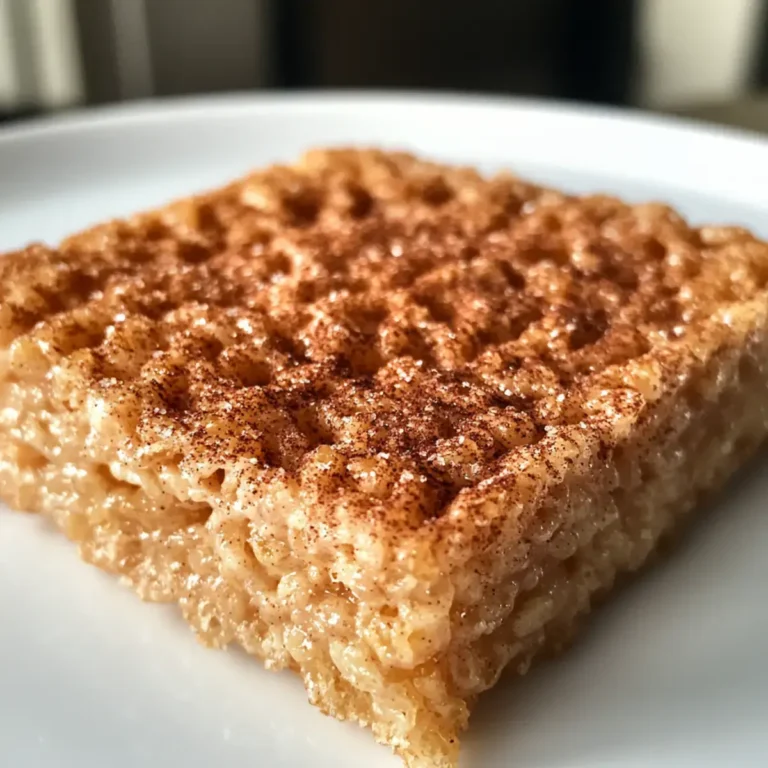
Easy Olive Oil Cake with Citrus and Almond Recipe for Busy Weeknights

Some nights, I just want dessert that feels fancy without the fuss. Like, I’m talking about something you can whip up after a busy day when the last thing you want is a baking marathon. One chilly Thursday last fall, I had exactly 30 minutes before guests arrived and a craving for something citrusy and comforting. That’s when this Easy Olive Oil Cake with Citrus and Almond was born.
It’s simple, surprisingly light, and packed with bright flavor that wakes up your taste buds without slapping you in the face. After making this cake about a dozen times, I can tell you it’s the perfect weeknight treat that doesn’t feel like a weeknight scramble. The olive oil keeps it moist, the citrus adds zing, and the almond flour and slivers bring that subtle nutty crunch.
Why You Will Love This Recipe
- Super Moist Texture: The olive oil keeps the crumb tender and moist for days, unlike butter-based cakes that dry out quickly; I’ve made this twice in one week and it still tasted fresh on day 4.
- Bright Citrus Flavor: Using both lemon zest and juice gives the cake a lively, natural tang without being overpowering; it’s not just lemon-flavored sugar – it’s real fruit brightness.
- Almond Adds Depth: Almond flour and slivered almonds add a subtle nuttiness and texture contrast that makes every bite interesting; it’s like a little surprise in your slice.
- Minimal Fuss: No creaming butter or complicated steps are required; I literally mix everything in one bowl and bake, making it perfect for those busy weeknights when time is short and patience is even shorter.
- Pantry-Friendly Ingredients: Olive oil, citrus, eggs, flour, sugar – you probably have all these on hand; I always keep lemons and olive oil stocked for this cake and spontaneous baking sessions.
Ingredients You Need
The magic of this Easy Olive Oil Cake with Citrus and Almond lies in its simplicity and the quality of its components. Each ingredient plays a vital role in creating that perfect balance of moistness, bright flavor, and delicate texture. Opting for good quality ingredients, especially the olive oil and citrus, will elevate the final taste significantly.
Easy Olive Oil Cake with Citrus and Almond

A simple, moist, and flavorful olive oil cake with bright citrus notes and almond texture, perfect for busy weeknights when you want a quick yet impressive dessert.
- 1 ¾ cups (220g) all-purpose flour
- 1 cup (200g) granulated sugar
- 3 large eggs
- Zest of 2 lemons
- 2 teaspoons baking powder
- Powdered sugar (optional, for dusting)
- 1Preheat your oven to 350°F (175°C). Grease a 9-inch round cake pan with butter or olive oil and lightly dust with flour, or line it with parchment paper.
- 2In a medium bowl, whisk together the all-purpose flour, almond flour, baking powder, and salt.
- 3In a large bowl, whisk the sugar and olive oil until well combined. Add the eggs one at a time, whisking after each addition until smooth. Stir in the lemon zest and lemon juice.
- 4Gradually add the dry ingredients to the wet mixture, folding gently with a spatula until just combined. Do not overmix; a few lumps are okay.
- 5Pour the batter into the prepared pan and smooth the top with a spatula. Sprinkle the toasted slivered almonds evenly over the surface.
- 6Bake for 35-40 minutes until the cake is golden and a toothpick inserted in the center comes out clean or with a few moist crumbs. Avoid opening the oven door before 30 minutes.
- 7Let the cake cool in the pan for 15 minutes, then run a knife around the edges and transfer it to a wire rack. Once fully cooled, dust with powdered sugar if desired.
Keywords: olive oil cake, citrus cake, almond cake, lemon cake, easy dessert, quick cake, weeknight dessert, moist cake, almond flour cake
- all-purpose flour: the foundation of the cake’s structure, providing a light and airy crumb.
- almond flour: adds a subtle nuttiness and incredible moisture, enhancing the cake’s tender crumb.
- granulated sugar: provides sweetness and aids in achieving a beautiful golden-brown crust.
- extra virgin olive oil: the star ingredient for supreme moisture and a delicate fruity undertone.
- large eggs: bind the ingredients together and contribute to the cake’s richness and structure.
- lemon zest: infuses the cake with vibrant, aromatic citrus oils for a burst of freshness.
- lemon juice: adds a bright, tangy counterpoint to the sweetness and helps with leavening.
- baking powder: the essential leavening agent for a light and fluffy texture.
- salt: a flavor enhancer that balances sweetness and brings out the other ingredients’ best qualities.
- slivered almonds: sprinkled on top for a delightful crunch and nutty finish.
- powdered sugar (optional): for a delicate dusting that adds a touch of elegance.
You’ll find the specific quantities for each ingredient listed within the full recipe card.
Variations
Once you’ve mastered the classic version of this Easy Olive Oil Cake with Citrus and Almond, the possibilities for delicious customization are endless. Experimenting with different flavor profiles can breathe new life into this already fantastic recipe, catering to various preferences and occasions.
Vegan Delight: Transform this cake into a delightful vegan treat by substituting the eggs with flax eggs (one tablespoon of ground flaxseed mixed with three tablespoons of water per egg) and using a plant-based milk with a splash of lemon juice to replicate the acidity of fresh lemon juice. Ensure your olive oil is vegan-friendly and check that your sugar is too. While this version hasn’t been extensively tested, careful adjustments should yield a wonderfully moist vegan cake.
Honey-Kissed Sweetness: For a softer, more floral sweetness, replace the granulated sugar with two-thirds of a cup of honey. To maintain the batter’s balance, slightly reduce the olive oil by two tablespoons. This substitution results in an even more moist cake, infused with a unique, gentle sweetness that complements the citrus beautifully.
Gluten-Free Indulgence: If you’re seeking a gluten-free option, simply swap out the all-purpose flour for two cups of a reliable 1:1 gluten-free baking blend. The texture will be slightly different but equally delicious, making this cake accessible to a wider range of dietary needs without sacrificing flavor.
Orange Grove Twist: Instead of lemons, try zesting and juicing two oranges for a gentler, sweeter citrus profile. This variation offers a sunnier, less sharp flavor that is incredibly refreshing and equally delightful. It’s a subtle shift that brings a different kind of brightness to the cake.
Lime Zing: For a more pronounced tartness and a different citrus aroma, substitute the lemons with limes. The zesty tang of lime works wonderfully with olive oil and almonds, creating a sophisticated flavor profile that is both invigorating and incredibly satisfying. This is a great option for those who enjoy a sharper citrus note.
How to Prepare Easy Olive Oil Cake with Citrus and Almond
Step 1: Preheat Oven and Prepare Pan
Begin by preheating your oven to a steady 350°F (175°C). This ensures the oven is at the optimal temperature when your batter is ready, promoting even baking and a beautiful rise for your cake. Proper preheating is a foundational step for any successful cake recipe.
Next, prepare your 9-inch round cake pan. You can either grease it generously with butter or a little extra olive oil and then lightly dust it with flour, tapping out any excess. Alternatively, lining the pan with parchment paper offers an effortless way to remove the cake without any sticking.
This preparation step is crucial for preventing the cake from adhering to the pan, allowing it to be released cleanly once baked and cooled. A well-prepared pan guarantees that your beautiful creation will emerge intact and ready to be admired.
Step 2: Combine Dry Ingredients
In a medium-sized mixing bowl, combine the all-purpose flour and the almond flour. It’s beneficial to sift these flours together initially to break up any clumps and aerate them, which can contribute to a lighter cake texture.
To the flour mixture, add the baking powder and the salt. Whisk these dry ingredients together thoroughly. Evenly distributing the baking powder is paramount; this ensures that your cake rises consistently throughout, leading to that desirable light and fluffy crumb.
Take a moment to ensure there are no pockets of baking powder or salt, as this could lead to uneven baking or a slightly salty or bitter taste in certain parts of the cake. A good whisking here sets the stage for a perfectly textured cake.
Step 3: Whisk Together Wet Ingredients
In a larger mixing bowl, which will eventually hold the entire batter, start by whisking together the granulated sugar and the extra virgin olive oil. Continue to whisk until the mixture is smooth and well combined, creating a luscious base for the cake.
Now, add the eggs one at a time, whisking thoroughly after each addition. This gradual incorporation of eggs helps to emulsify the mixture, creating a richer and more cohesive batter. Ensure each egg is fully integrated before adding the next.
Finally, stir in the zest of two lemons and the quarter cup of lemon juice. As you incorporate the citrus, your kitchen will immediately fill with an incredibly invigorating and fresh aroma, a promising sign of the delicious flavors to come. This fragrant step truly begins to awaken the cake’s character.
Step 4: Combine Wet and Dry Mixtures
Gently introduce the combined dry ingredients to the wet mixture. It’s best to do this in two or three additions, rather than all at once. This helps to prevent the formation of stubborn flour clumps and makes for easier incorporation.
Using a spatula, gently fold the dry ingredients into the wet mixture until they are just combined. Resist the urge to overmix at this stage. A few small lumps of flour remaining are perfectly acceptable and actually beneficial, as overmixing can lead to a tough cake.
The goal here is to achieve a homogeneous batter without developing the gluten in the flour too much. A light hand ensures that the cake remains tender and delicate, embodying the cake’s intended moist and airy character.
Step 5: Pour Batter and Add Topping
Carefully pour the prepared cake batter into your greased and floured (or parchment-lined) cake pan. Use your spatula to gently spread the batter evenly, ensuring there are no significant peaks or valleys on the surface.
Before it goes into the oven, take your toasted slivered almonds and sprinkle them evenly over the entire surface of the batter. This topping will bake into a beautiful golden-brown, providing a wonderful textural contrast and a delightful nutty flavor to each slice.
The visual appeal of the almonds on top also adds a professional touch to this otherwise simple cake. It’s a small detail that significantly enhances both the look and the eating experience of your Easy Olive Oil Cake with Citrus and Almond.
Step 6: Bake to Golden Perfection
Place the prepared cake pan into your preheated oven. Bake for approximately 35 to 40 minutes. It’s important to resist the temptation to open the oven door during the initial 30 minutes of baking, as this can cause the cake to sink unexpectedly.
To check for doneness, insert a toothpick or a cake tester into the center of the cake. It should come out clean or with just a few moist crumbs attached. If wet batter clings to the toothpick, continue baking for a few more minutes and test again.
Once baked to perfection, the cake will be beautifully golden brown around the edges and on top. The aroma filling your kitchen will be absolutely divine, a testament to the wonderful flavors you’ve coaxed out.
Step 7: Cool and Serve
Once the cake is baked, carefully remove it from the oven. Allow it to cool in the cake pan for about 15 minutes. This initial cooling period helps the cake firm up slightly, making it easier to handle.
After 15 minutes, gently run a thin knife or offset spatula around the edges of the cake to loosen it from the pan. Then, carefully invert the pan onto a wire rack to release the cake. If you used parchment paper, it should slide off easily.
Let the cake cool completely on the wire rack before dusting it with powdered sugar, if you desire. A completely cooled cake is easier to slice cleanly and allows the flavors to fully meld. Enjoy this delightful creation!
Pro Tips for Easy Olive Oil Cake with Citrus and Almond
Use Fresh Baking Powder: Ensure your baking powder is not expired. Old baking powder can result in a dense, flat cake that lacks the desired lift. A simple test involves sprinkling a little into warm water; if it fizzes actively, it’s still potent.
Don’t Skip the Zest: The zest of the lemon contains essential oils that are crucial for the cake’s bright aroma and authentic citrus flavor. Lemon juice alone won’t provide that same aromatic depth, so make sure to zest those lemons!
Fold, Don’t Beat: When combining your dry and wet ingredients, use a gentle folding motion. Overmixing can develop the gluten in the flour, leading to a tough, chewy cake instead of the tender crumb you’re aiming for.
Toast Almonds for Maximum Flavor: Raw slivered almonds can be a bit bland. Toasting them lightly in a dry skillet for a few minutes until they are golden and fragrant significantly enhances their nutty flavor and adds a wonderful crunch to the cake’s topping.
Quality Olive Oil Matters: Opt for a good-quality, fruity extra virgin olive oil. While you don’t need the most expensive bottle, avoid intensely peppery or bitter oils, as their strong flavors can overpower the delicate citrus and almond notes of the cake.
Watch the Bake Time Closely: Ovens can vary significantly. Begin checking for doneness around the 35-minute mark using the toothpick test. If it comes out with wet batter, bake for additional short intervals until it passes the test, preventing overbaking.
Room Temperature Ingredients Help: Using eggs and lemon juice that are at room temperature ensures they incorporate more smoothly and evenly into the batter. This leads to a more cohesive and well-emulsified cake mixture, contributing to a better final texture.
Serving Suggestions for Easy Olive Oil Cake with Citrus and Almond
Decoration
For a simple yet elegant presentation, a light dusting of powdered sugar is classic and effective. This adds a delicate sweetness and a beautiful finish, mimicking a light snowfall over the golden cake. You can use a fine-mesh sieve to ensure an even distribution for a professional look.
Alternatively, consider a light glaze made from powdered sugar and a touch of lemon or orange juice. This will create a slightly shiny finish and add another layer of citrusy flavor. A few extra slivered almonds sprinkled over the glaze while it’s still wet can add visual appeal and texture.
Fresh citrus slices or candied citrus peel can also serve as a vibrant and aromatic garnish. Arrange them artfully on top of the dusted or glazed cake for a more dramatic and visually stunning effect.
Side Dishes
This cake pairs wonderfully with a dollop of freshly whipped cream or, for a richer experience, mascarpone cheese. The creamy, slightly sweet additions provide a delightful contrast to the cake’s texture and flavor. A hint of vanilla in the whipped cream can further enhance its appeal.
Fresh berries, such as raspberries, blueberries, or sliced strawberries, offer a burst of freshness and a tart counterpoint to the cake’s sweetness. Their natural vibrant colors also add a beautiful visual element to the serving plate. Consider macerating them slightly with a touch of sugar and lemon juice.
A small scoop of good-quality vanilla bean or lemon sorbet or gelato can also be a refreshing accompaniment, especially for a warmer day. The cold, smooth texture provides a lovely contrast to the cake’s crumb.
Creative Serving Ideas
Transform individual slices into a delightful trifle by layering them with custard or pastry cream, fresh fruit, and a sprinkle of toasted almonds. This creates a sophisticated dessert that is visually impressive and packed with flavor and texture.
For a brunch or breakfast setting, toast a thick slice of the cake and serve it with a smear of creamy ricotta cheese and a drizzle of honey or maple syrup. The combination of warm cake, cool cheese, and sweet syrup is simply divine.
Consider serving small cubes of the cake alongside a sophisticated cheese course. The subtle sweetness and citrus notes can surprisingly complement certain mild cheeses, offering an unexpected but delightful pairing for a more adventurous palate.
Preparation & Storage
Storing Leftovers
To store leftover Easy Olive Oil Cake with Citrus and Almond, wrap it tightly in plastic wrap or place it in an airtight container. At room temperature, the cake will stay fresh for up to 3 days. Interestingly, many find that the flavors meld and deepen beautifully on the second day, making it even more delicious.
If you wish to store it for a longer period, the refrigerator is your best bet. Wrapped well, the cake can last for up to a week in the refrigerator. When you’re ready to enjoy it, simply bring the slices back to room temperature or warm them gently in the microwave for about 15-20 seconds.
The key to successful storage is minimizing air exposure, which helps prevent the cake from drying out. Properly stored, your cake will remain moist and flavorful, ready for whenever a sweet craving strikes.
Freezing
This olive oil cake freezes remarkably well, making it an excellent candidate for making ahead. Once the cake has cooled completely, slice it into individual portions. This makes thawing and serving much more convenient later on.
Wrap each slice individually and securely in plastic wrap, ensuring there are no gaps. Then, place the wrapped slices into a freezer-safe bag or airtight container. This double layer of protection prevents freezer burn and preserves the cake’s moisture and flavor.
Frozen cake can be stored for up to 3 months. To thaw, you can either transfer the slices to the refrigerator overnight or, for a quick treat, place a frozen slice directly into a toaster oven or gently warm it in a skillet for a few minutes until thawed and slightly warmed.
Reheating
Reheating this cake is a simple process that can revive its delightful texture and aroma. If you’re reheating a slice that has been stored in the refrigerator, the best method is often a brief stint in the microwave. Microwave on a low to medium power setting for about 15-20 seconds, just until it’s warmed through.
Be cautious not to overheat, as this can make the cake rubbery. For a slightly crispier edge, especially if you’ve toasted the almonds, you could also briefly place a slice in a toaster oven at a low temperature for a few minutes. This is particularly effective if you’re reheating a slice directly from frozen.
Alternatively, you can simply let the refrigerated cake come to room temperature naturally. This often allows the flavors to re-emerge and the texture to soften without any additional heat, providing a naturally delicious slice. Serving it slightly warm, however, can often enhance the citrus notes and moistness.
Frequently Asked Questions
-
Can I use other citrus fruits instead of lemon?
Absolutely! Oranges, limes, or even grapefruit zest and juice work beautifully in this recipe. I recommend oranges for a sweeter, gentler flavor profile that complements the olive oil and almond notes very well. If you prefer a bit more tang, grapefruit can be a delightful choice. Just ensure you maintain a similar total amount of juice to keep the batter’s consistency and the cake’s balance right. Experimenting with different citrus fruits can lead to wonderfully unique and refreshing variations of this already beloved cake, offering a new twist each time you bake it. -
Can I substitute olive oil with another oil?
While you can substitute olive oil, I honestly don’t recommend it if you’re aiming for the signature moist crumb and subtle fruity flavor that this cake is known for. Mild-flavored oils such as avocado oil or a light vegetable oil can work in a pinch, and they will provide the necessary moisture. However, they won’t impart the characteristic richness that olive oil offers. Avoid using strong-flavored oils like coconut oil unless you specifically want that flavor profile, as it can significantly alter the cake’s taste and might clash with the citrus and almond. -
Why is my cake dense instead of light?
A dense cake is usually the result of overmixing the batter or using expired baking powder. When you combine the dry and wet ingredients, mix just until the flour disappears to avoid overdeveloping the gluten, which is the primary cause of toughness. Also, always check that your baking powder is fresh; it can lose its potency after about six months, leading to a cake that doesn’t rise properly. Using room temperature ingredients and ensuring you measure accurately can also contribute to a lighter texture.