Easy German Bavarian Cream Cake: A Deliciously Luxurious Treat
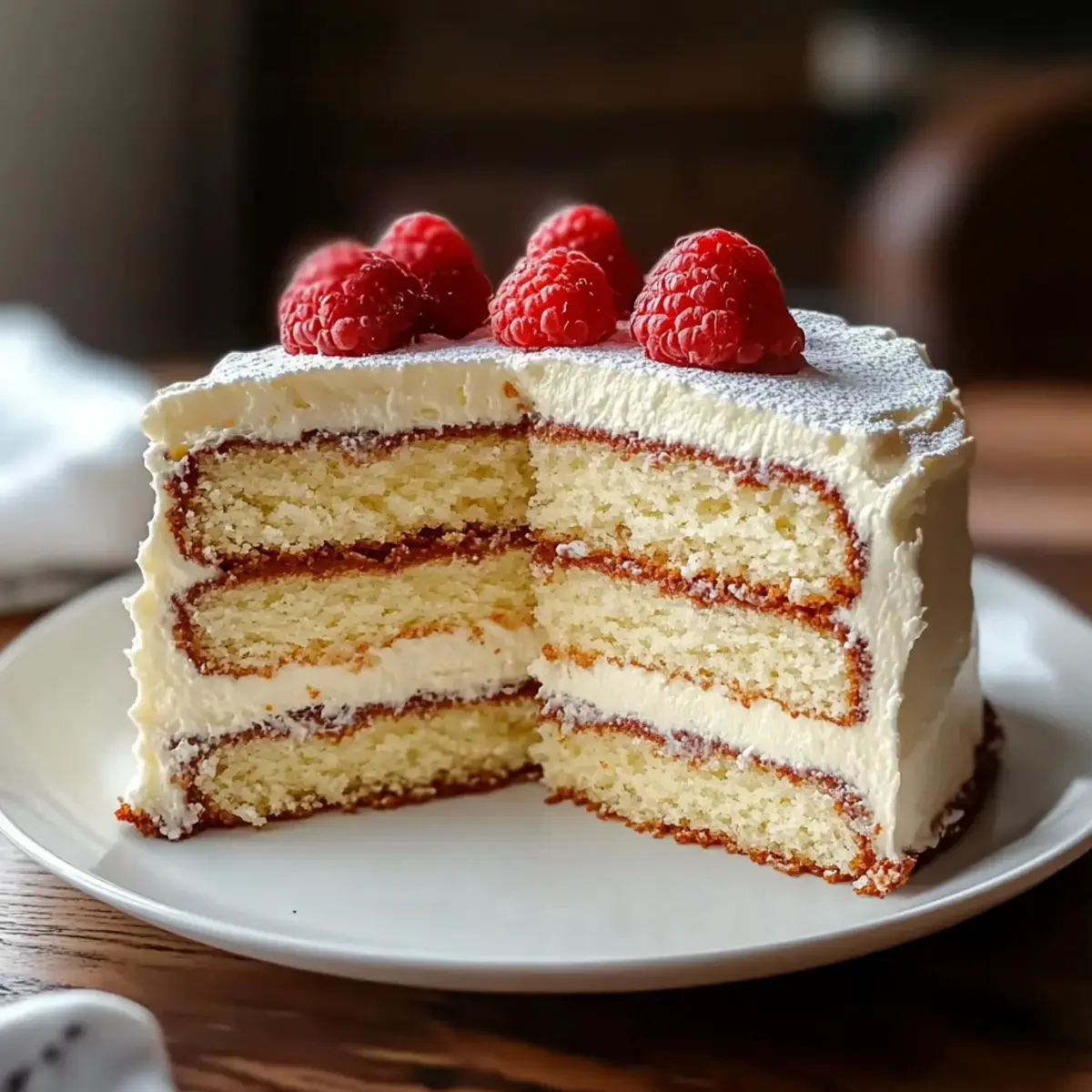
The aroma of vanilla and butter, a scent that instantly evokes warmth and comfort, fills my kitchen as I prepare this Easy German Bavarian Cream Cake. It’s a recipe that whispers tales of European patisseries, a delightful journey captured in every tender crumb and silken layer. This cake is more than just a dessert; it’s an experience, a promise of pure indulgence that’s surprisingly achievable for any home baker.
What I adore most about this creation is its elegant simplicity. It balances the lightness of a classic vanilla cake with the ethereal, melt-in-your-mouth texture of a rich Bavarian cream. It’s the kind of dessert that garners appreciative murmurs at gatherings and brings a quiet smile of satisfaction after a long day. With a few thoughtful additions, like a vibrant fruit preserve or a decadent chocolate ganache, you can personalize this masterpiece to your heart’s content, making it uniquely yours.
Why You Will Love This Recipe
- Effortless Elegance: Despite its sophisticated appearance and divine taste, this cake is surprisingly straightforward to prepare, making it a perfect showstopper for any occasion.
- Luxurious Texture: The contrast between the soft, moist cake layers and the light, airy Bavarian cream filling creates a truly unforgettable mouthfeel that melts delightfully on your tongue.
- Customizable Delight: This recipe is a fantastic canvas for your creativity, allowing you to add personal touches like fresh fruit compotes, different chocolate ganaches, or even a hint of citrus zest.
- Crowd-Pleasing Flavor: The classic combination of vanilla, cream, and a hint of chocolate is universally loved, ensuring that this cake will be a hit with everyone, from picky eaters to seasoned dessert aficionados.
- Satisfyingly Simple: You don’t need to be a pastry chef to achieve professional results; the clear instructions and readily available ingredients make this an accessible and rewarding baking project for all skill levels.
Ingredients You Need
The success of any exquisite dessert hinges on the quality of its components, and this German Bavarian Cream Cake is no exception. Choosing fresh, high-quality ingredients will elevate the final product, ensuring a depth of flavor and a superior texture. From the richness of the butter and eggs to the purity of the vanilla extract, each element plays a vital role in crafting this culinary masterpiece. Understanding the function of each ingredient, like the leavening agents for a perfect rise or the gelatin for a stable yet delicate cream, is key to achieving that iconic Bavarian cream texture.
Easy German Bavarian Cream Cake
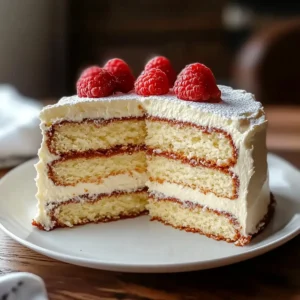
Transport yourself to the heart of Europe with this Easy German Bavarian Cream Cake. This recipe features a fluffy vanilla butter cake layered with a silky, custardy Bavarian cream filling and topped with a rich chocolate ganache. It's an effortlessly impressive dessert perfect for any occasion.
- For the Cake:
- 2 cups All-Purpose Flour (sifted)
- 1 teaspoon Baking Soda
- 1 teaspoon Baking Powder
- 1/2 teaspoon Salt
- 1 cup Salted Butter, softened
- 1 cup Granulated Sugar
- 2 teaspoons Vanilla Extract
- 4 large Eggs, room temperature
- 1 cup Whole Buttermilk, room temperature
- For the Bavarian Cream:
- 1 tablespoon Gelatin Powder
- 3 tablespoons Cold Water
- 4 large Egg Yolks
- 1/3 cup Sugar
- 2 cups Whole Milk, scalded
- 1 1/2 cups Heavy Whipping Cream, whipped to soft peaks
- For the Ganache:
- 8 ounces Semi-Sweet Chocolate, chopped
- 1 cup Heavy Cream
- 1Preheat Oven & Prepare Pans: Preheat your oven to 350°F (175°C). Grease and flour two 9-inch round cake pans.
- 2Mix Batter: In a large bowl, sift together flour, baking soda, baking powder, and salt. In a separate bowl, cream butter and sugar until fluffy. Beat in eggs one at a time, then gradually add the dry ingredients alternating with buttermilk, mixing until just combined.
- 3Bake Cakes: Divide batter evenly between prepared pans. Bake for 25-30 minutes, or until a toothpick inserted comes out clean. Cool in pans for 10 minutes, then transfer to a wire rack to cool completely.
- 4Prepare Bavarian Cream: Bloom gelatin in cold water. Whisk egg yolks and sugar in a saucepan. Gradually whisk in scalded milk. Cook over medium heat, stirring constantly, until thickened. Stir in bloomed gelatin until dissolved. Let cool to room temperature.
- 5Assemble Filling: Gently fold whipped heavy cream into the cooled custard mixture until well combined.
- 6Prepare Ganache: Heat heavy cream until simmering. Pour over chopped chocolate and let sit for 5 minutes. Stir until smooth and glossy.
- 7Assemble the Cake: Place one cooled cake layer on a serving plate. Spread half of the Bavarian cream filling evenly over it. Top with the second cake layer and spread the remaining Bavarian cream on top.
- 8Final Touches & Chill: Pour the warm ganache over the top of the cake, letting it drizzle down the sides. Refrigerate for at least one hour before serving to allow the ganache and flavors to set.
Keywords: German cake, Bavarian cream, chocolate ganache, custard cake, dessert, baking, homemade, celebration cake, vanilla cake
- all-purpose flour: the structural foundation for our delicate cake layers, sifted for supreme lightness.
- baking soda: a crucial leavening agent that helps create a tender crumb.
- baking powder: works in tandem with baking soda to ensure a beautifully risen cake.
- salt: a flavor enhancer that balances the sweetness and rounds out the overall taste profile.
- salted butter: provides richness, moisture, and a wonderful buttery aroma; unsalted can be used with a pinch of added salt.
- granulated sugar: for sweetening the cake batter, though brown sugar can offer a subtle caramel note.
- vanilla extract: the quintessential aromatic warmth that makes this cake irresistible; pure extract is highly recommended.
- large eggs: essential for binding, moisture, and structure; room temperature eggs incorporate best.
- whole buttermilk: contributes significant moisture and a tender texture, with Greek yogurt as a viable substitute.
- gelatin powder: the magic ingredient that stabilizes the Bavarian cream, ensuring a perfect, luscious consistency.
- cold water: used to bloom the gelatin, preparing it to dissolve smoothly into the warm custard.
- egg yolks: the secret to a rich, velvety custard base for the Bavarian cream.
- sugar for cream filling: a touch of sweetness to perfectly complement the creamy custard.
- whole milk: forms the liquid base of our custard, contributing to its smooth texture when scalded.
- heavy whipping cream: whipped to airy perfection, it lightens the custard into the signature fluffy Bavarian cream.
- semi-sweet chocolate: the star of our decadent ganache, offering a balanced chocolate flavor.
- heavy cream for ganache: used to melt the chocolate into a smooth, glossy, and pourable topping.
The precise quantities for these ingredients are conveniently listed in the accompanying recipe card, ready for your next baking adventure.
Variations
To truly make this Easy German Bavarian Cream Cake your own, consider infusing it with a spectrum of delightful variations. Imagine a vibrant layer of raspberry preserves nestled between the cake and cream, offering a delightful tart counterpoint to the sweet, rich filling. This addition not only enhances the visual appeal with a splash of color but also introduces a wonderful fruity complexity that complements the vanilla notes beautifully.
For those seeking a more intense chocolate experience, a dark chocolate ganache or a swirl of rich chocolate fudge can be incorporated. You could even experiment with infusing the Bavarian cream itself with a hint of espresso powder or a touch of finely chopped chocolate for an added layer of decadence. These adjustments can transform the cake into a sophisticated treat, perfect for discerning palates.
Another exciting avenue is to introduce subtle citrus notes; perhaps a lemon or orange zest infused into the milk for the custard base. This brightens the entire dessert, offering a refreshing twist that cuts through the richness. Alternatively, for a nutty crunch, consider folding toasted slivered almonds or finely chopped pistachios into the batter or sprinkling them over the finished ganache for an exquisite textural contrast and an aromatic finish.
How to Prepare Easy German Bavarian Cream Cake
Step 1: Prepare for Baking Perfection
Begin this culinary journey by preheating your oven to a steady 350°F (175°C). This ensures that the moment your cakes enter the oven, they begin to bake evenly and efficiently. While the oven reaches its ideal temperature, take two 9-inch round cake pans and meticulously grease their interiors with butter or a non-stick cooking spray. Following this, lightly dust the greased pans with flour, tapping out any excess; this crucial step creates a non-stick barrier, guaranteeing that your delicate cake layers will release flawlessly after baking.
This initial preparation is more than just a routine; it’s about setting the stage for success. A properly prepared pan prevents frustrating sticking incidents, preserving the integrity and beautiful shape of your cake layers. It’s these small, meticulous details that elevate a good cake to an exceptional one, reflecting the care and attention you’ve poured into its creation. Think of it as laying a perfect foundation for the delicious layers to come.
Step 2: Crafting the Cake Batter
In a generously sized mixing bowl, sift together the all-purpose flour, baking powder, baking soda, and salt. Sifting is an important technique here, as it aerates the dry ingredients, preventing lumps and ensuring a lighter, fluffier cake texture. In a separate, equally clean bowl, cream together 1 cup of softened salted butter and 1 cup of granulated sugar. Continue creaming for about 3 to 5 minutes, until the mixture becomes noticeably pale, fluffy, and light in texture; this process incorporates air, which contributes to the cake’s rise.
Next, add the large eggs one at a time, beating well after each addition to ensure they are fully incorporated into the butter and sugar mixture. Gradually introduce the sifted dry ingredients into the wet mixture, alternating with 1 cup of whole buttermilk. Begin and end with the dry ingredients, mixing until just combined. It’s vital not to overmix the batter at this stage; overmixing can develop the gluten in the flour, leading to a tougher cake texture.
Step 3: Baking the Cake Layers
Once your cake batter has achieved the perfect consistency—smooth, well-combined, and free of large lumps—evenly divide it between the two prepared 9-inch round cake pans. Ensure the batter is spread out as evenly as possible in each pan to promote uniform baking. Place these pans gently into the preheated oven, positioning them so they have adequate space for air circulation.
Bake the cake layers for approximately 25 to 30 minutes, or until they are beautifully golden brown around the edges and a toothpick inserted into the center comes out clean. This toothpick test is your most reliable indicator of doneness, signaling that the cake has cooked through. After removing the pans from the oven, let the cakes cool in their pans on a wire rack for about 10 minutes. This brief cooling period allows the cakes to firm up slightly, making them easier to handle before you invert them onto the wire rack to cool completely. Complete cooling is essential before moving on to the filling and assembly stages.
Step 4: Creating the Silky Bavarian Cream
While the cake layers are cooling, it’s time to prepare the star of the show: the luxurious Bavarian cream. In a small bowl, combine 1 tablespoon of gelatin powder with 3 tablespoons of cold water. Let this mixture sit undisturbed for about 5 to 10 minutes; this process, known as blooming, allows the gelatin to absorb the water and hydrate, ensuring it will dissolve smoothly later. In a separate medium saucepan, whisk together 4 large egg yolks and 1/3 cup of sugar until the mixture is pale yellow and slightly thickened.
Next, gently heat 2 cups of whole milk in another saucepan over medium heat until it just begins to scald – you’ll see small bubbles forming around the edges. Gradually pour the hot scalded milk into the egg yolk and sugar mixture, whisking constantly to temper the yolks and prevent them from scrambling. Return this entire mixture to the saucepan and cook over low to medium heat, stirring continuously with a wooden spoon or heatproof spatula, until the custard thickens enough to coat the back of the spoon, typically about 5 to 7 minutes. Do not let it boil. Stir in the bloomed gelatin until it is completely dissolved, ensuring no grainy texture remains. Finally, remove the custard from the heat and allow it to cool down to room temperature, stirring occasionally to prevent a skin from forming.
Step 5: Assembling the Creamy Filling
Once your luscious custard base has reached room temperature, it’s time to lighten it to the perfect Bavarian cream consistency. In a clean, chilled bowl, whip 1 1/2 cups of heavy whipping cream using an electric mixer or a whisk until soft peaks form. Be careful not to over-whip, as this can result in a grainy texture or even turn the cream into butter. The goal is a creamy, airy consistency that will hold its shape but still be delicate.
Gently fold the whipped cream into the cooled custard mixture. Use a spatula and a careful folding motion, rather than vigorous stirring. The aim is to incorporate the cream without deflating it, preserving the airiness that is characteristic of Bavarian cream. Continue folding until the mixture is uniform in color and texture, creating a light, fluffy, and irresistibly smooth filling that is ready to be layered between your cake.
Step 6: Preparing the Decadent Ganache
The final flourish for your Easy German Bavarian Cream Cake is a glossy, rich chocolate ganache. To prepare it, heat 1 cup of heavy cream in a small saucepan over medium heat. Bring the cream just to a simmer, watching carefully so it doesn’t boil over; tiny bubbles forming around the edges are your cue. Remove the cream from the heat immediately.
In a heatproof bowl, place 8 ounces of finely chopped semi-sweet chocolate. Pour the hot cream directly over the chopped chocolate. Allow the mixture to sit undisturbed for about 5 minutes; this resting period allows the heat from the cream to gently melt the chocolate. After the waiting period, stir the mixture with a whisk or spatula until it becomes completely smooth, glossy, and beautifully emulsified. The ganache should have a luxurious, flowing consistency, perfect for drizzling over your cake.
Step 7: The Art of Cake Assembly
With all components prepared and cooled, the moment to assemble your masterpiece has arrived. Take one of your completely cooled cake layers and place it on your chosen serving plate or cake stand. Carefully spread half of the prepared Bavarian cream filling evenly over the surface of this first cake layer, ensuring it reaches close to the edges. Use an offset spatula for a smooth, even layer; this creates the delightful creamy center of the cake.
Gently place the second cooled cake layer directly on top of the Bavarian cream filling. Align the edges of the second cake layer with the first to ensure a neat presentation. Now, spread the remaining half of the Bavarian cream filling evenly over the top of this second cake layer. Smooth the top surface of the cream, creating a beautiful canvas for the ganache. If you desire an extra burst of flavor and texture, this is also an ideal time to spread a thin layer of your favorite fruit preserves or arrange a scattering of fresh berries over the Bavarian cream before adding the final cake layer.
Step 8: Final Touches and Essential Chilling
Now that your cake is assembled with its generous layers of Bavarian cream, it’s time for the crowning glory: the chocolate ganache. Gently pour the warm, smooth ganache over the top of the cake, allowing it to cascade naturally over the sides. You can use a spatula to encourage the ganache to cover the sides completely or leave it as a beautiful, drippy cascade, which adds to its rustic charm. This step seals in the moisture and adds a rich chocolate finish that perfectly complements the creamy filling.
Once the ganache has been poured and has settled, it is absolutely crucial to refrigerate the assembled Easy German Bavarian Cream Cake for at least one hour. This chilling period is not just for aesthetic purposes; it allows the Bavarian cream to fully set, the ganache to firm up slightly, and the flavors to meld together beautifully. This step is essential for achieving clean slices and the perfect texture when you finally serve your creation, ensuring each bite is a harmonious blend of cake, cream, and chocolate.
Pro Tips for Easy German Bavarian Cream Cake
Room Temperature is Key: For both the cake batter and the Bavarian cream, ensuring your dairy products like milk and buttermilk, as well as your eggs, are at room temperature is paramount. This simple step allows for better emulsification and incorporation, leading to a smoother batter and a lighter, more evenly textured cake that rises beautifully.
Gentle Folding Technique: When incorporating the whipped cream into the custard base for the Bavarian cream, remember to fold gently. Use a large spatula and a sweeping motion, lifting the heavier custard from the bottom and folding it over the lighter whipped cream. This preserves the air bubbles created during whipping, which is essential for achieving that signature light and airy texture of authentic Bavarian cream.
The Gelatin Dance: Properly blooming and dissolving gelatin is non-negotiable for a stable Bavarian cream. Ensure the gelatin is fully hydrated in cold water before adding it to the warm custard. Then, stir it in until it’s completely dissolved, free of any granules. If you suspect it hasn’t fully dissolved, gently warm the custard mixture again, stirring constantly, but avoid boiling, which can degrade the gelatin’s setting power.
Cooling is Crucial: Patience during the cooling process for the cake layers is vital. Assembling a warm cake can lead to the fillings melting and sliding, resulting in a messy and structurally unsound dessert. Allow the cake layers to cool completely on a wire rack before you even think about frosting or filling them. This ensures clean edges and makes for much easier and tidier assembly.
The Magic of Chilling: Do not underestimate the importance of the final chilling period after assembly. This time allows the Bavarian cream to firm up properly and the ganache to set to a sliceable consistency. It’s during this time that the flavors truly marry, creating a cohesive and delightful dessert experience. Rushing this step can compromise the texture and make slicing difficult.
Serving Suggestions for Easy German Bavarian Cream Cake
Decoration
Elevate the visual appeal of your Easy German Bavarian Cream Cake with simple yet elegant decorations. A light dusting of powdered sugar over the chocolate ganache can create a beautiful snowy effect, reminiscent of a winter wonderland. Fresh berries, such as vibrant raspberries, sliced strawberries, or plump blueberries, not only add a pop of color but also a refreshing contrast to the richness of the cake and cream.
For a more refined look, consider piping small rosettes of whipped cream around the edge of the cake, or garnishing with delicate chocolate shavings. A thin drizzle of caramel sauce over the ganache can add another layer of visual and flavor complexity. Even a few sprigs of fresh mint can provide a touch of green and a hint of freshness, completing the presentation.
Side Dishes
While this cake is a star on its own, certain accompaniments can enhance the overall dessert experience. A small scoop of high-quality vanilla bean ice cream melting alongside a slice of the warm cake offers a delightful textural contrast and temperature play. Lightly sweetened whipped cream, either dolloped on the side or elegantly piped, adds another creamy dimension that complements the Bavarian filling.
A tart fruit compote, perhaps made from cherries or mixed berries, can provide a wonderfully acidic counterpoint to the sweetness of the cake and ganache, cleansing the palate with each bite. For a more sophisticated pairing, consider a rich coffee or espresso alongside the cake, its bold notes cutting through the sweetness and highlighting the chocolate undertones.
Creative Serving Ideas
Move beyond the traditional slice and explore creative ways to serve your German Bavarian Cream Cake. Individual portions can be created by layering the cake, cream, and ganache in elegant dessert glasses or jars, offering a beautiful visual presentation and a charming, self-contained treat. This is perfect for parties where individual servings are more convenient.
Consider transforming a slice into a deconstructed dessert: crumble a small piece of the cake, top with a quenelle of Bavarian cream, and drizzle with ganache. Add a scattering of fresh berries and a mint leaf for an artistic presentation. For a truly special occasion, serve a miniature version of the cake as part of a dessert tasting menu, allowing guests to savor its delicate flavors.
Preparation & Storage
Storing Leftovers
To keep your delicious Easy German Bavarian Cream Cake fresh and delightful for as long as possible, proper storage is essential. Once the cake has been fully chilled and served, any remaining portions should be transferred to an airtight container. This container will prevent the cake from drying out in the refrigerator and also protect it from absorbing other odors from your fridge.
When stored correctly in an airtight container, leftovers of the German Bavarian Cream Cake can typically be enjoyed for up to 3 days. While the texture might change slightly over time, it will still remain a wonderfully satisfying treat. Ensure that any exposed cream or ganache surfaces are well-covered by the container’s lid or cling film to maintain their optimal quality.
Freezing
For those times when you’ve baked a little too much, or you simply want to have this delightful cake on hand for a future craving, freezing is an excellent option. However, due to the delicate nature of the Bavarian cream, it’s best to freeze individual slices rather than the entire cake. This ensures that each portion thaws evenly and retains its texture better.
To freeze, wrap each individual slice very tightly in plastic wrap, ensuring no air can penetrate. Then, for an extra layer of protection and to prevent freezer burn, wrap each plastic-wrapped slice again in aluminum foil. Properly wrapped slices can be stored in the freezer for up to 2 months, preserving their delightful taste and creamy texture.
Reheating
When you’re ready to enjoy a frozen slice of your Easy German Bavarian Cream Cake, the thawing process is straightforward and gentle. The best method is to remove a frozen slice from the freezer and place it in the refrigerator. Allow it to thaw slowly overnight. This gradual thawing process helps the Bavarian cream and ganache to rehydrate properly, minimizing any textural changes and preserving the creamy consistency.
If you’re in a hurry or prefer a slightly warmer dessert experience, individual slices can be gently reheated. Place a slice on a microwave-safe plate and heat it on the lowest power setting for very short intervals, perhaps 10-15 seconds at a time. This can help to revive the creaminess of the Bavarian filling, but be extremely cautious not to overheat, as this can cause the cream to break or become oily. The goal is just to take the chill off.
Frequently Asked Questions
-
What type of flour should I use for the best results in this German Bavarian Cream Cake?
For the most reliable and delicious outcome when making the cake layers of your German Bavarian Cream Cake, it is highly recommended to use all-purpose flour. This type of flour provides the ideal balance of gluten development and tenderness, creating a cake that is both sturdy enough to hold the filling and wonderfully soft. To further enhance the lightness and airy texture of the cake, be sure to sift the flour before measuring and incorporating it into your batter. This simple step helps to remove any clumps and aerates the flour, contributing to a finer crumb.
-
How should I properly store the German Bavarian Cream Cake to maintain its freshness?
To ensure your German Bavarian Cream Cake remains at its best, it’s important to store it correctly. Once the cake has been assembled and thoroughly chilled, it should be placed in an airtight container. This is crucial for preventing the cake layers from drying out and also shields it from absorbing any unwanted odors from other foods in your refrigerator. When stored in this manner, the cake will typically stay fresh and delicious for up to 3 days. If you have individual slices leftover, wrapping them securely in plastic wrap first, and then in aluminum foil, provides excellent protection for longer storage, either in the refrigerator or for freezing.
-
Can I freeze the German Bavarian Cream Cake, and if so, what is the best method?
Yes, absolutely! Freezing the German Bavarian Cream Cake is a great way to preserve it for future enjoyment, especially if you have made a larger cake or have leftovers. Due to the delicate nature of the Bavarian cream and ganache, it is highly advisable to freeze the cake in individual slices rather than as a whole. Begin by wrapping each slice very tightly in plastic wrap, ensuring there are no gaps where air can enter. For an additional layer of protection against freezer burn, wrap each plastic-covered slice again in aluminum foil. Properly prepared and wrapped slices can be kept in the freezer for up to 2 months. To enjoy, thaw the frozen slices slowly in the refrigerator overnight to best maintain their creamy texture and flavor.
-
What if my Bavarian cream doesn’t set properly after preparation?
If your Bavarian cream fails to set to the desired consistency, it is often due to an issue with the gelatin. The most common cause is insufficient blooming or incomplete dissolving of the gelatin powder. Ensure that you allow the gelatin to hydrate fully in the cold water for the recommended time before adding it to the warm custard mixture. It’s also critical to stir the custard well after adding the bloomed gelatin to ensure it is completely dissolved and evenly distributed. If the cream remains too liquid, you can try gently reheating the entire mixture over low heat, stirring constantly, until the gelatin is fully dissolved, then cool it again before folding in the whipped cream. Avoid boiling, as this can compromise the gelatin’s effectiveness.
-
Is it possible to make a dairy-free version of the German Bavarian Cream Cake, and how would I adapt the recipe?
Creating a delicious dairy-free version of the German Bavarian Cream Cake is certainly achievable by making a few smart substitutions. For the cake layers, you can substitute the whole buttermilk with an equal amount of unsweetened plant-based milk, such as almond milk or soy milk, and consider adding a teaspoon of lemon juice or apple cider vinegar to mimic the buttermilk’s acidity for tenderness. For the Bavarian cream filling, replace the whole milk with a creamy dairy-free alternative like full-fat coconut milk (from a can, shaken well) or a rich oat milk. Instead of heavy whipping cream, use chilled full-fat coconut cream (the thick part from a can of coconut milk that has been refrigerated) for whipping. This will provide the necessary richness and volume for the airy cream filling. Ensure your chocolate for the ganache is also dairy-free. With these thoughtful adjustments, you can enjoy a wonderfully creamy and satisfying dairy-free German Bavarian Cream Cake.