Irresistible Lemon Pistachio Milk Cake to Brighten Your Day
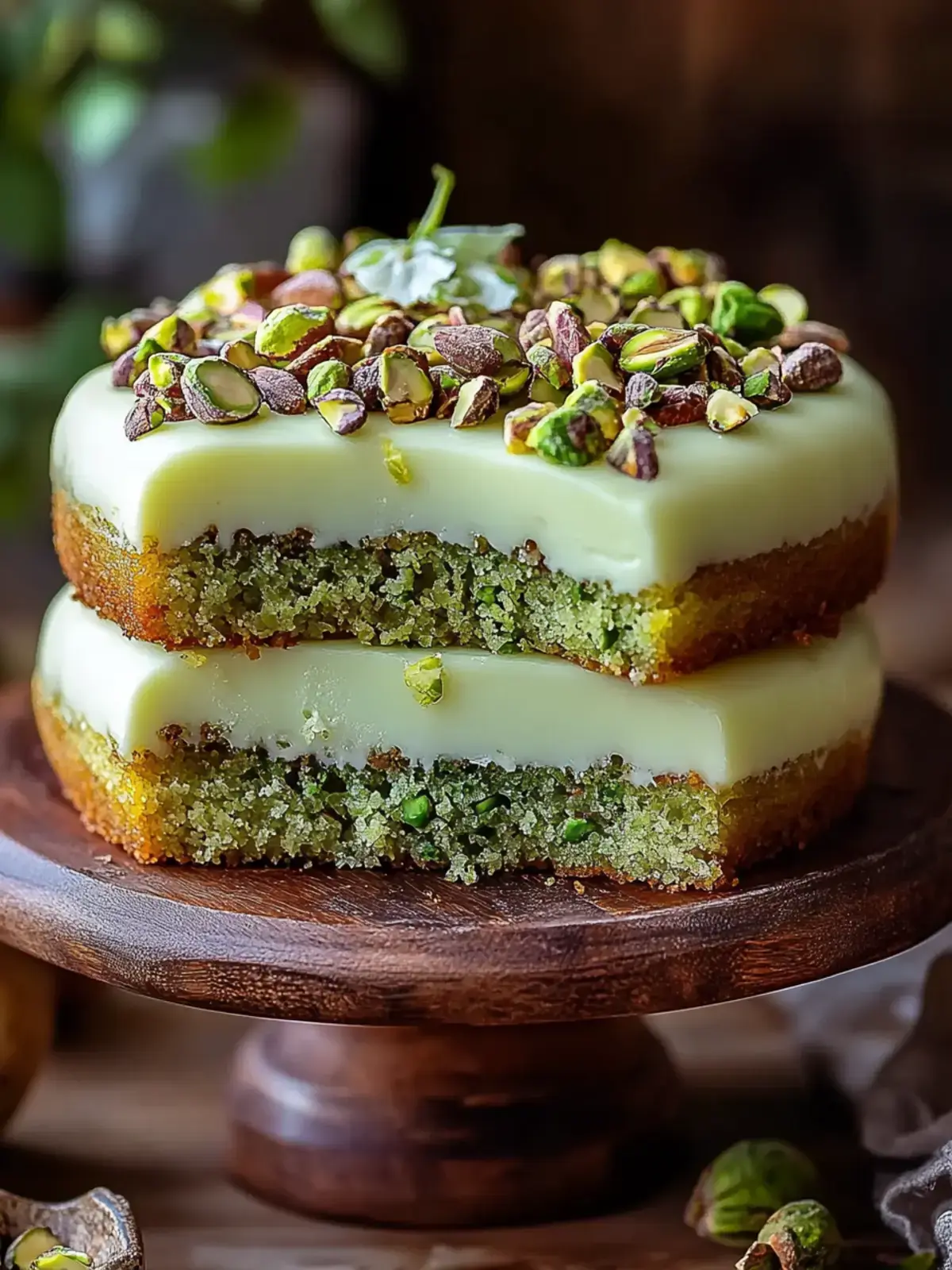
There’s a unique kind of magic that happens in the kitchen when the air fills with the bright scent of citrus and the warm, inviting aroma of toasted nuts. It’s a feeling of comfort and anticipation, a promise of something delicious to come.
This Lemon Pistachio Milk Cake captures that very essence, transforming simple ingredients into a dessert that’s both elegant and incredibly comforting. It’s the perfect treat to brighten any day, offering a delightful balance of zesty lemon and rich, nutty pistachio in every single bite.
Why You Will Love This Recipe
- Bright Flavor Profile: The invigorating zest of fresh lemon perfectly complements the subtle, earthy notes of finely ground pistachios, creating a sophisticated and irresistible taste experience.
- Incredibly Moist Texture: Through a special milk soak and the use of buttermilk, this cake achieves an unparalleled level of moistness and tenderness, ensuring each slice is a delightful indulgence.
- Versatile Adaptations: This recipe is a fantastic base for customization, easily modified to suit dietary needs such as gluten-free or nut-free, making it accessible for everyone to enjoy.
- Simple Yet Elegant Presentation: While the flavors are complex and refined, the preparation is straightforward, allowing you to create a show-stopping dessert that looks as impressive as it tastes.
- Perfect for Any Occasion: Whether for a casual afternoon tea, a special celebration, or simply a treat to yourself, this cake delivers a touch of sunshine and sweetness that’s always welcome.
Ingredients You Need
Crafting this exquisite Lemon Pistachio Milk Cake begins with selecting the finest ingredients to ensure the most vibrant and delicious outcome. Using fresh, high-quality components is paramount, as they will truly shine through in the final baked good. Always opt for freshly squeezed lemon juice and zest for that unmistakable bright citrus punch, and select plump, vibrant pistachios for their rich flavor and beautiful green hue.
Delicious Lemon Pistachio Milk Cake
A delightful fusion of citrus and nutty flavors, this cake is a perfect mood-lifter for any occasion. The combination of buttermilk and pistachio milk ensures a cake that is as moist as it is flavorful, perfect for any occasion.
- 1 cup Unsalted Butter
- 1 cup Granulated Sugar
- 2 cups All-Purpose Flour
- 2 teaspoons Baking Powder
- 1 teaspoon Baking Soda
- 1 teaspoon Salt
- 3 large Eggs
- 1 teaspoon Vanilla Extract
- 1 cup Buttermilk
- 1 cup Ground Pistachios
- 1 cup Pistachio Milk
- 1/2 cup Sweetened Condensed Milk
- 2 tablespoons Lemon Zest
- 8 oz Cold Cream Cheese
- 2 cups Powdered Sugar
- 1Preheat your oven to 350°F (175°C) and prepare a greased 9x9 inch baking pan with parchment paper.
- 2Place deshelled pistachios into a food processor and blend until coarse; set aside.
- 3In a medium bowl, whisk together the all-purpose flour, baking powder, baking soda, and salt.
- 4Cream together the granulated sugar and lemon zest, then mix with softened butter until fluffy.
- 5Add the eggs one at a time, mixing well after each addition, then stir in the vanilla extract.
- 6Gradually mix in the buttermilk along with your dry ingredients on low speed until just combined.
- 7Gently fold in the ground pistachios into the batter until evenly distributed.
- 8Pour the batter into your prepared pan and bake for 38-42 minutes, or until a toothpick comes out clean.
- 9Allow the cake to cool in the pan for about 30 minutes, then transfer it to a wire rack to cool completely.
- 10Combine the pistachio milk, sweetened condensed milk, lemon zest, and vanilla; strain after resting to create a smooth soak.
- 11Beat softened butter until fluffy, then mix in cold cream cheese and powdered sugar until smooth.
- 12Poke holes across the top of the cooled cake, pour the soak over it, and frost generously with cream cheese frosting.
Keywords: Lemon, Pistachio, Milk Cake, Dessert, Baking, German
The detailed quantities for each ingredient can be found within the recipe card presented below, guiding you precisely through the creation of this delightful cake.
Variations
For those seeking a delightful twist on the classic, consider infusing this cake with exotic spices. A whisper of cardamom or a hint of ginger can add a warming depth that beautifully contrasts with the lemon’s brightness, creating a more complex flavor profile that’s particularly wonderful during cooler months. This approach transforms the familiar into something exciting and new, offering a culinary adventure with every slice.
Embracing the dessert category, you might also explore different citrus fruits. Substituting some of the lemon zest with orange or even lime zest can introduce an entirely new aromatic dimension. Imagine the sweet, floral notes of orange mingling with the pistachio, or the sharp tang of lime cutting through the richness—each variation promises a unique tasting experience.
For a truly decadent upgrade, think about incorporating a rich chocolate element. Dark chocolate chips folded into the batter, or a drizzle of dark chocolate ganache over the finished cake, provides a luxurious counterpoint to the bright lemon and nutty pistachio. This combination creates a sophisticated dessert that appeals to a wide range of palates.
How to Prepare Lemon Pistachio Milk Cake
Step 1: Preparing the Baking Pan and Pistachios
The foundation of any successful cake begins with proper preparation, and this recipe is no exception. You’ll want to start by preheating your oven to the ideal temperature, which is typically around 350°F (175°C). This ensures that the moment your cake batter hits the oven, it begins to bake evenly and effectively, promoting a beautiful rise and golden-brown crust. Simultaneously, take a moment to prepare your baking pan; a standard 9×9 inch pan is perfect for this recipe, and greasing it thoroughly along with lining it with parchment paper will guarantee that your finished cake releases effortlessly, preventing any heartbreaking sticking.
Next, it’s time to prepare the star nut of this delightful creation: the pistachios. Take your shelled pistachios and place them into a food processor. The goal here is to achieve a coarse grind, not a fine powder, as these slightly larger pieces will provide a wonderful textural contrast within the cake. Pulse the pistachios until they reach this desired coarse consistency. Once ground, set them aside; these flavorful little gems will be incorporated into the cake batter later, infusing every bite with their distinctive, delightful nutty essence and contributing to the overall moistness of the final product.
Step 2: Combining Dry Ingredients and Creaming Butter and Sugar
In a medium-sized mixing bowl, whisk together all the dry ingredients: the all-purpose flour, the baking powder, the baking soda, and the salt. Whisking them together thoroughly ensures that the leavening agents and salt are evenly distributed throughout the flour. This step is crucial for achieving a consistently light and fluffy cake texture, as it prevents pockets of baking soda or salt from developing and guarantees uniform leavening across the entire cake. A well-mixed dry ingredient base sets the stage for a perfectly textured cake.
Now, in a separate larger bowl, begin the process of creaming together the granulated sugar and the lemon zest. Rubbing the lemon zest into the sugar helps to release its fragrant oils, intensifying the citrus aroma and flavor that will permeate the cake. Once this is fragrant, add your softened unsalted butter to this mixture. Cream these ingredients together using an electric mixer or a whisk until the mixture becomes light, fluffy, and pale in color. This process, which should take about 3 to 4 minutes of vigorous mixing, incorporates air into the batter, which is essential for the cake’s tender crumb and excellent rise. The resulting fluffy mixture is the creamy heart of your cake batter.
Step 3: Incorporating Eggs and Wet Ingredients
With your butter and sugar mixture beautifully creamed, it’s time to introduce the eggs. Add them one at a time, ensuring that you mix thoroughly after each addition. This gradual incorporation helps to emulsify the fats and liquids, creating a stable batter that won’t curdle. Mixing well after each egg ensures that it is fully integrated into the creamed mixture before the next one is added, contributing to the cake’s smooth texture. Once the eggs are fully incorporated, stir in the vanilla extract; its warm, comforting aroma and flavor will add another layer of depth to the cake’s overall profile.
Following the eggs, it’s time to gradually introduce the wet ingredients and the dry ingredients in alternation, starting and ending with the dry ingredients. In this recipe, the primary wet ingredient is the buttermilk, which adds a wonderful tang and ensures an incredibly moist crumb. Add about a third of the dry ingredients to the creamed mixture and mix on low speed until just combined. Then, add half of the buttermilk and mix again until just incorporated. Repeat this process, alternating between the dry ingredients and the buttermilk, finishing with the remaining dry ingredients. It is vital not to overmix the batter at this stage; overmixing can develop the gluten in the flour too much, leading to a dense, tough cake rather than a light and tender one. Mix only until no streaks of flour remain.
Step 4: Folding in Pistachios and Baking the Cake
Gently fold the coarsely ground pistachios into the cake batter using a spatula. Folding is a technique that preserves the air incorporated during creaming and mixing, preventing the batter from becoming dense. Use a sweeping motion, bringing the batter from the bottom of the bowl up and over the pistachios, turning the bowl as you go. Continue folding until the pistachios are evenly distributed throughout the batter. This ensures that you get a delightful nutty crunch and flavor in every single bite of your finished cake, adding both texture and taste.
Once the pistachios are fully incorporated, pour the batter into your prepared 9×9 inch baking pan. Spread the batter evenly using your spatula to ensure a flat top surface, which will lead to an even bake. Place the pan into the preheated oven and bake for approximately 38 to 42 minutes. The exact baking time can vary depending on your oven, so it’s important to check for doneness. A toothpick inserted into the center of the cake should come out clean, with no wet batter clinging to it, indicating that the cake is perfectly baked through.
Step 5: Cooling and Preparing the Flavorful Soak
After the cake has finished baking and has passed the toothpick test, carefully remove it from the oven. Allow the cake to cool in the baking pan for about 30 minutes. This initial cooling period in the pan is important because it allows the cake structure to firm up slightly, making it easier to handle and preventing it from falling apart when you remove it. During this time, the residual heat continues to cook the cake gently, ensuring a moist and tender interior.
Once the cake has cooled in the pan for the recommended 30 minutes, it’s time to transfer it to a wire rack to cool completely. Using a wire rack allows air to circulate around the entire cake, preventing the bottom from becoming soggy and ensuring it cools evenly. While the cake is cooling, you can prepare the flavorful soak that will infuse it with even more moisture and deliciousness. In a separate bowl, combine the pistachio milk, sweetened condensed milk, fresh lemon zest, and a touch of vanilla extract. Whisk these ingredients together until well combined. This rich, creamy, and zesty mixture is key to the cake’s signature moistness and flavor.
Step 6: Making the Creamy Frosting and Assembling the Cake
With the cake completely cooled and the soak prepared, it’s time to create the luscious frosting. In a large mixing bowl, begin by beating softened butter until it’s light and fluffy. This creates a smooth and creamy base for your frosting. Next, gradually add the cold cream cheese to the beaten butter, mixing until it’s fully incorporated and the mixture is smooth and creamy. Ensure the cream cheese is cold, as this helps to achieve the perfect frosting consistency without becoming too runny.
Now, it’s time to add the final touches to the frosting. Gently fold in the pistachio paste, which will lend a beautiful nutty flavor and subtle green hue to your frosting, and the remaining lemon zest for an extra burst of citrus. Finally, gradually add the sifted powdered sugar, mixing on low speed at first, then increasing to medium speed until the frosting is completely smooth and free of lumps. Sifting the powdered sugar is a critical step that prevents any grittiness, resulting in a velvety-smooth frosting. Once your cake has cooled entirely, use a toothpick to poke holes all over the surface of the cake. Generously pour the prepared pistachio and lemon soak over the poked cake, allowing it to seep into the crumb. Finally, spread the creamy frosting evenly over the top of the cake, ensuring a beautiful and decadent finish. For an optional aesthetic touch, you can garnish the top with extra chopped pistachios or a bit more lemon zest.
Pro Tips for Lemon Pistachio Milk Cake
Room Temperature Ingredients are Key: For the most cohesive and well-emulsified batter, always ensure your butter, eggs, and buttermilk are at room temperature before you begin mixing. This allows them to blend together seamlessly, creating a smoother batter and ultimately a more tender, evenly baked cake with a superior crumb structure.
Avoid the Temptation to Overmix: Once you add the flour to your wet ingredients, mix only until everything is just combined. Overmixing develops the gluten in the flour too much, which can result in a dense, tough cake instead of the light and airy texture that is so desirable. A few small lumps are perfectly fine and preferable to an overmixed batter.
Know Your Oven: Oven temperatures can vary significantly, so it’s a good idea to use an oven thermometer to ensure accuracy. An oven that is too hot can cause the outside of the cake to burn before the inside is cooked, while an oven that is too cool can lead to a pale, flat cake. Precise temperature control is vital for predictable results.
Patience During Cooling: Resist the urge to frost the cake while it’s still warm. Allowing the cake to cool completely on a wire rack is crucial. Warmth can cause the frosting to melt and slide off, and it can also make the cake more prone to breaking. Complete cooling ensures the cake is sturdy enough to handle frosting beautifully.
Sift for Smoothness: When making the cream cheese frosting, always sift your powdered sugar. This simple step eliminates lumps and ensures that your frosting has a luxuriously smooth and velvety texture, making it a pleasure to spread and behold.
Serving Suggestions for Lemon Pistachio Milk Cake
Decoration
To elevate the visual appeal of your Lemon Pistachio Milk Cake, consider a sprinkle of finely chopped pistachios scattered artistically across the top of the frosting. This not only adds a beautiful textural contrast but also reinforces the cake’s signature flavor profile. Alternatively, a dusting of powdered sugar or a delicate pattern piped with the cream cheese frosting can add an elegant touch. Fresh lemon zest, lightly scattered, provides a vibrant pop of color and an enticing aroma that hints at the deliciousness within.
Side Dishes
This cake pairs wonderfully with a variety of simple yet delightful accompaniments. A dollop of lightly sweetened whipped cream offers a cloud-like softness that complements the cake’s moistness beautifully. For a more refreshing contrast, a small bowl of fresh berries, such as raspberries or blueberries, can cut through the richness with their tartness. A scoop of high-quality vanilla bean ice cream also provides a classic and always welcome pairing, melting lusciously into the warm or room-temperature cake.
Creative Serving Ideas
Transform a slice of this cake into a mini dessert masterpiece by serving it with a vibrant raspberry coulis drizzled elegantly on the plate. For a more sophisticated presentation, consider a delicate garnish of edible flowers, such as pansies or violas, which add both beauty and a subtle floral note. You could also serve individual portions as part of a larger dessert platter, perhaps alongside miniature meringue kisses or a small bowl of lemon-curd for an intensified citrus experience. For a brunch setting, pair a slice with a refreshing glass of sparkling drinks or a fragrant herbal tea.
Preparation & Storage
Storing Leftovers
To keep your Lemon Pistachio Milk Cake as delightful as the day it was baked, store any leftovers in an airtight container. This helps to prevent the cake from drying out and maintains its wonderfully moist texture. It’s best to keep the cake refrigerated, especially if it has cream cheese frosting, for up to 3 to 4 days. Ensure the container is sealed tightly to preserve the fresh flavors and prevent it from absorbing any odors from other foods in your refrigerator.
Freezing
This cake freezes exceptionally well, making it a perfect candidate for make-ahead preparations. For best results, it’s advisable to freeze individual slices rather than the whole cake, as this allows for easier thawing and serving. Wrap each slice tightly in plastic wrap, then in a layer of aluminum foil to protect it from freezer burn. Place the wrapped slices into a freezer-safe container or bag, and they can be stored for up to 2 months. This method ensures that when you crave a slice of sunshine, it’s readily available.
Reheating
If you prefer your cake served warm, or if you’re reheating frozen slices, gentle warming is key. For slices stored in the refrigerator, you can warm them slightly in a low-temperature oven, around 300°F (150°C), for about 5-10 minutes until just heated through. Be careful not to overheat, as this can dry out the cake. For frozen slices, allow them to thaw overnight in the refrigerator first before gently reheating. Avoid using a microwave, as it can often lead to a dry and rubbery texture.
Frequently Asked Questions
-
What kind of lemons should I use for this recipe, and how much zest is ideal for maximum flavor?
For the most vibrant and authentic lemon flavor, it is highly recommended to use fresh lemons rather than bottled lemon juice. Look for lemons that feel heavy for their size, with smooth, bright yellow skin, as these typically contain the most juice and fragrant zest. Meyer lemons are a fantastic option as they are naturally sweeter and less acidic than standard Eureka or Lisbon lemons, offering a more nuanced citrus note. Regarding the zest, using the zest from two medium-sized lemons is generally ideal for this recipe. It’s important to only zest the outer yellow part, avoiding the bitter white pith underneath, as this will ensure a bright, clean citrus flavor without any unpleasant bitterness. Grating the zest directly into the sugar as indicated in the recipe helps to release its essential oils and infuse the batter beautifully.
-
How can I ensure the Lemon Pistachio Milk Cake remains incredibly moist, especially if I’m making it ahead of time or living in a dry climate?
Maintaining moisture is paramount for this cake, and several factors contribute to its inherent moistness. The use of buttermilk in the batter, coupled with the flavorful soak poured over the cake after baking, is designed to infuse it with liquids and richness. When making the cake ahead, it’s crucial to ensure it cools completely before storing. If storing for more than a day, an airtight container is your best friend; it prevents moisture from escaping and humidity from affecting the cake’s texture. In very dry climates, you might consider adding an extra tablespoon or two of buttermilk to the batter, or ensuring the soak is generously applied. Properly storing leftovers in the refrigerator within an airtight container will preserve its delightful moistness for several days.
-
Can I substitute the pistachio milk or ground pistachios with other nuts or nut milks if I have allergies or simply want to experiment with different flavors?
Absolutely! This recipe is quite adaptable. If you need to avoid pistachios due to allergies or preference, you can easily substitute almond milk for pistachio milk and finely ground almonds or even sunflower seeds for the ground pistachios. Almonds offer a classic pairing with lemon and will yield a delightful nutty flavor, while sunflower seeds provide a good nut-free alternative with a mild flavor. For a different profile, you could experiment with cashew milk or even oat milk, though the richness and flavor will vary. When substituting, consider the flavor profile of the alternative nut or seed to ensure it complements the lemon zest. The key is to maintain a similar liquid-to-solid ratio where possible, especially with the ground nuts in the batter, to achieve the desired texture.