Delicious Brazilian Fish Stew – An Ultimate 30-Minute Meal
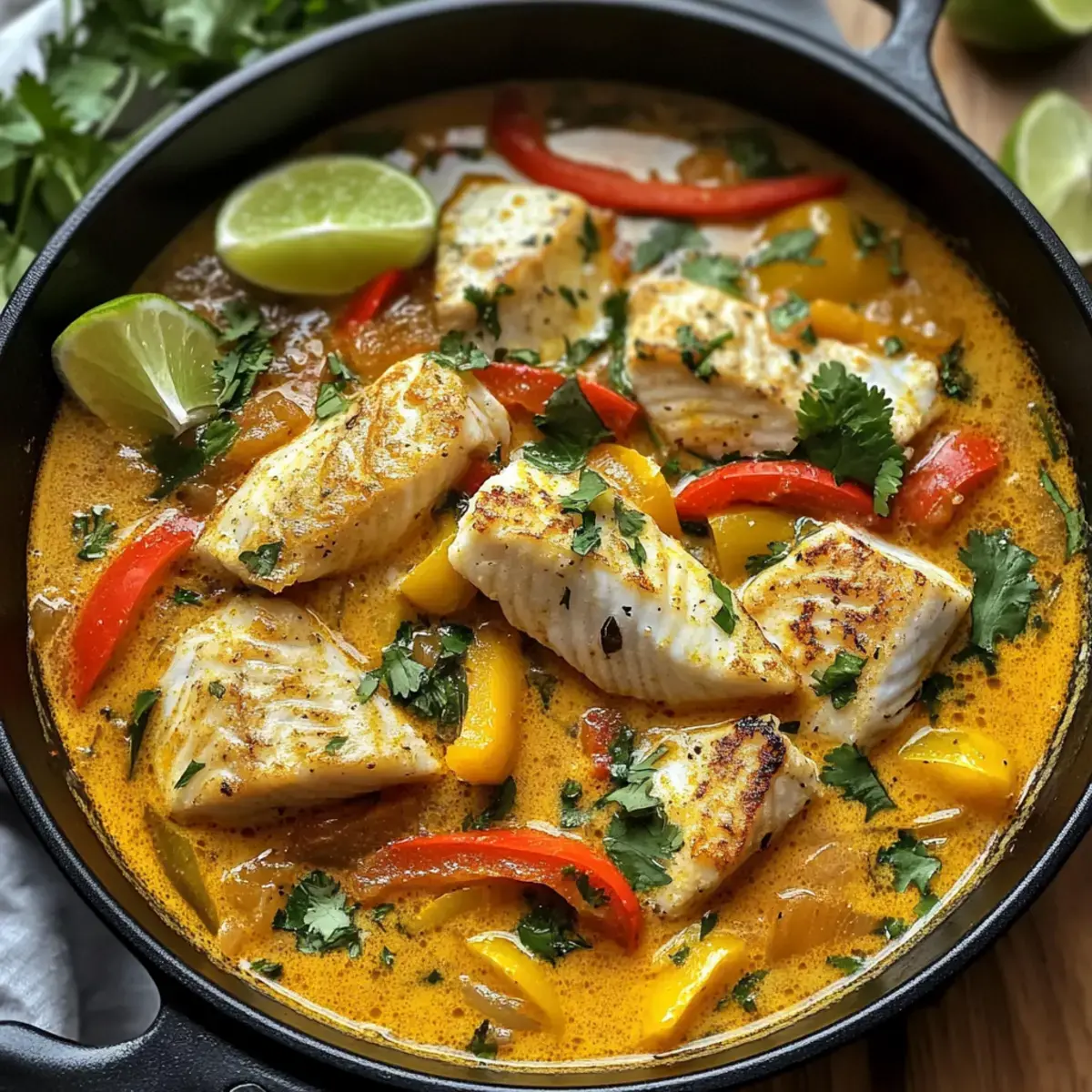
There are moments in life when the ordinary just won’t do, and your taste buds crave an adventure. This is precisely when a dish like Brazilian Fish Stew, known as Moqueca, steps in to steal the show. It’s a vibrant masterpiece, a true culinary journey to the sun-drenched coasts of Brazil, brought right to your kitchen.
Imagine tender pieces of fish swimming in a luxurious broth, infused with the creamy sweetness of coconut milk and the bright tang of tomatoes, all kissed by warming spices. This isn’t just a meal; it’s an experience, a comforting embrace that feels both exotic and familiar, perfect for when you need a little bit of sunshine on your plate.
Why You Will Love This Recipe
- Quick Preparation: Dinner is on the table in around 30 minutes, making it an ideal choice for busy weeknights without compromising on incredible flavor.
- Naturally Gluten-Free: This recipe is wonderfully free of gluten, making it a fantastic option for those with dietary restrictions or anyone looking for a lighter, wholesome meal.
- Bursting with Flavor: The unique combination of coconut milk, tomatoes, spices, and fresh fish creates a complex and utterly delicious taste profile that is truly unforgettable.
- Customizable: Feel free to adapt this stew with your favorite seafood or vegetables; it’s a versatile dish that welcomes your personal touch and creativity.
- Impressive Presentation: With its vibrant colors and rich aroma, this Brazilian Fish Stew is not only a delight to eat but also a feast for the eyes, perfect for entertaining guests.
Ingredients You Need
The soul of any magnificent dish lies in the quality of its ingredients, and this Brazilian Fish Stew is no exception. Choosing fresh, vibrant components will elevate every single bite, ensuring a truly authentic and delightful culinary experience. From the firm, flaky fish to the aromatic vegetables and the creamy coconut milk, each element plays a crucial role in harmonizing the diverse flavors.
Flavorful Brazilian Fish Stew

A vibrant and quick Brazilian Fish Stew (Moqueca) recipe, perfect for a cozy weeknight meal. This gluten-free dish features tender fish in a creamy coconut-tomato broth, packed with tropical flavors.
- 1 lb Firm White Fish (e.g., Cod, Halibut, Sea Bass)
- 1 tablespoon Lime Juice
- 3 cloves Garlic, Minced
- 1 teaspoon Kosher Salt
- 2 tablespoons Olive Oil
- 1 medium Onion, Yellow/Red
- 1 cup Bell Peppers, Green & Red, Diced
- 1 teaspoon Red Chili
- 3 cloves Minced Garlic
- 2 tablespoons Tomato Paste
- 1 tablespoon Dendê Oil (Red Palm Oil)
- 1 can Tomatoes (Fresh or Canned)
- 1 teaspoon Paprika
- 1 teaspoon Ground Cumin
- 1 teaspoon Ground Coriander
- 2 cups Fish or Chicken Stock
- 1 can Coconut Milk
- 1/4 cup Fresh Cilantro, chopped
- Lime Wedges, for serving
- 1In a mixing bowl, combine fresh fish pieces with lime juice, minced garlic, and a sprinkle of kosher salt. Gently toss to coat well and let sit for about 30 minutes.
- 2Heat a large skillet over medium heat, add olive oil, and sauté chopped onions with a pinch of salt for around 3 minutes until translucent.
- 3Fold in diced bell peppers and red chili for heat, along with additional minced garlic. Cook for another 3 minutes.
- 4Stir in tomato paste and dendê oil (if using), followed by chopped tomatoes. Season with salt, pepper, paprika, ground cumin, and ground coriander. Cook for 2-3 minutes.
- 5Deglaze the skillet with fish or chicken stock, add coconut milk, and let simmer gently for about 3-4 minutes.
- 6Nestle the marinated fish pieces into the sauce and cook for 3-4 minutes until cooked through and flakes easily.
- 7Remove from heat, stir in freshly chopped cilantro, and ladle into bowls. Serve with lime wedges.
Keywords: Brazilian Fish Stew, Moqueca, Seafood Stew, Coconut Milk, Gluten-Free, Quick Dinner, Weeknight Meal, Tropical Cuisine
Please refer to the detailed recipe card for the precise quantities of each ingredient needed to create this exquisite stew.
Variations
The beauty of Moqueca lies in its inherent adaptability, allowing for endless creative interpretations that cater to diverse palates and dietary needs. For instance, a delightful vegan version can be achieved by substituting the fish with chunks of firm tofu or hearty jackfruit, which beautifully absorb the rich flavors of the stew.
If you’re exploring a low-carb lifestyle, consider omitting the traditional rice accompaniment and instead serving this stew with a side of cauliflower rice or a crisp, refreshing green salad. This modification ensures you can savor the complex flavors without the added carbohydrates.
Another exciting variation involves transforming this into a vibrant seafood medley. Incorporate succulent shrimp, plump scallops, or even tender mussels alongside or instead of the fish, creating a symphony of oceanic tastes and textures that sings of the sea. Each addition brings its unique character, further enriching the overall dish and offering a new dimension of enjoyment.
For those who enjoy a bit more heat, don’t shy away from increasing the amount of red chili or introducing a pinch of cayenne pepper. This tweak intensifies the stew’s warmth, creating a more robust and invigorating experience that is perfect for a chilly evening. It adds a lively kick that awakens the senses and complements the creamy base splendidly.
Furthermore, if dendê oil is unavailable or not to your preference, a blend of coconut oil with a hint of smoked paprika can create a wonderfully aromatic substitute, lending a similar depth and color to the stew without the distinctive palm oil flavor.
Consider enriching the vegetable component by adding diced zucchini, tender spinach, or sweet corn kernels during the simmering stage. These additions not only boost the nutritional value but also introduce varied textures and subtle sweet notes that complement the fish and the broth.
How to Prepare Brazilian Fish Stew
Step 1: Marinate the Fish
Begin your culinary journey by preparing the star of the dish: the fish. In a medium-sized mixing bowl, gently combine your chosen pieces of firm white fish, ensuring they are cut into uniform, bite-sized portions. This consistency is key to even cooking later on.
To this, add a generous splash of freshly squeezed lime juice, its bright acidity beginning to tenderize the fish and impart a zesty undertone. Follow this with minced garlic, which infuses the fish with its aromatic warmth, and a good pinch of kosher salt to enhance all the flavors. Toss everything gently to ensure each piece of fish is thoroughly coated, allowing the marinade to work its magic.
Allow this mixture to rest at room temperature for approximately 30 minutes. This marination period is crucial; it allows the lime juice to subtly “cook” the exterior of the fish while the garlic and salt penetrate the flesh, building a foundational layer of flavor that will shine through in the finished stew. Resist the urge to marinate for much longer, as prolonged exposure to citrus can alter the fish’s texture.
Step 2: Sauté the Vegetables
While the fish is basking in its flavorful marinade, shift your attention to building the aromatic base of your stew. Heat a large, heavy-bottomed skillet or Dutch oven over medium heat; this type of cookware is excellent for even heat distribution. Add a generous swirl of olive oil, allowing it to shimmer and warm up, signaling it’s ready for the aromatics.
Introduce your finely chopped yellow or red onion into the hot oil, accompanied by a small pinch of salt. The salt helps to draw out moisture, encouraging the onions to soften and caramelize more effectively. Sauté these onions, stirring occasionally, for about 3 to 5 minutes. Your goal here is to achieve a state where the onions become translucent and begin to release their sweet, savory fragrance, signaling they are softening beautifully.
This step is fundamental in developing the depth of flavor for your Moqueca. The gently sautéed onions provide a sweet, mild foundation that complements the other ingredients without overpowering them, laying a vital aromatic groundwork for the entire dish.
Step 3: Add Peppers and Garlic
Once the onions have reached their translucent stage, it’s time to introduce the next layer of vibrant flavors and textures to the sauté. Add your diced green and red bell peppers to the skillet. These peppers bring not only a delightful crunch and a burst of vibrant color but also a subtle sweetness that balances the savory notes of the onions.
If you desire a gentle warmth, this is also the perfect moment to stir in a pinch of red chili flakes or a finely minced red chili pepper. This addition introduces a touch of heat that will bloom as it cooks, adding a pleasant kick to the overall flavor profile of the stew. Be mindful of your spice preference, adding more or less as you see fit.
Follow this with an additional minced clove or two of garlic. While the marinade already includes garlic, this extra addition in the sauté builds a more pronounced, complex garlic aroma that permeates the entire dish. Continue to cook these vegetables and garlic for another 2 to 3 minutes, stirring constantly. The peppers should begin to soften slightly, and the garlic should become fragrant, indicating that their flavors are starting to meld beautifully with the onions.
Step 4: Incorporate Tomato Paste and Spices
Now, the stew begins to transform into its characteristic rich, red hue and deepen in flavor complexity. Add the tomato paste to the skillet, stirring it into the sautéed vegetables. Cook the tomato paste for about a minute, stirring constantly. This brief cooking period helps to deepen its flavor, reducing its raw, acidic notes and bringing out a concentrated umami richness that is essential for the stew’s base.
If you are using dendê oil (red palm oil), this is the ideal time to introduce it. Stir it into the tomato paste and vegetables. The dendê oil will lend its distinctive, slightly smoky, nutty flavor and a beautiful reddish-orange color to the stew, a hallmark of authentic Moqueca.
Next, add your chopped fresh or canned tomatoes to the mix. Stir everything together thoroughly, ensuring the tomatoes break down slightly and combine with the tomato paste and sautéed vegetables. Season generously with salt and freshly ground black pepper to taste. Follow this with your warming spices: paprika, ground cumin, and ground coriander. These spices are key to achieving that signature Brazilian warmth and depth.
Continue to cook this aromatic mixture for an additional 2 to 3 minutes, allowing the spices to toast slightly in the heat, which unlocks their full flavor potential. The aroma at this stage should be absolutely intoxicating, a rich blend of tomato, spice, and sautéed aromatics that promises a truly delicious outcome.
Step 5: Simmer the Sauce
With the flavorful base well-established, it’s time to create the luscious, creamy broth that defines Brazilian Fish Stew. Deglaze the skillet by pouring in your chosen stock – either fish stock for an intensified seafood flavor or chicken stock for a broader savory note. Use a wooden spoon to scrape up any browned bits that may have adhered to the bottom of the pan; these bits are packed with flavor and contribute immensely to the overall taste.
Once the stock has been incorporated and the pan is clean, pour in the full-fat coconut milk. This ingredient is what gives Moqueca its signature velvety texture and subtle sweetness, beautifully balancing the savory and acidic components of the stew. Stir everything together gently, ensuring the coconut milk is fully incorporated into the tomato and spice mixture.
Bring the sauce to a gentle simmer over medium-low heat. Allow it to bubble softly for about 3 to 4 minutes. During this simmering period, the flavors will meld and deepen, and the sauce will begin to thicken slightly, achieving a rich, coating consistency that is perfect for holding the fish and vegetables. Avoid a rolling boil, as this can sometimes cause coconut milk to separate.
The aroma filling your kitchen at this point will be incredibly inviting and complex, a testament to the careful layering of ingredients and flavors. This creamy, fragrant broth is the heart of your Brazilian Fish Stew, ready to embrace the star protein.
Step 6: Cook the Fish
Now that your vibrant, simmering sauce is ready, it’s time to introduce the delicate fish pieces. Gently nestle the marinated fish into the luscious broth. Arrange them in a single layer, ensuring they are mostly submerged in the liquid. Try not to overcrowd the pan, as this can lower the temperature of the sauce and lead to uneven cooking.
It’s crucial to avoid vigorous stirring from this point onward. Instead, when the fish has been in the sauce for a couple of minutes, you can gently spoon some of the hot sauce over the top of the fish pieces. This technique helps to cook the fish gently and evenly while allowing the flavors to infuse without breaking up the delicate fillets.
Cook the fish for approximately 3 to 4 minutes, or until it is just opaque and flakes easily when tested with a fork. The exact cooking time will depend on the thickness of your fish pieces. Overcooking is the enemy here, as it can render the fish dry and tough, detracting from the stew’s luxurious texture. Keep a close eye on it during these final minutes to ensure perfect tenderness.
Step 7: Finish and Serve
As soon as the fish is perfectly cooked and flakes at the touch of a fork, remove the skillet from the heat. The residual heat will continue to cook the fish gently for a short period. Stir in a generous handful of freshly chopped cilantro. The bright, herbaceous notes of the cilantro are the perfect finishing touch, adding a burst of freshness and a pop of vibrant green color that beautifully contrasts with the rich hue of the stew.
Ladle the steaming hot Brazilian Fish Stew generously into individual serving bowls. Ensure each bowl receives a good portion of the tender fish and the rich, aromatic broth. Serve immediately, while the stew is at its most fragrant and flavorful. Don’t forget to offer fresh lime wedges on the side.
The bright, acidic squeeze of lime juice just before eating cuts through the richness of the coconut milk and brightens the entire dish, enhancing all the complex flavors. This delightful meal is traditionally and perfectly paired with fluffy white rice, which acts as a wonderful vehicle for soaking up every last drop of that exquisite broth, making for a truly comforting and visually stunning dining experience that transports you straight to the heart of Brazil.
Pro Tips for Brazilian Fish Stew
Marination Time: While marinating the fish is essential for flavor, it’s crucial not to overdo it. An extended marination period, especially with acidic ingredients like lime juice, can cause the fish to become mushy and break apart too easily during cooking. Aim for approximately 30 minutes at room temperature; this strikes the perfect balance, infusing flavor without compromising the fish’s structural integrity and delicate texture.
Fish Selection: For the most successful Moqueca, opt for firm white fish. Varieties like cod, halibut, or sea bass are ideal because their flesh is dense enough to hold its shape in the simmering sauce without disintegrating. Thicker cuts are preferable to thin fillets, as they offer more substance and are less prone to overcooking. Experimenting with other firm fish can also yield delightful results.
Gentle Cooking is Key: The key to a perfectly cooked fish stew is gentle cooking. Avoid boiling the stew vigorously once the fish has been added. Instead, maintain a gentle simmer. Watch the fish closely during the final minutes of cooking; it should turn opaque and flake easily with a fork. As soon as this stage is reached, remove the stew from the heat to prevent the fish from becoming tough or dry.
Spoon, Don’t Stir Vigorously: Once the fish is nestled into the simmering sauce, refrain from stirring the stew aggressively. Instead, gently spoon the rich broth and sauce over the fish pieces. This method helps to cook the fish evenly from all sides and allows it to absorb the flavors of the stew without the risk of breaking it into small, unappealing pieces. It maintains the visual appeal and texture of the fish.
Stock Choices Enhance Flavor: While water can technically form a liquid base for the stew, using a good quality fish or chicken stock will significantly elevate the flavor profile. Stock provides a deeper, more complex savory foundation that complements the other ingredients beautifully. If you are in a pinch and cannot find stock, it is better to use plain water than a low-quality substitute, but a good stock truly makes a difference in the final taste of your Brazilian Fish Stew.
The Finishing Touch of Cilantro: Fresh cilantro is more than just a garnish; it’s an integral part of the Moqueca experience. Stirring in a generous amount of freshly chopped cilantro right before serving adds a burst of vibrant freshness that brightens the entire dish. If cilantro is not to your liking, finely chopped fresh parsley or green onions can also be used, offering a similar herbaceous lift and visual appeal.
Serving Suggestions for Brazilian Fish Stew
Decoration
Elevate the visual appeal of your Brazilian Fish Stew with thoughtful garnishes. A generous scattering of fresh cilantro leaves is a classic choice, providing a vibrant pop of green that contrasts beautifully with the rich red and orange hues of the stew. Thinly sliced red chili rings can also be artfully arranged on top for those who enjoy a bit of visual heat.
For an extra touch of color and freshness, consider adding a few thin slices of bell pepper, either green or red, or even a sprinkle of toasted sesame seeds for a subtle textural contrast. A swirl of coconut cream just before serving can add an elegant visual flourish and a hint of extra creaminess. Ensure the lime wedges are neatly fanned out on the side of the plate or bowl, inviting diners to enhance their experience.
Side Dishes
The perfect accompaniments to Brazilian Fish Stew are those that complement its rich flavors without overpowering them. Fluffy white rice, such as jasmine or basmati, is a traditional and essential pairing. Its mild flavor and absorbent texture make it ideal for soaking up every last drop of the flavorful coconut-tomato broth.
For a delightful crunch and tang, serve with a fresh, crisp green salad tossed with a light vinaigrette. Consider a side of fried plantains (plátanos fritos) for a touch of sweetness and a different textural element that evokes a tropical feel. Warm, crusty bread, like a baguette or sourdough, is also excellent for dipping into the delicious sauce, ensuring no flavor is wasted.
A spicy coleslaw can provide a refreshing counterpoint to the stew’s richness, offering a cool crunch and a hint of acidity. Roasted sweet potatoes or a side of black beans seasoned with cumin and garlic also offer hearty complements that enhance the meal’s satisfying nature.
Creative Serving Ideas
To transform your Brazilian Fish Stew into a truly memorable dining experience, think beyond the traditional. Serve individual portions in hollowed-out bread bowls for a rustic and comforting presentation, allowing the bread to soak up the delectable broth. This approach is particularly engaging for a more casual gathering or a cozy evening in.
Consider presenting the stew family-style in a large, shallow earthenware dish, allowing everyone to serve themselves and admire the vibrant colors. This communal style of eating fosters a sense of warmth and togetherness, making the meal feel more interactive and special.
For an adventurous twist, serve miniature portions as an appetizer or part of a tasting menu. Offer small, elegant bowls with a single piece of fish and a spoonful of sauce, accompanied by a tiny skewer of grilled vegetables. This sophisticated approach showcases the dish’s complex flavors in a refined manner.
Another creative idea is to deconstruct the dish slightly. Serve the perfectly cooked fish alongside a separate bowl of the rich, creamy sauce, allowing diners to spoon the sauce over their fish and rice as they please. This offers a level of customization and interaction with the meal that many guests will appreciate.
Preparation & Storage
Storing Leftovers
Should you be fortunate enough to have any Brazilian Fish Stew remaining, proper storage is key to preserving its exquisite flavor and texture. Allow the stew to cool down to room temperature completely before transferring it to an airtight container. For optimal results, it is highly recommended to store the fish and the sauce separately. This separation helps to prevent the delicate fish from becoming overly soft or mushy as it sits in the sauce.
Store these containers in the refrigerator. When stored correctly, leftover Brazilian Fish Stew can be safely enjoyed for up to 2 days. This separation technique ensures that when you reheat your leftovers, the fish will retain a much better texture, closer to its original state.
Freezing
Brazilian Fish Stew can indeed be frozen, allowing you to enjoy its comforting flavors at a later date. Once the stew has cooled completely, portion it into freezer-safe containers or heavy-duty freezer bags. It’s important to leave a little headspace in the containers, as liquids expand when frozen.
Seal the containers tightly to prevent air exposure, which can lead to freezer burn. Properly stored, your Brazilian Fish Stew can maintain its quality in the freezer for up to 2 months. When preparing to freeze, consider freezing the fish and sauce separately if possible, though freezing them together is also acceptable.
Reheating
Reheating Brazilian Fish Stew requires a gentle approach to maintain the integrity of the fish and the creaminess of the sauce. The best method involves gently warming the sauce in a skillet over low heat. Stir the sauce occasionally to ensure even heating and prevent scorching.
Once the sauce is hot and simmering gently, carefully add the previously cooked fish pieces to the sauce. Allow the fish to warm through for about 1 to 2 minutes. It is crucial to avoid overcooking the fish during reheating; its delicate nature means it only needs a short time to heat up. Overheating can lead to dry, tough fish, so vigilance is key.
If you have frozen your stew, ensure it is completely thawed in the refrigerator overnight before reheating. This allows for more even and effective warming. Avoid reheating in the microwave if possible, as it can sometimes cook the fish unevenly or make the sauce rubbery.
Frequently Asked Questions
-
What type of fish is best for Brazilian Fish Stew?
For the most authentic and satisfying Brazilian Fish Stew, or Moqueca, it is best to use firm white fish that can withstand the gentle simmering process without falling apart. Excellent choices include cod, halibut, and sea bass, as their dense flesh holds its shape beautifully and absorbs the rich flavors of the broth. If you prefer a different seafood experience or have other options available, large shrimp or even snapper are also wonderful substitutes that can bring a delightful variation to the dish. The key is to select a fish that is robust enough to maintain its texture throughout the cooking duration, ensuring a pleasant eating experience with every bite.
-
How should I store leftover Brazilian Fish Stew?
To ensure your leftover Brazilian Fish Stew remains as delicious as possible, it is recommended to store it in an airtight container in the refrigerator. For the best preservation of texture, particularly for the fish, it’s advisable to separate the fish from the sauce before storing. This prevents the fish from becoming waterlogged or overly soft. When stored this way, the stew should remain fresh and safe to consume for up to 2 days. Proper storage is essential for maintaining the delicate balance of flavors and textures that make Moqueca so appealing.
-
Can I freeze Brazilian Fish Stew?
Yes, Brazilian Fish Stew can be frozen, offering a convenient way to enjoy this flavorful dish at a later time. It is best to allow the stew to cool completely before transferring it to freezer-safe containers or heavy-duty freezer bags. For optimal quality upon thawing, consider freezing the fish and the sauce separately, though freezing them together is also acceptable if space is a concern. Properly sealed, your Brazilian Fish Stew can be stored in the freezer for up to 2 months. Remember to thaw it thoroughly in the refrigerator overnight before reheating for the best results.
-
What’s the best way to reheat Brazilian Fish Stew?
The most effective method for reheating Brazilian Fish Stew is to gently warm the sauce in a skillet over low heat until it is hot and simmering. Once the sauce reaches the desired temperature, carefully add the cooked fish pieces back into the sauce and allow them to heat through for approximately one to two minutes. It’s critical to avoid overcooking the fish during the reheating process, as this can result in a dry and tough texture. The goal is to warm the fish without compromising its delicate flakiness.
-
Is Brazilian Fish Stew suitable for people with food allergies?
Brazilian Fish Stew is inherently gluten-free, making it a fantastic option for individuals with gluten sensitivities or celiac disease. However, it’s always prudent to review all ingredients for other potential allergens, such as shellfish if you’ve opted to include shrimp or scallops, or dairy if you’ve substituted coconut milk with heavy cream. Ensuring that your stock is also free from common allergens is important. When serving guests with known allergies or dietary restrictions, it is best practice to communicate directly with them about the ingredients used and any potential cross-contamination concerns to ensure a safe and enjoyable meal for everyone.