Chocolate Coconut Cake Pops
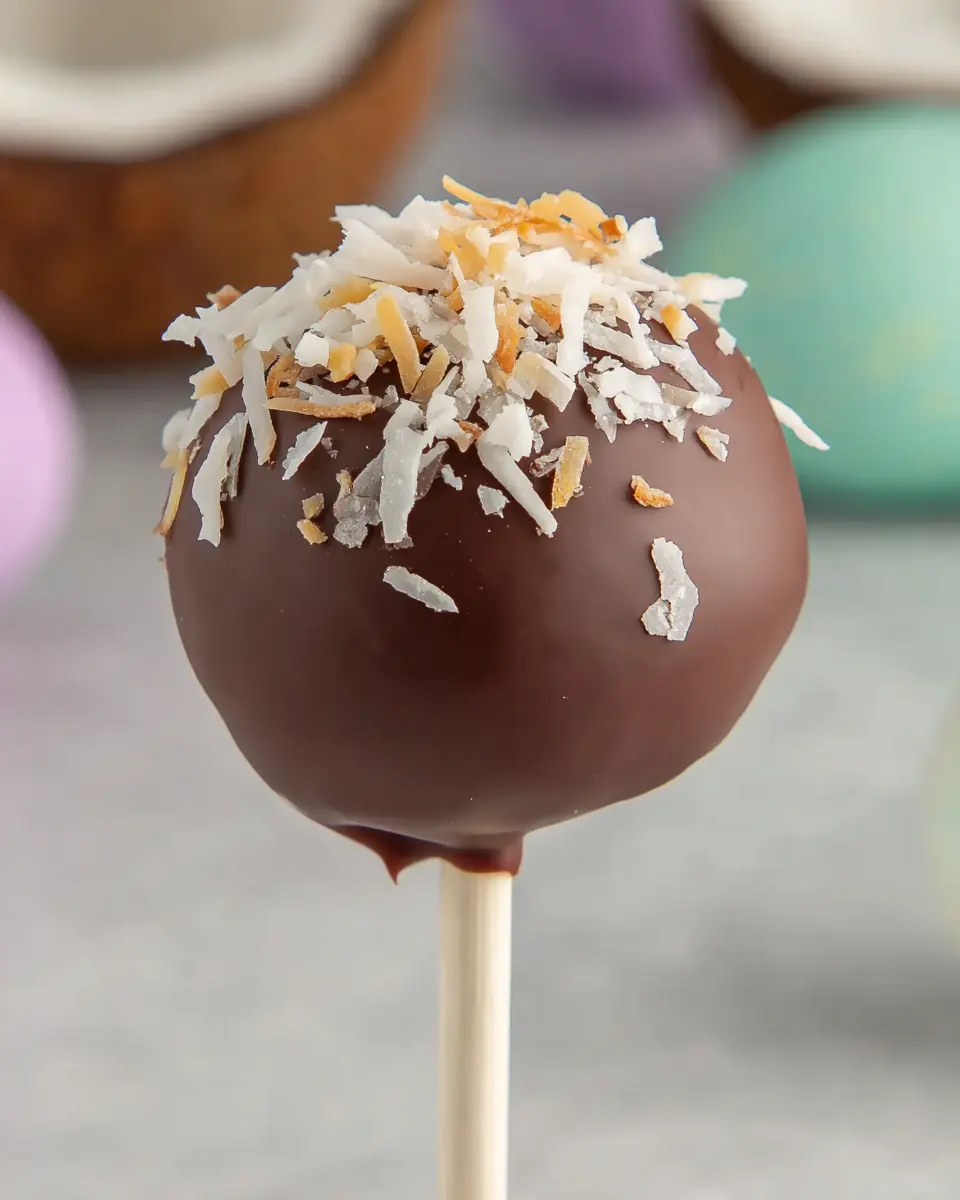
Coconut cake pops are a make-ahead dessert with deep cocoa flavor, a soft truffle-like center, and a chocolate shell finished with sweet coconut, making them ideal for parties, gifting, and bite-sized treats from the fridge.
These little dessert pops feel special without being overly fussy. You start with a rich chocolate cake, turn it into a soft crumb, and bind it with a smooth chocolate coffee frosting that makes every bite taste fuller and more chocolatey.
Why You Will Love This Recipe
- Effortless Preparation: Despite their elegant appearance, these cake pops are surprisingly straightforward to make, perfect for busy bakers.
- Intense Chocolate Flavor: A rich, moist chocolate cake forms the base, ensuring a decadent experience with every bite.
- Versatile Treat: These pops are ideal for any occasion, from casual gatherings to elaborate celebrations, and make delightful homemade gifts.
- Make-Ahead Convenience: Prepare them in advance, store them properly, and have a ready-to-serve dessert that impresses every time.
- Customizable Finish: The coconut coating offers a delightful texture and flavor, but can be easily swapped for other toppings to suit different preferences.
Ingredients You Need
Selecting high-quality ingredients is crucial for achieving the best flavor and texture in your coconut cake pops. Using good cocoa powder will significantly enhance the chocolate depth, while fresh eggs and butter contribute to a moist and tender cake crumb. The quality of your chocolate for dipping will also impact the final taste and appearance of the coating, so opt for something that melts smoothly and tastes delicious.
Coconut Cake Pops
Coconut cake pops are a make-ahead dessert with deep cocoa flavor, a soft truffle-like center, and a chocolate shell finished with sweet coconut, making them ideal for parties, gifting, and bite-sized treats from the fridge. These little dessert pops feel special without being overly fussy. You start with a rich chocolate cake, turn it into a soft crumb, and bind it with a smooth chocolate coffee frosting that makes every bite taste fuller and more chocolatey. The coconut is what gives them their final personality. It adds a sweet finish, a little texture on the outside, and a classic flavor pairing that works beautifully with the dark cocoa base.
- For the cake: 1 teaspoon vanilla extract, 1 cup unsalted butter softened to room temperature, 1/2 teaspoon kosher salt, 2 teaspoons baking powder, 1 1/3 cups milk, 2 large eggs, 2 cups flour, 1 3/4 cups granulated sugar, 1 teaspoon baking soda, 3/4 cup cocoa powder
- For the chocolate coffee frosting: 2 tablespoons freshly brewed coffee, 2 1/2 cups icing sugar sifted, 1/4 teaspoon kosher salt, 1/3 cup cocoa powder, 3 tablespoons milk, 1/4 cup unsalted butter, 1/2 teaspoon pure vanilla extract
- For assembly and topping: 1/2 cup sweetened shredded coconut plus more for finishing, 1 bag chocolate chips
- 1Preheat the oven to 350°F. For high-altitude baking, raise the temperature to 375°F. Grease and flour two 9-inch cake pans so the layers release cleanly after baking.
- 2In a medium mixing bowl, sift together the flour, cocoa powder, baking powder, baking soda, and kosher salt. Set the dry mixture aside once it is evenly combined.
- 3Place the softened butter and granulated sugar in a large bowl. Using a mixer on medium-high speed, beat until the mixture becomes pale and fluffy, about 3 to 5 minutes. This stage helps create a lighter cake texture.
- 4Reduce the mixer speed to low. Add the vanilla extract, then incorporate the eggs one at a time, mixing well after each addition. Scrape down the bowl as needed to ensure the batter blends evenly.
- 5With the mixer still on low, add half of the sifted dry ingredients to the butter mixture, followed by half of the milk. Mix just until combined. Repeat with the remaining dry ingredients and the remaining milk, blending only until the batter is smooth. Do not overmix.
- 6Divide the batter evenly between the prepared cake pans. Bake for 20 to 25 minutes, or until a cake tester inserted into the center comes out clean.
- 7Let the cakes rest in their pans for about 10 minutes. Then transfer them carefully to a wire rack and allow them to cool fully before proceeding with frosting or further assembly.
- 8While the cakes cool, make the frosting by beating the butter with the cocoa powder, icing sugar, coffee, milk, vanilla, and salt until smooth and spreadable. You want a frosting that is creamy, not stiff, so it blends easily with the cake crumbs.
- 9Crumble the cooled cake into a large bowl until no large pieces remain. Add some of the chocolate coffee frosting and the shredded coconut, then mix gently until the texture feels like soft dough and holds together when pressed in your hand. Add the frosting gradually rather than all at once, because too much will make the pops heavy and hard to dip cleanly.
- 10Scoop and roll the mixture into even balls, then place them on a parchment-lined tray. Chill until firm enough to handle comfortably. Melt a small amount of the chocolate chips, dip the tip of each lollipop stick into the melted chocolate, and insert it halfway into each ball. Return the tray to the fridge so the sticks set securely in place.
- 11Melt the remaining chocolate chips until smooth, using short microwave bursts or a gentle double-boiler method. Dip each pop into the melted chocolate, let the excess drip off, then sprinkle with extra shredded coconut before the coating sets. Stand the finished pops upright in a tall glass or egg carton and let them firm up completely before serving.
Keywords: Coconut Cake Pops Recipe, Chocolate Cake Pops, Make-ahead Dessert, Party Treats, Gifting Ideas, Bite-sized Treats, Cocoa Flavor, Chocolate Shell, Sweet Coconut
The full list of ingredients and their exact quantities can be found within the recipe card above, ensuring you have everything needed for a successful bake.
Variations
For those seeking a completely plant-based treat, a vegan version of these coconut cake pops is easily achievable. You can substitute the butter with vegan butter or coconut oil, use a flax egg or commercial egg replacer for the eggs, and opt for a dairy-free milk like almond or oat milk. The chocolate coffee frosting can be made vegan by using vegan butter and a plant-based milk, ensuring the rich, fudgy texture remains intact.
A low-carb or keto-friendly adaptation opens up another avenue for customization. Replace the granulated sugar with a sugar-free sweetener like erythritol or xylitol, and use almond flour or coconut flour in place of all-purpose flour to drastically reduce the carbohydrate count. Ensure the cocoa powder used is unsweetened and keto-friendly, and for the frosting, utilize a sugar-free powdered sweetener.
If coconut isn’t your favorite, consider a different outer coating to change the flavor profile entirely. You could roll the dipped pops in finely chopped nuts like almonds or pistachios for a delightful crunch, or dust them with colorful sprinkles for a festive and playful look. For a more sophisticated touch, consider a dusting of edible glitter or a drizzle of contrasting colored melted chocolate.
How to Prepare Coconut Cake Pops Recipe
Step 1: Bake the Chocolate Cake Base
Begin by preheating your oven to 350°F (175°C), or 375°F (190°C) if you are baking at a high altitude. This temperature ensures even baking without drying out the cake, which is essential for a moist cake pop center. Properly grease and lightly flour two 9-inch cake pans. This step is critical to prevent the cakes from sticking, ensuring they release cleanly after baking and are easy to crumble later.
In a medium bowl, thoroughly whisk together the flour, cocoa powder, baking powder, baking soda, and kosher salt. The goal here is to ensure all the dry ingredients are evenly distributed, which leads to a consistent rise and texture in the cake. Properly combining these elements prevents pockets of unsalted or under-leavened cake, contributing to the overall quality of your cake pops.
In a separate, large mixing bowl, begin by beating the softened butter with the granulated sugar until the mixture becomes pale and fluffy. This creaming process incorporates air into the batter, which is a foundational step for creating a tender and light cake crumb. Take your time with this step; a well-creamed butter and sugar mixture is a key indicator of a successful cake texture.
Next, add the vanilla extract to the creamed mixture, followed by the eggs, one at a time. It is important to mix well after each egg is added and scrape down the sides of the bowl as needed. This ensures that the eggs are fully incorporated and the batter remains smooth and homogeneous, preventing any separation or unevenness in the final cake.
Now, incorporate the dry and wet ingredients into the butter mixture. Add half of the dry ingredients to the bowl, then pour in half of the milk, and mix on low speed just until combined. The key here is to mix gently and only until everything is incorporated; overmixing can develop the gluten too much, resulting in a tougher cake. Repeat this process with the remaining dry ingredients and milk, ensuring the batter is smooth and consistent before dividing it between the prepared pans.
Once the batter is smoothly combined, divide it evenly between the two greased and floured cake pans. Place the pans in the preheated oven and bake for approximately 20 to 25 minutes. The cake is done when the centers spring back lightly when touched and a toothpick or cake tester inserted into the center comes out clean. Avoid opening the oven door too early, as this can cause the cakes to sink.
Step 2: Cool and Prepare the Frosting
After the cakes have finished baking, allow them to cool in their pans for about 10 minutes. This initial cooling period allows the cakes to firm up slightly, making them easier to handle when you transfer them. Do not leave them in the hot pans for too long, as they can continue to cook and potentially dry out.
Carefully transfer the cakes from the pans to a wire rack to cool completely. This is a crucial step; attempting to crumble warm cake will result in a mushy, unmanageable texture, and the frosting will not bind properly. Patience here ensures you have distinct cake crumbs that will form perfect cake pops.
While the cakes are cooling, prepare the chocolate coffee frosting. In a mixing bowl, beat together the softened butter, cocoa powder, icing sugar (sifted to remove lumps), coffee, milk, vanilla extract, and a pinch of salt. Sifting the icing sugar is important for a smooth frosting that will bind the cake crumbs effectively without any gritty texture.
The consistency of the frosting is key; it should be creamy and spreadable, not stiff or overly runny. This frosting acts as the binder for the cake crumbs, transforming them into a moldable dough. If the frosting is too stiff, it will be hard to mix into the cake; if it’s too thin, the pops may not hold their shape. Adjust with a touch more milk or icing sugar as needed to achieve the perfect consistency.
The addition of coffee in the frosting is a subtle but impactful element. It doesn’t make the pops taste like coffee, but rather deepens and enhances the chocolate flavor, adding a layer of complexity that makes them truly irresistible. This small addition significantly elevates the overall taste profile of the cake pops.
Step 3: Crumble and Combine the Cake and Frosting
Once the chocolate cakes are completely cool, crumble them into a large mixing bowl. Break them down until there are no large chunks remaining and you have a fine, consistent crumb. You can do this by hand, or pulse them gently in a food processor, being careful not to over-process them into a paste. The texture should be that of moist breadcrumbs.
Add a portion of the prepared chocolate coffee frosting to the crumbled cake. Start with about half to two-thirds of the frosting, and mix gently to combine. The goal is to moisten the crumbs enough so they hold together when pressed in your hand, much like a soft dough. It’s important to add the frosting gradually because too much can make the cake pop mixture heavy and difficult to dip cleanly.
You want the mixture to feel moist and moldable, but not sticky or greasy. If the mixture seems too dry and crumbly, add a little more frosting, a tablespoon at a time, until it reaches the desired consistency. Conversely, if it feels too wet or sticky, you can add a small amount of plain cake crumbs (if you have any leftover) or chill the mixture for about 15-20 minutes to firm it up slightly before proceeding.
The addition of sweetened shredded coconut into the cake mixture at this stage adds a lovely subtle chewiness and flavor that complements the chocolate. Ensure it is evenly distributed throughout the mixture. This step infuses the center of the cake pop with that signature coconut flavor, making each bite more interesting.
Mix everything together thoroughly but gently. Overmixing can toughen the cake crumb, so aim for a cohesive mixture that you can easily roll into balls. This is where the magic happens, turning simple cake into a perfect base for cake pops.
Step 4: Shape the Cake Balls
Using a cookie scoop or a tablespoon, scoop out portions of the cake mixture. Roll each portion firmly between your palms to create smooth, even balls. Aim for a consistent size for each ball, approximately 1 to 1.5 inches in diameter, to ensure they bake and coat evenly. Consistent size also makes for a more attractive presentation when arranged together.
Place the rolled cake balls onto a parchment-lined baking sheet. Parchment paper prevents them from sticking to the tray and makes for easy cleanup. Ensure the balls are not touching each other on the tray, as they might stick together if they are too close, especially as they begin to firm up.
Once all the balls are shaped, place the entire baking sheet into the refrigerator for at least 30 minutes, or until the balls are firm enough to handle without losing their shape. This chilling step is crucial; it solidifies the mixture, making it much easier to dip the pops into chocolate without them falling apart or the stick slipping out. Do not freeze them solid, as this can cause the coating to crack later.
The firming process helps maintain the perfect spherical shape of your cake pops, which is essential for a professional and appealing finish. A well-chilled cake ball will hold its form beautifully when dipped in chocolate, resulting in clean edges and a smooth coating.
Step 5: Insert the Sticks and Chill Again
Once the cake balls are firm from chilling, it’s time to insert the lollipop sticks. Melt a small amount of the chocolate chips in a microwave-safe bowl, using short 30-second bursts, stirring in between, until smooth. Alternatively, use a double boiler for a more controlled melting process. This melted chocolate will act as an adhesive to secure the sticks.
Dip the tip of each lollipop stick into the melted chocolate. Then, insert the chocolate-coated tip about halfway into the center of each chilled cake ball. This is a vital step for ensuring the cake pops stay attached to their sticks. A little melted chocolate on the stick tip provides a much better anchor than just pushing a dry stick into the cold cake ball.
Immediately after inserting the sticks, return the baking sheet with the cake pops to the refrigerator for another 15-20 minutes. This allows the small amount of melted chocolate on the stick tips to harden and securely set the sticks in place. If you skip this second chilling, the sticks may loosen or detach when you dip the pops into the main chocolate coating.
This double chilling process ensures that your cake pops are structurally sound and ready for the final dipping stage. It’s a small detail that makes a significant difference in the overall success and appearance of your finished cake pops, preventing the dreaded cake pop detachment.
Step 6: Dip and Decorate
Melt the remaining chocolate chips until smooth and fluid. You can use the microwave in short intervals, stirring frequently, or a double boiler for a more gentle and controlled melt. The chocolate should be thin enough to coat the cake pops easily but not so thin that it drips off excessively. If the chocolate becomes too thick, you can stir in a teaspoon of coconut oil or vegetable shortening to thin it out slightly.
Working one at a time, dip each chilled cake pop into the melted chocolate, ensuring it is fully coated. You may need to gently twist the pop to cover it completely. Allow any excess chocolate to drip back into the bowl; you can gently tap the stick against the rim of the bowl to help this process. A smooth, even coating is key to an attractive final product.
Immediately after dipping and letting the excess chocolate drip off, sprinkle the wet coating with extra sweetened shredded coconut. The coconut will adhere best while the chocolate is still wet. Be generous with the coconut for a beautiful, textured finish that enhances both the flavor and appearance of the cake pops.
Once decorated, stand the finished cake pops upright in a tall glass, a dedicated cake pop stand, or an egg carton lined with parchment paper. This allows the chocolate coating to drip evenly and set without the pops touching each other. Ensure they are standing straight to maintain their perfect spherical shape as the coating hardens.
Let the cake pops stand at room temperature or in a cool place until the chocolate coating is completely firm. This may take anywhere from 20 minutes to an hour, depending on the temperature of your room. Once set, they are ready to be enjoyed or stored.
Pro Tips for Coconut Cake Pops Recipe
- Don’t Overmix the Cake Batter: Overmixing develops gluten, leading to a tougher cake. Mix just until the ingredients are combined for a tender crumb, essential for moist cake pops.
- Cool Cakes Completely: This is non-negotiable. Warm cake crumbles will result in a mushy, sticky mess that’s impossible to roll and dip. Patience truly pays off here.
- Achieve the Right Crumb Consistency: The cake and frosting mixture should feel like soft, moldable dough. Too dry and it will crumble; too wet and it will be too soft to shape and dip properly.
- Chill Adequately: Chilling the cake balls before dipping is crucial. It firms them up, allowing them to hold their shape and preventing the stick from becoming loose. A second chill after inserting sticks is also recommended.
- Chocolate Coating Technique: Ensure your melted chocolate is the right consistency – smooth and fluid but not too thin. Use a tall, narrow container for dipping to minimize waste and ensure full coverage.
- Work in Batches: Don’t try to dip too many cake pops at once, as the chocolate can start to set before you’re finished. Work in small batches to maintain the ideal chocolate temperature and consistency.
- Prevent Cracking: If your chocolate coating is cracking as it sets, it could be due to the cake balls being too cold or the chocolate being too hot. Allow the cake balls to temper slightly at room temperature for a few minutes before dipping, and ensure your chocolate isn’t overly hot.
Serving Suggestions for Coconut Cake Pops Recipe
Decoration
The signature decoration for these pops is, of course, the sweet shredded coconut. After dipping the cake pop in melted chocolate, immediately roll it in a shallow dish of shredded coconut before the chocolate sets. This creates a lovely textured coating that enhances the tropical flavor. For an extra touch, you can sprinkle additional coconut onto the still-wet chocolate for a more layered appearance.
Consider adding a drizzle of contrasting colored melted chocolate over the coconut coating for a playful and visually appealing effect. White chocolate drizzled over dark chocolate, or vice versa, can create a beautiful contrast. Edible glitter or food-safe sanding sugar can also add a festive shimmer, making the pops perfect for parties and celebrations. Ensure any added decorations are food-safe.
For a more sophisticated look, a simple, clean coating of chocolate is sometimes best, allowing the natural texture of the coconut to shine. You can also press a single toasted coconut flake or a small piece of edible gold leaf onto the wet chocolate for a touch of elegance. The key is to keep the decorations complementary to the overall flavor profile.
Side Dishes
These cake pops are rich and sweet, so pairing them with something bright and refreshing can balance the flavors beautifully. Fresh berries, such as strawberries, raspberries, or blueberries, make an excellent side. Their natural tartness and freshness cut through the sweetness of the cake pops, creating a delightful contrast on the palate. A small fruit salad also works wonderfully.
A simple scoop of good quality vanilla bean ice cream or a dollop of freshly whipped cream provides a creamy, cool accompaniment. The combination of the cold ice cream and the room-temperature cake pop offers a lovely textural and temperature play. This makes them perfect for a dessert buffet or as part of a larger dessert spread.
For a beverage pairing, a strong cup of coffee is a classic choice, especially given the subtle coffee note in the frosting that complements the chocolate. A cold glass of milk is also a traditional and delightful pairing, particularly popular with children. For a more grown-up option, a dessert wine or a rum-based cocktail could be a sophisticated pairing.
Creative Serving Ideas
Instead of a traditional cake, present your coconut cake pops as the star dessert at birthday parties, baby showers, or bridal showers. Arrange them on a tiered stand or in decorative cups for an impressive display. You can even color-coordinate the chocolate coating and coconut to match the party theme.
These pops also make fantastic party favors. Package them individually in clear cellophane bags tied with a festive ribbon or place a few in a small decorative box. They offer a delightful, edible takeaway that guests will surely appreciate and remember. This is especially perfect for events where you want to send guests home with a sweet treat.
Consider creating a “cake pop bar” where guests can choose their own toppings or dips. Alongside the coconut, offer sprinkles, mini chocolate chips, chopped nuts, or even a small bowl of melted white chocolate for custom drizzling. This interactive element adds fun and personalization to your dessert offering, making it a memorable experience for everyone.
Preparation & Storage
Storing Leftovers
To keep your delicious coconut cake pops fresh, store them in an airtight container at room temperature for up to 2-3 days, provided your kitchen is not excessively warm. If the weather is hot or humid, or if you plan to store them for longer, it’s best to refrigerate them. When refrigerating, place parchment paper between layers if you are stacking them to prevent the chocolate coating from sticking to each other.
Refrigeration can extend their shelf life for up to a week, although the chocolate coating might lose a bit of its sheen due to condensation. If you refrigerate them, allow them to sit at room temperature for about 15-20 minutes before serving to soften the cake center slightly, ensuring the best texture. The coconut topping should remain crunchy.
Ensure the container is truly airtight to prevent the cake pops from drying out or absorbing any unwanted odors from other foods in the refrigerator. Properly stored, they maintain their delightful texture and flavor, making them a convenient treat to have on hand.
Freezing
Coconut cake pops freeze exceptionally well, making them a perfect candidate for make-ahead treats for future parties or holidays. To freeze them, place the fully hardened cake pops in a single layer on a baking sheet and freeze until solid, which usually takes about 1 to 2 hours. This initial freeze prevents them from sticking together in a clump.
Once frozen solid, transfer the cake pops to a freezer-safe airtight container or a heavy-duty freezer bag. Remove as much air as possible from the bag before sealing to prevent freezer burn. Properly frozen, they can maintain their quality for up to 2 months. Label the container with the date to keep track of freshness.
When you are ready to enjoy them, transfer the frozen cake pops from the freezer directly into the refrigerator. Allow them to thaw overnight. This slow thawing process in the refrigerator helps prevent condensation and maintains the integrity of the chocolate coating and the cake center. Avoid thawing them at room temperature, as this can cause the chocolate to melt or sweat.
Reheating
These cake pops are not intended to be reheated in the traditional sense, as they are best enjoyed at room temperature or slightly chilled. The goal of thawing them from frozen is to bring them back to a desirable eating temperature where the cake center is soft and the chocolate coating is firm with a slight snap.
If you have thawed them in the refrigerator, take them out about 15-20 minutes before serving. This allows them to come up to temperature gradually. You want the cake to be soft and yielding, not hard or dense, and the chocolate coating to be smooth, not melted. Overheating would completely ruin the texture and appearance.
They are essentially ready to eat once thawed properly. The magic of cake pops lies in their truffle-like interior and crisp chocolate shell, a sensory experience that is best preserved without any form of reheating. Enjoy them as they are after appropriate thawing.
Frequently Asked Questions
-
Can I use a different type of chocolate for coating?
Absolutely! While chocolate chips are convenient and melt well, you can certainly use a higher-quality melting chocolate or even compound chocolate specifically designed for candy making. Real chocolate bars can also be used, but they may require the addition of a stabilizer like vegetable shortening or coconut oil to achieve the right consistency for dipping. Experiment with dark, milk, or white chocolate to create different flavor profiles and visual effects. Ensure the chocolate you choose melts smoothly and sets firmly for the best results.
-
How can I ensure the cake pops don’t fall off the stick?
The most common reason for cake pops falling off the stick is an insufficient bond or the cake ball being too soft. Ensure your cake mixture is firm enough before inserting the sticks. Dipping the tip of the lollipop stick in melted chocolate before inserting it into the cake ball creates a strong adhesive anchor. After inserting the stick, chilling the cake ball again allows this chocolate “glue” to harden, securing the stick firmly in place. Properly chilled cake balls are less likely to crumble or allow the stick to slip out during the dipping process.
-
My chocolate coating is cracking. What could be the cause?
Cracking in the chocolate coating is often due to a temperature differential. If the cake balls are too cold straight from the freezer, or if the melted chocolate is too hot, the rapid temperature change can cause the coating to contract and crack as it hardens. To prevent this, allow the chilled cake balls to sit at room temperature for a few minutes before dipping to take the extreme chill off. Also, ensure your melted chocolate is not overheated. If using real chocolate, tempering it correctly can also help achieve a smoother, more stable coating that is less prone to cracking.