Chicken Skewers with Peanut Sauce
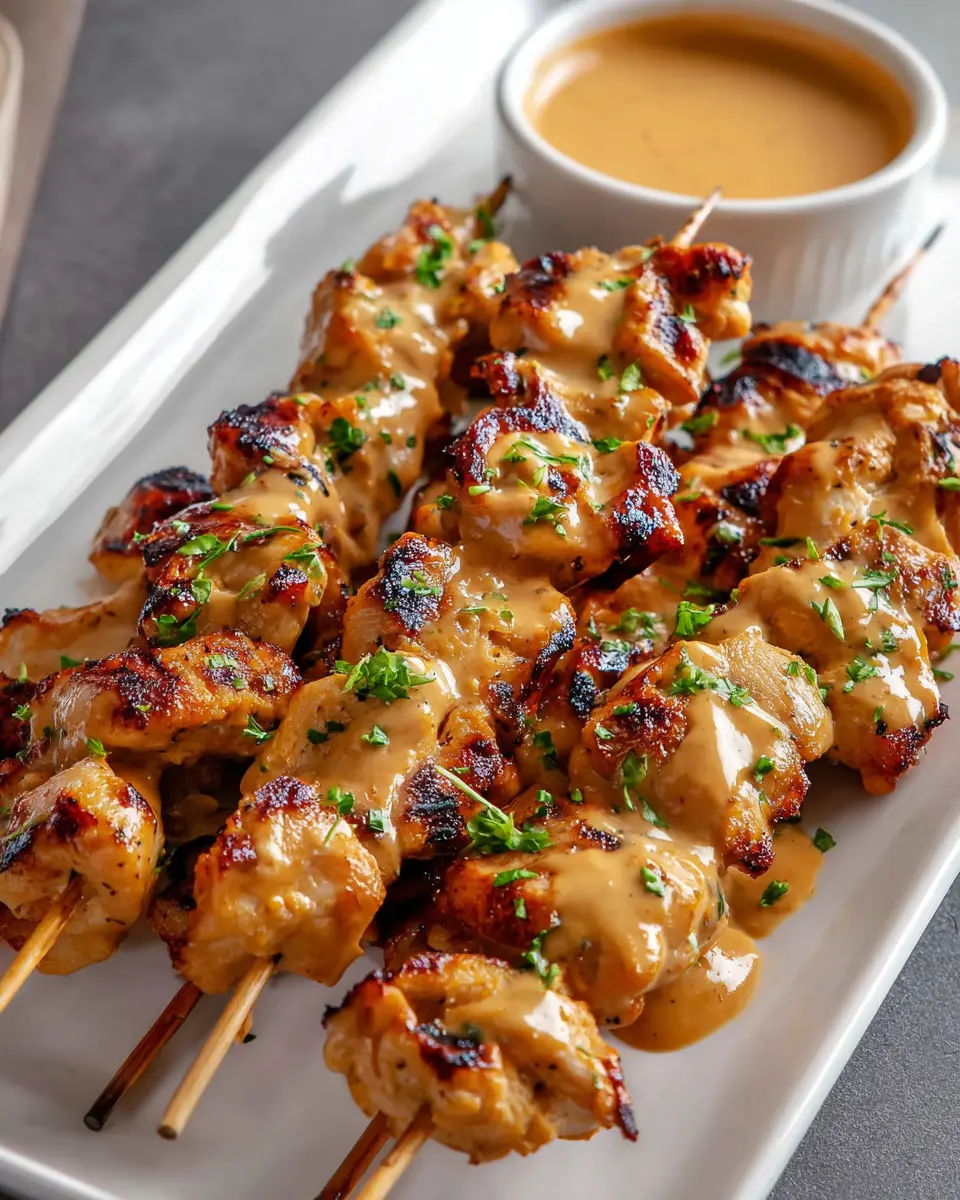
The aroma of grilled chicken, infused with the irresistible scent of roasted peanuts and a hint of lime, is enough to make anyone’s mouth water. These Chicken Skewers with Peanut Sauce offer a delightful fusion of flavors, bringing together tender marinated chicken and a creamy, savory peanut dipping sauce for a meal that’s both exotic and comforting.
This dish is a testament to how simple ingredients can transform into something truly special, perfect for a quick weeknight dinner or a casual gathering. It’s a versatile recipe that appeals to a wide range of palates, promising a satisfying experience with every bite.
Why You Will Love This Recipe
- Effortless Preparation: Marinate the chicken in a few simple steps, then thread it onto skewers for quick grilling.
- Bold Flavor Profile: The combination of savory soy, zesty lime, aromatic garlic and ginger, and rich peanut butter creates a harmonious taste sensation.
- Quick Cooking Time: Once marinated, the skewers cook up in minutes, making them ideal for busy evenings.
- Customizable Sauce: The peanut sauce can be adjusted to your preferred consistency and spice level, ensuring it’s perfect for your taste.
- Impressive Presentation: Skewers always look appealing and are easy to serve, making them a hit for both family meals and entertaining.
Ingredients You Need
The success of these chicken skewers hinges on the quality of your ingredients. Opting for fresh, vibrant components will elevate the final dish. Ensure your chicken is fresh, your peanut butter is natural and unsweetened for the best sauce flavor, and your aromatics like garlic and ginger are pungent and fragrant. Small details matter greatly in recipes like this, where each flavor plays a crucial role in the overall symphony.
Chicken Skewers with Peanut Sauce
Tender pieces of chicken are marinated in a savory citrus mixture, then grilled until lightly charred and served with a smooth, flavorful peanut sauce. This dish is quick, flavorful, and perfect for busy dinners, with juicy marinated chicken, lightly charred edges, and a creamy peanut dipping sauce.
- 1 pound chicken breast or boneless thighs, cut into bite-sized cubes
- 2 garlic cloves, finely minced
- 1 tablespoon soy sauce (for marinade)
- 1 tablespoon olive oil
- 1 teaspoon ground ginger
- 1 tablespoon lime juice (for marinade)
- 1 teaspoon honey or brown sugar (for marinade)
- 1/2 teaspoon salt
- 1/4 teaspoon black pepper
- 1 tablespoon honey (for sauce)
- 2 tablespoons soy sauce (for sauce)
- 1/4 cup peanut butter
- 1 tablespoon lime juice (for sauce)
- 1 teaspoon sesame oil
- 1 tablespoon rice vinegar
- 1/4 teaspoon crushed red pepper
- 2 to 3 tablespoons warm water
- 1In a mixing bowl, combine the soy sauce, lime juice, olive oil, garlic, ground ginger, honey, salt, and black pepper. Whisk until the marinade is fully blended.
- 2Add the diced chicken to the bowl and turn the pieces until they are evenly coated. Cover and refrigerate for 30 minutes to 1 hour so the flavor can develop.
- 3Meanwhile, prepare the peanut sauce by whisking together the peanut butter, soy sauce, lime juice, honey, rice vinegar, sesame oil, and crushed red pepper in a separate bowl.
- 4Add the warm water a little at a time, whisking continuously, until the sauce reaches the consistency you prefer for dipping or drizzling.
- 5If using wooden skewers, place them in water for about 30 minutes before cooking to help prevent scorching.
- 6Once the chicken has marinated, thread the pieces onto the skewers, spacing them slightly so they cook evenly.
- 7Preheat a grill or broiler to medium-high heat.
- 8Cook the chicken skewers for about 4 to 5 minutes per side, until the meat is fully cooked and lightly charred in spots. Watch carefully to avoid overcooking.
- 9Serve the skewers with the peanut sauce spooned over the top or presented alongside for dipping.
Keywords: Chicken Skewers, Peanut Sauce, Grilled Chicken, Marinated Chicken, Easy Dinner, Weeknight Meal, Asian-inspired
Quantities for each ingredient are detailed within the recipe card above, ensuring you have everything needed for a perfect outcome.
Variations
For those seeking a plant-based alternative, tofu makes an excellent substitute for chicken. Press extra-firm tofu thoroughly to remove excess water, then cut it into cubes and marinate it in the same savory mixture as the chicken. It absorbs the flavors beautifully and grills up with a lovely texture.
A low-carb approach can be achieved by omitting any added sugars in the marinade and sauce, relying solely on the natural sweetness of ingredients like peanut butter and perhaps a touch of erythritol or stevia if a sweeter profile is desired. Serve these skewers alongside a large, fresh salad or cauliflower rice for a satisfying low-carb meal.
Spice enthusiasts can ramp up the heat significantly by adding more crushed red pepper to the peanut sauce or even incorporating a finely minced chili pepper like a serrano or jalapeño into the chicken marinade. A drizzle of sriracha over the finished skewers can also provide an extra kick.
How to Prepare Chicken Skewers with Peanut Sauce
Step 1: Crafting the Savory Marinade
Begin by gathering all the ingredients for your chicken marinade. In a medium-sized mixing bowl, you’ll combine the liquids and aromatics that will infuse the chicken with incredible flavor. Start with the soy sauce, which provides a deep, umami base for the marinade. Next, add the fresh lime juice, offering a bright, zesty counterpoint that cuts through the richness of the soy and future peanut sauce.
Pour in the olive oil; this not only helps to distribute the flavors evenly across the chicken pieces but also aids in achieving a beautiful sear and char when the skewers are cooked. Introduce the finely minced garlic, which releases its pungent aroma and savory notes as it melds with the other ingredients. Add the ground ginger, contributing a warm, slightly peppery undertone that complements the garlic and creates a more complex flavor profile.
For a touch of sweetness that balances the salty and tangy elements, incorporate a teaspoon of honey or brown sugar. Finally, season with salt and freshly ground black pepper to enhance all the other flavors. Whisk these ingredients together vigorously until they are thoroughly combined, creating a harmonious blend that is ready to transform your chicken.
Step 2: Marinating the Chicken for Maximum Flavor
Prepare your chicken by ensuring it is cut into uniform, bite-sized cubes. This consistency in size is crucial for even cooking, preventing some pieces from drying out while others remain undercooked. You can use boneless, skinless chicken breasts for a leaner option, or opt for boneless, skinless chicken thighs if you prefer a juicier, more succulent result.
Once your chicken is prepped, add the cubes to the bowl containing the prepared marinade. Using your hands or a spoon, toss the chicken pieces thoroughly, ensuring that each cube is completely coated in the savory mixture. Every surface should be glistening with the marinade, allowing the flavors to penetrate deeply into the meat.
Cover the bowl tightly with plastic wrap or a lid. Place the covered bowl in the refrigerator. It’s ideal to let the chicken marinate for at least 30 minutes to allow the flavors to start infusing. For an even more intense flavor experience, you can marinate the chicken for up to 1 hour. Be cautious not to marinate for too long, as the acidity from the lime juice can begin to break down the chicken’s texture if left for many hours.
Step 3: Preparing the Irresistible Peanut Sauce
While the chicken is marinating, it’s the perfect time to whip up the star accompaniment: the peanut sauce. This sauce is where the dish truly shines, offering a creamy, nutty, and slightly sweet flavor that perfectly complements the savory chicken. Grab a separate mixing bowl, ensuring it’s large enough to comfortably whisk the ingredients without splashing.
Start with the base of the sauce: smooth or crunchy peanut butter. Add the soy sauce, which echoes the savory notes from the chicken marinade and adds depth. Incorporate the fresh lime juice for brightness, a tablespoon of honey or brown sugar for sweetness and balance, the rice vinegar for a clean, tangy edge, and a teaspoon of fragrant sesame oil for its distinctive nutty aroma.
If you like a touch of heat, add the ¼ teaspoon of crushed red pepper. Whisk these ingredients together vigorously. Initially, the mixture will be quite thick, almost like a paste. Keep whisking until you have a relatively smooth consistency. Gradually, start adding the warm water, one tablespoon at a time, whisking thoroughly after each addition.
The warm water helps to loosen the peanut butter and emulsify the sauce, transforming it into a smooth, dippable, or drizzle-able consistency. Continue adding water until you reach your desired thickness. Some prefer a thicker sauce for dipping, while others like it a bit thinner for drizzling over the skewers. Taste and adjust seasonings if necessary; you might want a little more lime juice for tang or a touch more sweetener.
Step 4: Skewering the Marinated Chicken
Now that your chicken has beautifully absorbed the marinade and your peanut sauce is ready, it’s time to prepare the skewers. If you are using wooden skewers, it’s essential to soak them in water for at least 30 minutes before you start skewering the chicken. This simple step prevents the wooden skewers from burning too quickly over the high heat of the grill or broiler.
Once the soaking time is complete and your chicken is ready to be cooked, begin threading the marinated chicken cubes onto the prepared skewers. Aim to place the chicken pieces somewhat loosely, leaving a small amount of space between each cube. This spacing is vital for allowing the heat to circulate evenly around all sides of the chicken pieces, ensuring they cook uniformly and develop a nice char without steaming.
If you are making a large batch, try to keep the number of chicken pieces consistent on each skewer to maintain similar cooking times across the board. Avoid overloading the skewers; this can lead to uneven cooking and make them difficult to handle and flip during the cooking process. The goal is to create manageable skewers that will cook to perfection.
Step 5: Cooking the Chicken Skewers to Perfection
Preheat your cooking surface to medium-high heat. This could be a charcoal grill, a gas grill, or your oven’s broiler. A hot cooking surface is crucial for achieving that desirable slightly charred exterior on the chicken, which adds a wonderful depth of flavor and an appealing texture. Ensure your grill grates are clean and lightly oiled to prevent the chicken from sticking.
If you’re using a broiler, position your oven rack about 4-6 inches from the heat source. Place the skewered chicken on a baking sheet lined with foil for easier cleanup. The high heat will quickly cook and brown the chicken, mimicking the effects of grilling.
Once your grill or broiler is preheated, carefully place the chicken skewers onto the hot surface. For best results, aim for approximately 4 to 5 minutes of cooking time per side. This duration allows the chicken to cook through to a safe internal temperature while still remaining tender and juicy. Resist the urge to constantly flip the skewers; let them sear and develop those lovely grill marks.
Step 6: Achieving the Perfect Char and Juiciness
After the initial 4 to 5 minutes on the first side, it’s time to turn the skewers. Use tongs to carefully lift and flip each skewer, exposing the other side to the heat. Continue cooking for another 4 to 5 minutes. The total cooking time will typically range from 8 to 10 minutes, depending on the thickness of your chicken pieces and the heat of your grill or broiler.
You’ll know the chicken is perfectly cooked when it is no longer pink in the center and the juices run clear. The exterior should have a beautiful golden-brown color with lovely, lightly charred edges, signifying that the flavors have intensified. Avoid overcooking, as this can lead to dry, tough chicken, which would detract from the overall enjoyment of the dish.
As soon as the skewers are cooked to your satisfaction, remove them from the heat. It’s a good idea to let them rest for a minute or two on a clean plate or cutting board before serving. This resting period allows the juices within the chicken to redistribute, ensuring maximum moistness and tenderness in every bite.
Step 7: Serving and Enjoying Your Culinary Creation
Your delicious Chicken Skewers with Peanut Sauce are now ready to be enjoyed! This is the moment to present your culinary creation in a way that is both appealing and practical. You have a couple of excellent options for serving the peanut sauce.
One popular method is to spoon a generous amount of the creamy peanut sauce directly over the hot, rested skewers just before they reach the table. This allows the sauce to lightly coat the chicken, infusing each bite with its rich flavor. Alternatively, you can serve the peanut sauce in a small bowl on the side, allowing each person to dip their skewers into the sauce as they please.
This latter approach is fantastic for parties or when you want to offer guests the choice to control how much sauce they use. The skewers are best served immediately while they are warm and the chicken is at its most tender. The combination of the juicy, slightly charred chicken and the decadent peanut sauce is a truly satisfying culinary experience that is sure to impress.
Pro Tips for Chicken Skewers with Peanut Sauce
Even Cutting is Key: Always aim to cut your chicken into uniformly sized cubes. This ensures that all the pieces cook at the same rate, preventing some from overcooking while others remain underdone, leading to a more consistent and enjoyable texture throughout the skewers.
Don’t Overcrowd the Skewers: When threading the chicken onto the skewers, leave a small gap between each piece. This space allows the hot air to circulate freely around the chicken, promoting even cooking and achieving those desirable charred edges without steaming the meat.
Sauce Savvy: Reserve the majority of your peanut sauce for serving rather than brushing it onto the chicken while it cooks. Peanut-based sauces contain sugars that can burn easily over high heat, leading to a bitter taste and unsightly blackened spots on your otherwise perfectly cooked chicken.
Soak Those Skewers: If you’re using wooden skewers, a good 30-minute soak in water is non-negotiable. This prevents them from catching fire or charring excessively on the grill, ensuring they remain intact and functional throughout the cooking process.
Taste and Adjust: Don’t be afraid to taste your peanut sauce and adjust the seasonings before serving. The balance of sweet, salty, sour, and spicy can be customized to your exact preference. Add a little more lime juice for tang, honey for sweetness, or chili flakes for heat.
Serving Suggestions for Chicken Skewers with Peanut Sauce
Decoration
Garnish your finished chicken skewers with a sprinkle of fresh, chopped cilantro or parsley for a vibrant pop of color and a hint of herbaceous freshness. A few toasted sesame seeds sprinkled over the top can add a delightful crunch and enhance the nutty aroma. Thinly sliced scallions, both the green and white parts, offer a mild oniony bite and a beautiful visual appeal.
Side Dishes
These skewers pair wonderfully with fluffy jasmine rice or coconut rice, which are perfect for soaking up any extra peanut sauce. For a lighter option, a crisp cucumber salad with a light vinaigrette provides a refreshing contrast to the richness of the peanut sauce. Grilled vegetables such as bell peppers, zucchini, red onions, and cherry tomatoes offer a colorful and flavorful accompaniment that complements the grilled nature of the chicken.
Creative Serving Ideas
Consider serving the skewers family-style on a large platter, allowing everyone to easily access them. For a more individual presentation, plate each skewer with a side of rice and a small portion of steamed or grilled vegetables. You could also deconstruct the skewers and serve the chicken pieces over a bed of mixed greens or in lettuce wraps for a lighter meal. For a fun appetizer, serve smaller skewers with a variety of dipping sauces.
Preparation & Storage
Storing Leftovers
Leftover chicken skewers can be stored in an airtight container in the refrigerator for up to 3 days. It’s best to store the peanut sauce separately to maintain its optimal texture; keep it in a tightly sealed container in the refrigerator for up to 4 days. Ensure both the chicken and sauce are cooled completely before refrigerating.
Freezing
While the peanut sauce is best enjoyed fresh or within a few days of refrigeration, the cooked chicken skewers can be frozen for longer storage. Allow the cooked chicken to cool completely, then wrap it tightly in plastic wrap or place it in a freezer-safe bag or container. Properly stored, the chicken can last in the freezer for up to 2 months. Freezing the peanut sauce is not generally recommended, as it can alter its smooth texture upon thawing.
Reheating
To reheat the chicken skewers, you can gently warm them in a skillet over medium-low heat, turning occasionally, until heated through. Alternatively, bake them in a preheated oven at 325°F (160°C) for about 8-10 minutes, or until warmed through. Microwaving is also an option, but use short bursts of power to avoid drying out the chicken. Reheat the peanut sauce separately, stirring well, and thin it with a splash of warm water or a little more lime juice if it has thickened.
Frequently Asked Questions
- Can I make these chicken skewers ahead of time?
Yes, you can prepare many elements of this dish in advance to make serving easier. The chicken can be marinated up to an hour before cooking. The peanut sauce can be made up to 4 days in advance and stored in the refrigerator; it will thicken as it chills, so plan to stir in a little warm water or lime juice before serving to reach your desired consistency. It’s generally best to cook the chicken skewers just before serving for optimal texture and juiciness. If you must cook them ahead, allow them to cool completely, store them in the refrigerator, and reheat them gently as described in the reheating section.
- What is the best way to ensure the chicken is juicy and not dry?
The key to juicy chicken skewers lies in a combination of factors. Firstly, using chicken thighs, which have more fat content than breasts, offers a more forgiving and inherently juicier result. If using chicken breast, ensure it’s not overcooked; the total cooking time should be between 8 to 10 minutes, and it should be removed from the heat once it reaches an internal temperature of 165°F (74°C). Marinating the chicken for at least 30 minutes helps tenderize it and adds moisture. Furthermore, allowing the skewers to rest for a couple of minutes after cooking lets the juices redistribute throughout the meat, ensuring every bite is moist and flavorful. Avoid over-manipulating the chicken during cooking; give it time to sear and cook without constant flipping.
- Can I substitute peanut butter with another nut butter?
Absolutely! While peanut butter is traditional and provides a distinct flavor, you can certainly substitute it with other nut or seed butters for variation or dietary needs. Almond butter offers a slightly sweeter and milder flavor profile, making it a good alternative. Cashew butter is even creamier and has a more neutral taste that lets other sauce ingredients shine. For a nut-free option, sunflower seed butter (sunbutter) is an excellent choice, providing a similar texture and nutty flavor without any nuts. Keep in mind that different nut butters have varying oil content and inherent sweetness, so you may need to adjust the amount of liquid or sweetener in the sauce accordingly to achieve the desired consistency and taste balance.