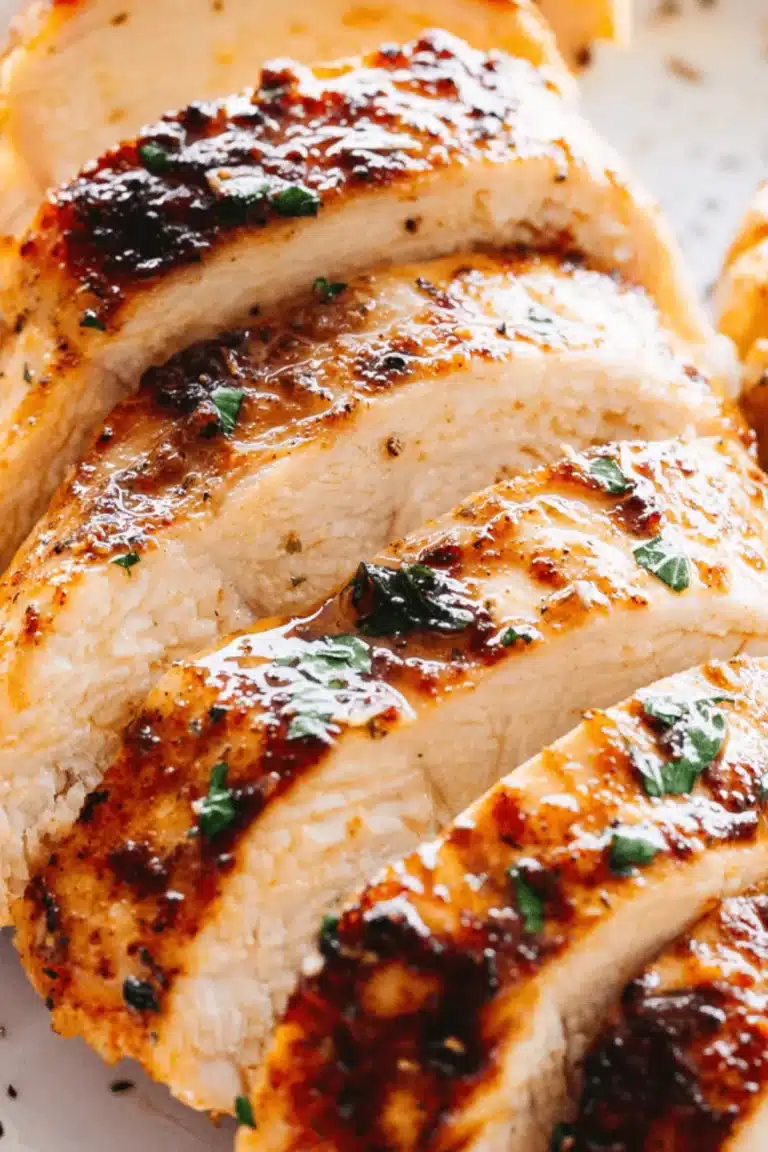
Spicy Beer Can Chicken Rub
Spicy Grilled Beer Can Chicken Rub brings bold heat, smoky-sweet paprika, and savory depth to your cookout. It is quick to mix, simple to store, and built for juicy grilled chicken with rich color and strong backyard flavor.
This is the kind of seasoning blend that makes grilled chicken taste more memorable without making your prep more complicated. You just measure, stir, and it is ready to go.
What makes this rub work so well is the balance. You get sweetness from brown sugar, warmth from cumin and coriander, punch from mustard and onion, and a steady peppery heat that lingers in the best way. It is especially useful when you want a homemade dry rub that feels bold and reliable for weekend grilling, but is also practical enough to keep on hand for future cookouts. Once mixed, it is ready whenever your chicken is.
Why You Will Love This Recipe
- Bold Flavor: A complex blend of spices delivers heat, savory notes, and a touch of sweetness that elevates any grilled chicken dish.
- Easy to Make: This rub comes together in just a few minutes with common pantry staples, making it an instant favorite for weeknight meals or weekend BBQs.
- Versatile: Perfect for beer can chicken, this rub also shines on chicken thighs, wings, breasts, or even roasted chicken.
- Customizable Heat: Easily adjust the cayenne pepper to suit your preferred level of spice, from a mild warmth to a fiery kick.
- Great for Meal Prep: Make a big batch and store it in your pantry for an instant flavor boost whenever you grill.
Ingredients You Need
The quality of your ingredients will directly impact the final flavor of this rub. Opt for fresh spices for the most vibrant aroma and taste. Using good quality paprika, especially a sweet Hungarian variety, will lend a beautiful color and subtle smoky undertone that is truly delicious.
Spicy Grilled Beer Can Chicken Rub
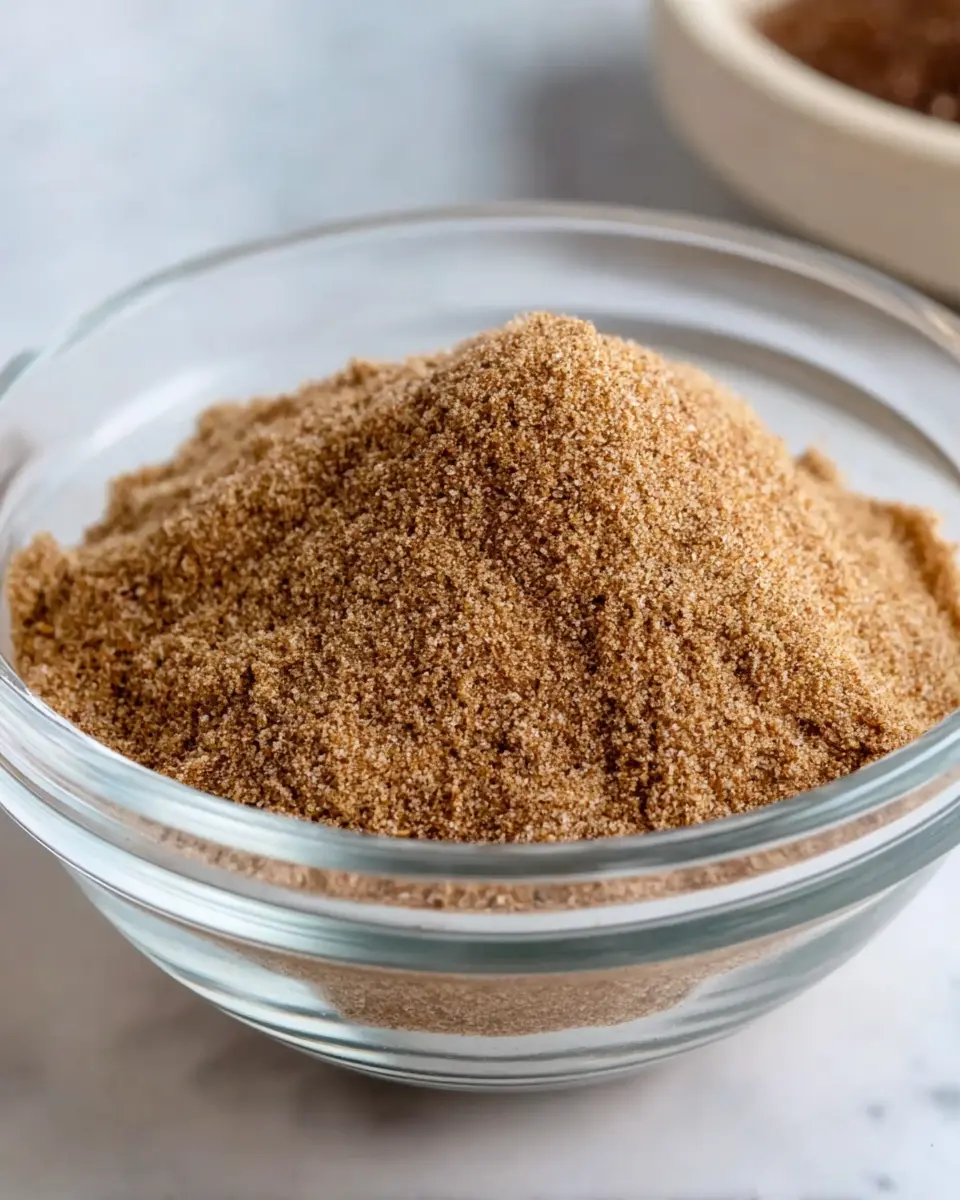
A bold, savory seasoning blend with a touch of sweetness and a pronounced peppery heat, ideal for coating beer can chicken before grilling. This rub combines warm spices, aromatic seasonings, and smoky-sweet paprika for vibrant color and robust flavor.
- 2 tablespoons packed light brown sugar
- 1 tablespoon garlic powder
- 1 tablespoon ground cumin
- 2 tablespoons dry mustard
- 1 tablespoon freshly ground black pepper
- 2 tablespoons sweet paprika
- 1 tablespoon cayenne pepper
- 2 tablespoons coarse salt
- 1 tablespoon ground coriander
- 2 tablespoons onion powder
- 1Measure and assemble all of the spices and seasonings: light brown sugar, dry mustard, onion powder, sweet paprika, coarse salt, garlic powder, coriander, cumin, black pepper, and cayenne pepper. Keeping everything prepared in advance makes the blending process more efficient.
- 2Place the measured ingredients into a medium-sized mixing bowl. Adding each item in its proper quantity helps ensure the seasoning mixture is evenly balanced.
- 3Stir the contents thoroughly with a spoon or whisk until the rub is fully combined. Continue mixing until the color and texture appear consistent and no clumps remain.
- 4Use the spice blend immediately, or spoon it into an airtight container for later use. Proper storage will help preserve its freshness, flavor, and strength.
Keywords: Spicy Grilled Beer Can Chicken Rub, Rub, Seasoning, Grilling, Chicken, Spicy, Smoky, Savory, German
- light brown sugar: adds a touch of sweetness that softens the sharper edges of the spices and helps round out the overall flavor.
- dry mustard: brings a tangy, savory bite that makes the blend taste livelier and more layered on grilled chicken.
- onion powder: adds deep, all-around savoriness and helps give the rub that classic cookout seasoning profile.
- sweet paprika: gives the blend its rich color and a mellow smoky-sweet backbone that makes the finished chicken look as good as it tastes.
- coarse salt: seasons the chicken thoroughly and helps all the other flavors stand out more clearly.
- garlic powder: adds that familiar savory depth that makes a chicken rub feel full and well balanced.
- ground coriander: brings a subtle citrusy note that brightens the spice mix without taking it in a sweet direction.
- ground cumin: adds earthy warmth and gives the rub a deeper grilled flavor.
- freshly ground black pepper: delivers a sharp, bold pepperiness that comes through clearly after grilling.
- cayenne pepper: gives the rub its heat and makes the blend feel lively, bold, and built for spicy chicken lovers.
The exact quantities for each ingredient can be found within the linked recipe card above, ensuring perfect balance for your chicken rub.
Variations
For a completely plant-based experience, consider adapting this rub for grilled vegetables or tofu. Replace the chicken with hearty chunks of cauliflower or firm tofu, ensuring they are patted dry before application. The smoky, spicy notes will caramelize beautifully on a grill, offering a delicious vegan alternative that still packs a punch of flavor, perfect for a dinner party.
If you are following a low-carb lifestyle, you can still enjoy this vibrant rub. Simply omit the brown sugar entirely or replace it with a small amount of a sugar-free sweetener like erythritol or stevia, adjusting to your taste. This modification ensures you retain all the savory and spicy elements without the added carbohydrates, making it ideal for those watching their sugar intake.
For an extra layer of complexity and a truly gourmet touch, infuse the rub with smoky elements. Add a tablespoon of smoked paprika in addition to the sweet paprika, or even incorporate a pinch of chipotle powder for a deeper, more intense smoky flavor. This variation is fantastic for those who love a robust, char-grilled taste that stands out.
How to Prepare Spicy Grilled Beer Can Chicken Rub
Step 1: Gather and Measure Your Ingredients
Before you begin mixing, it is crucial to gather all of your spices and seasonings. Lay them out on your workspace so you can easily see and access each one. Accurate measurement is key to achieving the perfect balance of flavors in this rub. A slightly off measurement can tip the scales, making one spice too dominant or another too subtle.
Take the time to ensure your spices are fresh. Older spices can lose their potency, diminishing the overall flavor of your rub. If your spices have been in the pantry for a long time, consider giving them a sniff test; a strong aroma indicates they are still good to use. This initial step of preparation sets the stage for a successful and delicious rub.
Have your measuring spoons and cups ready, along with a clean, dry mixing bowl. A medium-sized bowl is ideal, providing enough space to stir without making a mess. This methodical approach ensures that the blending process is smooth and that all components are incorporated correctly. It also makes the entire process feel less rushed and more enjoyable, contributing to the overall quality of your homemade spice blend.
Step 2: Combine All Dry Ingredients
Begin by adding the measured ingredients into the mixing bowl. Start with the foundational elements: light brown sugar, dry mustard, onion powder, sweet paprika, coarse salt, garlic powder, ground coriander, ground cumin, freshly ground black pepper, and cayenne pepper. As you add each component, visually inspect it for any small clumps that might have formed.
If you notice any small lumps of brown sugar or spices, gently break them apart with your fingers or the back of your spoon. This ensures that every ingredient is evenly distributed throughout the mixture. The goal is to have a uniform blend from the start, which will make the final mixing process much more effective and efficient. Evenly dispersed ingredients are the secret to a rub that coats the chicken perfectly.
Take care as you add the cayenne pepper; it is the primary source of heat. If you are sensitive to spice, you might want to start with a slightly smaller amount and have a little extra on hand to add later if you desire more heat. This careful addition prevents the rub from becoming overwhelmingly spicy before you have even mixed it. Precision at this stage guarantees the rub’s flavor profile will be as intended.
Step 3: Stir Until Uniform and Well-Combined
Once all of the ingredients are in the bowl, it is time to mix them thoroughly. Use a spoon or a small whisk to combine everything. Stir in a circular motion, ensuring you reach the bottom and sides of the bowl to incorporate all of the spices. Continue stirring until the color of the mixture is completely uniform.
You should no longer see distinct streaks of paprika or pockets of brown sugar. The goal is a homogeneous blend that looks like a single, cohesive spice mix. This consistency is vital for ensuring that every bite of your chicken receives the same balanced flavor. A well-mixed rub means an even distribution of sweet, savory, and spicy notes across the entire surface of the chicken.
If you are using a whisk, ensure it is small enough to maneuver easily within the bowl. A whisk can help aerate the spices slightly, leading to a lighter texture. The final appearance should be a rich, reddish-brown color, indicative of the paprika and other warm spices. This visual cue confirms that your effort in mixing has paid off, creating a truly professional-looking rub.
Step 4: Address Any Lumps and Refine Texture
After the initial mixing, it is common for the brown sugar, in particular, to cause some slight lumpiness. Examine the texture of the rub closely. If you find small clusters of sugar or spices that have not fully integrated, this is the time to refine them.
Gently press the mixture against the side of the bowl with the back of your spoon. This action helps to break down any remaining clumps and creates a smoother, more cohesive rub. Be careful not to press too hard, as this could compact the spices unnecessarily. The aim is to loosen any stuck-together bits, not to create a paste.
The ideal texture for this rub is fine enough to adhere well to the chicken skin but not so fine that it becomes dusty or cake-like. It should have a slightly granular feel from the salt and sugar, interspersed with the finely ground spices. Achieving this texture ensures the rub melts slightly into the chicken during grilling, creating a flavorful crust.
Step 5: Store or Use Immediately
You have two options once your Spicy Grilled Beer Can Chicken Rub is perfectly mixed and has a pleasing texture. You can use it immediately to season your chicken for grilling, or you can store it for future use. If you choose to store it, proper containment is essential for maintaining its freshness and flavor.
Transfer the rub to a clean, airtight container. A glass jar with a tight-fitting lid is an excellent choice, as it is non-reactive and easy to clean. Ensure the container is completely dry before adding the rub, as any residual moisture can lead to clumping or even spoilage over time. A well-sealed container will protect the rub from humidity and air exposure.
Storing your rub properly in a cool, dark pantry will ensure it remains flavorful for several months. When you are ready to use it again, give it a quick stir to redistribute any settled spices. This step is crucial, as heavier spices like cumin can settle to the bottom over time, and you want an even flavor profile in every application.
Step 6: Apply Generously to Chicken
When it is time to prepare your chicken, the first step is to ensure the skin is completely dry. Pat the chicken thoroughly with paper towels. This is a critical step because the dry surface allows the rub to adhere much better, forming a more even and robust coating. Wet skin will cause the rub to slide off or clump in places.
Once the chicken is dry, apply the rub generously. Use your hands to press the seasoning blend all over the exterior of the chicken, ensuring complete coverage. Don’t be shy with the rub; a good, thick coating is what delivers maximum flavor and creates that desirable crispy, seasoned skin when grilled. Get into all the nooks and crannies, and even under the skin if you desire deeper flavor penetration.
For beer can chicken, ensure you season the cavity of the chicken as well, especially if you are stuffing it with herbs or other aromatics. The rub adheres best when pressed on. Imagine you are painting the chicken with flavor. This meticulous application ensures every part of the bird is infused with the spicy, savory goodness of your homemade rub.
Pro Tips for Spicy Grilled Beer Can Chicken Rub
Pat it Dry: Always pat your chicken completely dry with paper towels before applying the rub. This simple step ensures the seasoning adheres uniformly and helps create a crispier skin, which is essential for the best grilled chicken texture. A dry surface is the key to a good crust.
Let it Marinate (Briefly): If time permits, let the seasoned chicken rest for 15-30 minutes at room temperature before grilling. This short period allows the salt in the rub to begin its work, breaking down proteins and drawing moisture to the surface, which results in more tender and flavorful meat.
Stir Before Use: Always give your stored rub a good stir or shake before each use. Spices, especially heavier ones like cumin and coriander, can settle over time. Stirring ensures an even distribution of all flavors in every application, so you get consistent taste every time you grill.
Adjust the Heat: This rub has a noticeable kick, but you can easily tailor it to your spice preference. For a milder version, simply reduce the amount of cayenne pepper. If you crave more heat, add a little extra cayenne or a pinch of red pepper flakes. The balance of sweetness from the brown sugar helps to temper the spice.
Beyond Beer Can Chicken: While designed for beer can chicken, this versatile rub is fantastic on virtually any cut of chicken. It works wonders on chicken wings, thighs, drumsticks, and even chicken breasts. Consider trying it on pork tenderloin or firm tofu for a delightful variation on grilled fare.
Serving Suggestions for Spicy Grilled Beer Can Chicken Rub
Decoration
For a visually stunning presentation that complements the vibrant color of the rub, garnish your platter with fresh herbs. A scattering of chopped parsley or chives adds a pop of green and a hint of freshness. A few wedges of lemon or lime on the side not only add a decorative touch but also offer a bright, zesty contrast to the rich, spicy chicken.
Side Dishes
Grilled corn on the cob is a classic pairing that harmonizes perfectly with the smoky and spicy notes of the chicken. Its natural sweetness creates a delightful contrast, making every bite a balanced experience. For a cooler, creamy counterpoint, a well-made potato salad or a creamy coleslaw is an excellent choice, helping to mellow the heat of the rub.
A crisp, refreshing green salad with a light vinaigrette provides a welcome textural and flavor contrast. The cool, fresh greens cut through the richness of the chicken beautifully. Alternatively, consider serving with baked beans, which offer a hearty, slightly sweet, and savory accompaniment that is a staple at any backyard barbecue. For a starchier option, roasted sweet potato wedges or classic oven-baked fries are always a hit.
Creative Serving Ideas
Transform leftover spicy grilled chicken into flavorful tacos or sandwiches. Shred the meat and mix it with a little of your favorite BBQ sauce or a creamy slaw for an instant meal. This rub also lends itself wonderfully to chicken salads; dice the cooked chicken and mix it with mayonnaise, celery, and a touch of your rub for an extra kick.
Consider serving the beer can chicken whole on a rustic wooden board, allowing guests to carve their own portions. This interactive approach adds a fun element to your meal. Another idea is to serve the chicken carved into generous portions alongside a selection of complementary dipping sauces like a smoky BBQ sauce, a tangy honey mustard, or a creamy ranch dressing.
For a more sophisticated presentation, serve the chicken alongside a pilaf or a risotto. The mild flavors of these grains will allow the complex spices of the rub to shine. You can also incorporate the shredded chicken into a hearty chili or a flavorful quesadilla for a delightful twist on comfort food classics, showcasing the rub’s versatility beyond simple grilling.
Preparation & Storage
Storing Leftovers
Any leftover chicken that has been seasoned with this rub should be stored promptly in the refrigerator. Use an airtight container to prevent the chicken from drying out and to keep other foods in your fridge from absorbing its aroma. It is best to store the chicken once it has cooled down to room temperature, typically within two hours of cooking.
Ensure the container is sealed tightly to maintain freshness and prevent contamination. Leftovers stored this way will typically remain good for 3 to 4 days. Properly stored chicken maintains its flavor and texture, making it suitable for repurposing into other dishes like salads or sandwiches.
If you have a large amount of leftovers, consider portioning them into smaller, individual servings. This makes reheating easier and ensures that you only warm up the amount you need, helping to preserve the quality of the remaining chicken. Proper storage is crucial for food safety and taste longevity.
Freezing
Freezing is an excellent option if you have made a larger batch of the Spicy Grilled Beer Can Chicken Rub and want to preserve it for longer. Ensure the rub is completely dry and then transfer it into a freezer-safe airtight container or a heavy-duty zip-top bag. Removing as much air as possible from the bag before sealing will help prevent freezer burn.
When stored properly in the freezer, the rub can maintain its quality and flavor for up to 6 months. It is a good idea to label the container with the date it was frozen, so you can keep track of its freshness. Freezing is a convenient way to ensure you always have this delicious seasoning blend on hand for impromptu grilling sessions.
Before using frozen rub, allow it to thaw completely at room temperature or in the refrigerator. Once thawed, stir it well to ensure all the spices are evenly distributed. While freezing is a great preservation method, be aware that the aroma might be slightly less potent immediately after thawing compared to a freshly made batch.
Reheating
Reheating cooked chicken that has been seasoned with this rub requires a gentle approach to maintain its moisture and flavor. The best methods are usually in the oven or an air fryer, as these methods allow for more even heating and can help crisp up the skin again. Avoid microwaving, as it can often result in rubbery chicken.
If using the oven, preheat it to around 325°F (160°C) and place the chicken on a baking sheet. Cover loosely with foil to prevent further drying. Reheat for about 10-20 minutes, depending on the size of the pieces, or until heated through.
For an air fryer, set the temperature to approximately 350°F (175°C) and cook for 5-10 minutes, checking frequently. This method is particularly good for reheating smaller portions or individual pieces, helping to restore some of that desirable crispiness to the exterior. The goal is to warm the chicken thoroughly without overcooking it.
Frequently Asked Questions
-
Can I make this rub ahead of time and how long does it last?
Yes, absolutely! One of the greatest advantages of this Spicy Grilled Beer Can Chicken Rub is its make-ahead potential. You can mix it days, weeks, or even months in advance. Store it in a clean, airtight container in a cool, dry pantry, away from heat and direct sunlight. For optimal flavor and aroma, it is best used within 3 to 6 months. Ensure the container is completely dry before adding the rub to prevent moisture, which can cause clumping and reduce shelf life. Give it a good stir before each use to ensure all the spices are evenly distributed.
-
How spicy is this chicken rub, and how can I adjust the heat level?
This rub offers a noticeable warmth and a satisfying kick, thanks to the cayenne pepper and black pepper. However, it is designed to be balanced, with the brown sugar and paprika providing a pleasant sweetness and smoky depth that complements the heat. If you prefer a milder spice level, you can easily reduce the amount of cayenne pepper. Start with half the amount or even omit it entirely if you are very sensitive to heat. Conversely, if you love intense heat, feel free to increase the cayenne or add a pinch of red pepper flakes for an extra layer of fiery flavor. The combination of spices ensures that even with added heat, the overall flavor profile remains complex and enjoyable, not just one-dimensional fire.
-
Should I oil the chicken before applying the rub, and can this rub be used on other meats or dishes?
Applying a light coating of oil to the chicken before the rub is an optional but recommended step, especially if the chicken skin feels particularly dry. The oil helps the rub adhere more effectively, promoting an even coating and contributing to better browning and crispiness on the grill. However, if the chicken skin is naturally moist or you are in a hurry, you can skip this step. This rub is incredibly versatile; while perfect for beer can chicken, it also works wonderfully on chicken thighs, drumsticks, wings, and even chicken breasts. Its robust flavor profile also complements other meats like pork and can be a fantastic seasoning for roasted vegetables or even to add a kick to dips and marinades.