Easy Chicken Shawarma – Make Chicken Shawarma in Your Oven!
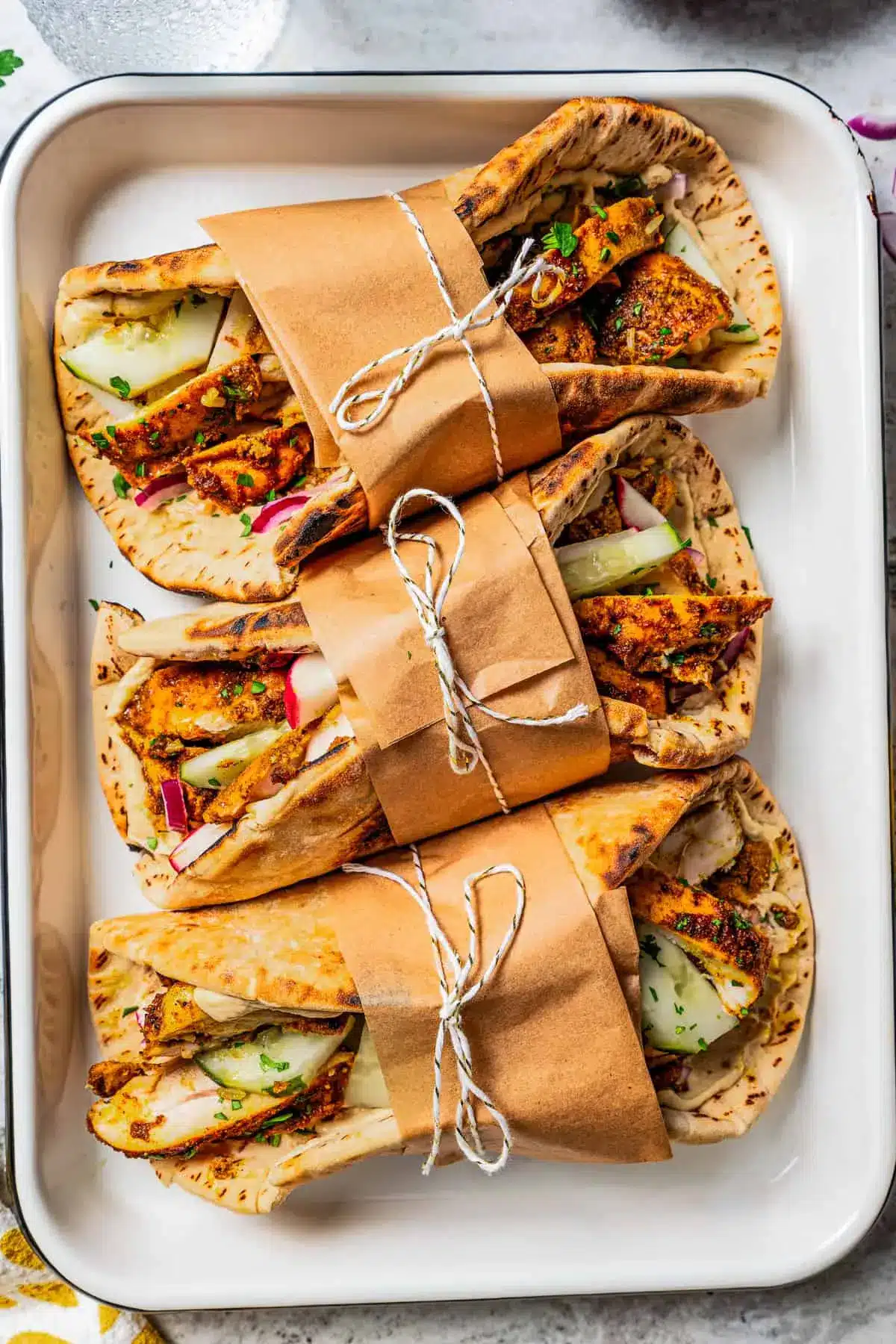
Embarking on a culinary journey to recreate the vibrant flavors of Middle Eastern street food at home is an exciting endeavor, and few dishes capture that essence quite like chicken shawarma. This recipe offers a delightful shortcut, transforming humble chicken thighs into a masterpiece of aromatic spices and tender, juicy perfection, all achievable within the comfort of your own kitchen.
Imagine the tantalizing aroma of warm spices filling your home as you prepare this dish. It’s more than just a meal; it’s an experience that transports your taste buds to bustling marketplaces and vibrant cultures, offering a delicious escape without ever needing a plane ticket. Get ready to discover your new favorite weeknight dinner.
Why You Will Love This Recipe
- Incredibly Juicy Chicken: Marinated chicken thighs, baked to perfection, ensure every bite is bursting with moisture and flavor, defying the dryness that can sometimes plague chicken dishes.
- Authentic Middle Eastern Flavors: A carefully balanced blend of classic shawarma spices delivers an aromatic and deeply satisfying taste profile that is both familiar and exciting.
- Simple Oven Preparation: Forget the complexities of a vertical spit; this recipe utilizes your oven to achieve beautifully seared and tender chicken, making it accessible for home cooks of all skill levels.
- Quick Assembly: With a straightforward marinade and baking process, you can have this flavorful chicken ready to serve in under an hour, perfect for busy evenings.
- Versatile Serving Options: Whether tucked into warm pita bread, piled high over fluffy rice, or incorporated into vibrant salads, this chicken shawarma recipe adapts beautifully to various meal preferences.
Ingredients You Need
Crafting exceptional chicken shawarma hinges on the quality of your ingredients and the harmonious blend of spices. This recipe focuses on readily available pantry staples, expertly combined to evoke the authentic taste of Middle Eastern shawarma. The key is to use fresh spices for the most vibrant aroma and flavor. Don’t shy away from the spices; they are the heart and soul of this dish, transforming simple chicken into something truly extraordinary.
Chicken Shawarma

Juicy chicken thighs are coated in an aromatic homemade marinade with lemon and spices that pack tons of Middle Eastern-style flavor. This easy homemade shawarma came out so well. All it took was a package of boneless chicken thighs and a simple homemade marinade made with olive oil, a few everyday seasonings, and a splash of lemon. I may not have a vertical spit in the house (if you do, you’re my hero), but luckily the oven does the trick in this recipe!
- 2 tablespoons lemon juice
- ¼ cup olive oil
- 2 teaspoons salt
- 1½ teaspoons garlic powder
- 1½ teaspoons onion powder
- 1 teaspoon freshly ground black pepper
- 2 tablespoons ground cumin
- 1 teaspoon smoked paprika
- 2 teaspoons ground turmeric
- ½ teaspoon ground cinnamon
- 2 pounds boneless skinless chicken thighs
- ¼ cup chopped fresh parsley
- 1Make the marinade. Whisk together the lemon juice, olive oil, salt, garlic powder, onion powder, pepper, cumin, smoked paprika, turmeric, and cinnamon.
- 2Marinate the chicken. Place the chicken in a large freezer bag and pour the marinade over it. Seal the bag and massage the marinade into the chicken. Chill in the fridge for 1 hour.
- 3Prep. While the chicken is marinating, preheat the oven to 400°F and line a baking sheet with parchment paper.
- 4Bake. Allow the chicken to sit at room temperature for 10 minutes before arranging it in a single layer on the prepared baking sheet. Bake for 25-30 minutes or until a meat thermometer inserted into the largest piece reads 165°F.
- 5Rest. Remove the chicken from the oven and let it rest for 10 minutes before slicing.
- 6Serve. Serve the chicken over rice, garnished with fresh parsley. You could also stuff it into pita pockets with hummus and veggies.
Keywords: chicken, shawarma, middle eastern, baked, marinated
The specific quantities for these delicious ingredients are detailed within the recipe card, ensuring you have everything you need for a perfect shawarma experience.
Variations
While this classic chicken shawarma recipe is a triumph, its inherent versatility allows for delightful adaptations. For those seeking a plant-based alternative, consider substituting the chicken thighs with firm tofu or cauliflower florets. Marinate these vegetables in the same aromatic spice blend, perhaps adding a touch more liquid like vegetable broth to ensure even coating. Roast or pan-fry until tender and slightly caramelized for a satisfying vegan shawarma experience.
For a low-carb approach, serve your shawarma chicken over a bed of crisp lettuce or cauliflower rice instead of traditional rice or pita. Load up on fresh vegetables like cucumber, tomato, and red onion, and opt for a creamy tahini or avocado-based sauce instead of a yogurt-based one. This allows you to enjoy the rich flavors without the carbohydrate load, making it perfect for ketogenic or low-carb lifestyles.
Another exciting variation involves incorporating different protein sources. While chicken thighs are fantastic, experimenting with thinly sliced lamb or beef marinated in a similar spice profile can yield incredibly delicious results. For a spicier kick, consider adding a finely minced jalapeño or a pinch of cayenne pepper to the marinade, transforming your shawarma into a fiery delight that awakens the palate.
How to Prepare chicken shawarma recipe
Step 1: Crafting the Aromatic Marinade
The foundation of exquisite chicken shawarma lies in its marinade, a fragrant concoction that infuses the chicken with depth and complexity. Begin by gathering all your dry spices: garlic powder, onion powder, cumin, smoked paprika, turmeric, cinnamon, salt, and freshly ground black pepper. These common pantry staples, when combined in the right proportions, create the quintessential shawarma flavor profile.
In a medium bowl, whisk together the ground spices until they are thoroughly combined and no clumps remain. This ensures an even distribution of flavor throughout the marinade. Next, add the liquid components: fresh lemon juice and good quality olive oil. The lemon juice provides a bright, zesty counterpoint to the warm spices, while the olive oil acts as a crucial carrier for these flavors, helping them penetrate the chicken.
Whisk these wet ingredients into the dry spice mixture until a smooth, paste-like consistency is achieved. The aroma at this stage should already be intoxicating, a preview of the deliciousness to come. Taste a tiny amount (if you are comfortable doing so) to adjust seasoning, perhaps adding a touch more salt or lemon juice to suit your preference. The goal is a balanced, potent blend that will transform plain chicken into a culinary star.
Step 2: Marinating the Chicken for Maximum Flavor
Once your aromatic marinade is ready, it’s time to introduce it to the chicken. For this recipe, boneless, skinless chicken thighs are the preferred choice due to their inherent tenderness and ability to stay juicy during cooking. Trim any excess fat from the chicken thighs, though a little bit of fat can add to the richness of the final dish. If the thighs are particularly large, you can cut them into more manageable, uniform pieces, about 1.5 to 2 inches in size, to ensure even cooking.
Place the prepared chicken pieces into a large, resealable plastic bag or a non-reactive bowl. Pour the entire amount of the prepared shawarma marinade over the chicken. Use your hands to gently massage the marinade into every piece of chicken, ensuring each surface is thoroughly coated. This step is critical for optimal flavor absorption; don’t be shy about getting in there and working the marinade into the nooks and crannies.
Seal the bag, pressing out as much air as possible, or cover the bowl tightly. Place the marinating chicken in the refrigerator for at least 1 hour, or ideally for 2 to 4 hours. For an even more intense flavor, you can marinate it overnight. The longer the chicken marinates, the deeper the spices will penetrate, resulting in a more profound and satisfying shawarma experience. Avoid marinating for too long (more than 24 hours) as the acidity from the lemon juice can start to break down the chicken’s texture too much.
Step 3: Preparing for the Oven Roast
As the chicken continues to absorb the vibrant flavors of the marinade, it’s time to prepare your oven and baking sheet for the roasting process. Preheat your oven to a relatively high temperature, around 400°F (200°C). This high heat is crucial for achieving that desirable slight char and caramelization on the edges of the chicken, mimicking the effect of a well-seasoned cast iron pan or a hot grill, even though we are baking.
Line a large baking sheet with parchment paper or aluminum foil. This step is highly recommended as it makes cleanup significantly easier, preventing any sticky marinade or chicken drippings from adhering to the baking sheet. Ensure the lining covers the entire surface of the sheet to catch any potential drips. If using parchment paper, make sure it’s oven-safe and positioned so it doesn’t overhang the edges and risk burning.
Before you arrange the chicken, allow it to sit at room temperature for about 10 minutes. This brief period helps to take the chill off the chicken, promoting more even cooking in the hot oven. Cold chicken straight from the refrigerator can cook unevenly, with the outside potentially overcooking before the inside is thoroughly heated. This small step ensures your shawarma emerges perfectly cooked and tender throughout.
Step 4: Roasting the Chicken to Perfection
Now, carefully arrange the marinated chicken thighs in a single layer on the prepared baking sheet. Ensure the pieces are not overcrowded, as this will allow them to roast rather than steam, promoting better searing and flavor development. Leave a little space between each piece of chicken. If your chicken pieces are quite small, you might need to use two baking sheets to avoid overcrowding.
Place the baking sheet into the preheated 400°F (200°C) oven. Bake for approximately 25 to 30 minutes. During this time, the chicken will cook through, and the edges will begin to caramelize and crisp up beautifully. The exact cooking time can vary depending on the size and thickness of your chicken pieces, as well as the efficiency of your oven. Around the 15-minute mark, you should start to notice the incredibly delicious aroma of shawarma spices wafting through your kitchen.
To ensure the chicken is perfectly cooked, use a meat thermometer. Insert the thermometer into the thickest part of a chicken thigh, avoiding any bone if you’ve used bone-in chicken (though this recipe specifies boneless). The chicken is done when it reaches an internal temperature of 165°F (74°C). If some pieces are cooked through earlier than others, you can remove them and keep them warm while the remaining pieces finish cooking.
Step 5: Resting the Cooked Chicken
Once the chicken has reached the target internal temperature of 165°F (74°C), carefully remove the baking sheet from the oven. It is absolutely crucial not to skip this resting period. Immediately slicing into the hot chicken would allow all those delicious, newly formed juices to escape, resulting in dry, less flavorful meat. Resting allows these juices to redistribute evenly throughout the chicken.
Tent the chicken loosely with aluminum foil. This helps to keep the chicken warm while it rests, and also traps a bit of steam, which aids in keeping the meat moist. Let the chicken rest for at least 10 minutes. For larger cuts or a more substantial amount of chicken, you might even extend this resting time to 15 minutes. This seemingly small step makes a significant difference in the final texture and succulence of your shawarma.
During this resting period, the meat fibers relax, and the moisture is reabsorbed. This results in chicken that is exceptionally tender, juicy, and flavorful when you finally slice into it. While the chicken rests, you can prepare your serving accompaniments, such as warming pita bread, chopping fresh vegetables, or preparing your favorite sauces. The anticipation builds as the aromas continue to meld.
Step 6: Slicing and Serving the Shawarma
After the chicken has rested, it’s time to slice it for serving. The best way to slice shawarma is against the grain. Look closely at the cooked chicken thighs; you’ll see the direction in which the muscle fibers are running. Using a sharp knife, slice the chicken against this grain into thin, bite-sized strips or pieces. This technique ensures maximum tenderness, as it shortens the muscle fibers, making them easier to chew.
If you’re serving your shawarma in pita pockets, aim for thinner slices. If you’re serving it over rice or as part of a platter, slightly thicker pieces might be more desirable. The goal is to create pieces that are easy to eat and wonderfully infused with the marinade’s flavors. The outside should have a beautiful, slightly caramelized char, while the inside remains incredibly moist and tender.
Now, your delicious homemade chicken shawarma is ready to be enjoyed! Serve it immediately while it’s warm and at its peak flavor. You can present it in a variety of ways, from stuffing it into warm pita bread with your favorite toppings to arranging it elegantly over a bed of fluffy rice, or even incorporating it into a vibrant Mediterranean salad. The possibilities are endless, allowing you to customize your meal experience.
Pro Tips for chicken shawarma recipe
- Don’t Overcrowd the Pan: Ensure chicken pieces have space on the baking sheet for optimal searing and to prevent steaming, which leads to less desirable texture.
- Use a Meat Thermometer: For perfectly cooked chicken every time, rely on a meat thermometer to confirm the internal temperature has reached 165°F (74°C).
- Fresh Spices Make a Difference: While pre-ground spices are convenient, using freshly ground or recently opened spices will significantly enhance the aroma and flavor of your shawarma.
- Resting is Key: Never skip the resting period after cooking; it’s essential for juicy and tender chicken by allowing the juices to redistribute.
- Marinate Appropriately: While longer marination yields deeper flavor, be mindful that the acidity in lemon juice can break down meat texture if left too long, typically a maximum of 24 hours is sufficient.
Serving Suggestions for chicken shawarma recipe
Decoration
To truly elevate the visual appeal of your chicken shawarma, consider a sprinkle of vibrant chopped fresh parsley. Its bright green hue offers a beautiful contrast to the rich colors of the cooked chicken. A few thin slices of red onion, added raw, can also provide a pop of color and a sharp visual accent. For an even more festive presentation, a light drizzle of a creamy white sauce, like tahini or a garlic yogurt sauce, artfully swirled over the top, adds an inviting touch.
Side Dishes
Complement your flavorful chicken shawarma with a selection of classic Middle Eastern sides. Fluffy basmati rice, perhaps seasoned with a hint of cumin or saffron, makes an excellent base. For a lighter option, consider a fresh, crisp tabbouleh salad, packed with finely chopped parsley, mint, tomatoes, and bulgur wheat, tossed in a zesty lemon vinaigrette. Roasted vegetables, such as bell peppers, zucchini, and red onions, tossed with olive oil and herbs, also pair wonderfully.
Creative Serving Ideas
Beyond the traditional pita wrap, get creative with how you serve your chicken shawarma. Consider making shawarma bowls by layering the chicken over quinoa or couscous, alongside your favorite raw or roasted vegetables and a generous dollop of hummus. Another fun idea is to create shawarma-inspired skewers by alternating pieces of marinated chicken with chunks of bell pepper and onion, grilling them to perfection. You can also use the seasoned chicken as a topping for a hearty Mediterranean salad, adding a protein boost and incredible flavor.
Preparation & Storage
Storing Leftovers
Should you be fortunate enough to have any leftover chicken shawarma, proper storage is key to maintaining its deliciousness. Ensure the chicken has cooled down completely to room temperature before storing it. Transfer the cooled chicken into an airtight container. You can also wrap it tightly in plastic wrap or aluminum foil if you don’t have a suitable container. Properly stored, leftover chicken shawarma can be safely refrigerated for up to 3 to 4 days.
Freezing
Chicken shawarma can be frozen for longer storage, although it’s best enjoyed fresh. Once the chicken has cooled completely, portion it into freezer-safe bags or airtight containers. It’s a good idea to place a piece of parchment paper between layers if freezing in a container to prevent sticking. When properly frozen, chicken shawarma can retain its quality for up to 2 to 3 months. Thaw overnight in the refrigerator before reheating.
Reheating
To reheat your delicious chicken shawarma, the oven is your best friend for preserving moisture and texture. Spread the leftover chicken in a single layer on a baking sheet and warm it in a preheated oven at around 350°F (175°C) for about 10-15 minutes, or until heated through. Avoid using the microwave if possible, as it can often lead to rubbery chicken. If you must use the microwave, heat in short bursts, stirring occasionally, to prevent overcooking.
Frequently Asked Questions
-
What is the best type of chicken to use for shawarma?
While various cuts of chicken can be used for shawarma, boneless, skinless chicken thighs are widely considered the best choice for homemade versions. Thighs are naturally more flavorful and have a higher fat content, which makes them incredibly forgiving during the cooking process. This means they are less likely to dry out, resulting in exceptionally tender and juicy shawarma. If you prefer to use chicken breasts, be extra vigilant with cooking times, as they can become dry very quickly. Adjusting the marinade time or adding a bit more olive oil can also help to retain moisture in leaner cuts.
-
Can I make the shawarma marinade ahead of time?
Absolutely! The shawarma marinade can be made a day or two in advance and stored in an airtight container in the refrigerator. This is a great time-saving tip, especially if you plan to marinate the chicken overnight. The flavors will actually meld and deepen even further when the marinade sits for a while. When you’re ready to marinate your chicken, simply give the pre-made marinade a quick stir to ensure all the spices are well-incorporated before pouring it over the chicken. This makes the actual preparation on the day of cooking much faster and less stressful.
-
What are traditional accompaniments for chicken shawarma?
Traditionally, chicken shawarma is served with a variety of delicious accompaniments that create a complete and satisfying meal experience. The most common vessel is warm, soft pita bread, which is perfect for stuffing with the flavorful chicken and other toppings. Essential toppings often include thinly sliced tomatoes, cucumbers, red onions, and pickled turnips or cucumbers for a tangy crunch. Sauces are also a must; a creamy tahini sauce or a garlicky yogurt sauce (similar to tzatziki) are classic choices that provide a cooling counterpoint to the spices. Fresh parsley and sometimes a sprinkle of sumac are often used as garnishes to add freshness and visual appeal.