Chicken Kiev – Easy and Classic Stuffed Chicken Recipe!
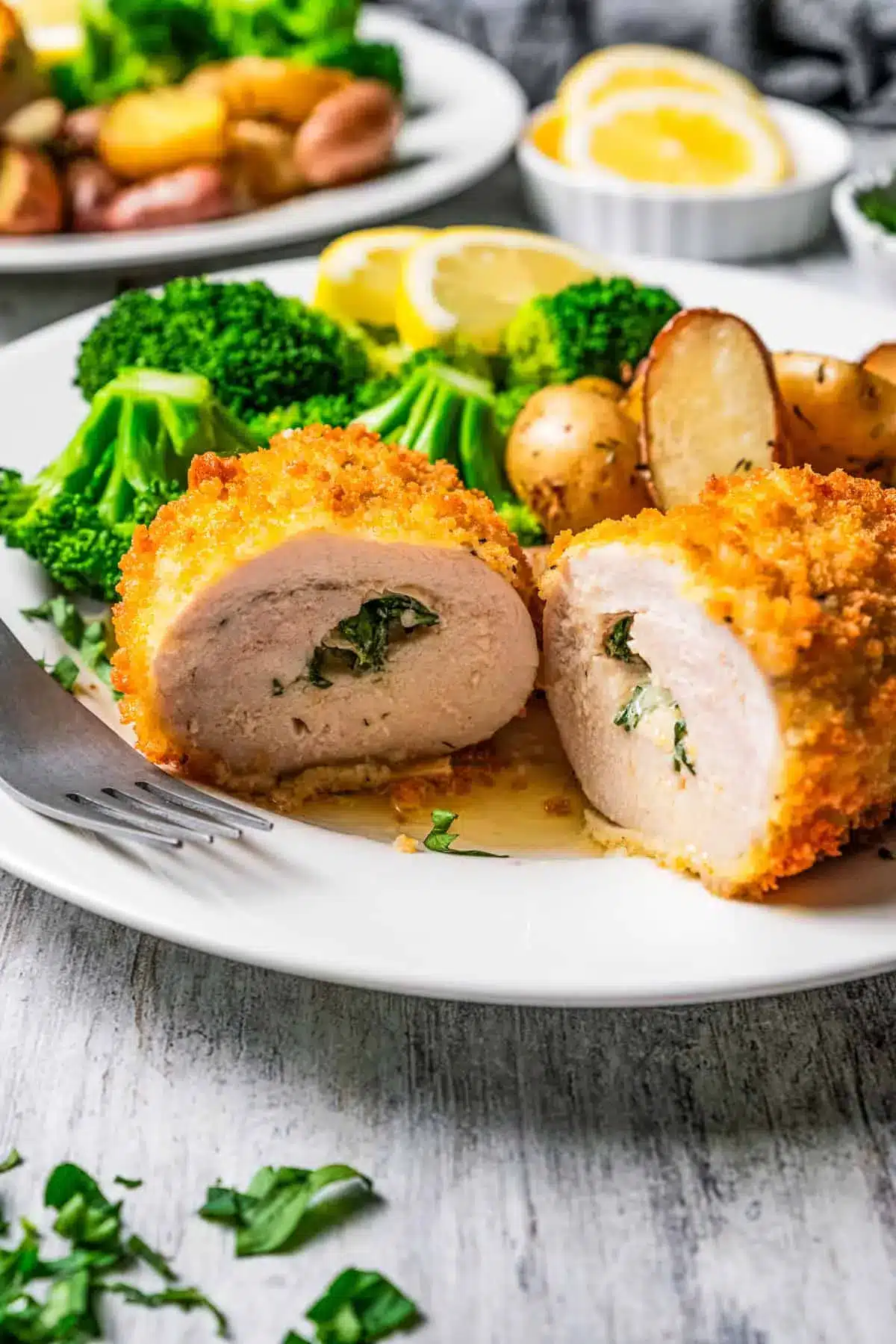
Chicken Kiev is a culinary masterpiece, a symphony of textures and flavors that will transport your taste buds to new heights. Imagine a perfectly golden, crispy exterior giving way to incredibly tender, juicy chicken, all encasing a molten core of fragrant, garlicky herb butter infused with a bright hint of lemon. This dish embodies elegance and comfort in every single bite, making it an ideal choice for both weeknight indulgence and celebratory feasts. It’s a dish that truly impresses, yet remains surprisingly approachable to prepare.
The magic of Chicken Kiev lies in its delightful contrast; the satisfying crunch of the panko breading is beautifully juxtaposed with the succulence of the chicken and the rich, aromatic butter that melts into it as it cooks. This recipe takes a classic and elevates it, ensuring a consistently delicious outcome that will have your guests begging for the recipe. Prepare to fall in love with this sophisticated yet simple chicken preparation that’s destined to become a favorite in your repertoire.
Why You Will Love This Recipe
- Exceptional Flavor Combination: The star of the show is the vibrant compound butter, a rich blend of garlic, fresh parsley, and a touch of lemon zest, which melts and infuses the chicken with incredible taste as it cooks, creating a truly memorable dining experience.
- Irresistible Textural Contrast: Experience the ultimate satisfaction with the perfectly crisp, golden-brown panko breadcrumb coating that gives way to incredibly tender and juicy chicken, offering a delightful sensory journey with every bite.
- Impressive Presentation: This dish is a feast for the eyes as well as the palate, boasting a beautifully golden exterior that promises a luscious, buttery interior, making it perfect for special occasions and elegant dinners.
- Approachable Elegance: While it appears sophisticated, this Chicken Kiev recipe is designed for home cooks, offering clear steps and straightforward techniques that make achieving restaurant-quality results achievable for everyone.
- Versatile Appeal: Chicken Kiev is wonderfully adaptable, pairing exquisitely with a wide range of side dishes, from simple roasted vegetables to creamy mashed potatoes, making it a flexible centerpiece for any meal.
Ingredients You Need
Crafting an exceptional Chicken Kiev begins with selecting the finest ingredients, ensuring that each component contributes to the overall harmony of flavors and textures. The quality of your chicken, the freshness of your herbs, and the richness of your butter all play a pivotal role in achieving that perfect, decadent result. By focusing on fresh, wholesome components, you lay the foundation for a truly remarkable culinary experience that highlights the simple elegance of this classic dish. Pay close attention to the details, and your Chicken Kiev will shine.
Chicken Kiev

Chicken Kiev is crispy crumbed chicken stuffed with lemony garlic and herb butter. It’s crunchy outside, juicy inside, and so delicious! This chicken recipe is a classic dish with loads of flavor, and it’s super simple to make. If you love the crunch of chicken Milanese and the extra flavor that comes from stuffed chicken, you’ll be head over heels for chicken Kiev!
- For the Butter:
- 6 tablespoons unsalted butter, softened
- 2 cloves garlic, minced
- 2 tablespoons chopped fresh parsley
- ¼ teaspoon lemon zest, optional
- For the Chicken:
- 4 chicken breast fillets, about 6 ounces each
- 1 cup all purpose flour
- Salt and freshly ground black pepper, to taste
- 2 large eggs, beaten
- 2 cups panko breadcrumbs
- 1Combine the butter ingredients: Add softened butter, garlic, and parsley in a bowl. Stir well until combined. If you are using lemon zest, now is the time to add it.
- 2Chill: Place the butter on a piece of plastic wrap. Roll it into a log shape and twist the ends of the plastic wrap. Refrigerate the butter until firm.
- 3Pound the chicken: Place chicken breasts between two pieces of plastic wrap (one at a time) and pound with a meat mallet to ¼-inch thickness. Season the chicken to taste with salt and pepper.
- 4Roll the chicken: Cut the butter into four equal pieces. Place one piece of butter in the center of the pounded chicken. Fold the sides of the chicken breasts over the butter and roll from the narrower side until you have a log shape. Repeat with the remaining butter and chicken breasts.
- 5Freeze: Wrap the prepared chicken with plastic wrap and freeze for 30 minutes.
- 6Prepare the breading station: Add flour in a shallow wide bowl, with a pinch of salt and pepper. Stir to combine. Whisk the eggs with a pinch of salt and pepper in a separate bowl and add the panko breadcrumbs into the third bowl.
- 7Coat the chicken: Carefully remove plastic wrap from the chicken. Coat the chicken with flour, then eggs, shaking off the excess eggs. Finally, coat the chicken with panko breadcrumbs.
- 8Fry the chicken: Heat oil in a deep fryer to 375ºF. Meanwhile, preheat the oven to 350ºF. Fry the chicken for 1-2 minutes per side or until golden.
- 9Bake the chicken: Place a wire rack on top of the baking sheet. Add the fried chicken breasts to the wire rack and bake for 15 to 20 minutes or until the inner temperature reaches 165ºF.
- 10Rest: Allow the chicken to rest for 5 minutes before serving and cutting.
Keywords: Chicken Kiev, stuffed chicken, fried chicken, baked chicken, garlic butter, herb butter, comfort food, classic recipe
- unsalted butter, softened: forming the luscious core that melts into the chicken, providing a rich and flavorful infusion.
- garlic, minced: lending its pungent aroma and savory depth to the compound butter, enhancing its overall character.
- fresh parsley, chopped: adding a bright, herbaceous note and a vibrant green hue to the butter, balancing its richness.
- lemon zest, optional: introducing a subtle citrusy brightness that cuts through the richness, adding a refreshing dimension to the butter.
- chicken breast fillets: the lean canvas for our culinary creation, providing a tender base that perfectly complements the flavorful filling.
- all purpose flour: creating the initial light coating that helps the subsequent breading layers adhere beautifully to the chicken.
- salt and freshly ground black pepper: essential seasonings to enhance the natural flavors of the chicken and butter, ensuring a well-balanced taste.
- large eggs, beaten: forming the crucial “glue” for the breading, ensuring the panko adheres perfectly for a crispy finish.
- panko breadcrumbs: providing an exceptionally light and crispy texture that is the hallmark of a perfectly executed Chicken Kiev.
The specific quantities for these delightful ingredients are readily available in the detailed recipe card, ensuring you have everything you need for success.
Variations
While the classic Chicken Kiev is a delight in itself, the beauty of this dish lies in its potential for creative adaptation. For those following a plant-based lifestyle, a delicious vegan version can be achieved by substituting the chicken with thick slices of king oyster mushrooms or firm tofu, which mimic the texture well when prepared similarly. The compound butter can be reimagined using high-quality vegan butter blended with nutritional yeast for a cheesy undertone, alongside finely chopped herbs and garlic.
To cater to a low-carb lifestyle, consider omitting the flour dredging entirely and opting for a double coating of crushed pork rinds or almond flour mixed with Parmesan cheese for the breading. This not only reduces carbohydrates but also adds an extra layer of delightful crispiness. The butter filling remains largely the same, as its richness is a key component of the dish’s allure and is inherently low in carbohydrates.
Furthermore, you can explore different flavor profiles for the compound butter itself. Imagine infusing it with sun-dried tomatoes and basil for a Mediterranean twist, or perhaps a hint of chili and lime for a spicier, more zesty experience. These variations ensure that Chicken Kiev can be enjoyed by virtually anyone, regardless of dietary preferences or culinary mood, offering endless opportunities for delightful exploration.
How to Prepare Chicken Kiev
Step 1: Crafting the Flavorful Compound Butter
The foundation of an exquisite Chicken Kiev is the compound butter, a vibrant blend that will become the heart of your dish. Begin by taking your unsalted butter and ensuring it’s softened to room temperature; this is crucial for easy mixing and uniform distribution. In a medium bowl, combine the softened butter with finely minced garlic, which provides a pungent and aromatic base, and a generous amount of freshly chopped parsley for a bright, herbaceous counterpoint.
If you choose to add a touch of citrus, now is the perfect moment to incorporate the lemon zest. Stir all these ingredients together with a spatula or a fork until they are thoroughly combined and form a cohesive mixture. The goal is a beautifully marbled butter, rich with the essence of garlic and herbs, ready to be shaped and chilled.
Once your butter mixture is ready, transfer it onto a sheet of plastic wrap or parchment paper. Shape the butter into a log, aiming for a consistent thickness that will easily fit within your chicken breasts. Tightly twist the ends of the plastic wrap to seal the butter log securely. This ensures that the butter maintains its shape and prevents it from leaking out during the cooking process. Place the wrapped butter log into the refrigerator and allow it to chill until it is completely firm, which typically takes at least 30 minutes.
Step 2: Preparing the Chicken for Stuffing
The next crucial step involves preparing the chicken breasts to receive their flavorful butter filling. Select four plump, skinless, and boneless chicken breast fillets, ensuring they are roughly the same size for even cooking. Lay one chicken breast fillet at a time between two sheets of plastic wrap or inside a large resealable plastic bag. This protective layer prevents the chicken from tearing and keeps your workspace clean.
Using the flat side of a meat mallet or a rolling pin, gently but firmly pound the chicken breast until it is uniformly about ¼-inch thick. The objective is to create a thin, even surface that will allow for easy rolling and prevent any thick, uneven spots that might hinder proper cooking. Be careful not to over-pound the chicken, which can lead to a shredded or dry texture.
Once pounded, season both sides of each chicken fillet generously with salt and freshly ground black pepper. This initial seasoning is vital for enhancing the chicken’s natural flavor and ensuring that it’s well-seasoned from the inside out. Set the pounded and seasoned chicken breasts aside while you prepare to assemble them with the butter.
Step 3: Assembling and Rolling the Chicken
With your compound butter now firm and your chicken breasts pounded thin, it’s time to bring these elements together. Carefully unwrap the chilled butter log and slice it into four equal portions, one for each chicken breast. The firmness of the butter at this stage is critical, ensuring it won’t immediately melt and spread when placed on the chicken.
Place one portion of the chilled butter in the center of each pounded chicken fillet. Now, you will begin the rolling process, which requires a bit of technique to ensure the butter is fully enclosed. Fold the longer sides of the chicken breast inwards, towards the center, to partially cover the butter. Then, starting from the narrower end of the fillet, tightly roll the chicken up around the butter, creating a compact log shape, much like you would roll a cigar or a small burrito.
Ensure that the seam of the chicken is facing downwards and that there are no gaps where the butter could potentially escape. Repeat this process with the remaining chicken breasts and butter portions, creating four neat chicken rolls. The goal is to create a secure package that will hold the melting butter inside during cooking, guaranteeing that luscious, infused flavor.
Once all four chicken rolls are assembled, wrap each one individually and tightly in plastic wrap. This further helps to maintain their shape and provides an extra layer of protection during the crucial freezing step. Place these tightly wrapped chicken rolls into the freezer and allow them to chill for at least 30 minutes. This freezing period is essential for firming up the chicken and the butter inside, making the subsequent breading process much easier and reducing the risk of leakage.
Step 4: Setting Up for the Breading Process
While your chicken rolls are chilling, it’s the perfect time to prepare your breading station. A well-organized breading station is key to achieving an even, crispy coating on your Chicken Kiev. You will need three shallow bowls or plates, each designated for a different stage of the breading process. This methodical approach ensures that each piece of chicken is coated thoroughly and consistently.
In the first shallow bowl, add your all-purpose flour. Season the flour generously with salt and freshly ground black pepper, and stir to combine. This seasoned flour will act as the initial dredge, creating a light, dry surface for the egg wash to adhere to, and it also adds a subtle layer of seasoning.
In the second shallow bowl, whisk together two large eggs with a pinch of salt and pepper. The egg wash serves as the adhesive for the breadcrumbs, ensuring they stick firmly to the chicken. Make sure the eggs are thoroughly beaten to create a smooth, consistent coating.
In the third shallow bowl, place your panko breadcrumbs. Panko breadcrumbs are highly recommended for their superior crispiness and light texture, but regular breadcrumbs can also be used if panko is unavailable. Ensure you have an ample amount of breadcrumbs to coat all four chicken rolls completely. Having everything ready before you take the chicken out of the freezer will streamline the cooking process.
Step 5: Breading the Chicken and Initial Frying
Now that your breading station is fully prepared and your chicken rolls have had sufficient time to firm up in the freezer, it’s time for the critical breading step. Carefully unwrap each chilled chicken roll, ensuring it still holds its shape. Begin by dredging each chicken roll in the seasoned flour, making sure to coat all sides evenly. Gently shake off any excess flour; a light dusting is all that’s needed.
Next, dip the floured chicken roll into the beaten egg wash, ensuring it is fully submerged and coated. Allow any excess egg wash to drip back into the bowl before proceeding to the next step. This ensures you don’t carry too much liquid into the breadcrumbs, which could make them clump.
Finally, place the egg-washed chicken roll into the bowl of panko breadcrumbs. Gently press the breadcrumbs onto the chicken, turning it to ensure it is completely covered with a thick, even layer. The goal is to create a robust crust that will fry up to a beautiful golden crisp. Repeat this entire process for all four chicken rolls, handling them with care to maintain their shape.
Once all the chicken rolls are beautifully breaded, it’s time for the initial frying stage. Heat a generous amount of neutral oil, such as vegetable or canola oil, in a deep fryer or a large, heavy-bottomed pot or Dutch oven to approximately 375ºF (190ºC). Carefully lower the breaded chicken Kievs into the hot oil, being cautious not to overcrowd the pot; fry in batches if necessary. Fry the chicken for about 1-2 minutes per side, just until it achieves a beautiful golden-brown color. This brief frying period is not intended to cook the chicken through but to set the breading and provide that initial satisfying crispiness.
Step 6: Baking to Perfection and Resting
After the initial frying, your Chicken Kiev has achieved a gorgeous golden hue, but it still needs to cook through to ensure the chicken is tender and the butter is fully melted. Preheat your oven to 350ºF (175ºC) while the chicken is frying. To ensure even cooking and prevent the bottom from becoming soggy, place a wire rack on top of a baking sheet. This elevated surface allows air to circulate around the chicken.
Carefully remove the lightly fried chicken Kievs from the hot oil using a slotted spoon or tongs, allowing any excess oil to drain off. Arrange the fried chicken breasts on the prepared wire rack on the baking sheet. Ensure there is some space between each piece to allow hot air to circulate effectively.
Place the baking sheet with the Chicken Kiev into the preheated oven. Bake for approximately 15 to 20 minutes, or until an instant-read thermometer inserted into the thickest part of the chicken registers an internal temperature of 165ºF (74ºC). This ensures the chicken is cooked through safely and tenderly.
Once cooked, remove the chicken from the oven. Before slicing and serving, it is absolutely crucial to let the Chicken Kiev rest for at least 5 minutes. This resting period allows the juices inside the chicken to redistribute, resulting in a more moist and tender final product. If you were to cut into it immediately, those delicious juices would run out onto the plate.
Pro Tips for Chicken Kiev
- Chill the Butter Thoroughly: The absolute key to preventing butter leakage is ensuring your compound butter is fully solidified in the freezer before stuffing the chicken. A partially softened butter will inevitably ooze out during the rolling and cooking process, diminishing the experience.
- Double Breading for Extra Crunch: For an even thicker and crispier coating, consider a double breading. After the initial flour, egg, and panko dip, repeat the egg and panko stages. This creates a more robust crust that holds up beautifully.
- Don’t Skip the Freezing Step: After rolling the chicken, freezing it for at least 30 minutes is non-negotiable. This firms up the chicken and butter combination, making it much easier to handle during breading and significantly reducing the chances of leakage during frying and baking.
- Use an Instant-Read Thermometer: To guarantee your chicken is cooked perfectly without being overdone, an instant-read thermometer is your best friend. Insert it into the thickest part of the chicken, avoiding the butter, and aim for an internal temperature of 165ºF (74ºC).
- Rest is Best: Just like a well-cooked steak, chicken benefits immensely from resting after cooking. Allowing the Chicken Kiev to rest for 5-10 minutes after baking lets the juices redistribute, resulting in incredibly moist and tender meat.
Serving Suggestions for Chicken Kiev
Decoration
Elevate your Chicken Kiev presentation with simple yet elegant garnishes that add a pop of color and freshness. A sprinkle of finely chopped fresh parsley or chives over the top of the golden chicken provides a vibrant contrast and a hint of herbaceous aroma. A small sprig of dill or a thin slice of lemon perched artfully on the side can also add a touch of sophistication. Consider a very light dusting of paprika for a subtle color enhancement, but be careful not to overpower the dish’s natural beauty.
Side Dishes
Chicken Kiev is a rich and flavorful dish that pairs wonderfully with a variety of side dishes designed to complement its decadence without overwhelming it. Creamy mashed potatoes are a classic choice, their smooth texture and subtle flavor providing a perfect base for the chicken and its buttery filling. For a lighter option, consider a vibrant green vegetable like steamed asparagus or tender-crisp green beans, perhaps tossed with a little lemon juice and butter. Roasted root vegetables, such as carrots and parsnips, offer a touch of sweetness and earthiness that balances the richness of the Kiev.
A fresh, crisp salad is also an excellent accompaniment. A simple mixed green salad with a light vinaigrette, or a more substantial salad like a cucumber and tomato salad, can provide a refreshing counterpoint. For a heartier meal, consider incorporating a starch like fluffy rice pilaf or crispy roasted potatoes, which are always a crowd-pleaser. The key is to select sides that offer textural and flavor contrasts while allowing the Chicken Kiev to remain the star of the meal.
Creative Serving Ideas
Beyond the traditional plating, get creative with how you serve your Chicken Kiev to impress your guests. Consider serving individual portions atop a bed of wild rice or quinoa for a sophisticated, wholesome presentation. Another idea is to slice the rested chicken Kiev diagonally before serving, showcasing the beautiful swirl of chicken and the inviting pool of melted butter that will inevitably spill out, creating a truly enticing visual. You could also present it as part of a elegant brunch spread, perhaps alongside freshly baked scones or a light frittata.
For a more interactive dining experience, consider serving deconstructed elements, where guests can assemble their own Kiev with finely chopped herbs and lemon wedges on the side. For a truly decadent twist, offer a small ramekin of extra garlic herb butter for those who wish to add more of the irresistible filling to their plate. The possibilities are endless, allowing you to tailor the presentation to any occasion or personal preference, making your Chicken Kiev a truly memorable culinary event.
Preparation & Storage
Storing Leftovers
Should you be fortunate enough to have any leftover Chicken Kiev, proper storage is key to preserving its quality for future enjoyment. Allow the cooked chicken to cool completely at room temperature before storing. Once cooled, place the leftovers in an airtight container. This prevents them from drying out and absorbing any unwanted odors from the refrigerator.
Stored correctly, Chicken Kiev will remain good to eat for up to 3 days. While the breading may lose some of its initial crispness upon refrigeration, the interior chicken and butter filling will still be delicious. It’s always best to store leftovers as soon as they have cooled to maintain optimal freshness and prevent bacterial growth.
Freezing
Chicken Kiev can also be frozen for longer storage, allowing you to enjoy this delightful dish at a later time. It is often best to freeze the chicken after the initial frying and baking stages, once it has cooled down. Wrap each individual portion tightly in plastic wrap, followed by a layer of aluminum foil or place it inside a freezer-safe bag or container.
When properly frozen, Chicken Kiev can be stored for up to 2 to 3 months. Ensure that the packaging is airtight to prevent freezer burn, which can affect the texture and flavor of the chicken. Label the container with the date of freezing so you can keep track of its freshness.
Reheating
Reheating Chicken Kiev requires a gentle approach to revive its crispy exterior and warm the interior without drying it out. The most effective method is to reheat it in the oven. Place the cooled leftovers on a wire rack set over a baking sheet to allow for air circulation. Heat the oven to 375ºF (190ºC) and bake for 15-20 minutes, or until the chicken is heated through and the breading is re-crisped.
Alternatively, you can use an air fryer for reheating. Set the air fryer to around 350ºF (175ºC) and reheat the chicken for 8-10 minutes, checking for doneness and crispness. Avoid reheating in the microwave, as this tends to make the breading soggy and the chicken rubbery. Patience during reheating is rewarded with a dish that’s almost as good as freshly made.
Frequently Asked Questions
-
How long does it take to cook Chicken Kiev?
The total preparation and cooking time for Chicken Kiev can vary depending on your method, but typically involves about 40 minutes of prep and 20 minutes of cooking. The initial steps of preparing the butter and pounding the chicken take the longest. After assembly, chilling the chicken for 30 minutes is crucial. The cooking process itself, involving a brief fry and then baking, adds another 20-25 minutes. Therefore, plan for roughly an hour from start to finish, including chilling and resting periods. Using an instant-read thermometer is the best way to ensure the chicken is perfectly cooked, reaching an internal temperature of 165ºF (74ºC).
-
What is the best way to prevent the garlic butter from leaking out of the Chicken Kiev during cooking?
Preventing butter leakage is a common concern, but with a few key techniques, you can significantly minimize this issue. First and foremost, ensure your compound butter is thoroughly chilled and firm before stuffing the chicken; this is the most critical step. After stuffing, roll the chicken tightly, ensuring all edges are tucked in to create a secure seal. Crucially, freeze the assembled chicken rolls for at least 30 minutes before breading. This freezing step firms up both the chicken and the butter, making the chicken easier to handle and coat, and it helps the butter maintain its shape within the chicken. Avoid overcooking, which can cause the butter to melt excessively and potentially escape.
-
Why is Chicken Kiev sometimes referred to as Chicken Kyiv, and what is its origin?
The name “Chicken Kiev” is the more traditional and widely recognized name in many English-speaking countries, referring to the capital city of Ukraine. However, “Chicken Kyiv” is the transliteration of the city’s name using modern Ukrainian orthography, reflecting its origin. The dish itself is believed to have originated in or near Kyiv, with a popular theory suggesting a French chef in the Russian Imperial court refined a chicken cutlet dish into the modern version we know today, possibly inspired by French culinary techniques. While its exact origins are debated, it is strongly associated with Ukrainian cuisine due to its name and popularization in the region.