Irresistible Crispy Cabbage Fritters: Delicious Snack
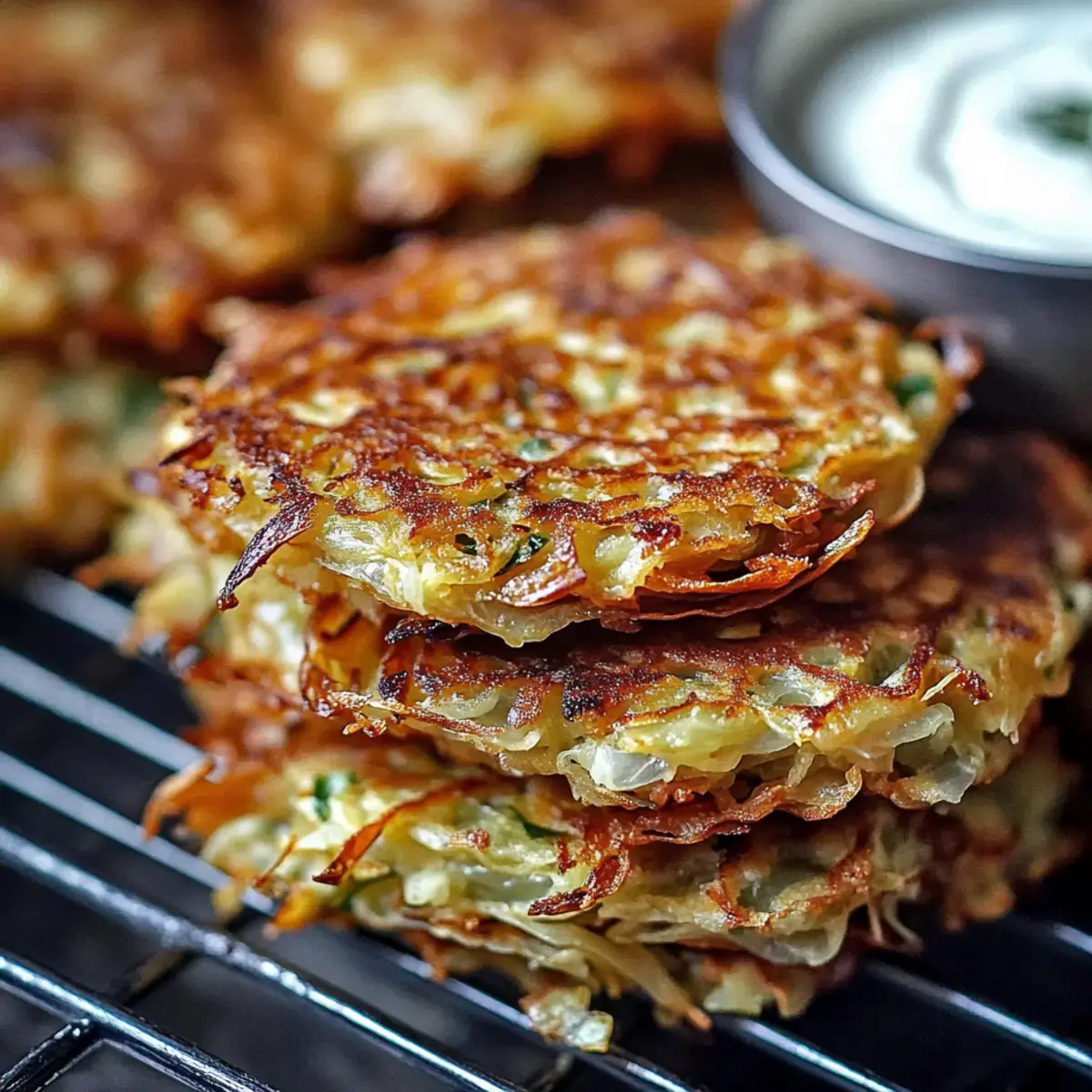
As I pan-fried my first batch of cabbage fritters, the glorious sizzle danced in the air, calling everyone to the kitchen. These Crispy Cabbage Fritters are more than just a side dish; they’re a deliciously versatile canvas for your culinary creativity.
Ready in under an hour, they make for an ideal guilt-free snack or a standout addition to any meal. With options for both pan-frying and oven-baking, preparing these flavorful gems is a breeze, whether you’re a busy parent or a kitchen novice. Not only do they pack a powerful veggie punch, but they’re also budget-friendly and gluten-free adaptable, meaning you can enjoy them without worry.
Why You Will Love This Recipe
- Crispy Texture: These fritters achieve a delightful crunch while maintaining a tender center, making every bite a joy.
- Quick & Easy: With preparation and cooking taking less than an hour, they fit perfectly into any busy schedule.
- Versatile Variations: Customize to your taste – try adding spices or incorporating different vegetables like spinach for extra nutrition.
- Healthy Snacking: Enjoy guilt-free munching that’s low-carb, vegetarian, and gluten-free adaptable, with no compromise on flavor!
- Perfect for Sharing: Serve with a yogurt dip or your favorite sauce, making them a fantastic option for gatherings or lunchboxes.
Ingredients You Need
The success of any great dish hinges on the quality of its ingredients, and cabbage fritters are no exception. Using fresh, vibrant vegetables will not only enhance the flavor but also the texture of your final product. When selecting your cabbage, opt for firm heads with crisp leaves; this ensures a pleasant crunch. Similarly, choose bright, firm carrots and fresh scallions for the best taste and visual appeal.
Crispy Fried Cabbage Fritters
Crispy Cabbage Fritters are a deliciously versatile snack that's quick to make and gluten-free adaptable. Ready in under an hour, they make for an ideal guilt-free snack or a standout addition to any meal.
- 16 ounces shredded cabbage
- 2 medium carrots, grated
- 1 handful scallions, finely sliced
- 2 large eggs
- 0.5 cup flour
- 2 cloves garlic, minced
- 0.5 teaspoon sea salt
- 0.5 teaspoon black pepper
- 1 teaspoon paprika
- 1 teaspoon coriander (optional)
- 2 tablespoons ghee or oil for frying
- 1Prepare the Ingredients: Shred the cabbage and grate the carrots. Finely slice the scallions and mince the garlic.
- 2Combine Ingredients: In a large mixing bowl, add the shredded cabbage, grated carrots, chopped scallions, and minced garlic. Crack in the eggs and add the flour, salt, pepper, paprika, and coriander (if using). Mix everything together until well combined.
- 3Heat Skillet: Preheat a non-stick skillet over medium-low heat. Add enough ghee or oil to coat the bottom.
- 4Shape and Fry Fritters: Scoop a tablespoon of the mixture, form into a ball, and flatten slightly. Place into the hot skillet and fry for 3–4 minutes per side until golden brown and crispy.
- 5Bake Option: Preheat oven to 420°F. Place fritters on a lined baking sheet and bake for 20–23 minutes, flipping halfway. Broil for 2-3 minutes for extra crispiness.
Keywords: cabbage fritters, fried cabbage, vegetable fritters, gluten-free fritters, vegetarian snack, quick recipe, easy recipe
- shredded cabbage: adds bulk and moisture; substitute with shredded zucchini for a lighter flavor.
- carrots: provide sweetness and vibrant color; grated zucchini can be an excellent alternative.
- scallions (or onion): infuse flavor depth; feel free to swap with regular onion if scallions aren’t available.
- eggs: act as a binder for the fritters; use a flaxseed egg for a vegan-friendly option (1 tbsp ground flaxseed + 3 tbsp water per egg).
- flour: supplies necessary structure; gluten-free flour or almond flour works wonderfully as substitutes.
- garlic: boosts flavor brilliantly; garlic powder serves as a convenient alternative.
- sea salt: essential for taste; adjust according to your dietary preferences.
- black pepper: adds warmth; can be omitted if you prefer a milder flavor.
- paprika: imparts a lovely smokiness; smoky paprika enhances flavor complexity.
- coriander (optional): contributes an earthy note; omit if it’s not your cup of tea.
- fat for frying (ghee or oil): ensures crispy texture; use avocado oil for a neutral taste or olive oil for a Mediterranean touch.
The precise quantities for each ingredient are detailed within the recipe card provided.
Variations
Vegan Cabbage Fritters: To transform these fritters into a delightful vegan treat, the key lies in replacing the eggs. A fantastic and easy substitute is a flaxseed egg; simply whisk together one tablespoon of ground flaxseed with three tablespoons of water and let it sit for about five minutes until it thickens into a gel-like consistency. This mixture works beautifully as a binder, just like a regular egg.
You can also enhance the vegan version with nutritional yeast, which imparts a subtle cheesy flavor without any dairy. This addition is particularly wonderful if you’re aiming for a savory snack that still satisfies a craving for something rich and flavorful. Adjusting the seasonings, perhaps with a touch more garlic powder or a pinch of smoked paprika, can also amplify the overall taste profile.
Low-Carb Cabbage Fritters: For those following a low-carbohydrate lifestyle, substituting the traditional flour is paramount. Almond flour or coconut flour are excellent choices, offering a significantly lower net carb count than all-purpose flour. When using almond flour, you might find the fritters have a slightly nuttier flavor, which pairs wonderfully with the savory vegetables.
Coconut flour is incredibly absorbent, so you may need to adjust the liquid content slightly, or use a bit less than you would with almond flour. Be sure to watch the cooking time closely, as low-carb flours can sometimes brown more quickly. The goal is to achieve that signature crispy exterior while keeping the inside tender and delicious.
Gluten-Free Cabbage Fritters: Crafting gluten-free cabbage fritters is remarkably straightforward and requires minimal adjustments. The most common and effective substitution for all-purpose flour is a good quality 1-to-1 gluten-free baking blend. These blends are designed to mimic the properties of wheat flour, ensuring your fritters maintain their structure and texture without the gluten.
Another highly successful option is using finely ground almond flour. It contributes a lovely, subtle richness and a tender crumb. Regardless of the gluten-free flour you choose, it’s always a good idea to ensure your other ingredients are also certified gluten-free, such as checking the labels on any spices or seasonings you might use to avoid cross-contamination.
Spicy Cabbage Fritters: For those who love a bit of heat, infusing your cabbage fritters with a spicy kick is a simple yet effective way to elevate their flavor. Consider adding a finely minced jalapeño or serrano pepper directly into the vegetable mixture. Ensure you remove the seeds and membranes if you prefer a milder heat, or leave them in for a more intense fiery experience.
Alternatively, a pinch of cayenne pepper or red pepper flakes stirred into the batter can provide a warm, lingering heat that complements the savory notes of the cabbage and other vegetables. Don’t be afraid to experiment with different chili powders or even a dash of hot sauce in the mix for a truly personalized spicy creation.
How to Prepare Cabbage Fritters
Step 1: Prepare the Vegetables
The foundation of delicious cabbage fritters begins with proper vegetable preparation. Start by taking a medium head of cabbage, which typically weighs around 16 ounces, and shredding it finely. A food processor with a shredding disc makes this task incredibly quick and ensures uniform pieces. If you don’t have a food processor, a sharp knife and a cutting board will work just as effectively; aim for thin, consistent shreds.
Next, take two medium-sized carrots and grate them. The sweetness and slight crunch of the carrots add another dimension to the fritters, balancing the earthy flavor of the cabbage. Grating them also ensures they cook through evenly alongside the cabbage. If you prefer a less sweet fritter or want to reduce the carb count slightly, you can certainly use shredded zucchini as a substitute for the carrots, though you might want to squeeze out some of the excess moisture from the zucchini.
Finally, prepare your aromatics. Take a small bunch of fresh scallions, about a handful, and finely slice them, including the green tops. Scallions offer a milder, more delicate onion flavor compared to regular onions, which is often ideal for fritters. If you don’t have scallions on hand, you can finely mince about half of a small regular onion instead. Also, mince two cloves of fresh garlic; this pungent addition is crucial for developing deep flavor in the fritters. The combination of these prepared vegetables forms the flavorful base of your fritters.
Step 2: Combine the Fritter Mixture
With all your vegetables prepped and ready, it’s time to bring them together in a large mixing bowl. Add the shredded cabbage, grated carrots, sliced scallions, and minced garlic to the bowl. This vibrant medley of fresh ingredients is what gives the fritters their wonderful texture and wholesome taste. Ensure the bowl is large enough to comfortably hold all the ingredients and allow for easy mixing without spillage.
Now, it’s time to introduce the binders and seasonings. Crack two large eggs directly into the bowl with the vegetables. Eggs are essential for holding the fritters together, providing the necessary structure so they don’t fall apart during cooking. Following the eggs, add half a cup of all-purpose flour. This flour acts as another binder and helps create a cohesive batter. If you are making gluten-free fritters, this is where you would incorporate your chosen gluten-free flour blend or almond flour.
Season the mixture generously with half a teaspoon of sea salt, half a teaspoon of black pepper, and one teaspoon of paprika. Paprika adds a lovely subtle smokiness and a beautiful color to the fritters. If you enjoy a hint of something extra, you can also add another teaspoon of coriander at this stage, though it’s entirely optional. Use a sturdy spatula or your hands to thoroughly mix all the ingredients. You want to ensure everything is evenly distributed and combined. The mixture might appear a bit loose or wet, but the moisture from the vegetables, combined with the eggs and flour, will create a perfect consistency for shaping into fritters.
Step 3: Heat the Cooking Fat
Achieving that perfect golden-brown crispiness on your cabbage fritters depends significantly on the cooking temperature. For pan-frying, select a good quality non-stick skillet. Place it over medium-low heat and allow it to warm up thoroughly. A medium-low heat is crucial because it allows the fritters to cook through to the center without burning on the outside, ensuring an even cook.
Once the skillet is warm, it’s time to add your cooking fat. Drizzle in about two tablespoons of ghee or your preferred cooking oil. Ghee offers a wonderful nutty flavor and a high smoke point, making it ideal for frying. Alternatively, you can use oils like avocado oil for a neutral flavor or olive oil if you desire a hint of Mediterranean taste. The amount of fat should be enough to generously coat the bottom of the skillet, creating a shallow frying environment.
You’ll know the fat is adequately heated when it begins to shimmer gently. Avoid adding the fritters to cold or insufficiently heated fat, as this will lead to greasy, soggy fritters that lack crispiness. The shimmering oil is the signal that your skillet is ready for the delicate task of frying those delicious cabbage fritters to perfection. This careful attention to heat ensures you achieve that desirable crunchy exterior.
Step 4: Shape and Fry the Fritters
Now for the most satisfying part: turning the mixture into delicious fritters! Using a tablespoon as a guide, scoop a generous portion of the vegetable and batter mixture. With clean hands, gently form this portion into a compact ball. Then, lightly flatten the ball into a small, disc-like shape, about half an inch thick. This shape promotes even cooking and ensures maximum surface area for crisping.
Carefully place each formed fritter into the preheated, shimmering oil in the skillet. Be sure not to overcrowd the pan; cook in batches if necessary to maintain an optimal cooking temperature and prevent the fritters from steaming rather than frying. Leave a little space between each fritter to allow for easy flipping and to ensure they crisp up beautifully on all sides.
Let the fritters fry undisturbed for about 3 to 4 minutes on the first side. You’re looking for a deep golden-brown color to develop and the edges to start looking crispy. Once the underside is perfectly browned and has achieved a satisfying crunch, carefully flip each fritter using a spatula. Cook the second side for an additional 3 to 4 minutes, or until it is also golden brown and crispy. Once both sides are perfectly cooked and the fritters are firm to the touch, remove them from the skillet and place them on a plate lined with paper towels to absorb any excess oil.
Step 5: Oven-Baked Option
For a lighter, healthier preparation, the oven-baked method is an excellent alternative to pan-frying. Begin by preheating your oven to a relatively high temperature, specifically 420°F (215°C). This high heat is essential for achieving a crispy exterior without the need for excessive oil.
While the oven preheats, shape the fritters just as you would for frying. Use a tablespoon to scoop the mixture, form it into a ball, and then flatten it slightly. Arrange the shaped fritters on a baking sheet that has been lined with parchment paper or a silicone baking mat. This lining prevents sticking and makes cleanup much easier. Ensure there is a small amount of space between each fritter so that the hot air can circulate effectively, promoting even crisping.
Bake the fritters for approximately 20 to 23 minutes. Halfway through the baking time, around the 10-12 minute mark, it’s crucial to flip each fritter. This flipping ensures that both sides develop a beautiful golden-brown color and achieve that desirable crisp texture. For an extra boost of crispiness, especially if you want a finish that closely mimics frying, you can switch the oven to the broiler setting for the last 2 to 3 minutes of baking. Keep a very close eye on them during this final broiling stage, as they can go from perfectly crisp to burnt very quickly.
Step 6: Finishing Touches and Serving
Once your cabbage fritters, whether pan-fried or oven-baked, have achieved that perfect golden-brown hue and delightful crispness, they are ready to be enjoyed. If you’ve fried them, transfer them directly to a plate lined with paper towels. This simple step helps to wick away any excess oil, ensuring that your fritters are perfectly crisp and not greasy. For the oven-baked version, simply remove them from the baking sheet once they have cooled slightly.
Allow the fritters to cool for just a minute or two before serving. While they are undeniably delicious served warm, they are also quite enjoyable at room temperature, making them an excellent option for packed lunches or picnics. The crucial element is serving them as soon as possible after cooking to experience their peak crispiness.
Cabbage fritters are incredibly versatile and pair well with a variety of accompaniments. Consider serving them alongside a dollop of cooling sour cream or a tangy Greek yogurt dip. A side of your favorite dipping sauce, such as a sweet chili sauce, sriracha mayo, or even a simple ketchup, can also enhance the flavor experience. They are fantastic as a standalone snack or as a delightful side dish to complement a larger meal.
Pro Tips for Cabbage Fritters
Consistency Check is Key: Don’t be alarmed if the fritter mixture appears a bit loose or wet. This is perfectly normal due to the high moisture content of the cabbage and carrots. The eggs and flour act as binders, and the cooking process itself will help the fritters hold their shape. Proper frying or baking techniques are crucial for ensuring they stay intact and develop that sought-after crispiness.
Oil Temperature Matters Greatly: For pan-fried fritters, ensure the oil is heated sufficiently before adding the mixture to the skillet. A good test is to drop a tiny bit of batter into the oil; if it sizzles immediately, the oil is ready. Maintaining the correct oil temperature is key to achieving that beautiful golden-brown crispy exterior without the fritters becoming greasy or absorbing too much oil.
Baking for a Healthier Crunch: The oven-baked version offers a fantastic alternative for those seeking a lighter option. To maximize crispiness without excess oil, consider broiling the fritters for the final few minutes of baking. This high-heat blast will give them an extra crunchy finish that rivals their fried counterparts, but always keep a very close eye on them during this stage to prevent burning.
Experiment with Spices: Feel free to get creative and customize the flavor profile of your cabbage fritters. Consider adding a pinch of smoked paprika for depth, a dash of cayenne pepper for a spicy kick, or even some dried herbs like dill or chives for a fresher taste. Experimenting with different spice blends can elevate your fritters to a whole new level of deliciousness.
Cook in Sensible Batches: When pan-frying, it’s vital to avoid overcrowding the skillet. Frying in small batches allows the oil temperature to remain consistent, which is essential for ensuring each fritter gets perfectly crispy. Overcrowding can lead to lower oil temperatures, resulting in fritters that are oily and less crisp. This small adjustment in your cooking approach makes a significant difference in the final outcome.
Serving Suggestions for Cabbage Fritters
Decoration
Garnishing your cabbage fritters can elevate their visual appeal and add subtle flavor enhancements. A sprinkle of fresh, finely chopped chives or parsley over the top just before serving provides a pop of color and a fresh, herbaceous note. For a touch of elegance, a tiny dollop of sour cream or Greek yogurt, perhaps swirled with a bit of chive or dill, can be placed artfully on each fritter. Edible flowers, if available, can also add a whimsical and beautiful touch, making your fritters a true centerpiece.
Side Dishes
Cabbage fritters are wonderfully adaptable as a side dish, complementing a wide array of main courses. They pair exceptionally well with grilled meats, fish, or poultry, offering a contrast in texture and flavor. Consider serving them alongside a hearty lentil soup or a robust stew for a comforting and satisfying meal. Their slightly savory nature also makes them a fantastic accompaniment to barbecue dishes, adding a unique vegetable component to the feast.
For a lighter meal, these fritters can be served with a fresh, vibrant salad. A crisp green salad with a zesty vinaigrette, or a colorful coleslaw, provides a refreshing balance to the fritters’ texture. They also make a delightful addition to a brunch spread, offering a savory alternative to more traditional breakfast items. Imagine them alongside scrambled eggs or a slice of smoked salmon for a delightful morning meal.
Creative Serving Ideas
Think beyond the traditional side dish! Cabbage fritters can be transformed into a delightful appetizer by serving them with a variety of dipping sauces. A spicy sriracha mayo, a creamy avocado crema, or a classic sweet chili sauce all offer different flavor profiles that complement the fritters beautifully. For a more substantial snack, consider topping a few fritters with a dollop of guacamole and a sprinkle of crumbled feta cheese for a mini-cabbage nacho experience.
Another creative idea is to incorporate them into a light lunch by serving them as part of a small plates or tapas-style meal. Alongside a cup of soup or a small sandwich, they add satisfying texture and flavor. For a fun twist on a kids’ meal, serve them with a side of apple slices and a small container of their favorite dip, making healthy eating an enjoyable adventure.
Preparation & Storage
Storing Leftovers
To ensure your leftover cabbage fritters maintain their best quality and texture, proper storage is essential. Once the fritters have cooled down completely to room temperature, transfer them into an airtight container. This prevents them from drying out and absorbing any unwanted odors from the refrigerator. If you have multiple layers of fritters, placing a sheet of parchment paper between them can help prevent them from sticking together.
When stored correctly in an airtight container in the refrigerator, leftover cabbage fritters can remain delicious for up to three days. It’s important to note that while they will still be tasty, their crispiness may diminish slightly over time, especially if they absorb moisture. For the best results, plan to consume them within this timeframe.
Freezing
For longer-term storage and to enjoy your delicious cabbage fritters at a later date, freezing is an excellent option. Start by arranging the cooled fritters in a single layer on a baking sheet. This initial freezing step, known as flash freezing, ensures that each fritter freezes individually without sticking to its neighbors, preserving their shape.
Once the fritters are firm to the touch (this usually takes about 1 to 2 hours), carefully transfer them from the baking sheet into a freezer-safe bag or an airtight container. Removing as much air as possible from the bag before sealing will help prevent freezer burn. Properly frozen cabbage fritters can retain their quality for up to two months.
Reheating
To enjoy your cabbage fritters as close to their original crispy state as possible, reheating them correctly is key. The best method for restoring their crunch is to reheat them in a skillet on the stovetop over medium heat. Place the fritters in the skillet with a small amount of oil or a spray of cooking oil and cook for a few minutes per side, until they are heated through and have regained their crispiness. This pan-frying method effectively revitalizes their texture.
Alternatively, you can reheat them in the oven for a hands-off approach. Preheat your oven to 375°F (190°C) and place the frozen or refrigerated fritters on a baking sheet. Bake for approximately 10 to 15 minutes, or until they are warmed through and have crisped up nicely. Keep an eye on them to ensure they don’t overcook or burn. This method is convenient and yields good results, especially for larger batches.
Frequently Asked Questions
-
How do I select the right cabbage for fritters?
Absolutely! When choosing cabbage, look for firm heads with vibrant green leaves. Avoid any with dark spots or wilted leaves, as these can indicate spoilage. Smaller cabbages tend to be sweeter, making them a perfect choice for fritters. The outer leaves should feel tightly packed, and the head should feel heavy for its size, indicating good moisture content and freshness.
-
How should I store leftover cabbage fritters?
For sure! Store any leftover fritters in an airtight container in the fridge for up to 3 days. To keep their crispy texture, reheat them in a skillet over medium heat for a few minutes before serving. This way, they’ll regain their delightful crunch and remain flavorful. Ensure the container is truly airtight to prevent them from becoming soggy due to moisture.
-
Can I freeze cabbage fritters? If so, how?
Yes, absolutely! To freeze your cabbage fritters, first, arrange them in a single layer on a baking sheet and freeze for about 1-2 hours until firm. Then, transfer them to a freezer-safe bag or container and store for up to 3 months. When you’re ready to enjoy them, reheat straight from the freezer in a preheated skillet or oven until hot and crispy. This method preserves their texture remarkably well.