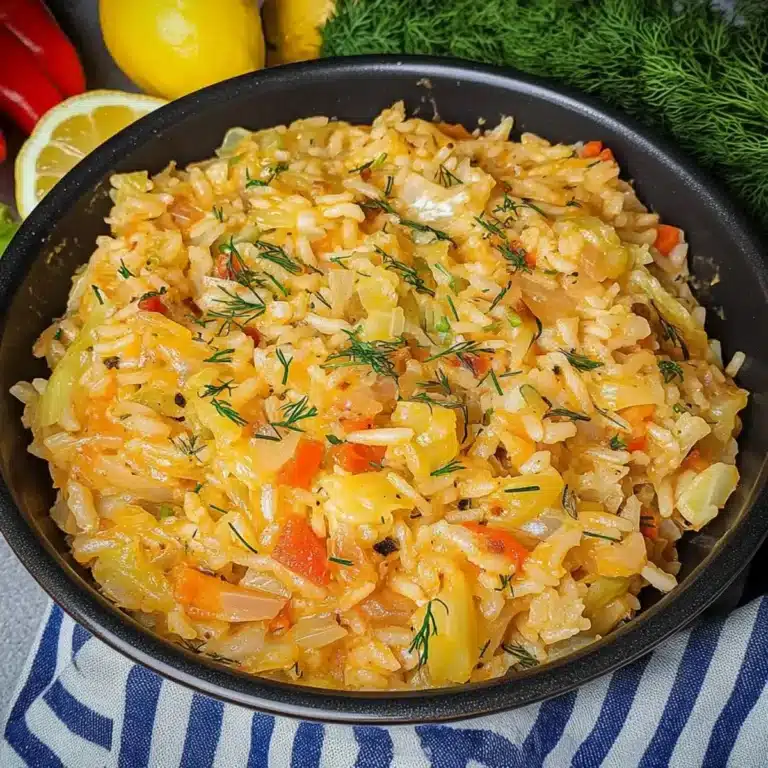
Asian Cabbage Stir Fry
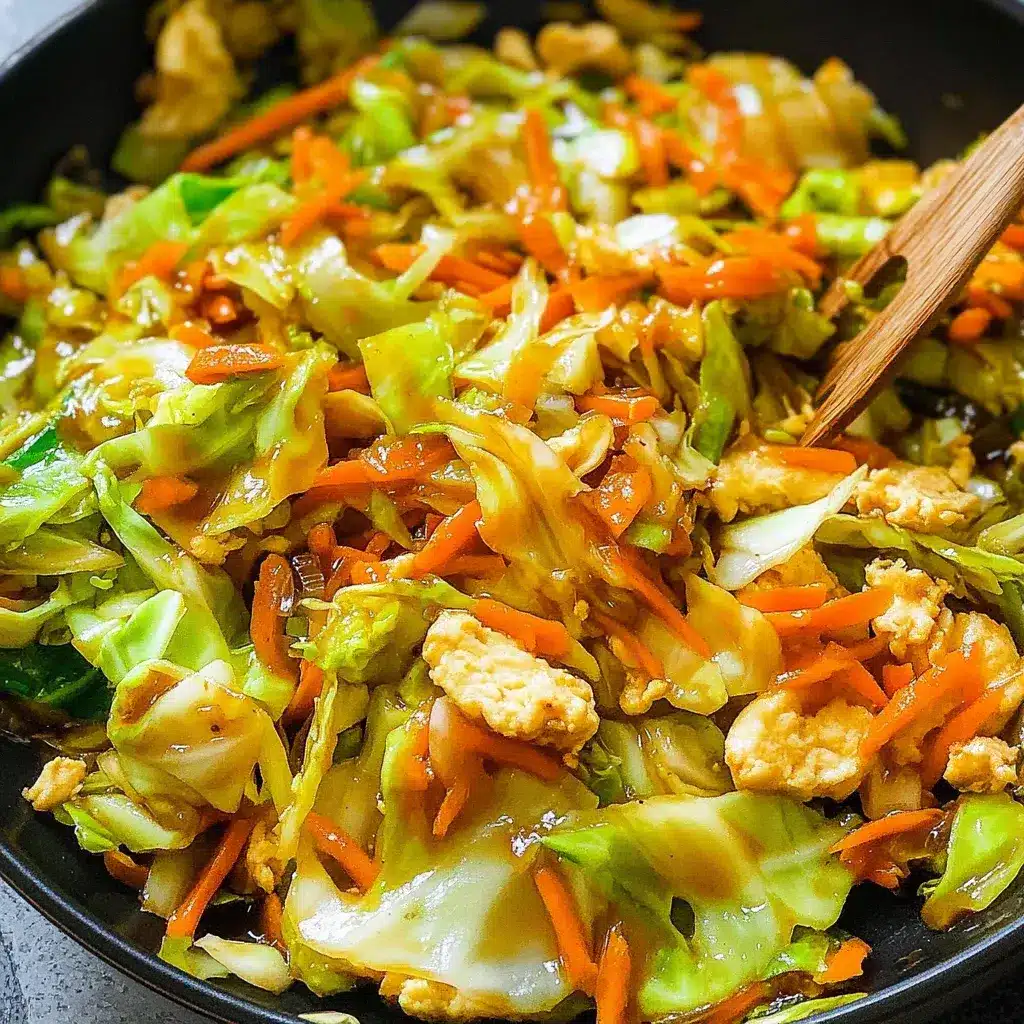
Embark on a culinary adventure with this vibrant Asian Cabbage Stir Fry, a dish that promises to tantalize your taste buds with its harmonious blend of textures and flavors. This recipe is designed for the modern cook, offering a delightful balance of fresh ingredients and a savory sauce that comes together in mere minutes. It’s the perfect solution for those seeking a wholesome and satisfying meal without spending hours in the kitchen.
Imagine a medley of crisp cabbage, tender carrots, and fluffy scrambled eggs, all coated in a deeply flavorful, yet light, sauce. This stir fry is more than just a meal; it’s an experience that brings the fresh, zesty essence of Asian cuisine right to your dining table, proving that healthy eating can indeed be incredibly delicious and accessible to everyone, even on the busiest of weeknights. The simplicity of preparation belies the complexity of its delightful taste profile.
Why You Will Love This Recipe
- Quick Preparation: This entire dish comes together in approximately 30 minutes from start to finish, making it an ideal weeknight dinner solution when time is of the essence.
- Nutritious Ingredients: Packed with fresh vegetables like cabbage and carrots, along with protein from the eggs, this stir fry offers a well-rounded and healthy meal option for all ages.
- Versatile Customization: The base recipe is wonderfully adaptable; feel free to add your favorite proteins like chicken or tofu, or incorporate other vegetables you have on hand for a truly personalized dish.
- Flavorful Yet Simple Sauce: The sauce is a masterclass in balance, featuring a thoughtful combination of soy sauces, a hint of sweetness from sugar, and the savory depth of oyster sauce, creating a memorable taste without being overly complicated.
- One-Pan Wonder: With most of the cooking happening in a single skillet, cleanup is significantly reduced, allowing you more time to relax and enjoy your delicious creation.
Ingredients You Need
The success of any stir fry hinges on the quality of its ingredients, and this Asian Cabbage Stir Fry is no exception. Utilizing fresh, crisp vegetables will ensure the best possible texture and flavor, while good quality soy sauces form the backbone of the exquisite sauce. Gathering these components will set you up for a truly delightful cooking experience, transforming simple items into a culinary masterpiece that you’ll want to make again and again.
Asian Cabbage Stir Fry
Enjoy a quick and tasty Asian Cabbage Stir Fry that's packed with flavor! Try this simple recipe today for a delicious veggie-filled meal!
- 3 medium eggs (beaten)
- 1/2 of green cabbage (about 1 pound)
- 1 medium carrot (cut into matchsticks)
- 2 tablespoons onion (diced small)
- 2 garlic cloves (minced)
- 1 tablespoon light soy sauce
- 2 teaspoon dark soy sauce
- 2 teaspoon sugar
- 4 tablespoons olive oil (divided)
- Salt to taste
- 1Heat 1 tablespoon of olive oil in a skillet over medium heat. Add beaten eggs and cook, stirring frequently, until they are scrambled and fully cooked. Transfer to a plate.
- 2In the same skillet, add another tablespoon of olive oil. Sauté onion and garlic for about 1 minute until fragrant.
- 3Add 2 more tablespoons of olive oil to the pan. Then add cabbage and carrot. Mix well to combine, cover, and cook for 3-4 minutes until vegetables begin to soften.
- 4Stir in both types of soy sauce and sugar. Mix thoroughly and cook for another 1-2 minutes until heated through.
- 5Taste the mixture and adjust salt if needed. Return the cooked eggs to the skillet and mix everything together until well combined.
Keywords: Asian, Cabbage, Stir Fry, Quick, Easy, Vegetarian, Dinner, Healthy
- green cabbage: roughly one pound of fresh green cabbage, shredded or thinly sliced for quick cooking and optimal texture.
- medium carrot: one medium-sized carrot, julienned or cut into thin matchsticks to add a sweet crunch and vibrant color.
- medium eggs: three large eggs, beaten and ready to be scrambled, providing a hearty protein element.
- diced small onion: two tablespoons of finely diced yellow or white onion to form the aromatic base of the stir fry.
- minced garlic cloves: two cloves of fresh garlic, minced to release their pungent and essential aroma.
- light soy sauce: one tablespoon of light soy sauce, contributing a salty and umami base to the sauce.
- dark soy sauce: two teaspoons of dark soy sauce, adding depth of color and a slightly richer, more complex flavor profile.
- white granulated sugar: two teaspoons of granulated sugar, balancing the saltiness of the soy sauces and enhancing the overall flavor.
- olive oil: four tablespoons of olive oil, divided for sautéing vegetables and scrambling eggs, ensuring a smooth cooking process.
- salt: a pinch of salt, to taste, though the soy sauces often provide sufficient salinity.
Please refer to the recipe card above for precise quantities of each ingredient required for this delightful dish.
Variations
To elevate your Asian Cabbage Stir Fry even further, consider exploring these delightful variations that cater to different dietary preferences and flavor profiles.
Vegan Delight: For a completely vegan iteration, simply omit the eggs and incorporate firm or extra-firm tofu, pressed and cubed, which will absorb the flavors beautifully. Ensure your oyster sauce is also vegan-friendly, as some contain shellfish derivatives; a mushroom-based sauce can be an excellent substitute. This plant-based option is just as satisfying and offers a wonderful texture.
Low-Carb Adaptation: To make this dish suitable for a low-carbohydrate lifestyle, you can exclude any added sugar or opt for a sugar substitute like erythritol or stevia. Serve the stir fry over cauliflower rice instead of traditional rice or noodles to significantly reduce the carbohydrate count while maintaining a similar comforting feel.
Spicy Kick: If you crave a bit of heat, introduce some spice by adding a teaspoon of red pepper flakes along with the aromatics, or swirl in a tablespoon of sriracha or chili garlic sauce towards the end of cooking. This provides a wonderful contrast to the savory notes and adds an extra layer of complexity that many find irresistible.
Protein Power-Up: While eggs are a great source of protein, you can easily amp this up by adding cooked chicken breast, thinly sliced beef, shrimp, or even edamame beans. Sauté these protein sources separately before adding them to the vegetable mix to ensure they are cooked perfectly and integrated seamlessly into the stir fry.
How to Prepare Asian Cabbage Stir Fry
Step 1: Scramble the Eggs
Begin by preparing the eggs, which will add a delightful fluffy texture and substantial protein to your stir fry. Heat one tablespoon of olive oil in a non-stick skillet or wok over medium heat until it shimmers gently. Pour in the beaten eggs, ensuring they spread evenly across the bottom of the pan. Allow them to set slightly before gently pushing them around with a spatula, creating fluffy curds.
Continue to cook the eggs, stirring frequently, until they are fully scrambled and no liquid egg remains. The goal is to achieve a tender, fully cooked texture that isn’t dry or rubbery. Once perfectly scrambled, carefully transfer the cooked eggs to a separate plate. This step ensures the eggs retain their ideal consistency and prevents them from becoming overcooked while the vegetables are being prepared. Keep them aside for later integration.
The key here is to cook the eggs quickly and not overdo it, as they will be returned to the pan later for a final mix. A perfectly scrambled egg in a stir fry provides a satisfying chew and a pleasant contrast to the crisp vegetables, making the dish more substantial and appealing to a wider range of palates.
Step 2: Sauté Aromatics
Now, it’s time to build the aromatic foundation of your stir fry. In the same skillet where you cooked the eggs, add another tablespoon of olive oil and heat it over medium heat. Once the oil is warm, introduce the finely diced onion and minced garlic cloves. These ingredients are crucial for developing the deep, savory flavor profile characteristic of Asian cuisine.
Sauté the onion and garlic for approximately one minute, stirring constantly. You want them to become fragrant and slightly softened, releasing their potent aromas, but be careful not to burn the garlic, as this can impart a bitter taste. The sizzling sound and captivating smell indicate that the flavors are beginning to meld beautifully, creating a delightful base for the subsequent ingredients. This quick sautéing process awakens their culinary potential.
The combination of onions and garlic provides an indispensable depth of flavor that permeates the entire dish. This fragrant duo acts as a culinary cornerstone, laying the groundwork for the vibrant vegetables and the savory sauce to come. Ensuring they are cooked just right is a small step that yields significant rewards in the final taste of your Asian Cabbage Stir Fry, making it a truly memorable meal.
Step 3: Cook Vegetables
With the aromatics fragrant and ready, it’s time to introduce the stars of the vegetable show. Add the remaining two tablespoons of olive oil to the skillet, ensuring it coats the pan nicely. Introduce the shredded green cabbage and the matchstick-cut carrots into the hot pan. These vegetables provide both a delightful crunch and a burst of freshness.
Stir the vegetables well to combine them with the sautéed aromatics and ensure they are coated in the oil. Cover the skillet with a lid and allow the vegetables to cook for about 3 to 4 minutes. This steaming process, aided by the lid, will begin to soften the cabbage and carrots while retaining a pleasant tender-crisp texture. The brief cooking time is essential to prevent them from becoming mushy.
The goal during this phase is to achieve vegetables that are tender yet still have a satisfying bite. Overcooking them would diminish their vibrant colors and vital nutrients, so keep a close eye on them. This careful cooking ensures that each bite offers a delightful textural contrast, making the stir fry more engaging and enjoyable. This balanced cooking time is paramount for an excellent stir fry experience.
Step 4: Add Sauce Ingredients
Once the vegetables have reached their desired tenderness, it’s time to infuse them with the exquisite sauce that defines this dish. Stir in the light soy sauce, dark soy sauce, and white granulated sugar directly into the skillet with the vegetables and aromatics. These components, when combined, create a harmonious blend of salty, savory, and subtly sweet notes.
Mix thoroughly, ensuring that the sauce evenly coats all the ingredients in the pan. Allow this mixture to cook for an additional 1 to 2 minutes, stirring occasionally. This brief cooking period allows the flavors to meld together and the sugar to dissolve completely, creating a glossy, appetizing sauce that clings beautifully to the vegetables. The aroma at this stage becomes truly captivating.
The precise balance of these sauce ingredients is what makes this stir fry so appealing. The light soy sauce provides the primary salty base, the dark soy sauce adds depth and color, and the sugar perfectly rounds out the flavors, preventing the sauce from being too sharp. This combination creates an irresistible umami-rich coating that elevates the entire dish from simple to sensational.
Step 5: Final Touches
The final steps are about perfecting the seasoning and bringing all the elements together for a cohesive and delicious dish. Take a small taste of the mixture, carefully assessing the flavor profile. Adjust the saltiness if needed; often, the soy sauce provides sufficient salinity, but a tiny pinch of salt can enhance the overall taste if your palate prefers a stronger savory note.
Once the seasoning is to your liking, return the previously scrambled eggs to the skillet. Gently fold them into the stir-fried vegetables and sauce, distributing them evenly throughout the pan. Ensure everything is well combined, allowing the eggs to reheat slightly and absorb some of the flavorful sauce. This step integrates all the prepared components seamlessly into one delightful dish.
The visual appeal of the colorful vegetables, glistening with sauce, and interspersed with fluffy pieces of egg is truly inviting. This final combination creates a dish that is not only visually appetizing but also packed with a wonderful medley of textures and complementary flavors, ready to be enjoyed as a satisfying and wholesome meal. The integration of the eggs adds a crucial element of heartiness.
Optional Step: Add Noodles
For those who desire a more substantial and complete meal, incorporating noodles can transform this stir fry into an even more satisfying dish. If you choose to add noodles, such as delicate glass noodles, rice noodles, or even heartier udon, prepare them separately according to package instructions while the vegetables are cooking. Ensure they are cooked until just tender, as they will continue to soften slightly when added to the hot stir fry.
Drain the cooked noodles thoroughly and add them to the skillet with the stir-fried cabbage and carrots just before adding the scrambled eggs back. Toss them gently with the vegetables and sauce to ensure they are well coated and heated through. This integration adds a delightful chewiness and makes the dish a more filling option, perfect for a main course that can satisfy even the heartiest appetites.
The noodles act as a fantastic vehicle for the flavorful sauce, absorbing its essence and adding another layer of texture. This optional step allows you to customize the meal to your liking, offering a versatile and comforting way to enjoy your Asian Cabbage Stir Fry. It’s a simple yet effective way to create a complete meal from a quick recipe.
Pro Tips for Asian Cabbage Stir Fry
- Freshness is Key: Always opt for the freshest cabbage and carrots available; their crispness will shine through, providing a delightful texture that is essential for a good stir fry.
- High Heat, Quick Cook: Stir-frying traditionally involves high heat and rapid cooking to ensure vegetables remain crisp-tender. Ensure your pan is hot before adding ingredients to achieve the best results and prevent steaming.
- Don’t Overcrowd the Pan: Cooking in batches if necessary is crucial to prevent overcrowding. An overcrowded pan will cause ingredients to steam rather than stir-fry, leading to a less desirable texture and flavor.
- Prep All Ingredients First: Mise en place, or having all your ingredients prepped and ready before you start cooking, is vital for stir-frying. This allows you to add ingredients quickly and maintain the fast-paced nature of the cooking process.
- Taste and Adjust: The beauty of stir-frying lies in its adaptability. Always taste your sauce and the final dish, adjusting seasonings like soy sauce, sugar, or even adding a touch of vinegar or chili for a more complex flavor profile.
- Serve Immediately: For the ultimate textural experience, serve your Asian Cabbage Stir Fry immediately after it’s finished cooking. This ensures the vegetables maintain their crispness and the flavors are at their most vibrant.
Serving Suggestions for Asian Cabbage Stir Fry
Decoration
To add a final flourish and visual appeal to your Asian Cabbage Stir Fry, consider a few simple decorative touches. A sprinkle of toasted sesame seeds offers a nutty crunch and a beautiful visual contrast. Freshly chopped green onions or chives, scattered over the top, provide a bright, herbaceous aroma and a pop of vibrant green color that enhances the overall presentation.
Side Dishes
This versatile stir fry pairs wonderfully with a variety of side dishes that complement its flavors and textures. Steamed rice, whether white or brown, is a classic accompaniment that soaks up the delicious sauce beautifully. For a lighter option, a refreshing cucumber salad with a sesame-ginger dressing can provide a cooling contrast to the savory stir fry. A small bowl of Miso soup also offers a warm, umami-rich counterpoint that completes the Asian-inspired meal.
Creative Serving Ideas
Get creative with how you serve your Asian Cabbage Stir Fry to impress your guests or simply to enjoy it in a new way. Consider serving it in hollowed-out bell peppers for a fun, edible bowl presentation that’s both healthy and visually striking. Another idea is to create “lettuce wraps” using large, crisp lettuce leaves, allowing individuals to assemble their own flavorful bites. You can also serve the stir fry chilled as a component of a larger salad, perhaps topped with some grilled tofu or chicken for added substance.
Preparation & Storage
Storing Leftovers
If you find yourself with delicious leftovers of your Asian Cabbage Stir Fry, proper storage is key to maintaining its quality. Allow the stir fry to cool down to room temperature before transferring it into an airtight container. This prevents condensation from forming, which can make the vegetables soggy. Properly stored, leftovers can be enjoyed for up to 3 days when kept in the refrigerator.
Freezing
While stir-fries are best enjoyed fresh, this Asian Cabbage Stir Fry can be frozen for longer storage if needed. It’s best to freeze individual portions in freezer-safe bags or containers to allow for easier thawing and reheating. Ensure you remove as much air as possible from the packaging to prevent freezer burn. Frozen stir fry will retain its quality for up to 2 months.
Reheating
Reheating your Asian Cabbage Stir Fry is a straightforward process that brings back its delightful flavors and textures. For the best results, reheat it on the stovetop in a skillet over medium heat, adding a splash of water or a touch more oil to prevent sticking and help the ingredients steam gently. Alternatively, you can reheat it in the microwave by placing it in a microwave-safe bowl and heating on high for 2-3 minutes, stirring halfway through. Oven reheating is also an option; spread the stir fry on a baking sheet and heat at 350°F (175°C) for about 10-15 minutes until thoroughly warmed.
Frequently Asked Questions
-
Can I add other vegetables to this Asian Cabbage Stir Fry?
Absolutely! This recipe is incredibly versatile and welcomes a wide array of other vegetables. Consider adding crisp-tender options like broccoli florets, snow peas, bell peppers (sliced thinly), bok choy, or even some sliced mushrooms for added depth and flavor. For a touch of sweetness, corn kernels or edamame beans are also excellent additions. Just ensure you adjust cooking times according to the vegetable’s density to maintain that perfect tender-crisp texture.
-
What kind of protein can I incorporate into this stir fry?
This stir fry is a fantastic base for many types of protein. You can add pre-cooked chicken breast, thinly sliced beef sirloin, or shrimp that are sautéed separately before being added to the vegetables. For a vegetarian or vegan option, firm or extra-firm tofu, pressed and cubed, is an excellent choice; it absorbs the sauce beautifully. Tempeh or even pre-cooked edamame beans can also provide a satisfying protein boost, making the meal more substantial and balanced.
-
How can I make this stir fry spicier?
Adding a kick of heat to your Asian Cabbage Stir Fry is simple and can be done in a few ways. For a direct spicy infusion, add a teaspoon or two of red pepper flakes along with the garlic and onions in Step 2, allowing them to toast and release their heat. Alternatively, you can stir in a tablespoon of sriracha, chili garlic sauce, or your favorite hot sauce towards the end of the cooking process in Step 4 or 5. This allows you to control the heat level precisely and add a delightful warmth that complements the savory sauce wonderfully.