
Sunday Slow Cooker Beef Ragu Recipe: Ultimate Comfort Food
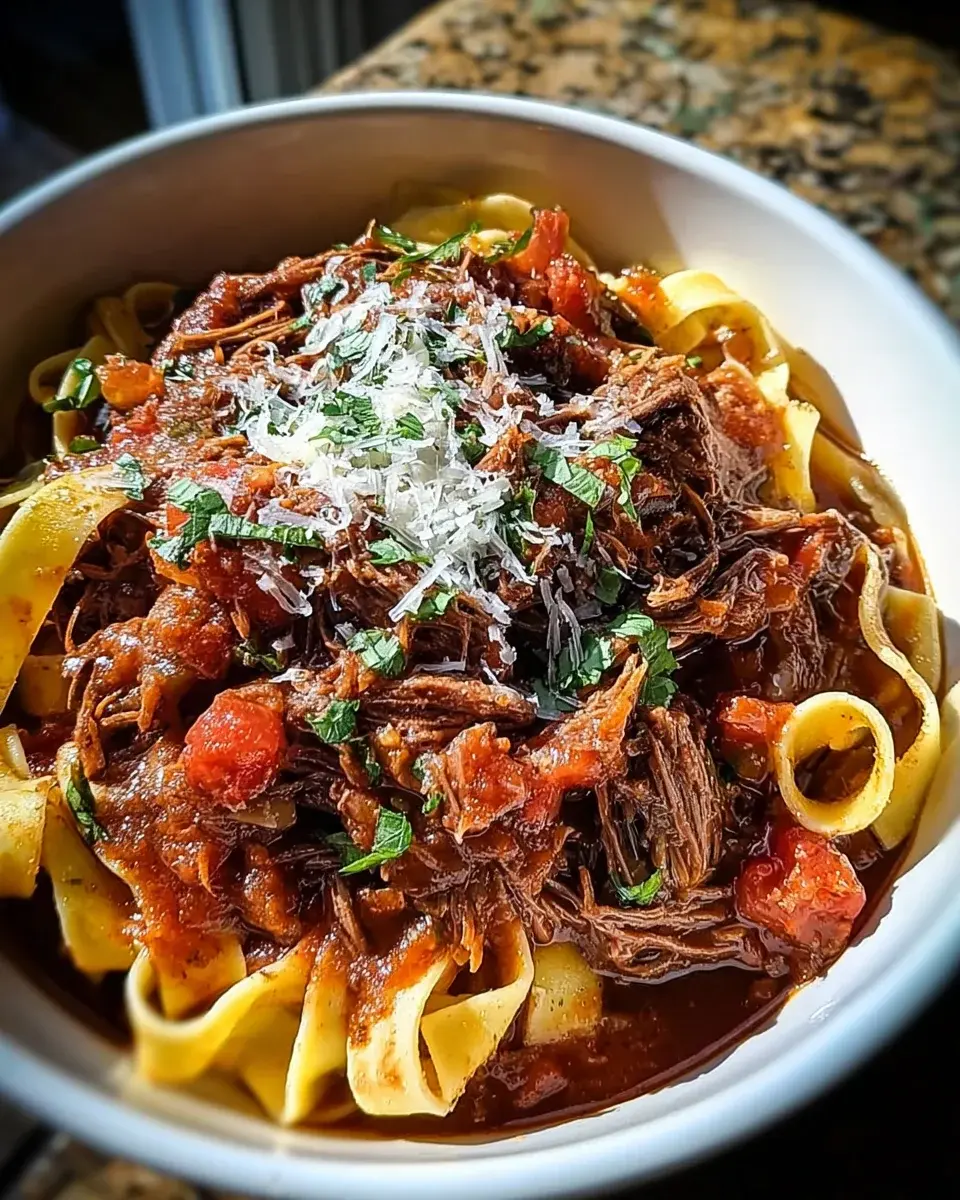
Sunday Slow Cooker Beef Ragu Recipe is the ultimate comfort food that brings warmth and joy to any gathering. This hearty dish is perfect for family dinners, special occasions, or simply a cozy weekend meal.
The slow cooker ensures that the beef becomes incredibly tender while the rich flavors meld beautifully over time. You’ll love how easy it is to prepare and how satisfying it feels to serve this delicious ragu over your favorite pasta.
Why You Will Love This Recipe
- Effortless Preparation: Simply toss all ingredients into your slow cooker and let it work its magic while you enjoy your day.
- Deep, Rich Flavor: The combination of seared beef, fresh vegetables, and aromatic herbs creates a robust sauce that’s bursting with flavor.
- Versatile Serving Options: Enjoy this ragu with various pasta types like pappardelle, tagliatelle, or even polenta for a different twist.
- Perfect for Meal Prep: Make a big batch and have leftovers for quick meals throughout the week.
- Family-Friendly Dish: This recipe is sure to please everyone at the dinner table, from kids to adults.
Ingredients You Need
To make the Sunday Slow Cooker Beef Ragu Recipe successfully, having the right tools and high-quality ingredients on hand makes all the difference. The foundation of this ragu lies in the quality of the beef, the freshness of the vegetables, and the richness of the tomatoes and broth, all of which contribute to its deeply satisfying flavor profile.
Sunday Slow Cooker Beef Ragu
Indulge in the ultimate comfort food with our Sunday Slow Cooker Beef Ragu Recipe. This hearty dish features tender beef simmered to perfection in a rich tomato sauce infused with aromatic herbs and fresh vegetables.
- 2.5 – 3 lbs boneless beef chuck roast, trimmed of excess fat and cut into 2-inch cubes
- 2 tablespoons olive oil
- 1 large yellow onion, finely chopped (about 1.5 cups)
- 2 large carrots, peeled and finely chopped (about 1 cup)
- 2 celery stalks, finely chopped (about 1 cup)
- 4-6 cloves garlic, minced
- 1/4 cup tomato paste
- 1 cup dry red wine (such as Merlot, Cabernet Sauvignon, or Chianti)
- 1 (28-ounce) can crushed San Marzano tomatoes
- 1 (14.5-ounce) can diced tomatoes, undrained
- 1 cup beef broth (low sodium preferred)
- 2 bay leaves
- 1 teaspoon dried oregano
- 1 teaspoon dried thyme
- 1/2 teaspoon dried rosemary, crushed (or 1 sprig fresh rosemary)
- 1 teaspoon kosher salt (or to taste)
- 1/2 teaspoon black pepper (or to taste)
- Optional: Pinch of red pepper flakes for a hint of spice
- For Serving: Cooked pasta (pappardelle, tagliatelle, or rigatoni), Fresh Parmesan cheese (grated or shaved), Fresh basil or parsley (chopped)
- 1Pat the beef chuck cubes dry with paper towels. Season generously with about 1/2 teaspoon of kosher salt and 1/4 teaspoon of black pepper.
- 2Heat olive oil in a large skillet over medium-high heat. Add half of the beef cubes in a single layer. Sear until deeply browned on all sides (about 2-3 minutes per side). Remove from skillet and set aside. Repeat with remaining beef.
- 3Reduce heat to medium. Add chopped onions, carrots, and celery to the skillet. If necessary, add another teaspoon of olive oil. Sauté for 8-10 minutes until softened; add minced garlic and optional red pepper flakes. Cook until fragrant (about 1-2 minutes).
- 4Stir in tomato paste and cook for 2-3 minutes while stirring constantly.
- 5Pour in red wine to deglaze the pan. Scrape up any browned bits from the bottom with a wooden spoon. Let simmer until reduced by half (about 3-5 minutes).
- 6Transfer sautéed vegetables to your slow cooker. Add seared beef cubes on top.
- 7Pour crushed tomatoes, diced tomatoes (with juice), and beef broth over everything. Add bay leaves, dried oregano, dried thyme, and dried rosemary. Stir gently.
- 8Cover slow cooker; cook on LOW for 6-8 hours or HIGH for 3-4 hours until beef is tender.
- 9Carefully remove cooked beef from slow cooker; place on a cutting board. Shred using two forks; discard any large pieces of fat.
- 10Return shredded beef to slow cooker; stir into sauce. Taste and adjust seasonings as needed.
- 11Turn off slow cooker; let ragu rest covered for at least 15-30 minutes before serving.
- 12Serve hot ragu over cooked pasta; garnish with freshly grated Parmesan cheese and chopped basil or parsley.
Keywords: beef ragu, slow cooker, comfort food, pasta sauce, Italian-American, weekend meal, family dinner
- boneless beef chuck roast: 2.5 – 3 lbs, trimmed of excess fat and cut into 2-inch cubes
- olive oil: 2 tablespoons
- large yellow onion: 1, finely chopped (about 1.5 cups)
- large carrots: 2, peeled and finely chopped (about 1 cup)
- celery stalks: 2, finely chopped (about 1 cup)
- cloves garlic: 4-6, minced
- tomato paste: 1/4 cup
- dry red wine: 1 cup (such as Merlot, Cabernet Sauvignon, or Chianti)
- crushed San Marzano tomatoes: 1 (28-ounce) can
- diced tomatoes: 1 (14.5-ounce) can, undrained
- beef broth: 1 cup (low sodium preferred)
- bay leaves: 2
- dried oregano: 1 teaspoon
- dried thyme: 1 teaspoon
- dried rosemary: 1/2 teaspoon, crushed (or 1 sprig fresh rosemary)
- kosher salt: 1 teaspoon (or to taste)
- black pepper: 1/2 teaspoon (or to taste)
- red pepper flakes: Pinch (optional, for a hint of spice)
The exact quantities for these ingredients are detailed within the recipe card provided above, ensuring you have all the necessary measurements for a perfect ragu.
Variations
Elevate your classic Sunday Slow Cooker Beef Ragu with some exciting twists to cater to different tastes and dietary needs.
For a vegan rendition, you can replace the beef with hearty lentils and a mix of robust mushrooms like cremini and shiitake. Sautéing finely chopped walnuts can also add a meaty texture and richness. Ensure you use vegetable broth instead of beef broth, and consider adding a splash of balsamic vinegar at the end for an extra depth of flavor that mimics the umami of slow-cooked meat.
If you’re aiming for a lower carbohydrate option, serve this flavorful ragu over a bed of creamy polenta made from cauliflower or a zucchini noodle base. The rich, savory sauce will cling beautifully to these alternatives, providing a satisfying meal without the extra carbs. You can also reduce the amount of tomatoes slightly if carb count is a major concern.
Another delightful variation involves adding smoky elements; try incorporating a smoked paprika or a chipotle pepper in adobo sauce for a subtle, sophisticated heat. A tablespoon of dark chocolate or cocoa powder, stirred in during the last hour of cooking, can also add an unexpected richness and complexity to the sauce, giving it a luxurious mouthfeel.
How to Prepare Sunday Slow Cooker Beef Ragu Recipe
Step 1: Prepare the Beef
Begin by patting the beef chuck cubes thoroughly dry with paper towels. This crucial step ensures a better sear, leading to a deeper, more developed flavor in your final ragu. Season the dried beef cubes generously on all sides with about half a teaspoon of kosher salt and a quarter teaspoon of black pepper, creating a flavorful crust.
The Maillard reaction, which occurs when meat is seared, is responsible for creating those delicious brown bits that contribute immensely to the ragu’s complex taste. Properly drying the meat maximizes this browning effect, setting a strong flavor foundation.
Having the beef prepped and seasoned at this initial stage streamlines the entire cooking process, allowing for efficient searing and a quicker transition to the next steps. It’s a simple action that yields significant flavor rewards in the finished dish.
Step 2: Sear the Beef
Heat two tablespoons of olive oil in a large, heavy-bottomed skillet or Dutch oven over medium-high heat until it shimmers. Carefully add half of the seasoned beef cubes in a single layer, ensuring they are not overcrowded to promote even browning.
Sear the beef for approximately 2-3 minutes per side, until it is deeply browned and caramelized. This searing process locks in juices and develops a rich, savory crust that is essential for a flavorful ragu. Once seared, remove the beef from the skillet using a slotted spoon and set it aside on a clean plate.
Repeat this searing process with the remaining beef cubes, adding a little more olive oil if the pan becomes dry. The browned bits left in the pan are pure flavor gold and will be crucial for deglazing later in the recipe. This step, though requiring a bit of patience, is fundamental to achieving that authentic, slow-cooked depth of flavor.
Step 3: Sauté Vegetables
Reduce the heat under the skillet to medium. Add the finely chopped yellow onion, carrots, and celery to the same pan where the beef was seared. If the skillet seems dry, add another teaspoon of olive oil to prevent sticking and promote sautéing.
Sauté the vegetables for about 8 to 10 minutes, stirring occasionally, until they have softened and begun to turn translucent. This gentle cooking process draws out their natural sweetness and creates a tender base for the ragu’s sauce. During the last minute or two of sautéing, add the minced garlic and the optional red pepper flakes, cooking until fragrant, which typically takes about 1 to 2 minutes.
The aroma of garlic and the subtle heat from the pepper flakes will fill your kitchen, signaling that the aromatic foundation of the ragu is coming together beautifully. Properly softening these vegetables ensures they meld seamlessly into the sauce without becoming mushy, contributing a pleasing texture and sweetness.
Step 4: Incorporate Tomato Paste
Stir the tomato paste into the sautéed vegetables and aromatics in the skillet. Continue to cook the tomato paste for 2 to 3 minutes, stirring constantly. This step is vital for caramelizing the tomato paste, which deepens its flavor and removes any raw, metallic taste.
Caramelizing the tomato paste transforms its bright, acidic notes into a richer, more complex, and slightly sweeter undertone that is essential for a well-rounded ragu sauce. It’s a simple technique that significantly enhances the overall depth of the dish.
As you stir, you’ll notice the tomato paste becoming a deeper shade of red, indicating that its flavors are developing. This concentrated paste acts as a powerful flavor enhancer, binding the other ingredients together and adding a lovely richness to the sauce base.
Step 5: Deglaze with Wine
Pour the cup of dry red wine into the skillet, directly onto the bottom where the browned bits and caramelized tomato paste reside. Use a wooden spoon to scrape up all the flavorful browned bits that have adhered to the bottom of the pan. This process is known as deglazing and is incredibly important for infusing the sauce with maximum flavor.
Allow the red wine to simmer and reduce by about half, which should take approximately 3 to 5 minutes. As the wine reduces, its alcohol content evaporates, leaving behind a concentrated essence of its fruity and earthy notes. This reduction concentrates the liquid, intensifying the flavors that were scraped from the pan.
The deglazing step is a cornerstone of classic sauce-making, transforming what might otherwise be discarded into a rich, complex, and deeply flavored liquid. This wine reduction will form a significant part of the ragu’s savory depth, adding a sophisticated layer to the overall taste profile.
Step 6: Combine Ingredients in Slow Cooker
Carefully transfer the sautéed vegetable and tomato paste mixture from the skillet into your slow cooker insert. Arrange the seared beef cubes on top of the vegetables, distributing them evenly.
This layering ensures that the beef will be enveloped by the sauce and vegetables as it cooks, allowing the flavors to meld beautifully over the low-and-slow cooking process. The combination of browned meat and softened aromatics creates a robust base for the ragu.
Ensuring all the delicious bits from the skillet are transferred to the slow cooker means you are maximizing the flavor potential of every ingredient. This methodical layering sets the stage for a truly exceptional and comforting dish that will develop its rich character over several hours.
Step 7: Add Tomatoes and Broth
Pour the entire can of crushed San Marzano tomatoes and the undrained can of diced tomatoes over the beef and vegetables in the slow cooker. Add the cup of low-sodium beef broth to the pot, ensuring there is enough liquid to help tenderize the beef and create a rich sauce.
Next, add the bay leaves, dried oregano, dried thyme, and crushed dried rosemary (or a fresh sprig) to the slow cooker. These herbs are essential for imparting that classic Italian aroma and taste to the ragu. Give everything a gentle stir to ensure the ingredients are mostly submerged and evenly distributed.
The combination of these tomatoes and broth provides the liquid base for the slow cooking process. The acidity from the tomatoes will help break down the tough connective tissues in the beef, while the beef broth adds another layer of savory depth. This careful addition of liquids and aromatics is key to a tender and flavorful outcome.
Step 8: Cook on Low or High
Securely cover the slow cooker with its lid. You have the option to cook the ragu on the LOW setting for 6 to 8 hours or on the HIGH setting for 3 to 4 hours. For the most tender beef and the deepest flavor development, cooking on LOW is generally recommended, allowing the flavors to meld slowly and the beef to become incredibly succulent.
The longer cooking time on LOW allows the collagen in the beef chuck roast to break down completely, resulting in melt-in-your-mouth tenderness. If you are short on time, the HIGH setting is a viable alternative, though the texture of the beef might be slightly less fall-apart tender. Regardless of the setting, the goal is for the beef to be fork-tender and easily shreddable.
As the ragu cooks, the rich aromas will fill your home, a testament to the slow and steady transformation of simple ingredients into a magnificent meal. This patient cooking process is what gives the ragu its signature depth and comforting character, making it a perfect dish for a leisurely Sunday.
Step 9: Shred Beef
Once the beef is tender and has finished cooking, carefully remove the large chunks of meat from the slow cooker using a slotted spoon or tongs. Place the cooked beef onto a clean cutting board.
Using two forks, one in each hand, shred the beef into bite-sized pieces. This is often referred to as “pulling” the beef. Discard any large, unappetizing pieces of fat or gristle that you encounter during the shredding process. The goal is to have tender, flavorful strands of beef.
Return the shredded beef back into the slow cooker, nestling it into the rich, simmering sauce. Stir the shredded beef gently into the ragu, ensuring that each piece is coated in the delicious tomato and vegetable mixture. This step reintegrates the tender meat into the sauce, making it ready for its final flavor adjustments.
Step 10: Final Adjustments
Once the shredded beef is back in the slow cooker and stirred into the sauce, it’s time for the crucial step of tasting and adjusting the seasonings. Use a clean spoon to taste the ragu, carefully assessing its flavor profile. This is your opportunity to fine-tune the saltiness, pepperiness, and overall depth.
Add more kosher salt or black pepper as needed to achieve your desired taste. If the ragu seems a bit too acidic, a tiny pinch of sugar or a small drizzle of honey can help balance it out. If you desire a richer flavor, consider adding a splash more beef broth or even a pat of butter. For those who enjoy a bit more kick, a pinch more red pepper flakes can be added now.
This final adjustment period allows you to personalize the ragu to your exact preferences, ensuring that every bite is perfectly seasoned and utterly delicious. It’s the chef’s touch that elevates the dish from good to extraordinary, making it truly your own signature creation. Remember to taste frequently and adjust incrementally.
Step 11: Let Rest
After all the cooking and seasoning adjustments are complete, turn off the slow cooker. Leave the ragu covered and allow it to rest for at least 15 to 30 minutes before serving. This resting period is surprisingly important for flavor development and texture.
During this resting time, the flavors of the ragu continue to meld and deepen, becoming even more harmonious and complex. The sauce also has a chance to slightly thicken as it cools, achieving a perfect consistency that clings beautifully to pasta. It’s similar to letting a steak rest after cooking; it allows the juices to redistribute.
This patient pause ensures that the ragu is served at its absolute best, with all its constituent flavors fully integrated and its texture optimally achieved. It’s a small step that makes a significant difference in the final presentation and enjoyment of this comforting dish.
Step 12: Serve
Finally, it’s time to serve your magnificent Sunday Slow Cooker Beef Ragu. Ladle generous portions of the hot ragu over your favorite cooked pasta. Pappardelle, tagliatelle, or rigatoni are excellent choices that pair wonderfully with the hearty texture of the beef and sauce.
Garnish each serving with freshly grated Parmesan cheese and a sprinkle of chopped fresh basil or parsley. The salty, nutty cheese adds a delightful counterpoint to the rich sauce, while the fresh herbs provide a burst of color and a refreshing aromatic finish. The contrast of textures and temperatures makes for an irresistible dining experience.
This dish is a celebration of slow-cooked comfort, perfect for a family meal or entertaining guests. Enjoy every delicious spoonful of this deeply satisfying and flavorful ragu.
Pro Tips for Sunday Slow Cooker Beef Ragu Recipe
Use Quality Meat: Choosing a well-marbled, boneless beef chuck roast is paramount. The fat content in chuck roast renders down during slow cooking, adding incredible tenderness and rich flavor that leaner cuts simply cannot replicate. This is the backbone of a truly exceptional ragu.
Sear the Meat Properly: Don’t skip the browning step! Searing the beef cubes in a hot skillet creates the Maillard reaction, developing a deep, savory crust and complex flavor notes that infuse the entire ragu. Work in batches to ensure each piece gets good contact with the pan for optimal caramelization.
Deglaze the Pan: The browned bits left in the skillet after searing the beef are pure flavor gold. Pouring in the red wine and scraping up these bits captures that essence and incorporates it directly into your sauce base, adding a significant layer of richness and depth that is irreplaceable.
Let It Rest Before Serving: Just like a good steak, letting the ragu rest after cooking allows the flavors to meld and settle. This brief period, 15-30 minutes, allows the sauce to thicken slightly and the individual flavor components to harmonize, resulting in a more integrated and satisfying taste experience.
Adjust Seasonings at the End: Taste and adjust the salt and pepper before serving. Slow cooking can sometimes mellow flavors, so this final check ensures your ragu is perfectly seasoned and bursting with deliciousness. A small pinch of sugar can also balance the acidity of the tomatoes if needed.
Serving Suggestions for Sunday Slow Cooker Beef Ragu Recipe
Decoration
Elevate the visual appeal of your Sunday Slow Cooker Beef Ragu with thoughtful garnishes. A generous shower of freshly grated Parmesan cheese provides a visually appealing snowy topping. Scattered fresh basil leaves, torn or finely chopped, add vibrant green contrast and a fresh aroma. Alternatively, a sprinkle of finely chopped fresh parsley offers a similar visual lift and a bright, clean finish to the dish.
Side Dishes
To complement the richness of the beef ragu, consider serving it with crusty garlic bread, perfect for sopping up every last drop of the savory sauce. A crisp Caesar salad offers a refreshing counterpoint with its tangy dressing and crunchy croutons. Roasted seasonal vegetables, such as asparagus, Brussels sprouts, or root vegetables, add color, nutrients, and a delightful textural contrast.
Creative Serving Ideas
Beyond traditional pasta, get creative with how you serve your ragu. Serve it over creamy polenta for a comforting Italian classic, or atop fluffy mashed potatoes for a hearty meal. You can also use the ragu as a filling for baked ziti or lasagna, layering it with pasta, béchamel, and cheese for an extra decadent dish. For a lighter option, spoon it over spiralized zucchini noodles or spaghetti squash.
Preparation & Storage
Storing Leftovers
Allow the ragu to cool completely before storing. Transfer the cooled leftovers into an airtight container. Properly stored in the refrigerator, your delicious Sunday Slow Cooker Beef Ragu will maintain its excellent quality for up to 4 days. This makes it perfect for convenient weekday meals.
Freezing
For longer storage, portion the cooled ragu into freezer-safe containers or heavy-duty freezer bags. Ensure they are sealed tightly to prevent freezer burn. This hearty ragu freezes exceptionally well for up to 3 months, providing a ready-to-reheat comforting meal for future enjoyment.
Reheating
To reheat on the stovetop, place the desired amount of ragu in a saucepan over medium heat, stirring occasionally until thoroughly warmed through. For oven reheating, transfer the ragu to an oven-safe dish, cover with foil, and heat in a preheated oven at 350°F (175°C) for about 20-30 minutes, or until hot. The microwave is also a quick option; place the ragu in a microwave-safe bowl, cover loosely, and heat on high in 1-minute intervals, stirring between each, until heated through.
Frequently Asked Questions
-
Can I use different cuts of beef for this slow cooker ragu?
Absolutely! While boneless beef chuck roast is highly recommended for its excellent marbling and tenderness when slow-cooked, you can substitute other cuts like brisket or beef round if necessary. However, be aware that leaner cuts may not achieve the same melt-in-your-mouth texture and might require a slightly different cooking time to ensure they are tender. For the most authentic and succulent ragu experience, chuck roast remains the premier choice due to its ideal fat content that renders beautifully.
-
My ragu sauce seems too thin. How can I thicken it?
If your ragu sauce has turned out thinner than you prefer, there are several effective ways to thicken it. One method is to remove the lid from the slow cooker and continue cooking on the HIGH setting for an additional 30-60 minutes, allowing excess liquid to evaporate. Alternatively, you can create a cornstarch slurry by mixing 1 tablespoon of cornstarch with 2 tablespoons of cold water until smooth, then stirring it into the ragu and letting it simmer until thickened. A third option is to mash some of the cooked carrots directly into the sauce, as their starch content will help thicken it naturally.
-
What pasta shapes pair best with this hearty beef ragu?
The beauty of this Sunday Slow Cooker Beef Ragu is its versatility, and several pasta shapes complement its rich texture perfectly. Wide, flat pastas like pappardelle and tagliatelle are ideal as their broad surface area holds onto the chunky sauce beautifully. Short, ridged pastas such as rigatoni, penne, or fusilli are also excellent choices because the sauce can get trapped within their grooves and curves, ensuring a burst of flavor in every bite. For a different twist, consider serving it over homemade gnocchi or even a bed of creamy polenta, as suggested in the serving section.