Shrimp and Snow Peas: The Ultimate Delicious Stir Fry
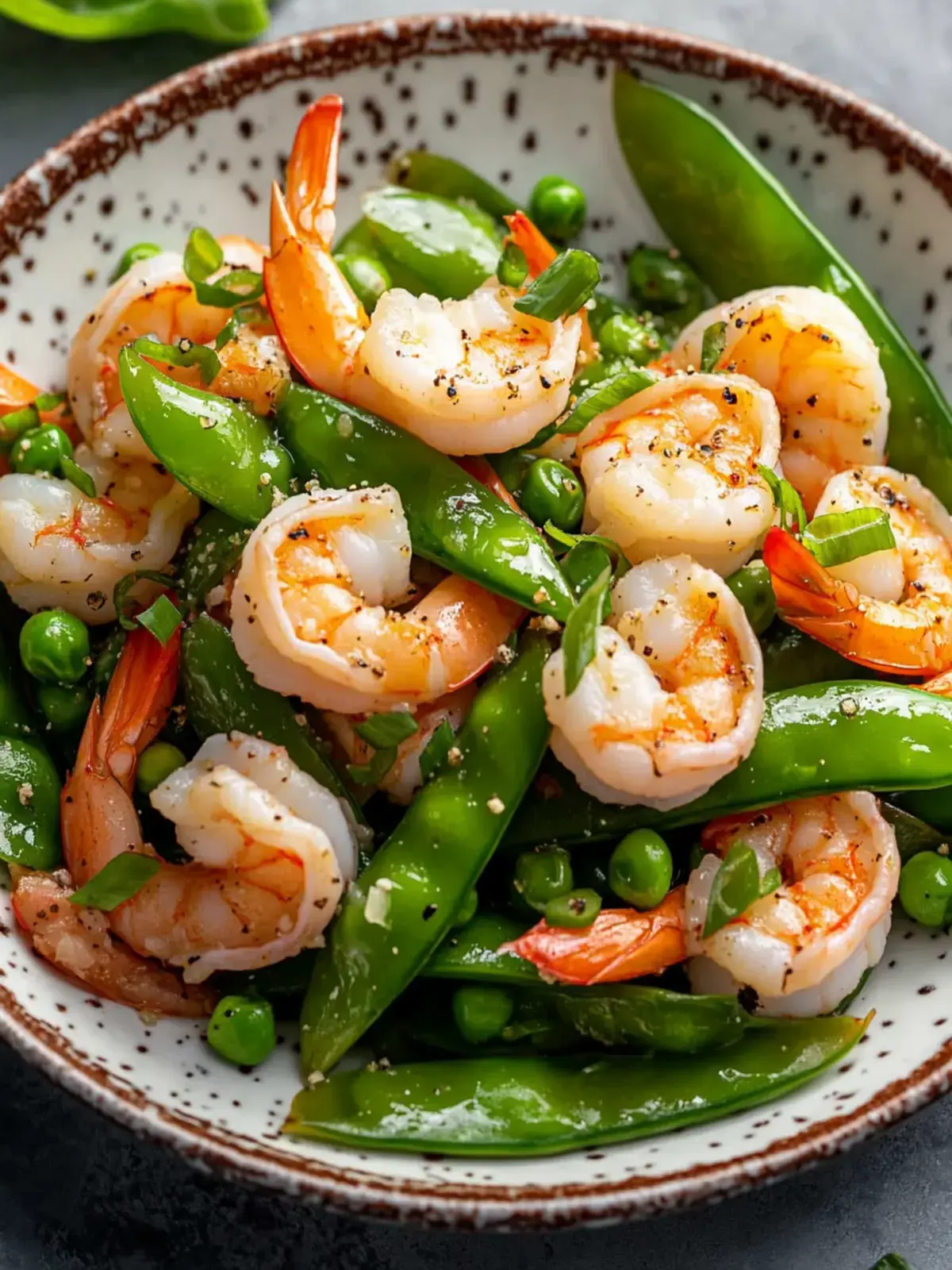
After a long day chasing deadlines and juggling responsibilities, I crave the vibrant crunch of fresh vegetables and the succulent taste of shrimp. That’s when I whip up this delightful Shrimp and Snow Peas stir fry!
The moment the ginger and garlic hit the hot wok, my entire kitchen fills with an irresistible aroma that’s hard to resist; this recipe isn’t just a throw-together meal, it’s a celebration of simple, wholesome ingredients that transform into a colorful dish bursting with flavor.
Now, if you’re anything like me, you might tire of the same old fast foods, yearn for a home-cooked vibe, or simply want to impress a few friends at dinner. This stir fry offers all that—quick to make and incredibly satisfying, you’ll find it fits seamlessly into those busy weeknights while making every bite a flavorful adventure. Trust me, there’s magic in those snow peas! Join me as we dive into this easy, crowd-pleasing recipe that brings joy with each quick flick of the wrist!
This dish offers a delightful balance of fresh ingredients and savory flavors, perfect for any occasion. The combination of tender shrimp and crisp snow peas creates a satisfying texture contrast that’s truly delightful. It’s a testament to how simple ingredients can create an extraordinary culinary experience with minimal effort.
Why You Will Love This Recipe
- Freshness at its Finest: Vibrant snow peas and succulent shrimp create a dish that feels light yet satisfying, showcasing the best of seasonal produce.
- Speedy Preparation: This recipe is a breeze to put together, making it perfect for those busy weeknights when time is of the essence and you still want a wholesome meal.
- Flavor Explosion: The aromatic combination of garlic, ginger, and a well-balanced savory sauce elevates every bite into a culinary delight, leaving you wanting more.
- Versatile Ingredients: You can easily swap in your favorite vegetables or proteins, making this recipe highly adaptable to what you have on hand in your pantry, ensuring it’s always a hit.
- Crowd-Pleaser: Impress your family and friends with this stunning dish that not only tastes incredible but also looks as good as it tastes, a true feast for the eyes and the palate.
Ingredients You Need
The foundation of any great dish lies in the quality of its ingredients, and this Shrimp and Snow Peas stir fry is no exception. Using fresh, vibrant produce and good quality shrimp will truly make a difference in the final taste and texture of your meal. We’re focusing on simple, readily available components that come together harmoniously to create something truly special.
Shrimp and Snow Peas: A Quick and Tasty Stir Fry Delight
A quick and flavorful stir fry featuring succulent shrimp and crisp snow peas, perfect for busy weeknights. This dish is a celebration of simple, wholesome ingredients that transform into a colorful and satisfying meal.
- 1 pound Large shrimp, shelled and deveined
- 1 teaspoon Kosher salt
- 1 teaspoon White pepper
- 1 tablespoon Cornstarch (for coating)
- 2 cups Snow peas, trimmed
- 1 cup Celery, sliced
- 2 Green onions, sliced
- 1 medium Carrot, sliced at an angle
- 1 tablespoon Fresh ginger, minced
- 2 cloves Garlic, minced
- 1 tablespoon Shaoxing cooking wine
- 2 teaspoons Fish sauce
- 1 teaspoon Sugar
- 1 teaspoon Cornstarch (for thickening)
- 1 teaspoon Sesame oil
- 1Prepare the Shrimp: Rinse the large shrimp under cold water and pat dry with a paper towel. Toss them with kosher salt, white pepper, and 1 tablespoon of cornstarch until well-coated. Set aside.
- 2Chop the Vegetables: Take the strings off the snow peas and discard them. Trim the ends, then slice celery and green onions into 1-inch diagonal pieces. Peel the carrot, slice it into 1/2-inch pieces, and cut those into 1/4-inch strips for even cooking.
- 3Mince Aromatics: Scrape the skin off the fresh ginger and cut it into 1/8-inch pieces before mincing. Smash the garlic with the side of your knife and chop finely.
- 4Mix the Sauce: In a small bowl, combine 2 tablespoons of water, 1 tablespoon of Shaoxing cooking wine, 2 teaspoons of fish sauce, 1 teaspoon of sugar, and another teaspoon of cornstarch. Stir until smooth.
- 5Blanch the Vegetables: Heat a wok over high heat and add 4 cups of water alongside 1 teaspoon of kosher salt and 1 teaspoon of vegetable oil. Bring to a boil; blanch the chopped carrots for 30 seconds, followed by the celery for another 30 seconds. Add green onions and snow peas, blanching for another minute. Drain the veggies in a colander.
- 6Stir-Fry the Shrimp: Wipe the wok dry with a paper towel, return it to high heat, and add 2 teaspoons of vegetable oil. Stir-fry the marinated shrimp until they turn pink on both sides—this should take about 2-3 minutes. Remove and set aside.
- 7Sauté Aromatics and Combine: In the same wok, add the minced ginger and garlic; stir-fry for about 1 minute until fragrant. Then, add the blanched vegetables and shrimp back into the wok. Pour the sauce over and quickly toss everything to coat for 2 more minutes.
- 8Serve & Enjoy: Plate your beautiful shrimp stir fry alongside steamed rice. Garnish with black sesame seeds for an extra crunch if desired.
Keywords: Shrimp, Snow Peas, Stir Fry, Quick Dinner, Asian, Seafood, Vegetable
The list above details the essential components needed for this recipe, with the specific quantities provided in the recipe card for your convenience. From plump shrimp to crisp snow peas and aromatic seasonings, each element plays a crucial role in building the delicious flavor profile of this stir fry.
Variations
For those seeking a vegan twist, simply omit the shrimp and replace the fish sauce with an equal amount of soy sauce or a vegan fish sauce alternative. You can also amp up the vegetable content by adding more colorful ingredients like bell peppers, broccoli florets, or snap peas for an even heartier, plant-based meal. This ensures everyone can enjoy the delightful flavors of a stir fry, regardless of dietary preferences.
To achieve a low-carb delight, skip any serving of rice and instead opt for a bed of spiralized zucchini noodles, cauliflower rice, or simply serve the stir fry as is. This makes the dish incredibly light yet satisfying, focusing on the protein and vegetables. The bold flavors of the sauce will cling beautifully to these low-carb alternatives, making for a guilt-free indulgence.
If you’re looking to introduce a touch of heat or a different aromatic profile, consider adding a pinch of red pepper flakes along with the garlic and ginger for a spicy kick. Alternatively, a squeeze of fresh lime juice or a sprinkle of fresh cilantro just before serving can add a bright, zesty finish that complements the savory elements beautifully. These small adjustments can dramatically alter the overall taste experience.
How to Prepare Shrimp and Snow Peas
Step 1: Prepare the Shrimp
Begin by rinsing the large shrimp thoroughly under cool running water to ensure they are clean. Gently pat them dry with a paper towel; this step is crucial for achieving a good sear and preventing them from steaming in the wok. A dry surface is key for proper browning and texture development.
Once dried, place the shrimp in a medium bowl. Sprinkle them generously with kosher salt and white pepper, ensuring an even coating. This seasoning not only enhances the natural flavor of the shrimp but also provides a base for other flavors to adhere to.
Next, add one tablespoon of cornstarch to the seasoned shrimp. Toss everything together until each shrimp is lightly and evenly coated; this cornstarch coating will help create a delicate, slightly crispy exterior when stir-fried, adding a wonderful textural contrast to the dish. Set the prepared shrimp aside to marinate while you attend to the vegetables.
Step 2: Chop the Vegetables
Start with the snow peas; carefully remove the tough strings from the back of each pod and discard them. This ensures that the snow peas are tender and enjoyable to eat without any fibrous interruptions. Trim off any stringy bits from the ends as well.
Next, prepare the celery by trimming the ends and then slicing it diagonally into pieces about one inch in length. This angular cut not only looks appealing but also helps the celery cook more evenly. Similarly, slice the green onions into one-inch segments, keeping the white and green parts separate if you prefer to add them at different stages for optimal flavor and color.
For the carrot, peel it first, then slice it diagonally into relatively thin pieces. Once sliced, cut these pieces into smaller, bite-sized strips, approximately ¼-inch in width. This uniform sizing ensures that the carrot cooks at the same rate as the other vegetables, preventing any one component from being overcooked or undercooked.
Step 3: Mince Aromatics
Take your fresh ginger and carefully scrape off the outer skin using a spoon or a vegetable peeler. Once peeled, finely mince the ginger; the smaller the pieces, the more effectively its pungent flavor will infuse into the dish. Aim for very small, almost paste-like pieces if possible.
Proceed to the garlic. You can smash the garlic cloves gently with the side of your knife blade; this breaks them down and makes them easier to mince. Finely chop the garlic after smashing; the goal is to have tiny pieces that will release their aromatic oils quickly when heated.
Both the minced ginger and garlic are essential for building the flavor base of your stir fry. Their potent aromas will become even more intense when sautéed, creating an irresistible scent that signals the start of a delicious meal. Ensure they are minced finely for maximum flavor distribution throughout the dish.
Step 4: Mix the Sauce
In a small bowl, combine two tablespoons of water with one tablespoon of Shaoxing cooking wine. The Shaoxing wine adds a unique depth and complexity that is characteristic of many Chinese stir-fries. If you don’t have it, dry sherry or even a bit of mirin can be used as a substitute, though the flavor profile will be slightly different.
Next, add two teaspoons of fish sauce to the mixture. Fish sauce provides a significant umami boost, lending a savory richness to the sauce without imparting an overtly fishy taste when used in proper proportions. Follow this with one teaspoon of sugar, which helps to balance the saltiness and create a more harmonious flavor profile.
Finally, whisk in another teaspoon of cornstarch until the mixture is completely smooth and there are no lumps. This cornstarch slurry will thicken the sauce as it heats, ensuring it coats the shrimp and vegetables beautifully, making every bite a burst of delicious flavor. This sauce is the key to unifying all the elements of your stir fry.
Step 5: Blanch the Vegetables
Heat a wok or a large, deep skillet over high heat. Add four cups of water, one teaspoon of kosher salt, and one teaspoon of vegetable oil to the wok. Bring this mixture to a rolling boil; the salt and oil help to maintain the vibrant color of the vegetables during the brief cooking process.
Once boiling, add the chopped carrots to the water and blanch them for exactly 30 seconds. Immediately follow by adding the celery, blanching it for another 30 seconds. These shorter cooking times help to retain their crisp-tender texture, which is ideal for a stir fry.
Finally, add the green onions and snow peas to the boiling water and blanch them for an additional minute. This brief submersion is just enough to take the raw edge off while keeping them wonderfully crisp. Quickly drain all the blanched vegetables in a colander to stop the cooking process and set them aside.
Step 6: Stir-Fry the Shrimp and Combine
Wipe the wok completely dry with a paper towel after draining the vegetables. Return the wok to high heat and add two teaspoons of vegetable oil, allowing it to get nice and hot. This high heat is crucial for achieving a good sear on the shrimp.
Carefully add the marinated shrimp to the hot wok in a single layer if possible, to ensure they cook evenly. Stir-fry the shrimp for about two to three minutes, or until they turn pink and opaque. Be careful not to overcook them at this stage, as they will cook further when combined with the vegetables and sauce.
Remove the perfectly cooked shrimp from the wok and set them aside on a clean plate. In the same wok, add the minced ginger and garlic. Stir-fry them for about one minute until they become wonderfully fragrant, being careful not to burn them. Then, return the blanched vegetables and the cooked shrimp to the wok. Pour the prepared sauce over everything and quickly toss to coat all the ingredients evenly for another two minutes, allowing the sauce to thicken and meld with the flavors.
Pro Tips for Shrimp and Snow Peas
- Marinate Ahead of Time: For maximum flavor infusion and a streamlined cooking process, marinate your shrimp with the salt, white pepper, and cornstarch at least 30 minutes in advance, or even the night before. This allows the seasonings to penetrate the shrimp, creating a more flavorful bite.
- Don’t Crowd the Pan: When stir-frying the shrimp, ensure you cook them in a single layer and in batches if necessary. Overcrowding the wok will cause the shrimp to steam rather than sear, resulting in a less desirable texture.
- High Heat is Your Friend: Stir-frying relies on high heat to quickly cook ingredients while retaining their crispness and developing that signature slightly charred, smoky flavor. Make sure your wok or skillet is thoroughly heated before adding any ingredients.
- Prep Everything Before You Start: Stir-frying is a fast process, so it’s essential to have all your ingredients prepped, measured, and within easy reach before you begin cooking. This mise en place approach ensures you can focus on the cooking itself without any last-minute chopping.
- Taste and Adjust: Don’t be afraid to taste your sauce and the final dish, and adjust seasonings as needed. You might prefer a little more sweetness, a touch more saltiness from fish sauce, or even a hint of heat from red pepper flakes.
Serving Suggestions for Shrimp and Snow Peas
Decoration
A sprinkle of toasted sesame seeds, both white and black, adds a beautiful visual contrast and a nutty flavor. A few thinly sliced green onions or a scattering of fresh cilantro leaves can also provide a vibrant green garnish that elevates the dish’s presentation significantly. For a touch of color, a few slivers of red bell pepper can be added as a final flourish.
Side Dishes
Steamed jasmine rice is a classic accompaniment, offering a fluffy, neutral base to soak up the delicious sauce. Alternatively, consider serving this stir fry alongside a portion of delicate easy lobster bisque for a more luxurious meal. For a lighter option, a simple side of steamed broccoli or bok choy complements the flavors without overpowering them.
Creative Serving Ideas
Consider serving the shrimp and snow peas over a bed of quinoa for a protein-rich, gluten-free meal. You could also use it as a filling for fresh lettuce wraps, offering a refreshing and interactive dining experience. Another fun idea is to serve it alongside German pancakes for a surprising sweet and savory brunch fusion.
Preparation & Storage
Storing Leftovers
To store any leftover Shrimp and Snow Peas stir fry, allow the dish to cool completely at room temperature. Transfer the cooled leftovers into an airtight container; this helps to prevent the absorption of odors from other foods in your refrigerator and maintains the quality of the dish.
Refrigerate the container promptly. Leftovers are best consumed within three days of preparation to ensure optimal freshness and flavor. While the textures may slightly soften upon refrigeration, the taste will remain quite good for this period.
Freezing
If you find yourself with an abundance of this delicious stir fry, freezing is a viable option for longer storage. Ensure the dish is cooled completely before transferring it into freezer-safe containers or heavy-duty freezer bags. Remove as much air as possible to prevent freezer burn, which can affect the texture and taste upon thawing.
Properly stored, the frozen stir fry can last for up to two months. Label the container with the date of freezing to keep track of its freshness. Thawing in the refrigerator overnight is the recommended method to gently bring the dish back to a usable state.
Reheating
The best way to reheat this stir fry is gently in a skillet over medium heat. Add a tablespoon or two of water or broth to the skillet before adding the leftovers; this helps to create steam, which revives the vegetables and sauce, preventing them from becoming dry. Stir occasionally until heated through.
Alternatively, you can reheat the dish in the microwave. Place the leftovers in a microwave-safe dish, cover it loosely, and heat in 30-second intervals, stirring in between, until evenly warmed. Be mindful not to overheat, as this can make the shrimp tough and rubbery, diminishing the overall enjoyment of the dish.
Frequently Asked Questions
-
How do I choose the best shrimp for my stir fry?
For the best results, select shrimp that are firm to the touch, have a clean, slightly sweet ocean scent, and possess a shiny, translucent appearance. Avoid shrimp that appear dull, mushy, have a strong fishy odor, or exhibit dark spots, as these are indicators of poor quality or age. If possible, opt for wild-caught shrimp, as they often offer a superior flavor and texture in dishes like stir-fries.
-
What are some good gluten-free alternatives for the sauce components?
To make the sauce gluten-free, you can easily substitute tamari for the fish sauce, as tamari is a Japanese soy sauce that is naturally gluten-free and provides a similar savory depth. Ensure your Shaoxing wine is also gluten-free, or opt for a dry sherry if unavailable. When thickening, use cornstarch or arrowroot powder, which are naturally gluten-free alternatives to wheat flour. Always check ingredient labels for hidden gluten, especially in pre-made sauces or seasonings.
-
Can I make this dish spicier, and if so, how?
Absolutely! To add heat, you can incorporate thinly sliced fresh chilies, such as jalapeños or serranos, along with the garlic and ginger during the aromatic sautéing stage. Another simple method is to add a pinch of red pepper flakes or a dash of your favorite hot sauce to the sauce mixture before adding it to the wok. Adjust the amount based on your personal spice tolerance, starting with a small amount and adding more as needed.