Salbei Walnuss Pesto: Einfaches Rezept für ein leckeres Pesto – Muma’s Kitchen
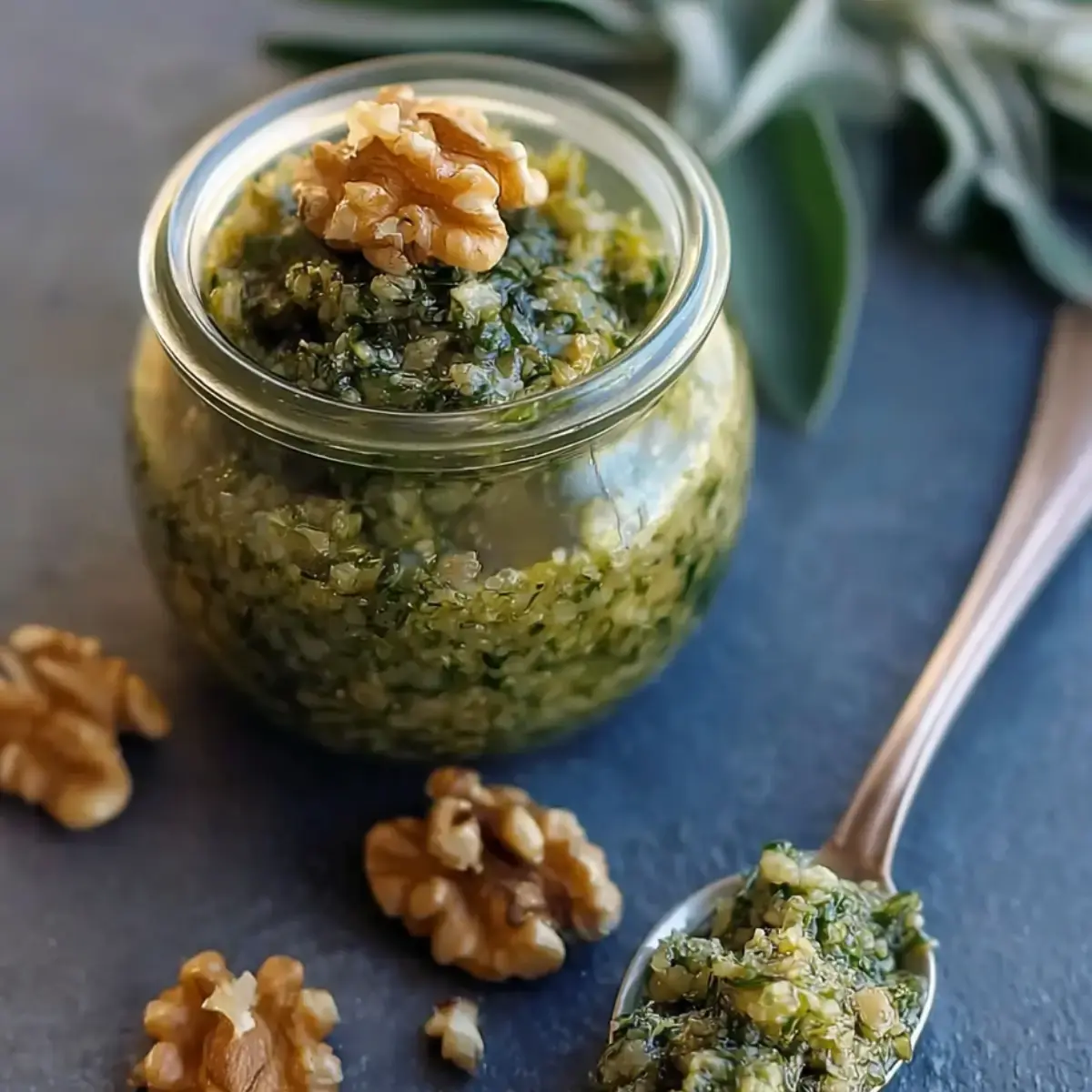
Salbei Walnuss Pesto is a truly extraordinary variation of traditional pesto, characterized by its unique combination of earthy fresh herbs and deep, nutty undertones. This aromatic sauce is not only delicious but also incredibly quick and simple to prepare, making it a perfect choice for a busy weeknight meal or a sophisticated addition to your weekend kitchen projects. Whether you are hosting a dinner party or simply seeking a fresh twist for your dinner routine, this recipe provides a gourmet experience in minutes.
The Best Part: This vibrant green sauce brings an intense, earthy depth to any dish it accompanies, setting it apart from the more common basil-based versions found in most supermarkets. The sage leaves offer a subtle, savory complexity, while the toasted walnuts provide that satisfying crunch and rich profile that defines high-quality pesto. You can easily find inspiration for more simple meals by exploring resources like lunch ideas or quick breakfast pairings to keep your culinary repertoire exciting.
Why You Will Love This Recipe
- Quick Preparation: You can assemble this entire dish in less than ten minutes, making it ideal for those hectic evenings when you need something nutritious and fast.
- Flavor Complexity: The marriage of aromatic sage and nutrient-dense walnuts creates a sophisticated, bold flavor profile that elevates even the simplest pantry staples.
- Versatile Application: This sauce serves as a brilliant topping for warm pasta, a flavorful rub for roasted meats, or even a gourmet spread for crusty artisan bread.
- Storage Convenience: It holds up beautifully in the refrigerator for several days, allowing you to enjoy fresh, homemade flavor throughout the week without constant effort.
- Nutritious Ingredients: By using whole nuts and fresh herbs, you are incorporating healthy fats and essential vitamins into your diet in a delicious, concentrated form.
Ingredients You Need
Creating a truly memorable pesto starts with the quality of your ingredients, as each element plays a vital role in the final balance of the sauce. For the best result, use fresh, vibrant sage leaves and high-quality extra virgin olive oil to ensure the flavor remains bright rather than bitter. You can find the exact measurements and quantities for each item clearly outlined in the recipe card section below.
Sage Walnut Pesto
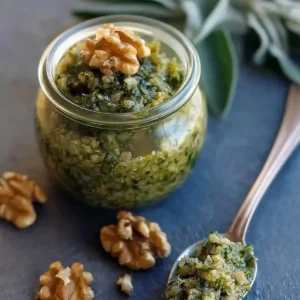
A sophisticated and aromatic variation of traditional pesto, combining earthy fresh sage leaves with the crunchy, nutty notes of walnuts and savory Parmesan cheese. Perfect for pasta, dips, or as a flavorful marinade.
- 6–8 fresh sage leaves
- 50 g walnuts
- 1 clove garlic
- 40 g Parmesan cheese
- 6–7 tbsp olive oil
- Salt and pepper to taste
- 1Process the sage leaves, walnuts, garlic, and Parmesan in a blender or food processor until a coarse paste forms.
- 2Gradually add the olive oil while continuing to mix until you achieve a creamy, desired consistency.
- 3Season with salt and pepper to taste and adjust quantities according to your preference.
Keywords: pesto, sage, walnuts, pasta sauce, Italian, vegetarian, quick dinner
- salbei (sage leaves): fresh leaves provide an earthy, velvety base for the sauce.
- walnuts: lightly toasted nuts offer a crunchy, rich, and slightly buttery foundation.
- garlic: a single clove adds a necessary pungent kick that balances the earthy herbs.
- parmesan cheese: freshly grated hard cheese brings a salty, umami-rich finish to the texture.
- olive oil: premium extra virgin oil acts as the silky emulsion agent for the pesto.
- salt and pepper: essential seasonings used to brighten and harmonize all the individual flavors.
Variations
The Vegan Twist: You can easily transform this recipe into a plant-based delight by omitting the traditional parmesan cheese. Simply replace it with high-quality nutritional yeast or a vegan-friendly hard cheese alternative, which mimics that classic nutty, savory finish perfectly.
The Low Carb Approach: If you are looking to keep things strictly low carb, this pesto is already naturally friendly due to the high fat content of the nuts and oil. Serve it over zoodles, roasted cauliflower, or pan-seared chicken breast rather than traditional pasta to keep the carb count minimal and the flavor high.
Nut Substitution: While walnuts provide that signature crunch, feel free to swap them for cashews for a creamier, milder finish or almonds for a slightly floral sweetness. You could even incorporate a small handful of pine nuts if you want to lean closer to the traditional Mediterranean profile while still keeping the sage as the star.
How to Prepare Salbei Walnuss Pesto
Step 1: Preparing the Fresh Sage
The Foundation: Begin by thoroughly washing your fresh sage leaves under cold water to remove any garden debris. Pat them dry with a clean kitchen towel, as excess water can prevent the oil and nuts from emulsifying into a smooth, thick texture.
Remove the woody stems from the sage, as these can be bitter and fibrous in the finished pesto. Focus on using only the tender leaves to ensure a velvety mouthfeel in every bite.
Step 2: Toasting the Walnuts
Flavor Depth: Place your walnuts in a dry pan over medium heat for about three minutes to activate their natural oils. Stir them constantly to prevent burning, which can turn the nuts bitter and ruin the balance of the sauce.
Once the walnuts are fragrant and slightly golden, remove them from the heat immediately. Letting them cool slightly prevents them from “cooking” the fresh sage leaves too early in the blending process.
Step 3: Blending the Base
The Technique: Combine your fresh sage leaves, toasted walnuts, and the peeled garlic clove in a food processor or a high-quality blender. Pulse these ingredients several times until you achieve a coarse, uniform texture that holds together well.
If you prefer a more rustic, traditional look, a mortar and pestle is an excellent tool for this step. Grinding the ingredients by hand releases the aromatic oils more effectively, resulting in a more intense herb flavor profile.
Step 4: Incorporating the Cheese
Adding Body: Once your base is broken down, add the freshly grated parmesan cheese directly to the mixture. Pulse the processor just a few more times to incorporate the cheese without turning the pesto into a thin, overly smooth paste.
Freshly grated parmesan is highly recommended over pre-packaged options for this specific step. The lack of additives in a fresh block allows the cheese to melt and emulsify properly with the olive oil.
Step 5: The Olive Oil Emulsion
The Finish: With the blender running on the lowest speed, slowly drizzle in the extra virgin olive oil in a thin, steady stream. This technique creates a proper emulsion, which ensures that the oil and solids stay combined rather than separating in the jar.
Watch the consistency closely as you add the oil, stopping once you reach the desired thickness. Some prefer a thicker, spreadable pesto, while others like it a bit looser to coat long pasta noodles more effectively.
Step 6: Final Seasoning
The Balance: Taste your pesto carefully and add salt and freshly cracked black pepper as needed. Since the parmesan is naturally salty, you should always taste before adding any extra sodium to avoid overpowering the delicate sage.
Give the mixture one final, quick pulse to ensure the salt is evenly distributed throughout the batch. Your homemade Salbei Walnuss Pesto is now ready to be served or stored for future use.
Pro Tips for Salbei Walnuss Pesto
Tip: The Secret to Color: To keep the vibrant green color of your pesto, you can blanch the sage leaves for ten seconds in boiling water and then plunge them immediately into an ice bath. This stops the oxidation process that turns the herbs brown, ensuring your pesto looks as fresh as it tastes.
Tip: Temperature Control: Always try to use room-temperature ingredients for your pesto if possible, as it helps the emulsion stay stable and prevents the oil from thickening too much. If you are using a machine, be careful not to run the motor for too long, as the friction heat can negatively affect the flavor of the fresh herbs.
Tip: Storage Hacks: If you plan on keeping the pesto for more than a few days, pour a thin layer of olive oil directly onto the surface of the pesto inside the jar. This creates an airtight seal that prevents oxidation and keeps the top layer from drying out or losing its bright green color.
Tip: Scale Up: This recipe is incredibly easy to double or triple if you have a surplus of garden sage. You can freeze the excess in small ice cube trays to have perfectly portioned servings of “summer in a jar” ready for your winter meals.
Serving Suggestions for Salbei Walnuss Pesto
Decoration
For a beautiful presentation, garnish your finished dish with a few finely chopped toasted walnuts and a small, fresh sage leaf placed right in the center. A light dusting of freshly grated parmesan also adds a clean, professional finish to any serving bowl or platter.
Side Dishes
This pesto pairs exceptionally well with simple sides like roasted cherry tomatoes or a fresh arugula salad dressed with a balsamic reduction. For a heartier meal, consider serving it alongside a fresh loaf of german pancake recipe inspired savory dishes or a warm vegetable side.
Creative Serving Ideas
Beyond pasta, try spreading this pesto on a grilled turkey sandwich or using it as a sophisticated topping for a white pizza. You might also enjoy experimenting with it as a flavorful dip for crusty bread, similar to how one might serve an easy lobster bisque recipe as a starter. If you are feeling particularly creative, stir a spoonful into plain Greek yogurt for a savory dip that pairs wonderfully with crisp vegetables.
Preparation & Storage
Storing Leftovers
Store your remaining pesto in a clean, airtight glass jar inside the refrigerator. It will typically stay fresh for up to one week, provided you keep the surface covered with that thin layer of olive oil mentioned earlier. Always use a clean spoon when removing portions from the jar to prevent introducing bacteria.
Freezing
Pesto freezes remarkably well, making it a staple for those who love to plan ahead. Freeze your portions in silicone ice cube trays for easy usage; once frozen solid, transfer the cubes into a freezer bag for long-term storage of up to three months. Simply drop a cube directly into your hot pasta or soup for an instant flavor boost.
Reheating
Avoid heating your pesto directly over high heat, as this can cause the cheese to separate and the herb flavors to lose their brightness. Instead, stir the pesto into freshly cooked, hot pasta or vegetables, letting the residual heat of the food gently warm the sauce before serving.
Frequently Asked Questions
- How can I keep the sage flavor from becoming too overwhelming in the pesto? Sage is quite potent, so if you are sensitive to strong flavors, try using a mix of 50% sage and 50% fresh parsley. This dilutes the intensity of the sage while still providing that wonderful earthy background note that makes the recipe so unique.
- Is it necessary to toast the walnuts before blending them into the pesto? While you can use raw nuts, toasting them is highly recommended because it releases the essential oils and develops a much deeper, nuttier flavor profile. Without this step, the walnuts can taste somewhat “flat” or bitter, which will definitely change the overall harmony of the finished sauce.
- Can I use a food processor for this recipe if I want a more traditional consistency? Absolutely, a food processor is perfectly acceptable, but you must be careful to pulse the ingredients rather than running the machine continuously. Continuous blending can turn the pesto into a very fine, thin puree, so using short pulses allows you to maintain the desired rustic texture that makes homemade pesto so appealing.