Pineapple Glazed Pound Cake
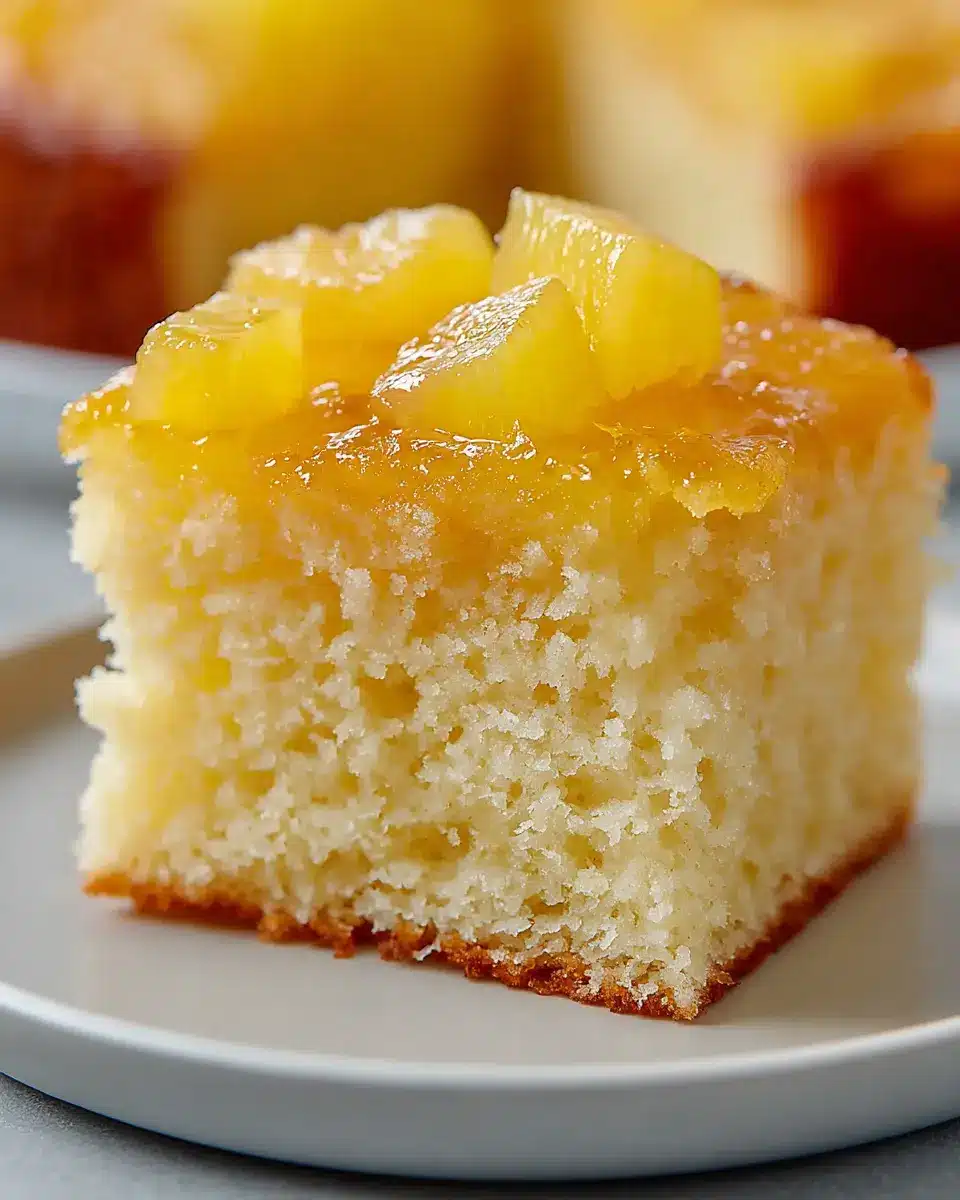
Pineapple Pound Cake is a truly delightful treat that embodies comfort and celebration in every slice. Its rich, moist texture and buttery crumb are perfectly complemented by the bright, tropical essence of pineapple, making it an ideal dessert for any occasion.
This cake feels wonderfully classic the moment it emerges from the oven, offering the satisfying density expected of a pound cake, yet the crushed pineapple ensures each bite remains exceptionally soft and tender, avoiding any heaviness. The harmonious blend of butter, vanilla, sugar, and pineapple creates a familiar yet exciting flavor profile, with the glossy glaze adding a touch of extra sweetness without overwhelming the palate.
Why You Will Love This Recipe
- Moist & Tender Crumb: The inclusion of undrained crushed pineapple infuses the cake with incredible moisture, ensuring a tender crumb that is never dry or dense. This natural addition elevates the pound cake experience to new heights of deliciousness, making each bite a delightful surprise.
- Classic Yet Tropical Flavor: It beautifully marries the comforting, buttery richness of a traditional pound cake with the vibrant, sweet tang of pineapple. This combination creates a unique flavor profile that is both familiar and exciting, appealing to a wide range of palates and perfect for a variety of celebrations.
- Effortless Elegance: Despite its impressive appearance and delightful taste, this cake is surprisingly straightforward to prepare. The batter comes together easily, and the simple pineapple glaze adds a professional, glossy finish with minimal fuss, making it perfect for both novice and experienced bakers.
- Make-Ahead Convenience: This pineapple pound cake is designed for ease, holding its beautiful structure and flavor exceptionally well when made in advance. Once cooled and glazed, it can be stored at room temperature or refrigerated, making it a perfect choice for meal prep or when entertaining guests.
- Versatile Presentation: Whether served simply on its own or adorned with fresh berries and a dollop of whipped cream, this cake offers incredible versatility. Its sturdy yet tender nature makes it slice beautifully, presenting elegantly on any dessert table for holidays, potlucks, or casual gatherings.
Ingredients You Need
The success of any great cake lies in the quality of its ingredients, and this Pineapple Pound Cake is no exception. Using fresh, high-quality components will ensure a superior flavor and texture that truly shines through. Paying attention to the specifics, like ensuring your butter is softened and your buttermilk is at room temperature, makes a significant difference in how well everything combines.
Pineapple Pound Cake

A rich, buttery pound cake made especially moist with crushed pineapple and finished with a warm pineapple glaze for added sweetness and flavor. This is the kind of cake that feels classic the moment it comes out of the pan. It has the dense, satisfying texture you expect from a pound cake, but the crushed pineapple keeps every slice soft and tender instead of heavy.
- For the cake: 3 cups granulated sugar
- 6 large eggs
- 1/2 cup buttermilk (brought to room temperature for best results)
- 2 teaspoons vanilla essence or pure vanilla extract
- 1 3/4 cups salted butter (softened)
- 20 ounces crushed pineapple in juice (undrained)
- 4 cups all-purpose flour
- For the glaze: 1 tablespoon butter
- 1 cup granulated sugar
- Pineapple and pineapple juice (as used in the glaze preparation)
- 1Preheat the oven to 325°F. Coat a 10-inch tube pan thoroughly with non-stick spray. Make certain the ingredients, particularly the refrigerated ones, are at room temperature before mixing.
- 2Place the flour, sugar, softened butter, buttermilk, eggs, 1/2 cup pineapple juice, and vanilla into the bowl of a stand mixer in that order. Beat on low speed for 1 minute.
- 3Stop the mixer and scrape down the sides of the bowl. Resume mixing on medium speed for 4 minutes, or until the batter is smooth and fully blended.
- 4Fold in the crushed pineapple gently so it is evenly distributed throughout the batter.
- 5Transfer the batter to the prepared tube pan. Bake for 1 hour and 20 minutes to 1 hour and 30 minutes, or until a wooden pick inserted into the cake comes out clean or with only dry crumbs attached.
- 6Let the cake rest in the pan on a wire rack for 20 to 30 minutes. After that, turn it out carefully onto a serving plate.
- 7To make the glaze, combine the pineapple, pineapple juice, and sugar in a small saucepan. Bring the mixture to a boil and cook for 2 minutes, then lower the heat and let it simmer for 2 to 3 minutes more.
- 8Take the saucepan off the heat and stir in the butter until fully melted and the glaze is smooth.
- 9Pour the hot pineapple glaze evenly over the cake once it has been placed on the serving dish. Allow the glaze to settle slightly before serving.
Keywords: Pineapple Pound Cake, Cake, Dessert, Holiday Baking, Potluck, Make-Ahead, Fruit Cake, German Cake
For the cake, you will need granulated sugar to provide sweetness and structure, large eggs for richness and binding, and buttermilk to contribute moisture and a subtle tang. Vanilla extract is essential for rounding out the flavors, while salted butter forms the rich, foundational taste. The star ingredient, crushed pineapple in juice (undrained), is what makes this cake uniquely moist and flavorful, and all-purpose flour provides the necessary structure. For the glaze, a simple combination of butter, granulated sugar, and more pineapple with its juice creates a wonderfully sweet and glossy topping.
Variations
Vegan Delight: To transform this classic into a delightful vegan treat, several simple substitutions can be made. Instead of eggs, a flax egg (1 tablespoon flaxseed meal mixed with 3 tablespoons water, left to sit for 5 minutes) or a commercial egg replacer can be used. For the buttermilk, a plant-based milk like almond or soy milk mixed with a teaspoon of apple cider vinegar and allowed to curdle will work perfectly. Ensure your butter is a good quality vegan butter alternative, and you can also use a vegan glaze option, perhaps with a coconut milk base and powdered sugar, to keep the tropical theme alive.
Low-Carb Indulgence: For those watching their carbohydrate intake, this pound cake can be adapted with sugar substitutes and alternative flours. Granulated erythritol or xylitol can replace the sugar, though you may need to adjust the quantity slightly to achieve the desired sweetness. Almond flour and coconut flour can be used in place of all-purpose flour, requiring careful balancing to maintain the correct texture. Be mindful that the pineapple will still contribute natural sugars, so enjoy this version in moderation.
Spiced Citrus Twist: Elevate the flavor profile by introducing warm spices and a touch of citrus. A teaspoon of ground cinnamon and a pinch of nutmeg or cloves can be added to the dry ingredients for a cozy aroma and taste. Complementing the pineapple, the zest of one orange or lemon can be incorporated into the batter, adding a bright, fragrant dimension that harmonizes beautifully with the tropical fruit. This variation adds an extra layer of complexity that makes the cake even more sophisticated.
How to Prepare Pineapple Pound Cake
Step 1: Oven Preheat and Pan Preparation
Begin by preheating your oven to a moderate 325°F (160°C). This gentle temperature is crucial for allowing the pound cake to bake through evenly without burning the exterior. Simultaneously, prepare your 10-inch tube pan with meticulous care; a thorough coating with non-stick spray or well-greased and floured sides is paramount for a clean release.
This is also the opportune moment to ensure all your refrigerated ingredients, particularly the butter, eggs, and buttermilk, are at room temperature. This step is not merely a suggestion but a vital part of achieving a smooth, homogenous batter. Room-temperature ingredients emulsify more readily, preventing streaks of butter or flour and contributing to a finer, more consistent crumb in your finished cake.
Taking these initial steps with precision sets the foundation for a beautifully baked cake. A well-prepared pan ensures the delicate structure of the pound cake isn’t compromised when you attempt to unmold it later. The consistent temperature of your ingredients leads to a superior batter, which directly translates to a superior cake texture.
Step 2: Mixing the Cake Batter
In the bowl of your stand mixer, or using a large mixing bowl and electric hand mixer, combine the primary dry and wet ingredients for the cake batter. The order suggested is often flour, sugar, softened butter, buttermilk, eggs, a portion of pineapple juice (if using separate from crushed), and vanilla extract. Starting the mixer on a low speed helps to gently incorporate these components, just until they begin to form a cohesive mass.
Once the initial mixing is complete, pause the mixer and use a spatula to thoroughly scrape down the sides and bottom of the bowl. This ensures that no pockets of dry flour or unmixed butter remain, guaranteeing an even texture throughout the entire batter. After scraping, resume mixing on medium speed for approximately 4 minutes; the goal is to achieve a batter that is visibly smooth, creamy, and completely blended, free from any noticeable streaks of butter or unincorporated flour.
This extended mixing period allows the gluten in the flour to develop slightly, providing structure, while the butter and sugar aerate, creating lightness. The smooth, creamy consistency achieved at this stage is a strong indicator that the cake will bake up with a fine, even crumb. Overmixing at this point should be avoided, but thorough blending is essential for a successful pound cake.
Step 3: Gently Folding in the Pineapple
Now comes the moment to introduce the star ingredient: the crushed pineapple. Gently fold the crushed pineapple, including its juice, into the smooth cake batter. This action should be performed with a light hand, using a spatula or large spoon, as if you were folding egg whites into a delicate mousse. The objective is to distribute the pineapple pieces evenly throughout the batter without overworking it.
Overworking the batter at this stage can lead to a tougher, less tender cake. The gluten in the flour has already been developed sufficiently, and excessive mixing now will only make the cake dense. The pineapple pieces should be dispersed throughout the batter so that each slice of cake will contain delightful bursts of fruity moisture and flavor. This careful incorporation ensures the integrity of the cake’s tender crumb.
This step is critical for maintaining the cake’s delicate texture. While you want the pineapple distributed, you do not want to break down the pineapple further or agitate the batter unnecessarily. A few gentle folds are all that is required to achieve an even distribution, preserving the cake’s characteristic softness and moistness.
Step 4: Baking the Pound Cake
Carefully spoon the prepared batter into the meticulously prepared 10-inch tube pan. Use your spatula to gently spread the top of the batter evenly, creating a relatively smooth surface for baking. This even distribution of batter helps the cake bake uniformly and rise with a pleasing shape.
Place the pan in the preheated oven and bake for approximately 1 hour and 20 minutes to 1 hour and 30 minutes. The exact baking time can vary depending on your oven’s calibration. The cake is ready when it is deeply golden brown and a wooden skewer or toothpick inserted into the center comes out clean or with only a few dry crumbs attached. If it comes out with wet batter, it needs more time.
This is a substantial, moist cake, so it requires a good amount of baking time to ensure the center is fully cooked. Resist the temptation to open the oven door too early, as this can cause the cake to collapse. Give it the full baking time it needs to develop its rich flavor and perfect texture.
Step 5: Cooling the Cake
Once baked to perfection, remove the cake from the oven and place the tube pan on a wire cooling rack. Allow the cake to rest in the pan for a crucial 20 to 30 minutes before attempting to invert it. This brief cooling period is essential for the cake’s structure to set properly.
During this time, the internal structure of the cake continues to firm up, making it more stable and less prone to breaking when unmolded. For a fruit-filled pound cake, which can be a bit more delicate due to the added moisture, this resting period is especially beneficial. It gives the cake the necessary time to settle and become sturdy enough for removal from the pan.
After the resting period, carefully invert the pan onto a serving plate or another wire rack to release the cake. If you prepared your pan properly, the cake should slide out with ease. Allow the cake to cool completely on the wire rack before proceeding to the glazing step, as a warm cake can cause the glaze to melt off too quickly.
Step 6: Preparing and Applying the Glaze
While the cake is cooling, prepare the luscious pineapple glaze. In a small saucepan, combine the tablespoon of butter, the cup of granulated sugar, and the pineapple and pineapple juice designated for the glaze. Place the saucepan over medium heat and bring the mixture to a gentle boil, stirring occasionally.
Allow the mixture to boil for about 2 minutes, then reduce the heat to a simmer. Let it simmer for an additional 2 to 3 minutes, stirring, until it has slightly thickened into a syrupy consistency. The sugar should be completely dissolved, and the mixture should have a glossy sheen. The goal is a glaze that is pourable but not too thin.
Remove the saucepan from the heat and stir in the tablespoon of butter until it is fully melted and incorporated, resulting in a smooth, glossy glaze. Once the cake has cooled completely, pour the warm glaze evenly over the top of the cake, allowing it to drip down the sides. Let the glaze set for a few minutes before slicing and serving to enjoy its sweet, fruity finish.
Pro Tips for Pineapple Pound Cake
Don’t Drain the Pineapple: The moisture from the undrained crushed pineapple is absolutely key to achieving the signature moist and tender crumb of this pound cake. Discarding the juice would mean losing a significant source of flavor and hydration, resulting in a drier cake.
Scrape and Mix Thoroughly: During the initial batter mixing stage, make sure to scrape down the sides and bottom of the bowl multiple times. This ensures all ingredients are fully incorporated, preventing dense streaks of butter or flour that can negatively impact the cake’s texture and flavor distribution.
Warm Glaze Application: When pouring the glaze, ensure it is warm but not excessively hot. A glaze that is too hot will run off the cake too quickly, leaving less of a beautiful coating. A warm glaze will flow smoothly, settling into the cake’s surface and creating that desirable glossy finish.
Room Temperature is Key: As mentioned, using room-temperature ingredients, especially butter, eggs, and buttermilk, is critical. They emulsify more effectively, creating a smoother batter and a lighter, more consistent cake texture. Cold ingredients can lead to a denser, heavier pound cake.
Serving Suggestions for Pineapple Pound Cake
Decoration
The beauty of this Pineapple Pound Cake often lies in its elegant simplicity, especially with the glistening pineapple glaze. For an understated yet beautiful finish, a few candied pineapple slices artfully arranged on top can add a touch of whimsy and reinforce the cake’s primary flavor. Alternatively, a light dusting of powdered sugar over the top, or a delicate drizzle of white chocolate ganache, can offer a contrasting visual and taste element.
Side Dishes
While delicious on its own, this cake pairs wonderfully with complementary flavors. Fresh berries, such as raspberries or strawberries, bring a welcome tartness that cuts through the sweetness of the cake and glaze, offering a refreshing contrast. A dollop of lightly sweetened whipped cream or a scoop of vanilla bean ice cream adds a touch of indulgence, making each slice feel like a truly decadent dessert experience.
Creative Serving Ideas
For a brunch setting, consider serving thin slices of the cake alongside a fruit salad or a yogurt parfait. To elevate it for a special dessert occasion, try making mini pineapple pound cake trifles. Layer crumbled cake with a pineapple cream cheese filling and a bit of fresh pineapple or mango salsa for a delightful individual dessert that impresses. You could also toast slices lightly and serve them with a warm caramel sauce for a sophisticated twist.
Preparation & Storage
Storing Leftovers
Once the cake has completely cooled and the glaze has set, it is best to store any leftovers tightly covered. This can be done by wrapping the cake securely in plastic wrap or aluminum foil, or by placing it in an airtight cake carrier. At room temperature, in a cool kitchen environment, the cake will maintain its optimal freshness for about 1 to 2 days.
If your kitchen tends to be warmer, or if you plan to store the cake for a longer period, refrigeration is the better option. Stored in the refrigerator, tightly covered, the Pineapple Pound Cake can remain delicious for up to 5 days. Ensure it is well-wrapped to prevent it from drying out or absorbing other odors from the refrigerator.
Freezing
This Pineapple Pound Cake freezes remarkably well, making it an excellent candidate for make-ahead baking. You can freeze the entire cake or, for convenience, individual slices. Wrap the cake or slices very securely in several layers of plastic wrap, followed by a final layer of heavy-duty aluminum foil or by placing them in a freezer-safe airtight container or bag. Properly wrapped, the cake can be stored in the freezer for up to 2 months without significant loss of quality.
To thaw frozen cake, it is best to transfer it from the freezer to the refrigerator and let it thaw overnight. This gradual thawing helps to maintain the cake’s texture and prevents condensation from forming too quickly, which could make it soggy. For a quicker thaw, you can leave it at room temperature for a few hours, but be mindful of how long it is left out, especially in warmer environments.
Reheating
If you prefer your pound cake slightly warmed, especially to soften the glaze and bring out its flavors, a few seconds in the microwave is usually all that is needed. Place a slice of cake on a microwave-safe plate and heat on low power for about 10 to 20 seconds. Be very careful not to overheat it, as the cake can quickly become dry or rubbery if subjected to too much heat, losing its wonderfully soft texture.
A gently warmed slice offers a comforting aroma and a delightful sensory experience, especially during cooler months. The warmth can help re-moisten the glaze slightly, giving it a lovely, freshly glazed appearance and taste. It’s a quick and easy way to enjoy a slice of this delightful cake, making it feel as though it was just baked.
Frequently Asked Questions
-
Why is my pineapple pound cake dense or heavy?
A pound cake should have a substantial, satisfying texture, but it should never feel overly dense or stodgy. If your cake turned out heavy, it could be due to a few common issues. Overmixing the batter after the flour has been incorporated can develop too much gluten, leading to toughness. Using cold ingredients, especially butter and eggs, prevents them from emulsifying properly, resulting in a less airy batter. Additionally, not baking the cake for long enough can leave the center undercooked and dense. Ensure your oven temperature is accurate and that you are following the mixing instructions carefully to achieve a lighter crumb.
-
Can I use unsalted butter instead of salted butter in this recipe?
Yes, absolutely. If unsalted butter is what you have on hand, you can easily substitute it for the salted butter called for in the recipe. The primary difference is that unsalted butter allows you to control the salt content of your baking more precisely. When using unsalted butter for the cake batter, it’s recommended to add about 1/2 teaspoon of salt directly to the batter. This small adjustment helps to balance the sweetness and enhance the overall flavor profile, preserving the rich, rounded taste that salted butter typically contributes to baked goods. For the glaze, the salt content is less critical, but you can also use unsalted butter there if that’s all you have.
-
How do I know when the pineapple glaze is ready to pour over the cake?
The pineapple glaze is ready when it has reached a state that is both sweet and pourable. You’ll know it’s ready when the granulated sugar has completely dissolved into the pineapple and juice mixture, and the butter you stirred in at the end has melted seamlessly, creating a smooth, glossy consistency. The mixture should look slightly syrupy and have a glistening sheen. It should be thick enough to coat the back of a spoon but still fluid enough to pour evenly over the cake without becoming stiff or solid. If it seems too thick, a tiny splash of pineapple juice can thin it slightly, and if it’s too thin, letting it simmer for another minute or two can help thicken it further.