Grilled Pineapple Chicken Kabobs
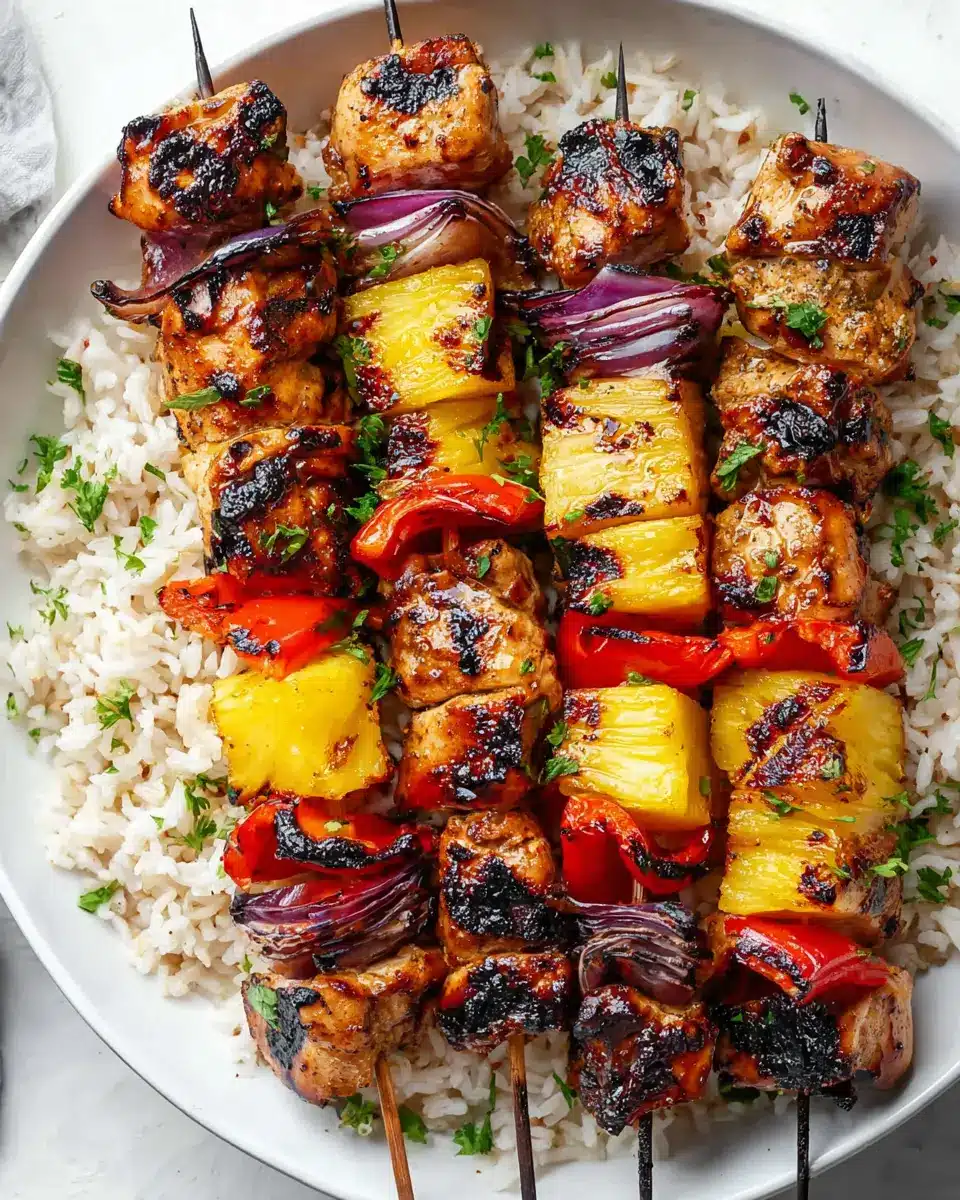
Quick, colorful, and full of bold sweet-savory flavor, Grilled Pineapple Chicken Kabobs make a reliable summer dinner with juicy chicken, fresh pineapple, and tender peppers finished with a glossy homemade glaze.
These kabobs are the kind of meal that feels fun enough for cookouts but simple enough for a regular weeknight when you want something fresh off the grill.
Why You Will Love This Recipe
- Effortless Grilling: These kabobs are designed for easy preparation and cooking on the grill, making them perfect for outdoor entertaining or a quick weeknight meal.
- Vibrant Presentation: The colorful combination of chicken, pineapple, and bell peppers creates a visually appealing dish that’s as delightful to look at as it is to eat.
- Perfectly Balanced Flavors: The sweet tang of pineapple, savory chicken, and the slight char from the grill create a harmonious blend of tastes that is incredibly satisfying.
- Versatile Meal: Whether served as a main course with simple sides or as part of a larger barbecue spread, these kabobs adapt beautifully to various dining occasions.
- Customizable: Easily adjust the vegetables or spice levels to suit your preferences, making this a go-to recipe for any palate.
Ingredients You Need
The success of these Grilled Pineapple Chicken Kabobs hinges on the quality and freshness of the ingredients you choose. Opting for vibrant produce and good quality chicken will significantly enhance the final flavor profile. Ensure your pineapple is ripe for optimal sweetness and caramelization on the grill.
Grilled Pineapple Chicken Kabobs
Quick, colorful, and full of bold sweet-savory flavor, Grilled Pineapple Chicken Kabobs make a reliable summer dinner with juicy chicken, fresh pineapple, and tender peppers finished with a glossy homemade glaze. These kabobs are the kind of meal that feels fun enough for cookouts but simple enough for a regular weeknight when you want something fresh off the grill.
- 12 skewers (soaked in water for
- 30 minutes if wooden)
- 2 pounds chicken breast, cut into 1 1/2-inch chunks
- 1 large red onion, cut into 1 1/2-inch pieces and layers separated
- 3 cups fresh pineapple, cut into cubes
- 2 bell peppers (any color), cut into 1 1/2-inch pieces
- 2 tablespoons olive oil (for the skewers)
- 1/4 teaspoon fine salt
- 1/4 teaspoon ground black pepper
- 1/3 cup low-sodium soy sauce
- 1/3 cup ketchup
- 1/3 cup pineapple juice
- 1/4 cup packed dark brown sugar
- 1 tablespoon olive oil
- 2 teaspoons freshly grated ginger
- 2 teaspoons minced garlic
- 2 teaspoons sesame oil
- 1/4 teaspoon salt
- 1/4 teaspoon black pepper
- 1 teaspoon cornstarch
- 1 tablespoon water
- 1Place the chicken pieces into a gallon-size zip-top plastic bag and set aside.
- 2In a small bowl, whisk together the soy sauce, ketchup, pineapple juice, brown sugar, olive oil, ginger, garlic, sesame oil, salt, and black pepper. Do not add the cornstarch or water at this stage.
- 3Transfer about 2/3 cup of the marinade, roughly half, into a separate small container and refrigerate it for later. Pour the remaining marinade over the chicken in the bag.
- 4Press out as much excess air as possible, seal the bag, and refrigerate. Let the chicken marinate for at least 1 hour and no longer than 3 hours.
- 5If using wooden skewers, submerge them in water while the chicken marinates so they are less likely to scorch on the grill.
- 6Add the pineapple, bell peppers, and red onion to a large bowl. Drizzle with 2 tablespoons olive oil, then season with 1/4 teaspoon salt and 1/4 teaspoon black pepper. Toss well to coat.
- 7Once marinating is complete, thread the skewers evenly with the chicken, pineapple, onion, and peppers. Discard the marinade that was in contact with the raw chicken.
- 8In a small bowl, stir together the cornstarch and water until smooth to form a slurry.
- 9Pour the reserved marinade into a small saucepan over medium-low heat. Stir in the cornstarch slurry and cook, stirring constantly, until the sauce thickens. Remove from the heat and set aside.
- 10Preheat a gas grill to medium heat or prepare coals for medium cooking. Lightly oil the grill grates if needed.
- 11Place the assembled kabobs on the grill and cook for 5 to 6 minutes, until browned on the first side.
- 12Turn the skewers over, brush the cooked side with the thickened basting sauce, and grill for another 4 to 5 minutes, or until the chicken reaches an internal temperature of 165°F.
- 13Turn once more and brush with any remaining basting sauce.
- 14Remove the kabobs from the grill and arrange them on a serving platter. Serve hot.
Keywords: Grilled Pineapple Chicken Kabobs, chicken skewers, pineapple, bell peppers, red onion, grilling, summer dinner, easy recipe, sweet and savory
Quantities for each ingredient are detailed within the recipe card.
Variations
For a delightful Vegan Adaptation, substitute the chicken with firm tofu or large chunks of cauliflower florets. Marinate these in a similar sauce, perhaps with a touch more sweetness to compensate for the lack of chicken fat, and grill them alongside the pineapple and vegetables for a plant-based powerhouse skewer.
If you’re following a Low Carb Lifestyle, omit the pineapple and significantly reduce or replace the brown sugar in the marinade with a sugar substitute like erythritol or stevia. Focus on a variety of colorful bell peppers, zucchini, and red onions, ensuring your marinade is primarily soy-based with fresh aromatics.
Consider a Spicy Kick variation by adding a pinch of cayenne pepper or a minced jalapeño to the marinade and basting sauce. This will introduce a pleasant heat that complements the sweet and savory elements, creating a more complex flavor experience for those who enjoy a bit of fire in their food.
Another approach is the Teriyaki Twist, where you can incorporate mirin and a bit more ginger into the marinade, leaning into classic Japanese flavors. This can be beautifully paired with broccoli florets or snap peas threaded onto the skewers for added texture and an earthy note.
You might also explore a Citrus Zest version. Adding the zest of one lime or orange to the marinade can brighten the overall flavor profile, cutting through the richness and adding a refreshing tang that is particularly appealing during warmer months.
For a quick meal, you could also try a Sheet Pan Bake variation if grilling isn’t an option. Toss all the ingredients with the marinade and sauce and roast on a baking sheet at a high temperature, aiming for similar caramelization as grilling. This offers convenience without sacrificing flavor, though it will miss the distinct smoky char.
The key to any variation is maintaining the balance of sweet, savory, and slightly acidic components, ensuring that each bite offers a delightful interplay of tastes and textures. This adaptability is what makes grilled kabobs such a beloved and enduring dish across many cuisines and dietary preferences.
How to Prepare Grilled Pineapple Chicken Kabobs
Step 1: Crafting the Flavorful Marinade
The journey to delicious Grilled Pineapple Chicken Kabobs begins with a meticulously prepared marinade. In a medium bowl, whisk together the low-sodium soy sauce, ketchup, pineapple juice, packed dark brown sugar, one tablespoon of olive oil, freshly grated ginger, minced garlic, and sesame oil until thoroughly combined. It is crucial that the brown sugar dissolves completely, ensuring a smooth base for the marinade and subsequent basting sauce. Make sure every ingredient is well integrated for maximum flavor infusion.
Once the marinade is perfectly blended, it’s time to portion it strategically. Carefully transfer approximately two-thirds of this flavorful mixture into a separate, clean container. This reserved portion will be transformed into the glossy basting sauce later, so it must remain uncontaminated by raw chicken. Seal this container and refrigerate it, ensuring it stays chilled and ready for its crucial role. This step is vital for food safety and for achieving that perfect finishing glaze.
Now, pour the remaining one-third of the marinade over the chicken pieces, which should ideally be cut into uniform 1 1/2-inch chunks. Place the chicken in a resealable plastic bag or a non-reactive bowl. Press out as much excess air as possible from the bag to ensure maximum contact between the chicken and the marinade. Seal it securely, or cover the bowl tightly, and then place it in the refrigerator to marinate. Allow the chicken to soak in the delicious flavors for at least one hour, but no longer than three hours, to prevent the texture from becoming mushy.
Step 2: Preparing the Produce and Skewers
While the chicken is busy absorbing the delightful marinade, turn your attention to preparing the vibrant produce and essential skewers. If you are using wooden skewers, this is the opportune moment to submerge them in a basin of cool water. Allow them to soak for at least 30 minutes; this simple step is crucial for preventing the wooden skewers from scorching and burning on the hot grill, ensuring they hold their structural integrity throughout the cooking process. This also helps them conduct heat more evenly.
In a large mixing bowl, combine the cubed fresh pineapple, the colorful bell pepper pieces (cut into roughly 1 1/2-inch squares for even cooking), and the red onion segments, ensuring the layers of the onion are separated for better grill contact. Drizzle these prepared vegetables and pineapple with two tablespoons of olive oil. The olive oil acts as a lubricant, helping to distribute the seasoning evenly and promoting beautiful grill marks and slight caramelization. It also prevents sticking.
Season the produce generously with 1/4 teaspoon of fine salt and 1/4 teaspoon of ground black pepper. This initial seasoning enhances the natural sweetness of the pineapple and the subtle flavors of the peppers and onions, creating a foundation of taste. Toss everything together gently but thoroughly, ensuring each piece of pineapple, pepper, and onion is lightly coated with the oil and seasonings. This careful preparation ensures that the vegetables and fruit will cook evenly alongside the chicken and develop appealing char marks.
Step 3: Assembling the Kabobs with Precision
With all components prepped and ready, it’s time to artfully assemble the kabobs. Take the marinated chicken pieces, which should now be infused with a depth of flavor. Begin by threading the chicken onto the soaked skewers, aiming for even distribution. Ensure the chicken pieces are not packed too tightly; leaving a little space between them allows for better heat circulation and more even cooking, preventing the chicken from steaming rather than grilling.
Next, strategically intersperse the prepared pineapple cubes, bell pepper pieces, and separated red onion segments among the chicken chunks. Aim for a visually appealing and balanced pattern on each skewer. A common and effective arrangement is chicken, pineapple, pepper, onion, chicken, pineapple, pepper, onion, and so on, until the skewer is full but not overcrowded. The consistent size of the cut ingredients is key here, as it ensures that everything cooks at roughly the same rate, leading to perfectly cooked chicken and tender-crisp vegetables and fruit.
Maintain a steady rhythm as you thread each skewer, paying attention to the overall appearance and balance. You should have approximately 12 skewers when finished, with each one showcasing a beautiful medley of colors and textures. Once assembled, place the completed skewers on a clean plate or baking sheet. It is absolutely critical to discard the marinade that was in direct contact with the raw chicken; this is a crucial food safety measure to prevent cross-contamination. The marinade that was set aside is safe for consumption and will be used for the basting sauce.
Step 4: Transforming Marinade into a Glossy Basting Sauce
Now, let’s turn that reserved, pristine marinade into a glorious basting sauce that will elevate your kabobs to new heights. In a small saucepan, combine the reserved marinade with a cornstarch slurry. To create the slurry, whisk together 1 teaspoon of cornstarch with 1 tablespoon of cold water in a tiny bowl until it is completely smooth and free of lumps. This mixture is the key to achieving a beautifully thickened, glossy sauce that clings perfectly to the kabobs.
Place the saucepan over medium-low heat. Stir the mixture constantly as it heats up. The cornstarch will begin to work its magic, gradually thickening the sauce. Continue to stir diligently until the sauce reaches a consistency that coats the back of a spoon; this indicates it’s ready. This process should be relatively quick, so keep a close eye on it to prevent scorching or over-thickening. The goal is a smooth, syrupy glaze.
Once the desired thickness is achieved, immediately remove the saucepan from the heat. Allowing it to continue cooking on the stove could result in a sauce that becomes too stiff or even burns. Set the saucepan aside in a safe place where it is easily accessible for the grilling process. This rich, flavorful basting sauce will be brushed onto the kabobs during the final stages of grilling, imparting an irresistible sheen and an extra layer of delicious flavor.
Step 5: The Grilling Process – Achieving Perfect Char
It’s time to fire up the grill and get those kabobs cooking! Preheat your gas grill to a medium heat setting, or prepare your charcoal grill with a medium-hot coal bed. If your grill grates tend to be sticky, it’s a good idea to lightly oil them. This can be done by dipping a folded paper towel in a high-heat oil like vegetable or canola oil, holding it with tongs, and quickly wiping the grates. This simple step prevents the kabobs from sticking and ensures beautiful grill marks.
Carefully arrange the assembled kabobs on the preheated grill grates. Distribute them evenly across the grill, ensuring there is enough space between each skewer for optimal heat circulation. Close the grill lid to trap the heat and allow the first side of the kabobs to cook. Let them grill for approximately 5 to 6 minutes, or until you see a nice browning and appealing grill marks appearing on the bottom side. Resist the urge to move them too early; allow them to develop a good sear.
Once the first side is beautifully browned, it’s time to flip. Using a pair of sturdy tongs or a spatula, carefully turn each skewer over to expose the uncooked side to the heat. This is where the magic starts to happen. As you flip, you will see the chicken and pineapple beginning to caramelize, releasing their delightful aromas. This is the moment to begin basting.
Step 6: Basting and Finishing for Glazed Perfection
With the kabobs flipped to their second side, it’s time to introduce the glorious basting sauce. Using a pastry brush, generously brush the cooked side of each kabob with the thickened, glossy sauce you prepared earlier. Ensure you get a good coating on the chicken, pineapple, and vegetables. This basting step not only adds incredible flavor but also creates that beautiful, caramelized glaze that is characteristic of these kabobs.
Close the grill lid again and continue grilling for another 4 to 5 minutes on this basting side. During this time, the chicken will continue to cook through, and the sauce will set into a lovely glaze. The key is to ensure the chicken reaches an internal temperature of 165 degrees Fahrenheit (74 degrees Celsius) for food safety. An instant-read thermometer is your best friend here; insert it into the thickest part of the chicken, avoiding the pineapple and vegetables.
As the chicken approaches its final temperature, you might want to give the kabobs one final turn and a light brush with any remaining basting sauce. This ensures an even coating of delicious glaze on all sides. Once the chicken is fully cooked and the glaze is wonderfully sticky and slightly caramelized, carefully remove the kabobs from the grill. Arrange them attractively on a serving platter and serve immediately while they are hot, showcasing their glossy finish and tempting charred edges.
Pro Tips for Grilled Pineapple Chicken Kabobs
- Uniformity is Key: Cut all your ingredients – chicken, pineapple, peppers, and onions – into similar-sized pieces, roughly 1 to 1.5 inches. This ensures that everything cooks evenly on the skewer, preventing some items from being overcooked while others remain underdone.
- Don’t Over-Marinate: While marinating infuses flavor, overdoing it can make the chicken mushy. Stick to a window of 1 to 3 hours for the best texture and flavor balance.
- Reserve Marinade Safely: Always set aside a portion of the marinade *before* adding the raw chicken. This reserved portion can then be safely cooked down into a glaze, whereas the marinade that touched raw chicken must be discarded.
- Proper Skewer Soaking: If using wooden skewers, soak them in water for at least 30 minutes before threading. This prevents them from burning to a crisp on the grill, ensuring they hold together and remain aesthetically pleasing.
- Medium Heat is Your Friend: Grill the kabobs over medium heat rather than high heat. This allows the chicken to cook through thoroughly without the exterior burning, and it gives the pineapple and vegetables time to soften and caramelize beautifully.
- Invest in a Good Thermometer: An instant-read meat thermometer is invaluable for ensuring chicken is cooked to a safe internal temperature of 165°F (74°C) without overcooking it.
Serving Suggestions for Grilled Pineapple Chicken Kabobs
Decoration
Garnish the platter of grilled pineapple chicken kabobs with fresh sprigs of cilantro or chopped parsley for a burst of green and a hint of freshness. A scattering of toasted sesame seeds over the top adds a pleasant nutty crunch and a touch of visual sophistication. For a vibrant pop of color and an extra citrusy aroma, thinly sliced lime or lemon wedges can be arranged around the kabobs, offering guests a chance to add a bright, zesty note.
Side Dishes
These kabobs pair wonderfully with a simple bed of fluffy white rice or fragrant coconut rice. The rice is perfect for soaking up any extra delicious glaze that drips from the skewers. A light and refreshing cucumber salad or a crisp green salad with a tangy vinaigrette provides a cooling contrast to the grilled flavors. For a heartier meal, consider serving them alongside grilled corn on the cob, roasted sweet potatoes, or a side of quinoa pilaf.
Creative Serving Ideas
Transform your kabob experience by serving them over a vibrant bed of mixed greens, creating a substantial and colorful salad. Another innovative idea is to deconstruct the kabobs and serve the grilled chicken and pineapple mixture over a bed of grilled flatbread or in soft tacos, topped with a drizzle of sriracha mayo or a dollop of avocado crema. For a fun, kid-friendly option, serve them with a side of homemade sweet potato fries and a dipping sauce like honey mustard or ranch.
Preparation & Storage
Storing Leftovers
Leftover grilled pineapple chicken kabobs can be stored in an airtight container in the refrigerator for up to 3 days. To maintain the best texture, it’s advisable to remove the chicken and vegetables from the skewers before storing them, especially if you plan to reheat them in a skillet. This makes them easier to manage and ensures more even heating. Ensure the leftovers are cooled completely before sealing the container.
Freezing
While not the absolute best option for maintaining peak texture, cooked kabob components can be frozen for up to 2 months. It is best to freeze the chicken, pineapple, and vegetables separately from the skewers. Allow them to cool completely before portioning into freezer-safe bags or containers. The pineapple and peppers may soften slightly upon thawing, so consume them sooner rather than later for the freshest result.
Reheating
To reheat leftovers, gently warm them in a skillet over medium-low heat, stirring occasionally, until heated through. This method helps to retain some of the tenderness and prevents the chicken from drying out. Alternatively, you can loosely tent the kabobs with foil and reheat them in a preheated oven at around 325°F (160°C) until warm. Microwaving is also an option; use short intervals and check frequently to avoid overcooking the chicken.
Frequently Asked Questions
-
Can I prepare these kabobs ahead of time, and if so, what is the best way to do it?
Yes, these kabobs are excellent candidates for advance preparation, making them convenient for busy weeknights or entertaining. You can cut the chicken, bell peppers, and red onion earlier in the day and store them separately in airtight containers in the refrigerator. The pineapple can also be pre-cubed and stored. Prepare the marinade and store it separately as well. For the best texture and to prevent the chicken from becoming mushy, it is recommended to thread the skewers closer to the grilling time, ideally no more than an hour or two before you plan to cook them.
-
What are the best substitutes for fresh pineapple if it’s not in season or readily available?
While fresh pineapple offers the superior texture and caramelization for grilling, you can use canned pineapple if fresh is unavailable. Ensure you use pineapple chunks packed in juice, not syrup, and drain them extremely well. Patting the drained chunks with paper towels will help remove excess moisture, which is critical for achieving good grill marks and preventing steaming. Be aware that canned pineapple tends to be softer and may break down more easily on the skewers compared to its fresh counterpart, so handle them gently.
-
How can I ensure the chicken is perfectly cooked and safe to eat without overcooking it?
The most reliable method for ensuring chicken is cooked to a safe internal temperature of 165°F (74°C) is by using an instant-read meat thermometer. Insert the thermometer into the thickest part of a chicken chunk on the skewer, making sure not to touch the pineapple or vegetables, as they will register a different temperature. Visually, the chicken should be opaque all the way through with no pinkness remaining, and the juices should run clear. Grilling over medium heat and basting towards the end of cooking helps to keep the chicken moist and flavorful while it reaches its safe internal temperature.