Sheet Pan Chicken Dinner – Easy Meal Prep Idea!
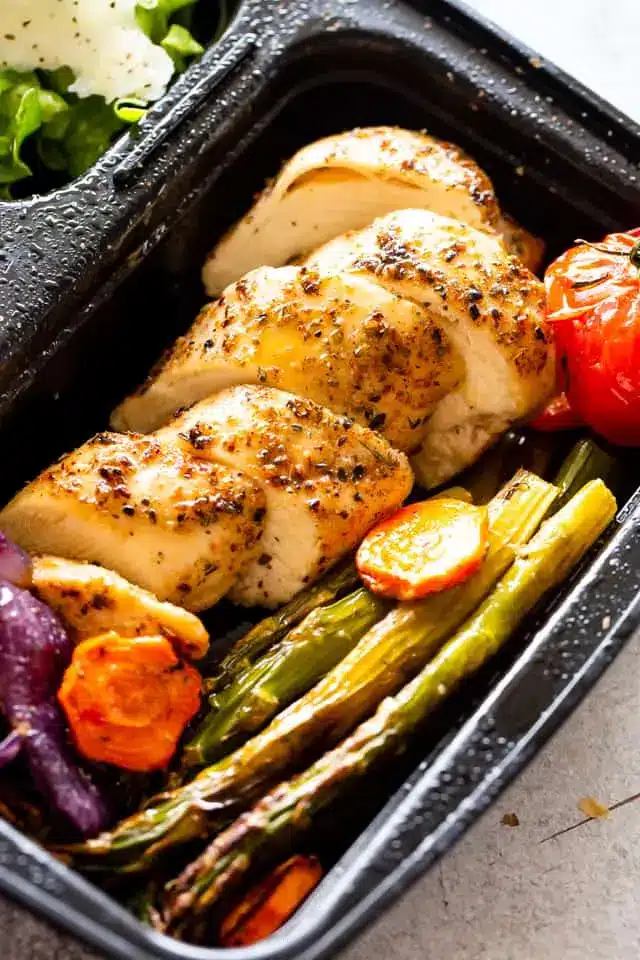
Discover the ultimate weeknight savior with this incredibly simple yet remarkably flavorful Sheet Pan Chicken recipe. It’s the kind of meal that makes busy evenings feel effortless, transforming humble ingredients into a vibrant, satisfying dinner.
Imagine a symphony of tender, seasoned chicken breasts nestled alongside perfectly roasted potatoes and an assortment of colorful vegetables, all cooked to perfection on a single baking sheet. This dish is designed for maximum flavor with minimum fuss, making it a true culinary champion for any home cook seeking delicious simplicity.
Why You Will Love This Recipe
- Effortless Cleanup: The magic of a sheet pan dinner lies in its minimal dishwashing; everything cooks on one pan, drastically reducing your time spent at the sink after a satisfying meal.
- Balanced Meal: It delivers a complete and nutritious meal in one go, combining lean protein from the chicken with essential vitamins and fiber from the array of roasted vegetables and potatoes.
- Customizable Veggies: This recipe provides a fantastic framework, allowing you to easily swap in your favorite vegetables or use what you have on hand, ensuring endless variations and minimal food waste.
- Perfect for Meal Prep: Cook a larger batch on the weekend and enjoy healthy, delicious leftovers throughout the week, making your busy schedule significantly more manageable.
- Quick Preparation: With just a few minutes of hands-on time, the oven takes care of the rest, delivering a hot, wholesome dinner ready in under an hour from start to finish.
Ingredients You Need
The beauty of this sheet pan chicken lies in its reliance on high-quality, readily available ingredients that come together harmoniously. Opting for fresh produce and good quality chicken will elevate the final dish, ensuring every bite is bursting with authentic flavor. Even simple seasonings can transform these components into something extraordinary.
Sheet Pan Chicken
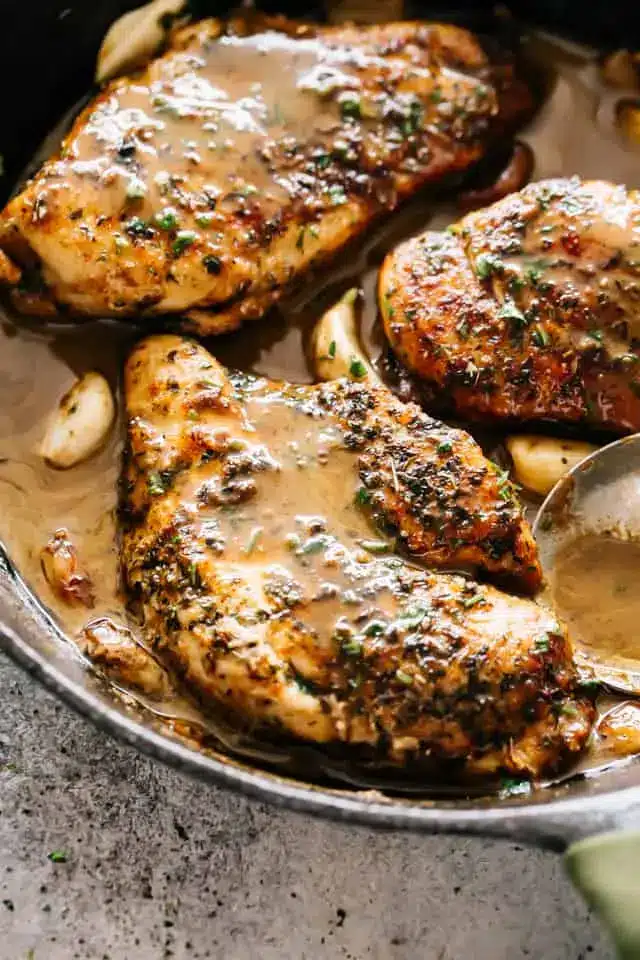
This easy sheet pan chicken recipe features juicy, seasoned chicken breasts baked with tender vegetables and potatoes, all cooked in a single pan for minimal cleanup. It's perfect for weeknight dinners and meal prep.
- 4 boneless, skinless chicken breasts (about 1 to 1½ pounds total)
- 3 cups diced potatoes
- 1 pound asparagus, ends trimmed
- 2 large carrots, diced or thinly sliced
- 1 large red onion, quartered
- 2 cups cherry tomatoes (optional)
- 2 tablespoons olive oil, divided
- 2 cloves garlic, minced, divided
- 1 teaspoon garlic powder
- 1½ teaspoons dried rosemary, divided
- 1½ teaspoons dried thyme, divided
- Salt and freshly ground black pepper, to taste
- 1 tablespoon butter, cut into 4 pats
- 1Preheat oven to 425°F. Line a large sheet pan with parchment paper or foil.
- 2Chop the vegetables (potatoes, Brussels sprouts, asparagus, carrots, red onion). Place them on the prepared sheet pan.
- 3Drizzle olive oil over the vegetables. Season with garlic powder, ½ teaspoon rosemary, ½ teaspoon thyme, salt, and pepper.
- 4Place 2 chicken breasts on a large piece of parchment paper. Rub with olive oil and season with salt, pepper, ½ teaspoon rosemary, ½ teaspoon thyme, and half of the minced garlic. Place a pat of butter on top of each chicken breast and tightly seal the parchment paper around them. Repeat with the remaining chicken breasts.
- 5Place the wrapped chicken packets in the center of the baking pan, surrounded by the vegetables.
- 6Bake for 30 minutes, or until the chicken is cooked through (internal temperature reaches 165°F).
- 7Optional: Add cherry tomatoes to the sheet pan during the last 10 minutes of cooking.
- 8Remove from oven and let rest for 5 minutes. Unwrap the chicken and serve.
Keywords: Sheet Pan Chicken, easy chicken recipe, weeknight dinner, meal prep, roasted vegetables, one-pan meal, German cuisine
Detailed quantities for each ingredient are readily available within the comprehensive recipe card for your convenience.
Variations
The inherent versatility of a sheet pan dinner means it’s a canvas for countless culinary explorations. Feel free to adapt and personalize this recipe to suit your specific dietary needs or flavor preferences, ensuring it remains a staple in your rotation.
For a delightful vegan iteration, simply substitute the chicken breasts with hearty plant-based protein sources such as large portobello mushroom caps, extra-firm tofu cubes, or substantial cauliflower florets. Ensure these alternatives are seasoned and roasted similarly to achieve that wonderful caramelized char. You can also increase the variety of vegetables to create a robust, satisfying vegan meal that rivals any meat-based dish.
If you’re following a low-carb lifestyle, the potatoes can be expertly replaced with lower-carbohydrate vegetables that still offer a satisfying texture and flavor. Consider swapping them for more Brussels sprouts, zucchini, bell peppers, or even substantial chunks of broccoli. Ensure these vegetables are cut to a size that will roast in approximately the same amount of time as the chicken, maintaining the recipe’s inherent efficiency.
Introducing a touch of Mediterranean flair is another exciting avenue. Incorporate Kalamata olives, sun-dried tomatoes, and artichoke hearts alongside the chicken and vegetables. A sprinkle of feta cheese just before serving or a drizzle of balsamic glaze can further enhance these delicious, sun-kissed flavors, transporting your taste buds with every bite.
How to Prepare Sheet Pan Chicken
Step 1: Setting the Stage for Culinary Success
Begin by preheating your oven to a robust 425°F (220°C). This high temperature is crucial for achieving that perfect roast on both the chicken and the vegetables, ensuring they develop a delightful crisp exterior while remaining tender and juicy inside. A well-preheated oven is the cornerstone of any successful sheet pan meal, guaranteeing even cooking and optimal flavor development.
Next, prepare your baking sheet by lining it with parchment paper or aluminum foil. This essential step not only prevents sticking, which can be a major hassle, but it also significantly simplifies the cleanup process. Having a clean-up-ready pan means more time to enjoy your delicious meal and less time scrubbing, a trade-off most home cooks readily embrace.
Ensure the parchment paper or foil extends slightly up the sides of the pan to catch any inevitable drippings, further aiding in a mess-free experience. This proactive approach to pan preparation is a small but mighty detail that contributes to the overall ease and enjoyment of the cooking process.
Step 2: The Art of Vegetable Preparation
Now, it’s time to focus on the vibrant array of vegetables that will accompany your chicken. Begin by washing and preparing your chosen produce. For this recipe, we’ll be working with potatoes, Brussels sprouts, asparagus, carrots, and red onion, ensuring a colorful and nutritionally diverse mix.
Dice the potatoes and carrots into roughly uniform, approximately 1-inch chunks. This consistent sizing is key to ensuring they roast evenly and become tender at the same rate as the other ingredients. Similarly, halve the Brussels sprouts and trim the woody ends from the asparagus, ensuring they are also bite-sized and ready for roasting.
Quarter the red onion, separating the layers slightly so they roast and caramelize beautifully. Remember that vegetables like cherry tomatoes, if using, are added later due to their shorter cooking time. This careful preparation ensures that every component on the sheet pan reaches its optimal texture and doneness simultaneously.
Step 3: Seasoning the Vegetables
Once your vegetables are prepped and ready, it’s time to imbue them with flavor. Arrange the prepared vegetables (excluding the cherry tomatoes at this stage) in separate sections on your prepared baking sheet. Creating distinct zones for each vegetable type helps to ensure they roast properly without becoming overly crowded or steamed.
Drizzle a portion of the olive oil evenly over all the vegetables. The oil acts as a conduit for flavor and helps to achieve that desirable roasted crispness. Follow this with a generous seasoning of garlic powder, followed by half of the dried rosemary and thyme. Season generously with salt and freshly ground black pepper to taste, ensuring each vegetable piece is coated.
Gently toss the vegetables directly on the baking sheet to ensure the oil and seasonings are distributed evenly. This direct-on-sheet-pan method minimizes the need for extra bowls, further contributing to the recipe’s ease of cleanup. The aroma at this stage is already promising, a hint of the delicious meal to come.
Step 4: Preparing and Seasoning the Chicken
Now, let’s turn our attention to the star protein: the chicken breasts. Pat the boneless, skinless chicken breasts dry with paper towels. This step is crucial for achieving a beautiful sear and preventing the chicken from steaming rather than roasting. Dry chicken skin or surfaces crisp up wonderfully in the oven.
Place two chicken breasts on a large piece of parchment paper, leaving ample space around them. Rub both sides of the chicken with the remaining olive oil, ensuring a light, even coating. Season generously with salt, freshly ground black pepper, the remaining dried rosemary, and thyme. Finally, add half of the minced fresh garlic to each chicken breast, gently pressing it into the surface.
This meticulous seasoning process ensures that the chicken is flavorful throughout. The combination of herbs, garlic, salt, and pepper creates a classic, comforting taste profile that pairs perfectly with the roasted vegetables. The aroma of the fresh garlic and herbs beginning to meld is truly enticing.
Step 5: The Enchantment of Butter and Parchment
To elevate the chicken and ensure it remains incredibly moist and succulent throughout the roasting process, we employ a clever technique with butter. Place a pat of butter directly on top of each seasoned chicken breast. The butter will slowly melt as the chicken cooks, basting it from the inside out and infusing it with richness.
Once the butter is in place, carefully fold the parchment paper up and around the chicken breasts, sealing the edges tightly to create a packet. This en papillote method traps the chicken’s juices and the melting butter, essentially steaming the chicken in its own flavorful essence while it roasts. It’s a simple yet highly effective way to guarantee incredibly tender and juicy chicken.
Repeat this parchment-wrapping process with the remaining two chicken breasts. This individual wrapping ensures that each chicken breast is perfectly cooked and infused with flavor. The sealed packets also help to keep the juices contained, preventing them from making the vegetables soggy.
Step 6: The Grand Finale – Baking and Finishing
Now, it’s time to bring everything together on the baking sheet. Carefully place the individually wrapped chicken packets in the center of the baking sheet, nestled amongst the seasoned vegetables. Ensure there’s still some space between the chicken and the vegetables so that everything roasts effectively rather than steaming.
Transfer the loaded baking sheet to the preheated oven. Bake for approximately 30 minutes. The exact cooking time will depend on the thickness of your chicken breasts and the size of your vegetable chunks. You’re looking for the chicken to be cooked through and the vegetables to be tender and slightly caramelized.
To confirm the chicken is perfectly done, use an instant-read thermometer inserted into the thickest part of a breast; it should register an internal temperature of 165°F (74°C). If you are adding cherry tomatoes, scatter them around the vegetables during the last 10 minutes of baking; they will soften and burst beautifully. Once cooked, remove the sheet pan from the oven and let it rest for about 5 minutes before unwrapping the chicken. This resting period allows the juices to redistribute, ensuring maximum tenderness and moisture.
Pro Tips for Sheet Pan Chicken
Even Cutting is Key: Ensure all your vegetables are cut into similar-sized pieces. This isn’t just about aesthetics; it’s critical for ensuring everything cooks at the same rate on the sheet pan. Uneven cuts can lead to some vegetables being overcooked while others are still underdone, disrupting the harmony of the dish.
Don’t Overcrowd the Pan: Resist the urge to pile everything too high on a single sheet pan. Overcrowding leads to steaming rather than roasting, and you’ll miss out on that desirable crispiness. If necessary, use two sheet pans to give your ingredients enough space to achieve their best texture. This separation promotes better air circulation around each piece.
High Heat for Roasting: Don’t shy away from the high oven temperature of 425°F (220°C). This heat is essential for achieving beautifully browned and slightly charred edges on your vegetables and chicken, which significantly enhances the flavor profile. Lower temperatures will result in a softer, less appealing texture.
Adjust Cooking Times for Veggies: While the recipe offers a great starting point, always be mindful of your vegetables’ cooking times. Harder root vegetables like potatoes and carrots will take longer than quicker-cooking items like asparagus or bell peppers. You can always add more delicate vegetables partway through the cooking process if you notice they are at risk of overcooking.
The Power of Resting: Allowing the chicken to rest for 5-10 minutes after cooking is non-negotiable. This brief period allows the juices to settle back into the meat, resulting in a far more tender and moist chicken breast. Skipping this step can lead to juices running out, leaving the chicken drier than intended.
Serving Suggestions for Sheet Pan Chicken
Decoration
Elevate the visual appeal of your sheet pan chicken with a scattering of fresh herbs. Finely chopped fresh parsley or chives add a vibrant burst of green and a delicate, fresh aroma that complements the roasted flavors beautifully. A final grind of black pepper over the top also adds a touch of elegance and visual texture.
Side Dishes
This sheet pan chicken is a complete meal on its own, but it pairs wonderfully with simple yet satisfying sides. A fluffy bed of jasmine rice or fluffy quinoa can soak up any delicious pan juices. For a touch of indulgence, consider serving it alongside creamy garlic butter noodles or a light, refreshing salad with a zesty vinaigrette.
Creative Serving Ideas
Transform your sheet pan chicken into a delightful lunch wrap by shredding or dicing the chicken and mixing it with the roasted vegetables. Spoon this mixture into whole wheat wraps, cottage cheese flatbreads, or even large lettuce cups for a healthy and portable meal. Another idea is to serve it over a bed of mixed greens for a hearty chicken salad that’s packed with roasted goodness.
Preparation & Storage
Storing Leftovers
Once the sheet pan chicken and vegetables have cooled completely, transfer any leftovers to an airtight container. Store them in the refrigerator for up to 5 days. Properly stored, the leftovers will maintain their flavor and texture, making them ideal for convenient meals throughout the week.
Freezing
For longer storage, this sheet pan chicken and vegetables can be frozen. Portion the cooled leftovers into freezer-safe containers or heavy-duty freezer bags. Ensure they are well-sealed to prevent freezer burn. Frozen for up to 2 months, these portions offer a quick and easy meal solution for future busy days.
Reheating
Reheating is straightforward and ensures you can enjoy your leftovers as if they were freshly made. For the best results, reheat the chicken and vegetables gently in a covered skillet on the stovetop over medium-low heat, or in a conventional oven at around 350°F (175°C) until heated through. A microwave can also be used, but be mindful of potentially drying out the chicken if reheated too aggressively.
Frequently Asked Questions
- Can I use chicken thighs instead of breasts for this sheet pan chicken recipe?
Absolutely! Chicken thighs, whether bone-in or boneless and skinless, are a fantastic alternative and often remain even more moist and tender due to their higher fat content. However, it’s important to note that bone-in chicken thighs will require a longer cooking time than boneless breasts. You should increase the oven time by approximately 10-15 minutes, or until the internal temperature reaches 165°F (74°C). Boneless, skinless thighs will cook in a similar timeframe to chicken breasts, but always verify the internal temperature for safety and doneness.
- What are the best vegetables to use if I want to add variety to this sheet pan chicken?
The beauty of sheet pan dinners is their inherent flexibility with vegetables. Besides the ones listed, consider adding broccoli florets, cauliflower florets, sweet potatoes (diced), cubed butternut squash, sliced bell peppers (any color), zucchini or yellow squash (sliced), green beans (trimmed), or even cherry tomatoes. For vegetables that cook more quickly, like asparagus or cherry tomatoes, it’s best to add them during the last 10-15 minutes of the chicken’s cooking time to prevent them from becoming mushy. Denser vegetables like root vegetables should be cut into smaller pieces to ensure they cook through alongside the chicken.
- How can I ensure the chicken stays juicy and doesn’t dry out when cooking on a sheet pan?
Several factors contribute to juicy chicken. Firstly, patting the chicken breasts dry before seasoning is crucial, as it allows for better searing and browning. Secondly, the recipe’s inclusion of butter packets is a deliberate step to baste the chicken as it cooks, infusing it with moisture and flavor. Ensuring you don’t overcook the chicken is paramount; use a meat thermometer to check for an internal temperature of 165°F (74°C) and remove it promptly. Finally, allowing the chicken to rest for 5-10 minutes after cooking, before slicing or serving, is vital for redistributing its juices, making it incredibly tender and moist.