Pesto Chicken and Orzo
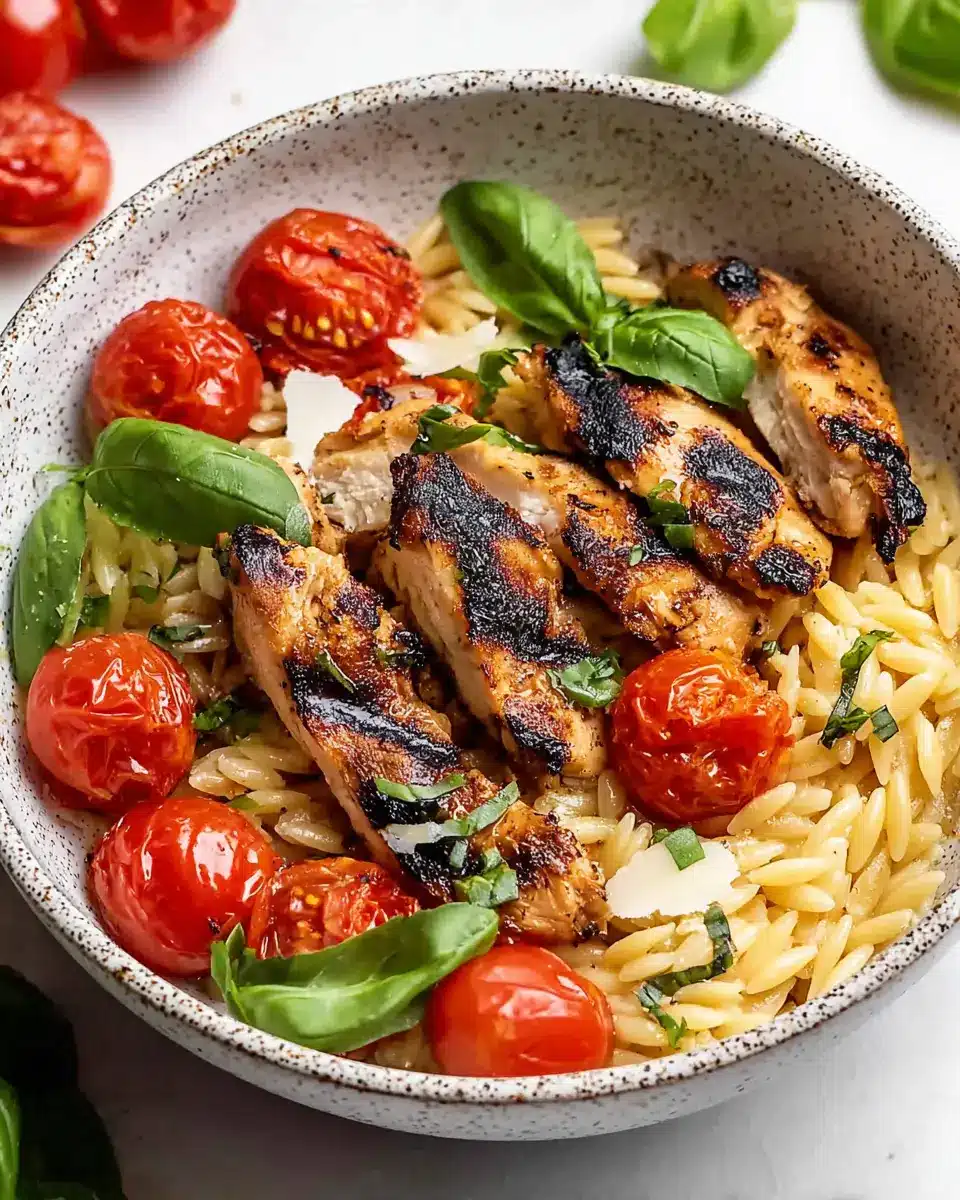
Welcome to a culinary adventure that promises to transform your weeknights into moments of delicious ease. This Pesto Chicken and Orzo recipe is a symphony of vibrant flavors and comforting textures, designed to be both impressive and incredibly approachable.
Imagine a single skillet bursting with tender, seasoned chicken, perfectly cooked orzo infused with savory broth, and topped with a bright, fresh tomato and basil medley. It’s the kind of meal that makes you feel like a gourmet chef without the fuss, a true testament to the magic that can happen with just a few quality ingredients and a touch of culinary inspiration. We’re thrilled to share this gem with you.
Why You Will Love This Recipe
- One-Pan Simplicity: Enjoy a complete, flavorful meal with minimal cleanup, as everything is cooked harmoniously in a single skillet.
- Bright & Savory Flavors: The zesty pesto, savory chicken broth, and fresh tomato-basil topping create a perfectly balanced and utterly delicious taste experience.
- Quick Preparation: This dish comes together swiftly, making it an ideal solution for busy weeknights when time is of the essence.
- Versatile Appeal: Whether serving family or guests, its appealing presentation and delightful taste are sure to impress everyone at the table.
- Customizable: Easily adapt this recipe to suit dietary preferences or what you have on hand, making it a true kitchen workhorse.
Ingredients You Need
The success of any dish hinges on the quality of its components, and this Pesto Chicken and Orzo is no exception. Opting for the freshest ingredients, particularly your pesto and produce, will elevate the final taste profile significantly. Choosing a good quality pesto, whether homemade or store-bought, provides the foundational flavor that ties everything together beautifully.
Pesto Chicken and Orzo

A flavorful one-pan entrée featuring tender pesto-coated chicken, delicate orzo simmered in seasoned broth, and a bright tomato-basil garnish finished with Parmesan. This quick and comforting dish is perfect for busy weeknights.
- 1.25 pounds boneless, skinless chicken breasts or thighs, cut into 1-inch pieces
- 1 cup yellow onion, finely chopped
- 2 1/2 cups reduced-sodium chicken broth
- 1 1/2 cups orzo pasta
- 1 teaspoon kosher salt, divided
- 1/2 teaspoon black pepper, divided
- 1/2 cup pesto, divided
- 2 tablespoons olive oil, divided
- 1 pint cherry tomatoes, cut in half
- 3 to 4 tablespoons fresh basil, chopped
- 1 teaspoon freshly minced garlic
- 1/4 cup grated Parmesan cheese
- 1Place the chicken pieces in a mixing bowl. Season them with 1/2 teaspoon of the kosher salt and 1/4 teaspoon of the black pepper. Add 1/4 cup of the pesto and toss until the chicken is evenly coated. Let it rest for 15 minutes.
- 2Warm 1 tablespoon of olive oil in a large skillet over medium heat. Add the marinated chicken in an even layer and sear for about 3 minutes without moving it, allowing the surface to brown well. Turn the pieces and cook for 1 to 2 minutes more, then transfer the chicken to a plate.
- 3Using the same skillet, add the diced onion and cook for about 3 minutes, or until softened. Stir in the orzo and cook for 1 to 2 minutes, allowing it to toast lightly.
- 4Pour in the chicken broth, then add the remaining 1/4 cup of pesto, the remaining 1/2 teaspoon of kosher salt, and the remaining 1/4 teaspoon of black pepper. Stir to combine, then return the seared chicken to the pan.
- 5Bring the mixture to a boil, then reduce the heat to medium-low and cover the skillet. Let it simmer gently for 15 minutes. Remove the lid, stir well, and continue cooking uncovered for 1 to 3 minutes, until the liquid has been absorbed and the orzo is tender.
- 6While the orzo cooks, prepare the topping. In a medium bowl, combine the halved cherry tomatoes, chopped basil, minced garlic, and 1 tablespoon of olive oil. Add a small pinch of salt and stir until evenly mixed.
- 7When the chicken and orzo are finished cooking, scatter the grated Parmesan over the top. Spoon the tomato-basil mixture across the dish and serve immediately.
Keywords: Pesto Chicken, Orzo, One-Pan Dinner, Quick Dinner, Italian-Inspired
- boneless skinless chicken breasts or thighs, cut into 1-inch pieces: provides the hearty protein base for the dish.
- yellow onion, finely chopped: adds a subtle sweetness and aromatic depth as it softens in the pan.
- reduced-sodium chicken broth: serves as the cooking liquid for the orzo, infusing it with savory flavor.
- orzo pasta: a delightful pasta shape that cooks quickly and absorbs the surrounding flavors beautifully.
- kosher salt: essential for seasoning and bringing out the best in each ingredient.
- black pepper: adds a gentle warmth and spice to complement the other flavors.
- pesto: the star ingredient, bringing herbaceous, garlicky, and cheesy notes to both the chicken and the orzo.
- olive oil or another neutral cooking oil: used for searing the chicken and sautéing the aromatics, providing a foundation for flavor.
- cherry tomatoes, cut in half: offer a burst of fresh, juicy sweetness and a vibrant color contrast.
- fresh basil, chopped: enhances the pesto flavor and provides a fragrant, herbaceous finish.
- freshly minced garlic: adds a pungent kick to the fresh topping, balancing the richness.
- grated Parmesan cheese, preferably freshly grated: delivers a salty, nutty, umami finish that melts into the warm pasta.
The exact quantities for each ingredient can be found within the recipe card above.
Variations
This Pesto Chicken and Orzo recipe is wonderfully adaptable, allowing you to tailor it to various dietary needs and flavor preferences. Its one-pan nature makes it a fantastic base for creative modifications without adding complexity.
For a delicious Vegan option, you can easily swap out the chicken for plant-based alternatives. Consider using firm tofu cubes that have been pressed and pan-fried until golden, or opt for hearty vegetables like zucchini, bell peppers, and mushrooms that can absorb the pesto flavor. Ensure your pesto is vegan by checking for cheese; many store-bought pestos are easily found in vegan varieties, or you can make your own without dairy. The orzo will still cook beautifully in vegetable broth, and the fresh tomato topping will keep it vibrant.
If you’re looking for a Low Carb variation, the orzo is the component to address. You can substitute it with a grain-free alternative like cauliflower rice or even shirataki rice. These options will soak up the pesto and broth flavors wonderfully, though they may require slightly different cooking times. You might also consider adding more protein, such as extra chicken or even some shrimp, to make the dish more filling without the carbohydrates from the pasta. This shift makes it a guilt-free, satisfying meal.
To make this dish gluten-free, the primary adjustment would be to ensure you use gluten-free orzo pasta. Many specialty stores now carry excellent gluten-free pasta options made from rice, corn, or lentil flour that will cook up similarly to traditional orzo. Alternatively, you could use a short-cut gluten-free pasta shape or even skip the pasta altogether and serve the pesto chicken over a bed of seasoned quinoa or rice for a different textural experience. Always double-check that your chicken broth and pesto are certified gluten-free.
How to Prepare Pesto Chicken and Orzo
Step 1: Marinate the Chicken
Begin by preparing the chicken for its flavorful journey. In a medium mixing bowl, place your cut chicken pieces, ensuring they are evenly sized for consistent cooking. Sprinkle them with half of the measured kosher salt and a portion of the black pepper. This initial seasoning acts as a foundation for the dish’s overall taste.
Next, add about a quarter cup of the vibrant pesto to the bowl with the chicken. Toss everything together thoroughly, making sure each piece of chicken is well-coated with the aromatic green mixture. The pesto will begin to cling to the meat, imparting its rich basil, garlic, and pine nut essence. Allow the chicken to rest and marinate in this pesto mixture for at least 15 minutes. This brief resting period allows the flavors to penetrate the chicken, setting the stage for a more deeply flavored final product.
Step 2: Sear the Chicken
Now, it’s time to build a beautiful foundation of flavor and color in your skillet. Heat two tablespoons of olive oil in a large, oven-safe skillet over medium-high heat. You want the oil to be hot enough to sizzle when the chicken hits it, but not so hot that it begins to smoke excessively. This ensures a proper sear rather than premature burning.
Carefully add the marinated chicken pieces to the hot skillet in a single layer. It’s crucial to avoid overcrowding the pan, as this can lead to steaming rather than searing, which diminishes the browning process. If necessary, sear the chicken in batches. Allow the chicken to sear undisturbed for approximately three minutes. This is where the magic of the Maillard reaction happens, creating flavorful browned bits on the surface of the chicken and in the pan. Once a good golden-brown crust has formed on one side, turn the chicken pieces and cook for an additional one to two minutes to achieve similar browning on the other side. The goal here is not to cook the chicken through, but to develop a rich exterior flavor and color. After searing, transfer the chicken to a clean plate and set it aside. Do not worry if it is not fully cooked; it will finish cooking later in the broth.
Step 3: Sauté Aromatics and Toast Orzo
Using the same skillet where you seared the chicken, now add the finely chopped yellow onion. The residual fond, those flavorful browned bits left from the chicken, will add another layer of depth to the onions as they cook. Sauté the onion over medium heat for about three minutes, stirring occasionally, until it begins to soften and become translucent. This process gently sweetens the onion and releases its aromatic compounds.
Once the onion is softened, stir in the orzo pasta. Toasting the orzo for one to two minutes, stirring constantly, is a key step that enhances its nutty flavor and helps it maintain a desirable al dente texture rather than becoming mushy. The dry pasta will absorb some of the rendered chicken fat and onion aromatics from the pan, further deepening its flavor profile. This toasting step is subtle but impactful, contributing to the overall complexity of the finished dish.
Step 4: Deglaze and Simmer
Pour in the reduced-sodium chicken broth, which will begin to deglaze the pan, lifting all those delicious browned bits from the bottom. As the broth heats, stir in the remaining pesto, the rest of the kosher salt, and the remaining black pepper. This step ensures the pesto flavor is distributed throughout the entire cooking liquid, seasoning the orzo as it cooks. Ensure everything is well combined, creating a savory, aromatic base.
Return the seared chicken pieces, along with any accumulated juices from the plate, to the skillet. Nestling the chicken into the liquid ensures it will finish cooking evenly and absorb some of the pesto-infused broth. Bring the mixture to a gentle boil, then immediately reduce the heat to medium-low. Cover the skillet tightly, allowing the orzo to simmer and absorb the flavorful liquid. This simmering process is crucial for cooking the pasta to perfection while infusing it with all the surrounding flavors.
Step 5: Cook Until Tender
Allow the orzo to simmer, covered, for approximately 15 minutes. During this time, the orzo will absorb the chicken broth and the pesto, becoming tender and creamy. Resist the urge to lift the lid too often, as this can release the steam needed for proper cooking. After 15 minutes, remove the lid and give the mixture a good stir. This helps to ensure even cooking and prevents the orzo from sticking to the bottom of the pan.
Continue to cook the dish uncovered for an additional one to three minutes, or until most of the liquid has been absorbed and the orzo has reached your desired tenderness. You are looking for a texture that is al dente – tender with a slight bite – and a consistency that is silky and slightly saucy, not soupy. If there is still too much liquid, continue to cook uncovered until it reduces to your liking. If it seems too dry, you can add a tablespoon or two of extra broth or water to loosen it up slightly. The final consistency is a balance between creamy and saucy, showcasing the perfectly cooked orzo.
Step 6: Prepare the Fresh Topping
While the orzo is finishing its cooking process, it’s time to prepare the vibrant topping that will add a burst of freshness to the dish. In a separate medium bowl, combine the halved cherry tomatoes. These jewels of sweetness will provide a delightful contrast to the warm, savory skillet.
Add the chopped fresh basil to the tomatoes; its fragrant aroma will complement the pesto beautifully. Incorporate the minced garlic, which offers a subtle sharpness that cuts through the richness of the dish. Drizzle in two tablespoons of olive oil and add a small pinch of salt. Stir everything gently to combine, ensuring the tomatoes, basil, and garlic are evenly coated with the olive oil. This simple yet essential topping adds a crucial element of brightness and texture right before serving, making the dish feel complete and inviting.
Step 7: Finish and Serve
Once the chicken and orzo have achieved their perfect consistency, it’s time for the final flourish. Scatter the grated Parmesan cheese evenly over the hot chicken and orzo in the skillet. The residual heat will begin to melt the cheese, creating a delightful, savory layer. This step adds a wonderful salty, nutty depth that perfectly complements the pesto and chicken.
Finally, spoon the prepared fresh tomato-basil mixture over the top of the entire dish. Distribute it evenly so that each serving gets a generous portion of the vibrant topping. Serve the Pesto Chicken and Orzo immediately while it’s hot and the flavors are at their peak. The contrast between the warm, comforting skillet and the cool, bright topping is what truly makes this dish sing. This final presentation is as appealing to the eyes as it is to the palate, promising a satisfying meal experience.
Pro Tips for Pesto Chicken and Orzo
Achieve Superior Browning: When searing the chicken, resist the urge to move it around too frequently. Allowing it to sit undisturbed for the initial few minutes of searing is crucial for developing a deep, golden-brown crust. This not only enhances the visual appeal but also locks in flavor and creates those coveted browned bits (fond) in the pan, which add significant depth to the final dish.
Prevent Sticking: While the orzo simmers, stir it once or twice, especially towards the end of the cooking process. This gentle stirring helps to prevent the pasta from sticking to the bottom of the skillet, ensuring even cooking and a smooth, creamy texture without any burnt bits.
Maintain Freshness: Add the prepared tomato-basil topping right before serving the dish. This ensures that the tomatoes remain crisp and juicy, and the basil stays vibrant and fragrant. Letting the topping sit in the hot pan for too long can cause the tomatoes to soften excessively and the basil to lose its fresh aroma.
Taste and Adjust: Always taste the dish before serving and adjust seasonings as needed. The amount of salt and pepper required can vary depending on the saltiness of your chicken broth and pesto. A final sprinkle of salt and pepper can make all the difference in bringing out the harmonious flavors.
Consider a Splash of Acidity: For an extra layer of brightness, a small squeeze of fresh lemon juice over the finished dish just before serving can cut through the richness of the pesto and cheese, making the flavors pop even more. This is an optional but highly recommended step for a more complex flavor profile.
Serving Suggestions for Pesto Chicken and Orzo
Decoration
Elevate the visual appeal of your Pesto Chicken and Orzo with a few simple decorative touches. A final sprinkle of freshly chopped basil leaves over the top enhances the vibrant green color and adds an extra layer of herbaceous aroma. For a touch of elegance, a few extra shavings of Parmesan cheese can be artfully arranged. If you have any toasted pine nuts, a small scattering can add visual texture and a hint of nutty crunch, echoing the flavors often found in pesto itself.
Side Dishes
This Pesto Chicken and Orzo is a complete meal in itself, but it pairs beautifully with a variety of side dishes that complement its Mediterranean-inspired flavors. A simple green salad with a light lemon-Dijon vinaigrette provides a refreshing counterpoint to the richness of the pesto and cheese. Steamed or roasted green vegetables such as asparagus, broccoli, or green beans are excellent choices, adding color, nutrients, and a fresh element. For a more hearty meal or to soak up any extra sauce, warm crusty bread or soft garlic bread is always a welcome addition.
Creative Serving Ideas
Transform this skillet dish into a more formal presentation by serving it in shallow bowls, ensuring each portion has a good balance of chicken, orzo, and topping. For a family-style approach, present the skillet directly at the table, allowing everyone to serve themselves. You can also portion individual servings into small, oven-safe ramekins and bake them briefly to serve them piping hot in their own miniature skillets. Consider a dollop of ricotta cheese on top for an extra creamy element, or a drizzle of balsamic glaze for a touch of sweet tang.
Preparation & Storage
Storing Leftovers
Leftovers of this Pesto Chicken and Orzo can be stored in an airtight container in the refrigerator for up to three days. As the dish sits, the orzo will continue to absorb any remaining liquid, causing the texture to become a bit thicker and more condensed. This is a natural process for pasta dishes, so don’t be alarmed if it looks drier than when it was first cooked.
Freezing
While it’s possible to freeze Pesto Chicken and Orzo, it’s generally not the ideal method for preserving the optimal texture of the orzo. Upon thawing and reheating, the orzo can become noticeably softer and somewhat mushy due to the starch releasing. If you choose to freeze it, ensure it’s in a freezer-safe container and consume it within about two months for the best quality. Thaw overnight in the refrigerator before reheating.
Reheating
To reheat Pesto Chicken and Orzo, the best approach is gentle warming to revive its creamy texture. On the stovetop, place the leftovers in a skillet over medium-low heat with a small splash of chicken broth or water. Stir frequently until heated through, adding more liquid as needed to achieve a saucy consistency. In the microwave, heat in short intervals, stirring between each, adding a bit of liquid to help loosen the pasta and prevent it from drying out.
Frequently Asked Questions
-
Can I use pre-made pesto, and does it matter if it’s store-bought or homemade?
Absolutely, you can use pre-made pesto, and it’s a fantastic time-saver. Whether store-bought or homemade, the quality of your pesto will significantly impact the final flavor of the dish. Opt for a good quality store-bought pesto that uses fresh basil and good olive oil, or if you have a favorite homemade recipe, that will work wonderfully too. The key is that it has a robust, fresh flavor that will infuse both the chicken and the orzo.
-
What kind of chicken works best for this recipe, and how should I cut it?
Both boneless, skinless chicken breasts and thighs are excellent choices for this Pesto Chicken and Orzo recipe. Chicken breasts tend to be leaner and lighter, while chicken thighs offer a richer, more succulent flavor and are more forgiving if slightly overcooked. For even cooking, it’s essential to cut the chicken into uniform 1-inch pieces. This ensures that all pieces cook through at roughly the same rate, preventing some pieces from being overcooked while others are still raw.
-
How can I ensure the orzo doesn’t become mushy, and what’s the best way to achieve a creamy texture?
To prevent the orzo from becoming mushy, the key lies in careful cooking and monitoring. Ensure you toast the orzo briefly in the skillet before adding the broth, as this step helps it hold its shape and develop a slightly nutty flavor. Simmer the orzo gently, covered, for the recommended time, and then uncover it for the final few minutes to allow excess liquid to evaporate while stirring. You are looking for a tender, al dente bite, with a creamy, slightly saucy consistency. Overcooking or leaving it on high heat for too long are the main culprits of mushy orzo, so watch it closely in the final stages.