Irresistible Lavender Shortbread Wedges for Easy Indulgence
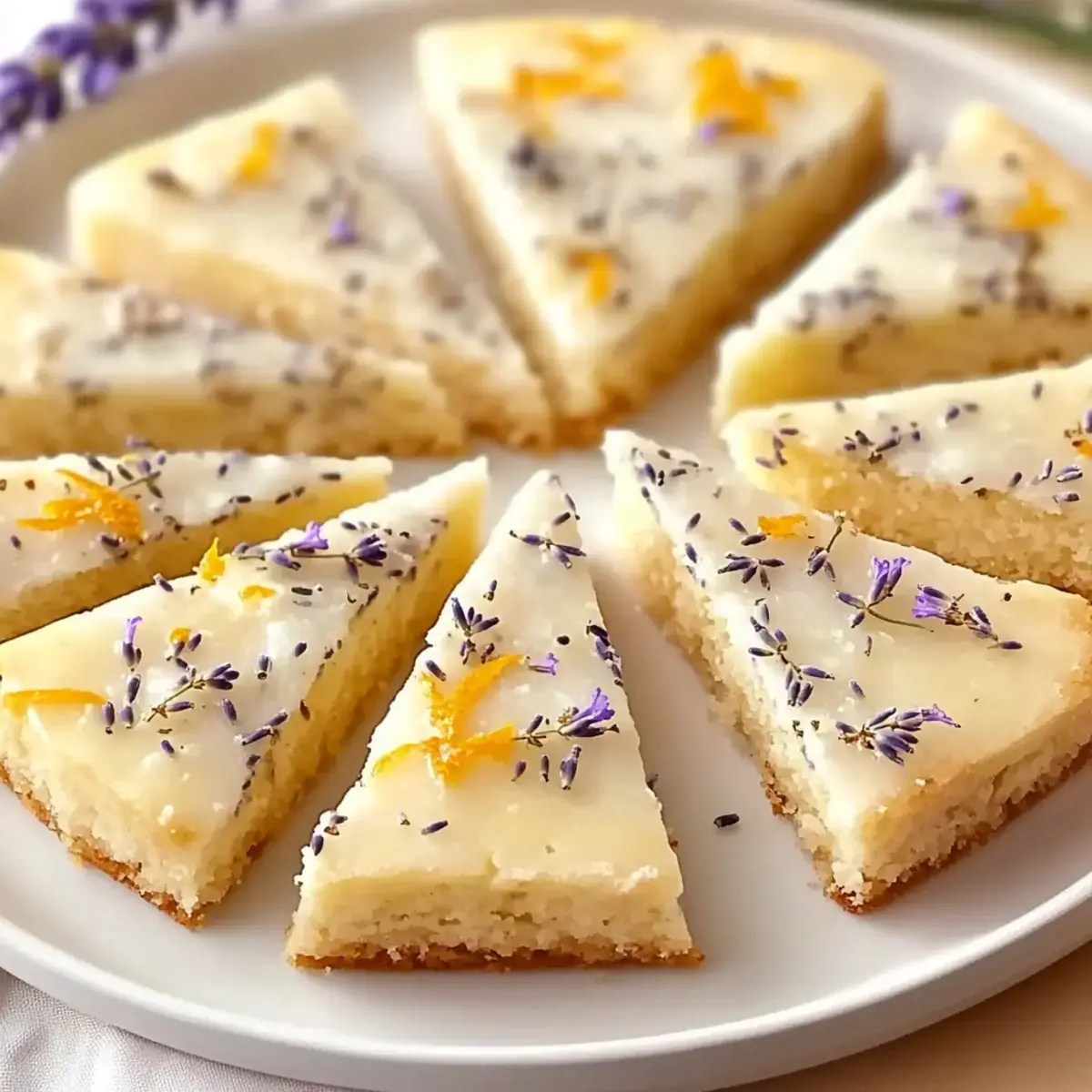
The fragrant whisper of lavender, combined with the bright zest of citrus, evokes a sense of calm and sophistication. It’s a sensory symphony that promises a truly delightful baking experience. These Citrus Lavender Shortbread Wedges are more than just a dessert; they are an invitation to slow down, savor the moment, and indulge in a beautifully balanced flavor profile.
Imagine the delicate, buttery crumble giving way to subtle floral notes, uplifted by the zesty tang of lemon and orange. This recipe is designed to be accessible, offering a touch of elegance without requiring complex techniques. Get ready to transform simple ingredients into an enchanting treat that will captivate your taste buds and impress anyone lucky enough to share them.
Why You Will Love This Recipe
- Irresistible Aroma: The enchanting blend of lavender and citrus creates a heavenly scent that fills your kitchen, making baking a joyful experience.
- Versatile Baking: Customize with ease; swap florals, add nuts, or enhance with chocolate for a personal touch.
- Quick & Simple: Whip these up in no time with basic ingredients and minimal steps, making them a perfect choice for novice and seasoned bakers alike.
- Crowd-Pleasing Delight: These elegant shortbread wedges are sure to impress your guests, making them a show-stopping addition to any dessert table.
- Diet-Friendly Options: With variations for gluten-free and vegan diets, everyone can indulge in this delightful treat without compromise!
Ingredients You Need
Embarking on the creation of these exquisite Citrus Lavender Shortbread Wedges begins with selecting the finest ingredients. Quality ingredients are the bedrock of any successful baked good, ensuring not only superior taste but also the desired texture and aroma. These components come together to form a harmonious blend that is both comforting and elegantly refined.
Citrus Lavender Shortbread Wedges
Delightful Citrus Lavender Shortbread Wedges that combine the aromatic notes of lavender with zesty lemon and orange for a truly enchanting treat. Perfect for leisurely afternoons, this easy dessert not only delivers a melt-in-your-mouth texture but is also adaptable for vegan and gluten-free diets.
- 1 cup Unsalted Butter, room temperature
- 0.5 cup Granulated Sugar
- 1 tablespoon Lemon Zest
- 1 tablespoon Orange Zest
- 1 teaspoon Vanilla Extract
- 2 cups All-Purpose Flour
- 0.25 teaspoon Kosher Salt
- 1 tablespoon Fresh Lemon Juice
- 0.5 cup Milk
- 1 tablespoon Dried Lavender
- 1 cup Confectioners' Sugar (for dusting)
- Optional Extra Orange Zest (for garnish)
- 1Preheat your oven to 350°F (175°C) and grease an 8-inch baking dish.
- 2Cream together the unsalted butter and granulated sugar until light and fluffy.
- 3In a separate bowl, combine flour, salt, and dried lavender; mix into butter mixture.
- 4Shape the dough into a disc about ½ inch thick and transfer to the greased dish.
- 5Bake for 20-25 minutes until golden brown and set in the center.
- 6Cool for 10 minutes, then cut into wedges and dust with confectioners' sugar.
Keywords: shortbread, lavender, citrus, lemon, orange, cookies, dessert, baking, easy, vegetarian, gluten-free, vegan
You will find that the specific quantities required for each ingredient are conveniently listed within the provided recipe card. This ensures you have everything precisely measured for optimal results in your baking endeavor.
Variations
Exploring different flavor profiles can transform these shortbread wedges into something uniquely special. Consider infusing them with the subtle, earthy notes of rosemary instead of lavender for a more herbaceous and savory undertone. This might appeal to those who enjoy a less sweet, more complex biscuit, and pairs wonderfully with a cup of strong black tea or even a light afternoon coffee.
For a vibrant and unexpected twist, try incorporating a hint of citrus like grapefruit zest into the dough. This adds a delightful tang that beautifully cuts through the richness of the butter, providing a refreshing contrast that is both surprising and highly palatable. It’s a wonderful way to elevate the classic shortbread.
Another delightful modification involves adding finely chopped almonds or pistachios to the dough. These nuts introduce a pleasant crunch and a nutty depth that complements the buttery shortbread wonderfully. This variation also lends itself beautifully to being served alongside a cheese platter, creating a sophisticated pairing for any gathering.
How to Prepare Citrus Lavender Shortbread Wedges
Step 1: Prepare Your Baking Environment
Begin by preheating your oven to the optimal temperature of 350°F (175°C). This crucial step ensures that the shortbread bakes evenly from the moment it enters the oven, leading to a consistent texture throughout. Simultaneously, prepare your chosen baking dish, an 8-inch square or round pan, by greasing it thoroughly with butter or a light coating of cooking spray. This preparatory action is essential for preventing the shortbread from sticking, guaranteeing an easy release once baked and cooled, and preserving the aesthetic appeal of your wedges.
Ensuring the baking dish is properly prepared is a small step that significantly impacts the final outcome. A well-greased pan means your shortbread will lift out cleanly, avoiding frustrating breaks and maintaining the perfect wedge shape you’ve worked hard to achieve. It’s this attention to detail in the initial stages that lays the foundation for a truly successful bake, making the entire process feel more effortless and rewarding.
Step 2: Crafting the Sweet Foundation
In a generously sized mixing bowl, combine the softened unsalted butter and granulated sugar. Employ an electric mixer on a medium speed to cream these two ingredients together for approximately 2 to 3 minutes. The objective here is to achieve a mixture that is wonderfully light and airy, exhibiting a pale color and a fluffy consistency. This creaming process incorporates air into the dough, which contributes significantly to the delicate, melt-in-your-mouth texture characteristic of great shortbread.
Once the butter and sugar are beautifully creamed, introduce the flavor-enhancing elements. Add the finely grated zest from one lemon and one orange, ensuring you capture only the colored outer layer of the peel, avoiding the bitter white pith. Follow this with 1 teaspoon of pure vanilla extract for depth and 1 tablespoon of fresh lemon juice for a bright, zesty kick. Mix these additions gently until they are just incorporated into the creamy base, creating a fragrant and enticing mixture.
Step 3: Integrating the Dry Elements
In a separate, clean bowl, whisk together the all-purpose flour and the kosher salt. This action ensures that the salt is evenly distributed throughout the flour, preventing any concentrated salty spots in your shortbread. To this dry mixture, add the tablespoon of dried culinary lavender buds. Ensure the lavender is finely dried, as larger pieces might be too potent or create an uneven texture.
Gradually introduce this carefully prepared dry ingredient blend into the wet butter and sugar mixture. It is vital to mix these ingredients on a low speed with your electric mixer, or by hand with a spatula, until they are just combined. The key here is to avoid overmixing; you want the dough to remain slightly crumbly. Overworking the dough will develop the gluten in the flour too much, resulting in tougher shortbread rather than the tender, delicate texture desired.
Step 4: Shaping the Elegant Wedges
Turn the slightly crumbly dough out onto a lightly floured clean countertop or a large sheet of parchment paper. Gently bring the dough together with your hands, avoiding excessive kneading. The goal is to form a cohesive disc that is approximately ½ inch thick. The less you handle the dough at this stage, the more tender your final shortbread will be. This tenderness is a hallmark of exceptional shortbread, making it truly irresistible.
Once the disc is formed and flattened to an even thickness, carefully transfer it into the prepared, greased baking dish. Use your fingers or the bottom of a measuring cup to gently press the dough evenly into the corners and along the base of the dish. Aim for a uniform layer of dough across the entire pan; this ensures that your shortbread bakes consistently, producing evenly cooked wedges with beautiful golden-brown edges and a perfectly set center.
Step 5: The Art of Baking
Place the baking dish containing the shaped shortbread dough into the preheated oven. Allow it to bake for approximately 20 to 25 minutes. During this time, keep a watchful eye on the shortbread as baking times can vary slightly depending on your oven. You are looking for the edges to turn a beautiful golden brown, indicating they are perfectly crisp and caramelized.
The center of the shortbread should appear set and firm to the touch, not wet or doughy. A light golden hue across the surface, particularly around the perimeter, signifies that the shortbread has reached its ideal state for that signature buttery crumble. This visual cue, along with the slightly firm texture, ensures you achieve that delightful melt-in-your-mouth experience that makes these shortbread wedges so special and so widely loved.
Step 6: Cooling and Presentation
Once the shortbread has achieved its perfect golden hue and firm set, carefully remove the baking dish from the oven. Place the dish on a wire rack to begin the cooling process, allowing the intense heat to dissipate for about 10 minutes. This brief cooling period is crucial; it allows the shortbread to firm up slightly, making it much easier to handle and cut without it crumbling excessively.
While the shortbread is still warm, gently score it into the desired wedge shapes. Using a sharp knife, cut through the shortbread within the baking dish. After slicing, let it cool a bit more before gently loosening the wedges. For a final touch of elegance, dust the tops generously with confectioners’ sugar, creating a delicate snowfall effect. If desired, sprinkle a little extra orange zest over the powdered sugar for an added burst of aroma and visual appeal, transforming your simple bake into a work of art.
Pro Tips for Citrus Lavender Shortbread Wedges
Butter Temperature is Key: Always ensure your unsalted butter is at true room temperature. This is not just about softness; it allows the butter to emulsify properly with the sugar, creating an airy structure crucial for tender shortbread. Cold butter will result in a dense, hard cookie, while melted butter can lead to a greasy and spread-out result. Room temperature butter is your best friend for achieving that perfect crumb.
Accurate Flour Measurement Matters: The way you measure flour can significantly affect the texture of your shortbread. Instead of scooping directly from the bag, which compacts the flour, spoon the flour lightly into your measuring cup and then level it off with a straight edge. For ultimate precision, weighing your flour is the most reliable method, ensuring consistency in every batch and preventing dry, tough shortbread.
Gentle Mixing is Essential: Once you begin combining the wet and dry ingredients, mix only until they are just incorporated. Overmixing develops the gluten in the flour, transforming your delicate shortbread into something tough and chewy, which is the opposite of the desired melt-in-your-mouth quality. Embrace a slightly crumbly dough; it’s a sign you’re on the right track to perfect shortbread.
Watch Your Baking Time Closely: Ovens can be temperamental, and baking times can vary. Keep a close eye on your shortbread during the final stages of baking. Look for those beautiful golden-brown edges and a set, firm center. Pulling them out too early will result in undercooked, doughy shortbread, while overbaking can lead to dry, burnt edges and a bitter taste.
Allow Adequate Cooling Before Slicing: Resist the temptation to cut into the shortbread immediately after it comes out of the oven. Letting it cool in the pan for at least 10-15 minutes allows the structure to set properly. This significantly reduces the likelihood of the shortbread crumbling into pieces when you slice it, ensuring clean wedges that look as good as they taste.
Serving Suggestions for Citrus Lavender Shortbread Wedges
Decoration
Elevate the visual appeal of your Citrus Lavender Shortbread Wedges with simple yet effective decorative touches. A light dusting of confectioners’ sugar provides a delicate, snowy finish that enhances the baked goods’ inherent elegance. For an extra burst of citrus aroma and a pop of color, sprinkle a little extra finely grated orange or lemon zest over the powdered sugar. You can also consider a very fine drizzle of melted white chocolate or a thin line of edible gold leaf for a truly luxurious presentation, perfect for special occasions.
Side Dishes
These shortbread wedges are a delightful accompaniment to various beverages and light accompaniments. Consider serving them alongside a fragrant cup of herbal tea, such as chamomile or peppermint, which beautifully complements the floral and citrus notes. Fresh berries like raspberries or blueberries offer a lovely tart contrast that cuts through the sweetness and richness of the shortbread. A dollop of lightly sweetened whipped cream or crème fraîche adds a cloud-like texture and a creamy counterpoint.
Creative Serving Ideas
Imagine a charming afternoon tea spread featuring these shortbread wedges alongside miniature sandwiches and scones. They also make an exquisite addition to a dessert charcuterie board, nestled amongst other sweet treats like mini tarts and chocolates. For a more casual gathering, serve them in small decorative bowls as an accessible treat for guests to enjoy at their leisure. They are also wonderfully paired with a scoop of delicate lemon or vanilla bean ice cream for a simple yet sophisticated dessert.
Preparation & Storage
Storing Leftovers
To maintain the delightful crispness and flavor of your Citrus Lavender Shortbread Wedges, proper storage is key. Once completely cooled, place them in an airtight container. If your kitchen is relatively cool, they can be stored at room temperature for up to a week. Ensure the container is well-sealed to prevent moisture from entering, which can cause them to soften and lose their characteristic crumbly texture.
In warmer climates or during humid seasons, it is advisable to store the shortbread wedges in the refrigerator. The cooler environment will help prevent them from becoming too soft due to ambient heat. While refrigeration helps preserve their texture, remember to allow them to come back to room temperature for a short while before serving to enjoy their full flavor and delicate crispness.
Freezing
For longer-term storage, freezing is an excellent option for these shortbread wedges. Individually wrap each wedge tightly in plastic wrap. Once individually wrapped, place the wedges into a heavy-duty zip-top freezer bag, pressing out as much air as possible before sealing. This double-layer protection helps prevent freezer burn and preserves the quality of the shortbread for up to three months.
When you are ready to enjoy your frozen shortbread, simply remove the desired number of wedges from the freezer bag. Place them in the refrigerator and allow them to thaw overnight. This slow thawing process helps to retain their delicate texture. Avoid thawing them at room temperature, as this can lead to condensation and a softer cookie.
Reheating
If you prefer your shortbread wedges served warm, a gentle reheating process can revive their buttery aroma and slightly crisp texture. Preheat your oven to a low temperature, around 300°F (150°C). Arrange the shortbread wedges on a baking sheet lined with parchment paper, ensuring they are not overlapping. Bake for approximately 5 to 10 minutes, just until they are warmed through and slightly re-crisped.
Be cautious not to overheat them, as this can cause them to become too dry or even burn. The goal is simply to bring them to a pleasant warmth that enhances their flavor and aroma. This method is particularly effective for bringing out the delicate lavender and citrus notes, making each bite a truly delightful experience.
Frequently Asked Questions
-
What is the best way to select and prepare dried lavender for baking?
When choosing dried lavender for culinary purposes, opt for culinary-grade lavender specifically meant for consumption, such as lavender buds. Look for vibrant purple flowers that are free from dark spots or signs of mold, which can indicate spoilage. The aroma should be strong, sweet, and distinctly floral, not musty or bitter. It’s best to lightly crush or grind the dried lavender buds just before adding them to your recipe to release their full fragrance and flavor. Avoid using lavender stems, as they can be woody and impart an unpleasant texture. Ensure the lavender is stored in an airtight container away from light and heat to maintain its potency.
-
Can I substitute the citrus zest? If so, with what?
Absolutely! The zest provides a bright, aromatic lift that complements the lavender beautifully. If you don’t have lemons or oranges, you can certainly substitute. Lime zest offers a similar tangy brightness, though with a slightly different profile. Grapefruit zest can introduce a more complex, slightly bitter, yet refreshing citrus note that is incredibly sophisticated. For a more subtle citrus flavor, you could even try using Meyer lemon zest, which is a hybrid with a sweeter, more floral undertone. The key is to use only the colored outer peel, as the white pith beneath is bitter and should be avoided.
-
My shortbread dough seems too dry and crumbly. What can I do?
A slightly crumbly dough is characteristic of shortbread, as it’s meant to be tender and melt-in-your-mouth. However, if it’s excessively dry and difficult to bring together, a small addition of liquid can help bind it. Try adding milk, one tablespoon at a time, and mixing gently until the dough just comes together. Be careful not to add too much, as this can make the shortbread tough. Alternatively, if you suspect you may have used slightly too much flour, a tiny splash of fresh lemon juice can also aid in binding the dough without adding excessive moisture. Remember to handle the dough as little as possible once the liquid is added to maintain its tender quality.