Cacio e Pepe: Irresistible Creamy Italian Pasta for Two
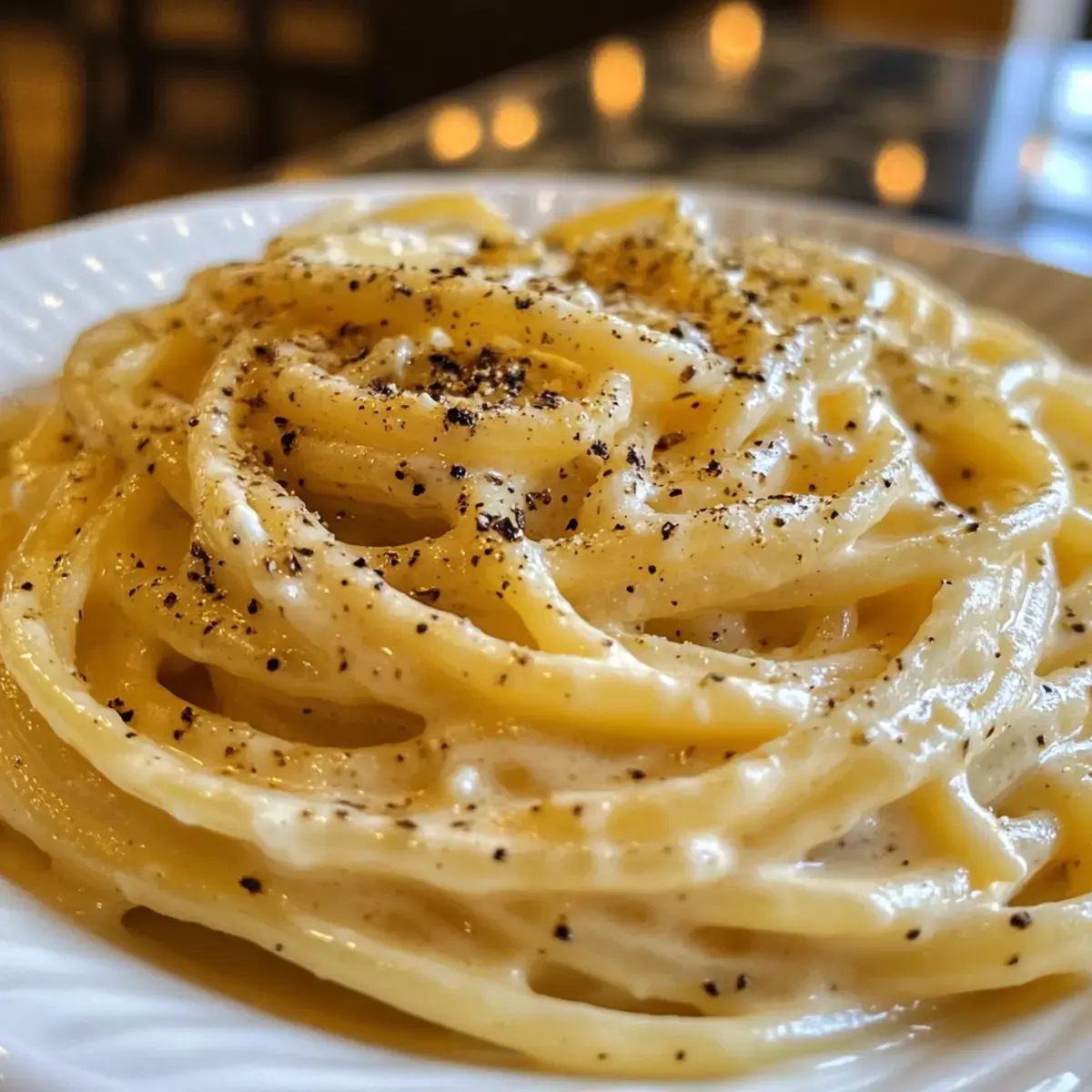
As the steam rises from a pot of boiling water, the aroma of freshly toasted black pepper fills the air, instantly transporting me to a cozy trattoria in Rome. This is the magic of Cacio e Pepe—an unassuming yet wonderfully creamy pasta dish that brings together just a few quality ingredients for an incredible meal.
Perfect for a quick dinner after a long day or an intimate date night, this recipe showcases the beauty of Italian cuisine, balancing simplicity and indulgence effortlessly. With options for dairy-free and gluten-free substitutions, it caters to a variety of dietary needs without sacrificing flavor. Ready to elevate your weeknight dinners? Let’s dive into the comforting world of Cacio e Pepe, where every bite offers a warm embrace of savory goodness.
Why You Will Love This Recipe
- Simplicity Perfected: This dish proves that with just a handful of high-quality ingredients, you can create a meal that is both incredibly satisfying and elegant. It’s a testament to the power of simple flavors coming together in harmony, making complex culinary techniques unnecessary.
- Luxurious Creaminess: The magically emulsified sauce clings beautifully to every strand of pasta, providing an indulgent and comforting texture that feels wonderfully decadent. This creamy coating is achieved with minimal ingredients, highlighting the chef’s skill in emulsification.
- Remarkably Quick Preparation: From start to finish, Cacio e Pepe can be on your table in under 20 minutes, making it an ideal solution for busy weeknights or spontaneous cravings. This speed makes it a go-to for those evenings when time is of the essence but flavor is non-negotiable.
- Dietary Adaptability: Easily transform this classic Italian comfort food to suit various dietary needs with simple substitutions. Whether you are looking for a dairy-free or gluten-free option, this recipe offers flexibility without compromising on taste or texture.
- Authentic Roman Flavors: Experience a true taste of Rome with this traditional dish that faithfully recreates the essence of a beloved Roman classic. It’s a culinary journey to Italy, right in your own kitchen, capturing the heart of Italian home cooking.
Ingredients You Need
The foundation of an exceptional Cacio e Pepe lies in the quality of its few, yet vital, ingredients. Opting for the freshest Pecorino Romano cheese and the most fragrant black pepper will elevate this simple dish from good to extraordinary. Sourcing high-quality pasta is also paramount, as its texture and ability to hold the sauce are crucial for the overall experience.
Cacio e Pepe: Quick and Creamy Italian Comfort for Two
Discover the magic of Cacio e Pepe, a quick and creamy Italian pasta dish that embodies simplicity and indulgence. This recipe is perfect for a cozy dinner or an intimate date night, showcasing the beauty of Italian cuisine with just a few quality ingredients. With options for dairy-free and gluten-free substitutions, it caters to a variety of dietary needs without sacrificing flavor.
- For the Pasta: 8 ounces Spaghetti or Bucatini (Substitute with gluten-free pasta if needed.)
- For the Sauce: 1 cup Pecorino Romano Cheese (Can substitute with vegan cheese for a dairy-free alternative.), 2 tablespoons Butter (Use vegan butter to keep it dairy-free.), 1/2 cup Heavy Cream (Feel free to omit for a traditional version.), 1-2 teaspoons Freshly Cracked Black Pepper (Toast for better flavor.)
- Optional Add-Ins: 1 tablespoon Lemon Zest (For a refreshing zesty twist.), 1 cup Sautéed Vegetables (like spinach or peas) (Incorporate for added nutrition.)
- 1Cook Pasta: Fill a large pot with water, add a generous amount of salt, and bring to a rolling boil. Add spaghetti or bucatini and cook according to package instructions until al dente (about 8-10 minutes). Stir occasionally.
- 2Prepare Sauce: While pasta cooks, place a wide pan over medium heat. Add 1-2 teaspoons of freshly cracked black pepper and toast for 2-3 minutes until fragrant, stirring frequently.
- 3Reserve Pasta Water: Once pasta is al dente, reserve about 1 cup of the starchy cooking water. Drain the pasta in a colander (do not rinse).
- 4Mix Cheese & Water: In a mixing bowl, combine ½ cup of hot reserved pasta water with grated Pecorino Romano cheese. Stir vigorously until a smooth, creamy sauce forms.
- 5Combine: Return the toasted pepper pan to low heat. Add the drained pasta to the pan. Immediately pour the cheese-water mixture over the pasta. Toss gently with tongs, adding more reserved pasta water as needed to achieve a silky, creamy consistency.
- 6Serve: Plate the Cacio e Pepe immediately in shallow bowls. Garnish with extra Pecorino Romano and black pepper if desired.
Keywords: Cacio e Pepe, Italian Pasta, Quick Dinner, Creamy Pasta, Vegetarian, Comfort Food, Weeknight Meal, Date Night Recipe
- spaghetti or bucatini: provides the essential structure for the dish; substitute with gluten-free pasta if needed for dietary accommodations.
- pecorino romano cheese: this nutty, salty cheese is the star, providing the signature creamy sauce and depth of flavor; ensure it’s finely grated for optimal melting.
- butter: creates a richer mouthfeel and helps to emulsify the sauce, adding a smooth finish; use a good quality butter for the best results.
- heavy cream (optional): adds an extra layer of silkiness to the sauce, though traditional versions often omit it, relying solely on cheese and pasta water.
- freshly cracked black pepper: gives the dish its characteristic warmth and aromatic punch; toasting it beforehand intensifies its fragrance and flavor significantly.
Quantities for these essential components are detailed within the provided recipe card.
Variations
The beauty of Cacio e Pepe extends beyond its classic form, offering a canvas for creative culinary exploration and adaptation. These variations allow you to tailor the dish to specific tastes and dietary requirements while retaining its comforting essence.
For a delightful Vegan Cacio e Pepe, the substitution is straightforward yet impactful. Instead of Pecorino Romano, employ a high-quality vegan hard cheese that melts well, often made from nuts or soy, ensuring it has a sharp, savory profile. Vegan butter can seamlessly replace dairy butter, providing the necessary richness and emulsification support. The creamy texture is still achievable, as the starchy pasta water, when properly managed, can create a luscious sauce even without dairy. This version opens the door to enjoying this Italian classic for those avoiding animal products.
Embracing a Low-Carb or Gluten-Free Cacio e Pepe presents another avenue for customization. For a gluten-free experience, select your favorite gluten-free spaghetti or bucatini, ensuring it’s cooked perfectly al dente to avoid a mushy texture. If you are exploring lower-carbohydrate options, you might consider using shirataki noodles or spiralized zucchini noodles, though they will absorb the sauce differently and yield a distinct texture. The principles of emulsifying the cheese and pepper with pasta water remain, but the base ingredient changes the final outcome significantly.
Adding a touch of brightness can transform the dish into something truly special. Consider incorporating Lemon Zest Cacio e Pepe for a refreshing twist. Just before serving, a generous grating of fresh lemon zest over the pasta can cut through the richness of the cheese and pepper, adding a vibrant, zesty counterpoint. This simple addition elevates the dish, making it feel lighter and more complex, perfect for those who appreciate a citrusy note in their savory meals. It’s a subtle change that makes a significant difference in the overall flavor profile.
For those who love an extra layer of depth and perhaps a hint of earthiness, consider adding a handful of Sautéed Mushroom or Spinach Cacio e Pepe. Sautéing mushrooms until golden brown or wilting fresh spinach with a touch of garlic before tossing them with the pasta adds texture, color, and additional nutrients. These additions transform the simple pasta into a more complete and visually appealing meal, offering a wonderful contrast to the creamy sauce. The umami from the mushrooms or the freshness from the spinach can create a delightful new dimension.
How to Prepare Cacio e Pepe
Step 1: Prepare the Pasta Water and Toast the Pepper
Begin by filling a large, sturdy pot with an ample amount of cold water, ensuring there’s enough room for the pasta to move freely. Add a generous pinch of salt to the water; this is your primary opportunity to season the pasta from within, and it’s crucial for achieving a well-balanced flavor profile. Bring the water to a vigorous, rolling boil over high heat, allowing it to reach its maximum temperature to ensure the pasta cooks evenly and quickly.
While the pasta water heats, take a wide, preferably non-stick, pan and place it over medium heat. Add your freshly cracked black pepper to the dry pan; the amount is subjective to your preference, but typically one to two teaspoons provides a good starting point for two servings. Toast the pepper gently for about 2 to 3 minutes, stirring it constantly. You’ll know it’s ready when its aroma becomes significantly more pronounced and fragrant, indicating that its essential oils have been released and are ready to infuse the dish with robust flavor.
This initial step is about laying the groundwork for success. The salty water ensures the pasta itself is seasoned, preventing a bland base, and the toasted pepper is the aromatic soul of Cacio e Pepe. Skipping the toasting of the pepper would result in a duller, less impactful peppery note, so this quick but essential step is vital for authentic flavor. The pan should be large enough to eventually accommodate the pasta and sauce, making the transition seamless in later stages.
Step 2: Cook the Pasta to Al Dente Perfection
Once the water has reached a full, rolling boil, carefully add your chosen pasta—spaghetti or bucatini are traditional and recommended for their ability to capture the sauce. Stir the pasta immediately after adding it to the pot to prevent the strands from sticking together, a common issue if left unattended. It is important to cook the pasta according to the package directions, aiming for that perfect “al dente” texture, which means it should be cooked through but still have a slight, pleasant chew or bite to it.
Avoid the temptation to overcook the pasta; mushy pasta will not hold the sauce properly and will detract from the dish’s overall appeal. Keep a close eye on the cooking time, and perhaps taste a strand a minute or two before the suggested finish time to gauge its readiness. This precise timing ensures that the pasta is at its optimal state to absorb the creamy sauce and to provide a satisfying texture that complements the other components of the Cacio e Pepe.
The starch released from the pasta during this cooking process is a critical element for creating the creamy sauce. It’s this starchy water that acts as an emulsifier, binding the cheese and fat together into a cohesive, velvety coating for the pasta. Therefore, maintaining the integrity of this starch by cooking the pasta correctly and reserving the water is absolutely paramount for achieving the signature Cacio e Pepe texture.
Step 3: Reserve the Starchy Pasta Water and Drain the Pasta
Just before the pasta reaches its perfectly al dente state, it is absolutely essential to reserve a portion of the cooking water. Using a heatproof measuring cup or ladle, carefully scoop out approximately one to one-and-a-half cups of the starchy, cloudy water from the pot. This liquid gold is the secret ingredient that transforms simple cheese and pepper into a luxurious, creamy sauce that coats every strand of pasta beautifully. Do not discard this water; it is indispensable for the success of your Cacio e Pepe.
Once you have secured your reserved pasta water, drain the cooked pasta thoroughly in a colander. However, and this is a crucial detail, do not rinse the pasta under cold water. Rinsing would wash away the precious starch clinging to the pasta’s surface, which is vital for creating the emulsion that binds the sauce. The pasta should be slightly wet and ready to be combined with the sauce ingredients immediately after draining, maintaining its warmth and receptiveness to the sauce.
The combination of residual moisture on the pasta and the starchy water is what allows the emulsification process to begin. This water contains gelatinized starches that act as a binder, preventing the cheese and fat from separating and creating a smooth, integrated sauce. Without this step, you risk a greasy or clumpy outcome, so this careful reservation and non-rinsing technique are non-negotiable for authentic Cacio e Pepe.
Step 4: Create the Emulsified Cheese and Water Mixture
In a separate mixing bowl, combine about half a cup of the hot, reserved pasta water with the finely grated Pecorino Romano cheese. The temperature of the water is important here; it should be hot enough to help melt the cheese but not so boiling that it scrambles it. Begin stirring the mixture vigorously with a whisk or a fork, working quickly to create a smooth, creamy emulsion. This initial emulsion is the base of your sauce, and its texture is key to the final dish.
As you stir, you should see the cheese begin to dissolve into the water, forming a thick, sauce-like consistency. If the mixture seems too thick, you can add another tablespoon or two of the hot pasta water to achieve a more fluid, yet still creamy, texture. The goal is to have a well-combined, lump-free sauce that is ready to coat the pasta. Patience and continuous stirring are your best allies in achieving this smooth consistency.
This step is where the magic of Cacio e Pepe truly begins to unfold. The interaction between the hot, starchy water and the finely grated cheese creates an emulsification that is surprisingly stable and remarkably creamy. This technique, often referred to as a “mantecatura” in Italian cooking, is what gives the dish its signature velvety texture without relying heavily on cream or other thickeners. Mastering this emulsion is fundamental to replicating the authentic Roman experience.
Step 5: Combine Pasta with Sauce for Ultimate Creaminess
Return the pan with the toasted black pepper to a very low heat. Immediately add the drained, al dente pasta directly into this pan with the pepper. This is where everything comes together, so work with a sense of urgency but also with care to ensure a perfect result. The residual heat in the pan and the pasta will help the sauce cling and emulsify beautifully.
Pour the emulsified cheese and water mixture over the hot pasta in the pan. Using tongs, gently toss the pasta to evenly distribute the sauce. As you toss, the sauce will begin to thicken and cling to each strand of pasta, creating that luscious, creamy coating. If the sauce appears too thick or dry, gradually add more of the reserved pasta water, a tablespoon at a time, while continuing to toss until you achieve a silky, flowing consistency that coats the pasta without being watery.
The key here is constant motion and careful observation. You want the sauce to become perfectly incorporated, coating every piece of pasta without leaving any excess liquid at the bottom of the pan. The starch from the pasta water, combined with the fats from the cheese and butter (if used), creates a stable emulsion that is both rich and light. This final tossing and emulsifying step is critical for achieving the hallmark creamy texture of authentic Cacio e Pepe.
Step 6: Serve Immediately for Peak Enjoyment
As soon as the pasta is beautifully coated in the creamy sauce and the consistency is just right, it’s time to serve. Cacio e Pepe is a dish that truly shines when enjoyed immediately after preparation, as its texture and temperature are at their absolute best. Carefully transfer the pasta into warmed shallow bowls, which are ideal for showcasing the creamy sauce and the pepper flecks.
Garnish each serving with an extra sprinkle of finely grated Pecorino Romano cheese and another twist of freshly cracked black pepper. This final touch not only enhances the visual appeal but also adds an extra burst of flavor and aroma right before you take your first bite. The warmth of the pasta will slightly melt the extra cheese, creating an even more inviting presentation.
Serving this dish piping hot ensures that the sauce remains perfectly emulsified and the pasta retains its ideal al dente texture. Delaying serving can cause the sauce to congeal or separate, diminishing the delightful creamy mouthfeel that makes Cacio e Pepe so iconic. This immediate serving ritual is part of the culinary tradition, ensuring each bite is a warm, comforting embrace of Italian flavors.
Pro Tips for Cacio e Pepe
Achieving the perfect Cacio e Pepe often comes down to a few well-practiced techniques and understanding the nuances of its simple ingredients. These expert tips will help you elevate your dish from good to absolutely sensational, ensuring a consistently creamy and flavorful outcome every time you make it.
Always reserve more pasta water than you think you’ll need; this starchy liquid is the key to achieving a smooth, emulsified sauce. If your sauce becomes too thick or begins to clump, a splash of this hot water can instantly revive it, restoring its creamy consistency. It acts as a bridge between the cheese and the pasta, ensuring everything binds together beautifully without becoming greasy or dry. Never underestimate the power of this humble ingredient.
Toast your black pepper before adding it to the dish; this seemingly small step significantly amplifies the pepper’s aroma and flavor. Grinding fresh peppercorns and gently toasting them in a dry pan releases their essential oils, imparting a more complex and pungent warmth that is characteristic of authentic Cacio e Pepe. Pre-ground pepper simply won’t deliver the same aromatic intensity or depth of flavor, so fresh grinding and toasting are highly recommended.
Grate your Pecorino Romano cheese as finely as possible; a microplane grater is ideal for this purpose. Finely grated cheese melts more quickly and evenly, making it easier to create a smooth, lump-free sauce. If the cheese is too coarsely grated, it may not fully incorporate, leading to a grainy texture. Ensuring the cheese is finely powdered is crucial for a velvety sauce consistency.
Work efficiently and have all your ingredients prepped and ready before you start cooking the pasta; Cacio e Pepe comes together very quickly once the pasta is cooked. Have your cheese grated, pepper toasted, and pasta water measured out. This allows you to seamlessly move from cooking the pasta to assembling the sauce and tossing everything together while the pasta is still hot and receptive to the sauce, which is vital for proper emulsification.
Control the heat carefully when combining the pasta and sauce; the pan should be over very low heat or even removed from the heat altogether for the final tossing. Excessive heat can cause the cheese to seize and become clumpy, breaking the emulsion. The residual heat from the pasta and the pan is often sufficient to melt the cheese and create the sauce. Gentle tossing over minimal heat ensures a silky smooth finish.
Serving Suggestions for Cacio e Pepe
Decoration
The simplest yet most impactful decoration for Cacio e Pepe is often a final flourish of freshly grated Pecorino Romano cheese and a generous grinding of black pepper. This reinforces the dish’s core flavors and adds a visually appealing textural contrast. For an extra touch of elegance, consider a light dusting of finely chopped fresh parsley or chives, which adds a subtle herbaceous note and a vibrant splash of green, complementing the creamy pasta beautifully.
Side Dishes
To balance the richness of Cacio e Pepe, a crisp, light green salad with a simple vinaigrette makes an excellent accompaniment. The acidity of the dressing cuts through the creamy sauce, cleansing the palate and providing a refreshing contrast. Roasted or grilled seasonal vegetables, such as asparagus, zucchini, or bell peppers, also pair wonderfully, offering complementary earthy flavors and varied textures.
For a more substantial meal, consider serving Cacio e Pepe alongside grilled or roasted chicken or fish. A classic accompaniment from Italy, like crusty garlic bread, can provide a satisfying crunch and a savory flavor that complements the pasta. The simplicity of these side dishes allows the Cacio e Pepe to remain the star of the meal, enhancing its comforting qualities without overpowering them.
Creative Serving Ideas
Elevate your Cacio e Pepe by incorporating a hint of lemon zest directly into the sauce just before serving. This bright citrus note adds a surprising and delightful freshness that beautifully cuts through the richness of the cheese and pepper, transforming the familiar dish. It’s a simple yet effective way to introduce a more complex flavor profile.
Consider serving individual portions in small, oven-safe ramekins. After tossing the pasta with the sauce, portion it into the ramekins and briefly place them under a broiler until the top layer of cheese is lightly golden and bubbly. This creates a delightful textural contrast, offering a slightly crisp topping to the creamy pasta beneath. It’s an elegant presentation that adds an extra dimension of enjoyment.
For a fun, interactive dining experience, serve the Cacio e Pepe family-style directly from a large, warmed bowl. Provide individual bowls and let guests serve themselves, encouraging conversation and communal enjoyment. You could also offer a small side of chili flakes or a spicy olive oil for those who enjoy a bit of heat, allowing each person to customize their serving to their liking.
Preparation & Storage
Storing Leftovers
If you find yourself with leftover Cacio e Pepe, it’s best to store it in an airtight container in the refrigerator. The creamy sauce can thicken further as it cools, and it’s important to seal the container well to prevent the pasta from drying out. Aim to consume leftovers within 1 to 2 days for the best flavor and texture. Proper sealing is key to maintaining its freshness.
When storing, try to ensure the pasta is not packed too tightly, as this can lead to clumping upon reheating. Some people find it helpful to add a tiny drizzle of olive oil over the pasta before sealing the container, which can prevent the strands from sticking together. However, this should be done sparingly to avoid making the final dish too oily after reheating.
It is crucial to refrigerate the leftovers promptly after they have cooled down to a safe temperature. Leaving cooked food at room temperature for extended periods can lead to bacterial growth, making it unsafe for consumption. Always prioritize food safety when storing any type of meal, including this beloved Italian pasta dish.
Freezing
While Cacio e Pepe is undeniably best enjoyed fresh, it is possible to freeze leftovers, though the texture may change slightly upon reheating. If you choose to freeze it, allow the pasta to cool completely before transferring it to a freezer-safe airtight container. It’s advisable to leave a small amount of headspace in the container to allow for expansion during freezing.
The sauce’s emulsion can sometimes break when frozen and thawed, meaning it might appear a bit more oily or less creamy. To mitigate this, some suggest adding a small dollop of cream cheese or a touch more finely grated Pecorino Romano during the reheating process to help re-emulsify the sauce. Freezing it for longer than one month is not recommended, as the quality can degrade significantly.
When freezing, consider portioning the Cacio e Pepe into individual servings. This makes it easier to thaw and reheat only what you need, minimizing waste and ensuring a quicker reheating time. Ensure the container is properly sealed to protect the pasta from freezer burn and to maintain its quality as much as possible during its time in the freezer.
Reheating
Reheating Cacio e Pepe requires a gentle approach to restore its creamy texture. Place the refrigerated leftovers in a skillet over low heat. Add a splash of reserved pasta water, regular water, or a little milk or cream. Stir continuously as it heats, allowing the liquid to help re-emulsify the sauce and prevent it from becoming dry or clumpy. The goal is to coax the sauce back to its original velvety consistency.
Avoid microwaving if possible, as it can often lead to uneven heating and a less desirable texture. If you must use a microwave, heat in short intervals, stirring well between each interval, and again, add a splash of liquid to aid in rehydration and emulsification. The key is gentle heat and constant stirring to bring the dish back to life without compromising its integrity.
If the sauce has separated or seems a bit oily, gently stirring in a bit more finely grated Pecorino Romano cheese or a tiny knob of butter while reheating can help bring it back together. This process essentially mimics the original emulsification, creating a smooth and delicious result. Patience is key; allow the sauce to gently warm and re-form.
Frequently Asked Questions
-
How do I achieve the perfect creamy texture without clumping?
The key to a perfectly creamy, clump-free Cacio e Pepe lies in the emulsification process and temperature control. Firstly, use finely grated Pecorino Romano cheese, as it melts more evenly. Secondly, ensure you reserve enough starchy pasta water; this is your primary emulsifier. When combining the pasta, cheese, and water, do so off the direct high heat, or over very low heat, and toss vigorously with tongs. The hot, starchy water acts as a binder, creating a smooth sauce that coats the pasta. If the sauce appears too thick or begins to clump, immediately add a tablespoon or two of more hot pasta water while tossing continuously. The residual heat from the pasta and the pan is usually sufficient to melt the cheese and create the sauce; avoid overheating, which can cause the cheese to seize.
-
What is the best type of pasta to use for Cacio e Pepe, and can I use alternatives?
Traditionally, Cacio e Pepe is made with long pasta shapes like spaghetti, tonnarelli, or bucatini. These shapes have a good surface area and texture to capture and hold the creamy sauce. Bucatini, with its hollow center, is particularly excellent as it can trap some of the sauce within. If you require a gluten-free option, gluten-free spaghetti or linguine made from rice, corn, or legumes can be used; ensure they are cooked al dente to maintain their structure. For those exploring low-carb diets, shirataki noodles or spiralized zucchini can be used, but be aware that their texture and sauce-binding properties differ significantly from traditional pasta, yielding a different, though still potentially enjoyable, dish.
-
Can Cacio e Pepe be made dairy-free and still be creamy and delicious?
Yes, Cacio e Pepe can absolutely be adapted to be dairy-free while maintaining a satisfying creaminess and flavor. The primary substitution involves replacing the Pecorino Romano cheese with a high-quality vegan hard cheese that is known to melt well; look for options made from cashews, almonds, or soy that have a sharp, savory profile. Vegan butter can be used in place of dairy butter to provide richness and aid in emulsification. While heavy cream is often optional in traditional Cacio e Pepe, omitting it and relying on the starchy pasta water for creaminess works well in both dairy and dairy-free versions. The technique of creating a smooth emulsion with hot, starchy pasta water is still the key to achieving a luscious, dairy-free sauce.